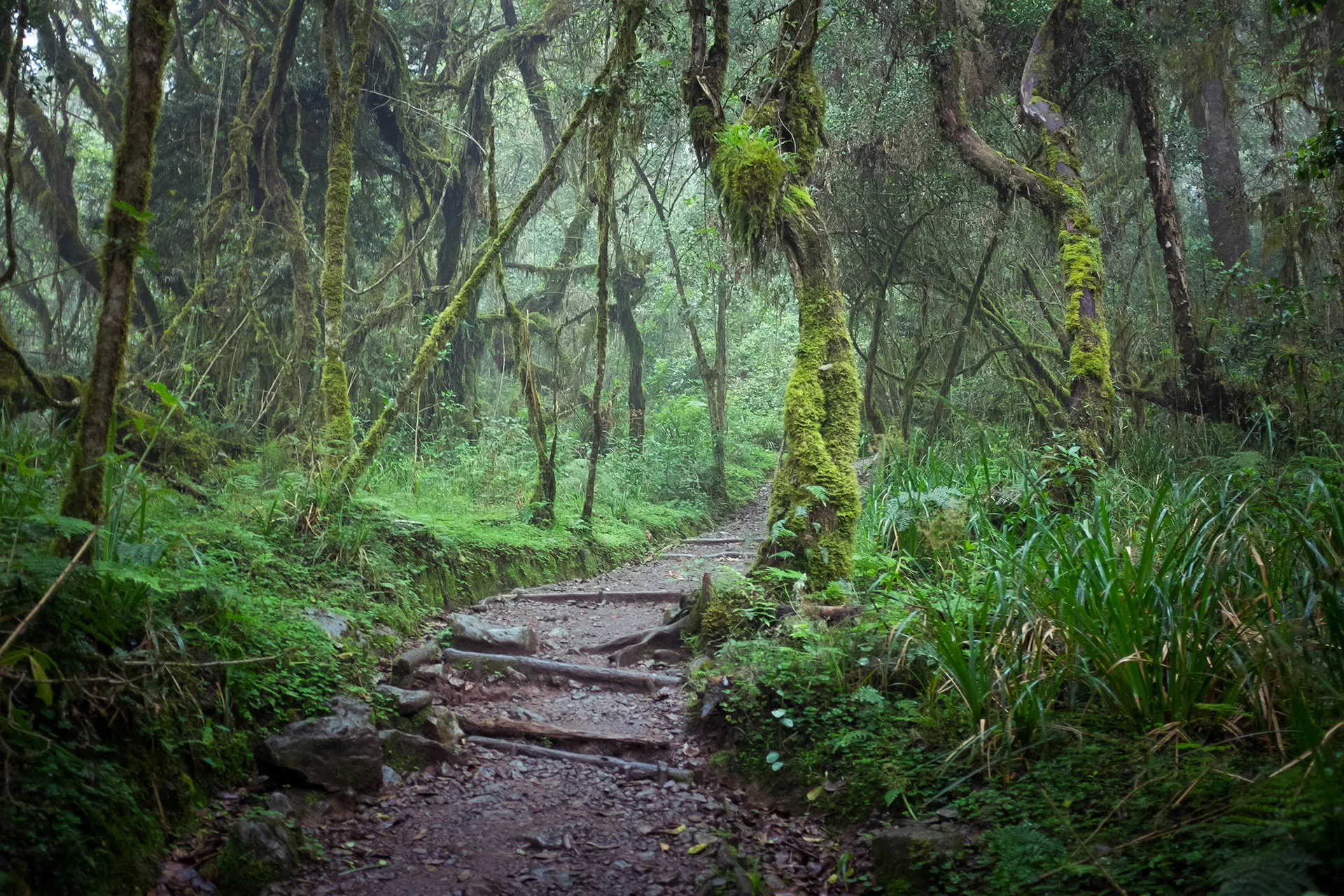
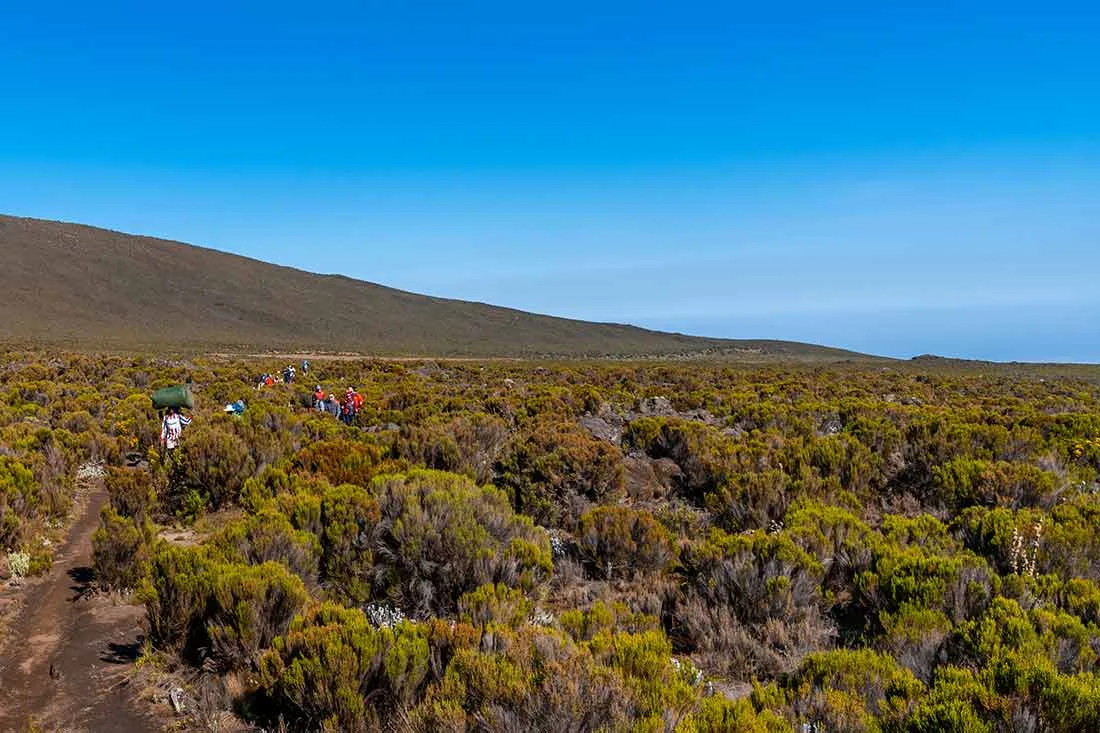
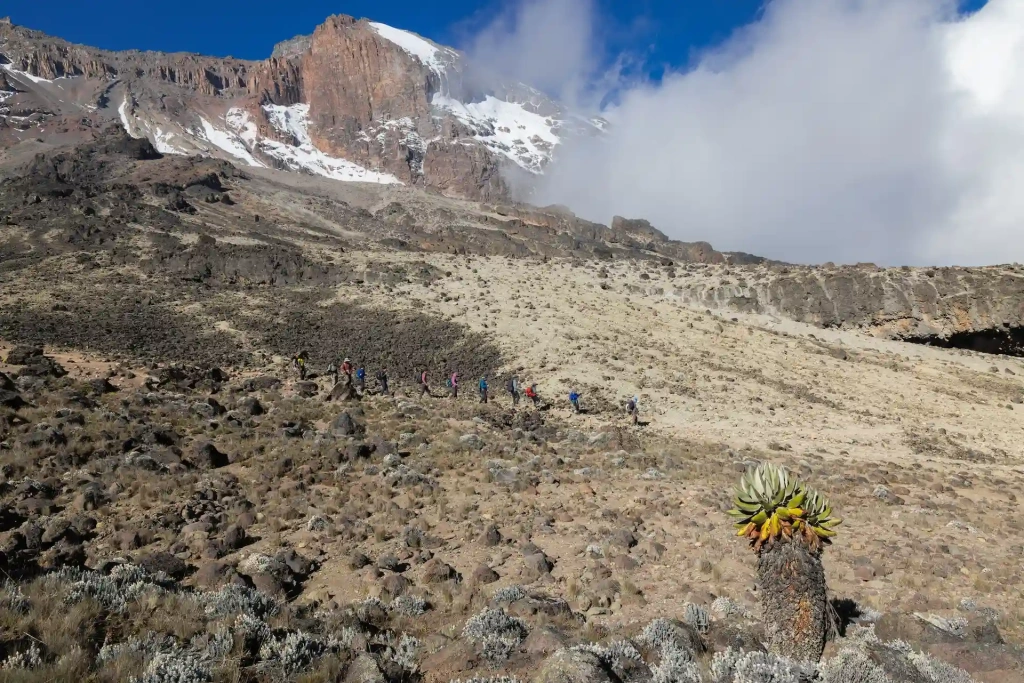
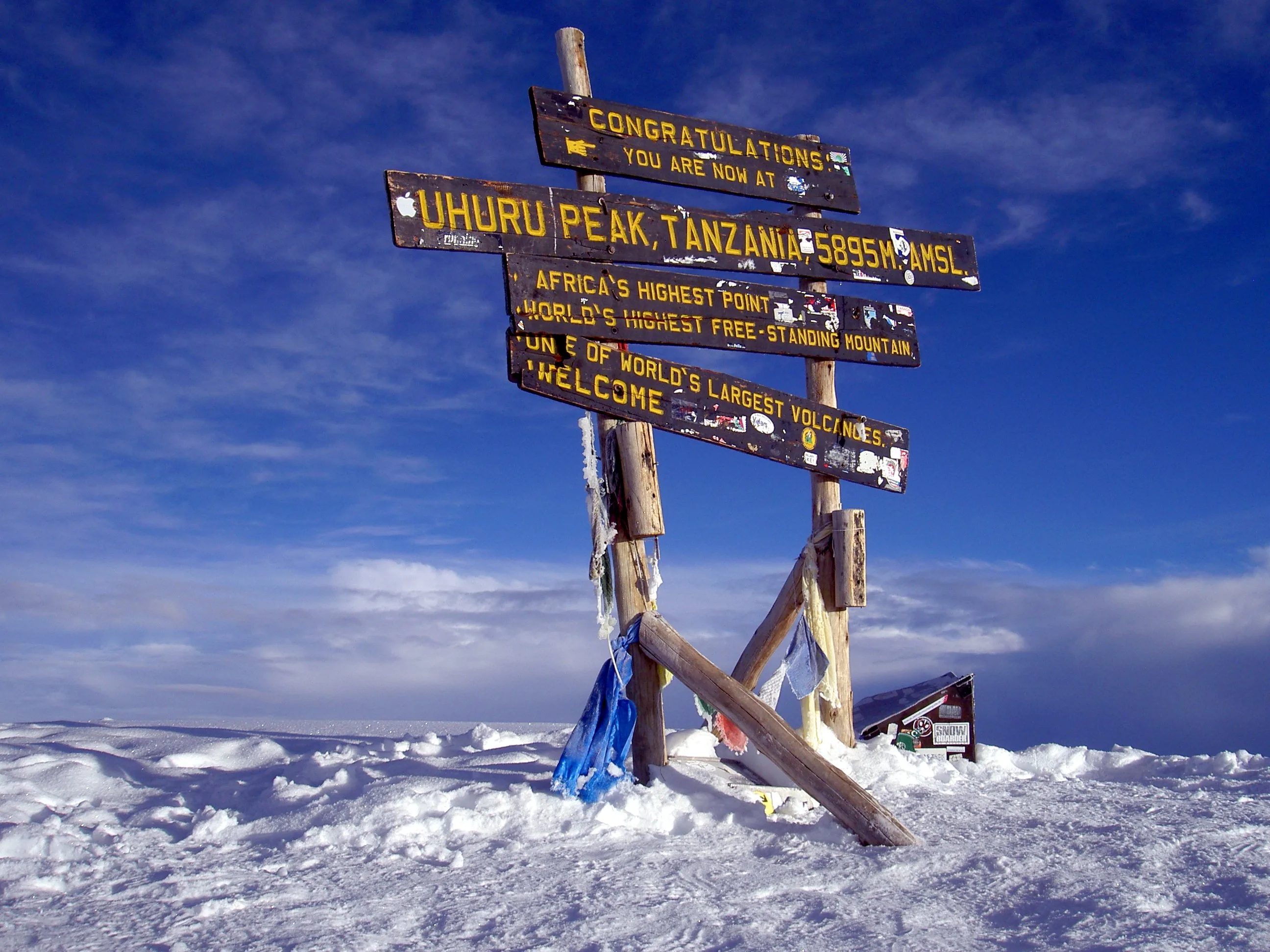
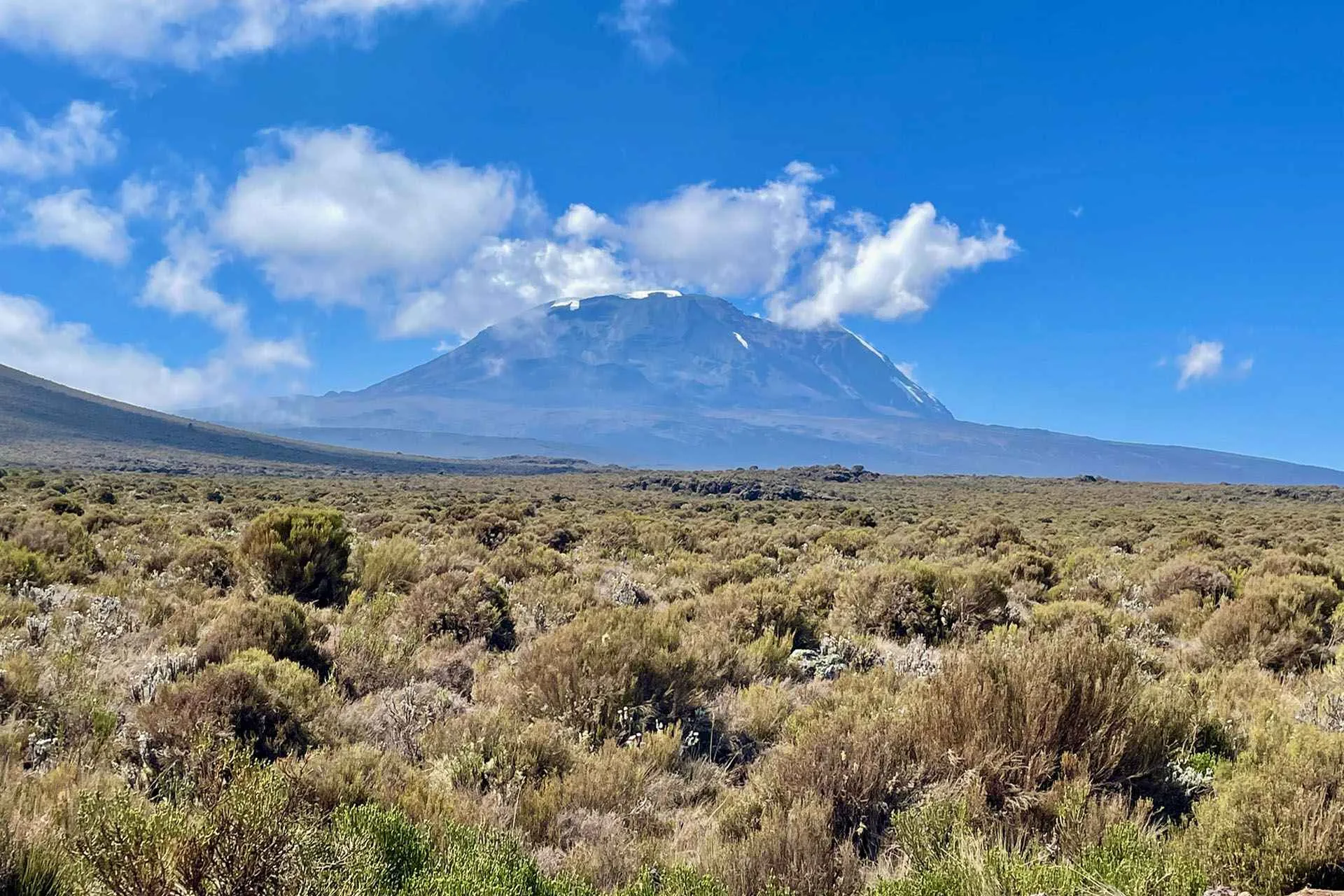
Seven routes to Kilimanjaro's Uhuru Peak — Africa's highest summit at 5,895m — plus the magnificent Mount Meru. Each path is a world of its own: rainforest, moorland, alpine desert, and glaciated summit. Expertly guided. Fully crewed. Deeply unforgettable.
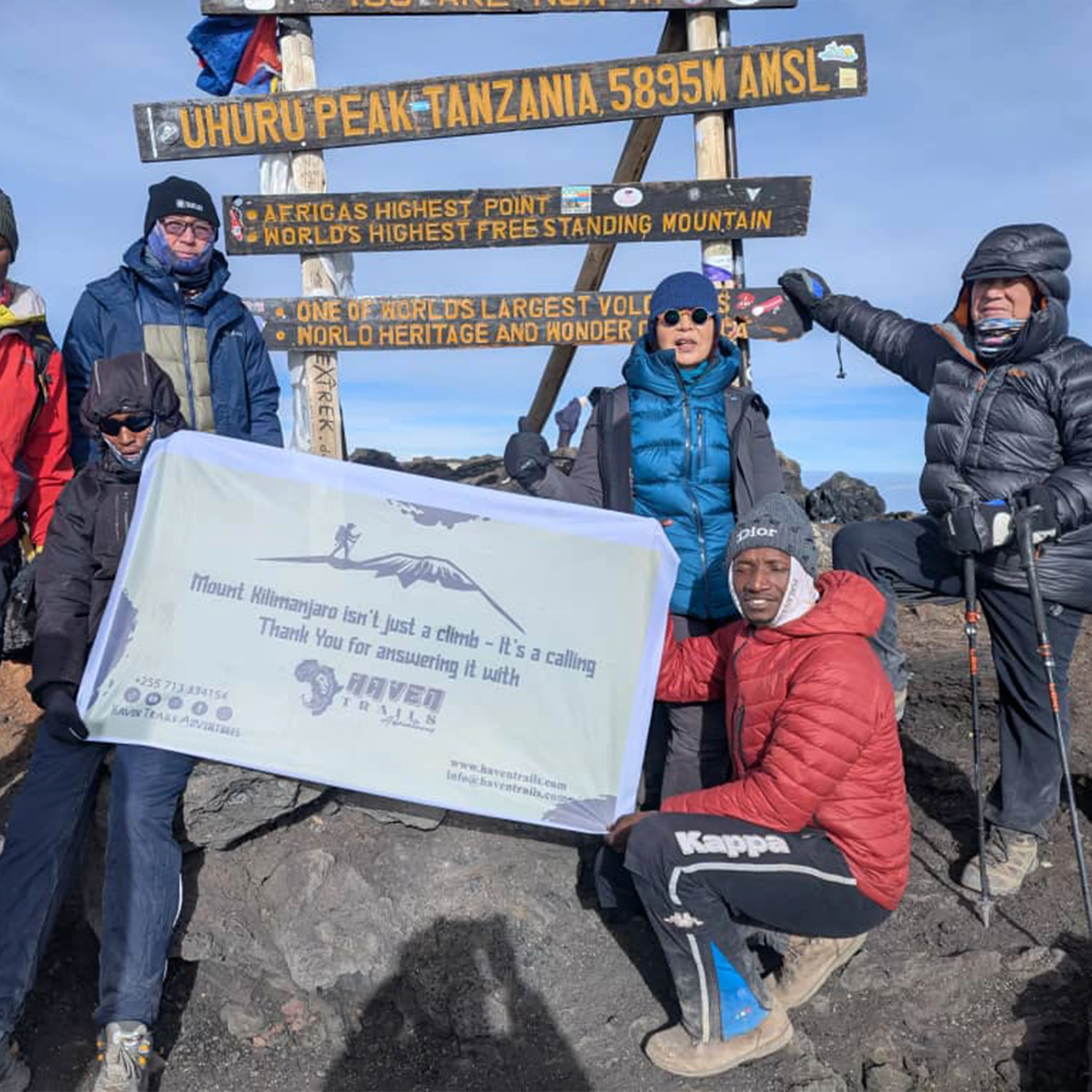
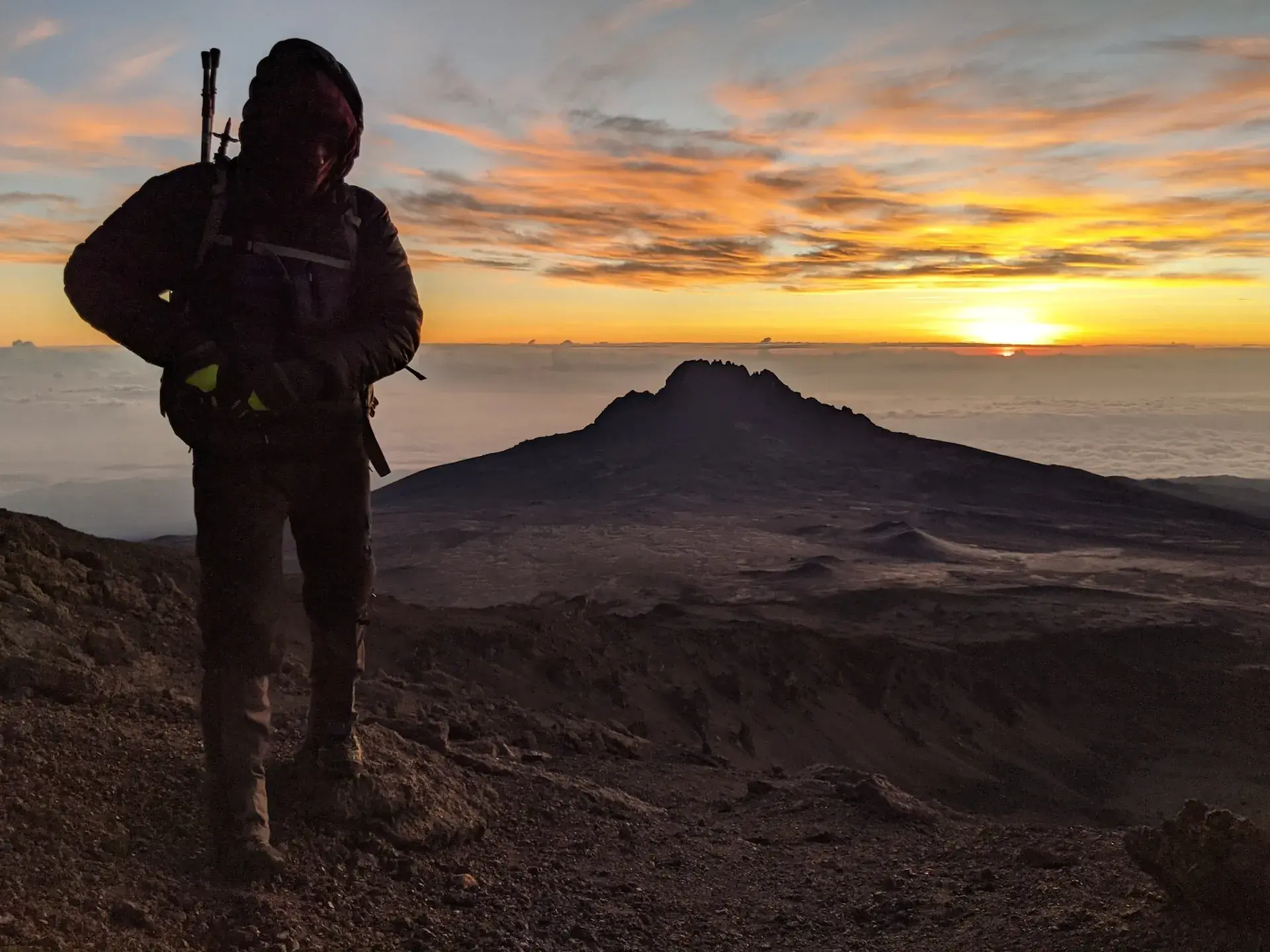
Standing on Uhuru Peak at dawn, watching the sun rise above the clouds of Africa, is one of the most profound experiences a person can have. We've guided hundreds of trekkers to that moment — and we know what it takes to get you there safely and joyfully.
Every route has its own character: the scenic wilderness of Lemosho, the popular drama of Machame, the historic hut comfort of Marangu. We help you choose the route that matches your fitness, timeline, and ambition — then handle every detail of the climb.
Every route has its own rhythm, scenery, and character. Choose the one that calls to you — or let us recommend the perfect match for your fitness and timeline.
The finest route on Kilimanjaro — and the one we recommend most. Lemosho begins in a remote, pristine section of rainforest on the mountain's western flank, offering unmatched scenery and excellent wildlife sightings in the lower zones. Its long profile and superb acclimatisation schedule make it the route with the highest summit success rate of any on the mountain.
Known as the "Whiskey Route," Machame is Kilimanjaro's most popular and most dramatic path. Seven days of extraordinary scenery — from dense rainforest to surreal moorland, the Barranco Wall, and the sweeping Southern Ice Fields. A tougher climb than Lemosho, but the rewards match the effort at every step.
The "Coca-Cola Route" — Kilimanjaro's oldest and most storied path. The only route offering dormitory-style hut accommodation, making it popular with those who prefer sleeping indoors rather than under canvas. The trail passes through lush rainforest and open moorland, and is the most straightforward route in terms of gradient — though its shorter profile demands careful monitoring of altitude.
The only route to approach Kilimanjaro from the north, near the Kenyan border. Rongai offers a completely different perspective on the mountain — drier, quieter, and with wide open semi-arid landscapes unique to the northern flank. A superb choice for the dry season when the southern routes can be wet, and ideal for those who prefer solitude on the trail.
The longest and most complete Kilimanjaro route — a near-full circumnavigation of the mountain that takes you through remote northern wilderness almost no other climbers visit. At nine days, the Northern Circuit provides the best acclimatisation profile of any route on Kilimanjaro, making it ideal for those who want to maximise their summit chances while experiencing the mountain in its most complete, wild form.
The Shira Route starts dramatically high — driven by 4WD to the Shira Plateau at 3,500m before the trek begins. This gives trekkers immediate immersion in Kilimanjaro's otherworldly high-altitude moorland, with sweeping views from the very first steps. From the plateau, the route merges with Lemosho for the upper mountain traverse. Note: the rapid altitude gain at the start makes proper fitness preparation especially important on this route.
The boldest line on Kilimanjaro — steep, direct, and uncompromising. The Umbwe Route rises sharply through dense, untouched rainforest via a narrow ridge, reaching the upper mountain in the fewest possible days. It is the most physically demanding route on the mountain, suited to experienced trekkers with strong fitness who relish a challenge. Not recommended for first-time altitude climbers due to its compressed acclimatisation profile.
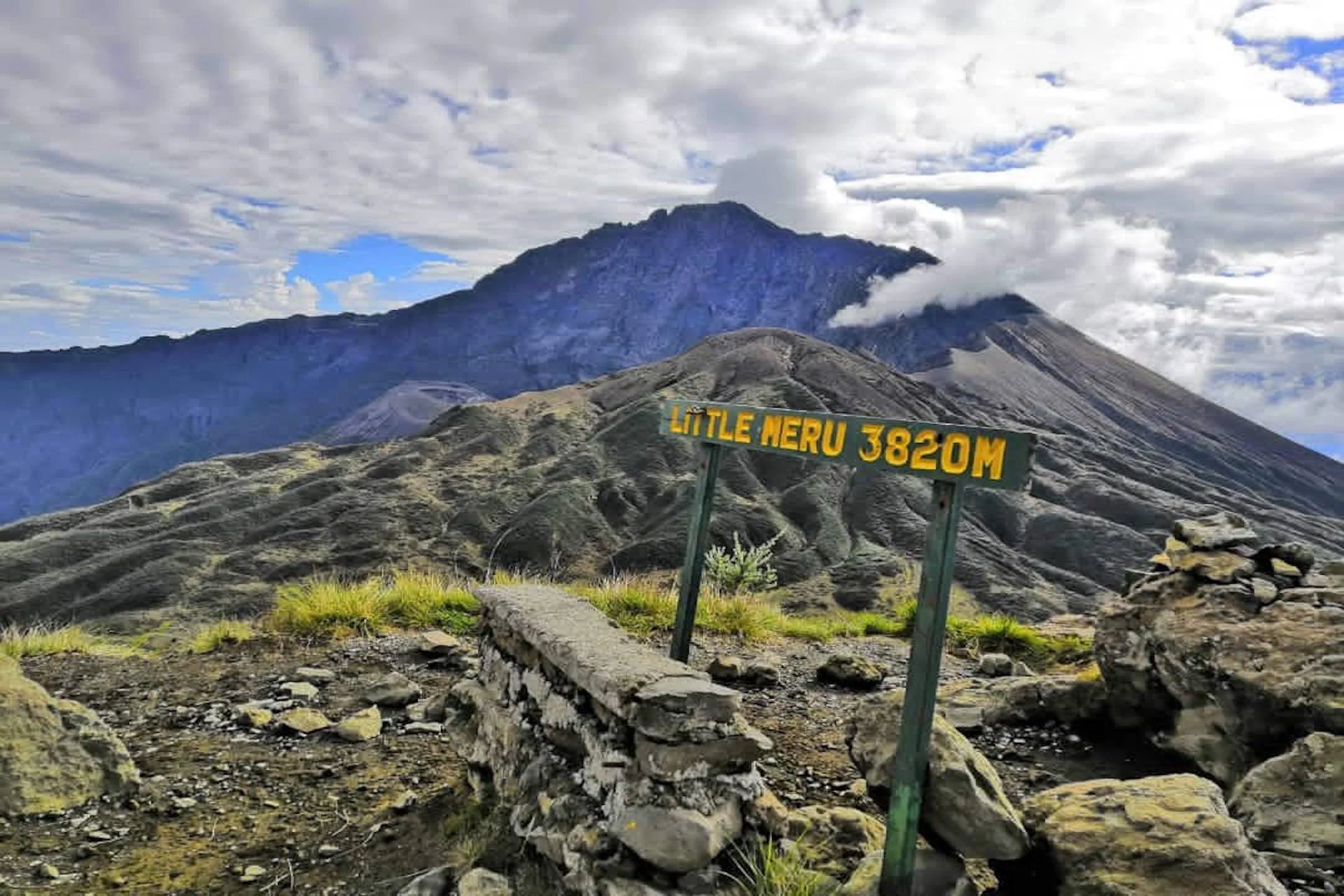
Tanzania's second highest peak at 4,566m — and in the shadow of Kilimanjaro, one of Africa's most underrated summits. The Mount Meru trek offers a remarkable four-day journey through Arusha National Park, where wildlife including giraffe, buffalo, and colobus monkeys are encountered on the lower slopes. The summit crater rim reveals one of the most extraordinary views on the continent — Kilimanjaro floating above the clouds at dawn. Meru is the perfect acclimatisation climb before Kilimanjaro.
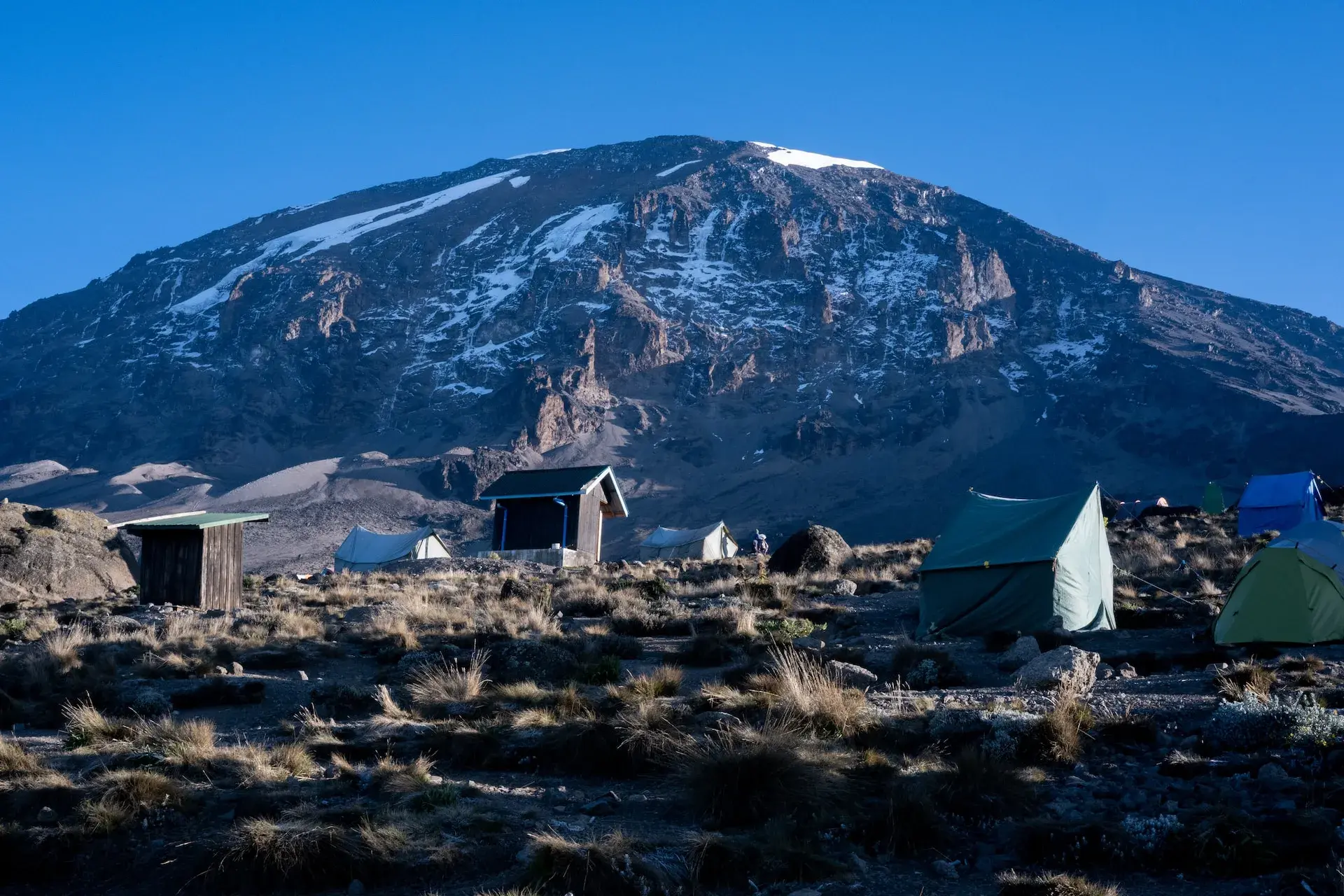
Kilimanjaro is not one landscape — it's five. Every day of the climb takes you into a completely different world.
Every route has its character. Here's an honest side-by-side to help you decide.
| Route | Days | Difficulty | Success Rate | Best For |
|---|---|---|---|---|
| Lemosho | 7-8 | Moderate–Hard | ★★★★★ | Best all-round choice |
| Machame | 6-7-8 | Challenging | ★★★★☆ | Drama & scenery seekers |
| Marangu | 5-6 | Moderate | ★★★☆☆ | Hut comfort preference |
| Rongai | 7-8 | Moderate | ★★★★☆ | Quiet trail & dry season |
| Northern Circuit | 8-9 | Moderate–Hard | ★★★★★ | Maximum acclimatisation |
| Shira | 7-8 | Challenging | ★★★★☆ | Plateau experience |
| Umbwe | 5-6 | Very Challenging | ★★★☆☆ | Experienced trekkers only |
| Mount Meru | 3-4 | Moderate–Hard | ★★★★☆ | Kili warm-up & standalone |
Not sure which route fits you best? Here's a quick guide based on what matters most to you.
Common questions from first-time Kilimanjaro trekkers planning their summit bid.
The Lemosho and Northern Circuit routes have the highest summit success rates due to their longer acclimatisation profiles — 8 and 9 days respectively. Longer routes give your body more time to adjust to altitude, dramatically improving your odds of reaching Uhuru Peak. The Machame Route (7 days) also performs excellently.
Kilimanjaro is a non-technical climb — no ropes, harnesses, or mountaineering experience required. The primary challenge is altitude. At 5,895m, altitude sickness is the main obstacle. Good cardiovascular fitness, proper acclimatisation days, and choosing a longer route dramatically improve your chances. We recommend 3+ months of training before your climb.
The two best seasons are January–March and June–October. Both offer clear skies, stable weather, and excellent summit conditions. We advise against climbing during the long rains (April–May) when trails can be muddy and visibility poor. December and January are particularly popular for clear views and fewer crowds.
Absolutely — Mount Meru at 4,566m is an outstanding trek in its own right and an excellent acclimatisation climb before Kilimanjaro. Trekking Meru first allows your body to adapt to altitude before tackling Kilimanjaro, significantly improving your summit success rate. The dawn view of Kilimanjaro from Meru's crater rim is extraordinary.
Absolutely — and this is one of our most popular combinations. Many guests climb Kilimanjaro first, then celebrate with a safari in the Serengeti or Ngorongoro. We handle all logistics for combined trips — from summit to savannah in a single seamless journey. You can also combine Kilimanjaro with a Zanzibar beach extension for the ultimate Tanzania trilogy.
Our packages include all park and conservation fees, an expert lead guide, porters, a private mountain chef, all camping equipment, all meals on the mountain, emergency oxygen, and hotel accommodation the night before and after your climb. Detailed packing lists and a pre-trek briefing are also provided. International flights are not included.