Większość gości safari przyjeżdża po raz pierwszy z mieszaniną podekscytowania i niepokoju. Zdenerwowani, że mogą nie zobaczyć wystarczająco dużo, niepewni etykiety, przytłoczeni logistyką. Prawie każdy z nich wyjeżdża żałując, że nie spędził tam więcej czasu. Ten przewodnik szczerze omawia praktyczne obawy i sprawi, że przybędziesz jako przygotowany, pewny siebie i ciekawy podróżnik. Najlepsza wersja gościa safari.
Oczekiwania dotyczące dzikiej przyrody: co zobaczysz, a czego nie
Najważniejsze przygotowanie mentalne do pierwszego safari jest następujące: parki w Tanzanii to nie ogrody zoologiczne. Zwierzęta są dzikie, niezarządzane i mogą przebywać w dowolnym miejscu na obszarze setek kilometrów kwadratowych. Żaden operator, niezależnie od jego doświadczenia, nie może zagwarantować, że kiedy przyjedziesz, na drodze będzie siedział lew. Dobrze zaplanowane safari w Tanzanii może zaoferować. I co odróżnia je od innych miejsc na Ziemi. Z wyjątkowo wysokim prawdopodobieństwem niezwykłych obserwacji dużej różnorodności gatunków.
Podczas odpowiednio zorganizowanego, 5-7-dniowego safari po Obwodzie Północnym (Serengeti, Krater Ngorongoro, Tarangire) zdecydowana większość gości widzi lwa, lamparta, słonia, bawoła, żyrafę, zebrę, gnu, hienę, hipopotama, krokodyla, geparda, guźca i dziesiątki gatunków ptaków. Możliwe są obserwacje nosorożca czarnego w kraterze Ngorongoro. Jedynej dzikiej populacji w Afryce Wschodniej. Ale nie jest to gwarantowane. Krater jest duży, a populacja nosorożców niewielka.
Każdy doświadczony gość safari powie Ci to samo: chwile, które pamiętają najbardziej, nigdy nie były tymi, na które zaplanowali. To nie lampart na trasie podróży. To miodożer ciągnący mangustę przez ulicę o 7 rano, dzioborożec naziemny, obok którego prawie przejechałeś, lub moment, w którym słoń byk zdecydował, że Twój pojazd jest zbyt blisko i patrzyłeś, jak zmienia zdanie. Safari nagradza obecność, a nie program. Przyjdź ciekawy wszystkiego, a nie tylko głównego gatunku.
Zarządzanie oczekiwaniami w różnych parkach
Nie wszystkie parki oferują takie same doświadczenia. Zrozumienie tego, co każdy z nich robi najlepiej, pomoże Ci docenić to, co widzisz, zamiast zastanawiać się, co tracisz.
| Park | Znany z | Realistic First-Timer Expectation |
|---|---|---|
| Serengeti | Wielka migracja, zagęszczenie lwów i gepardów, rozległe otwarte równiny | Liczne dumy lwów, prawdopodobne obserwacje gepardów, ogromne stada gnu i zebr. Prawdopodobnie najbardziej przytłaczające przeżycie dzikiej przyrody na naszej planecie |
| Ngorongoro Crater | Najwyższe zagęszczenie dzikiej przyrody na jednym kompaktowym obszarze. Wielka Piątka w jeden dzień | Praktycznie gwarantowany lew, słoń, bawół, hipopotam, hiena; doskonała szansa na lamparta; możliwy czarny nosorożec; flamingi na jeziorze sodowym |
| Tarangire | Largest elephant herds in Afryka, ancient baobab trees | Powszechne są stada słoni liczące 50-200 zwierząt; wspaniała przyroda przez cały rok; wyjątkowe życie ptaków; mniej zatłoczone niż Serengeti |
| Lake Manyara | Lwy wspinające się na drzewa, flamingi, bujny las, kompaktowy i malowniczy | Dobre ptactwo i ogólna przyroda; najlepiej jako park wprowadzający lub dodatek, a nie główne miejsce docelowe |
| Ruaha / Selous | Odległa dzicz, dzikie psy, mniej turystów | Doskonała przyroda i surowsze wrażenia. Najlepsze dla osób odwiedzających safari po raz drugi lub tych, które szczególnie szukają odosobnienia i ekskluzywności |
| Szlaki Przystani poleca trasę Northern Circuit (Serengeti + Ngorongoro + Tarangire) osobom, które wybierają się na safari po raz pierwszy. Ta kombinacja zapewnia najszerszy zakres gatunków i najwyższe prawdopodobieństwo obserwacji w Afryce. | ||
Wielka piątka: przewodnik terenowy dla nowicjuszy
Termin „Wielka Piątka” został ukuty nie przez działaczy na rzecz ochrony przyrody, ale przez XIX-wiecznych łowców grubego zwierza i odnosił się do pięciu najniebezpieczniejszych i najtrudniejszych do polowania na piechotę zwierząt. Dziś opisuje pięć najbardziej znanych zwierząt safari Afryki. Oto, co warto wiedzieć o każdym z nich, zanim je spotkasz.
Lion
Best: Serengeti & Ngorongoro
Lwy śpią 18-20 godzin dziennie. Najbardziej aktywny o świcie i zmierzchu. Kiedy znajdziesz spokój dumy, Twój przewodnik może powoli krążyć. Czeka na aktywność. Cierpliwość jest nagradzana. Ryk nocny z obozu jest niezapomniany.
Leopard
Best: Serengeti (kopjes & riverine trees)
Najbardziej nieuchwytny z całej piątki. Sieć radiowa Twojego przewodnika jest Twoim największym atutem. Obserwacje lampartów są natychmiast udostępniane. Poszukaj ogona zwisającego z gałęzi akacji. Świt i zmierzch to najważniejsze okna. Nie rozmawiaj głośno w pobliżu lamparta.
Elephant
Best: Tarangire & Ngorongoro
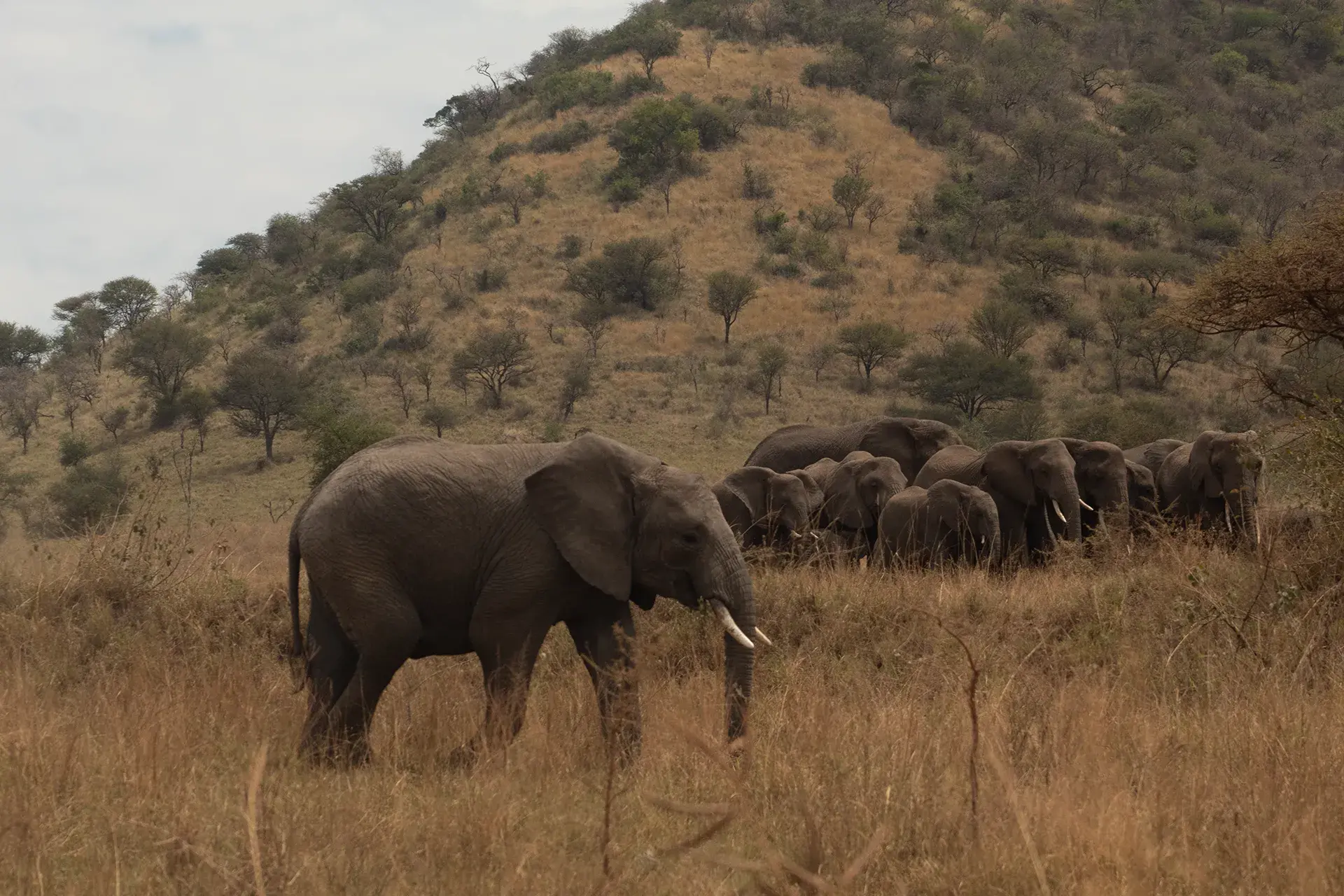
Najpotężniejsze emocjonalnie zwierzę na safari. Uważaj na trzepotanie uszami (regulacja temperatury), dotykanie tułowia (więzi społeczne) i ruchy matki (ona prowadzi). Nigdy nie hałasuj w pobliżu stada z cielętami. Próbne ładowanie ma miejsce, gdy pojazdy podejdą zbyt blisko.
Black Rhino
Ngorongoro Crater only (in Afryka Wschodnia)
Najrzadszy i najbardziej zagrożony z całej piątki. W kraterze Ngorongoro żyje jedyna w Afryce Wschodniej populacja dzikiego nosorożca czarnego. Są samotnikami, słabowidzącymi, ale o doskonałych nosach i często widywani o świcie w pobliżu wody. Obserwacja nosorożca jest naprawdę wyjątkowa. Świętuj to.
Cape Buffalo
Wszystkie parki Northern Circuit
Najbardziej niedoceniany z całej piątki. I statystycznie najniebezpieczniejszy w Afryce. Bawoły są społeczne, inteligentne i zaskakująco groźne. To wyrażenie zapewnia im reputację: bawół zawsze wygląda, jakby zastanawiał się, czy zaatakować. Stare samotne byki nazywane są „chłopcami dagga” i nigdy nie należy ich lekceważyć.
Niektóre z najbardziej niezwykłych momentów związanych z dziką przyrodą w Tanzanii dotyczą zwierząt spoza listy Wielkiej Piątki. Polowanie na gepardy, obserwacje stada dzikich psów, kot serwal w wysokiej trawie, dzioborożce na paradzie, niesamowity spektakl tysiąca flamingów uciekających z jeziora Manyara. Są to doświadczenia, które z perspektywy czasu goście często oceniają wyżej niż te, które widzieli w Wielkiej Piątce. Przyjedź otwarty na wszystko, a afrykańska sawanna zaskoczy Cię na każdym kroku.
Etykieta na safari: zasady, które chronią Ciebie i zwierzęta
Etykieta podczas safari nie jest biurokratycznym przestrzeganiem zasad. Jest to zestaw zachowań, które zapewniają zwierzętom spokój, bezpieczeństwo i chronią doświadczenia każdego przyszłego gościa. Zrozumienie, dlaczego istnieją te zasady, ułatwia ich instynktowne przestrzeganie.
Afrykańska przyroda w dużej mierze nauczyła się nie postrzegać zaparkowanego pojazdu jako zagrożenia. Sylwetka i zapach pojazdu są znajome i neutralne. Dlatego Twój przewodnik może się zatrzymać pięć metrów od stada lwów a lwy śpią dalej. W chwili, gdy człowiek wznosi się ponad linię dachu. Odsłaniając niepowtarzalną, wyprostowaną sylwetkę człowieka. Rachunek zmienia się całkowicie. Przebywanie nisko w pojeździe nie stanowi ograniczenia. To właśnie sprawia, że możliwa jest cała niezwykła bliskość.
Notatka o etykiecie obozowej po zmroku
Obozy i domki safari znajdują się na terenie nieogrodzonej dzikiej przyrody lub w jej sąsiedztwie. Zwierzęta przemieszczają się nocą po obozie. Jest to zjawisko powszechne i nie niepokojące. Każdy obóz ma swoje protokoły: po obiedzie podążaj za eskortą do swojego namiotu, użyj dostarczonej latarki lub radia, aby wezwać eskortę personelu, nigdy nie chodź sam w ciemności między budynkami. To nie jest teatr. Hipopotamy, hieny i słonie naprawdę wędrują nocą po kempingach. Dźwięki, które słyszysz z łóżka, są prawdziwe. Są także jednym z najgłębszych doświadczeń, jakie może zaoferować busz.
W co się ubrać na Safari: kompletny przewodnik po ubraniach
Odzież na safari to obszar, w którym wielu nowicjuszy przesadnie zastanawia się nad stylem, a nie zastanawia się nad funkcją. Celem nie jest to, żeby wyglądać jak plan filmowy. Ma być wygodnie w ogromnym zakresie temperatur, niewidoczne dla owadów i nie zagrażające dzikiej przyrodzie. Oto uczciwy przewodnik.
- Khaki, beige, tan, olive green, stone grey
- Loose-fit, lightweight long-sleeved shirts
- Spodnie zapinane na zamek (szorty + spodnie w jednym)
- Polarowa lub lekka kurtka puchowa na poranne przejażdżki
- Kapelusz z szerokim rondem i paskiem pod brodą (wiatr to prawdziwy)
- Lekkie buty do chodzenia lub buty turystyczne
- Wool or synthetic hiking socks (3-4 pairs)
- Ochraniacz na szyję (kurz na przejażdżkach w porze suchej)
- White or cream visible, gets dirty instantly, attracts tsetse flies
- Bright colours (czerwony, pomarańczowy, żółty, różowy). Płoszy dziką przyrodę, przyciąga kąsające owady
- Dark navy or black attract tsetse flies specifically
- Cotton clothing ciężki, gdy jest mokry, wolno wysycha, zimny, gdy jest wilgotny
- Grube dżinsy (gorące, obcisłe, wolnoschnące)
- Silne perfumy lub silnie pachnące produkty na dyskach
- Nadmierna biżuteria (zbadają to małpy vervet)
- Długie spodnie i warstwa z długim rękawem o zmierzchu (godziny komarów)
- Lekka kurtka puchowa. Wieczory na obozie potrafią być zaskakująco zimne
- Buty z zakrytymi palcami w obozie (skorpiony i owady na ziemi)
- Wygodne buty obozowe na chodniki od namiotu do kolacji
- Krem przeciwsłoneczny SPF 50+ nakładaj ponownie co 2 godziny na otwartych dyskach
- SPF lip balm
- Okulary przeciwsłoneczne z ochroną UV (odbicie światła sawanny jest intensywne)
- Lekkie rękawice przeciwsłoneczne, jeśli są podatne na oparzenia dłoni
- Zakrycie jest skuteczniejsze niż krem przeciwsłoneczny w bezpośrednim świetle słonecznym
Prawie każdy doświadczony gość safari zgłasza, że znacznie się przepakował. Przez większą część dnia spędzasz w samochodzie. Będziesz nosić te same 3-4 stroje na zmianę. Większość domków oferuje usługę prania tego samego dnia za niewielką opłatą. Idealna garderoba na safari składa się z 3-4 topów, 2 par spodni (w tym jednego zamiennego), 1 polaru, 1 kurtki, 3-4 skarpetek, 3-4 bielizny i 1 pary butów obozowych. Pasuje do bagażu podręcznego. Co jest idealne, ponieważ transfery na safari małymi samolotami mają ścisłe ograniczenia wagowe (zazwyczaj łącznie 15 kg, tylko miękka torba).
Fotografia safari: wskazówki, które naprawdę robią różnicę
Nie potrzebujesz profesjonalnego sprzętu fotograficznego, aby przywieźć do domu niezwykłe zdjęcia z safari. Musisz zrozumieć kilka zasad dotyczących światła, synchronizacji i ruchu, które mają zastosowanie niezależnie od tego, czy fotografujesz smartfonem, czy teleobiektywem.
- Fotografuj w złotych godzinach, a nie w południe. Najlepsze zdjęcia safari mają miejsce w ciągu pierwszych 90 minut po wschodzie słońca i ostatnich 90 minut przed zachodem słońca. Światło padające pod niskim kątem nadaje zwierzętom wymiar i ciepło, redukuje ostre cienie i sprawia, że sawanna staje się złocista. Światło południa jest płaskie, ostre i niepochlebne. Wykorzystaj czas południowego odpoczynku na przeglądanie zdjęć i ładowanie akumulatorów, a nie na robienie nowych.
- Tryb seryjny jest Twoim przyjacielem. Zwierzęta poruszają się nieprzewidywalnie i szybko. Ustaw aparat lub smartfon w tryb zdjęć seryjnych i wykonaj wiele zdjęć w momencie akcji. Lew obracający głowę, gepard w pół kroku, słoń pluskający wodę. Jedna klatka na dziesięć będzie idealna. Usuń swobodnie; przechowywanie jest tanie.
- Skup się na oku, a nie na ciele. Każde fascynujące zdjęcie dzikiej przyrody ma ostre oko obiektu. Jeśli korzystasz z autofokusa, przed zrobieniem zdjęcia upewnij się, że punkt ostrości jest ustawiony na najbliższym widocznym oku. Rozmazane ciało z bystrym okiem można odczytać jako zamierzone. Odwrotność nigdy się nie zdarza.
- Trzymaj aparat w pogotowiu, a nie w torbie. Możliwości związane z dziką przyrodą trwają sekundy. Podczas każdej jazdy trzymaj aparat na kolanach lub na szyi. Ujęcie, do którego się pakujesz, to to, dla którego materializuje się lampart.
- Ustabilizuj się względem pojazdu. Użyj torby na aparat, zwiniętej kurtki lub pufy dociśniętej do ramy okna lub krawędzi dachu, aby ustabilizować aparat na długich ogniskowych. Teleobiektyw o ogniskowej 300-500 mm wzmacnia każde poruszenie. Nawet strzały 100 mm zyskują wsparcie na wyboistych drogach.
- Powstrzymaj chęć ciągłego przeglądania zdjęć. Najczęstszym błędem fotograficznym na safari jest spędzanie czasu na przeglądaniu ostatniego zdjęcia, podczas gdy następuje następny niezwykły moment. Strzel, sprawdź krótko i ponownie skieruj wzrok na zwierzę.
- Zabierz ze sobą znacznie więcej miejsca na przechowywanie i akumulatorów, niż się spodziewasz. Zimne noce wyczerpują baterie szybciej, niż się spodziewano. Większość nowicjuszy zapełnia wiele kart pamięci. Zabierz ze sobą dwa razy więcej, niż myślisz, że potrzebujesz i power bank do ładowania między dyskami.
Nowoczesne flagowe smartfony wykonują naprawdę doskonałe zdjęcia dzikiej przyrody w dobrym świetle i z umiarkowanych odległości. Ograniczeniem jest zasięg. 5-krotny zoom optyczny sprawdza się w wielu sytuacjach, ale radzi sobie na otwartych równinach Serengeti na dystansie 300 m. Jeśli korzystasz ze smartfona, pozycja ma większe znaczenie niż cokolwiek innego. Poproś swojego przewodnika, aby przy każdej obserwacji umieścił pojazd tak blisko, jak to możliwe, w bezpieczny sposób. W kraterze Ngorongoro i Tarangire, gdzie zwierzęta często zbliżają się do pojazdów na odległość 10-20 metrów, wyniki na smartfonach mogą być oszałamiające.
Pieniądze, łączność i realia praktyczne
Pieniądze na Safari
Podstawowa zasada: przynieś dolary amerykańskie w banknotach po 2006 roku. Starsze banknoty i duże nominały sprzed 2006 roku są w Tanzanii często odrzucane. Małe nominały (1 USD, 5 USD, 10 USD, 20 USD) są niezbędne na napiwki i drobne zakupy. Nie zawsze otrzymasz resztę z banknotu 100 USD. Większość lodge’y akceptuje główne karty kredytowe (Visa i Mastercard), ale dolicza opłatę manipulacyjną 3-5%. Bankomaty są dostępne w Arushy i Moshi, ale całkowicie nie ma ich w parkach narodowych. Zaplanuj potrzeby gotówkowe przed wejściem do parków.
| Expense | Zalecane Amount | Notes |
|---|---|---|
| Przewodnik / wskazówka dla kierowcy | 15-25 USD na osobę dziennie | Zapłać na koniec wycieczki lub codziennie. Preferencje przewodnika są różne. Tylko gotówka. |
| Wskazówka dla personelu obozu/domku | 5-10 USD na osobę dziennie | Napiwki wpłacane do wspólnej skrzynki w recepcji domku, rozdawane wszystkim pracownikom. |
| Optional balloon safari | 500-650 USD za osobę | Zarezerwuj z wyprzedzeniem w Szlaki Przystani. Warte każdego centa. Obejmuje śniadanie krzakowe. |
| Souvenirs & market shopping | Budżet 50-200 USD | Preferowana gotówka. Targowanie się jest oczekiwane i normalne na rynkach. Przyjazne negocjacje są częścią tej kultury. |
| E-wiza do Tanzanii | 50 USD (większość narodowości) | Przed podróżą złóż wniosek online na stronie imigracja.go.tz. Amerykanie płacą 100 dolarów na zasadzie wzajemności. |
| Wejście do parku (w cenie) | Zawarte w pakietach Szlaki Przystani | Serengeti: 82 USD/dzień; Ngorongoro: 100-150 dolarów dziennie. Już uwzględniony w planie podróży. |
| Budżet 200-400 USD na osobę w postaci dodatkowej gotówki powyżej ceny pakietu, obejmującej napiwki, nieprzewidziane wydatki i wydatki uznaniowe. | ||
Łączność: dar bycia offline
Większość domków i obozów oferuje podstawowe Wi-Fi w pomieszczeniach ogólnodostępnych, ale szybkość i niezawodność znacznie się różnią. Obozy w Głębokim Serengeti mogą w ogóle nie mieć łączności. Mobilna transmisja danych za pośrednictwem lokalnych kart SIM (najlepszy zasięg mają Vodacom i Airtel Tanzania) działa w niektórych obszarach, ale nie w parkach. Szczera rada każdego weterana safari: opowiedz rodzinie o planie podróży, ustal termin nieobecności i przygotuj się na to, że będziesz nieosiągalny przez wiele dni. Jakość obecności wynikająca z prawdziwego rozłączenia jest jednym z najbardziej niedocenianych prezentów safari. Słonie też nie mają Wi-Fi i wydaje się, że mają się dobrze.
Health, Water & Food on Safari
Pij wyłącznie wodę butelkowaną lub filtrowaną. Nigdzie w Tanzanii nie pij wody z kranu, także do mycia zębów. Wszystkie renomowane domki zapewniają w standardzie wodę filtrowaną lub butelkowaną; Twój przewodnik będzie nosić wodę w pojeździe podczas każdej jazdy. Jakość żywności Safari jest stale wyższa, niż spodziewa się większość nowicjuszy. Domy szczycą się swoją kuchnią i po wcześniejszym powiadomieniu kompleksowo zaspokajają ograniczenia dietetyczne. Należy stosować profilaktykę malarii konsekwentnie od dnia, który zalecił lekarz, przez cały okres po podróży.
Sposób myślenia Safari: sześć zmian, które zmieniają wszystko
Różnica między dobrym safari a tym, które zmienia życie, często polega w mniejszym stopniu na tym, co widzisz, a bardziej na tym, jak dotrzesz tam mentalnie. Te sześć zmian w sposobie myślenia konsekwentnie oddziela gości, których Tanzania zmieniła, od tych, którym po prostu się to podobało.
Puść listę kontrolną
Gość, który przybywa, próbując oszukać Wielką Piątkę, tęskni za miodożerem, malowanym wilkiem i walec o liliowych piersiach lądujący trzy stopy od okna. Przyjdź z ciekawością, a nie kartą wyników. Zwierzęta, które Cię zaskakują, często są tymi, które pamiętasz najdłużej.
Korzystaj z wolnych chwil
Safari nie jest ciągłą taśmą z atrakcjami. Istnieją długie podjazdy przez otwarte równiny, na których nic nie jest widoczne. To nie jest czas stracony. To sam krajobraz, skala Afryki, cisza świata, który istniał, zanim ludzie go nazwali. Niech nadejdzie cisza.
Zaufaj swojemu przewodnikowi całkowicie
Twój przewodnik czyta krzak tak, jak Ty czytasz twarz. Językiem zbudowanym na podstawie lat pracy. Kiedy nagle zatrzymują pojazd, jest ku temu powód. Kiedy przejeżdżają obok czegoś, co wygląda interesująco, jest ku temu powód. Odrocz, zadawaj pytania i słuchaj. Ich wiedza to rzeczywisty produkt, który kupiłeś.
Look in All Directions
Każdy gość patrzy na lwa, podczas gdy dzioborożec naziemny przechodzi obok drugiej strony pojazdu. Ptak, którego nie obserwujesz, jest często ptakiem niezwykłym. Równocześnie skanuj ziemię, niebo, linię drzew i odległy horyzont. Sawanna ukazuje się ze wszystkich stron jednocześnie.
Disconnect to Be Present
Gość fotografujący każdą chwilę na ekranie i gość patrzący na własne oczy mają zasadniczo różne doświadczenia związane z tą samą obserwacją. Rób zdjęcia. Ale czasami opuść aparat, odłóż telefon i pozwól lwowi wypełnić Twoją wizję. Niektóre momenty są zbyt duże, aby zmieścić się na ekranie.
Bądź wcześnie i zostań późno
Goście, którzy sprzeciwią się pobudce o 5:45, przegapią najlepszą grę dnia. Ci, którzy proszą, aby zostać na dłużej, widzą, jak gepard zabija. Wczesne poranki i cierpliwe oczekiwanie to sposób na niezwykłe chwile. Prawie nigdy nie docierają zgodnie z harmonogramem.
Najczęstsze błędy, które popełniają goście Safari po raz pierwszy
- Rezerwacja trasy, która jest za krótka. Cztery dni to za mało. Pięć to granica. Sześć do ośmiu dni na torze Northern Circuit zapewnia głębię, rytm i zgromadzoną wiedzę wynikającą z oglądania tego samego krajobrazu na wielu trasach. Pierwszy dzień to orientacja. Magia zazwyczaj zaczyna się drugiego lub trzeciego dnia, kiedy oko uczy się czytać.
- Przedkładanie kosztów nad jakość trasy. Niedrogie safari we właściwych parkach jest znacznie lepsze od safari średniej klasy w niewłaściwych. Same parki. Serengeti, Ngorongoro, Tarangire. Są zmienną niepodlegającą negocjacjom. Zakwaterowanie można dostosować; wybór parku nie powinien być.
- Niepoinformowanie operatora z wyprzedzeniem o potrzebach żywieniowych. Kuchnie Safari są w stanie dostosować się do niemal wszystkich ograniczeń dietetycznych po wcześniejszym powiadomieniu. Nie mogą dokonać cudu w dniu przybycia do odległego obozu oddalonego o 200 km od najbliższego miasta. Poinformuj o tym firmę Szlaki Przystani podczas dokonywania rezerwacji, a nie w dniu przyjazdu.
- Noszenie niewłaściwych kolorów. Ciemnoniebieskie i czarne ubrania szczególnie przyciągają muchy tse-tse. Które powodują boleśnie zauważalne ugryzienie. Oprócz tse-tse jasne kolory rzeczywiście zmieniają zachowanie zwierząt z bliskiej odległości. Neutralne kolory nie są preferencjami estetycznymi; są praktycznym narzędziem.
- Leaving binoculars at home. Lornetka 8×42 zmienia doświadczenie safari, sprawiając, że odległe zwierzęta stają się widoczne, a bliskie. Niezwykłe. Szczegóły, które możesz zobaczyć na twarzy lwa z odległości 200 metrów przez dobrą lornetkę. Każdy wąs, każdą bliznę, kolor oczu. To coś, czego w tej chwili aparat nie jest w stanie uchwycić.
- Pędząc obok „zwykłych” zwierząt. Gdy pierwszy raz zobaczysz zebrę, będziesz zdumiony. Trzeciego dnia wielu gości ledwo na nich spogląda. Ale ogier zebry walczący przy wodopoju czy źrebak przytulony do boku matki o świcie to rzeczy naprawdę niezwykłe. Musisz po prostu szukać dalej. Zwykłe zwierzęta ciągle robią niezwykłe rzeczy.
- Nie pijesz wystarczającej ilości wody podczas gier. Połączenie wysokości, suchego powietrza, zakurzonych dróg, ekspozycji na słońce i podniecenia powoduje odwodnienie szybciej, niż większość ludzi się spodziewa. Pij konsekwentnie podczas każdej jazdy, nawet jeśli nie czujesz pragnienia. Odwodnienie powoduje bóle głowy, zmęczenie i drażliwość, które znacznie pogarszają doznania.
Często zadawane pytania
Gotowy na swoje pierwsze safari? Zbudujmy to razem.
Przygody na szlakach Haven specjalizuje się w obsłudze gości safari po raz pierwszy. Dbamy o to, aby grupy były małe, doświadczeni przewodnicy, a plany podróży dobrze zaplanowane. Dzięki czemu przybywasz poinformowany i wychodzisz zmieniony. Skontaktuj się z nami, a wokół Twoich dat i zainteresowań zbudujemy coś niezwykłego.
Plan My First Safari ? WhatsApp z nami Now