Tanzania is home to the Serengeti, the Ngorongoro Crater and the world's most spectacular annual wildlife event. The Great Migration. But wildlife here is extraordinary year-round, in parks and circuits most visitors never reach. The question isn't whether Tanzania will deliver. It's which season delivers the experience that matters most to you.
Tanzania's Safari Seasons Explained
Tanzania straddles the equator and is shaped by the inter-tropical convergence zone, which drives two rainy seasons and two dry seasons across the year. This seasonal rhythm dictates animal behaviour, vegetation density, road conditions and lodge prices. Making an understanding of the seasons essential before you book.
The dry season (June-October) is peak safari time: thin vegetation, animals concentrated around water, exceptional visibility, and the Mara River crossings of the Great Migration in full swing. The green season (November-March, excluding the long rains) offers the calving season, a lush landscape, dramatically fewer visitors, and lower prices. The long rains (April-May) are the one period most visitors avoid.
Tanzania doesn't have a "bad" season. It has different seasons for different priorities. July-October is for first-timers who want peak wildlife and migration river crossings. January-February is for those who want extraordinary predator action around the calving season with a fraction of the crowds. September is many guides' personal favourite. Everything peak season offers, with noticeably fewer vehicles at sightings.
The Great Wildebeest Migration: Month-by-Month
The Great Migration is the largest overland migration of animals on earth. Roughly 1.5 million wildebeest, 300,000 zebra and 500,000 gazelle moving in a clockwise circuit through the Serengeti ecosystem and Kenya's Masai Mara. It is a year-round event; there is no single month when it begins or ends. What changes is where the herds are and what spectacle they're providing.
The Migration does not run on a fixed timetable. It follows the rains. The timing above represents averages; in any given year, Mara River crossings might start in late June or not peak until September. A good guide with real-time knowledge of herd movements is invaluable. Never book a safari with rigid Migration expectations pinned to a single date.
January, February & March Calving Season & Green Season
The southern Serengeti around Ndutu and Lake Masek is the place to be in January and February. The short-grass plains here are where the vast wildebeest herds gather to give birth, exploiting the nutritious green grasses that follow the short rains. Predator density in this area during peak calving is extraordinary. Lion prides, cheetah coalitions, hyena clans and jackals all converge on the bounty. Witnessing a hunt or a pride of lions with cubs rolling among the newborn calves, is common in these weeks.
Birdwatching also peaks in January and February with the arrival of European and Asian migratory birds. European rollers, storks and swallows among them. The landscape is lush and green from the preceding short rains, providing stunning backdrops for photography that you simply don't get in the dusty dry season.
February is the calving season sweet spot. The herds are dense around Ndutu, predator activity is at its annual peak, the weather is dry, the landscape is green and the Serengeti is far quieter than July or August. For wildlife photographers and those who prioritise raw predator action over river crossings, February is unbeatable. And often costs significantly less than peak season.
April & May The Long Rains
Ruaha and Nyerere (Selous) national parks in the south become partially inaccessible in April and May. Many camps close and some tracks are impassable without specialist 4WD support. The northern circuit parks. Serengeti, Ngorongoro, Tarangire and Lake Manyara. Remain open and can still deliver extraordinary game viewing, especially in the Ngorongoro Crater where animals are concentrated in a defined area regardless of the rains. Lake Manyara's flamingo populations reach their peak in the wet season.
Late May is a pivot point. As rains ease, grass begins drying and the first lodges start reopening ahead of the June high season. Arriving in the last week of May can deliver the magic of near-empty parks combined with improving conditions. And the wildebeest herds beginning to build at the Grumeti River in the western corridor.
June, July, August, September & October Peak Dry Season
June kicks off the high season as the Serengeti dries and the wildebeest herds begin massing at the Grumeti River in the western corridor. The first of the two great river crossings. Vegetation is still faintly green after the rains, making it one of the more photogenic months. Crowds are building but haven't reached July-August intensity, making it a smart early-season choice.
July and August are when the Mara River crossings reach their crescendo. Hundreds of thousands of wildebeest stampede to the riverbank, summoning the courage to cross into water lined with waiting Nile crocodiles that haven't fed in months. The spectacle is violent, chaotic, and utterly unforgettable. Be aware: competition for prime viewing spots at the river can mean many safari vehicles in one place. A private guide who knows the lesser-used crossing points makes all the difference.
September is often cited by experienced safari operators as the finest single month for a Tanzania safari. The conditions are near-identical to August. Dry, clear, with excellent visibility. But European school holidays have ended and the number of vehicles in the parks drops noticeably. The Mara crossings continue in the northern Serengeti, often lingering into mid-September. Tarangire fills with enormous elephant herds. And Zanzibar's beaches remain at their very best. Book 6-8 months in advance for September.
October is underrated. The dry season is intact, wildlife viewing remains superb and the herds are beginning their southward journey back through the central Serengeti. Tarangire is at its spectacular peak. Some of the largest elephant concentrations anywhere on earth gather at the Tarangire River. Prices ease slightly from August highs and the parks are noticeably quieter.
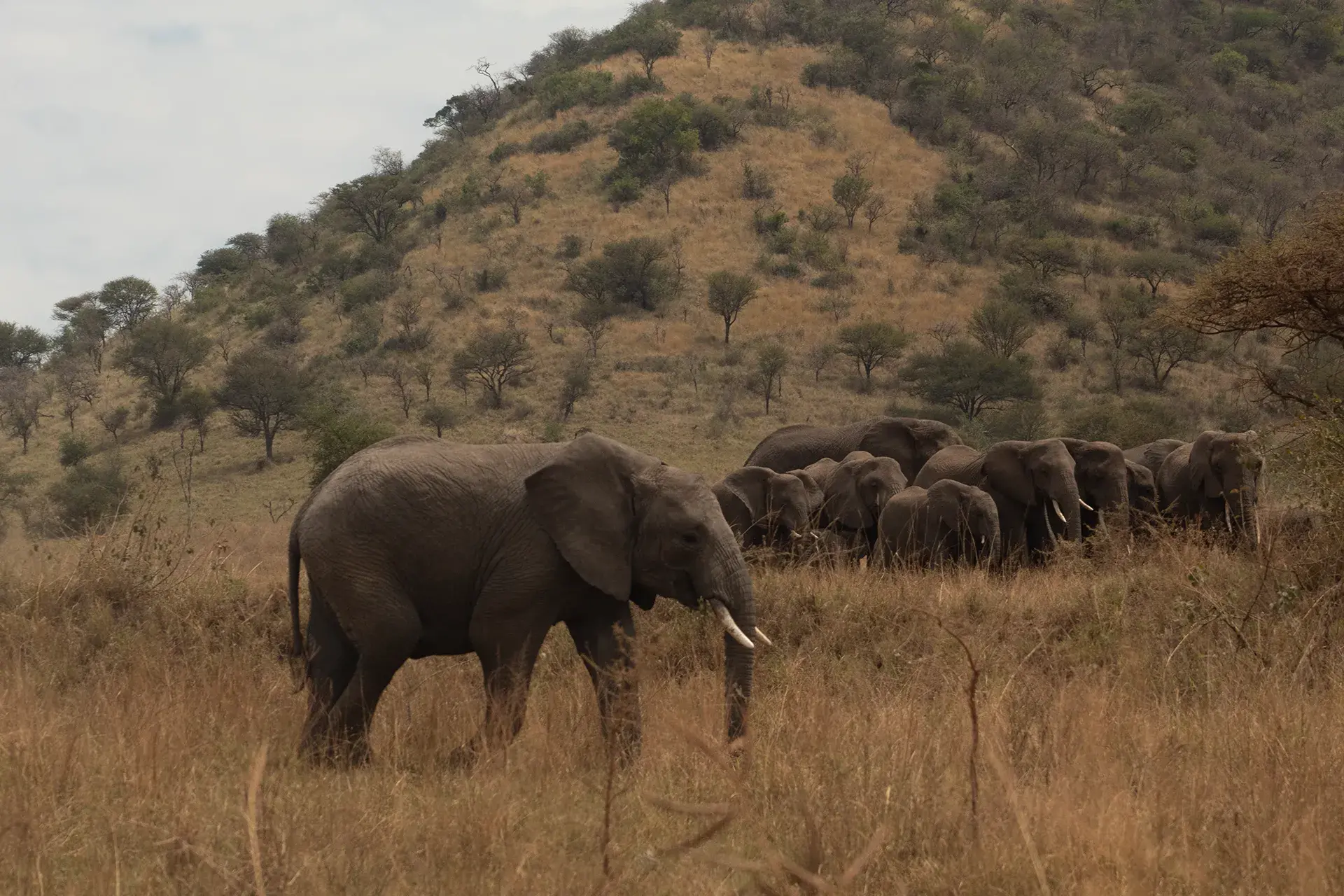
Tarangire National Park hosts one of Africa's most dramatic annual events in the dry season: hundreds of elephants converge on the Tarangire River. Africa's fourth-largest elephant population. In October, elephant numbers peak as the river becomes the last reliable water source for hundreds of kilometres. Combined with the Serengeti and Ngorongoro, Tarangire in October is one of the great underappreciated safari experiences on the continent.
November & December Short Rains & the Festive Season
November's short rains bring two gifts: extraordinary birdwatching as European migratory species arrive and landscapes that transition from dust-dry to vivid green almost overnight. The first two weeks of December are often considered the best value month for a Tanzania safari. Conditions are improving daily, wildlife is excellent across the northern circuit and prices sit well below peak season before the Christmas uplift kicks in mid-month.
Tanzania's Key Safari Parks Best Season by Park
Tanzania's parks span the north, south and west. And they don't all peak at the same time. Here's a quick guide to the best season for each of the key safari destinations.

Excellent year-round. Mara River crossings peak July-September (northern Serengeti). Calving season peaks January-February (Ndutu, southern Serengeti). Avoid April-May for road conditions.
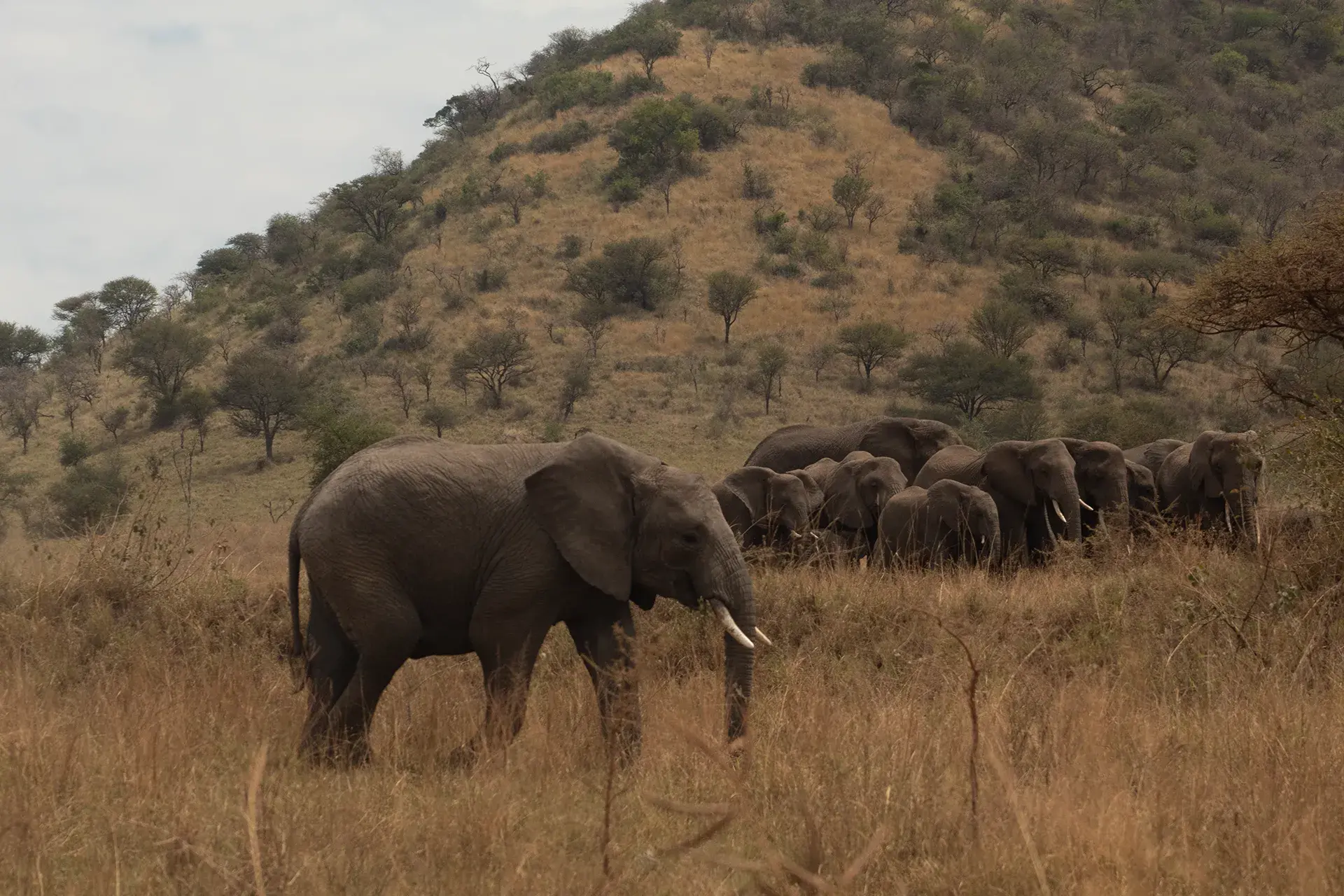
The crater's enclosed ecosystem guarantees wildlife regardless of season. Big Five including endangered black rhino. Wet season can bring mist to the crater rim. But the atmosphere is extraordinary. Best avoided at peak season for crowds.
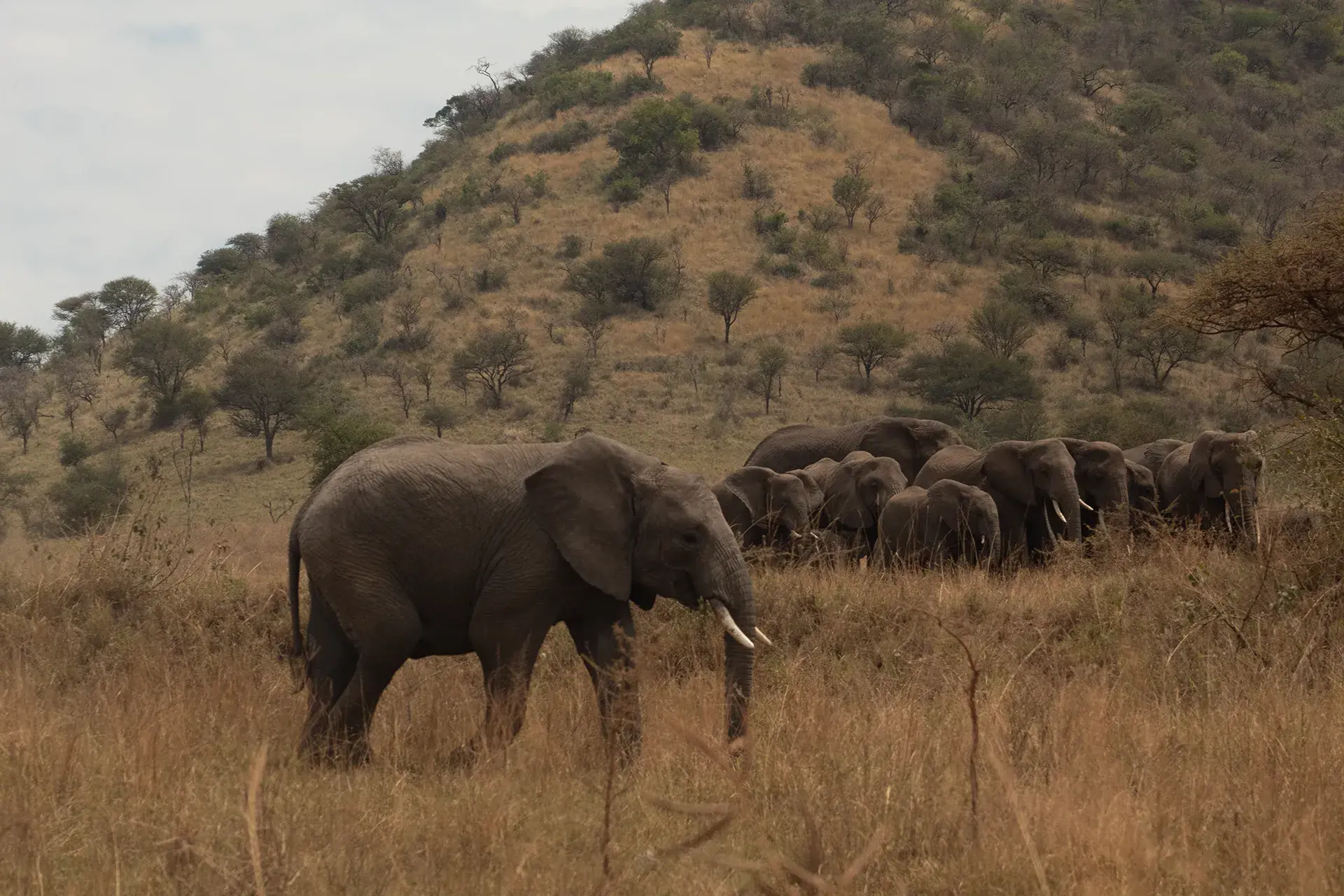
Home to Africa's fourth-largest elephant population. Dramatically peaks in dry season when hundreds of elephants congregate at the Tarangire River. Also famous for giant baobab trees and tree-climbing pythons. Quieter and less visited than the Serengeti. A rewarding addition to any northern circuit trip.
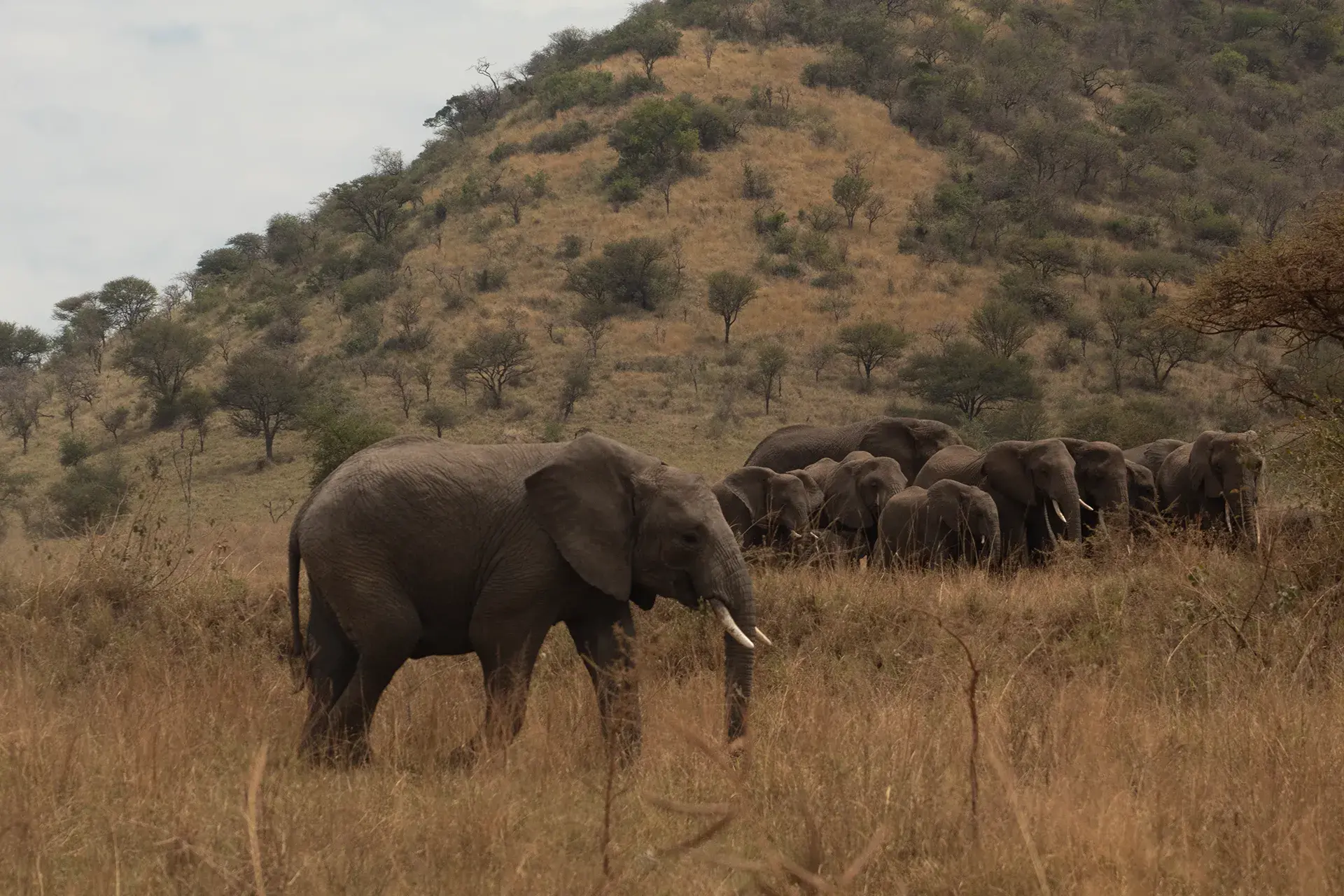
Famous for tree-climbing lions, flamingos, and a strikingly diverse ecosystem compressed between the Rift Valley wall and the soda lake. Flamingos and migratory birds arrive in greatest numbers during the wet season. Resident wildlife (elephant, hippo, baboon) excellent year-round.
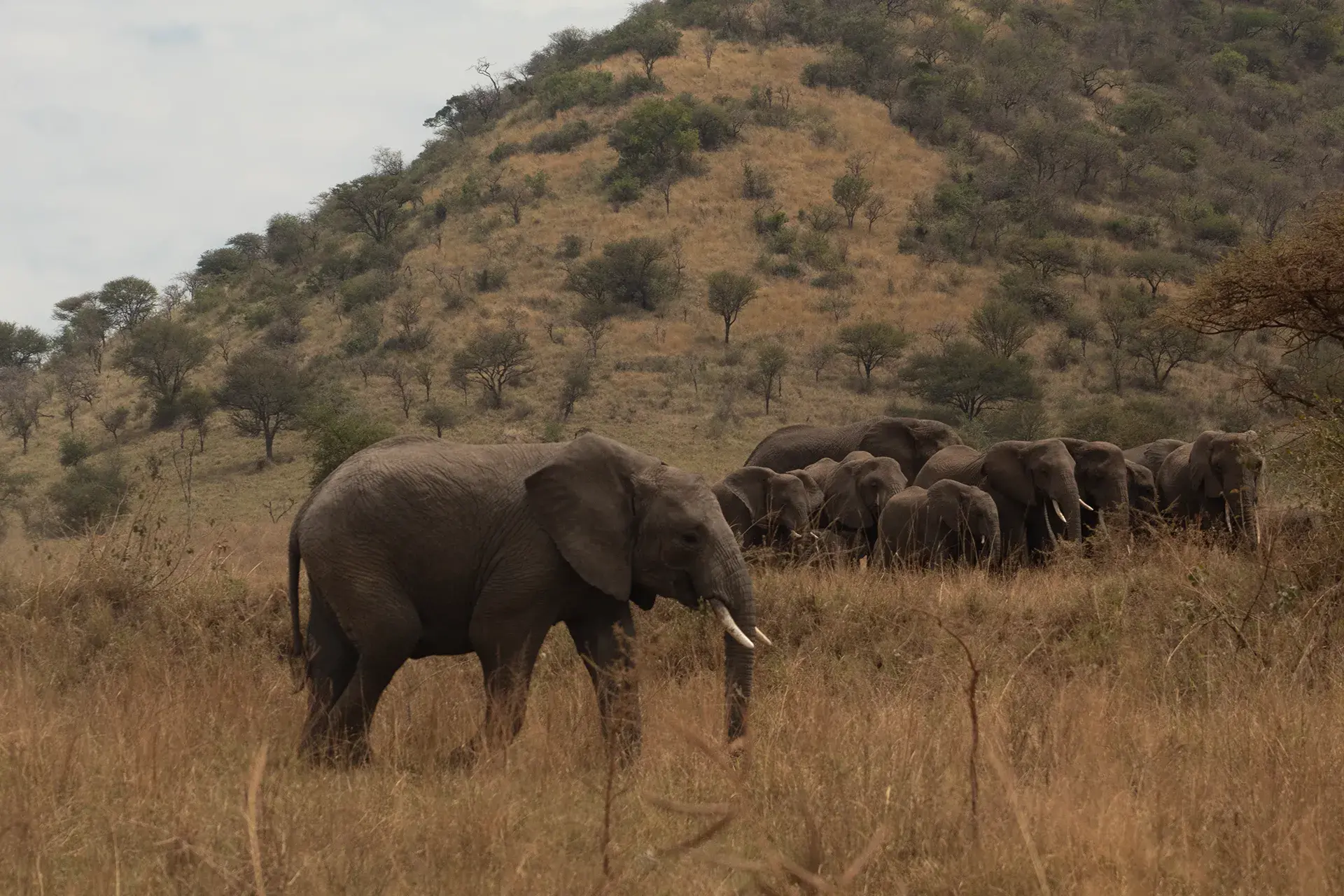
Tanzania's largest national park and one of Africa's most underrated wilderness destinations. Superb lion prides. Sometimes 20+ strong. Hunt along the Great Ruaha River. Massive elephant and buffalo herds. Very few other visitors even in peak season. Inaccessible in heavy rains.
One of Africa's largest game reserves. Famous for boat safaris on the Rufiji River. Extraordinary close encounters with hippos, crocodiles and elephants at the water's edge. Wild dog packs. Parts of the park are inaccessible during long rains. The boat safari experience is unique in Tanzania.
Full Month-by-Month Safari Comparison
| Month | Wildlife | Migration Highlight | Rainfall | Crowds | Price |
|---|---|---|---|---|---|
| January | Excellent | Calving season begins Ndutu | Low | Moderate | Mid |
| February ⭐ | Outstanding | Calving peak ~8,000 calves/day | Very Low | Low | Mid |
| March (early) | Good | Herds moving north-west | Rising | Very Low | Low-Mid |
| April | Challenging | Dispersed mid-Serengeti | Heavy | Minimal | Lowest |
| May | Challenging | Moving towards Grumeti | Easing | Very Low | Lowest |
| June | Very Good | Grumeti River crossings | Low | Moderate | High |
| July ⭐ | Outstanding | Mara River crossings begin | Minimal | Very High | Highest |
| August ⭐ | Outstanding | Mara crossings peak drama | Minimal | Very High | Highest |
| September ⭐ | Outstanding | Mara crossings continue (N. Serengeti) | Very Low | Moderate | High |
| October ⭐ | Excellent | Herds returning south; Tarangire peaks | Low | Low | Mid-High |
| November | Good | Central Serengeti moving south | Moderate | Low | Low-Mid |
| December (mid+) | Good-Very Good | Herds reaching southern plains | Tapering | Mod-High | Mid |
| ⭐ = Top recommended months for a Tanzania safari in 2026. Migration timing is approximate. Herds follow the rains. | |||||
- July and August (peak): Book 9-12 months in advance. Premium camps and river-crossing concession spots sell out by October the previous year.
- June and September: Book 6-8 months ahead for best camp selection and rates.
- January and February (calving season): Book 4-6 months ahead. Growing in popularity. The best Ndutu camps fill early.
- October and November: Book 3-5 months ahead. Good availability but the best lodges still fill for shoulder season.
- April and May (long rains): Often bookable 4-8 weeks ahead. Many camps offer last-minute green season rates.
Frequently Asked Questions
The best overall months are July, August, September and February. July and August offer peak dry-season wildlife viewing and the Mara River crossings of the Great Migration. September delivers identical conditions with notably fewer crowds. Many guides name it their favourite month. February offers the extraordinary calving season spectacle with intense predator activity and a fraction of peak-season visitors. October is an excellent, underrated choice with superb Tarangire elephant viewing and empty parks.
The Great Migration is a year-round circular movement. Key highlights include calving season (January-February) on the southern Serengeti plains around Ndutu; the Grumeti River crossings (May-June) in the western corridor; and the iconic Mara River crossings (July-October) in the northern Serengeti near the Kenya border. From November, herds travel south back toward the short-grass plains. The exact timing of river crossings varies by year depending on rainfall patterns. A knowledgeable local guide is essential.
Yes, with the right expectations. The green season (November through March, excluding the long rains of April-May) offers lush landscapes, exceptional birdwatching with migratory species, the calving season spectacle in January-February, far fewer crowds, and lodge prices up to 40% lower. Dense vegetation can make spotting some species harder, and some southern and western park roads become impassable in April-May. For photographers, birders, and travellers who prefer solitude, the green season is often preferred over peak season.
The Serengeti and Ngorongoro Crater are excellent year-round. Tarangire peaks July-October with massive elephant concentrations. Ruaha and Nyerere (Selous) are best from June-October and become partially inaccessible during the long rains. Lake Manyara offers great wildlife year-round but is particularly rewarding for flamingos and migratory birdwatching in the wet season. For first-time visitors, the northern circuit (Serengeti + Ngorongoro + Tarangire) is the most reliable option in any season.
April and May are the cheapest months, with many lodges offering 20-40% discounts during the long rains. Early November also offers lower rates as a shoulder month. The best value for reliably good conditions is October or January-February, when prices are moderate but wildlife viewing remains excellent. If budget is your primary constraint, early November offers decent conditions at off-peak prices. The short rains rarely disrupt morning game drives significantly.
Absolutely. This is one of Africa's classic trip combinations. The ideal pairing window is June-October, when the northern Serengeti offers Migration action and Zanzibar's weather is at its driest and most pleasant. January-February also works well. Calving season safari paired with warm, clear Zanzibar beach weather. Avoid April-May for Zanzibar if you plan to snorkel or dive, as the long rains bring reduced water visibility around the islands. The typical structure is 5-7 nights on safari followed by 3-5 nights in Zanzibar.
Plan Your Tanzania Safari
Whether you want to watch a river crossing from a private riverbank camp, witness the calving season in a near-empty Ndutu or track lions across Ruaha's wild southern wilderness. We'll build the itinerary around your dates, interests and budget.
Get a Free Safari Quote Add Kilimanjaro