
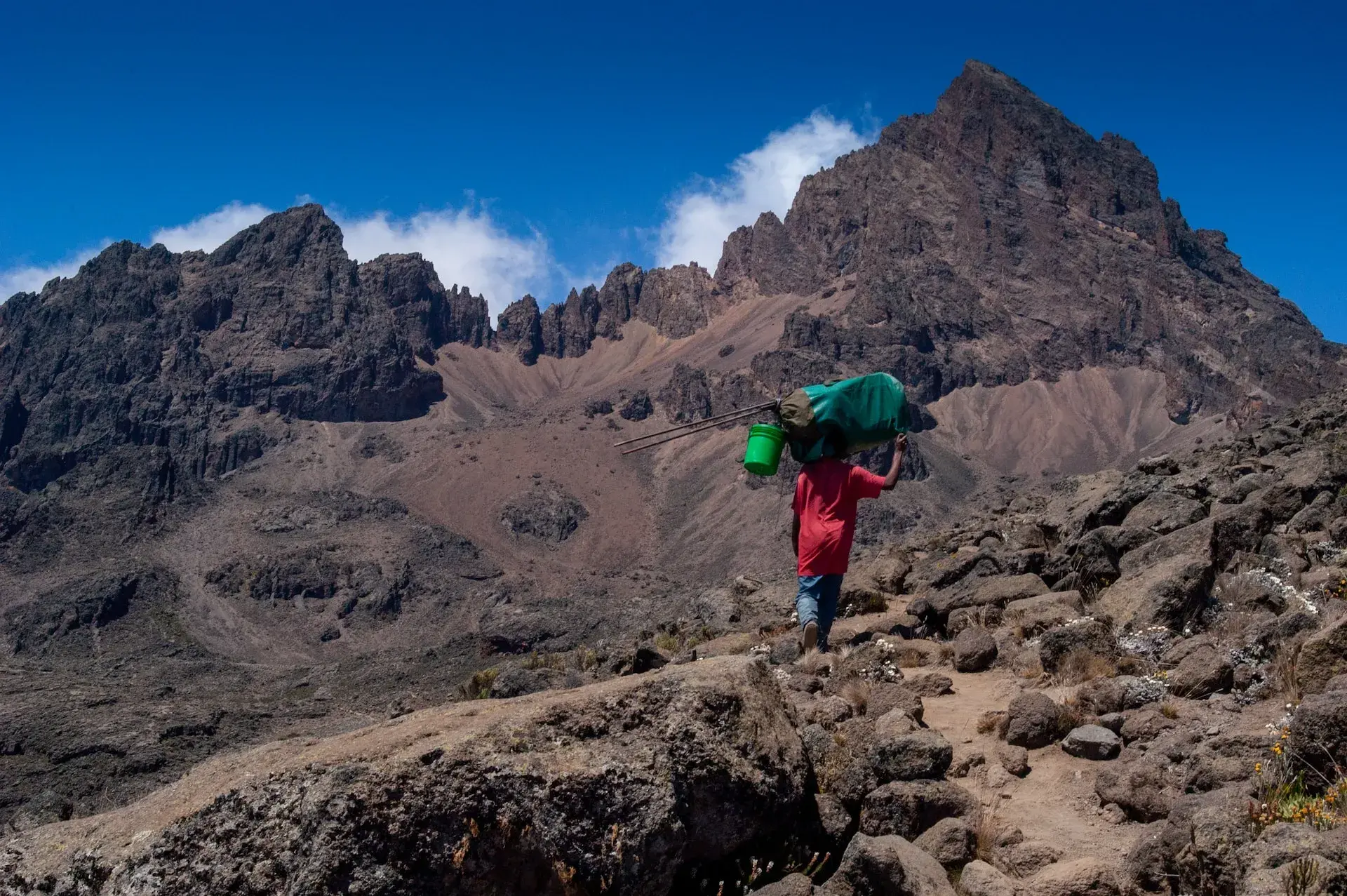
планината Килиманџаро is the highest mountain in Africa and is located in Танзанија. It is a popular destination for hikers and climbers, but the weather on Килиманџаро can be unpredictable and challenging.
The weather on Килиманџаро is influenced by its elevation and location. The mountain has five different climate zones, each with its own unique weather patterns.
планината Килиманџаро, often called the "Roof of Africa," is Africa's highest peak and a bucket-list destination for trekkers and adventurers worldwide. Climbing this majestic mountain is a remarkable experience, but understanding Килиманџаро's ever-changing weather is crucial for a successful and safe ascent. In this comprehensive guide, we'll explore the diverse climatic zones of Килиманџаро and provide insights into how weather can impact your journey.
Килиманџаро's Unique Climatic Zones
планината Килиманџаро is characterized by distinct climatic zones that vary with altitude. These zones influence the temperature, precipitation, and vegetation encountered during the climb. Understanding the different zones is essential for preparing and packing appropriately for your Килиманџаро trek.
1. Cultivated Zone (800 to 1,800 meters):
2. Rainforest Zone (1,800 to 2,800 meters):
3. Хитлер и Мурленд зона (2,800 до 4,000 метри):
4. Alpine Desert Zone (4,000 to 5,000 meters):
5. Arctic Zone (Above 5,000 meters):
Килиманџаро Weather Patterns
The weather on Килиманџаро is influenced by several key factors:
1. Rainfall Patterns:
Килиманџаро has two rainy seasons: the long rains from March to May and the short rains from October to December. The rainforest and cultivated zones receive the most rainfall.
Сувите сезони, од јуни до септември и јануари до февруари, се најдобрите времиња за скалирање, бидејќи има помалку дожд и појасни небови.
2. Temperature Variations:
As you ascend Килиманџаро, temperatures drop significantly. The cultivated zone and rainforest are warm and humid, while the higher zones become progressively cooler and drier.
Ноќта на врвот може да биде горчиво студено, со температури многу под замрзнување, особено во текот на сувата сезона.
3. Microclimates:
Килиманџаро's microclimates can vary from one side of the mountain to the other. The southern route is generally warmer and drier than the northern route.
Локалните временски модели, како што се ветрови и облачни форми, исто така можат да влијаат на условите на различни делови на планината.
Packing for Килиманџаро's Weather
Preparing for Килиманџаро's changing weather is essential for a successful climb. Here's what you should consider packing:
Платени облека: облека во слоеви за лесно да се прилагодат на промените во температурата. влажно-викинг основни слоеви, изолирачки средни слоеви, и водоотпорни надворешни слоеви се клучни.
Преносива чистење на вода: Пренесете преносив систем за чистење на вода за да бидете сигурни дека имате пристап до безбедна пијана вода.