


O Grande Africano Symphony
A Grande Sinfonia Africana | Viagem à Tanzânia com Haven Trails…
Sete dias. Três Movimentos. One Epic Story.
Algumas viagens ficam com você para sempre. The Grande Sinfonia Africana is one of them. In seven Dias across Tanzânia's legendary Circuito Norte, you move through three of the most Vida Selvagem-rich ecosystems on the planet. Cada um distinto, cada um construído sobre o anterior, cada um impossível de esquecer. Like the movements of a great symphony, this viagem de vida selvagem unfolds from the intimate opening notes of Tarangire to the thunderous crescendo of the Serengueti and the awe-inspiring finale of Ngorongoro's ancient Cratera.
Começa no Parque Nacional Tarangire. Uma paisagem diferente de qualquer outro lugar da Terra. Antigos baobás, alguns com mais de mil anos, erguem-se de pastagens douradas como as colunas de uma catedral natural. O rio Tarangire. A única fonte permanente de água em centenas de quilómetros. Atrai tudo às suas margens na estação seca: manadas de centenas de elefantes, leões que caçam na floresta ribeirinha, enormes bandos de pássaros e espécies raras não encontradas em nenhum outro lugar do norte da Tanzânia. Tarangire é o segredo mais bem guardado da Tanzânia e uma das experiências de vida selvagem mais íntimas de África.
De Tarangire você atravessa para o Parque Nacional Serengueti. A natureza selvagem mais famosa de África e uma das Sete Maravilhas Naturais do Mundo. O nome vem da palavra massai "Siringet", que significa "a terra que continua para sempre". E estando nas planícies abertas, observando o horizonte em todas as direções, você entende imediatamente o porquê. É aqui que a migração ótima ocorre em tempo real: um ciclo constante e antigo de 1,5 a 2 milhões de gnus, 500 mil zebras e 250 mil gazelas de Thomson seguindo as chuvas em 30 mil quilômetros quadrados de savana aberta. Este também é um território nobre das Cinco Grandes. Leões, leopardos, elefantes, búfalos e a esquiva chita são encontrados regularmente no Vale Seronera.
A sinfonia chega ao seu final na Cratera de Ngorongoro. Patrimônio Mundial da UNESCO e um dos maiores espetáculos de vida selvagem do planeta. Formada quando um enorme vulcão antigo entrou em colapso há três milhões de anos, a Cratera de Ngorongoro é a maior caldeira vulcânica intacta do mundo: 600 metros de profundidade, 19 quilómetros de largura e lar de aproximadamente 25.000 grandes mamíferos num ecossistema autónomo. Leões vagam pelo chão da cratera em grandes bandos. Manadas de elefantes se movem pela floresta. Os búfalos se reúnem aos milhares nas pastagens. E no Lago Magadi, flamingos cor-de-rosa se reúnem em nuvens cor-de-rosa cintilantes. O mais notável é que este é um dos últimos lugares na Terra onde você pode ver com segurança o rinoceronte negro, criticamente ameaçado, na natureza.
Três movimentos do Symphony
Tarangire Parque Nacional O Reino dos Elefantes
A magnífica região selvagem de baobás da Tanzânia, onde milhares de rebanhos de elefantes e árvores antigas contam histórias mais antigas que a civilização.
Estabelecido como reserva de caça em 1957 e transformado em parque nacional em 1970, Tarangire é o sexto maior parque da Tanzânia. E sem dúvida é o mais subestimado. Enquanto o Serengueti reivindica o glamour e Ngorongoro a grandeza, Tarangire oferece algo mais raro: intimidade genuína com a vida selvagem numa escala que ainda deixa você sem fôlego. Este é o país dos elefantes acima de tudo. Durante a estação seca (junho-novembro), manadas de até 300 elefantes convergem diariamente para o rio Tarangire. A única fonte permanente de água em centenas de quilómetros. Você os observa beber, tomar banho e socializar sob a sombra de baobás de mil anos de idade. A cena é elementar. Bíblico. Inesquecível.
Mas Tarangire é muito mais que elefantes. O Pântano Silale. Uma vasta zona húmida sazonal no setor sul do parque. Concentra uma vida selvagem extraordinária: bandos de leões, manadas de búfalos e avistamentos ocasionais do raro cão selvagem africano. O circuito Lemiyon, no norte, oferece observação clássica da savana, com girafas, zebras, impalas e gazelas de Grant movendo-se pela floresta de acácias. O parque também abriga os antílopes mais raros das regiões secas da Tanzânia: o órix-orelhudo e o gerenuk-de-pescoço-comprido. Duas espécies quase impossíveis de ver em outros lugares do norte da Tanzânia.
Serengueti Parque Nacional As Planícies Sem Fim
África's most iconic wilderness. Where the Ótima migração plays out in real time and the Cinco Grandes roam across 14,763 square kilometres of endless open savannah.
Maior e mais antigo parque nacional da Tanzânia, o Serengueti foi declarado Patrimônio Mundial da UNESCO em 1981. Seu nome deriva da palavra massai "Siringet". Significa "a terra que dura para sempre". E as vastas planícies sem árvores que se estendem por todos os horizontes fazem o nome parecer uma verdade literal. O Serengueti é o local da Grande Migração de Gnus: a maior migração terrestre de mamíferos na Terra, envolvendo 1,5 a 2 milhões de gnus, 500.000 zebras e 250.000 gazelas de Thomson num circuito contínuo de 800 quilómetros impulsionado pelas chuvas. Dependendo da época do ano que você visita, você testemunha movimentos diferentes: a temporada de partos de janeiro a março na área de Ndutu, a dramática migração de abril a junho para o norte ou as espetaculares travessias do rio julho a outubro no rio Mara, no norte.
Mas o Serengueti é magnífico o ano todo. O Vale Seronera, no centro de Serengueti, é um dos melhores lugares em África para ver predadores: leões descansando em salsichas, chitas escaneando as planícies abertas a partir de cupinzeiros, leopardos pendurados em ramos de acácia com presas frescas. O Serengueti também sustenta a maior população de leões do mundo. Estimado em mais de 3.000 indivíduos em todo o ecossistema. Caminhando pelas planícies mentalmente, vendo zebras se espalhando no horizonte e ouvindo um clã de hienas gritando no crepúsculo, você entende por que isso é chamado de uma das Sete Maravilhas Naturais do Mundo.
Cratera de Ngorongoro A Caldeira Viva
A maior caldeira vulcânica intacta do mundo. Um ecossistema independente com 600 metros de profundidade e 19 quilômetros de largura, abrigando 25 mil animais dentro de suas antigas muralhas.
Há três milhões de anos, um vulcão maior que o Kilimanjaro entrou em colapso, criando a Caldeira de Ngorongoro. Um recinto natural de proporções extraordinárias. As paredes da cratera elevam-se a 600 metros do chão, criando um ecossistema independente, diferente de qualquer outro lugar na Terra. Dentro destas antigas paredes vulcânicas, aproximadamente 25.000 grandes mamíferos vivem numa população residente equilibrada durante todo o ano. Uma das maiores densidades de vida selvagem por quilómetro quadrado em qualquer lugar do continente africano. Como há água abundante e grama o ano todo no fundo da cratera, a maioria dos animais nunca sai. Isso cria um encontro com a vida selvagem de intensidade incomparável: em uma única viagem de dia inteiro pela cratera, não é incomum ver todos os Cinco Grandes, manadas de elefantes, milhares de gnus e zebras, vários bandos de leões e centenas de flamingos no Lago Magadi.
A cratera de Ngorongoro também é um dos últimos lugares confiáveis na Terra para ver o rinoceronte negro criticamente ameaçado de extinção na natureza. A população de rinocerontes negros da Tanzânia foi devastada pela caça furtiva nas décadas de 1970 e 1980; hoje, a cratera de Ngorongoro protege uma das últimas populações estáveis do país, de aproximadamente 26 indivíduos. Vendo um. Maciçamente construído, de aspecto antigo, impossivelmente raro. É uma das experiências de vida selvagem mais comoventes de África. Uma ausência notável da cratera é a girafa, que nunca desceu da borda. Embora o gado massai partilhe a terra com a vida selvagem, um lembrete de que a Área de Conservação de Ngorongoro é gerida de forma única tanto para a vida selvagem como para os seus habitantes humanos originais.
Quando Go
O viagem de vida selvagem da Grande Sinfonia Africana é excepcional durante todo o ano. Cada estação oferece uma experiência distinta. Abaixo está um guia do que cada período oferece nos três parques.
Momentos que vão Fique com você para sempre
Watch 200-300 elefantes converge no rio Tarangire beneath baobabs de 1,000 anos. One of África's most concentrated Vida Selvagem spectacles. Uma cena que para completamente o tempo.
Dez mil gnus chegam à margem do rio Mara em silêncio. Depois mergulhe numa explosão ensurdecedora de caos, coragem e crocodilos. Nada na Terra prepara você para testemunhar isso ao vivo.
No chão Ngorongoro Cratera. 304 kmã of self-contained Eden. Leão, leopardo, elefante, búfalo e a coexista negra criticamente ameaçada de rinoceronte negra em densidade extraordinária. All five in one unforgettable Dia.
The drive down the Cratera wall. 600 metres através da floresta, névoa e búfalo. Então emergindo de repente no chão antigo. Uma das grandes novidades dramáticas em todas as viagens.
Antes do amanhecer. As planícies em absoluta escuridão. Um leão se orgulha de matar enquanto o sol nasce dourado sobre o Pico Mawenzi no horizonte. A história mais antiga da Terra se desenrola na sua frente ao amanhecer.
Milhares de flamingos menores e maiores tornam o lago de refrigerante de Ngorongoro rosa em ambas as extremidades. Seus reflexos se duplicam na água parada. Uma cor e uma composição que parecem quase bonitas demais para serem reais.
Seu guia estaciona sob uma ampla acácia, desempacota o cesto e coloca a mesa à sombra. Uma girafa observa a 40 metros. Você almoça dentro de um dos maiores parques nacionais do mundo. Não há nada igual.
A 1.500 m de altitude e com poluição luminosa zero, o céu do Serengueti é um dos mais surpreendentes da Terra. Estrelas densas o suficiente para projetar sombras, a Via Láctea brilhando no alto, hienas gritando na escuridão ao redor do acampamento.
O Itinerário
1
Chega a Arusha A abertura começa
Sua aventura começa no momento em que você sai do avião no Kilimanjaro Aeroporto Internacional (JRO). Situado entre duas das maiores montanhas de África, Kilimanjaro e Meru e uma das chegadas mais evocativas do continente. Seu representante da Trilhas do Paraíso estará aguardando no saguão de desembarque segurando uma placa com seu nome. Um aperto de mão caloroso, um “Karibu Tanzânia!” em suaíli! (Bem-vindo à Tanzânia!) e a aventura começa. A viagem de 45 minutos até Arusha serpenteia pelo rio Usa, passando por estradas de laterita vermelha, barracas de banana à beira da estrada, pastores massai em shukas vermelhas transportando o gado com uma calma que pertence a um século diferente e. Em dias claros. O cume coberto de neve do Kilimanjaro elevando-se impossivelmente acima das nuvens a sudeste.
Arusha é o coração pulsante da indústria de safaris da Tanzânia. Uma cidade vibrante de 1,5 milhões de habitantes que serve como porta de entrada para os maiores destinos de vida selvagem de África. Após o check-in, seu guia especializado em safári se sentará com você para um briefing de orientação abrangente, tomando chá ou café. Seu guia. Um naturalista com milhares de horas de campo. Percorre todo o itinerário, explica o comportamento dos predadores e as técnicas de rastreamento, descreve o que observar em cada parque e responde a todas as perguntas com a profundidade de quem dedicou sua vida a esses lugares. Você inspeciona seu Land Cruiser 4x4 personalizado: teto retrátil para fotografia desobstruída da vida selvagem em 360 graus, pontos de carregamento USB para câmeras e telefones, binóculos, um refrigerador abastecido com bebidas e equipamento de primeiros socorros. À noite, Trilhas do Paraíso oferece um jantar de boas-vindas: nyama choma da Tanzânia, ugali e cerveja local, além de opções internacionais. A conversa à mesa gira, inevitavelmente, para o que está por vir.
2
Arusha? Tarangire Parque Nacional? Karatu The Elephant Kingdom
Antes do amanhecer, o alarme toca e a verdadeira jornada começa. Seu Land Cruiser sai de Arusha em direção ao sul, em direção ao Grande Vale do Rift. Uma das paisagens geologicamente mais significativas da Terra. A 6,000-kilometre crack in the planet's crust, running from the Middle East to Mozambique, it was the corridor along which our earliest human ancestors walked out of África. Você desce a escarpa leste enquanto o sol nasce, o fundo do vale se abrindo dramaticamente abaixo. massai settlements dot the plain; suas distintas bomas redondas cercadas por cercas de arbustos espinhosos, sinos de gado audíveis através das janelas abertas.
Você entra no Parque Nacional Tarangire enquanto a luz da manhã muda de dourada para branca. Com 2.850 kmã, Tarangire é o sexto maior parque da Tanzânia e um dos mais subestimados. O rio Tarangire. Única fonte permanente de água em toda a região durante a estação seca. Dirige um dos espetáculos de vida selvagem mais concentrados de África. Entre Junho e Novembro, manadas de elefantes com mais de 200 a 300 indivíduos deslocam-se diariamente para o rio, os seus caminhos foram escavados 50 centímetros de profundidade na terra vermelha ao longo de milénios. Os antigos baobás que os rodeiam. Algumas com mais de 1.000 anos, troncos de até 9 metros de circunferência. Proporcione uma das paisagens de viagem de vida selvagem mais emblemáticas da África Oriental. O passeio de dia inteiro abrange o circuito fluvial, a floresta de Lemiyon (excelente para o raro órix-orelhudo e o gerenuk) e o Pântano de Silale. Leão, leopardo, búfalo e girafa são avistados regularmente. À medida que as sombras se alongam, você sai do parque e dirige até Karatu. Uma encantadora cidade montanhosa a 1.450 m de altitude, situada nas Terras Altas da Cratera. Fresco, verde e tranquilo, é a base perfeita para passar a noite antes da descida à cratera de amanhã.
3
Karatu? Cratera Ngorongoro A Caldeira Viva
Depois de um café da manhã nas frescas terras altas de Karatu, o Land Cruiser chega às Terras Altas da Cratera através de uma densa floresta montanhosa. Macacos Colobus movendo-se pela copa das árvores. Então a floresta termina abruptamente e você está na borda da cratera Ngorongoro, a 2.300m. A vista que se abre diante de você interrompe todas as conversas no veículo: uma bacia vulcânica de 19 a 21 quilômetros de diâmetro, 600 metros de profundidade, com fundo repleto de vida selvagem até onde você pode ver. Foi formada há três milhões de anos, quando um vulcão colossal entrou em colapso, criando a maior caldeira intacta do mundo. E o Éden independente que vive dentro de seus muros.
A estrada de descida serpenteia abruptamente pela floresta, muitas vezes cheia de neblina matinal. Os búfalos do Cabo são encontrados regularmente na própria estrada de descida. No fundo da cratera, seu guia percorre o circuito completo: o Lerai Forest onde matriarcas elefantes se movem silenciosamente sob as árvores da febre amarela; o Hippo Pool onde mais de 50 hipopótamos lotam as águas rasas; Lago Magadi onde milhares de flamingos cor de rosa se reúnem em nuvens cintilantes; o aberto short-grass plains where wildebeest, zebra and eland graze in their tens of thousands. The Cratera suporta 60 a 70 leões residentes. Sightings are near-inevitable. And then, if your Guide positions you with patience and knowledge: a black rhinoceros. One of perhaps 26 that remain in this Cratera. Um dos grandes mamíferos mais raros da Terra. O silêncio após o avistamento dura muito tempo. A Cratera floor picnic Almoço. Buffalo grazing 30 metres away, paredes antigas subindo ao redor. Is one of the great Almoço experiences on Earth.
4
Ngorongoro Rim? Serengueti Parque Nacional Into the Endless Plains
Após o café da manhã na borda da cratera com a caldeira enchendo lentamente com a luz da manhã abaixo, você dirige para oeste através da Área de Conservação de Ngorongoro. Passando por guerreiros massai pastoreando o gado, com as lanças soltas ao lado do corpo, totalmente não intimidados pela vida selvagem ao seu redor. Essa convivência. Antigo, não resolvido e de alguma forma perfeito. É um dos pontos turísticos mais emocionantes da Tanzânia. Uma parada opcional em Olduvai Gorge (Oldupai Gorge). Onde Louis e Mary Leakey descobriram ancestrais humanos com 1,8 milhão de anos na década de 1950. Demora 45 minutos e muda a forma como você vê a paisagem pelo resto da viagem.
Depois a fronteira do Serengueti. O mundo se transforma no momento em que você o atravessa. As planícies se espalham em todas as direções. Plano, dourado, sem árvores, vasto além da compreensão. O céu dobra de tamanho. A palavra massai "Siringet". “a terra que dura para sempre”. Adquire todo o seu significado literal. Poucos minutos depois de entrar: uma chita em um cupinzeiro escaneando com olhos amarelos; uma família de elefantes percorrendo acácias; zebras se espalhando pelo horizonte aos milhares. O Serengueti anuncia-se como uma sinfonia que atinge o seu primeiro grande crescendo. Um passeio à tarde pelo Vale Seronera traz seus primeiros avistamentos do Serengueti de forma espetacular. Esta noite você dorme dentro do parque. Adormecer com hienas gritando e um leão trovejando em algum lugar da planície.
5
Full Dia Serengueti I Predadores, Planícies e a Ótima Migração
4h45. Seu guia bate na barraca. As estrelas a 1.500 m são tão densas que lançam sombras tênues. Você se veste em camadas, pega uma caneca de café quente e entra no Land Cruiser enquanto o teto se abre com um chiado hidráulico. Você dirige para a escuridão em ritmo de caminhada por uma região selvagem que pertence inteiramente aos animais.
Vale Seronera. O sistema fluvial no coração do Serengueti. É uma das zonas de predadores mais produtivas de África durante todo o ano. A água permanente, a densa mata ciliar ideal para leopardos e a convergência de presas tornam-no extraordinário. Seu guia trabalha no vale: verificando as salsichas em busca de leopardos ao amanhecer, lendo marcas de leões da caçada da noite anterior, examinando a grama em busca de chitas em cupinzeiros. A rede de guias de rádio compartilha avistamentos ao vivo em tempo real. A morte de um leão durante a noite ainda está fresca; duas fêmeas e cinco filhotes se alimentam enquanto a luz aumenta. Você assiste por 45 minutos. Esta é a história mais antiga da Terra, que se desenrola diante de vocês.
A ótima migração posiciona o dia inteiro. Em julho e outubro (norte do Serengueti), a migração chega ao rio Mara. E as travessias estão entre os eventos mais dramáticos da natureza: 10 mil gnus chegam à margem, hesitam na água cheia de crocodilos e depois mergulham numa explosão de caos para a qual nenhum documentário prepara. Em janeiro de março (Ndutu, sul do Serengueti), uma época de parição produz milhares de crias nascidas durante semanas experimentais, com predadores caçando em plena intensidade. Seu guia sabe exatamente onde posicioná-lo durante a temporada.
6
Full Dia Serengueti II Kopjes, cães selvagens e planícies em profundidade
Seu terceiro amanhecer consecutivo no Serengueti. A essa altura, seus olhos já se ajustaram a uma velocidade diferente. Você examina instintivamente, seu cérebro categorizando formas e movimentos que não conseguia distinguir três dias atrás. Seu guia percebe a mudança e sorri. Os passeios de hoje se aventuram mais fundo no Serengueti, explorando áreas que os excursionistas nunca alcançam.
Simba Kopjes. Antigos afloramentos de granito erguendo-se das planícies como baleias emergindo. Estão entre as rochas expostas mais antigas da Terra, desgastadas há mais de 600 milhões de anos. Os Leões os usam como vigias elevados; leopardos escondem mortes em suas fendas; lagartos agama brilham escarlates ao sol. Seu guia estaciona abaixo de um kopje como um bando de oito leões descansando no calor da manhã, filhotes lutando enquanto os adultos assistem com a paciência impassível de criaturas que sabem que são donas da terra. Hoje também traz potencialmente um dos avistamentos mais raros de África: o cão selvagem africano. Restam menos de 6.000 no continente. Rastreado ocasionalmente pelo oeste do Serengueti. Assistir a uma caçada a 50 km/h em uma perseguição perfeitamente coordenada é uma experiência que reduz ao silêncio todo frequentador veterano de safári.
Um piquenique no mato sob uma ampla acácia. Uma girafa observando a 40 metros uma manada de zebras pastando nas proximidades. É um dos grandes prazeres do Serengueti. A sessão fotográfica da tarde concentra-se na luz da hora dourada que transforma a paisagem: grama alta iluminada por trás, silhuetas contra o céu em chamas, longas sombras de acácia na terra vermelha. Esta noite, seu último jantar dentro do Serengueti, sob um céu tão estrelado que parece impossível.
7
Serengueti? Arusha, o movimento final
Seu último amanhecer no Serengueti. O alarme toca uma última vez e você sai com uma estranha mistura de expectativa e tristeza. Conscientes de que esta é a última manhã, determinados a enfrentá-la plenamente. O Land Cruiser se move pela paisagem que acaba de iluminar. Talvez uma família de leões seja encontrada matando uma zebra quando a luz fica dourada. Talvez um par de raposas com orelhas de morcego esteja na grama, suas orelhas enormes captando sons que nenhum ser humano consegue ouvir. Talvez simplesmente mil gnus correndo sem razão aparente pela planície, seu trovão coletivo sentido em seu peito. Seja o que for, o Serengueti cumpre. Sempre acontece.
Depois de um último café da manhã quente no acampamento, despedidas calorosas da equipe do acampamento e você começará a longa viagem para o leste. Você entra novamente na Área de Conservação de Ngorongoro, subindo pelas Terras Altas da Cratera. Talvez fazendo uma pausa na borda para uma última visão da cratera abaixo, tão diferente agora que você esteve dentro dela. Você desce até o fundo do Vale do Rift, em direção ao norte e ao leste em direção a Arusha. A paisagem da Tanzânia rural se desenrola: pequenas fazendas, mercados à beira das estradas, crianças em idade escolar uniformizadas, mulheres carregando cargas na cabeça. Um lembrete de que a Tanzânia não é apenas a sua natureza selvagem, mas também o seu povo e o facto extraordinário de um país de 65 milhões de habitantes ter escolhido proteger 38% das suas terras para a natureza.
Você chega em Arusha no final da tarde. A tempo para Transferênciaênciaênciaências do aeroporto para Kilimanjaro Aeroporto Internacional ou uma noite adicional se partir amanhã. Seu guia acompanha você até o fim, perguntando quando você planeja retornar. A resposta, na maioria das vezes, é “mais cedo do que eu esperava”.
A vida selvagem da Tanzânia é sua para carregá-la deste ponto em diante. A Grande Sinfonia Africana não termina. Simplesmente passa para um estágio diferente.
Alojamento Sua casa no viagem de vida selvagem
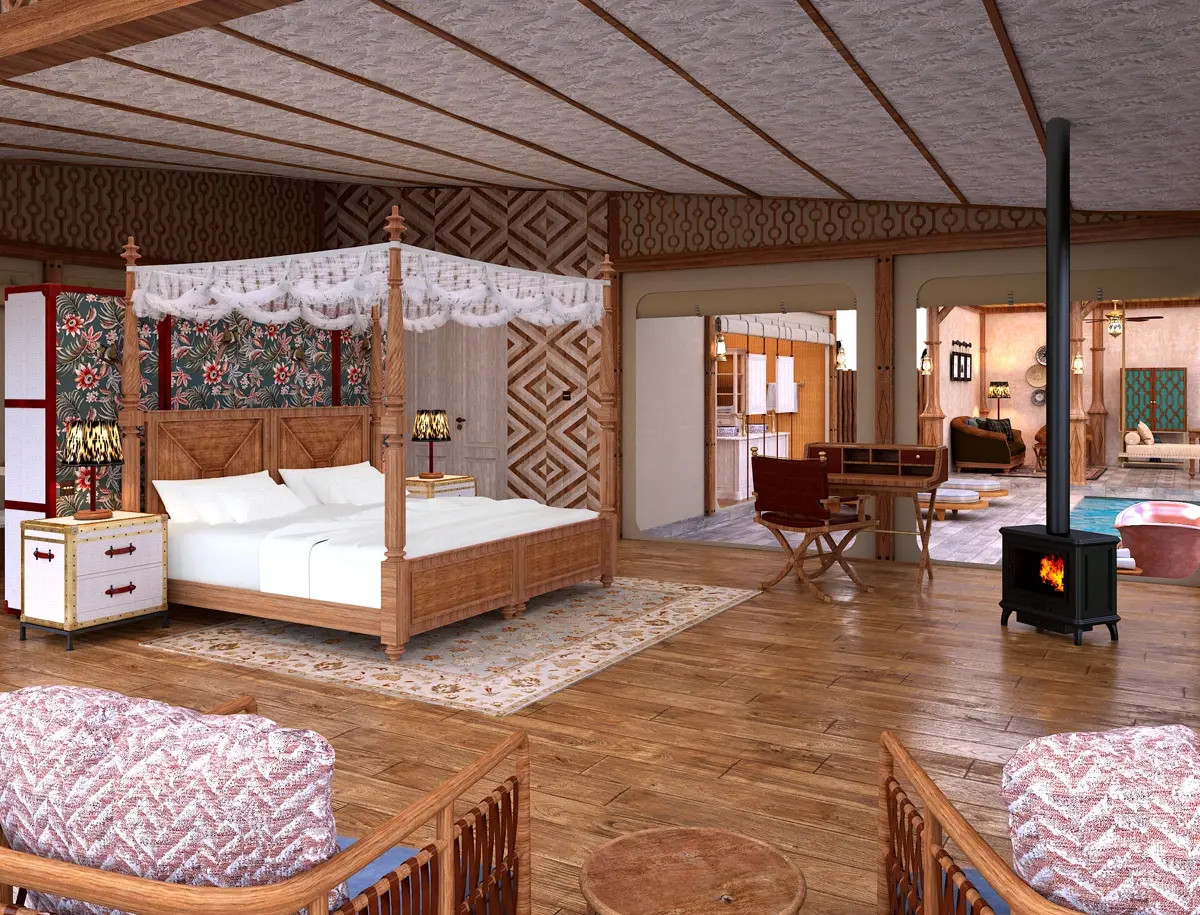
Cada noite deste viagem de vida selvagem é cuidadosamente escolhida conforme o jogo conduz. Sua acomodação não é apenas um lugar para dormir. Faz parte da experiência. Oferecemos três níveis totalmente selecionados. Prata, Ouro e Platina. Todas as propriedades são avaliadas pessoalmente pela Trilhas do Paraíso, posicionadas para acesso ideal à vida selvagem e escolhidas por caráter, serviço e valor.
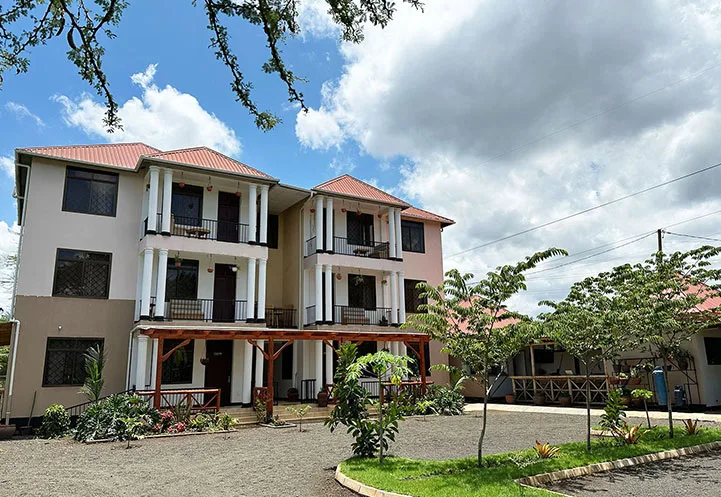
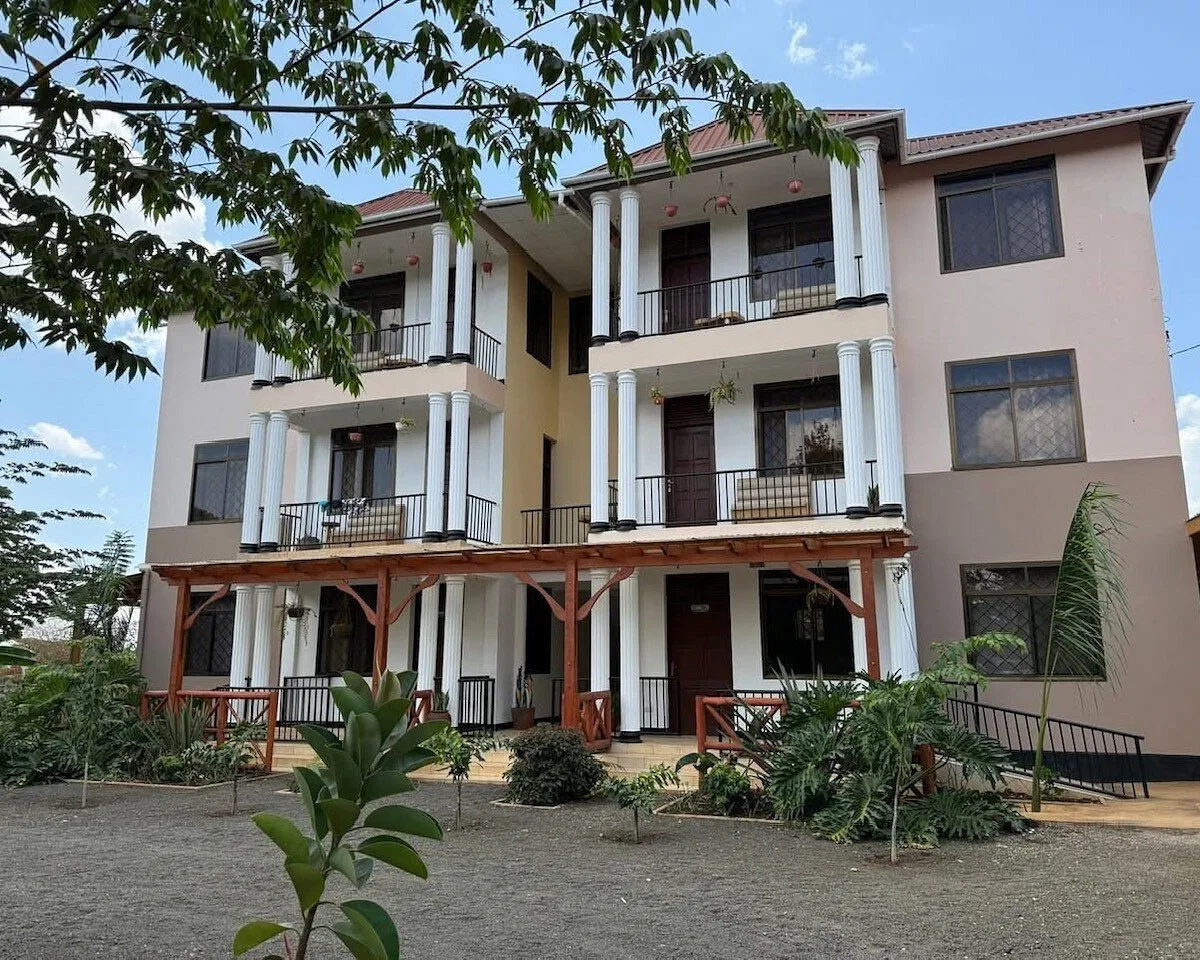

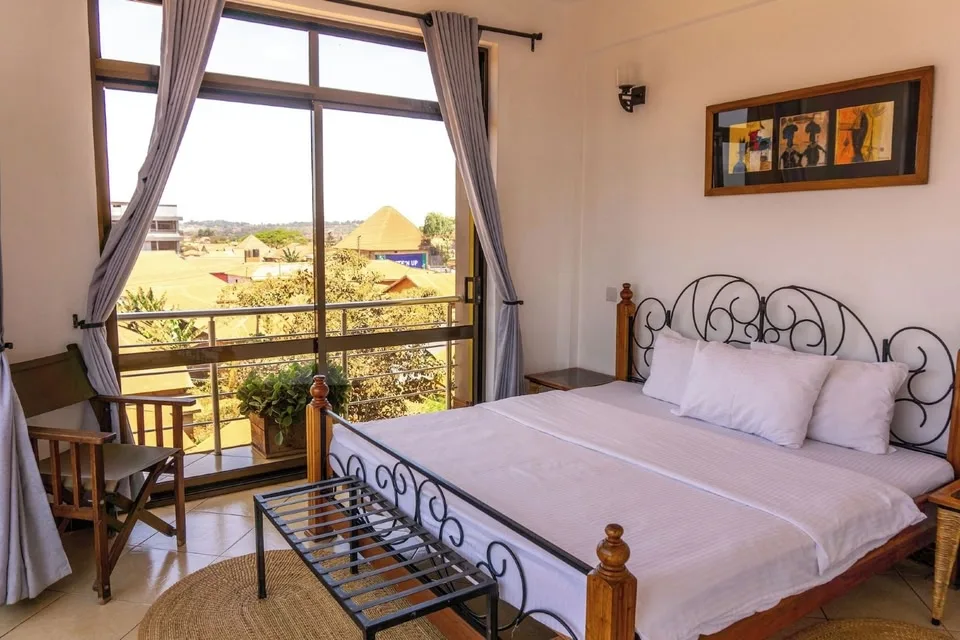
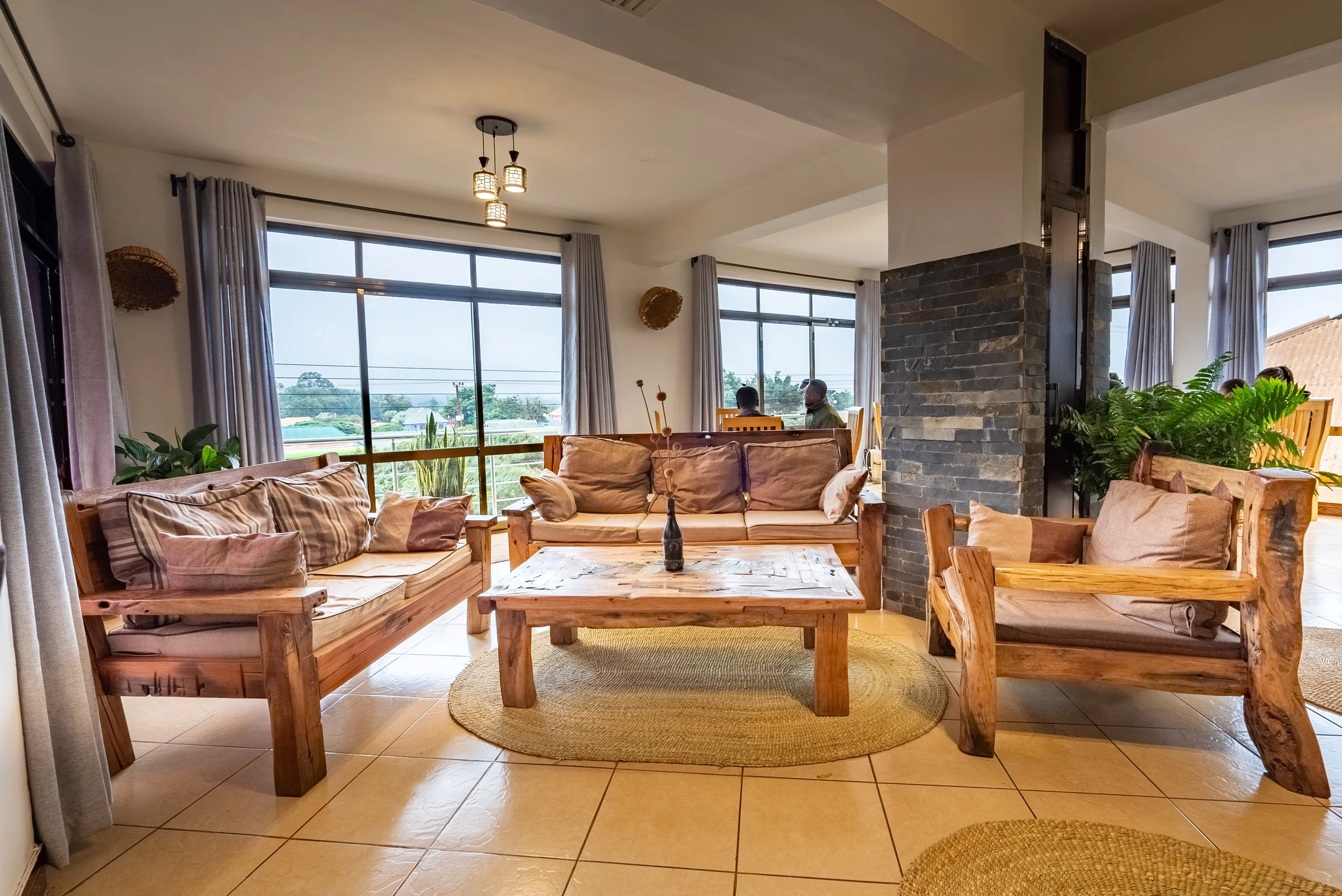
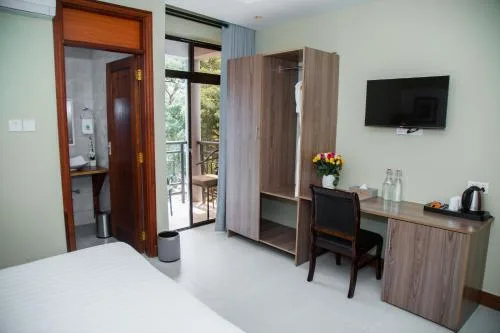
Um Hotel bem equipado em Arusha, com hospitalidade calorosa, quartos confortáveis e jardins exuberantes. Primeira noite perfeita antes do início da natureza selvagem.
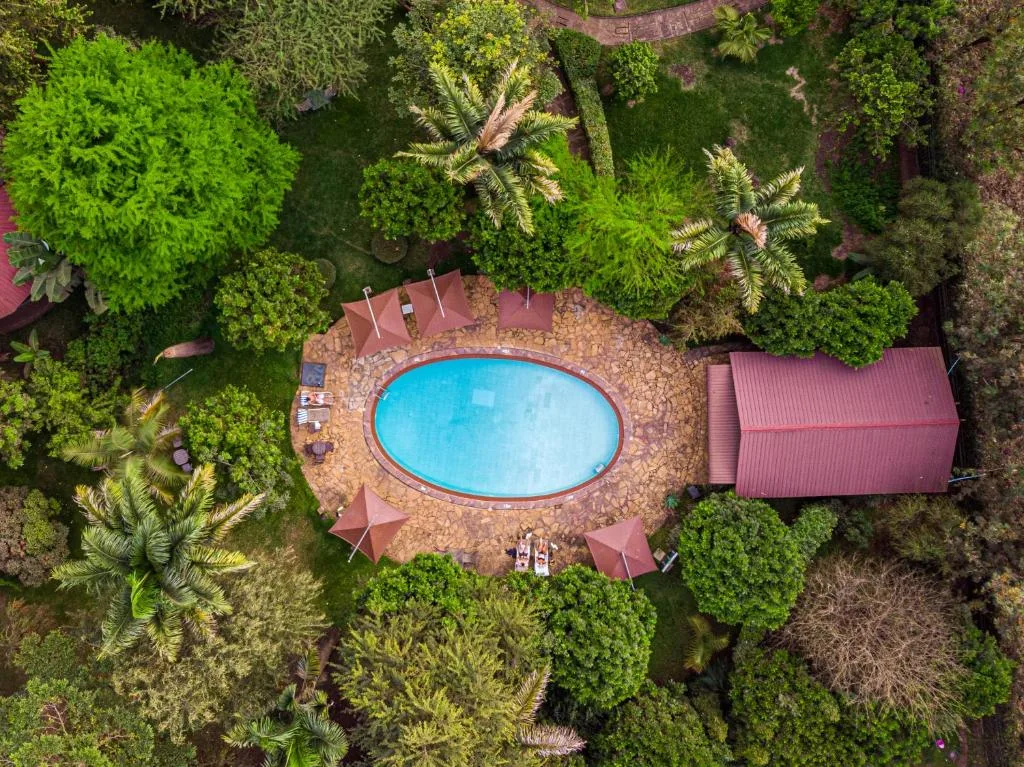
Charmosa pousada boutique com jardins paisagísticos, quartos espaçosos e excelente café da manhã. Uma primeira noite ideal antes de se aventurar na natureza selvagem da Tanzânia.
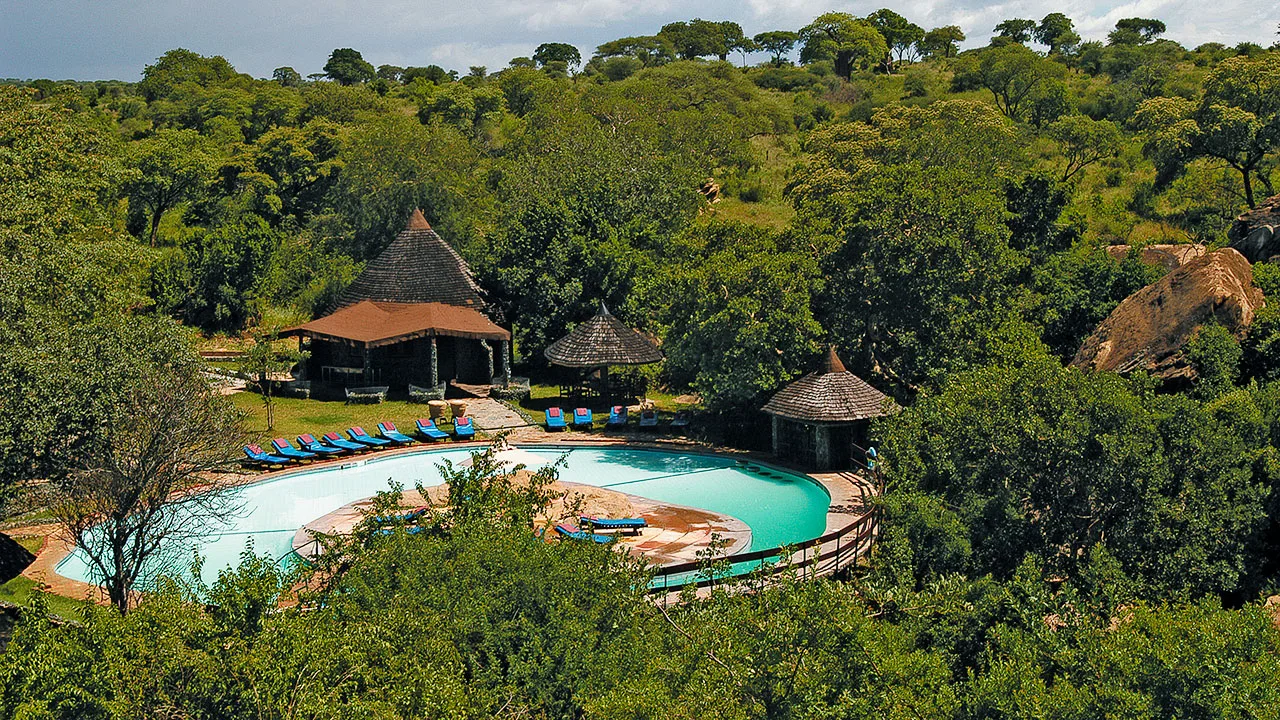
Espaçosos chalés de pedra dentro de Tarangire com vistas deslumbrantes do parque, impressionante piscina infinita e acesso direto ao ecossistema fluvial rico em elefantes à sua porta.
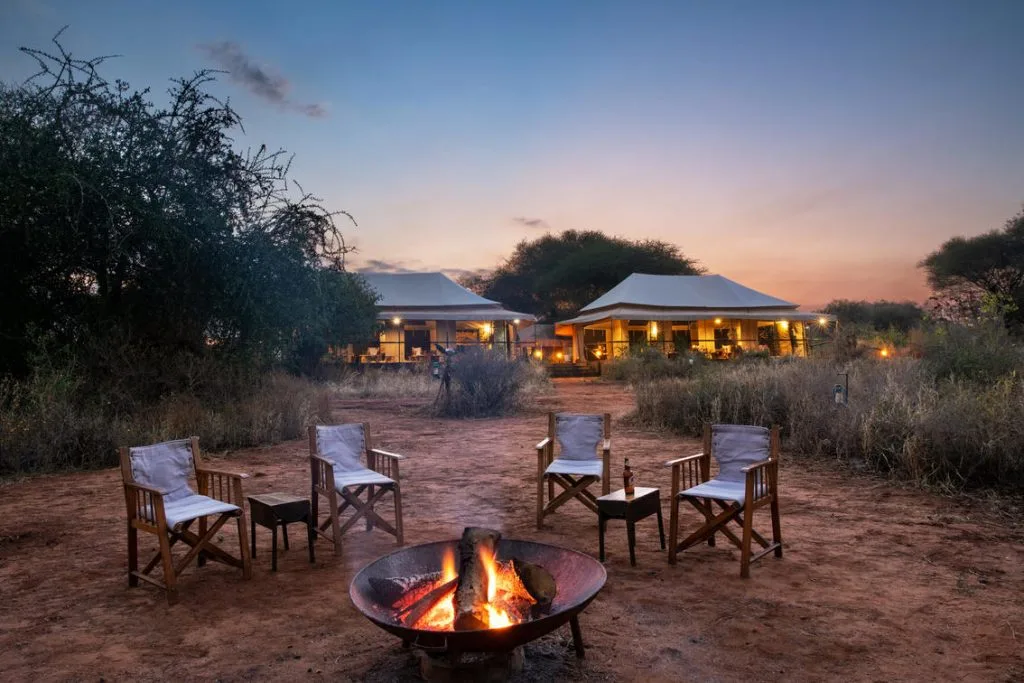
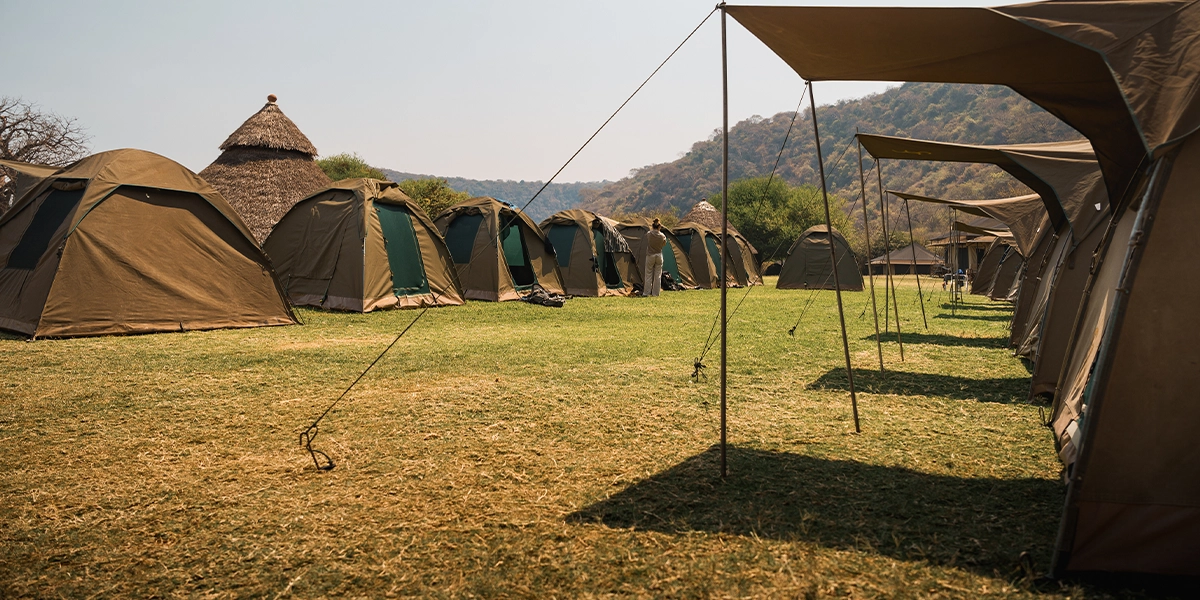
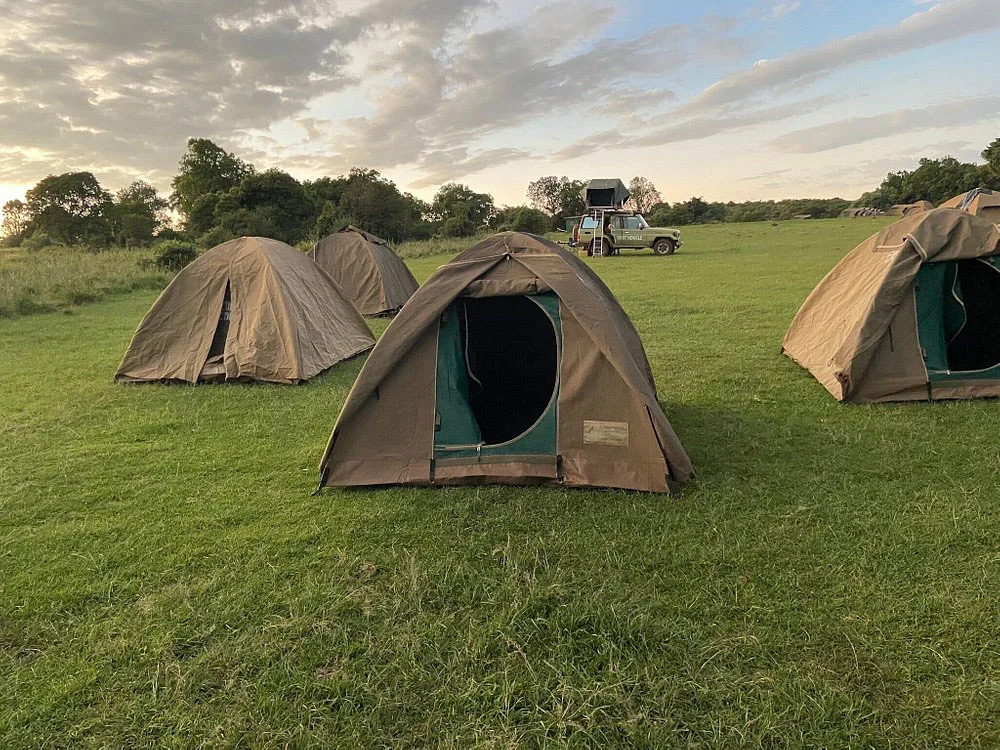
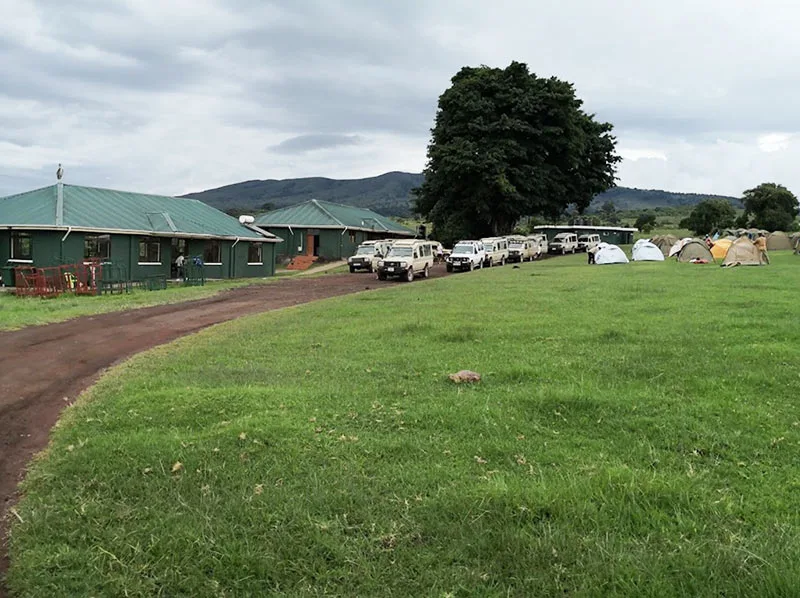
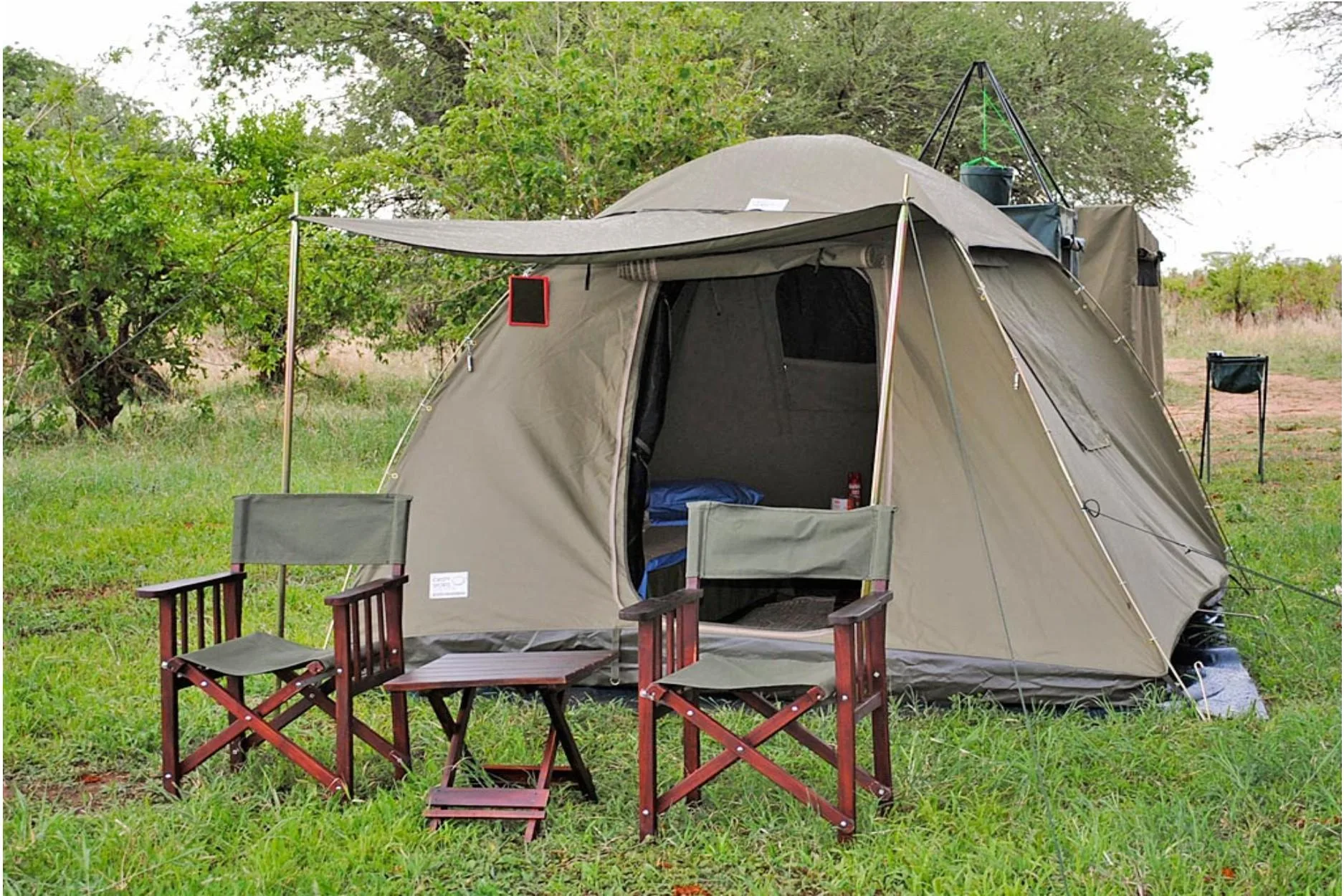
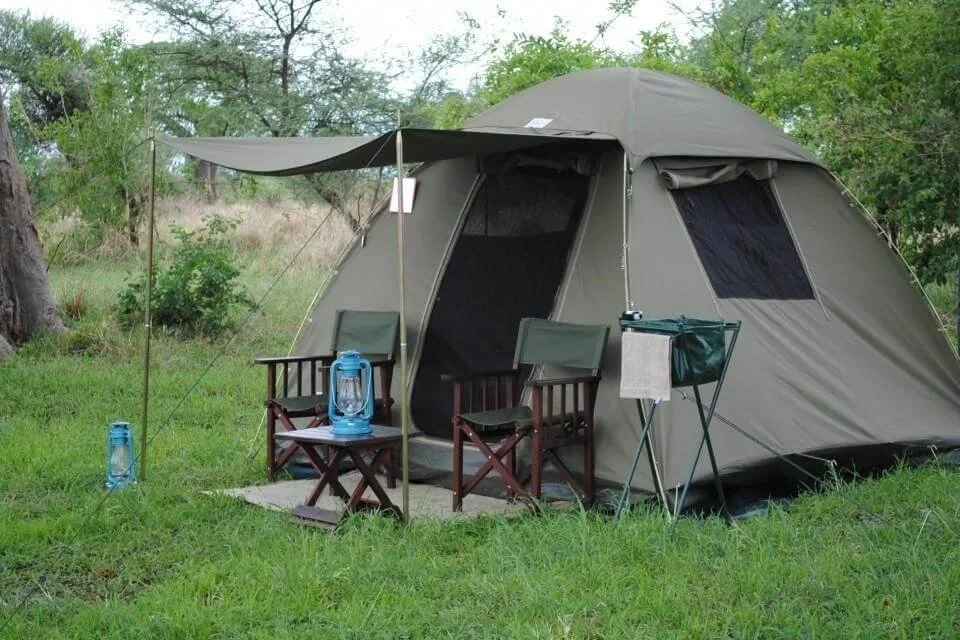
Experiência autêntica sob a lona perto de Tarangire, com barracas privativas, excelentes refeições na floresta e acesso matinal que coloca você na frente das multidões nos portões do parque.
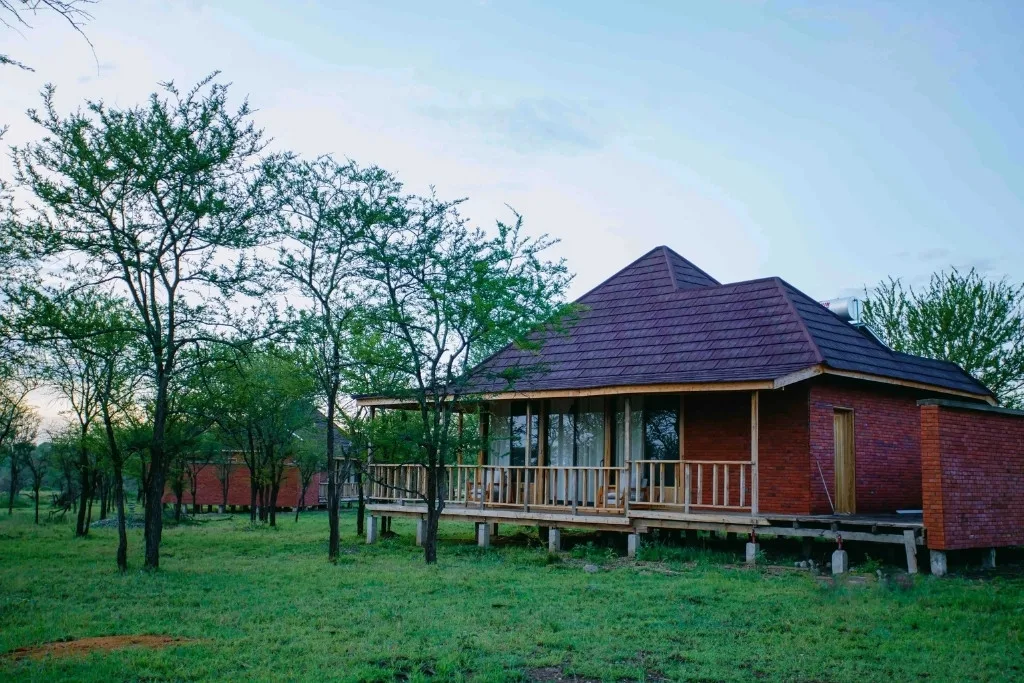
Hospitalidade calorosa de Karatu nas terras altas, quartos confortáveis, vista para o jardim, lounge com lareira e fácil acesso a Ngorongoro. Uma parada noturna tranquila no circuito.
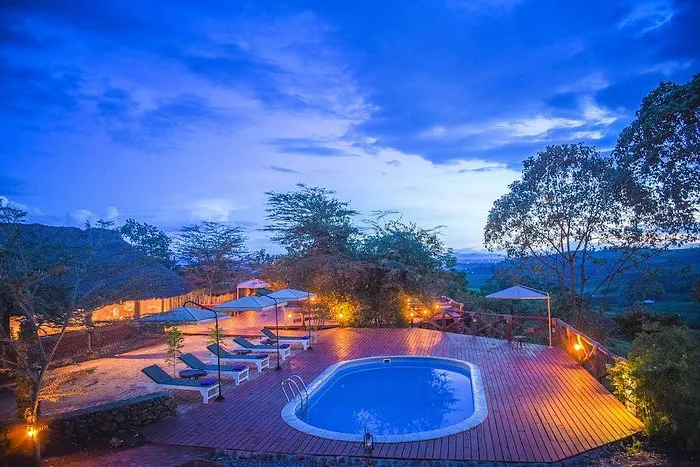
Acomodação popular nas terras altas verdes e frescas de Karatu, com chalés confortáveis, excelente culinária local, jardins para observação de pássaros e uma atmosfera amigável que recarrega as energias antes da descida de Ngorongoro.
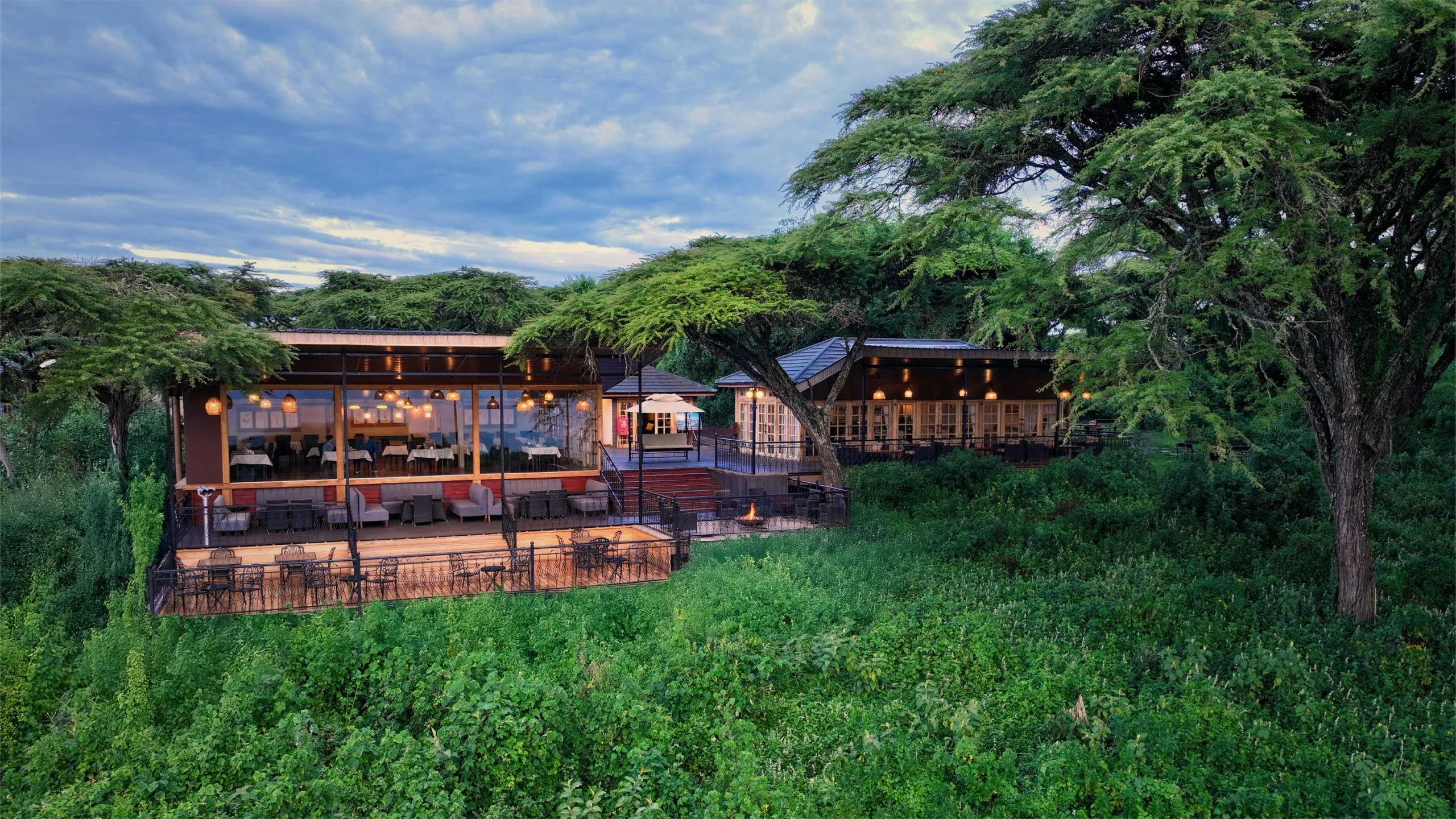
Comfortable Cratera-rim Alojamento with direct views down into the ancient caldera. Acorde com a névoa matinal passando por 25.000 animais abaixo. Then descend for one of África's great Vida Selvagem Dias.
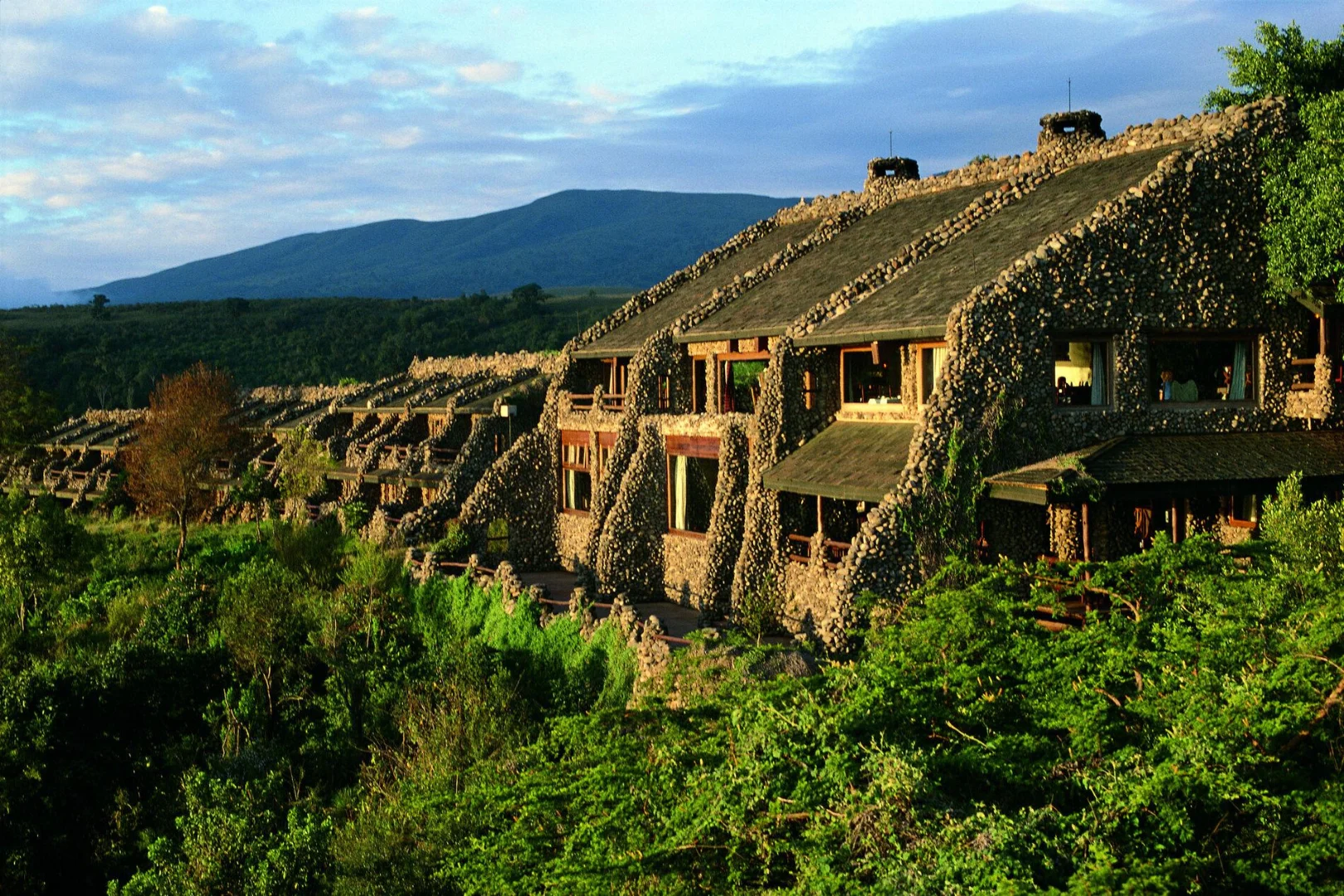
Arquitetura de pedra construída na borda da cratera, restaurante panorâmico da cratera e piscina infinita situada sobre o maior anfiteatro natural da África. Um clássico adorado da Tanzânia.
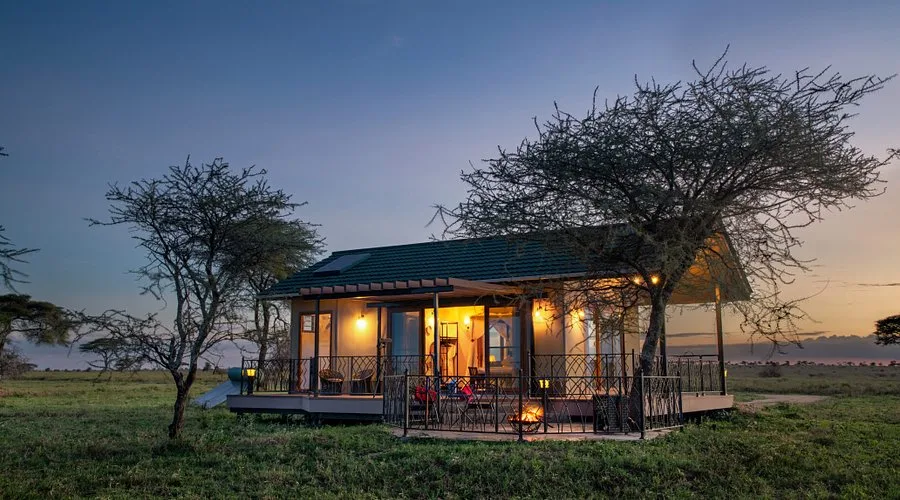
Acampamento de tendas íntimo no coração do Serengueti, tendas confortáveis, refeições sob as estrelas e um local privilegiado no corredor de migração para safáris do amanhecer ao anoitecer.
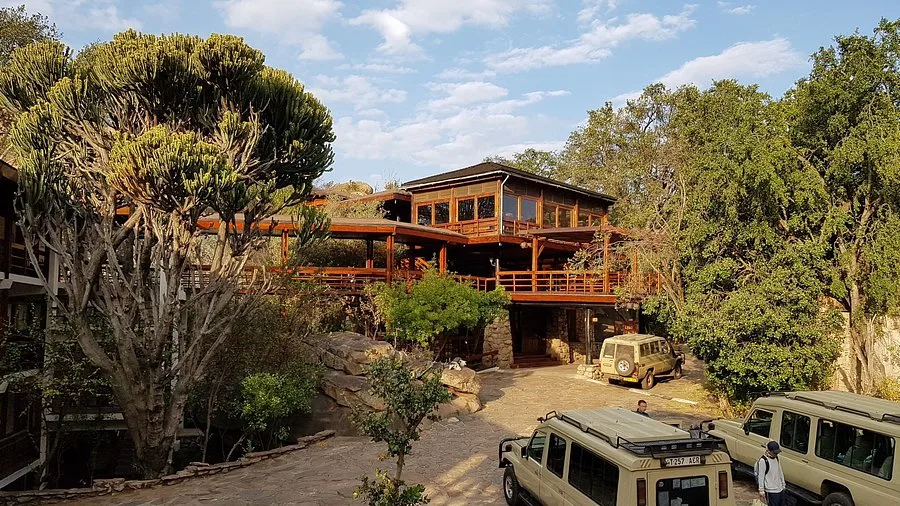
Afloramento rochoso dramático no norte do Serengueti. Ideal para ótima migração. Travessias de rios Julho e Outubro. Espetaculares vistas panorâmicas das planícies e excelente acesso à vida selvagem durante todo o ano.
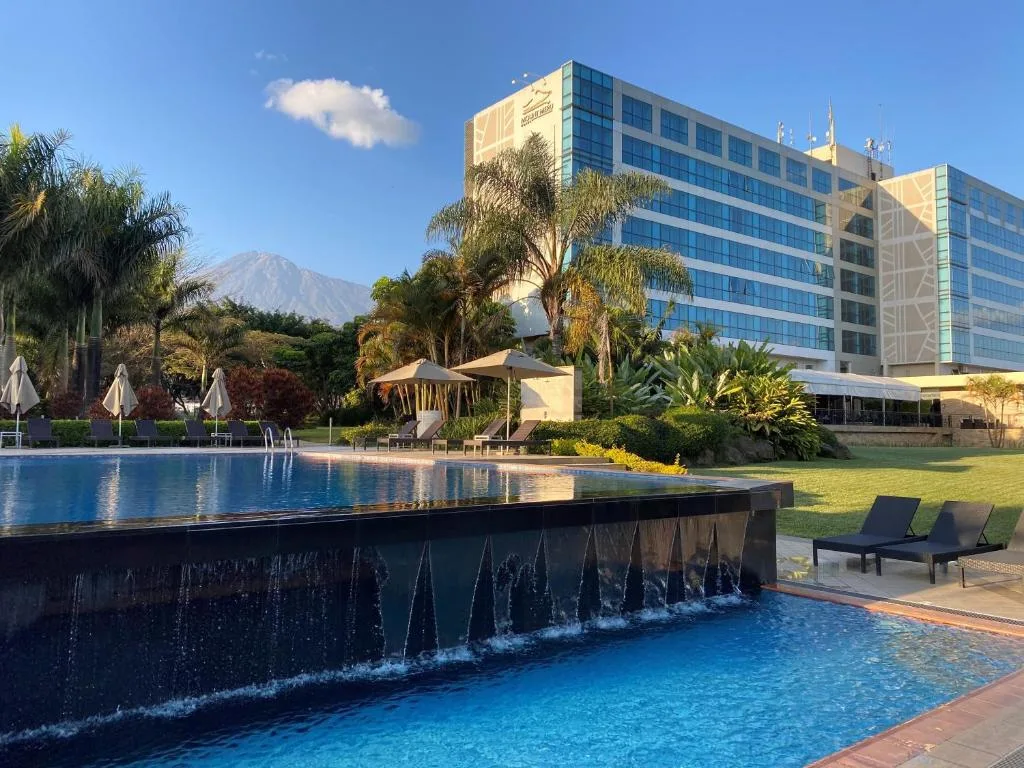
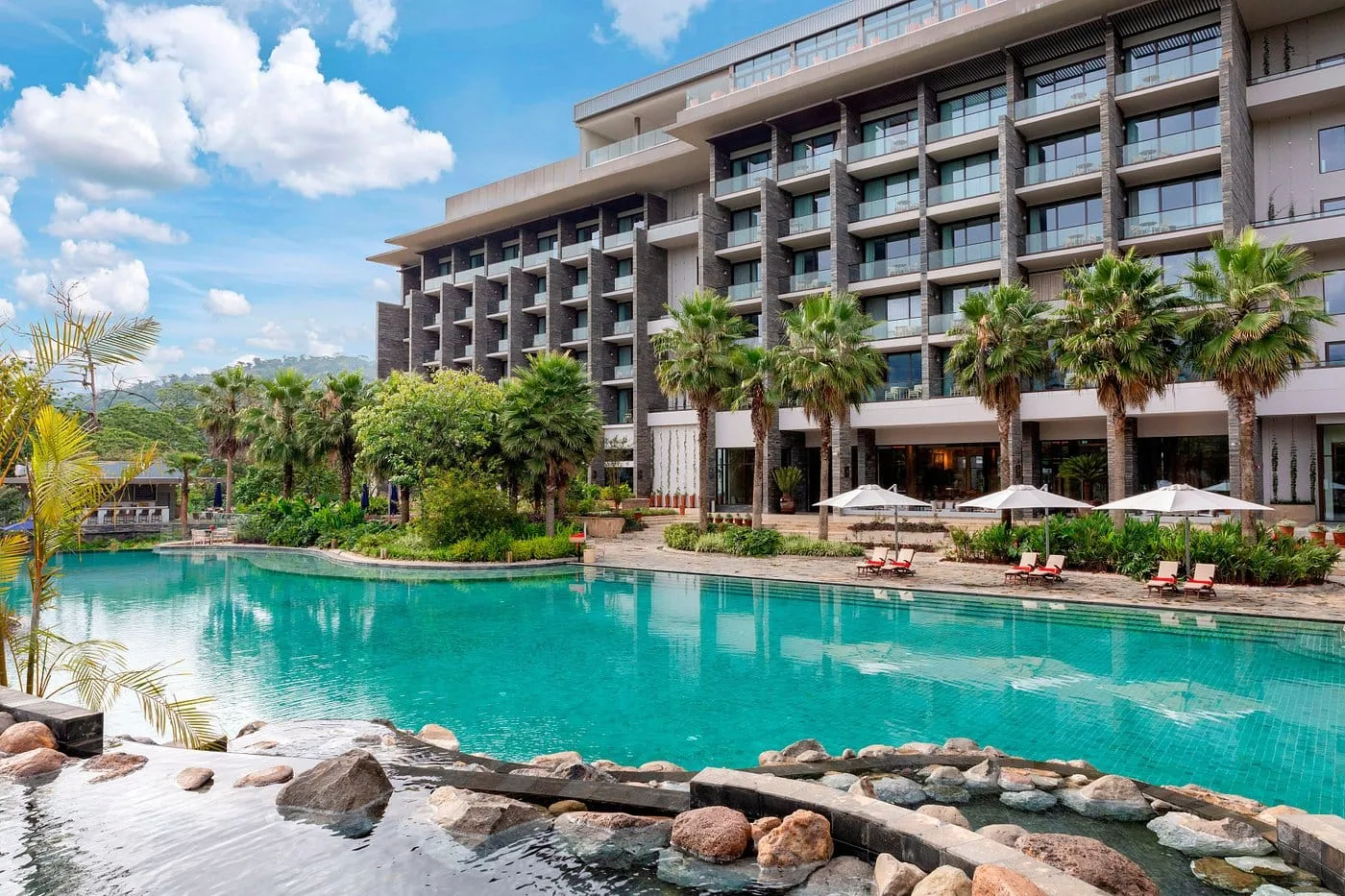
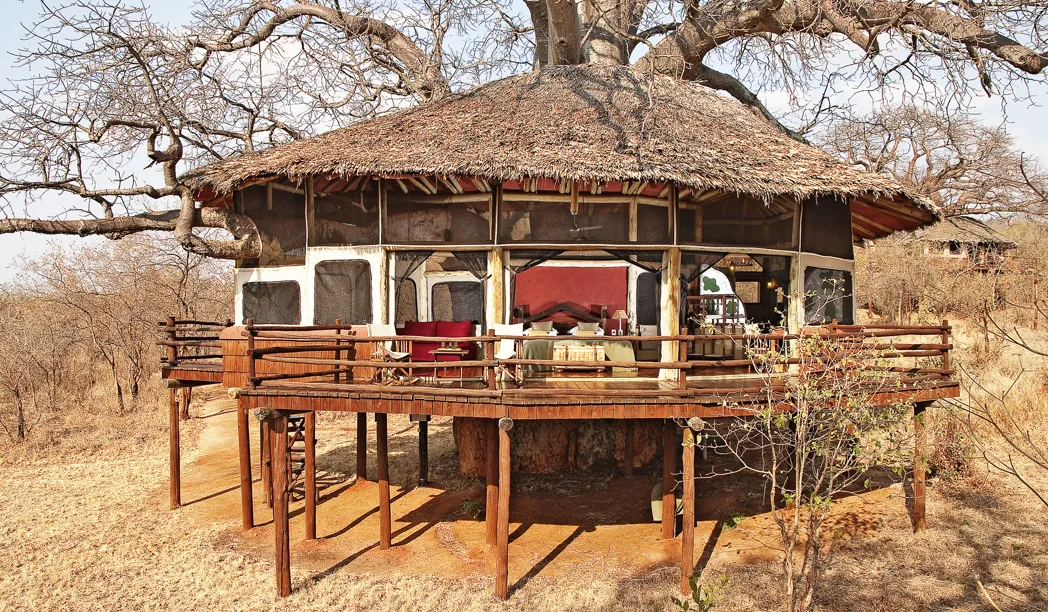
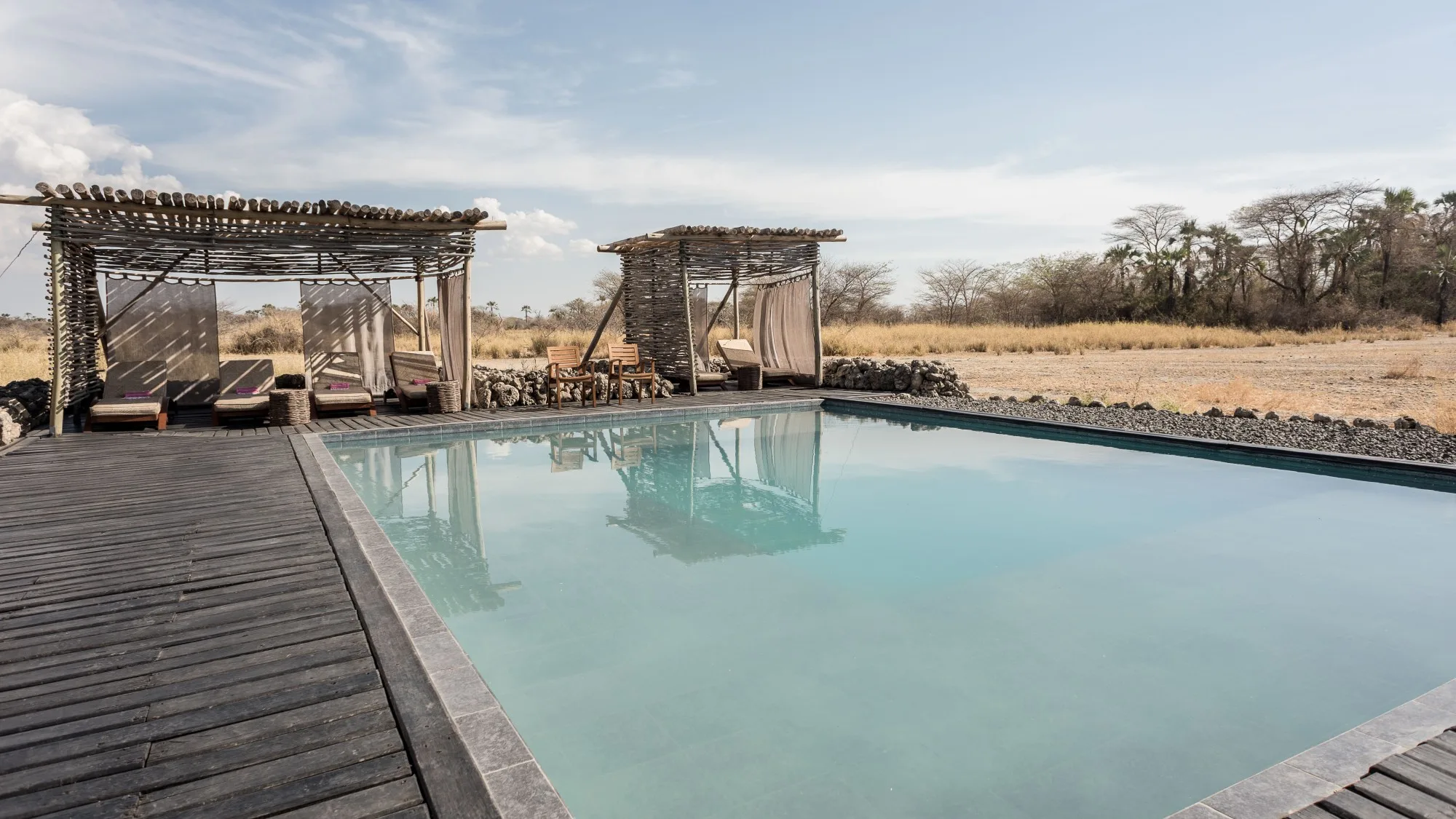
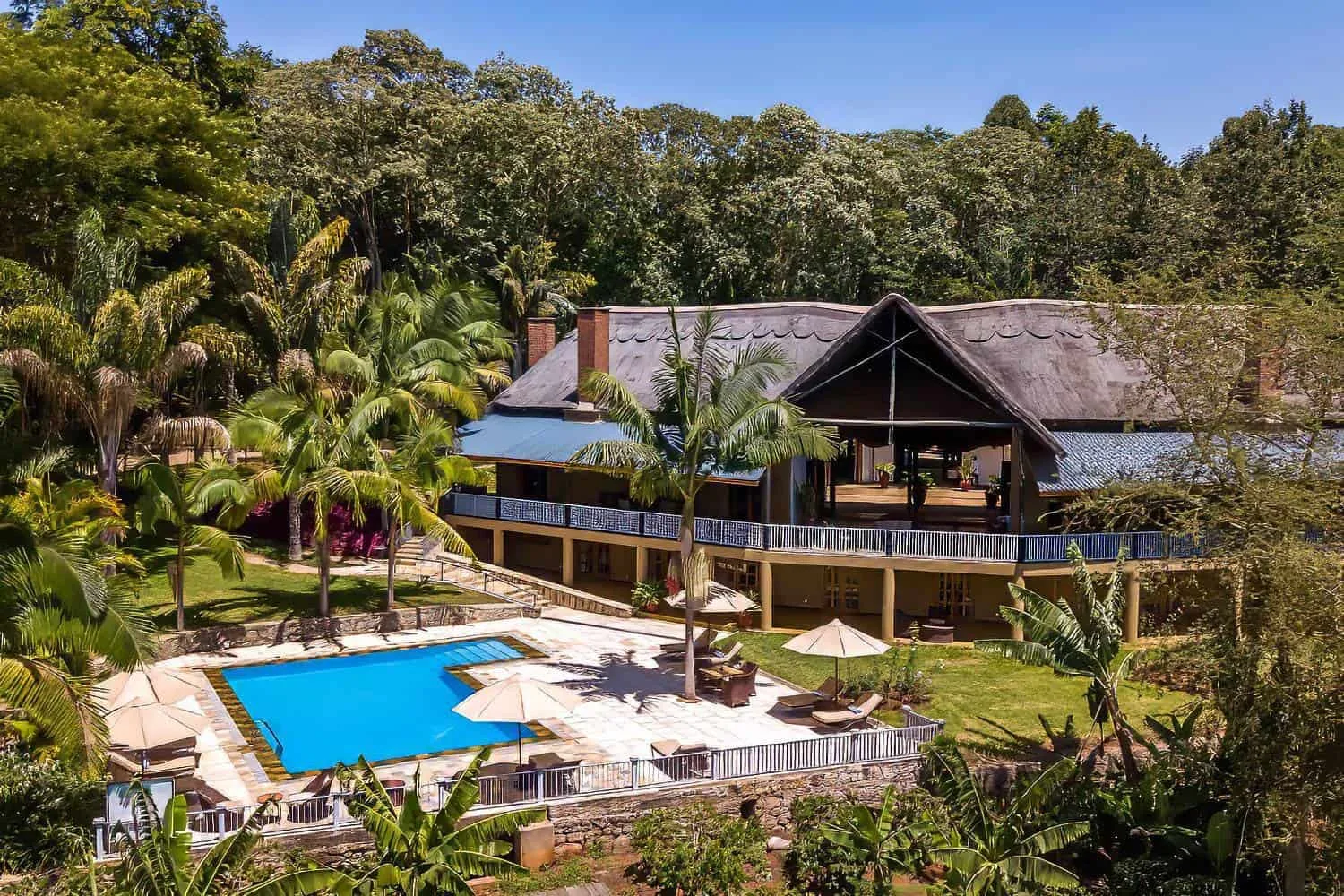
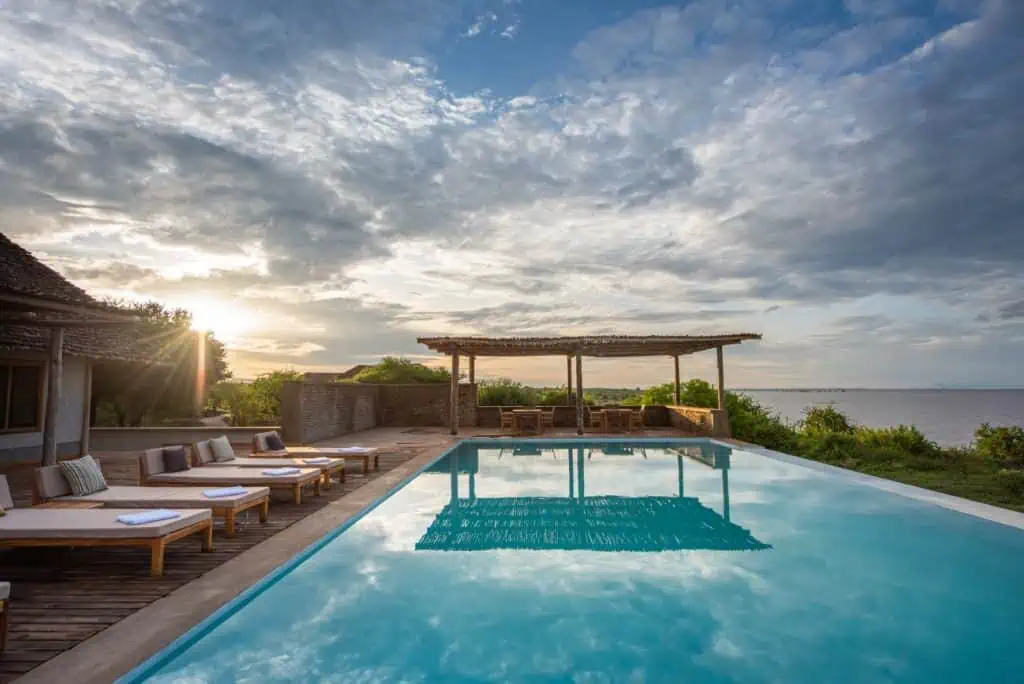
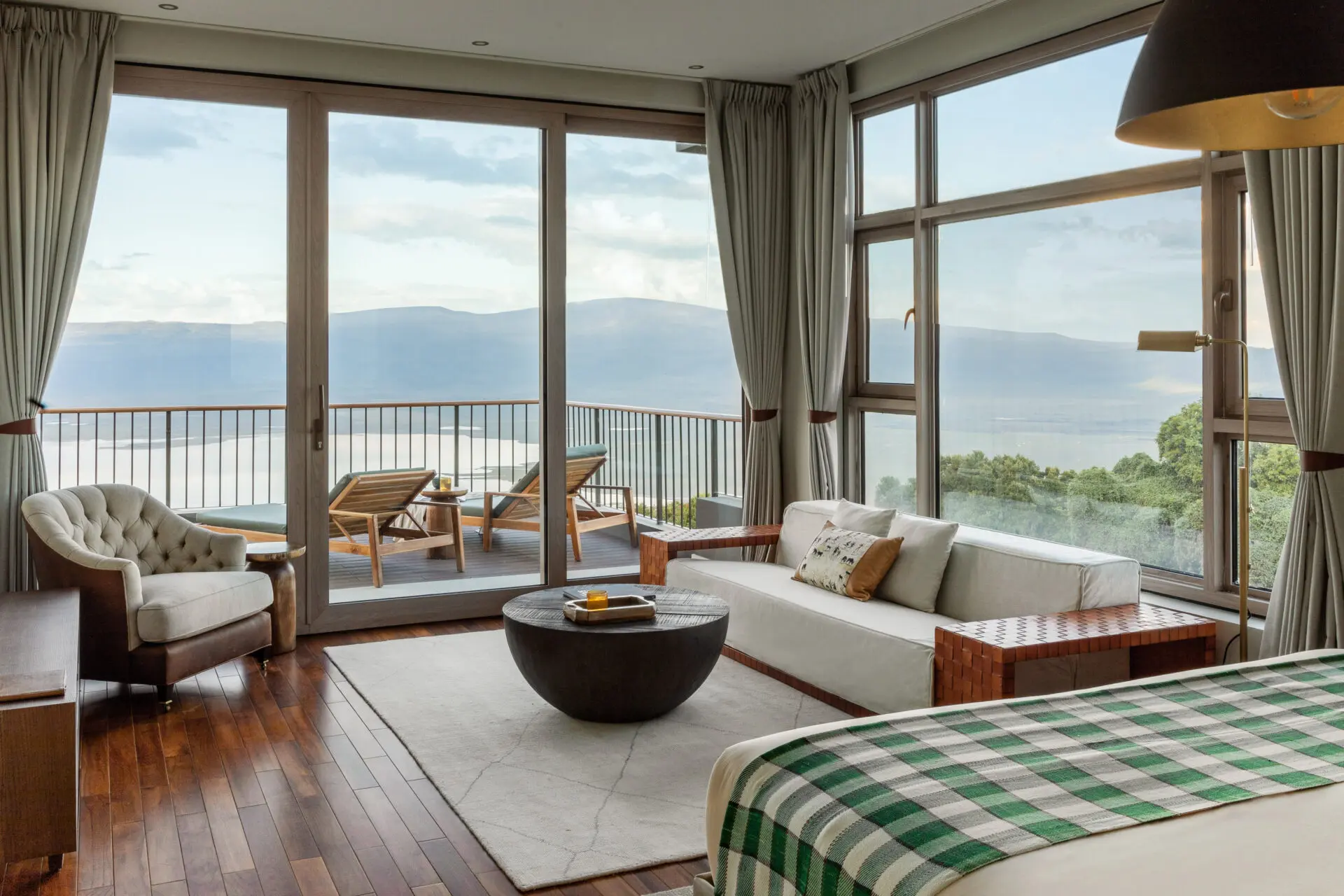
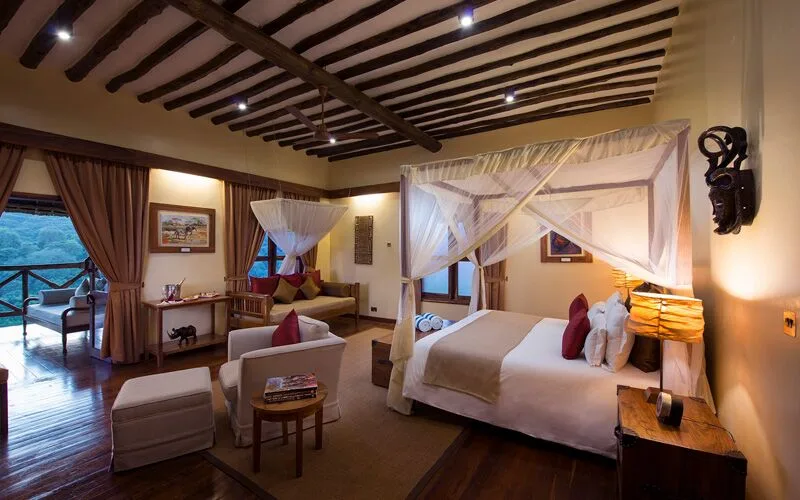
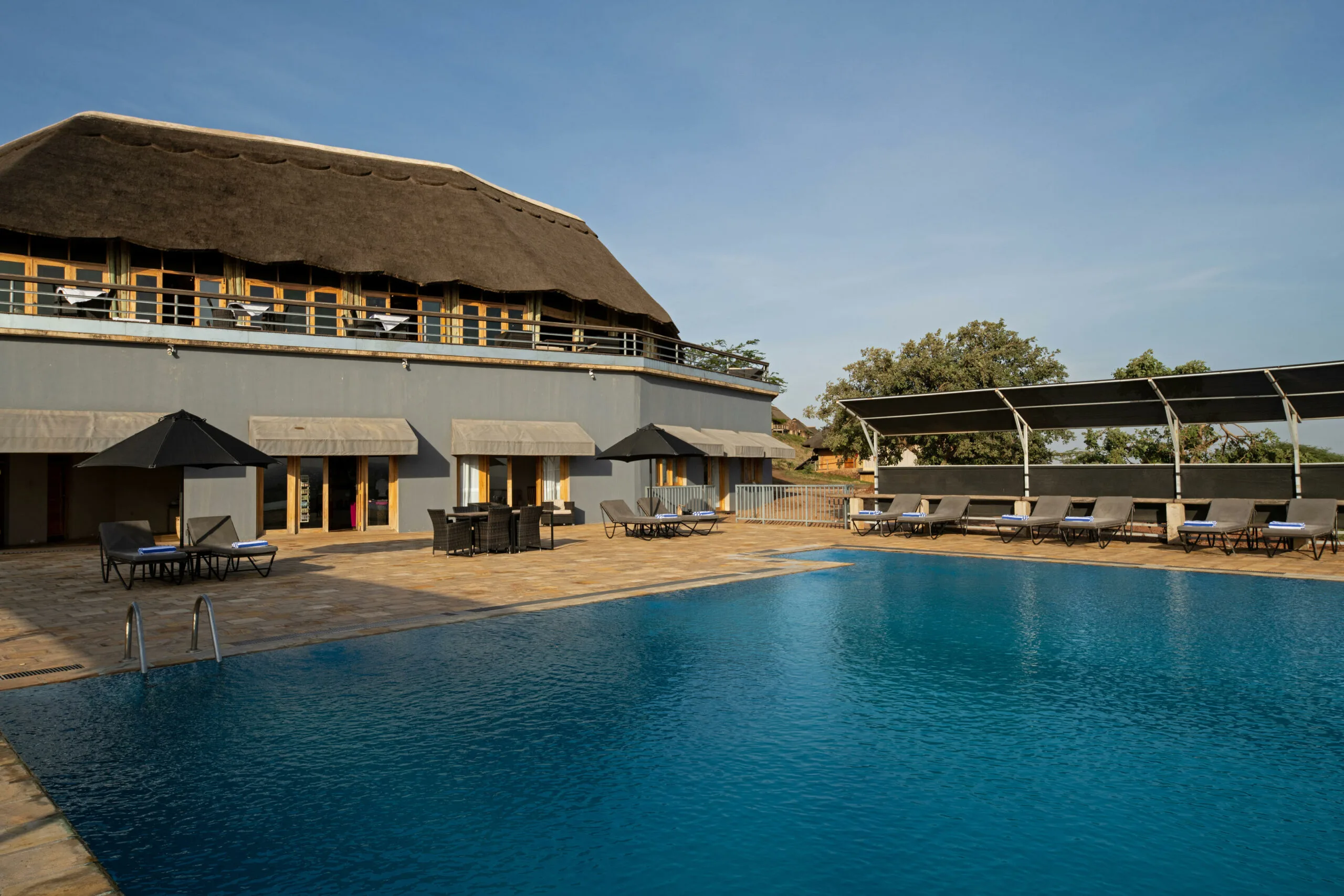
Todas as acomodações neste viagem de vida selvagem são totalmente personalizáveis. Se você tem uma propriedade específica em mente ou gostaria de combinar noites Silver, Gold ou Platinum, basta nos avisar. Trilhas do Paraíso trabalha com todas as principais propriedades e muitos acampamentos privados exclusivos. Contate-nos eminfo@haventrails.com or WhatsApp +255 713 334154.
Por que Aventuras em trilhas em Haven
Every Trilhas do Paraíso Guide holds a Professional Tourist Guia Certification and has completed a minimum of 1,000 guided field hours before leading any client. Nossos guias não levam você apenas aos animais. Eles leem a terra, interpretam o comportamento, compartilham a ecologia e fazem de cada avistamento uma história. Many guests describe their Guide as the highlight of the entire viagem.
Every viagem de vida selvagem departs in a custom-fitted 4x4 Land Cruiser with a 360-degree pop-up roof for unobstructed photography, forward-facing window seats, individual USB charging ports, a stocked cooler, binoculars, a first aid kit and a radio linked to the Guide network. Maximum 6 guests per vehicle. Never a crowded bus.
We are based in Móshí, Tanzânia. Não é uma plataforma de reservas em Londres ou Nova York. Our team is in the field every week, tracking seasonal Vida Selvagem movements, building direct relationships with Alojamento managers and repositioning itineraries in real time based on what the animals are doing. Você se beneficia de uma inteligência que nenhuma operadora internacional pode igualar.
Todos os guias da Trilhas do Paraíso carregam dispositivos de comunicação via satélite e suprimentos de primeiros socorros de emergência. Mantemos protocolos de evacuação para todos os parques do circuito em parceria com a Flying Doctors Tanzânia. Cada cliente recebe cartões de contato de emergência, e nosso centro de operações Móshí, 24 horas por dia, 7 dias por semana, monitora todos os safáris ativos durante a viagem.
A Grande Sinfonia Africana é uma estrutura, não uma fórmula. Cada detalhe é ajustado às datas de viagem do seu grupo (para posicionamento sazonal da vida selvagem), nível de acomodação, tamanho do grupo, ritmo, necessidades dietéticas, interesses especiais (fotografia, observação de pássaros, cultura) e quaisquer acréscimos, como extensões de praia em Zanzibar ou combinações de Caminhada no Kilimanjaro.
Trilhas do Paraíso prioriza alojamentos administrados pela comunidade, fornecedores de propriedade da Tanzânia e parceiros de acomodação preocupados com a conservação. Uma parte de cada reserva apoia o treinamento de guardas florestais locais por meio do Fundo de Conservação do Kilimanjaro.
Inclusões &Exclusões
- Traslados de chegada e partida do aeroporto
- Todas as taxas de parques nacionais e conservação
- Guia especializado em inglês em tempo integral
- Land Cruiser 4x4 personalizado com teto retrátil
- All Alojamento (per chosen tier)
- Todas as refeições conforme itinerário (B, L, D)
- Água engarrafada e refrigerantes no veículo
- viagem de vida selvagem certificate of completion
- Emergency evacuation support
- Jantar de boas-vindas em Arusha (Dia 1)
- Almoço piquenique na cratera (dia 7)
- Voos internacionais de/para a Tanzânia
- Tanzânia tourist visa ($50 USD most nationalities)
- Seguro de viagem (altamente recomendado)
- Alcoholic beverages
- Gorjetas do guia e da tripulação (discricionárias)
- Optional hot air balloon ride (~$600/person)
- Optional Olduvai Gorge entry fee
- Laundry services
- Itens pessoais e lembranças
- Despesas médicas e odontológicas