


Le grand Africain Symphony
Sept jours. Trois parcs légendaires. Une histoire complète de la faune africaine, des royaumes des éléphants de Tarangire aux plaines infinies du Sérengueti et au cratère vivant du Ngorongoro.
Sept jours. Trois mouvements. La Grande Symphonie Africaine | Voyage en Tanzanie avec Haven Trails…
Certains voyages restent gravés dans votre mémoire pour toujours. La Grande Symphonie Africaine en fait partie. En sept jours à travers le légendaire circuit du Nord de la Tanzanie, vous parcourez trois des écosystèmes les plus riches en faune de la planète, chacun distinct, chacun s'appuyant sur le dernier, chacun impossible à oublier. Tels les mouvements d'une grande symphonie, ce voyage faunique se déroule depuis les notes intimes d'ouverture de Tarangire jusqu'au crescendo tonitruant du Sérengueti et la finale impressionnante de l'ancien cratère du Ngorongoro.
Tout commence dans le Parc national de Tarangire, un paysage qui ne ressemble à aucun autre endroit sur Terre. D'anciens baobabs, certains vieux de plus de mille ans, s'élèvent des prairies dorées comme les colonnes d'une cathédrale naturelle. La rivière Tarangire, seule source d'eau permanente sur des centaines de kilomètres, attire tout sur ses rives pendant la saison sèche : des troupeaux de centaines d'éléphants, des troupes de lions chassant dans la forêt riveraine, d'énormes troupeaux d'oiseaux et des espèces rares que l'on ne trouve nulle part ailleurs dans le nord de la Tanzanie. Tarangire est le secret le mieux gardé de Tanzanie et l'une des expériences fauniques les plus intimes d'Afrique.
De Tarangire, vous traversez le Parc national du Sérengueti, la nature sauvage la plus célèbre d'Afrique et l'une des sept merveilles naturelles du monde. Le nom vient du mot Massaï « Siringet » qui signifie « la terre qui s'étend pour toujours » et, debout sur les plaines ouvertes, regardant l'horizon dans toutes les directions, vous comprenez immédiatement pourquoi. C'est ici que se déroule en temps réel la grande migration : un cycle ancien et constant de 1,5 à 2 millions de gnous, 500 000 zèbres et 250 000 gazelles de Thomson suivant les pluies sur 30 000 kilomètres carrés de savane ouverte. C'est aussi le territoire privilégié des Cinq grands : les lions, les léopards, les éléphants, les buffles et l'insaisissable guépard sont régulièrement rencontrés dans la vallée de Seronera.
La symphonie atteint sa finale au cratère du Ngorongoro é un site du patrimoine mondial de l'UNESCO et l'un des plus grands spectacles animaliers sur Terre. Formé lors de l'effondrement d'un ancien volcan massif sur lui-même il y a trois millions d'années, le cratère du Ngorongoro est la plus grande caldeira volcanique intacte du monde : 600 mètres de profondeur, 19 kilomètres de largeur et abrite environ 25 000 grands mammifères dans un écosystème autonome. Les lions parcourent le fond du cratère en grandes troupes. Des troupeaux d'éléphants se déplacent dans la forêt. Les buffles se rassemblent par milliers dans les prairies. Et au lac Magadi, les flamants roses se rassemblent dans des nuages roses chatoyants. Plus remarquable encore, c'est l'un des derniers endroits sur Terre où vous pouvez observer de manière fiable le rhinocéros noir, une espèce en voie de disparition, à l'état sauvage.
Trois mouvements du Symphony
Parc National de Tarangire é Le Royaume des Éléphants
La magnifique région sauvage de baobabs de Tanzanie, où les troupeaux d'éléphants se comptent par milliers et où les arbres centenaires racontent des histoires plus anciennes que la civilisation.
Créé en tant que réserve animalière en 1957 et transformé en parc national en 1970, Tarangire est le sixième plus grand parc de Tanzanie et sans doute le plus sous-estimé. Alors que le Sérengueti revendique le glamour et le Ngorongoro la grandeur, Tarangire offre quelque chose de plus rare : une véritable intimité avec la faune à une échelle à couper le souffle. C’est avant tout le pays des éléphants. Pendant la saison sèche (juin-novembre), des troupeaux comptant jusqu'à 300 éléphants convergent quotidiennement vers la rivière Tarangire, la seule source d'eau permanente sur des centaines de kilomètres. Vous les regardez boire, se baigner et socialiser à l’ombre de baobabs millénaires. La scène est élémentaire. Biblique. Inoubliable.
Mais Tarangire est bien plus que des éléphants. Le marais de Silale, vaste zone humide saisonnière située dans le secteur sud du parc, concentre une faune extraordinaire : des troupes de lions, des troupeaux de buffles et des observations occasionnelles du rare chien sauvage d'Afrique. Le circuit Lemiyon, au nord, propose une observation classique du gibier de la savane avec des girafes, des zèbres, des impalas et des gazelles de Grant se déplaçant à travers la forêt d'acacias. Le parc abrite également les antilopes des zones sèches les plus rares de Tanzanie : l'oryx à oreilles frangées et le gerenuk à long cou, deux espèces presque impossibles à voir ailleurs dans le nord de la Tanzanie.
Parc National du Sérengueti é Les plaines sans fin
Afrique's most iconic wilderness é where the Grande migration plays out in real time and the Cinq grands roam across 14,763 square kilometres of endless open savannah.
Le parc national du Sérengueti, le plus ancien et le plus grand de Tanzanie, a été désigné site du patrimoine mondial de l'UNESCO en 1981. Son nom dérive du mot masaï « Siringet » é signifiant « la terre qui s'étend pour toujours » é et les vastes plaines plates et sans arbres s'étendant à tous les horizons donnent l'impression que le nom est une vérité littérale. Le Sérengueti est le site de la grande migration des gnous : la plus grande migration terrestre de mammifères sur Terre, impliquant 1,5 à 2 millions de gnous, 500 000 zèbres et 250 000 gazelles de Thomson dans une boucle continue de 800 kilomètres entraînée par les pluies. Selon la période de l'année que vous visitez, vous assistez à différents mouvements : la saison de mise bas de janvier à mars dans la région de Ndutu, la spectaculaire migration d'avril à juin vers le nord, ou les spectaculaires traversées de la rivière de juillet à octobre au niveau de la rivière Mara au nord.
Mais le Sérengueti est magnifique toute l'année. La vallée de Seronera, dans le centre du Sérengueti, est l'un des meilleurs endroits d'Afrique pour observer des prédateurs : des lions se reposant dans des arbres à saucisses, des guépards scrutant les plaines ouvertes depuis des termitières, des léopards drapés sur des branches d'acacia avec des proies fraîches. Le Sérengueti abrite également la plus grande population de lions au monde, estimée à plus de 3 000 individus dans tout l'écosystème. En parcourant les plaines dans votre esprit, en voyant des zèbres s'étendre à l'horizon et en entendant un clan d'hyènes crier au crépuscule, vous comprenez pourquoi cela est appelé l'une des sept merveilles naturelles du monde.
Cratère du Ngorongoro é La Caldeira Vivante
The world's largest intact volcanic caldera é a self-contained ecosystem 600 metres deep and 19 kilometres wide, holding 25,000 animals within its ancient walls.
Il y a trois millions d'années, un volcan plus grand que le Kilimandjaro s'est effondré sur lui-même, créant la caldeira du Ngorongoro, une enceinte naturelle aux proportions extraordinaires. Les parois du cratère s’élèvent à 600 mètres du sol, créant un écosystème autonome comme nulle part ailleurs sur Terre. À l’intérieur de ces anciennes parois volcaniques, environ 25 000 grands mammifères vivent dans une population résidente équilibrée toute l’année – l’une des plus fortes densités d’animaux sauvages par kilomètre carré sur le continent africain. Parce qu’il y a de l’eau et de l’herbe en abondance toute l’année au fond du cratère, la plupart des animaux ne le quittent jamais. Cela crée une rencontre avec la faune d'une intensité inégalée : lors d'une seule journée complète de visite du cratère, il n'est pas rare de voir tous les Cinq grands, des troupeaux d'éléphants, des milliers de gnous et de zèbres, de multiples troupes de lions et des centaines de flamants roses sur le lac Magadi.
Le cratère du Ngorongoro est également l'un des derniers endroits fiables sur Terre pour observer le rhinocéros noir, une espèce en danger critique d'extinction, à l'état sauvage. La population de rhinocéros noirs de Tanzanie a été dévastée par le braconnage dans les années 1970 et 1980 ; aujourd'hui, le cratère du Ngorongoro protège l'une des dernières populations stables du pays d'environ 26 individus. En voir un é massivement construit, d'apparence ancienne, incroyablement rare est l'une des expériences de faune les plus émouvantes en Afrique. Une absence notable du cratère est la girafe, qui n'est jamais descendue du bord, bien que les bovins Massaï partagent la terre avec la faune, rappelant que la zone de conservation du Ngorongoro est gérée de manière unique à la fois pour la faune et ses habitants humains d'origine.
Quand Go
Le voyage faunique Grande Symphonie Africaine est exceptionnel toute l'année. Chaque saison offre une expérience distincte. Vous trouverez ci-dessous un Guide de ce que chaque période offre dans les trois parcs.
Des moments qui le feront Reste avec toi pour toujours
Watch 200é300 elephants converge on the Tarangire River beneath 1,000-year-old baobabs é one of Afrique's most concentrated Faune spectacles. Une scène qui arrête complètement le temps.
Ten thousand wildebeest arrive at the Mara River bank in silence é then plunge in a deafening explosion of chaos, courage, and crocodiles. Rien sur Terre ne vous prépare à y assister en direct.
On the Ngorongoro Cratère floor é 304 kmé of self-contained Eden é lion, leopard, elephant, buffalo, and the critically endangered black rhino coexist at extraordinary density. All five in one unforgettable Jour.
The drive down the Cratère wall é 600 metres through forest, mist, and buffalo é then emerging suddenly onto the ancient floor. L'une des arrivées les plus spectaculaires de tous les voyages.
Avant l'aube. Les plaines dans le noir absolu. Un lion est fier d'avoir tué alors que le soleil se lève doré sur le pic Mawenzi à l'horizon. La plus ancienne histoire sur Terre se déroule devant vous aux premières lueurs du jour.
Des milliers de flamants roses, petits et grands, colorent en rose le lac soda du Ngorongoro aux deux extrémités. Leurs reflets doublent dans l'eau calme. Une couleur et une composition presque trop belles pour être réelles.
Your Guide parks under a broad acacia, unpacks the hamper, and lays the table in the shade. Une girafe veille à 40 mètres. You eat Déjeuner inside one of the world's greatest national parks. Il n'y a rien d'autre de comparable.
At 1,500m with zero light pollution, the Sérengueti sky is one of the most astonishing on Earth é Stárs dense enough to cast shadows, the Milky Way blazing overhead, hyenas calling in the darkness around Campement.
Le Itinéraire
1
Arrive Arusha é The Overture Begins
Your adventure begins the moment you step off the plane at Kilimandjaro Aéroport International (JRO) é nestled between two of Afrique's greatest mountains, Kilimandjaro and Meru, and one of the continent's most evocative arrivals. Your Sentiers du Havre representative is waiting in the arrivals hall holding a board with your name é a warm handshake, a Swahili "Karibu Tanzanie!" (Welcome to Tanzanie!), and the adventure begins. The 45-minute drive to Arusha winds through Usa River, past red laterite roads, roadside banana stalls, Massaï herders in red shukas moving cattle with a calm that belongs to a different century, and é on clear Jours é the snow-capped Sommet of Kilimandjaro rising impossibly above the clouds to the south-east.
Arusha est le cœur battant de l'industrie du voyage faunique en Tanzanie. Une ville dynamique de 1,5 millions d'habitants qui sert de porte d'entrée vers les plus grandes destinations fauniques d'Afrique. Après l'enregistrement, votre Guide de voyage faunique expert s'assoit avec vous pour une séance d'orientation complète autour d'un thé ou d'un café. Votre Guide, un naturaliste avec des milliers d'heures sur le terrain, vous Guide tout au long de l'itinéraire, explique le comportement des prédateurs et les techniques de suivi, décrit ce qu'il faut surveiller dans chaque parc et répond à chaque question avec la profondeur de quelqu'un qui a consacré sa vie à ces lieux. Vous inspectez votre Land Cruiser 4x4 personnalisé : toit ouvrant pour des photos animalières à 360 degrés sans obstruction, points de chargement USB pour appareils photo et téléphones, jumelles, glacière remplie de boissons et matériel de premiers secours. Dans la soirée, Sentiers du Havre organise un dîner de bienvenue composé de nyama choma tanzanien, d'ugali et de bière locale ainsi que des plats internationaux. La conversation à table tourne inévitablement vers ce qui nous attend.
2
Arusha ? Tarangire Parc National ? Karatu é The Elephant Kingdom
Avant l'aube, l'alarme retentit et le véritable voyage commence. Votre Land Cruiser quitte Arusha en direction du sud dans la vallée du Grand Rift, l'un des paysages les plus géologiquement importants de la planète. Fissure de 6 000 kilomètres dans la croûte terrestre, s'étendant du Moyen-Orient au Mozambique, c'était le couloir par lequel nos premiers ancêtres humains ont quitté l'Afrique. Vous descendez l’escarpement oriental au lever du soleil, le fond de la vallée s’ouvrant spectaculairement en contrebas. Les colonies Massaï parsèment la plaine ; leurs bomas ronds distinctifs entourés de clôtures de buissons épineux, les cloches du bétail audibles à travers les fenêtres ouvertes.
Vous entrez dans le Parc national de Tarangire alors que la lumière du matin passe de l'or au blanc. Avec 2 850 kmé, Tarangire est le sixième plus grand parc de Tanzanie et l'un des plus sous-estimés. La rivière Tarangire, la seule source d'eau permanente de toute la région pendant la saison sèche, offre l'un des spectacles de faune les plus concentrés d'Afrique. Entre juin et novembre, des troupeaux d'éléphants de 200 à 300 individus se déplacent quotidiennement vers la rivière, leurs sentiers creusés à 50 centimètres de profondeur dans la terre rouge au fil des millénaires. Les anciens baobabs qui les entourent, certains âgés de plus de 1 000 ans, et leurs troncs atteignant 9 mètres de circonférence, offrent l'un des paysages de voyage faunique les plus emblématiques d'Afrique de l'Est. Le voyage faunique d'une journée complète couvre le circuit fluvial, la forêt de Lemiyon (excellente pour les rares oryx à oreilles frangées et le gerenuk) et le marais de Silale. Le lion, le léopard, le buffle et la girafe sont des observations régulières. Alors que les ombres s'allongent, vous quittez le parc et conduisez vers Karatué, une charmante ville des hautes terres située à 1 450 m d'altitude nichée dans les hautes terres du cratère. Frais, vert et paisible, c'est le point de départ idéal pour la nuit avant la descente dans le cratère de demain.
3
Karatu ? Cratère du Ngorongoro é La caldeira vivante
Après un petit-déjeuner matinal dans les hautes terres fraîches de Karatu, le Land Cruiser se dirige vers les hautes terres du cratère à travers une forêt de montagne dense, des singes colobes se déplaçant dans la canopée au-dessus de nous. Puis la forêt se termine brusquement et vous arrivez au bord du cratère du Ngorongoro à 2 300 m. La vue qui s'ouvre devant vous arrête toute conversation dans le véhicule : un bol volcanique de 19 à 21 kilomètres de diamètre, 600 mètres de profondeur, son fond rempli d'animaux sauvages à perte de vue. Il s'est formé il y a trois millions d'années lorsqu'un volcan colossal s'est effondré vers l'intérieur, créant la plus grande caldeira intacte du monde et l'Eden autonome qui vit entre ses murs.
La itinéraire de descente serpente fortement à travers une forêt souvent remplie de brume matinale. Des buffles du Cap sont régulièrement rencontrés sur la itinéraire de descente elle-même. Au fond du cratère, votre Guide parcourt le circuit complet : la forêt de Lerai où les matriarches des éléphants se déplacent silencieusement sous les arbres à fièvre jaune ; le Hippo Pool où plus de 50 hippopotames envahissent les bas-fonds ; Lac Magadi où des milliers de flamants roses se rassemblent dans des nuages chatoyants ; l'ouverte de plaines à herbes courtes où paissent gnous, zèbres et élans par dizaines de milliers. Le cratère abrite 60 à 70 lions résidents et les observations sont presque inévitables. Et puis, si votre Guide vous positionne avec patience et connaissance : un rhinocéros noir. L'un des 26 peut-être qui restent dans ce cratère. L'un des grands mammifères les plus rares sur Terre. Le silence après l'observation dure longtemps. Un pique-nique au fond du cratère – des buffles paissant à 30 mètres, d'anciens murs s'élevant tout autour – est l'une des meilleures expériences de déjeuner sur Terre.
4
Bordure du Ngorongoro ? Parc national du Sérengueti é Dans les plaines sans fin
Après le petit-déjeuner au bord du cratère avec la caldeira se remplissant lentement de lumière matinale en contrebas, vous conduisez vers l'ouest à travers la zone de conservation de Ngorongoro en croisant des guerriers Massaï élevant du bétail, leurs lances lâches à leurs côtés, totalement intimidés par la faune qui les entoure. Cette coexistence – ancienne, non résolue et en quelque sorte parfaite – est l'un des spectacles les plus émouvants de la Tanzanie. Un arrêt facultatif aux gorges d'Olduvai (Oldupai Gorge), où Louis et Mary Leakey ont découvert des ancêtres humains vieux de 1,8 million d'années dans les années 1950, dure 45 minutes et change la façon dont vous voyez le paysage pour le reste du voyage.
Puis la frontière du Sérengueti. Le monde se transforme dès que vous le traversez. Les plaines s'étendent dans toutes les directions, plates, dorées, sans arbres, vastes au-delà de l'entendement. Le ciel double de taille. Le mot Massaï « Siringet » – « la terre qui s'étend pour toujours » – acquiert tout son sens littéral. Quelques minutes après l'entrée : un guépard sur une termitière scrutant avec des yeux jaunes ; une famille d'éléphants se déplaçant parmi les acacias ; des zèbres s'étendant jusqu'à l'horizon par milliers. Le Sérengueti s'annonce comme une symphonie atteignant son premier grand crescendo. Un voyage faunique dans l'après-midi à travers la vallée de Seronera vous permettra d'observer pour la première fois le Sérengueti sous une forme spectaculaire. Ce soir, vous dormez à l'intérieur du parc, vous vous endormez sous les cris des hyènes et le tonnerre d'un lion quelque part dans la plaine.
5
Jour Complet Sérengueti I é Prédateurs, Plaines & Grande migration
4h45. Votre Guide tape sur la tente. Les étoiles à 1 500 m d’altitude sont si denses qu’elles projettent de faibles ombres. Vous vous habillez en plusieurs couches, prenez une tasse de café chaud et montez dans le Land Cruiser alors que le toit s'ouvre avec un sifflement hydraulique. Vous avancez au pas dans l'obscurité à travers une nature sauvage qui appartient entièrement aux animaux.
La vallée de la Seronera, le système fluvial situé au cœur du Sérengueti, est l'une des zones de prédateurs les plus productives d'Afrique toute l'année. L'eau permanente, la forêt riveraine dense idéale pour les léopards et la convergence des proies le rendent extraordinaire. Votre Guide travaille dans la vallée : vérifiant les arbres à saucisses à la recherche de léopards à l'aube, lisant les marques de lion de la chasse de la nuit dernière, scrutant l'herbe à la recherche de guépards sur les termitières. Le réseau radio de guides partage les observations en direct et en temps réel. Un lion tué pendant la nuit est encore frais ; deux femelles et cinq petits se nourrissent à mesure que la lumière augmente. Vous regardez pendant 45 minutes. C’est la plus ancienne histoire sur Terre qui se déroule devant vous.
La Grande migration positionne toute votre journée. En juilletéoctobre (nord du Sérengueti), la migration arrive à la rivière Mara et les traversées comptent parmi les événements les plus dramatiques de la nature : 10 000 gnous arrivent au bord, hésitent devant l'eau remplie de crocodiles, puis plongent dans une explosion de chaos à laquelle aucun documentaire ne prépare. En janvier-mars (Ndutu, sud du Sérengueti), la saison de mise bas donne naissance à des milliers de veaux au cours de semaines concentrées, avec une chasse aux prédateurs à pleine intensité. Votre Guide sait exactement où vous positionner pour la saison.
6
Jour Complet Sérengueti II é Kopjes, Chiens sauvages et plaines en profondeur
Votre troisième aube consécutive du Sérengueti. À présent, vos yeux se sont adaptés à une vitesse différente : vous scannez instinctivement, votre cerveau catégorisant les formes et les mouvements qu'il ne pouvait pas distinguer il y a trois jours. Votre Guide remarque le changement et sourit. Les voyages d'aujourd'hui s'aventurent plus profondément dans le Sérengueti, explorant des zones que les excursionnistes n'atteignent jamais.
Le Simba Kopjes, d'anciens affleurements de granit s'élevant des plaines comme des baleines à la surface, sont parmi les roches exposées les plus anciennes de la Terre, altérées pendant plus de 600 millions d'années. Les Lions les utilisent comme belvédères surélevés ; les léopards cachent leurs victimes dans leurs crevasses ; les lézards agama flamboient d'écarlate au soleil. Votre Guide se gare sous un kopje tandis qu'une troupe de huit lions se prélasse dans la chaleur du matin, les lionceaux luttant tandis que les adultes les regardent avec la patience impassible de créatures qui savent qu'elles possèdent la terre. Aujourd'hui est également potentiellement l'occasion d'une des observations les plus rares d'Afrique : le chien sauvage d'Afrique, dont il reste moins de 6 000 individus sur le continent, est suivi occasionnellement dans l'ouest du Sérengueti. Assister à une chasse en meute à 50 km/h dans une poursuite parfaitement coordonnée est une expérience qui réduit au silence tout amateur de voyage faunique chevronné.
Un pique-nique en brousse sous un large acacia é une girafe observant à 40 mètres, un troupeau de zèbres paissant à proximité é est l'un des grands plaisirs du Sérengueti. La séance photo de l'après-midi se concentre sur la lumière des heures dorées qui transforme le paysage : herbes hautes rétro-éclairées, silhouettes sur un ciel brûlant, longues ombres d'acacias sur la terre rouge. Ce soir, votre dernier dîner au Sérengueti, sous un ciel si plein d'étoiles que cela semble impossible.
7
Sérengueti ? Arusha é Le mouvement final
Votre dernière aube du Sérengueti. L'alarme sonne une dernière fois et vous sortez avec un étrange mélange d'anticipation et de tristesse. Vous réalisez que c'est la dernière matinée, déterminé à l'affronter pleinement. Le Land Cruiser se déplace dans un paysage qui vient de s'éclairer. Peut-être qu'une famille de lions est trouvée lors d'une tuerie de zèbre alors que la lumière devient dorée. Peut-être qu'un couple de renards aux oreilles de chauve-souris se tient dans l'herbe, leurs énormes oreilles captant des sons qu'aucun humain ne peut entendre. Peut-être simplement un millier de gnous courant sans raison apparente à travers la plaine, leur tonnerre collectif se faisant sentir dans votre poitrine. Quoi qu'il en soit, le Sérengueti tient ses promesses. C’est toujours le cas.
Après un dernier petit-déjeuner chaud au Campement, de chaleureux adieux à l'équipe du Campement et vous commencez le long trajet vers l'est. Vous rentrez dans la zone de conservation du Ngorongoro, en grimpant à travers les hautes terres du cratère et en vous arrêtant peut-être au bord pour une dernière vue du cratère en contrebas, si différent maintenant que vous y êtes entré. Vous descendez jusqu'au fond de la vallée du Rift, en vous dirigeant vers le nord et l'est en direction d'Arusha. Le paysage de la Tanzanie rurale se dévoile : petites fermes, marchés en bord de itinéraire, écoliers en uniforme, femmes portant des charges sur la tête… un rappel que la Tanzanie n'est pas seulement sa nature sauvage, mais aussi sa population, et le fait extraordinaire qu'un pays de 65 millions d'habitants a choisi de protéger 38 % de ses terres pour la nature.
Vous arrivez à Arusha en fin d'après-midi, à temps pour les transferts aéroport vers Kilimandjaro Aéroport International, ou une nuit supplémentaire en cas de départ demain. Votre Guide vous accompagne jusqu'au bout, vous demandant déjà quand vous comptez revenir. La réponse, le plus souvent, est « plus tôt que prévu ».
À partir de maintenant, vous pourrez conserver la faune sauvage de la Tanzanie. La Grande Symphonie Africaine ne s'arrête pas. On passe simplement à une autre étape.
Hébergement é Votre maison voyage faunique
Chaque nuit de ce voyage faunique est choisie avec autant de soin que les safaris eux-mêmes. Votre logement n'est pas seulement un endroit où dormir, il fait partie de l'expérience. Nous proposons trois niveaux entièrement organisés : Argent, Or et Platine. Toutes les propriétés sont personnellement examinées par Sentiers du Havre, positionnées pour un accès optimal à la faune et choisies pour leur caractère, leur service et leur valeur.
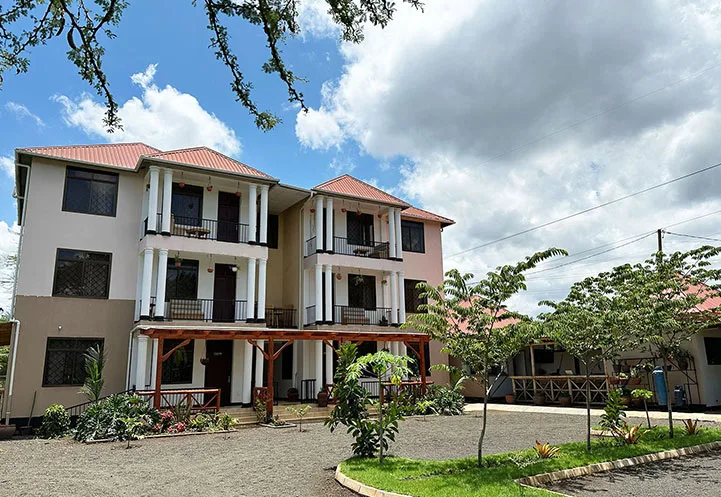
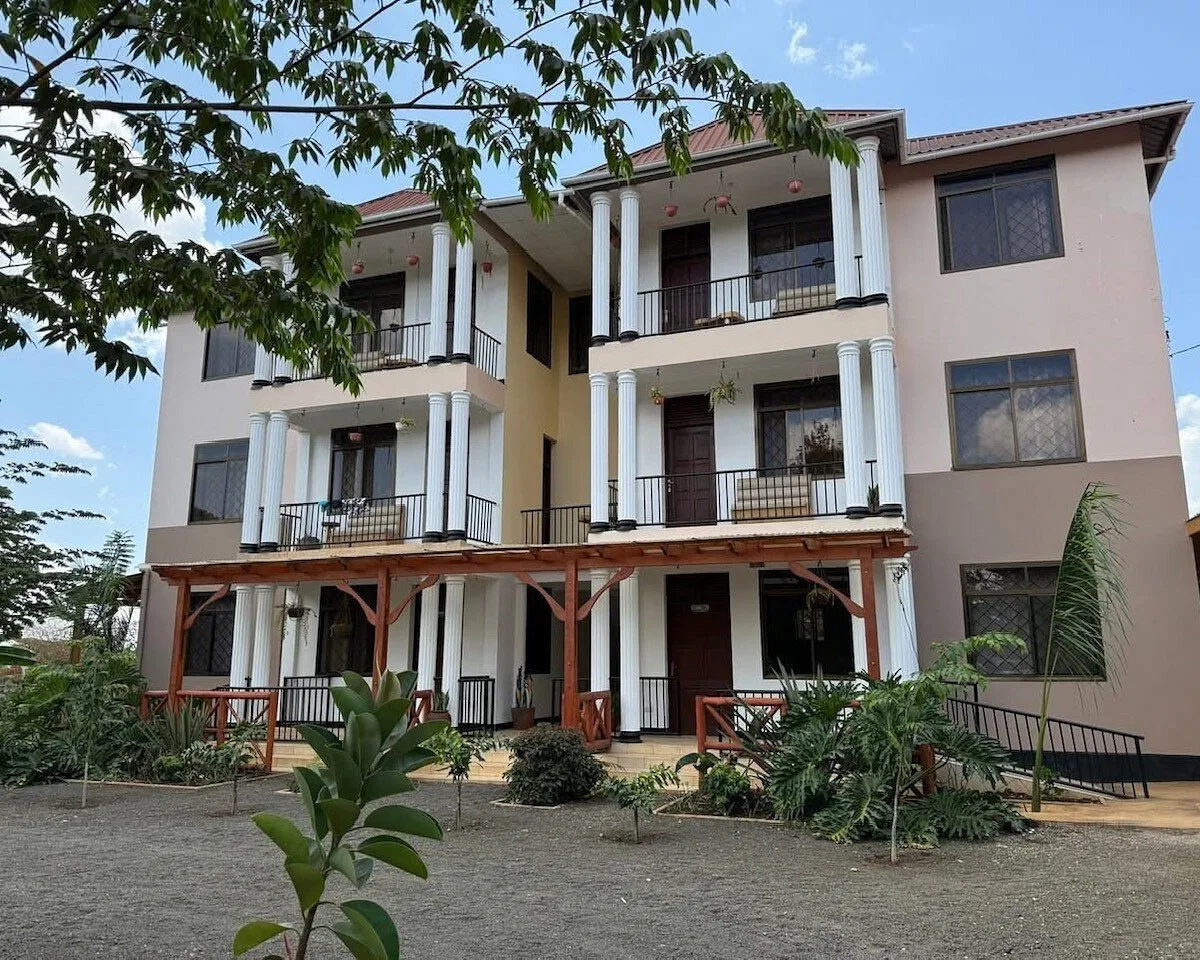

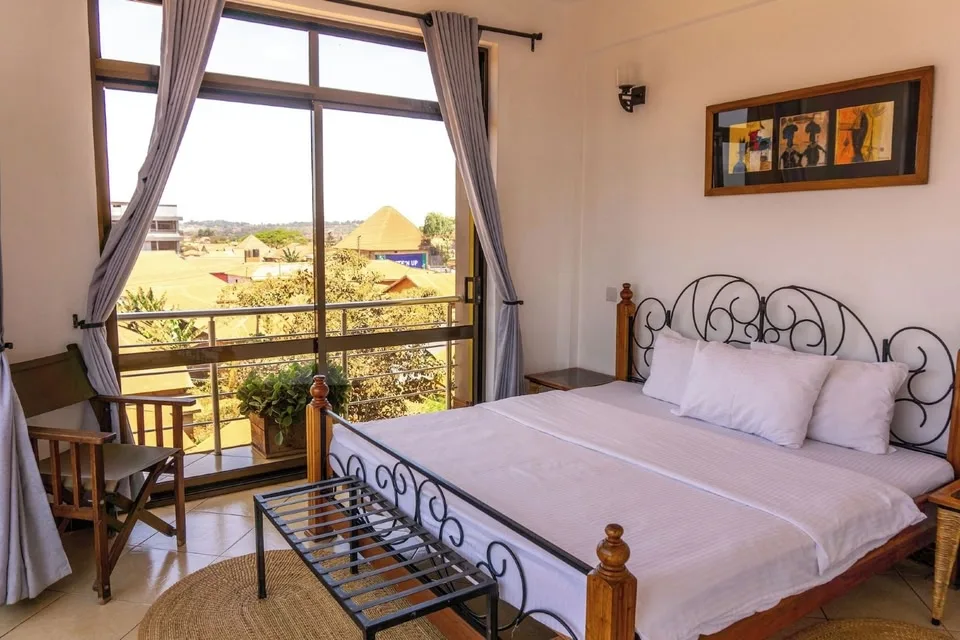
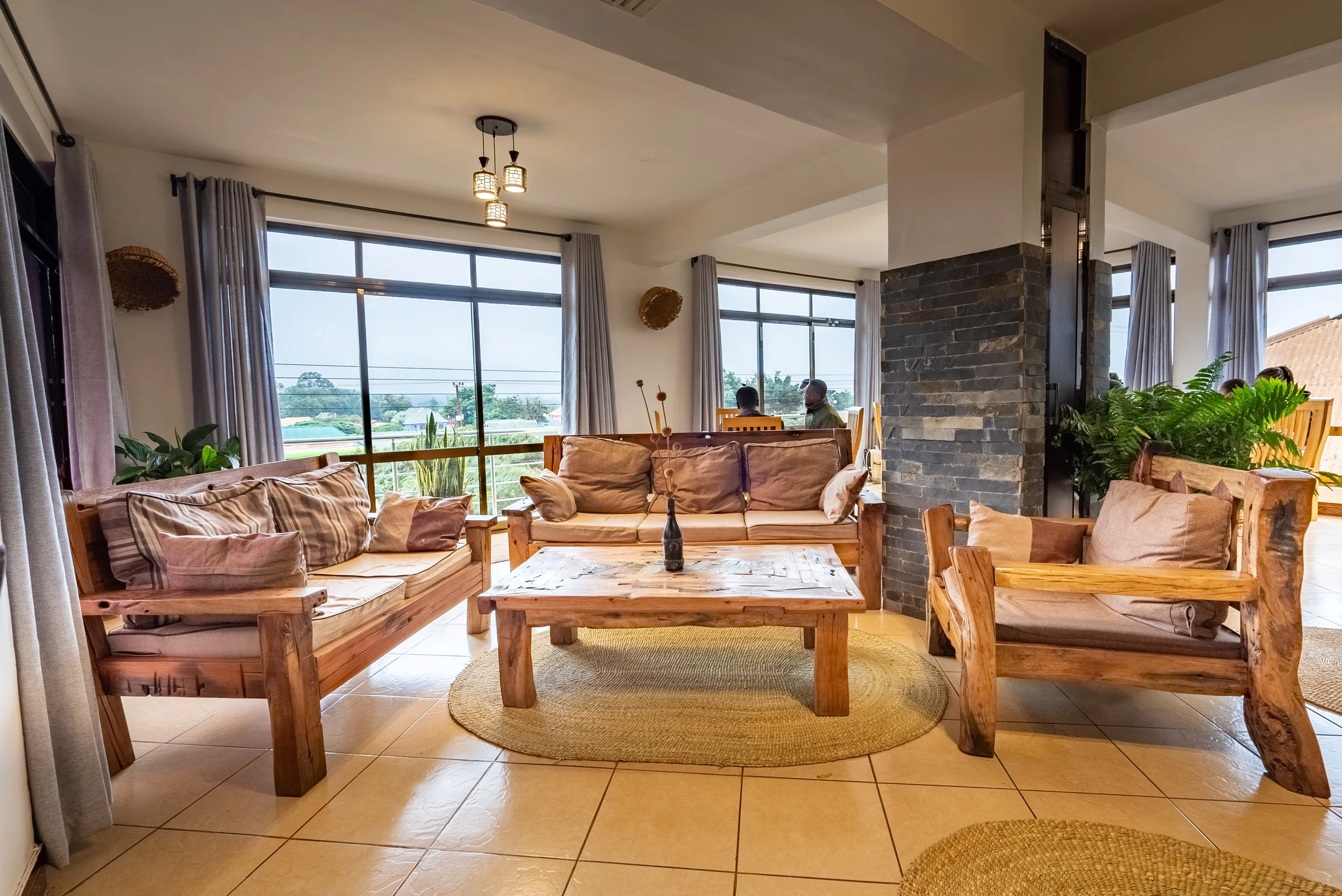
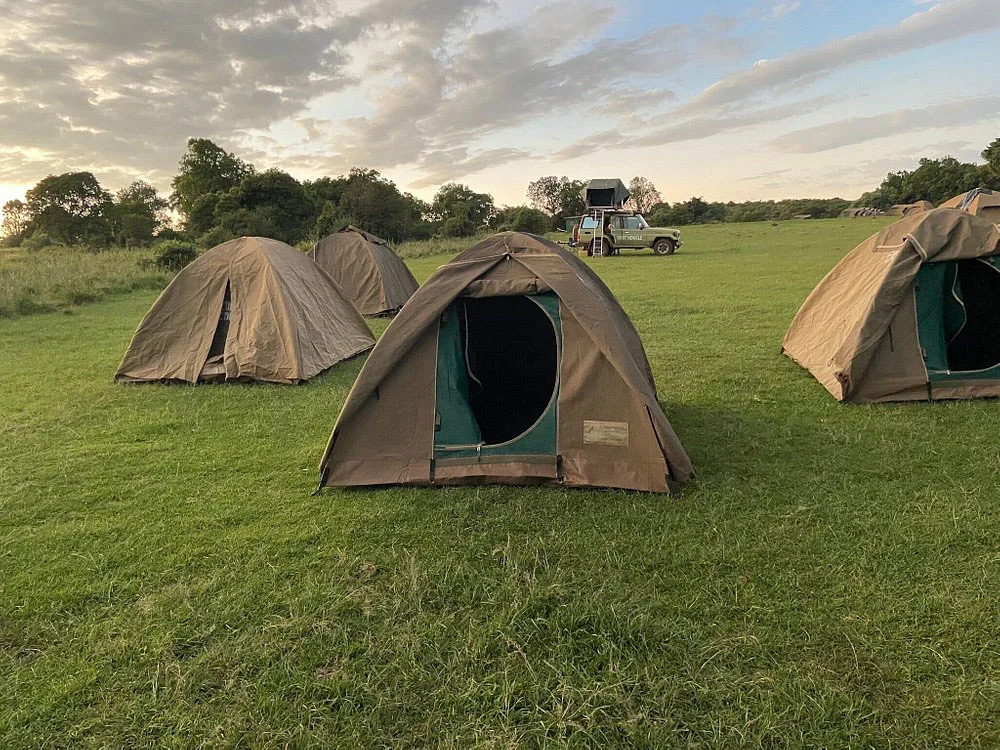
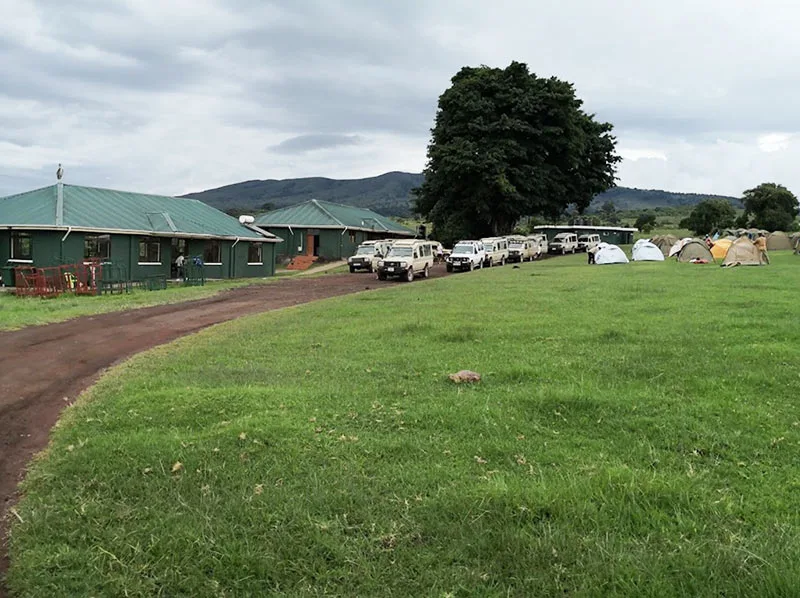
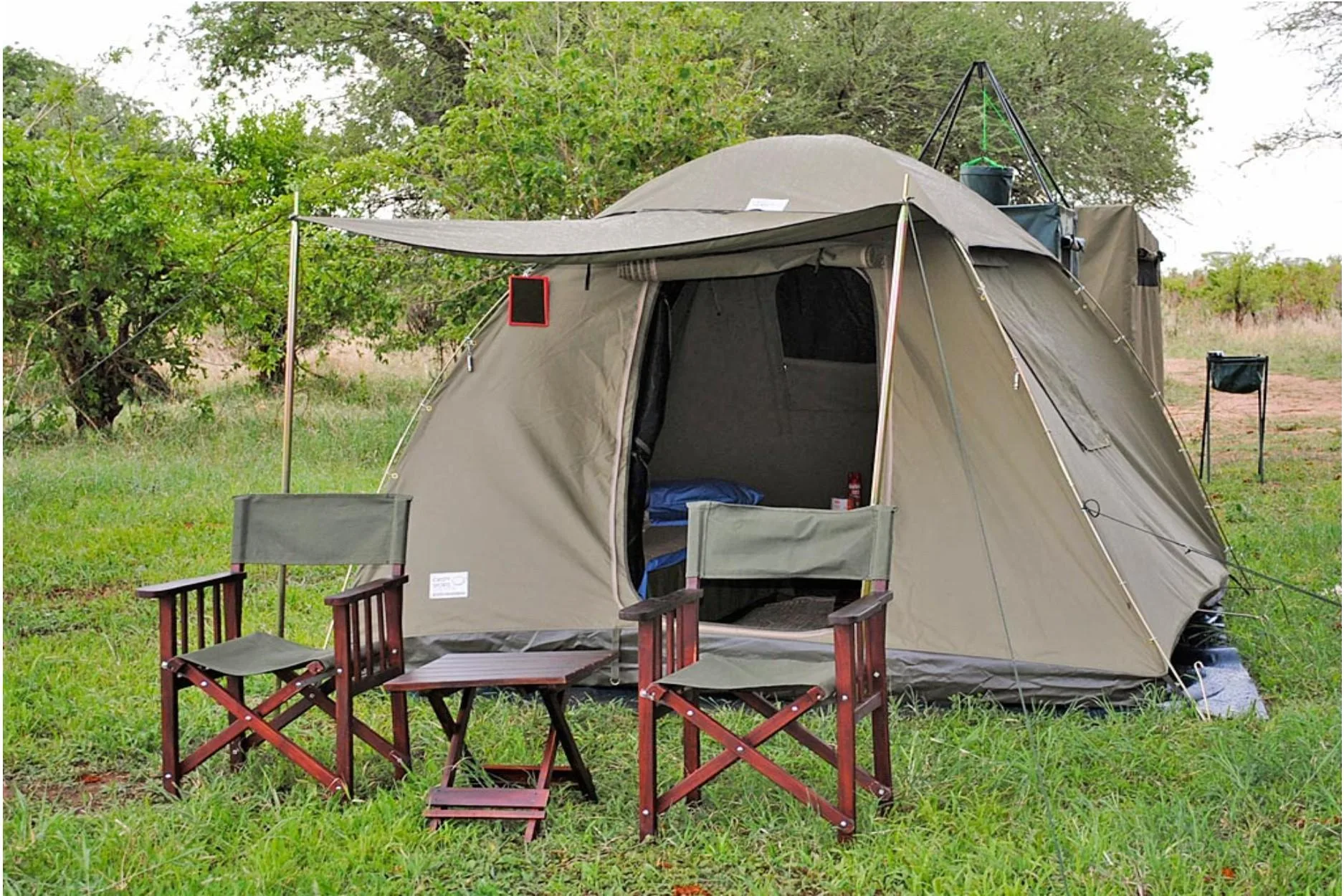
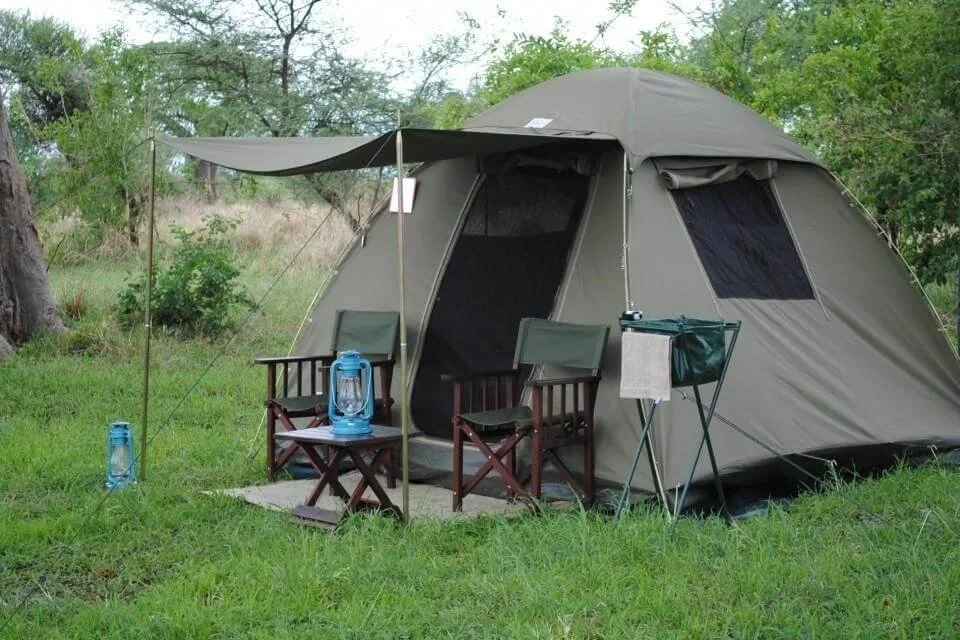

Un hôtel d'Arusha bien aménagé avec une hospitalité chaleureuse, des chambres confortables et un jardin luxuriant. Parfaite première nuit avant le début de la nature sauvage.
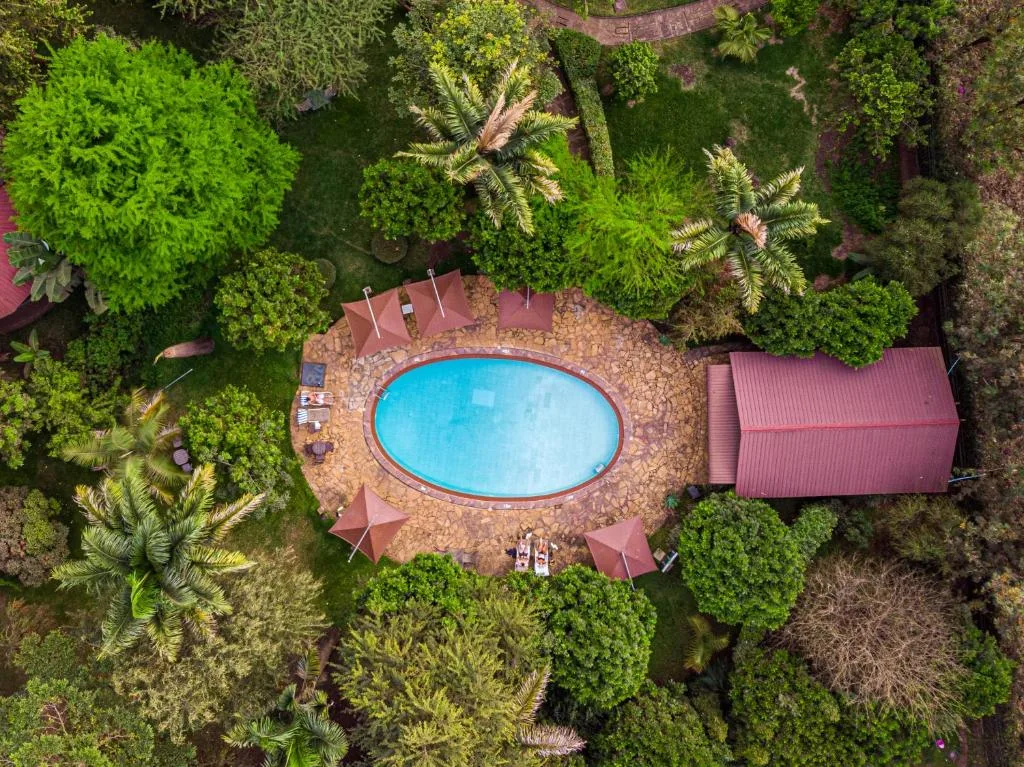
Charmant pavillon de charme avec jardins paysagers, chambres spacieuses et excellent petit-déjeuner. Une première nuit idéale avant de s'aventurer dans la nature sauvage de Tanzanie.
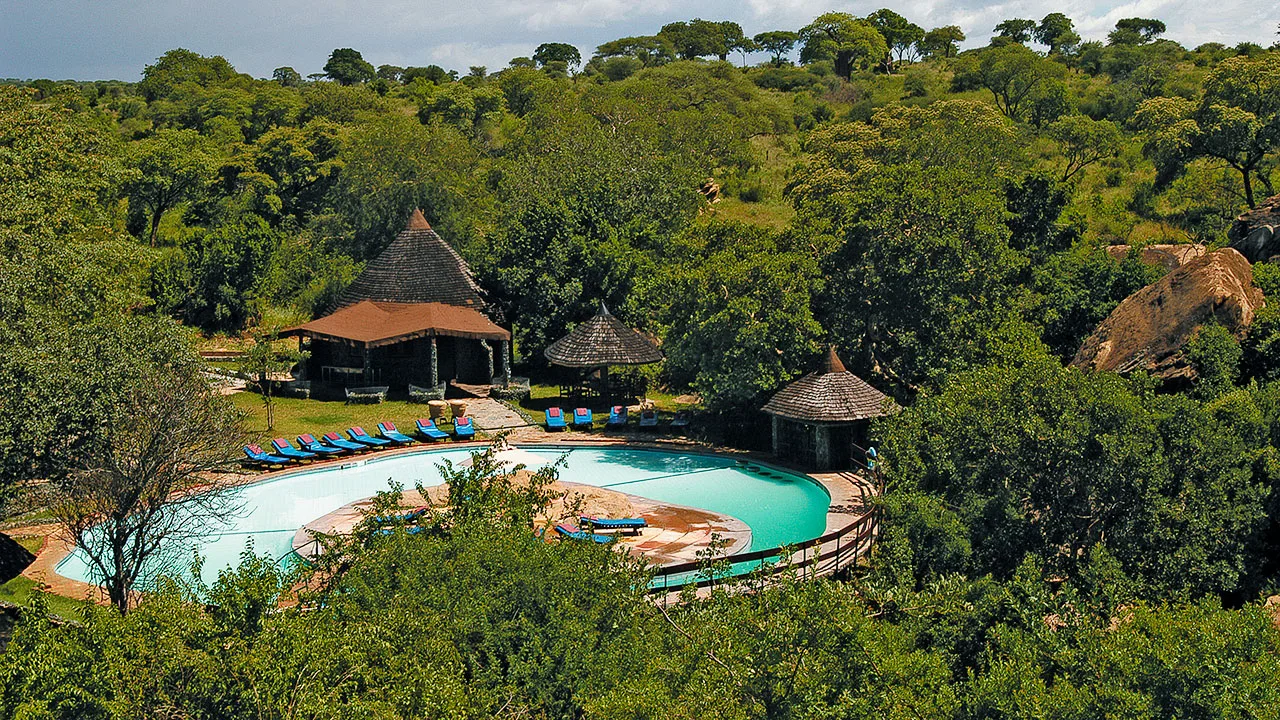
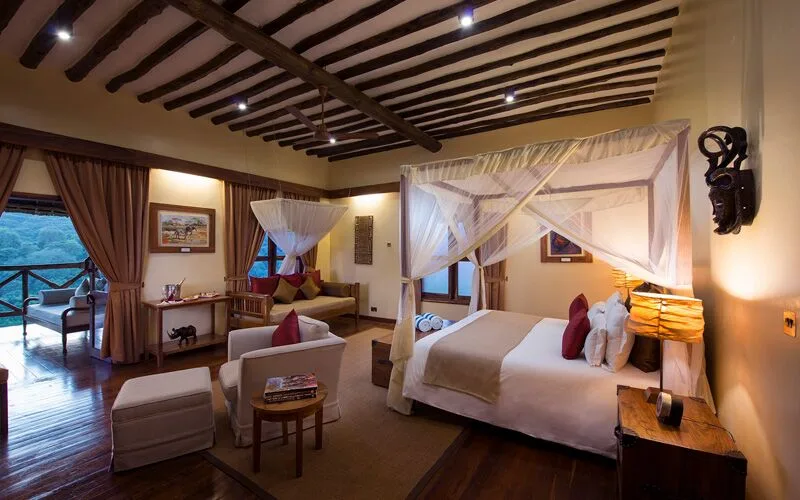
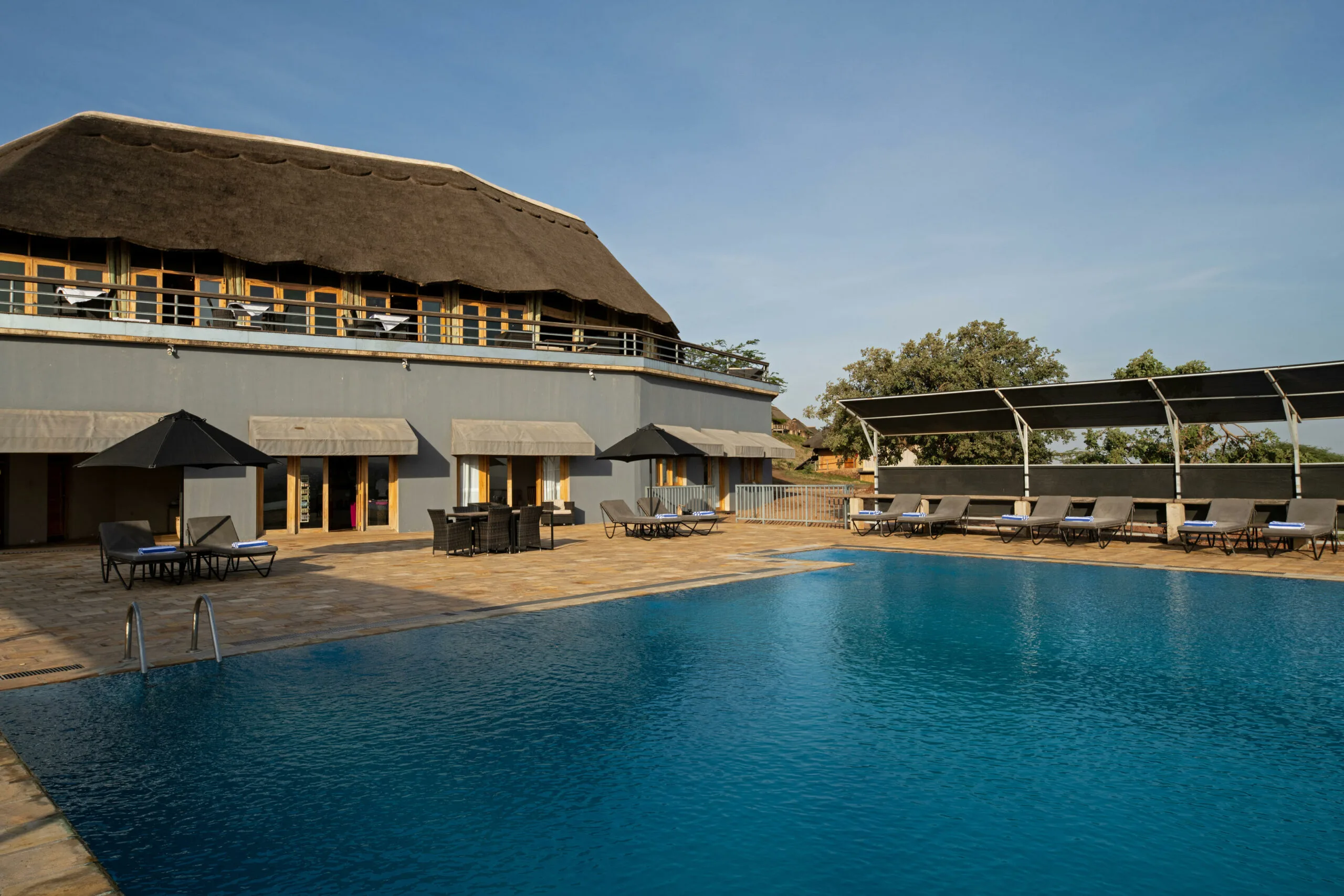
Des cottages en pierre spacieux à l'intérieur de Tarangire avec une vue imprenable sur le parc, une impressionnante piscine à débordement et un accès direct à l'écosystème fluvial riche en éléphants à votre porte.
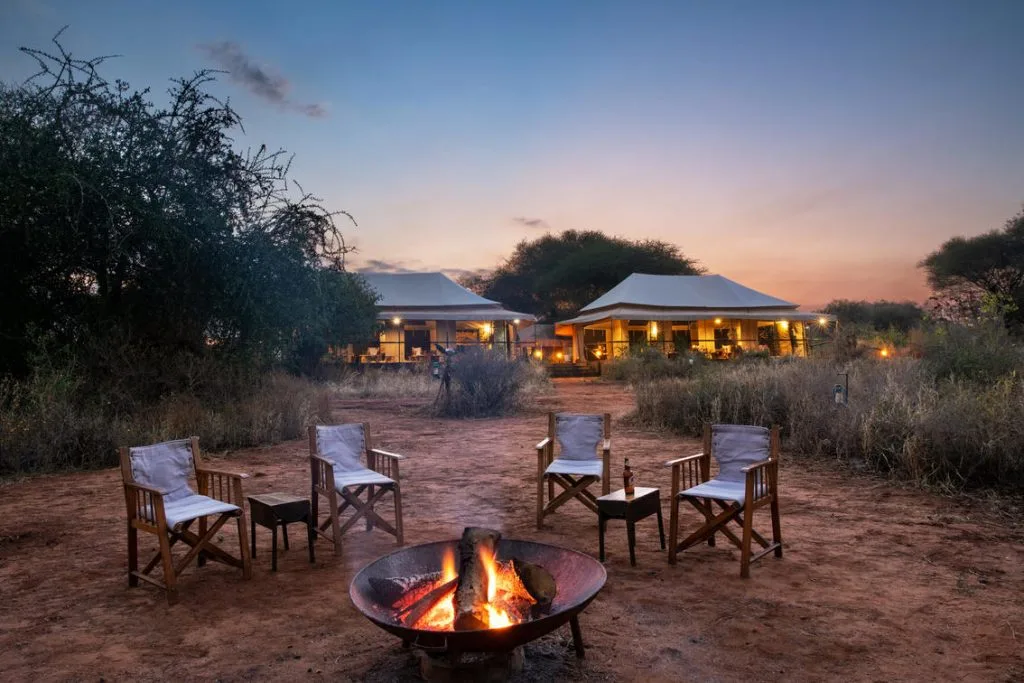
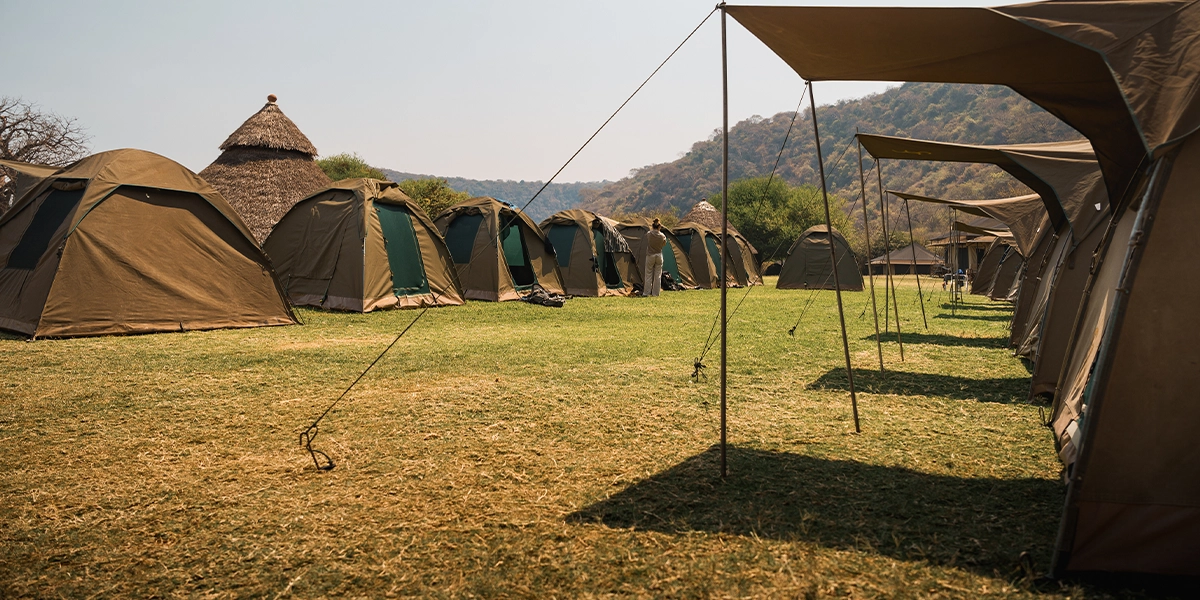
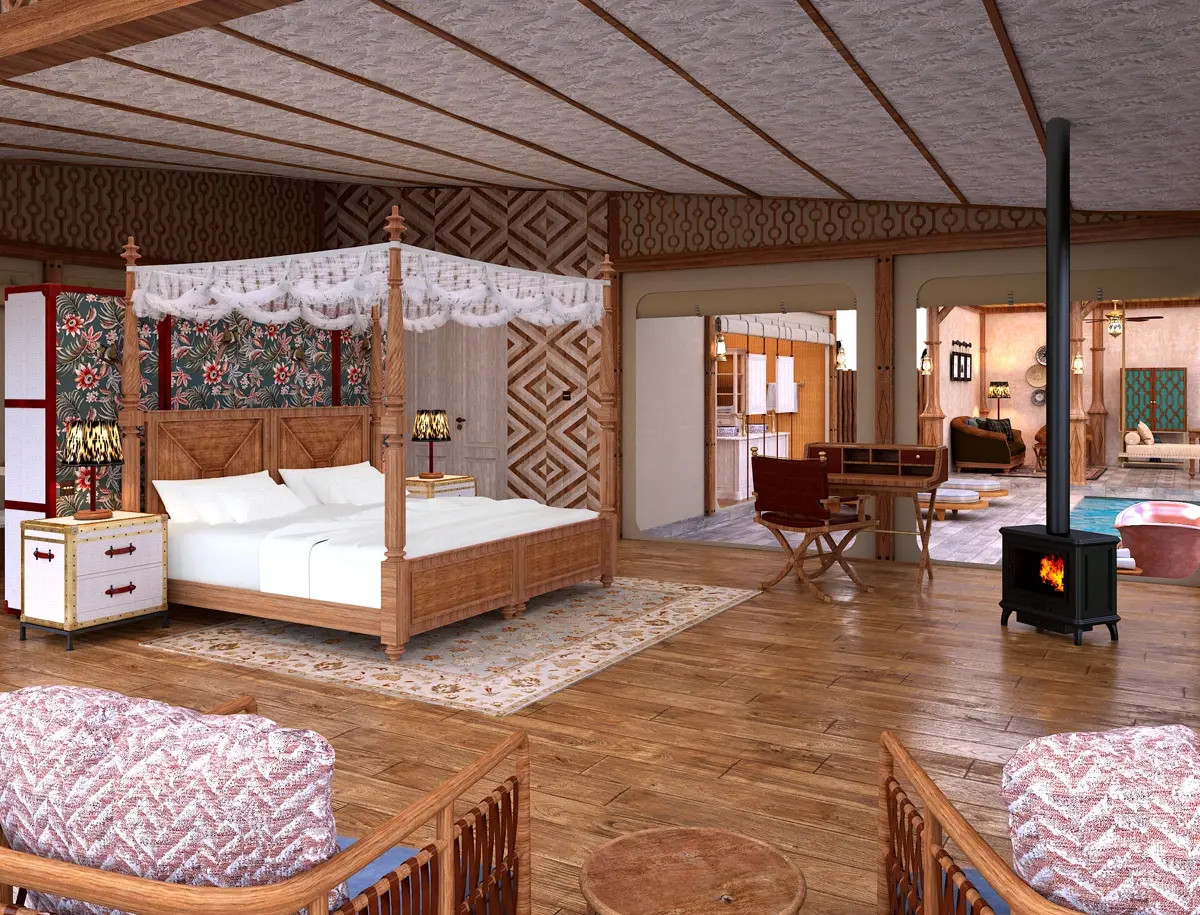
Expérience authentique sous toile près de Tarangire avec des tentes avec salle de bains privative, d'excellents repas de brousse et un accès tôt le matin qui vous place devant la foule aux portes du parc.
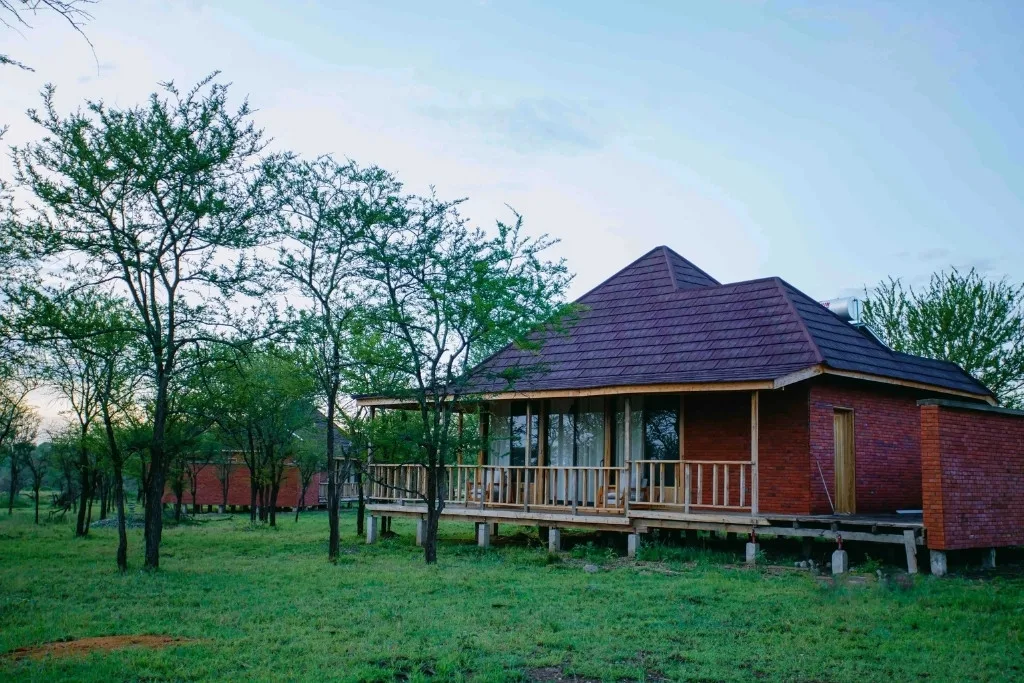
Hospitalité chaleureuse de Karatu dans les hauts plateaux frais, chambres confortables, vue sur le jardin, salon avec cheminée et accès facile au Ngorongoro. Une halte paisible pour la nuit sur le circuit.
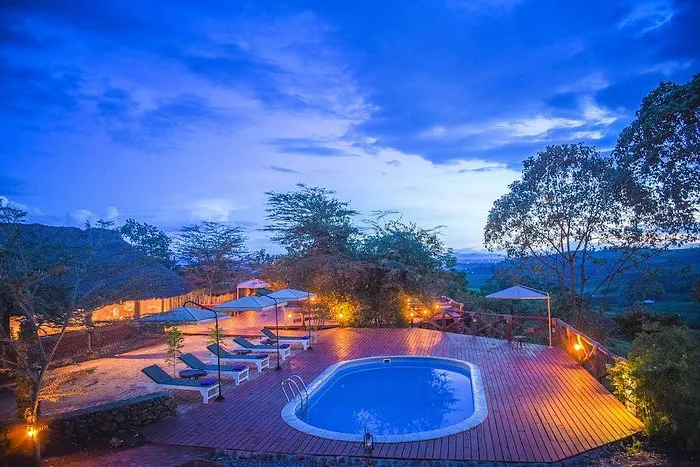
Loge populaire dans les hautes terres verdoyantes de Karatu avec des cottages confortables, une excellente cuisine locale, des jardins d'oiseaux et une atmosphère conviviale qui vous ressource avant la descente du Ngorongoro.
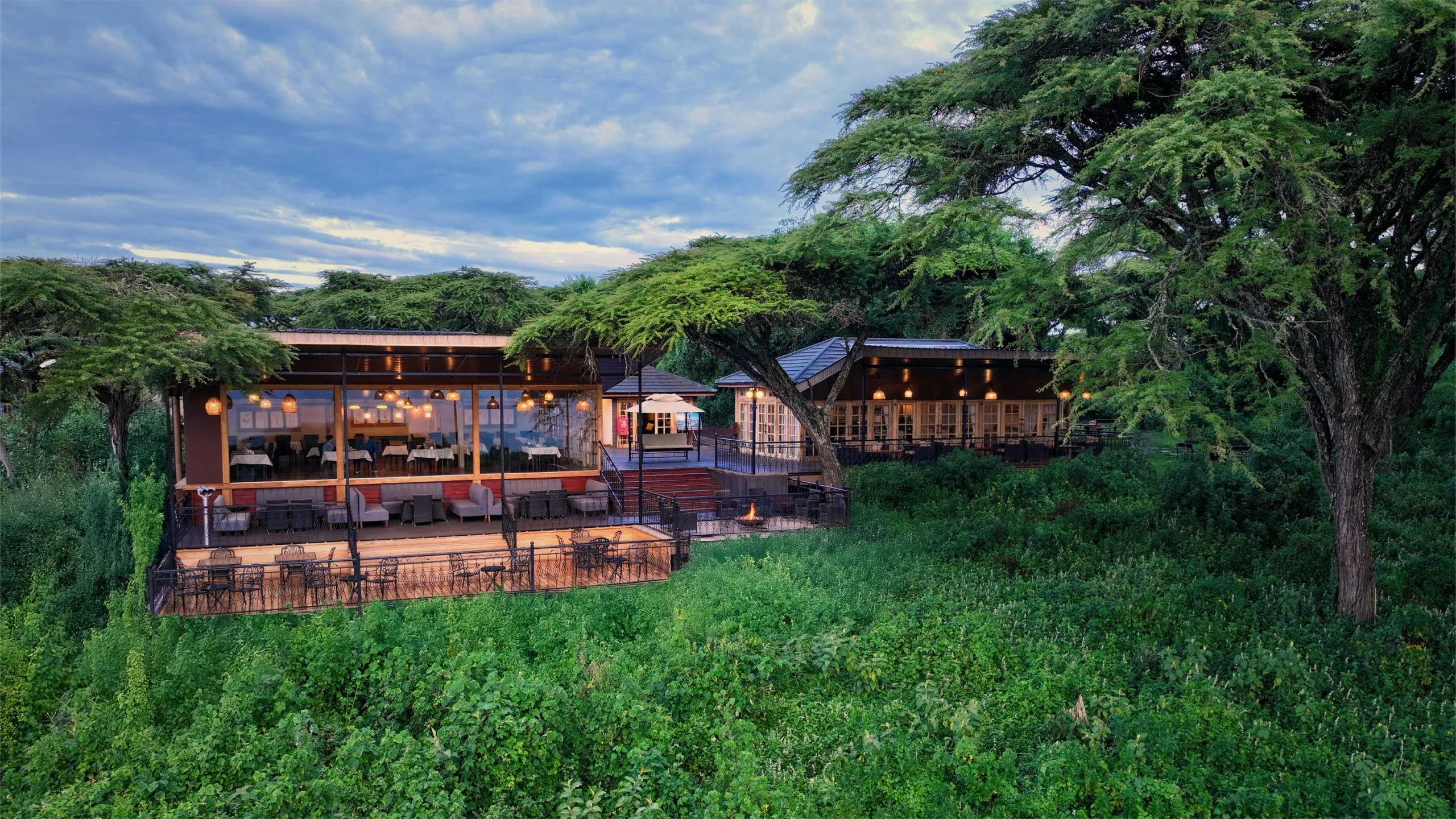
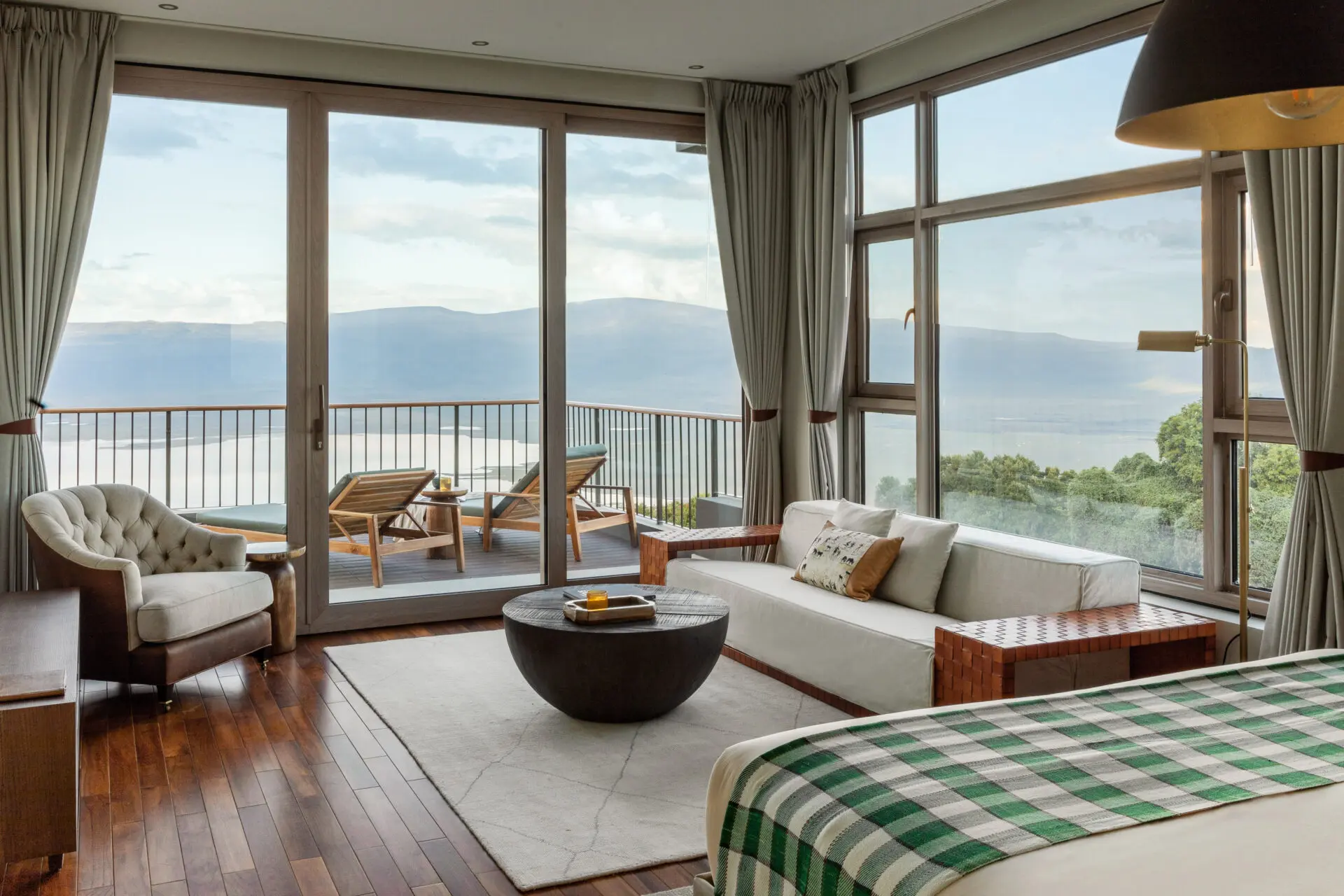
Comfortable Cratère-rim Loge with direct views down into the ancient caldera. Wake to morning mist rolling across 25,000 animals below é then descend for one of Afrique's great Faune Jours.
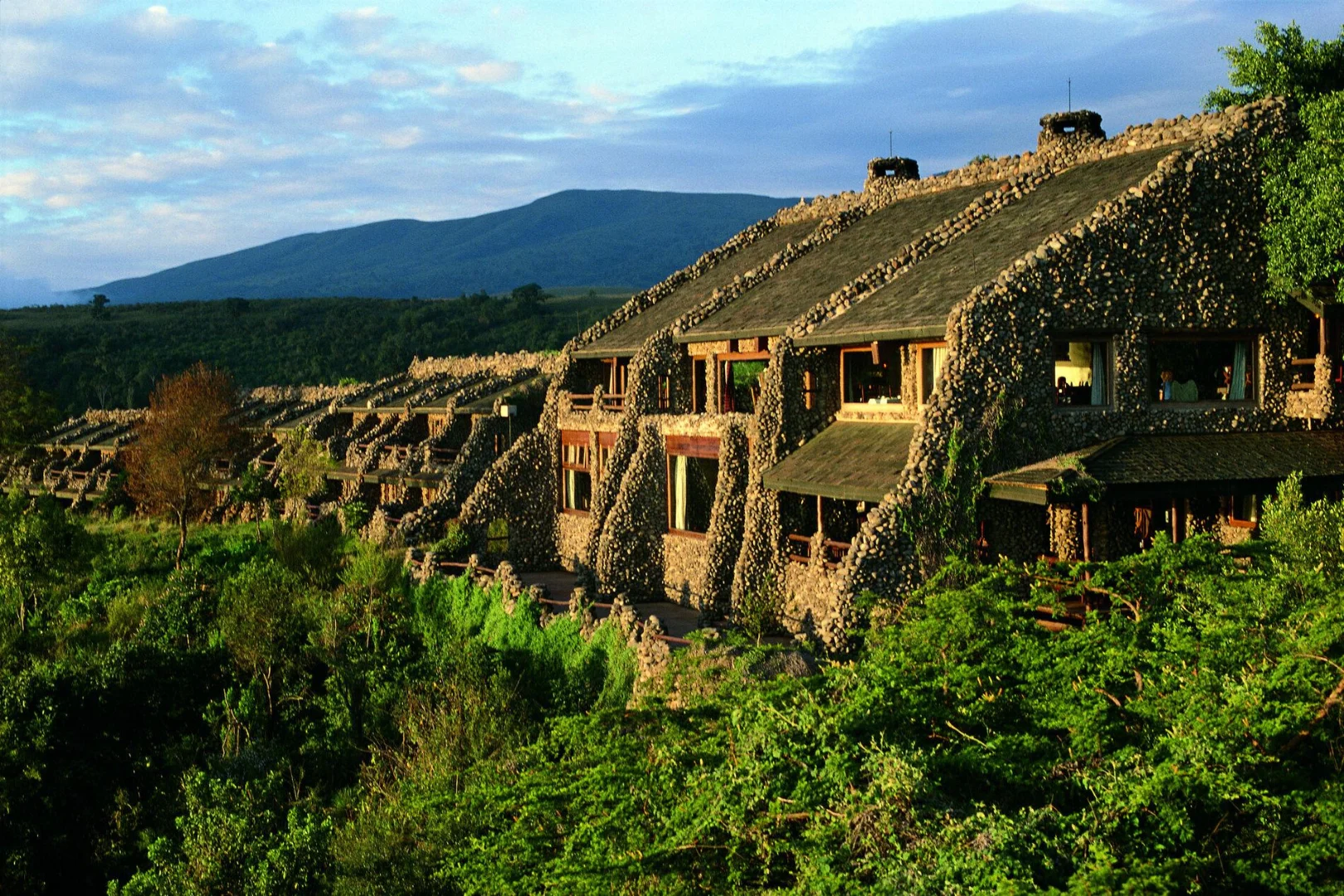
Architecture en pierre construite au bord du cratère, restaurant panoramique sur le cratère et piscine à débordement perchée sur le plus grand amphithéâtre naturel d'Afrique. Un classique bien-aimé de la Tanzanie.
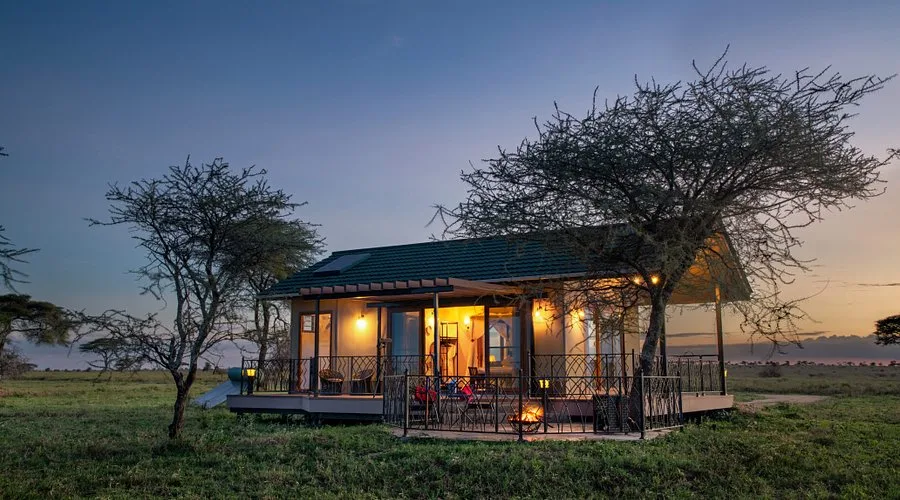
Campement de tentes intime au cœur du Sérengueti, tentes confortables, repas sous les étoiles et emplacement privilégié dans un couloir de migration pour des safaris de l'aube au crépuscule.
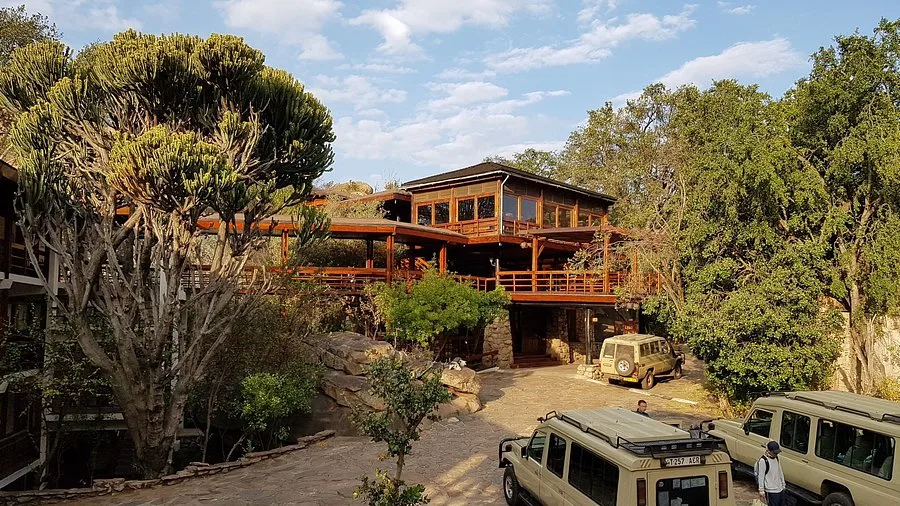
Affleurement rocheux spectaculaire dans le nord du Sérengueti, idéal pour les traversées de la rivière Grande migration en juillet et octobre. Vues panoramiques spectaculaires sur les plaines et excellent accès à la faune toute l'année.
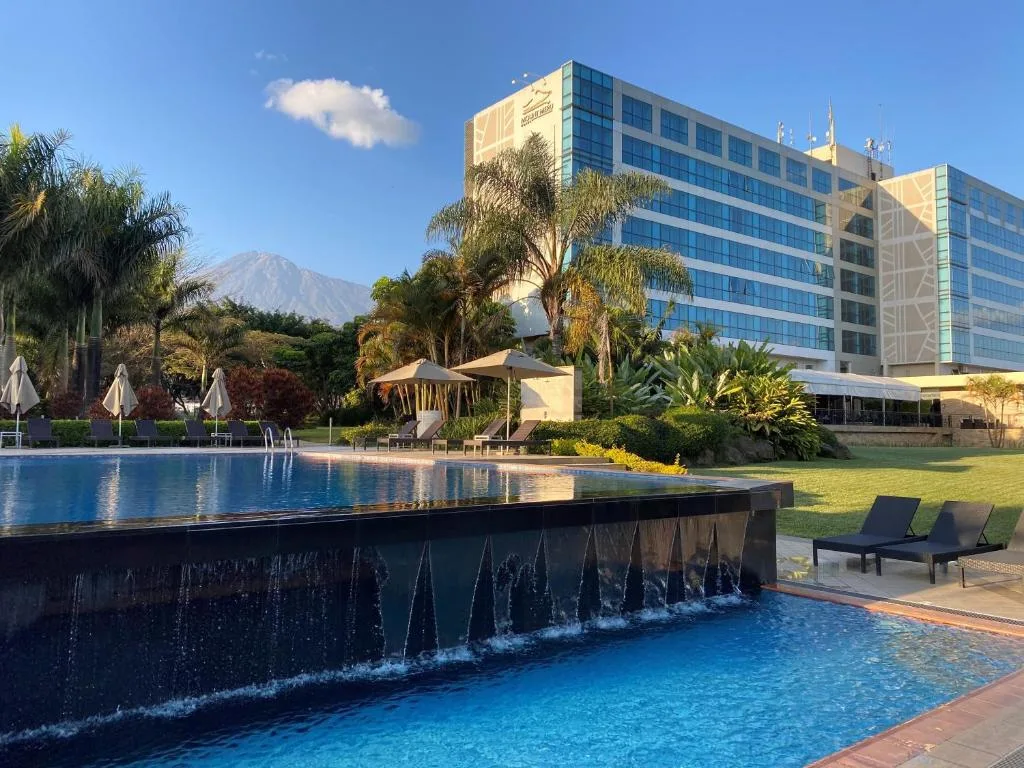
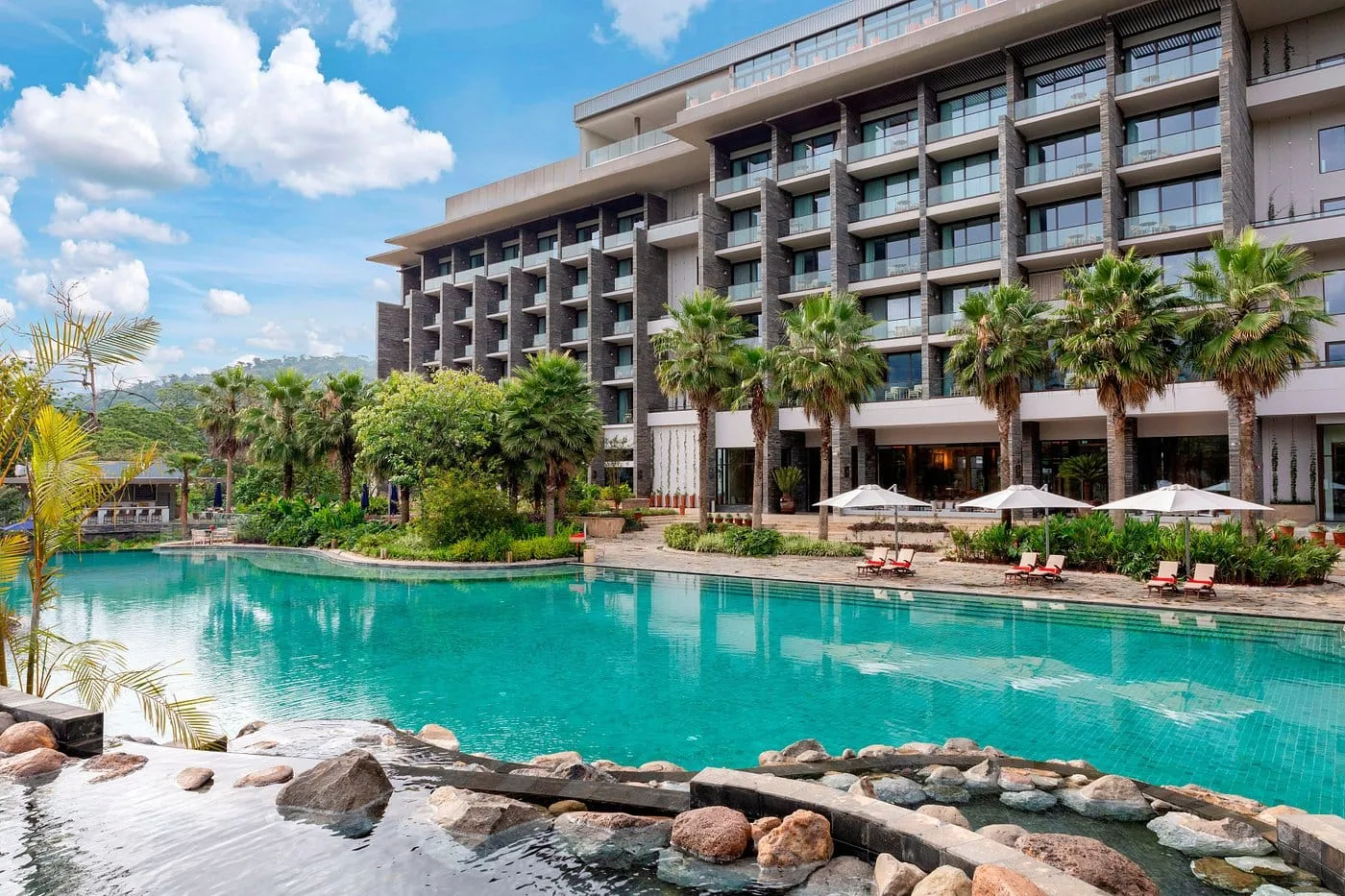
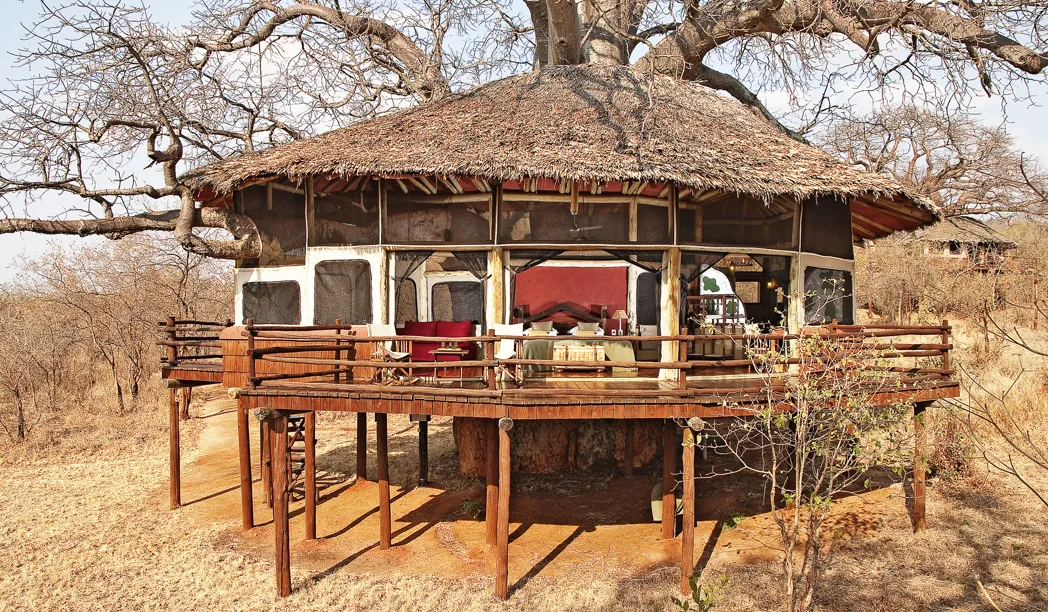
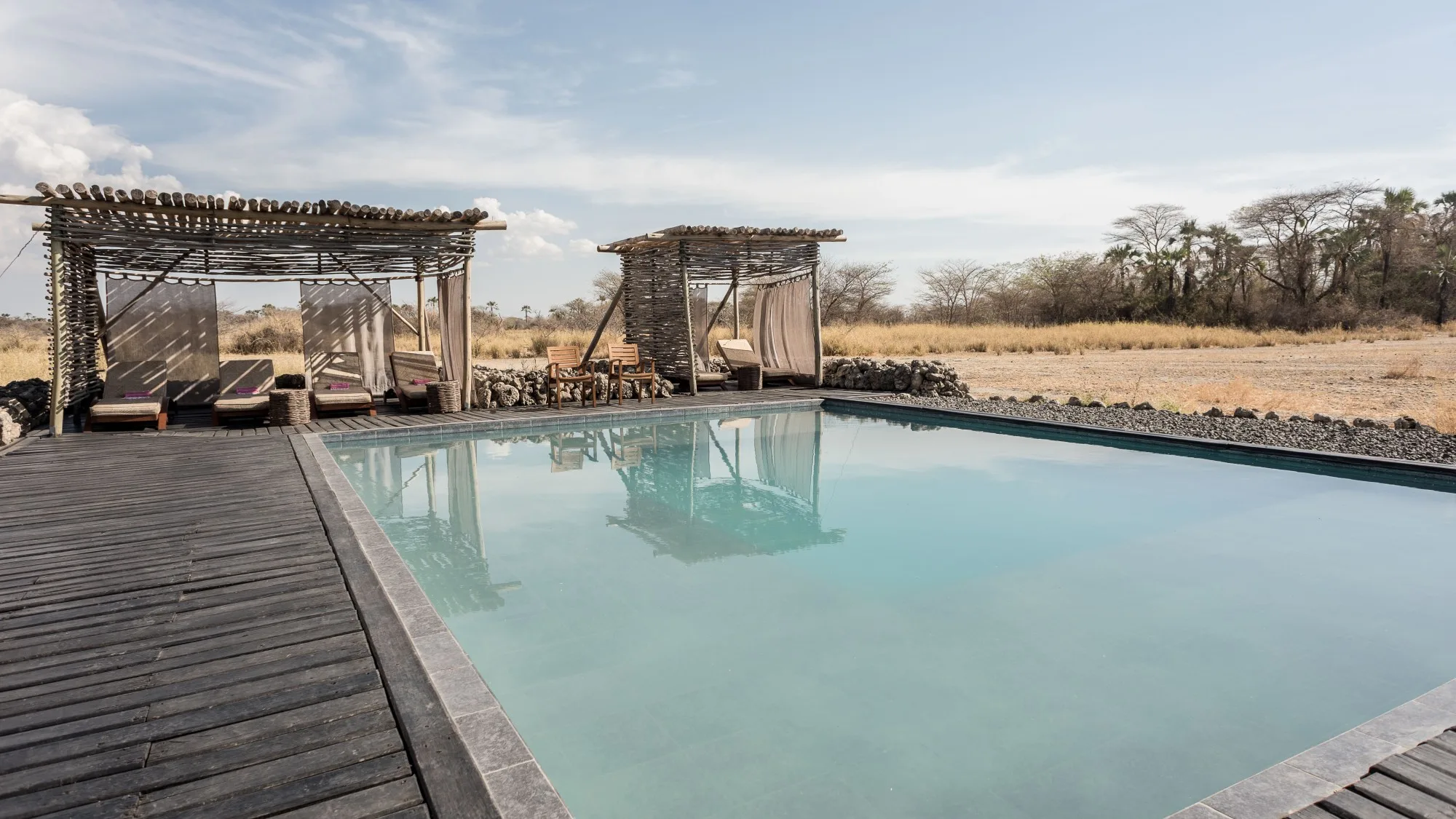
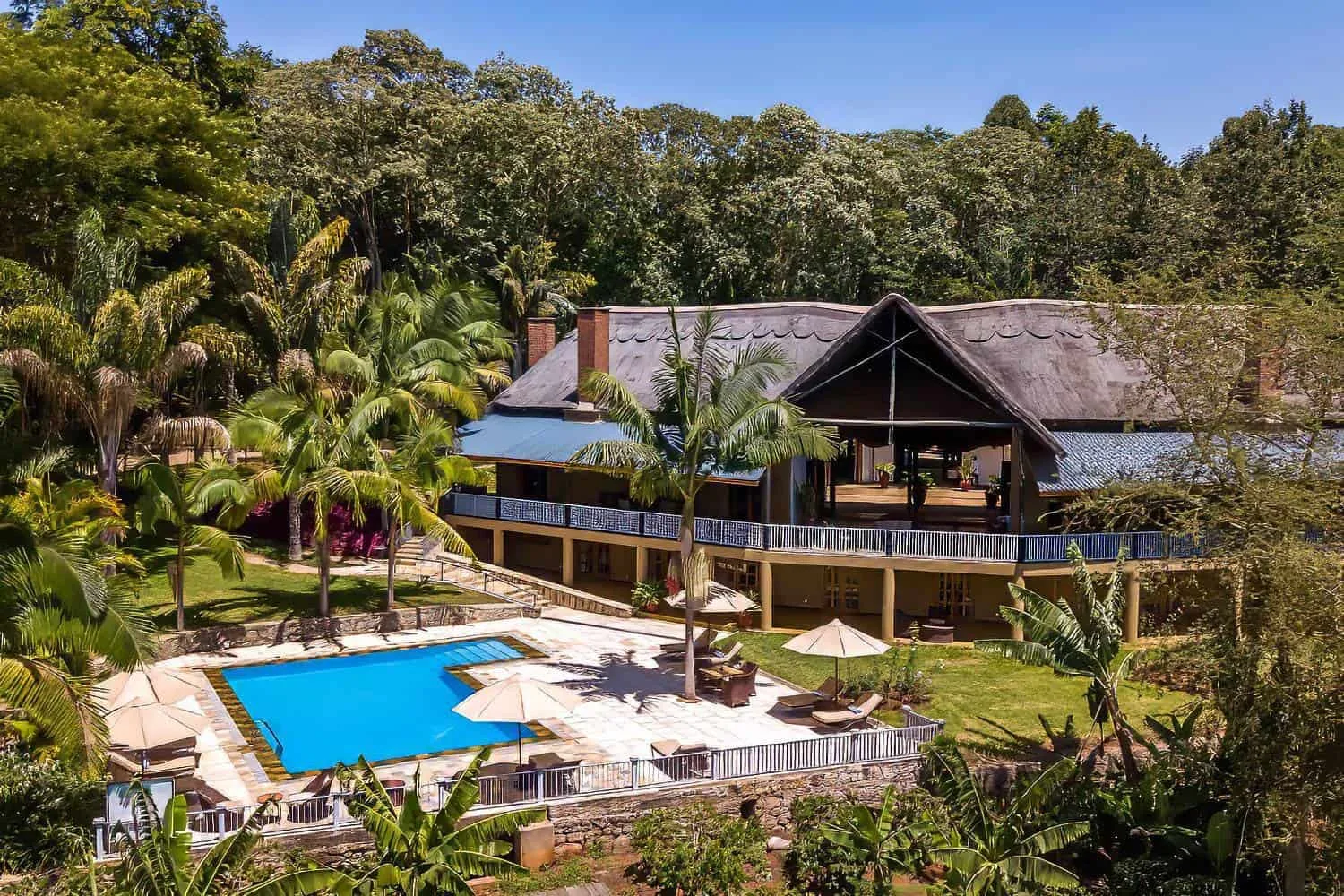
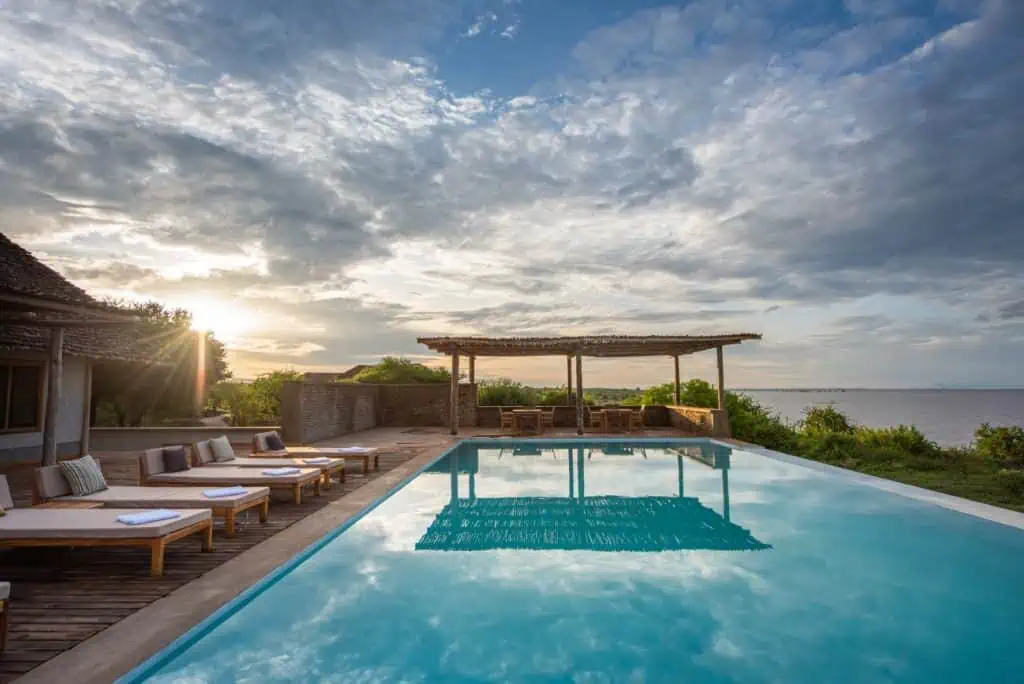
Tous les hébergements de ce voyage faunique sont entièrement personnalisables. Si vous avez une propriété spécifique en tête ou si vous souhaitez mélanger des nuits Argent, Or ou Platine, faites-le-nous simplement savoir. Sentiers du Havre travaille avec toutes les principales propriétés et de nombreux camps privés exclusifs. Contactez-nous àinfo@haventrails.com or WhatsApp +255 713 334154.
Pourquoi Aventures sur les sentiers Haven
Every Sentiers du Havre Guide holds a Professional Tourist Guide Certification and has completed a minimum of 1,000 guided field hours before leading any client. Our guides don't just drive you to animals é they read the land, interpret behaviour, share ecology, and make every sighting a story. Many guests describe their Guide as the highlight of the entire voyage.
Every voyage faunique departs in a custom-fitted 4x4 Land Cruiser with a 360-degree pop-up roof for unobstructed photography, forward-facing window seats, individual USB charging ports, a stocked cooler, binoculars, a first aid kit, and a radio linked to the Guide network. Maximum 6 guests per vehicle é never a crowded bus.
We are based in Móshí, Tanzanie é not a réservation platform in London or New York. Our team is in the field every week, tracking seasonal Faune movements, building direct relationships with Loge managers, and repositioning itineraries in real time based on what the animals are doing. Vous bénéficiez d'une intelligence qu'aucun opérateur international ne peut égaler.
Tous les guides Sentiers du Havre transportent des appareils de communication par satellite et des fournitures de premiers secours d'urgence. Nous maintenons des protocoles d'évacuation pour chaque parc du circuit en partenariat avec Flying Doctors Tanzanie. Chaque client reçoit des cartes de coordonnées d'urgence et notre centre d'opérations Móshí 24h/24 et 7j/7 surveille tous les safaris actifs tout au long du voyage.
La Grande Symphonie Africaine est un cadre, pas une formule. Chaque détail est ajusté aux dates de voyage de votre groupe (pour le positionnement saisonnier de la faune), au niveau d'hébergement, à la taille du groupe, au rythme, aux exigences alimentaires, aux intérêts particuliers (photographie, observation des oiseaux, culture) et à tout ajout tel que l'extension de la plage de Zanzibar ou les combinaisons de randonnées au Kilimandjaro.
Sentiers du Havre donne la priorité aux lodges gérés par la communauté, aux fournisseurs tanzaniens et aux partenaires d'hébergement soucieux de la conservation. Une partie de chaque réservation soutient la formation des gardes forestiers locaux par le biais du Fonds de conservation du Kilimandjaro.
Inclusíóns &Éxclusíóns
- Transferts arrivée et départ aéroport
- Tous les frais de parc national et de conservation
- Guide anglophone expert à temps plein
- Land Cruiser 4x4 personnalisé avec toit ouvrant
- All Hébergement (per chosen tier)
- Tous les repas selon l'itinéraire (B, L, D)
- Eau en bouteille et boissons gazeuses dans le véhicule
- voyage faunique certificate of completion
- Emergency evacuation support
- Dîner de bienvenue à Arusha (Jour 1)
- Déjeuner pique-nique au cratère (jour 7)
- Vols internationaux vers/depuis la Tanzanie
- Visa touristique pour la Tanzanie ($50 USD é la plupart des nationalités)
- Assurance voyage (fortement recommandée)
- Alcoholic beverages
- Pourboires du guide et de l'équipage (facultatif)
- Optional hot air balloon ride (~$600/person)
- Optional Olduvai Gorge entry fee
- Laundry services
- Objets personnels et souvenirs
- Frais médicaux et dentaires