


Zanzibar : Plages, culture et joyaux cachés | Tanzanie Voyagez avec…
Pourquoi Zanzibar ne ressemble à aucune autre destination balnéaire
Zanzibar : Plages, culture et joyaux cachés | Tanzanie Voyagez avec…
Zanzibar : Plages, culture et joyaux cachés | Tanzanie Voyagez avec…
Contrairement à l'Atlantique et au Pacifique, l'océan Indien entourant Zanzibar est chaleureux, calme et extraordinairement clair. L'absence de ruissellement industriel et les systèmes de récifs coralliens intacts autour de la côte nord et de l'atoll de Mnemba signifient que vous faites de la plongée avec tuba dans certains des derniers environnements récifaux véritablement vierges de la planète. Les tortues vertes, les dauphins à long bec, les requins baleines et des centaines d'espèces de poissons de récif en font un monde sous-marin comparable au Triangle de Corail.
As a post-safari or post-Kilimanjaro destination, Zanzibar functions as the perfect final chapter of the Tanzanie Triple. After days of game drives or summit nights, the transition to a Plage bed, warm water, and the sound of the dhow sails catching the kusi wind is one of travel's great emotional releases. Sentiers du Havre organises Zanzibar extensions from our base in Moshi é typically 4é7 nights is the sweet spot.
Stone Town : le cœur de l'île
Aucune visite à Zanzibar n'est complète sans au moins deux nuits à Stone Town. The historic quarter of Zanzibar City sits on the western edge of the island and covers barely one square kilometre é but that single kilometre is one of the most dense concentrations of living history in Afrique. Stone Town earned its UNESCO World Heritage designation in 2000, and wandering its lanes makes the reason immediately obvious.
La ville est un témoignage tangible du passé extraordinaire de l'île : a thousand years of Swahili coastal civilisation, Omani Arab rule from the 17th century onwards, Persian merchant influence, Indian trader communities, Portuguese fortifications, and British colonial administration have all left unmistakable marks on the architecture, the food, the language, and the culture. Narrow alleys too tight for cars lead you past four-storey Arab merchant houses with carved wooden doors that are themselves masterworks of craft é some with hundreds of brass studs, others with coral-carved frames that date back to the 1800s.
Stone Town possède plus de 560 portes en bois finement sculptées, et les historiens locaux peuvent dater l'origine d'un bâtiment grâce au style des portes. Les portes indiennes ont des cadres rectangulaires et des sculptures géométriques détaillées. Les portes arabes omanaises ont des arcs arrondis et des clous en laiton. The studs, borrowed from an Indian Ocean tradition, were originally intended to repel war elephants é a reminder that even a door in Zanzibar is a history lesson.
Essential Stone Town Experiences
- Forodhani Gardens Nuit Market é The waterfront gardens come alive after dark with grills loaded with octopus, prawns, kingfish, samosas, and the famous Zanzibar "pizza" (a stuffed savoury crepe). Commandez un verre de jus de canne à sucre fraîchement pressé avec du gingembre et du citron vert. This is the most atmospheric and delicious $5 you will spend in Afrique.
- Le vieux fort (Ngome Kongwe) é Construit par les Omanais dans les années 1690 sur le site d'une église portugaise, le fort est le plus ancien bâtiment encore debout de Stone Town. Entrée gratuite, elle accueille désormais des spectacles culturels en soirée. Spend 30é60 minutes exploring the ramparts and interior courtyard.
- Le marché aux esclaves et la cathédrale anglicane é Le site qui donne à réfléchir de l'ancien marché aux esclaves de Zanzibar, autrefois le plus grand de l'océan Indien. The Anglican cathedral was built in 1879 by the Universities' Mission to Central Afrique specifically on the site to mark abolition. Les chambres souterraines des esclaves restent intactes. This is not a comfortable experience é it is an essential one.
- Rooftop Sunset Views é Plusieurs bâtiments historiques de Stone Town disposent de bars et de restaurants sur le toit offrant une vue panoramique sur le port. Arriver à 17h30 pour observer les boutres se profilant sur le coucher du soleil est le rituel classique du soir à Stone Town.
- Darajani Market é The covered central market where locals shop for fish, spices, produce, and household goods. Go early morning (7é9 AM) when it is at its most vibrant. Le marché aux poissons d'à côté, où les prises du boutre pendant la nuit sont triées et vendues aux enchères à l'aube, est l'un des endroits les plus viscéralement vivants de l'île.
- Emerson Spice Hotel Rooftop Tea House é Set in a beautifully restored 19th-century merchant's house, the rooftop tea house offers perhaps the best single voir in Stone Town é across the roofline of white coral-stone buildings to the Indian Ocean. La réservation pour le thé et le dîner du soir est indispensable.
Les plages de Zanzibar : un guide complet
Not all of Zanzibar's beaches are created equal é and this is the most important thing to understand before you Réserver. Tide, wind direction, season, and your preferred activity all determine which part of the island is right for you. Voici une répartition honnête, emplacement par emplacement.
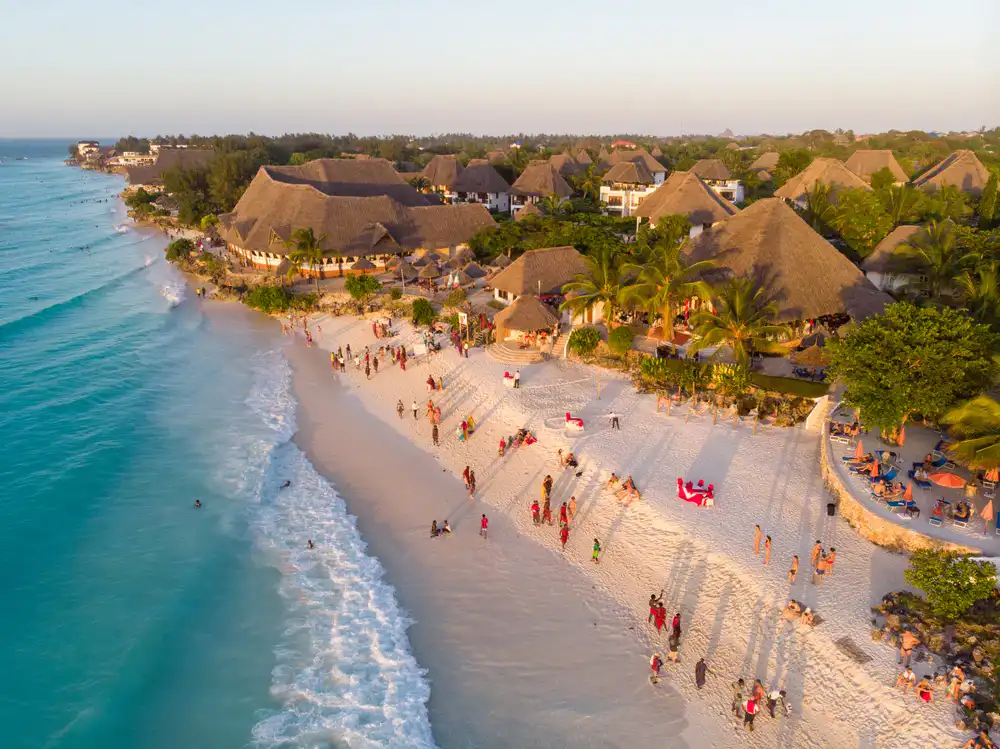
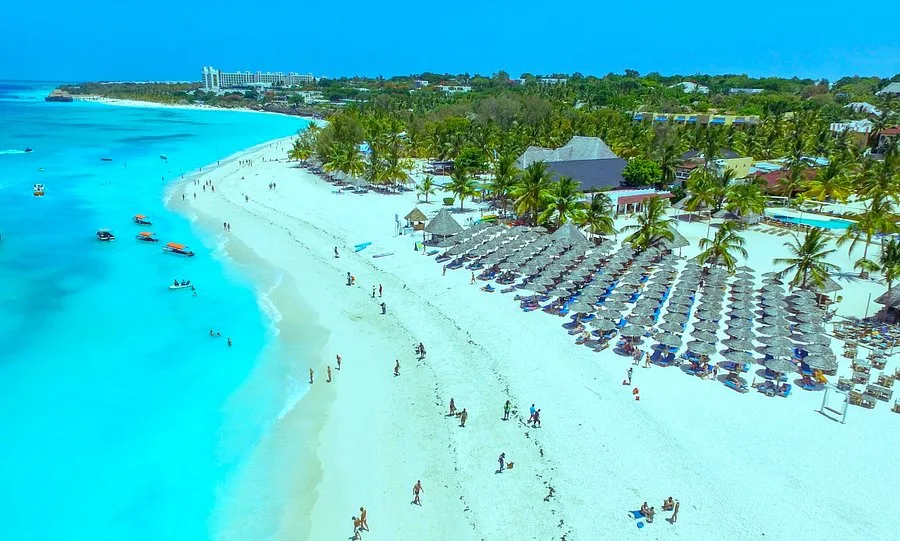
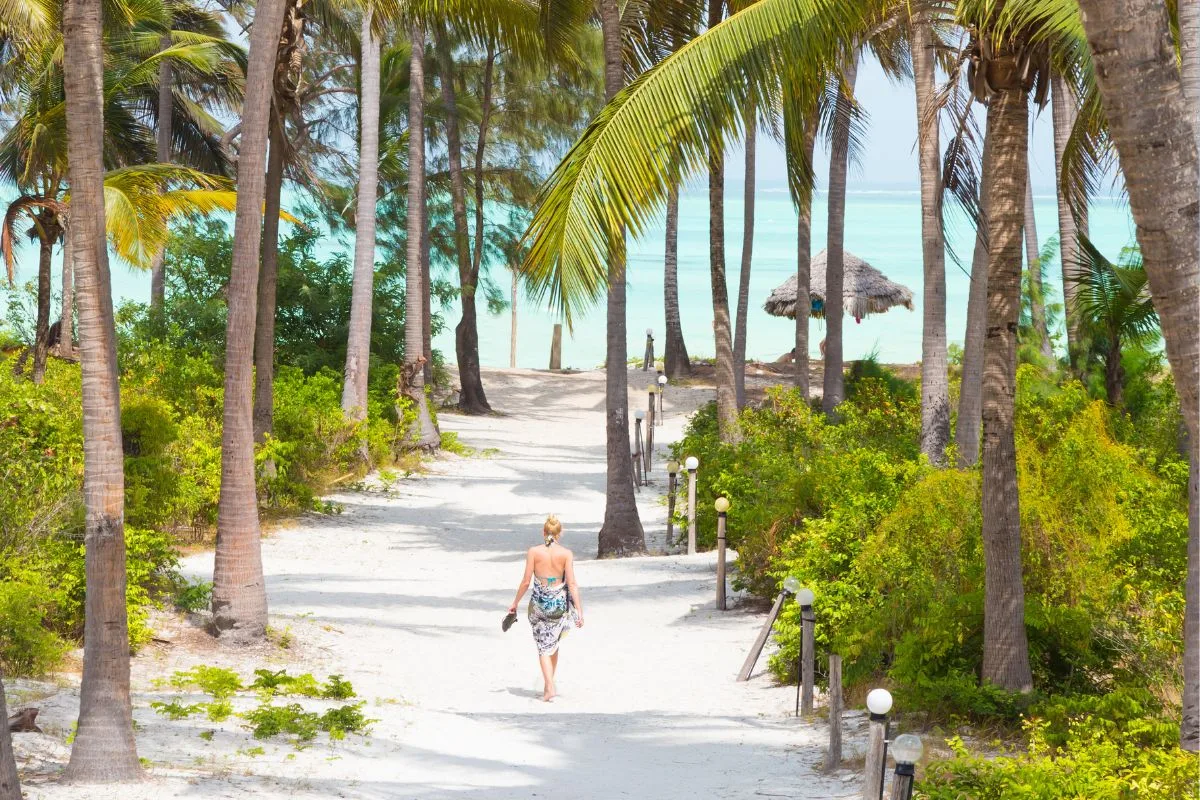
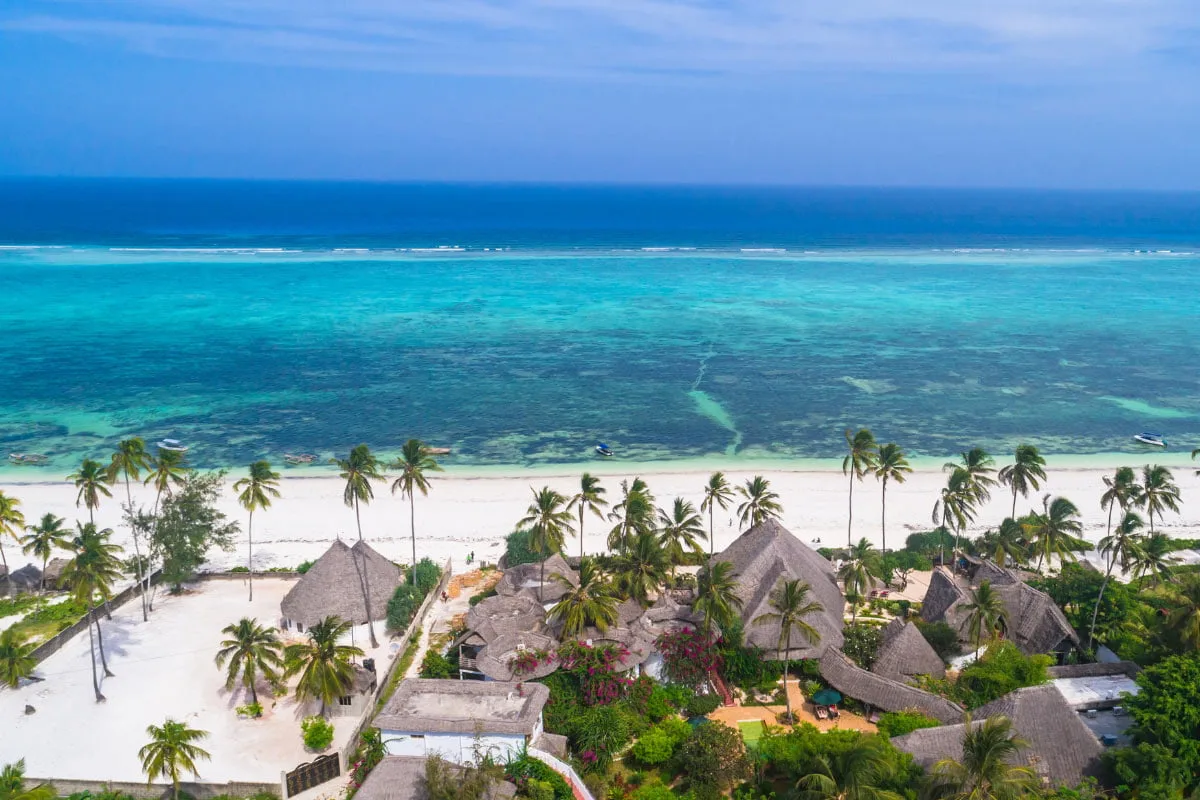
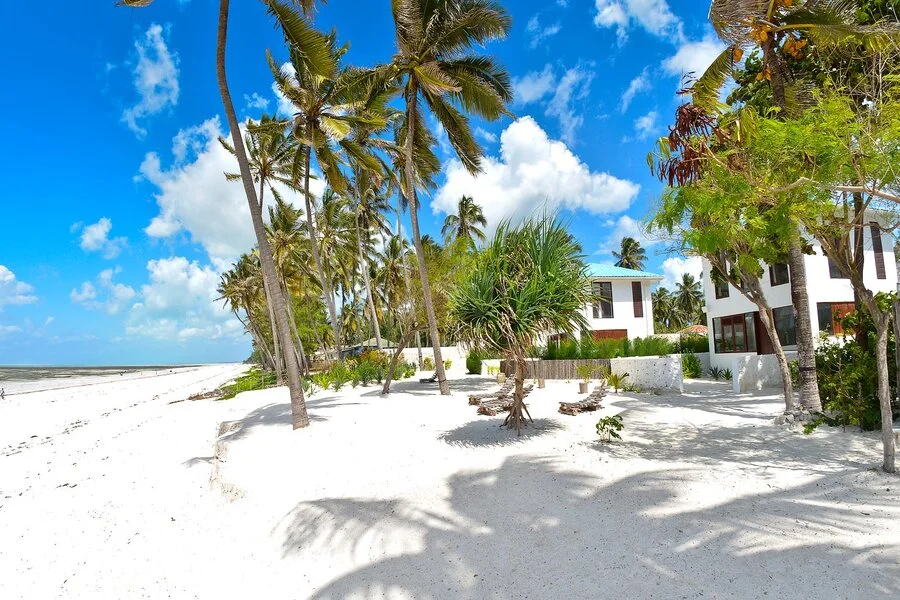
On Zanzibar's east coast (Paje, Jambiani, Matemwe), tidal variation can be extreme é the water withdraws hundreds of metres at low tide, leaving shallow mudflats. Vérifiez toujours l'horaire des marées local avant de réserver et renseignez-vous auprès de votre hébergement sur sa plage à marée basse. The north coast (Nungwi, Kendwa) is largely free of this issue é the bay's topography keeps water present at all tidal states, which is why it is the safest choice for casual swimming.
Que faire à Zanzibar : des expériences qui valent la peine
Mnemba Atoll Snorkelling
Une zone marine protégée au large de la côte nord-est avec une densité extraordinaire de tortues vertes, de dauphins, de poissons de récif et de coraux. The single best underwater experience in Tanzanie. Jour trips depart from Matemwe and Nungwi. Best JuneéOctober for visibility.
Visite de la ferme aux épices
Zanzibar a gagné le nom d'« Île aux épices » en raison de ses siècles de culture du clou de girofle, de la cannelle, de la muscade, de la cardamome et de la vanille. Une visite d'une demi-journée d'une ferme d'épices à l'intérieur des terres vous emmène à travers des plantations actives où des guides présentent chaque épice. Le parfum à lui seul en vaut la peine. After the rains (MayéJune) is the most aromatic time.
Jozani Forest & Red Colobus Monkeys
Jozani Chwaka Bay Parc National is Zanzibar's only national park. Its 50 kmé of indigenous forest is home to the Zanzibar red colobus monkey é found nowhere else on Earth. Easy 1é2 hour guided walks through mahogany, fig, and palm forest. Partez tôt le matin lorsque les singes sont les plus actifs à la canopée.
Sunset Dhow Cruise
Un boutre en bois traditionnel naviguant depuis le port de Nungwi ou de Stone Town alors que le ciel devient doré et rose est l'un des plaisirs les plus simples du voyage. Typically 2é2.5 hours, includes sundowners and snacks. L'expérience la plus romantique de Zanzibar, en particulier pour les jeunes mariés. Réserver private for couples.
Kitesurfing at Paje
Consistent kusi trade winds of 15é25 knots over a flat, shallow lagoon make Paje Plage one of the world's premier kitesurfing spots. Plusieurs écoles agréées proposent des cours pour débutants jusqu'à un coaching avancé. JuneéSeptember is peak season. Les véliplanchistes et les kayakistes partagent le lagon les jours de vent plus léger.
Dolphin Watching at Kizimkazi
Kizimkazi, sur la côte sud, abrite des groupes résidents de dauphins à long bec et de grands dauphins. Un départ privé en boutre tôt le matin avant l'arrivée des bateaux d'excursion bondés vous offre une expérience véritablement différente. OctoberéFebruary is calmest for seas. Évitez si possible les visites standard bondées.
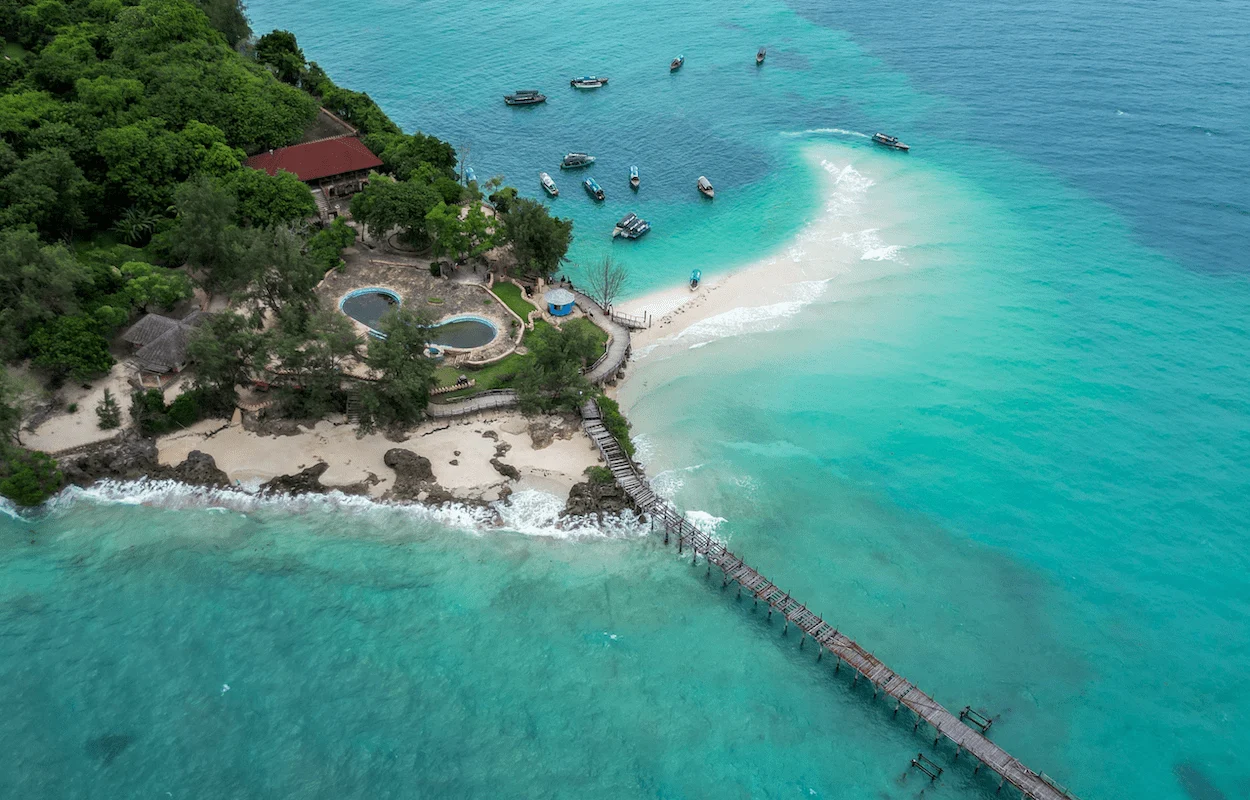
Île-prison (Changuu)
A short boat ride from Stone Town, Changuu Island was originally intended as a detention facility é never used as such. Elle est aujourd'hui célèbre pour sa colonie de tortues géantes d'Aldabra, certaines âgées de plus de 200 ans. A pleasant half-excursion à la journée that pairs well with a Stone Town morning. Partez en milieu de semaine pour moins de monde.
Scuba Diving é Mnemba & Pemba
Les eaux de Zanzibar contiennent plus de 500 espèces de poissons réparties dans des formations coralliennes intactes. Mnemba Atoll (day trips from the main island) is Afrique de l'Est's finest dive site. Pour les plongeurs avancés, les murs et les canaux de l'île de Pemba offrent des plongées profondes dans les récifs de classe mondiale qui rivalisent avec certaines des meilleures de l'océan Indien. Peak visibility JulyéOctober.
Trésors cachés : ce que la plupart des visiteurs ne trouvent jamais
Zanzibar's tourist trail has become well-worn é Nungwi, Stone Town, Prison Island, Mnemba. These are all genuinely excellent, but the island has several experiences that most visitors never reach. Ce sont ceux qui valent la peine d'être planifiés.
Kuza Cave & Cultural Centre é Paje
Une grotte souterraine naturelle avec une piscine d'eau douce, encadrée par d'anciens murs en pierre de corail et des racines de mangrove. Kuza combine l'expérience de la grotte avec un véritable programme culturel communautaire dirigé par des femmes locales de Zanzibar. The cultural centre inside offers cooking demonstrations, traditional music, and craft workshops. It is not on most standard excursion itineraries é which is exactly why it is worth seeking out.
Mwaka Kogwa Festival é Makunduchi
Each July, the village of Makunduchi on Zanzibar's southeast coast hosts Mwaka Kogwa, the Shirazi New Year é a unique festival rooted in ancient Persian (Shirazi) tradition. Men engage in ritual banana-leaf fights, fires are lit to symbolise the burning of the past year, and women sing and parade through the village in elaborate dress. Il n'y a quasiment aucune infrastructure touristique aux alentours. If your dates align, this is one of the most authentic cultural events in Afrique de l'Est.
Pongwe & Pingwe é The Quiet Southeast
Les plages de Pongwe et Pingwe, sur la péninsule sud-est, sont nettement moins fréquentées que celles de Paje et Jambiani, à quelques kilomètres au nord. Une poignée de propriétés de charme offrent ici des séjours à la plage véritablement isolés avec un accès privé au récif et presque aucun autre visiteur. The famous Rock Restaurant é set on a coral outcrop that becomes an island at high tide é is nearby in Michamvi, and worth the pilgrimage for lunch or dinner.
Parc corallien de l'île Chumbe
L'histoire de réussite en matière de conservation la plus extraordinaire de Zanzibar, située à seulement 12 km au sud de Stone Town. Chumbe Island is a strictly protected reef sanctuary and forest reserve é one of the few truly pristine shallow-water reef environments remaining in the western Indian Ocean. Jour visits are limited to preserve the ecosystem. Le jardin de corail, visible depuis la surface, est le plus beau snorkeling de tout Zanzibar. Advance réservation is essential.
Zanzibar International Film Festival (ZIFF) é July
Le plus grand festival de cinéma d'Afrique de l'Est transforme Stone Town en un événement culturel de dix jours chaque mois de juillet, présentant plus de 100 films de toute l'Afrique et de la diaspora, ainsi que de la musique live dans le fort, des courses de boutres dans le port et des expositions d'art dans le vieux quartier. Le chevauchement avec la haute saison sèche en fait une raison exceptionnelle pour programmer votre visite en juillet.
Les visiteurs les plus expérimentés de Zanzibar recommandent un itinéraire en trois zones : 1é2 nights in Stone Town (cultural foundation), 2é3 nights on the north coast (Nungwi/Kendwa pour une baignade détendue et une excursion d'une journée à Mnemba), puis 2é3 nights on the southeast coast (Paje/Jambiani for a quieter, more authentic final chapter). This arc gives you the full spectrum of what the island offers é history, marine life, and genuine Zanzibari pace.
Nourriture, culture et table de Zanzibar
Zanzibar's cuisine is one of the Indian Ocean's great culinary traditions é a layered fusion of Swahili coastal cooking, Omani Arab spicing, Indian subcontinental technique, and the island's extraordinary spice harvest. It is genuinely unlike anything on the mainland and unlike anything else in Afrique de l'Est.
| Dish / Drink | Qu'est-ce que c'est | Où le trouver |
|---|---|---|
| Zanzibar Pizza | A stuffed, pan-fried savory crepe é typically filled with egg, minced meat, vegetables, or seafood, folded envelope-style on a flat iron | Forodhani Nuit Market, Stone Town |
| Urojo (Zanzibar Mix) | Une soupe aigre-jaune à la noix de coco et au curcuma avec des chips de manioc, du bhajia aux pommes de terre, un œuf à la coque et de la viande. Le plat national non officiel de Zanzibar | Quartier du marché de Darajani, lieux de déjeuner locaux |
| Grilled Octopus | Poulpe fraîchement pêché, mariné au tamarin et au piment, grillé sur charbon de bois ouvert. Trouvé sur toute l'île mais meilleur sur les marchés nocturnes | Marché Forodhani, restaurants de plage de Paje |
| Pilau & Biryani | Deeply spiced rice dishes perfumed with Zanzibari cloves, cinnamon, and cardamom é the Arab and Indian influence at its most delicious | Restaurants locaux, lieux de déjeuner maison |
| Sugarcane Juice | Canne à sucre fraîchement pressée au gingembre et citron vert, servie sur glace. The defining Zanzibar street drink é order it at every market | Forodhani Gardens, street vendors everywhere |
| Mkate wa Sinia | A traditional coconut bread baked in a wide clay dish over hot coals é sweet, caramelised, and served warm. Best eaten at sunrise | Boulangeries et stands de rue le matin, Stone Town |
| Most Zanzibar restaurant meals cost $5é$20 USD. Beachfront resort dining typically runs $30é$60 par personne for dinner. The night market is always the best value é and often the best food. | ||
La population de Zanzibar est musulmane à plus de 99 % et l'identité culturelle de l'île est profondément liée à son héritage islamique. Lorsque vous visitez Stone Town ou n'importe quel village, couvrir les épaules et les genoux é flowing linen trousers, long shirts, kimonos, and maxi dresses are both appropriate and comfortable in the heat. Sur les plages et dans les zones touristiques, les vêtements de plage standards sont parfaitement acceptables. Ce petit acte de respect est profondément apprécié par les locaux et transforme la façon dont vous êtes reçu.
Meilleur moment pour visiter Zanzibar : mois par mois
Zanzibar est chaud toute l'année, mais la saison que vous choisissez détermine la qualité de votre plage, la visibilité marine, les conditions de vent et le niveau de foule d'une manière qui affecte considérablement l'expérience globale. Voici le tableau saisonnier honnête.
Quand visiter et pourquoi
Clear skies, calm seas, 25é30éC. Meilleure visibilité en plongée et snorkeling (30m+ à Mnemba). Vent Kusi parfait pour le kite surf à Paje. ZIFF festival in July. Singes colobes rouges les plus actifs à Jozani. Réserver 3é6 months ahead.
Slightly warmer (28é35éC), glassy flat seas with visibility 30m+. Plongée la plus calme de l'année. Festival de musique Sauti za Busara en février. Moins fréquenté que la haute saison. Green turtles present year-round.
Short, sharp showers é mostly morning or evening. De nombreuses journées sont en partie ensoleillées et entièrement fonctionnelles. Lower accommodation rates, fewer crowds. Stone Town, spice tours, and Jozani Forest all largely unaffected.
Tanzanie's heaviest rainfall é sustained downpours possible for days. Rough seas, poor visibility, many water tours suspended. Hébergement 30é50% cheaper. Concentrez-vous sur Stone Town et les fermes d'épices si vous visitez. ApriléMay are the highest-risk months for a Plage holiday.
Septembre et début octobre sont considérés par les visiteurs expérimentés de Zanzibar comme les meilleures semaines de l'année. Les foules en haute saison commencent à diminuer, les prix baissent légèrement, mais la météo, la visibilité sur la mer et l'activité de la vie marine restent à leur meilleur. La saison d’éclosion des tortues est active à Mnemba. Le vent kusi se transforme en une douce brise fraîche. Si vous avez de la flexibilité, visez la seconde quinzaine de septembre.
Informations pratiques : s'y rendre, se déplacer et quoi emporter
Getting to Zanzibar
By air (recommended): Precision Air, Coastal Aviation et Air Tanzanie volent plusieurs fois par jour depuis le Kilimandjaro (JRO), Arusha (ARK) et Dar es Salaam (DAR) vers l'aéroport Abeid Amani Karume (ZNZ) de Zanzibar. Le temps de vol depuis Arusha est d’environ 1 heure. Sentiers du Havre organise tous les vols intérieurs dans le cadre d'itinéraires combinés en Tanzanie. L'aéroport est à 20 minutes de Stone Town par transfert.
By ferry: Des ferries réguliers circulent entre Dar es Salaam et Stone Town en environ 2 heures. Les conditions de la mer peuvent rendre ce service difficile et peu fiable, en particulier pendant les saisons de transition. L'avion est fortement recommandé à la plupart des visiteurs, en particulier aux familles et aux personnes sujettes au mal des transports.
Se déplacer sur l'île
Between zones, taxis and private transfers are the most reliable option é agree on price before you get in. For getting around Stone Town, it is entirely walkable (the entire old city covers about 1 kmé). Les Dala Dalas (minibus partagés) sont le moyen le moins cher de voyager entre les villes mais fonctionnent à l'heure de l'île. La location de scooters et de vélos est largement disponible pour les explorateurs indépendants.
Quoi emporter pour Zanzibar
- Écran solaire SPF 50+ sans danger pour les récifs
- Rashguard ou chemise UV (pour la plongée avec tuba)
- Sandales de plage légères
- Masque de plongée (basique, bon pour Mnemba)
- Sac étanche pour excursions en bateau
- Underwater camera or phone case
- Long linen trousers or maxi skirt
- Loose linen shirt or tunic (shoulders covered)
- Foulard léger ou enveloppement pour mosquées/marchés
- Des chaussures de marche ou des sandales confortables
- Petit sac à dos pour flâner à Stone Town
- USD cash (post-2006 notes preferred)
- Prophylaxie du paludisme (Zanzibar est une zone de paludisme)
- Insectifuge DEET (moustiques au crépuscule)
- Antihistamines (coral / sea creature grazes)
- Oral rehydration salts
- All personal prescription medications
- Documents d'assurance voyage
- Passport (6+ months validity)
- E-visa pour la Tanzanie (immigration.go.tz)
- Assurance ZIC Zanzibar (si nécessaire)
- Yellow fever certificate (if applicable)
- Sentiers du Havre réservation confirmation
- No plastic bags é banned in Tanzanie since 2019
Questions fréquemment posées
Ajoutez Zanzibar à votre voyage en Tanzanie
Sentiers du Havre builds seamless Safari ? Kilimanjaro ? Itinéraires à Zanzibar depuis notre base de Moshi. Let us handle the domestic flights, the lodge bookings, and every transfer é so you focus entirely on the experience.
Planifiez votre extension à Zanzibar ? ?? WhatsApp nous Now