Meilleur moment pour un safari en Tanzanie : faune, météo et migration |…
Tanzanie's Safari Seasons Explained
Meilleur moment pour un safari en Tanzanie : faune, météo et migration |…
Meilleur moment pour un safari en Tanzanie : faune, météo et migration |…
Tanzanie doesn't have a "bad" season é it has different seasons for different priorities. JulyéOctober est destiné aux débutants qui souhaitent traverser les pics de la faune et les rivières de migration. JanuaryéFebruary est destiné à ceux qui veulent une action extraordinaire contre les prédateurs pendant la saison de mise bas avec une fraction de la foule. September is many guides' personal favourite é everything peak season offers, with noticeably fewer vehicles at sightings.
La grande migration des gnous : mois par mois
The Grande migration is the largest overland migration of animals on earth é roughly 1.5 million wildebeest, 300,000 zebra, and 500,000 gazelle moving in a clockwise circuit through the Serengeti ecosystem and Kenya's Masai Mara. C'est un événement qui se déroule toute l'année ; il n'y a pas un seul mois où il commence ou se termine. What changes is where the herds are, and what spectacle they're providing.
The Migration does not run on a fixed timetable é it follows the rains. Le timing ci-dessus représente des moyennes ; au cours d'une année donnée, les traversées de la rivière Mara peuvent commencer fin juin ou ne culminer qu'en septembre. Un bon guide connaissant en temps réel les mouvements du troupeau est inestimable. Ne réservez jamais un safari avec des attentes rigides en matière de migration épinglées à une seule date.
January, February & March é Calving Season & Green Season
Le sud du Serengeti autour Ndutu et le lac Masek est l'endroit idéal en janvier et février. Les plaines à herbes courtes sont ici le lieu où les vastes troupeaux de gnous se rassemblent pour mettre bas, exploitant les herbes vertes nutritives qui suivent les courtes pluies. La densité des prédateurs dans cette zone pendant le pic de mise bas est extraordinaire : les fiertés de lions, les coalitions de guépards, les clans d'hyènes et les chacals convergent tous vers la prime. Assister à une chasse ou à une troupe de lions avec leurs petits roulant parmi les veaux nouveau-nés est courant ces semaines-là.
L'observation des oiseaux culmine également en janvier et février avec l'arrivée d'oiseaux migrateurs européens et asiatiques, parmi lesquels des rouleaux d'Europe, des cigognes et des hirondelles. Le paysage est luxuriant et vert suite aux courtes pluies précédentes, offrant des toiles de fond époustouflantes pour la photographie que l'on n'obtient tout simplement pas pendant la saison sèche et poussiéreuse.
Février est la période idéale pour la saison des vêlages. The herds are dense around Ndutu, predator activity is at its annual peak, the weather is dry, the landscape is green, and the Serengeti is far quieter than July or August. For wildlife photographers and those who prioritise raw predator action over river crossings, February is unbeatable é and often costs significantly less than peak season.
Avril et mai é Les longues pluies
Les parcs nationaux de Ruaha et Nyerere Selous, au sud, deviennent partially inaccessible in April and May é many camps close, and some tracks are impassable without specialist 4WD support. The northern circuit parks é Serengeti, Ngorongoro, Tarangire, and Lake Manyara é remain open and can still deliver extraordinary game viewing, especially in the Cratère du Ngorongoro où les animaux sont concentrés dans une zone définie regardless of the rains. Les populations de flamants roses du lac Manyara atteignent leur apogée pendant la saison des pluies.
La fin mai est un point pivot. As rains ease, grass begins drying, and the first lodges start reopening ahead of the June high season. Arriving in the last week of May can deliver the magic of near-empty parks combined with improving conditions é and the wildebeest herds beginning to build at the Grumeti River in the western corridor.
June, July, August, September & October é Peak Dry Season
June kicks off the high season as the Serengeti dries and the wildebeest herds begin massing at the Grumeti River in the western corridor é the first of the two great river crossings. La végétation est encore légèrement verte après les pluies, ce qui en fait l'un des mois les plus photogéniques. Crowds are building but haven't reached JulyéAugust intensity, making it a smart early-season choice.
Juillet et août are when the Mara River crossings reach their crescendo. Des centaines de milliers de gnous se précipitent sur les berges du fleuve, trouvant le courage de traverser dans des eaux bordées de crocodiles du Nil en attente qui ne se sont pas nourris depuis des mois. Le spectacle est violent, chaotique et totalement inoubliable. Be aware: la concurrence pour les meilleurs points d'observation sur la rivière peut signifier plusieurs véhicules de safari en un seul endroit. Un guide privé qui connaît les points de passage les moins fréquentés fait toute la différence.
September is often cited by experienced safari operators as the finest single month for a Tanzanie safari. The conditions are near-identical to August é dry, clear, with excellent visibility é but European school holidays have ended and the number of vehicles in the parks drops noticeably. Les traversées de Mara se poursuivent dans le nord du Serengeti, s'attardant souvent jusqu'à la mi-septembre. Tarangire se remplit d'énormes troupeaux d'éléphants. Et les plages de Zanzibar restent à leur meilleur. Réserver 6é8 months in advance for September.
October is underrated. The dry season is intact, wildlife viewing remains superb, and the herds are beginning their southward journey back through the central Serengeti. Tarangire is at its spectacular peak é some of the largest elephant concentrations anywhere on earth gather at the Tarangire River. Prices ease slightly from August highs, and the parks are noticeably quieter.
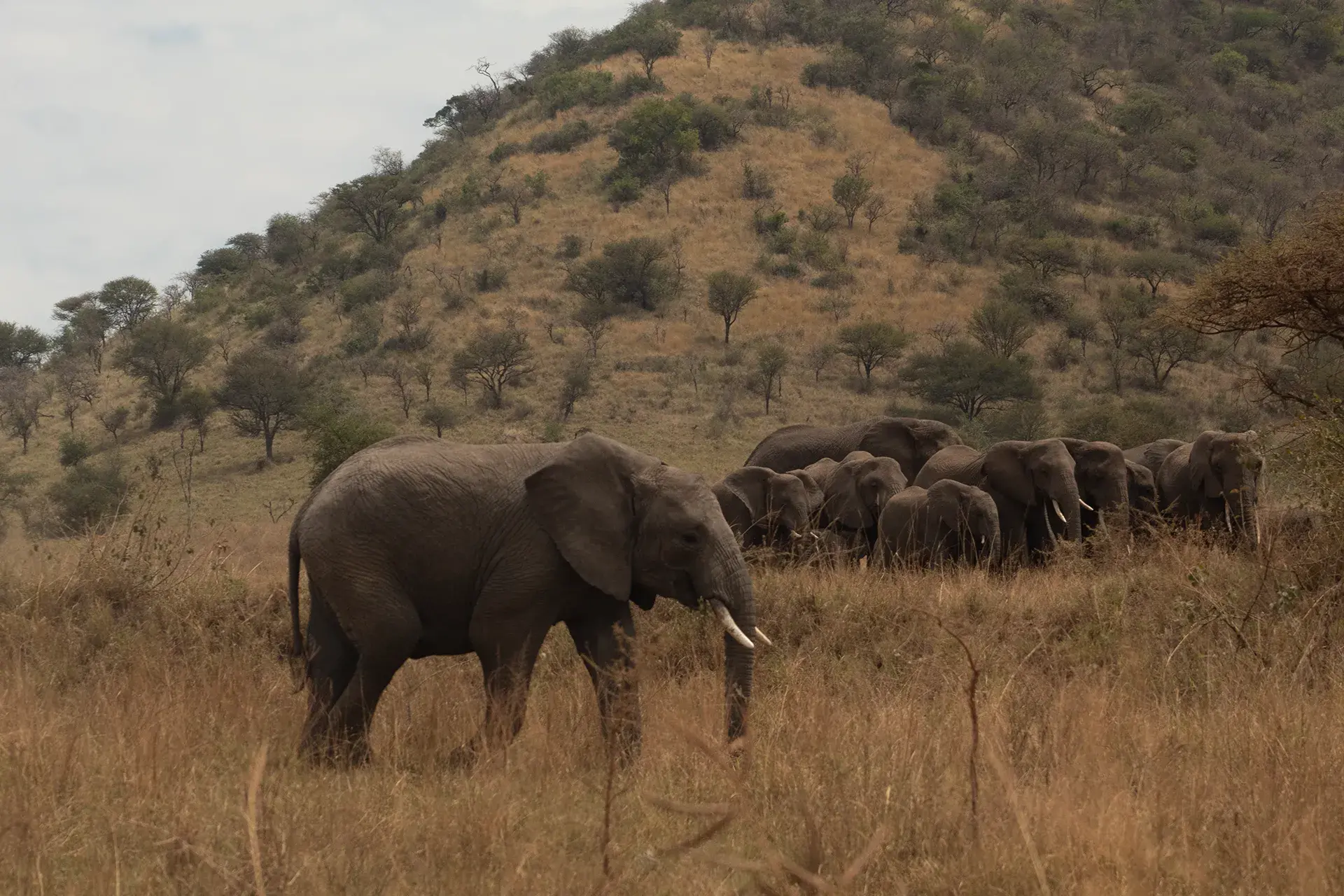
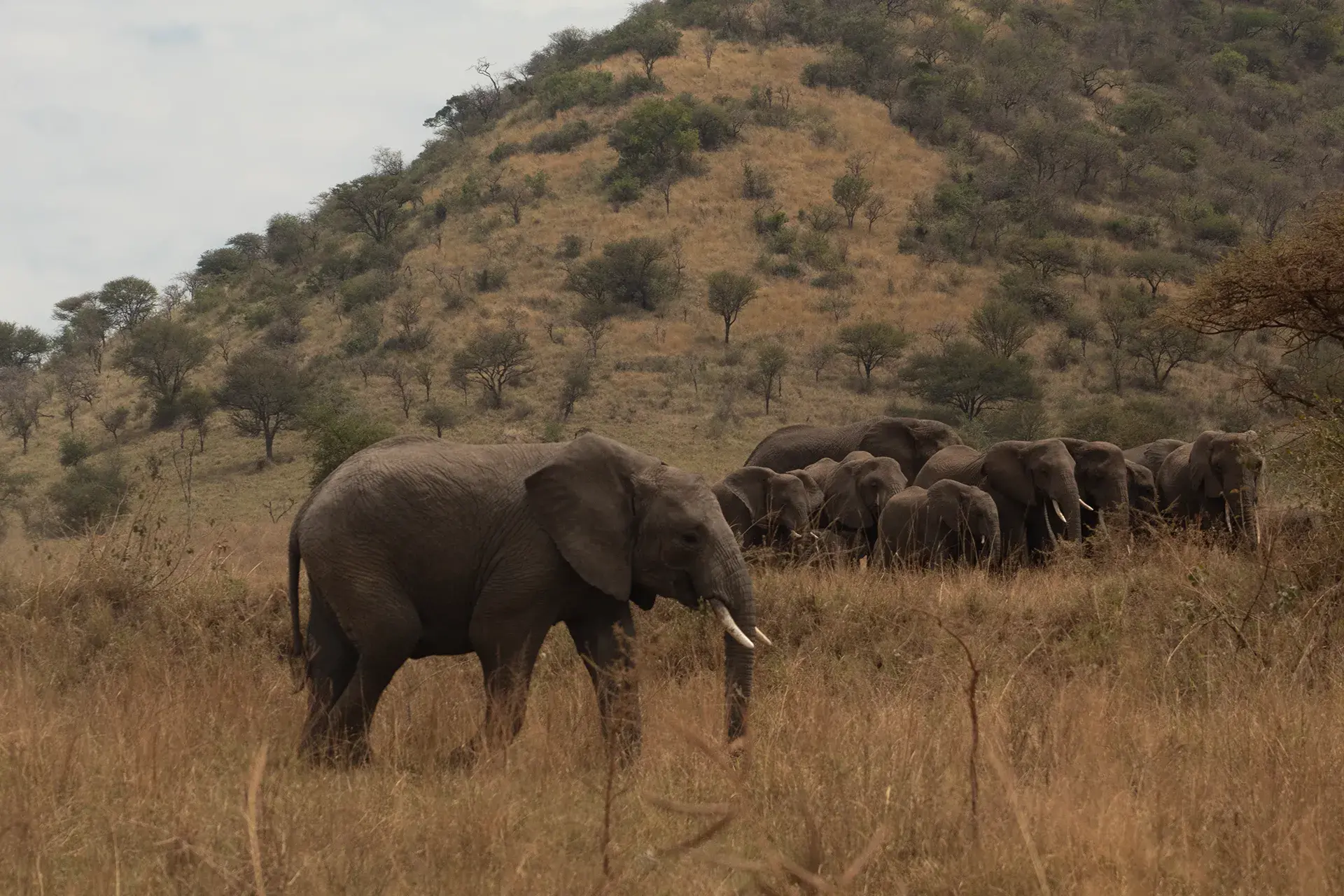
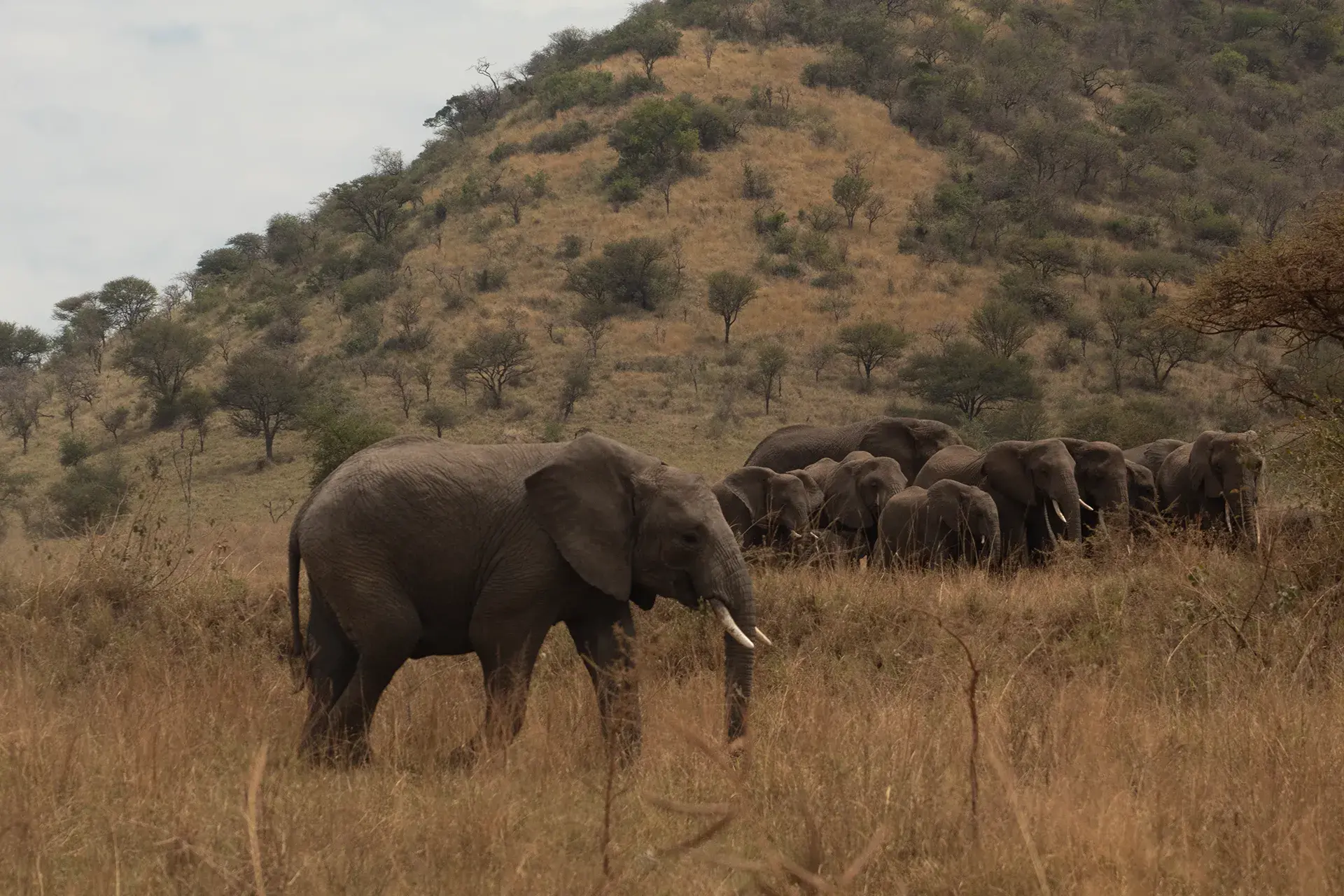
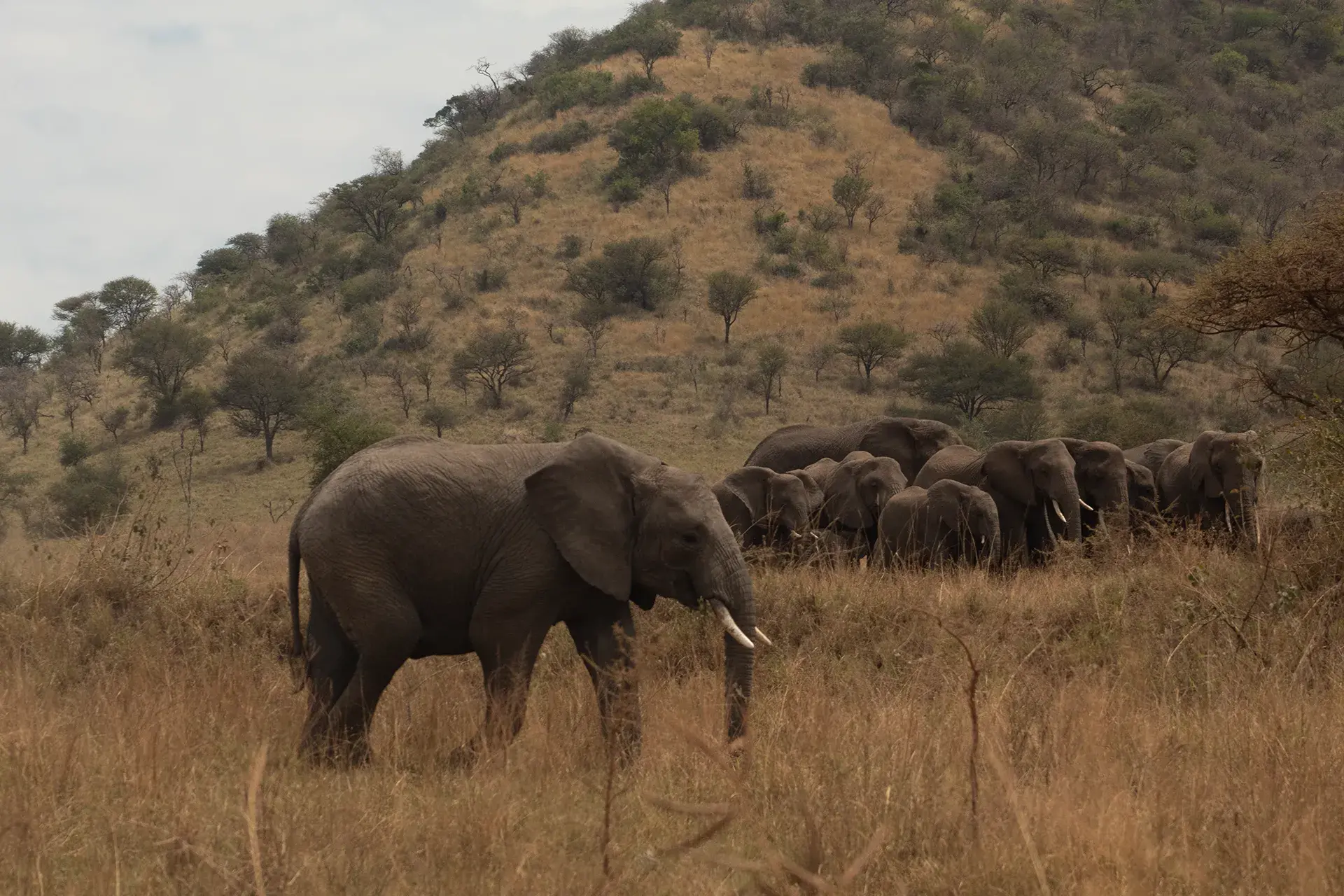
Le parc national de Tarangire accueille l'un des événements annuels les plus spectaculaires d'Afrique pendant la saison sèche : hundreds of elephants converge on the Tarangire River é Afrique's fourth-largest elephant population. En octobre, le nombre d'éléphants culmine lorsque la rivière devient la dernière source d'eau fiable sur des centaines de kilomètres. Combiné avec le Serengeti et le Ngorongoro, Tarangire en octobre est l'une des grandes expériences de safari sous-estimées du continent.
Novembre et décembre é Petites pluies et saison des fêtes
Les courtes pluies de novembre apportent deux cadeaux : une observation extraordinaire des oiseaux à l'arrivée des espèces migratrices européennes et des paysages qui passent du vert poussiéreux au vert vif presque du jour au lendemain. Les deux premières semaines de décembre sont souvent considérées comme le mois le plus avantageux pour un safari en Tanzanie. Les conditions s'améliorent chaque jour, la faune est excellente sur le circuit nord et les prix sont bien en dessous de la haute saison avant le début de la hausse de Noël au milieu du mois.
Tanzanie's Key Safari Parks é Best Season by Park
Tanzanie's parks span the north, south, and west é and they don't all peak at the same time. Voici un petit guide de la meilleure saison pour chacune des principales destinations de safari.

Excellent year-round. Mara River crossings peak JulyéSeptember (northern Serengeti). Calving season peaks JanuaryéFebruary (Ndutu, southern Serengeti). Avoid ApriléMay for road conditions.
L'écosystème fermé du cratère garantit la faune quelle que soit la saison. Cinq grands including endangered black rhino. Wet season can bring mist to the crater rim é but the atmosphere is extraordinary. À éviter en haute saison pour les foules.
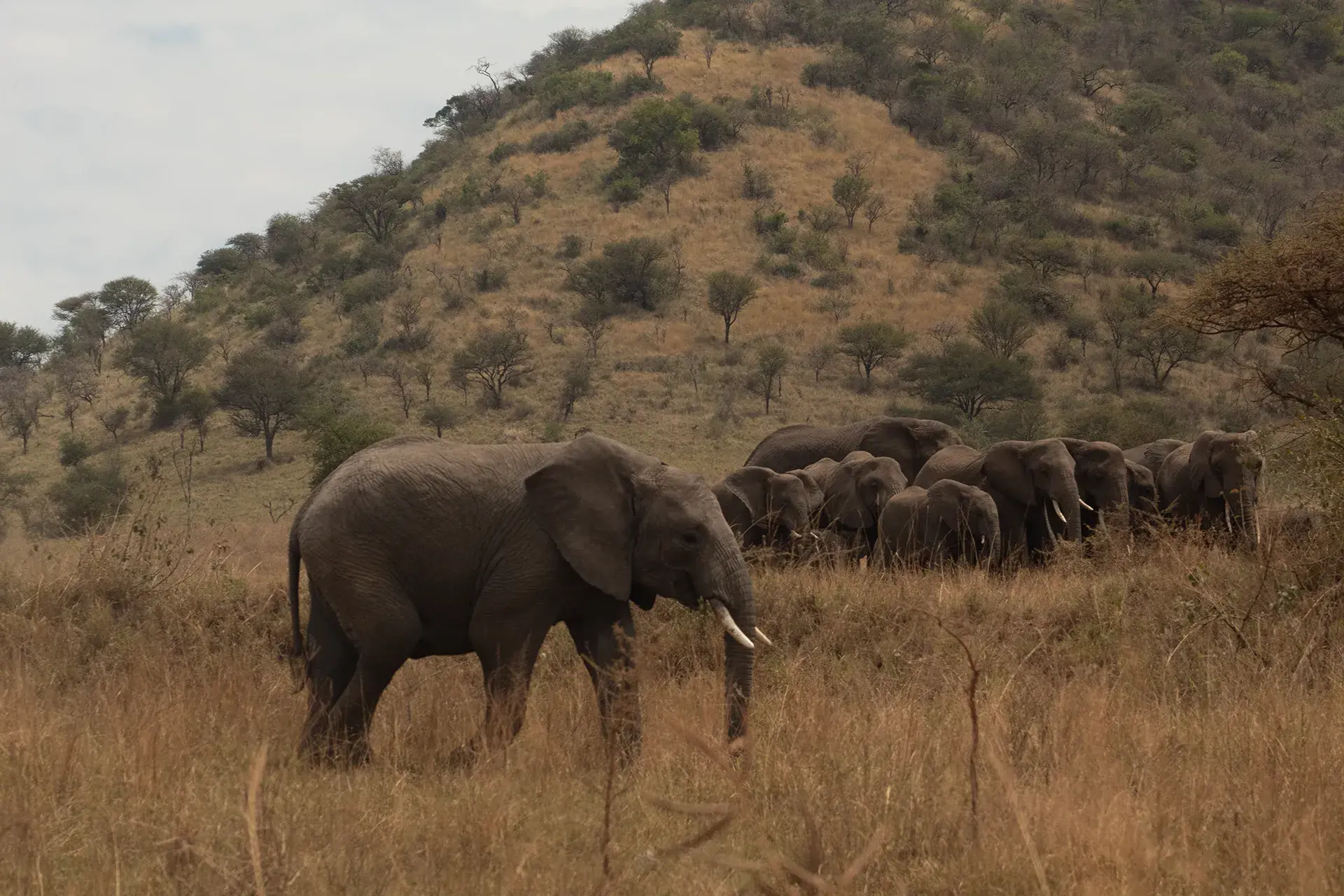
Accueil to Afrique's fourth-largest elephant population. Culmine considérablement pendant la saison sèche, lorsque des centaines d'éléphants se rassemblent sur la rivière Tarangire. Également célèbre pour ses baobabs géants et ses pythons grimpeurs d'arbres. Quieter and less visited than the Serengeti é a rewarding addition to any northern circuit voyage.
Célèbre pour ses lions grimpant aux arbres, ses flamants roses et son écosystème d'une diversité saisissante comprimé entre le mur de la vallée du Rift et le lac soda. Les flamants roses et les oiseaux migrateurs arrivent en plus grand nombre pendant la saison des pluies. La faune résidente (éléphant, hippopotame, babouin) est excellente toute l'année.
Tanzanie's largest national park and one of Afrique's most underrated wilderness destinations. Superb lion prides é sometimes 20+ strong é hunt along the Great Ruaha River. Des troupeaux massifs d'éléphants et de buffles. Très peu d'autres visiteurs même en haute saison. Inaccessible in heavy rains.
L'une des plus grandes réserves de chasse d'Afrique. Célèbre pour ses safaris en bateau sur la rivière Rufiji, ses rencontres extraordinaires avec des hippopotames, des crocodiles et des éléphants au bord de l'eau. Meutes de chiens sauvages. Certaines parties du parc sont inaccessibles lors de longues pluies. L'expérience du safari en bateau est unique en Tanzanie.
Comparaison complète des safaris mois par mois
| Month | Faune | Migration Highlight | Rainfall | Crowds | Prix |
|---|---|---|---|---|---|
| January | Excellent | Calving season begins é Ndutu | Low | Moderate | Mid |
| February ? | Outstanding | Calving peak é ~8,000 calves/day | Très faible | Low | Mid |
| March (early) | Bien | Herds moving north-west | Rising | Très faible | LowéMid |
| April | Challenging | Dispersed é mid-Serengeti | Heavy | Minimal | Lowest |
| May | Challenging | Moving towards Grumeti | Easing | Très faible | Lowest |
| June | Très bien | Traversées de la rivière Grumeti | Low | Moderate | High |
| July ? | Outstanding | Début des traversées de la rivière Mara | Minimal | Très élevé | Highest |
| August ? | Outstanding | Mara crossings é peak drama | Minimal | Très élevé | Highest |
| September ? | Outstanding | Les traversées de Mara continuent (N. Serengeti) | Très faible | Moderate | High |
| October ? | Excellent | Herds returning south; Tarangire peaks | Low | Low | MidéHigh |
| November | Bien | Central Serengeti é moving south | Moderate | Low | LowéMid |
| December (mid+) | GoodéVery Good | Herds reaching southern plains | Tapering | ModéHigh | Mid |
| ? = Top recommended months for a Tanzanie safari in 2026. Migration timing is approximate é herds follow the rains. | |||||
- Juillet et août (pointe) : Réserver 9é12 months in advance. Les camps premium et les spots de concession pour la traversée de rivières se vendent en octobre de l'année précédente.
- Juin et septembre : Réserver 6é8 months ahead for best camp selection and rates.
- Janvier et février (saison de mise bas) : Réserver 4é6 months ahead. Growing in popularity é the best Ndutu camps fill early.
- Octobre et novembre : Réserver 3é5 months ahead. Bonne disponibilité mais les meilleurs lodges se remplissent encore pour la saison intermédiaire.
- Avril et mai (longues pluies) : Often bookable 4é8 weeks ahead. Many camps offer last-minute green season rates.
Questions fréquemment posées
Les meilleurs mois globaux sont Juillet, août, septembre et février. July and August offer peak dry-season wildlife viewing and the Mara River crossings of the Grande migration. September delivers identical conditions with notably fewer crowds é many guides name it their favourite month. Février offre le spectacle extraordinaire de la saison des mises bas avec une intense activité de prédateurs et une fraction de visiteurs en haute saison. Octobre est un excellent choix sous-estimé avec de superbes observations d'éléphants de Tarangire et des parcs vides.
La Grande Migration est un mouvement circulaire qui dure toute l’année. Les principaux points saillants comprennent calving season (JanuaryéFebruary) dans les plaines du sud du Serengeti autour de Ndutu ; le Grumeti River crossings (MayéJune) dans le couloir ouest ; et le iconic Mara River crossings (JulyéOctober) in the northern Serengeti near the Kenya border. À partir de November, herds travel south back toward the short-grass plains. The exact timing of river crossings varies by year depending on rainfall patterns é a knowledgeable local guide is essential.
Oui, avec les bonnes attentes. La saison verte (de novembre à mars, hors les longues pluies d'avril à mai) offre des paysages luxuriants, une observation exceptionnelle des oiseaux avec des espèces migratrices, le spectacle de la saison des mises bas en janvier et février, une affluence bien moindre et des prix d'hébergement jusqu'à 40 % inférieurs. La végétation dense peut rendre plus difficile la détection de certaines espèces, et certaines routes du sud et de l'ouest du parc deviennent impraticables en avril-mai. Pour les photographes, les ornithologues amateurs et les voyageurs qui préfèrent la solitude, la saison verte est souvent préférée à la haute saison.
Le Serengeti et cratère du Ngorongoro are excellent year-round. Tarangire peaks JulyéOctober with massive elephant concentrations. Ruaha et Nyerere (Selous) sont meilleures à partir de juin-octobre et deviennent partiellement inaccessibles lors des longues pluies. Lake Manyara offre une faune exceptionnelle toute l'année, mais est particulièrement enrichissant pour l'observation des flamants roses et des oiseaux migrateurs pendant la saison des pluies. Pour les nouveaux visiteurs, le circuit nord (Serengeti + Ngorongoro + Tarangire) est l'option la plus fiable en toute saison.
Avril et mai sont les mois les moins chers, avec de nombreux lodges proposant 20é40% discounts pendant les longues pluies. Début novembre offre également des tarifs plus bas en tant que mois intermédiaire. La meilleure valeur pour des conditions fiables et bonnes est October or JanuaryéFebruary, lorsque les prix sont modérés mais que l'observation de la faune reste excellente. Si le budget est votre principale contrainte, début novembre offre des conditions décentes à des prix hors pointe. Les courtes pluies perturbent rarement de manière significative les safaris matinaux.
Absolutely é this is one of Afrique's classic voyage combinations. The ideal pairing window is JuneéOctober, lorsque le nord du Serengeti offre une action migratoire et que le temps de Zanzibar est le plus sec et le plus agréable. JanuaryéFebruary fonctionne également bien lors d'un safari pendant la saison de vêlage associé à un temps chaud et clair sur la plage de Zanzibar. Évitez ApriléMay pour Zanzibar si vous envisagez de faire de la plongée avec tuba ou de la plongée, car les longues pluies réduisent la visibilité de l'eau autour des îles. La structure typique est de 5 à 7 nuits en safari suivi de 3 à 5 nuits à Zanzibar.
Planifiez votre safari en Tanzanie
Whether you want to watch a river crossing from a private riverbank camp, witness the calving season in a near-empty Ndutu, or track lions across Ruaha's wild southern wilderness é we'll build the itinerary around your dates, interests, and budget.
Get a Free Safari Quote Add Kilimanjaro ?