


De Grote Afrikaan Symphony
Zeven dagen. Drie legendarische parken. Eén compleet Afrikaans natuurverhaal van de olifantenkoninkrijken van Tarangire tot de eindeloze Serengeti-vlaktes en de levende krater van Ngorongoro.
Zeven dagen. Drie bewegingen. De Grote Afrikaanse Symfonie | Tanzania Reizen met Haven Trails…
Sommige reizen blijven je voor altijd bij. De Grote Afrikaanse Symfonie is er één van. In zeven dagen over het legendarische noordelijke circuit van Tanzania reis je door drie van de meest wilde ecosystemen ter wereld, allemaal verschillend, elk voortbouwend op de laatste, elk onmogelijk te vergeten. Als de bewegingen van een grote symfonie ontvouwt deze wildreis zich van de intieme openingsnoten van Tarangire tot het donderende crescendo van de Serengeti en de ontzagwekkende finale van Ngorongoro's oude krater.
Het begint in Tarangire Nationaal Park, een landschap dat nergens anders op aarde te vinden is. Oude baobabbomen, waarvan sommige meer dan duizend jaar oud zijn, rijzen op uit gouden graslanden als de zuilen van een natuurlijke kathedraal. De Tarangire-rivier, de enige permanente waterbron over honderden kilometers heen, trekt alles naar zijn oevers in het droge seizoen: kuddes van honderden olifanten, leeuwentroepen die jagen in het rivierbos, enorme zwermen vogels en zeldzame soorten die nergens anders in het noorden van Tanzania voorkomen. Tarangire is het best bewaarde geheim van Tanzania en een van Afrika's meest intieme natuurervaringen.
Vanuit Tarangire steek je de Serengeti Nationaal Park e Afrika's beroemdste wildernis en een van de zeven natuurwonderen van de wereld. De naam komt van het Masaï-woord 'Siringet' dat 'het land dat eeuwig doorloopt' betekent. Als je op de open vlakte staat en in alle richtingen naar de horizon kijkt, begrijp je meteen waarom. Dit is waar de Geweldige migratie zich in realtime afspeelt: een constante, eeuwenoude cyclus van 1,5 tot 2 miljoen gnoes, 500.000 zebra's en 250.000 Thomson's gazelles die de regen volgen over 30.000 vierkante kilometer open savanne. Dit is ook het belangrijkste territorium. Leeuwen, luipaarden, olifanten, buffels en de ongrijpbare cheetah worden regelmatig aangetroffen in de Seronera-vallei.
De symfonie heeft zijn finale bereikt op de Ngorongoro-krater, een UNESCO-werelderfgoedlocatie en een van de grootste natuurspektakels op aarde. De Ngorongoro-krater, gevormd toen een enorme oude vulkaan drie miljoen jaar geleden instortte, is 's werelds grootste intacte vulkanische caldera: 600 meter diep, 19 kilometer breed en de thuisbasis van ongeveer 25.000 grote zoogdieren in een op zichzelf staand ecosysteem. Leeuwen zwerven in grote troepen door de kraterbodem. Kuddes olifanten trekken door het bos. Buffels verzamelen zich met duizenden in de graslanden. En in Lake Magadi verzamelen roze flamingo's zich in glinsterende roze wolken. Het meest opmerkelijke is dat dit een van de laatste plekken op aarde is waar je op betrouwbare wijze de ernstig bedreigde zwarte neushoorn in het wild kunt zien.
Drie bewegingen van de Symphony
Tarangire Nationaal Park en het Olifantenkoninkrijk
De magnifieke baobab-wildernis van Tanzania, waar duizenden kuddes olifanten lopen en eeuwenoude bomen verhalen vertellen die ouder zijn dan de beschaving.
Tarangire, opgericht als wildreservaat in 1957 en opgewaardeerd tot een nationaal park in 1970, is het zesde grootste park van Tanzania en misschien wel het meest onderschatte park. Terwijl de Serengeti de glamour claimt en Ngorongoro de grootsheid, biedt Tarangire iets zeldzamer: echte intimiteit met dieren in het wild op een schaal die je nog steeds de adem beneemt. Dit is boven alles een olifantenland. Tijdens het droge seizoen (juni-november) komen dagelijks kuddes van wel 300 olifanten samen op de Tarangire-rivier, de enige permanente waterbron over honderden kilometers heen. Je ziet ze drinken, baden en socialiseren in de schaduw van duizend jaar oude baobabs. De scène is elementair. Bijbels. Onvergetelijk.
Maar Tarangire is veel meer dan olifanten. Het Silale-moeras, een uitgestrekt seizoensgebonden moerasgebied in de zuidelijke sector van het park, herbergt bijzondere dieren in het wild: leeuwentroepen, buffelkuddes en af en toe waarnemingen van de zeldzame Afrikaanse wilde hond. Het Lemiyon-circuit in het noorden biedt klassieke savanne-wildreis's met giraffen, zebra's, impala's en Grant's gazellen die door acaciabossen bewegen. Het park is ook de thuisbasis van de zeldzaamste drooglandantilopen van Tanzania: de oryx met franjeoren en de langnekkige gerenoek, twee soorten die vrijwel nergens anders in het noorden van Tanzania te zien zijn.
Serengeti Nationaal Park en de vlaktes
Afrika's most iconic wilderness e where the Geweldige migratie plays out in real time and the Grote vijf roam across 14,763 square kilometres of endless open savannah.
Het oudste en grootste nationale park van Tanzania, de Serengeti, werd in 1981 uitgeroepen tot UNESCO-werelderfgoed. De naam is afgeleid van het Masaï-woord "Siringet" e dat "het land dat eeuwig voortduurt" betekent e en de uitgestrekte, vlakke, boomloze vlaktes die zich tot aan elke horizon uitstrekken, zorgen ervoor dat de naam aanvoelt als de letterlijke waarheid. De Serengeti is de locatie van de Grote Wildebeest-migratie: de grootste landmigratie van zoogdieren op aarde, waarbij 1,5 tot 2 miljoen gnoes, 500.000 zebra's en 250.000 Thomson's gazelles betrokken zijn in een ononderbroken lus van 800 kilometer, aangedreven door de regen. Afhankelijk van de tijd van het jaar dat je er bent, ben je getuige van verschillende bewegingen: het afkalfseizoen in januari en maart in het Ndutu-gebied, de dramatische migratie in april en juni naar het noorden, of de spectaculaire rivierovergangen in juli en oktober bij de Mara-rivier in het noorden.
Maar de Serengeti is het hele jaar door prachtig. De Seronera-vallei in de centrale Serengeti is een van de beste plekken in Afrika om roofdieren te zien: leeuwen die in worstbomen rusten, cheeta's die de open vlaktes afspeuren vanaf termietenheuvels, luipaarden gedrapeerd over acaciatakken met verse prooien. De Serengeti ondersteunt ook 's werelds grootste leeuwenpopulatie, geschat op meer dan 3.000 individuen in het hele ecosysteem. Terwijl je voor je geestesoog over de vlakten loopt, de zebra's naar de horizon ziet verspreiden en een hyena-clan in de schemering hoort gieren, begrijp je waarom dit een van de zeven natuurwonderen van de wereld wordt genoemd.
Ngorongoro-krater en de levende caldera
De grootste intacte vulkanische caldera ter wereld is een op zichzelf staand ecosysteem van 600 meter diep en 19 kilometer breed, met 25.000 dieren binnen de oude muren.
Drie miljoen jaar geleden stortte een vulkaan groter dan de Kilimanjaro in zichzelf in, waardoor de Ngorongoro Caldera ontstond, een natuurlijke omheining van buitengewone proporties. De kraterwanden rijzen 600 meter boven de vloer, waardoor een op zichzelf staand ecosysteem ontstaat dat nergens anders op aarde te vinden is. Binnen deze oude vulkanische muren leven ongeveer 25.000 grote zoogdieren in een evenwichtige, het hele jaar door aanwezige populatie, een van de hoogste dichtheden aan wilde dieren per vierkante kilometer waar dan ook op het Afrikaanse continent. Omdat er overvloedig water is en het hele jaar door gras op de kraterbodem, gaan de meeste dieren nooit weg. Dit creëert een ontmoeting met dieren in het wild van een ongeëvenaarde intensiteit: tijdens een enkele kraterrit van een hele dag is het niet ongebruikelijk om alle Grote Vijf, kuddes olifanten, duizenden gnoes en zebra's, meerdere leeuwentroepen en honderden flamingo's op Lake Magadi te zien.
De Ngorongoro-krater is ook een van de laatste betrouwbare plekken op aarde waar je de ernstig bedreigde zwarte neushoorn in het wild kunt zien. De zwarte neushoornpopulatie in Tanzania werd in de jaren zeventig en tachtig verwoest door stroperij; Tegenwoordig beschermt de Ngorongoro-krater een van de laatste stabiele populaties van het land, bestaande uit ongeveer 26 individuen. Het zien van een enorm gebouwde, eeuwenoud ogende, onmogelijk zeldzame e is een van de meest ontroerende natuurervaringen in Afrika. Een opmerkelijke afwezigheid in de krater is de giraffe, die nooit van de rand afdaalde, hoewel Masaï-vee het land deelt met de wilde dieren, een herinnering dat het Ngorongoro Conservation Area op unieke wijze wordt beheerd voor zowel de wilde dieren als de oorspronkelijke menselijke bewoners.
Wanneer Go
De Grote Afrikaanse Symfonie-wildreis is het hele jaar door uitzonderlijk. Elk seizoen biedt een aparte ervaring. oppervlakkig vindt u een gids voor elke periode in de drie parken waardevol.
Momenten die dat wel zullen doen Blijf voor altijd bij je
Watch 200e300 elephants converge on the Tarangire River beneath 1,000-year-old baobabs e one of Afrika's most concentrated Dieren in het wild spectacles. Een scène die de tijd volledig stilzet.
Ten thousand wildebeest arrive at the Mara River bank in silence e then plunge in a deafening explosion of chaos, courage, and crocodiles. Niets op aarde bereidt je voor om er live getuige van te zijn.
On the Ngorongoro Krater floor e 304 kme of self-contained Eden e lion, leopard, elephant, buffalo, and the critically endangered black rhino coexist at extraordinary density. All five in one unforgettable Dag.
The drive down the Krater wall e 600 metres through forest, mist, and buffalo e then emerging suddenly onto the ancient floor. Een van de grootste dramatische aankomsten op reisgebied.
Voor zonsopgang. De vlakten in absolute duisternis. Een leeuw trots op een moord terwijl de zon goud opkomt boven Mawenzi Peak aan de horizon. Het oudste verhaal op aarde speelt zich bij het eerste licht voor je af.
Duizenden kleinere en grotere flamingo's kleuren het frisdrankmeer van Ngorongoro aan beide uiteinden roze. Hun reflecties verdubbelen in het stille water. Een kleur en compositie die bijna te mooi lijkt om waar te zijn.
Je gids parkeert onder een brede acacia, pakt de mand uit en dekt de tafel in de schaduw. Een giraffe kijkt toe vanaf 40 meter. Je luncht in een van 's werelds grootste nationale parken. Er is niets anders zoals dit.
Op een hoogte van 1.500 meter, zonder lichtvervuiling, is de Serengeti-hemel een van de meest verbazingwekkende sterren op aarde die zo dicht zijn dat ze schaduwen kunnen werpen; de Melkweg brandt boven je hoofd en hyena's roepen de duisternis rond het kamp op.
De Reisplan
1
Aankomst in Arusha en de ouverture begint
Je avontuur begint op het moment dat je uit het vliegtuig stapt op de Kilimanjaro Internationale luchthaven (JRO), genesteld tussen twee van Afrika's grootste bergen, de Kilimanjaro en Meru, en een van de meest suggestieve aankomsten van het continent. Uw Havenpaden-vertegenwoordiger wacht in de aankomsthal met een bord met uw naam en een warme handdruk, een Swahili "Karibu Tanzania!" (Welkom in Tanzania!), en het avontuur begint. De rit van 45 minuten naar Arusha slingert door de Usa-rivier, langs rode laterietwegen, bananenstalletjes langs de weg, Masaï-herders in rode shuka's die vee verplaatsen met een rust die tot een andere eeuw behoort, en op heldere dagen de met sneeuw bedekte top van de Kilimanjaro die onmogelijk boven de wolken uitsteekt in het zuidoosten.
Arusha is het kloppende hart van de Tanzaniaanse wildreis-industrie en een levendige stad met 1,5 miljoen inwoners die dient als toegangspoort tot Afrika's grootste natuurbestemmingen. Na het inchecken zit uw deskundige safarigids bij u voor een uitgebreide oriëntatiebriefing onder het genot van thee of koffie. Uw gids, een natuuronderzoeker met duizenden uren in het veld, leidt u door de volledige traject, legt het gedrag van roofdieren en volgtechnieken uit, beschrijft waar u in elk park op moet letten en beantwoordt elke vraag met de diepgang van iemand die zijn leven aan deze plaatsen heeft gewijd. U inspecteert uw op maat gemaakte 4x4 Land Cruiser: uitklapbaar dak voor 360 graden onbelemmerde natuurfotografie, USB-oplaadpunten voor camera's en telefoons, een verrekijker, een koelbox gevuld met drankjes en EHBO-uitrusting. 'S Avonds organiseert Havenpaden een welkomstdiner met Tanzaniaanse nyama choma, ugali en lokaal bier naast internationale opties. Het tafelgesprek gaat onvermijdelijk over wat ons te wachten staat.
2
Arusha? Tarangire Nationaal Park? Karatu en het Olifantenrijk
Voor zonsopgang klinkt het alarm en begint de echte reis. Your Land Cruiser rolls out of Arusha heading south into the Great Rift Valley e one of the most geologically significant landscapes on Earth. A 6,000-kilometre crack in the planet's crust, running from the Middle East to Mozambique, it was the corridor along which our earliest human ancestors walked out of Afrika. Je daalt de oostelijke helling af terwijl de zon opkomt, terwijl de valleibodem zich dramatisch beneden opent. Masaï settlements dot the plain; hun kenmerkende ronde boma's omgeven door hekken van doornstruiken, en door de open ramen hoorbaar veebellen.
Jij komt binnen Tarangire Nationaal Park terwijl het ochtendlicht van goud naar wit verandert. Met een oppervlakte van 2.850 km is Tarangire het zesde grootste park van Tanzania en een van de meest ondergewaardeerde parken. De Tarangire-rivier is de enige permanente waterbron in de hele regio tijdens het droge seizoen en zorgt voor een van Afrika's meest geconcentreerde natuurspektakels. Tussen juni en november trekken dagelijks kuddes olifanten van meer dan 200 tot 300 individuen naar de rivier, waarbij hun paden zich gedurende millennia 50 centimeter diep in de rode aarde hebben uitgesleten. De eeuwenoude baobabs die hen omringen, zijn zo'n duizend jaar oud en stammen met een omtrek tot wel 9 meter vormen een van de meest iconische safarilandschappen van Oost-Afrika. De gamedrive van een hele dag omvat het riviercircuit, het Lemiyon-bos (uitstekend voor de zeldzame oryx en gerenuk) en het Silale-moeras. Leeuwen, luipaarden, buffels en giraffen worden regelmatig waargenomen. Terwijl de schaduwen langer worden, verlaat u het park en rijdt u naar Karatu, een charmant hooglandstadje op 1.450 meter hoogte, gelegen in de kraterhooglanden. Koel, groen en vredig: het is de perfecte uitvalsbasis voor de afdaling van morgen naar de krater.
3
Kartu? Ngorongoro-krater en de levende caldera
Na een vroeg ontbijt in de koele Karatu-hooglanden slingert de Land Cruiser de kraterhooglanden in, door dicht bergbos en Colobus-apen die door het bladerdak boven hun hoofd bewegen. Dan houdt het bos abrupt op en sta je op de rand van de Ngorongoro-krater op 2.300 meter hoogte. Het uitzicht dat zich opent voordat je elk gesprek in het voertuig stopt: een vulkanische kom met een doorsnede van 19 tot 21 kilometer en een diepte van 600 meter, met op de vloer zoveel wilde dieren zover je kunt zien. Het werd drie miljoen jaar geleden gevormd toen een kolossale vulkaan naar binnen stortte, waardoor 's werelds grootste intacte caldera ontstond en het op zichzelf staande Eden dat binnen zijn muren leeft.
De afdalingsweg slingert steil door het bos, vaak gevuld met ochtendmist. Kaapse buffels worden regelmatig aangetroffen op de afdalingsweg zelf. Op de kratervloer rijdt je gids het volledige circuit: de Lerai Forest waar olifantsmatriarchen zich stil bewegen onder gele koortsbomen; de Hippo Pool waar meer dan 50 nijlpaarden de ondiepe wateren verdringen; Lake Magadi waar duizenden roze flamingo's zich verzamelen in glinsterende wolken; the open short-grass plains where wildebeest, zebra, and eland graze in their tens of thousands. The Krater supports 60 to 70 resident lions e sightings are near-inevitable. And then, if your Guide positions you with patience and knowledge: a black rhinoceros. One of perhaps 26 that remain in this Krater. Een van de zeldzaamste grote zoogdieren op aarde. De stilte na de waarneming duurt lang. A Krater floor picnic middagmaaltijd e buffalo grazing 30 metres away, ancient walls rising all around e is one of the great middagmaaltijd experiences on Earth.
4
Ngorongoro-rand? Serengeti Nationaal Park en de eindeloze vlaktes in
Na het ontbijt op de kraterrand, waar de caldera zich langzaam vult met ochtendlicht beneden, rijd je westwaarts door het Ngorongoro Conservation Area en passeer je Masaï-krijgers die vee hoeden, hun speren los langs hun zijkanten, totaal niet geïntimideerd door de natuur om hen heen. Deze eeuwenoude, onopgeloste en op de een of andere manier perfecte co-existentie is een van de meest ontroerende bezienswaardigheden van Tanzania. Een optionele stop bij Olduvai Gorge (Oldupai Gorge), waar Louis en Mary Leakey in de jaren vijftig 1,8 miljoen jaar oude menselijke voorouders ontdekten, duurt 45 minuten en verandert de manier waarop je het landschap voor de rest van de reis ziet.
Dan de Serengeti-grens. De wereld verandert op het moment dat je haar oversteekt. Vlakten verspreidden zich in alle richtingen: vlak, goudkleurig, boomloos, uitgestrekt onbegrijpelijk. De hemel verdubbelt in omvang. Het Masaï-woord "Siringet" en "het land dat eeuwig voortduurt" krijgt zijn volledige letterlijke betekenis. Binnen enkele minuten na binnenkomst: een cheetah op een termietenheuvel scannend met gele ogen; een familie olifanten die door acacia's beweegt; zebra's verspreiden zich met duizenden naar de horizon. De Serengeti kondigt zichzelf aan als een symfonie die zijn eerste grote crescendo bereikt. Een middag gamedrive door de Seronera-vallei brengt uw eerste Serengeti-waarnemingen in spectaculaire vorm. Vanavond slaap je in het park en val je in slaap met hyena's die gieren en een leeuw die ergens op de vlakte dondert.
5
Volledige dag Serengeti I e Predators, Plains & de Geweldige migratie
04.45 uur. Je gids tikt op de tent. De sterren op 1500 meter hoogte zijn zo dicht dat ze vage schaduwen werpen. Je kleedt je in laagjes, neemt een mok hete koffie en klimt in de Land Cruiser terwijl het dak met een hydraulisch gesis opengaat. Je rijdt stapvoets de duisternis in door een wildernis die geheel van de dieren is.
De Seronera Valley, het riviersysteem in het hart van de Serengeti, is het hele jaar door een van de meest productieve roofdiergebieden in Afrika. Permanent water, dichte oeverbossen, ideaal voor luipaarden, en de samenvloeiing van prooien maken het buitengewoon. Je gids doorkruist de vallei: controleert bij zonsopgang worstbomen op luipaarden, leest leeuwensporen van de jacht van gisteravond, speurt het gras af naar cheeta's op termietenheuvels. Het radionetwerk van gidsen deelt live waarnemingen in realtime. Een leeuwendoding uit de nacht is nog vers; twee vrouwtjes en vijf welpen voeden zich terwijl het licht toeneemt. Je kijkt 45 minuten. Dit is het oudste verhaal op aarde dat zich voor je afspeelt.
De Geweldige migratie brengt uw hele dag in positie. In juli-oktober (noordelijke Serengeti) arriveert de migratie bij de Mara-rivier en de oversteekplaatsen behoren tot de meest dramatische gebeurtenissen in de natuur: 10.000 wildebeesten arriveren bij de oever, aarzelen bij het met krokodillen gevulde water en storten zich vervolgens in een explosie van chaos waar geen enkele documentaire je op heeft voorbereid. In januari-maart (Ndutu, zuidelijk Serengeti) levert het afkalfseizoen duizenden kalveren op die gedurende geconcentreerde weken worden geboren, waarbij roofdieren op volle intensiteit jagen. Uw gids weet precies waar hij u dit seizoen moet positioneren.
6
Volledige dag Serengeti II e Kopjes, wilde honden en de vlakken op diepte
Je derde geschreven Serengeti-dageraad. Je ogen zijn inmiddels aangepast aan een andere snelheid die je instinctief karig, waarbij je hersenen vormen en beweging categoriseren die ze drie dagen geleden nog niet konden onderscheiden. Je gids merkt de verandering op en glimlacht. De ritten van vandaag gaan dieper de Serengeti in het verkennen en verkennen van gebieden die dagjesmensen nooit bereiken.
De Simba Kopjes De oude granieten ontsluitingen die als walvissen uit de vlakten oprijzen, behoren tot de oudste blootliggende rotsen op aarde, die meer dan 600 miljoen jaar geleden zijn verweerd. Leeuwen gebruiken ze als verhoogde uitkijkposten; luipaarden bewaren moorden in hun spleten; Agama-hagedissen schijnen scharlakenrood in de zon. Je gids parkeert onder een kopje terwijl een troep van acht leeuwen loungen in de ochtendwarmte, terwijl welpen worstelen terwijl volwassenen toekijken met het onbewogen geduld van wezens die weten dat zij de aarde bezitten. Vandaag brengt mogelijk ook een van Afrika's zeldzaamste waarnemingen met zich mee: de Afrikaanse wilde hond is nog maar zo'n 6000 keer op het continent overgebleven en wordt af en toe gevolgd door de westelijke Serengeti. Het zien van een roedeljacht met een snelheid van 50 km/u in perfect gecoördineerde achtervolging is een ervaring die elke ervaren safariganger tot stilte brengt.
Een picknicklunch in de bush onder een brede acacia en een giraffe die vanaf 40 meter toekijkt, een kudde zebra's die vlakbij graast, is een van de grootste geneugten van de Serengeti. De fotorit in de middag richt zich op het gouden uurlicht dat het landschap transformeert: hoog gras met achtergrondverlichting, silhouetten tegen de brandende lucht, lange acaciaschaduwen over de rode aarde. Vanavond je laatste diner in de Serengeti, onder een hemel zo vol sterren dat het onmogelijk lijkt.
7
Serengeti? Arusha en de laatste beweging
Je laatste Serengeti-dageraad. De wekker gaat nog een laatste keer en je stapt naar buiten met een vreemde mengeling van verwachting en verdriet, je ervan bewust dat dit de laatste ochtend is, vastbesloten om er volledig aan te voldoen. De Land Cruiser beweegt zich door het net lichter wordende landschap. Misschien wordt er een leeuwenfamilie gevonden bij het doden van zebra's terwijl het licht goud wordt. Misschien staat er een paar vossen met grote oren in het gras, met hun enorme oren die geluiden opvangen die geen mens kan horen. Misschien gewoon duizend wildebeesten die zonder aanwijsbare reden over de vlakte rennen, hun collectieve donder voelde in je borst. Wat het ook is, de Serengeti levert het. Dat doet het altijd.
Na een laatste warm ontbijt in het kamp, hartelijk afscheid van de kampploeg, en begin je aan de lange rit naar het oosten. Je keert terug naar het Ngorongoro Conservation Area, klimt door de kraterhooglanden en pauzeert misschien aan de rand voor een laatste blik op de krater beneden, zo anders nu je erin bent geweest. Je daalt af naar de bodem van de Rift Valley en gaat noord- en oostwaarts richting Arusha. Het landschap van het platteland van Tanzania ontvouwt zich: kleine boerderijen, markten langs de weg, schoolkinderen in uniformen, vrouwen die lasten op hun hoofd dragen; een herinnering dat Tanzania niet alleen zijn wildernis is, maar ook zijn inwoners, en het buitengewone feit dat een land met 65 miljoen inwoners ervoor heeft gekozen 38% van zijn land te beschermen voor de natuur.
U arriveert in de late namiddag in Arusha en op tijd voor luchthaventransfers naar Kilimanjaro Internationale luchthaven, of een extra nacht als u morgen vertrekt. Je gids vergezelt je tot het einde en vraagt al wanneer je van plan bent terug te keren. Het antwoord is vaker wel dan niet: "eerder dan ik had verwacht."
Vanaf dit punt kun je de wilde dieren van Tanzania meenemen. De Grote Afrikaanse symfonie blijkt niet. Het gaat eenvoudigweg naar een ander stadion.
Accommodatie e Uw wildreis-huis
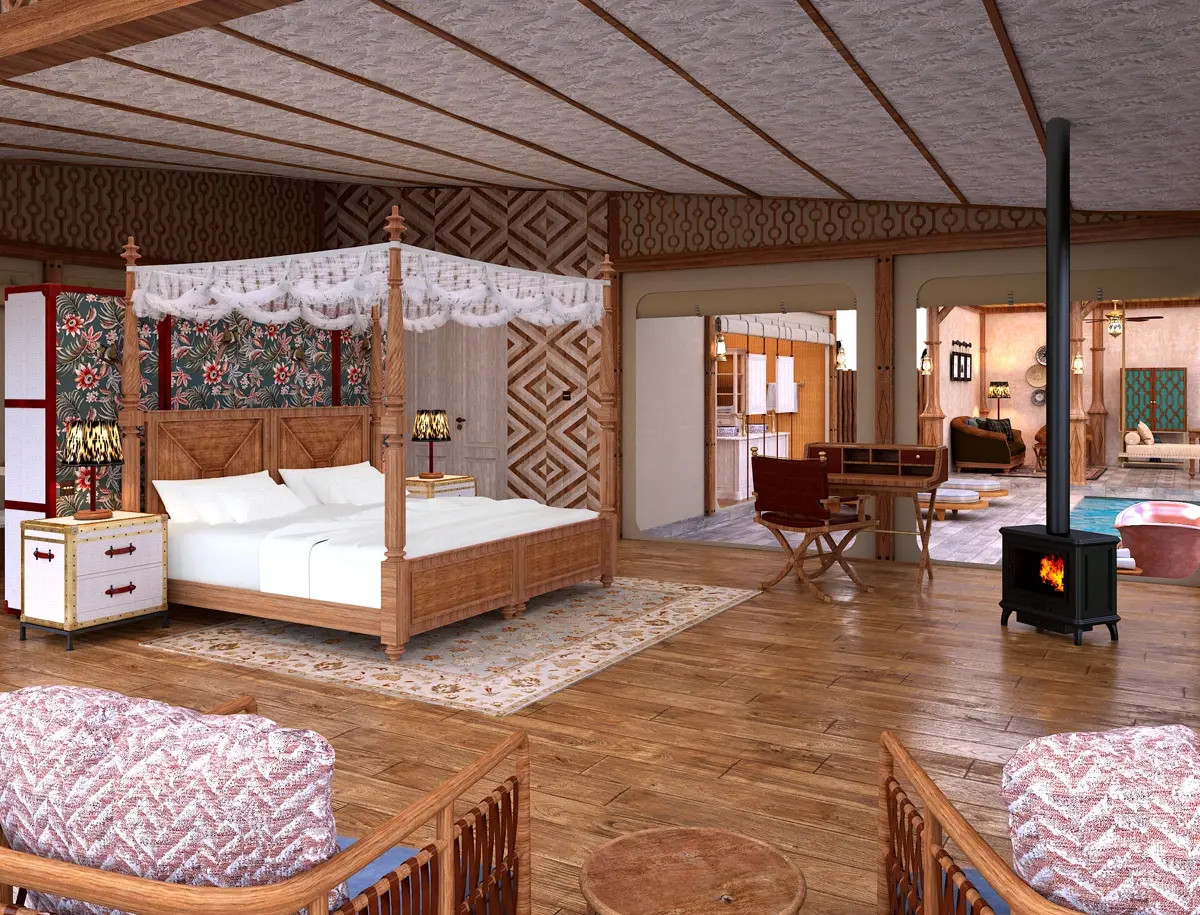
Every Nacht of this wildreis is as carefully chosen as the game drives themselves. Your Accommodatie is not just a place to sleep e it is part of the experience. We offer three fully curated tiers e Zilver, Goud, and Platina. All properties are personally vetted by Havenpaden, positioned for optimal Dieren in het wild access, and chosen for character, service, and value.
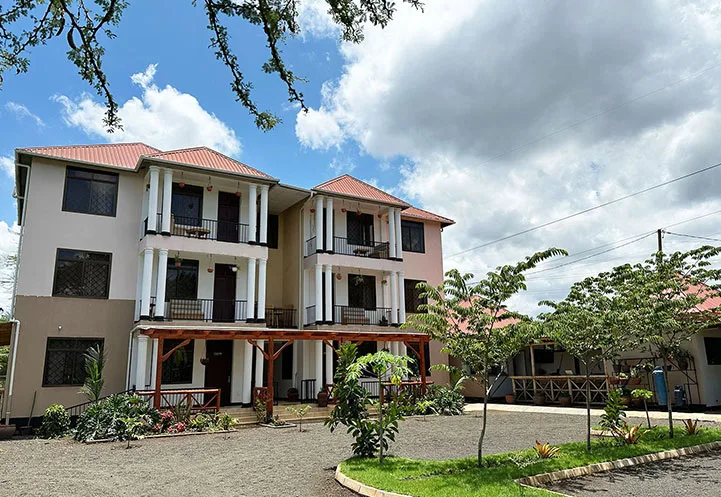
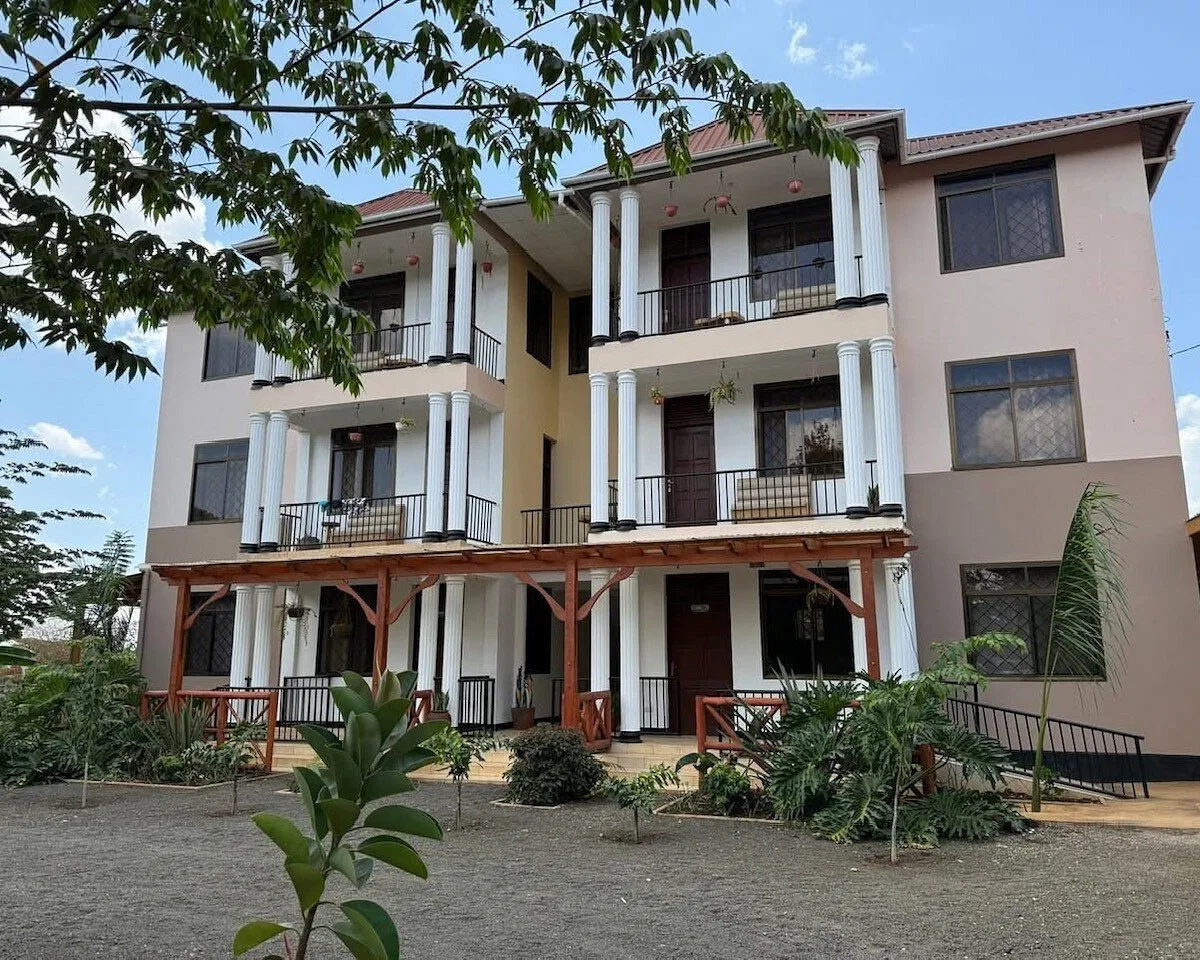

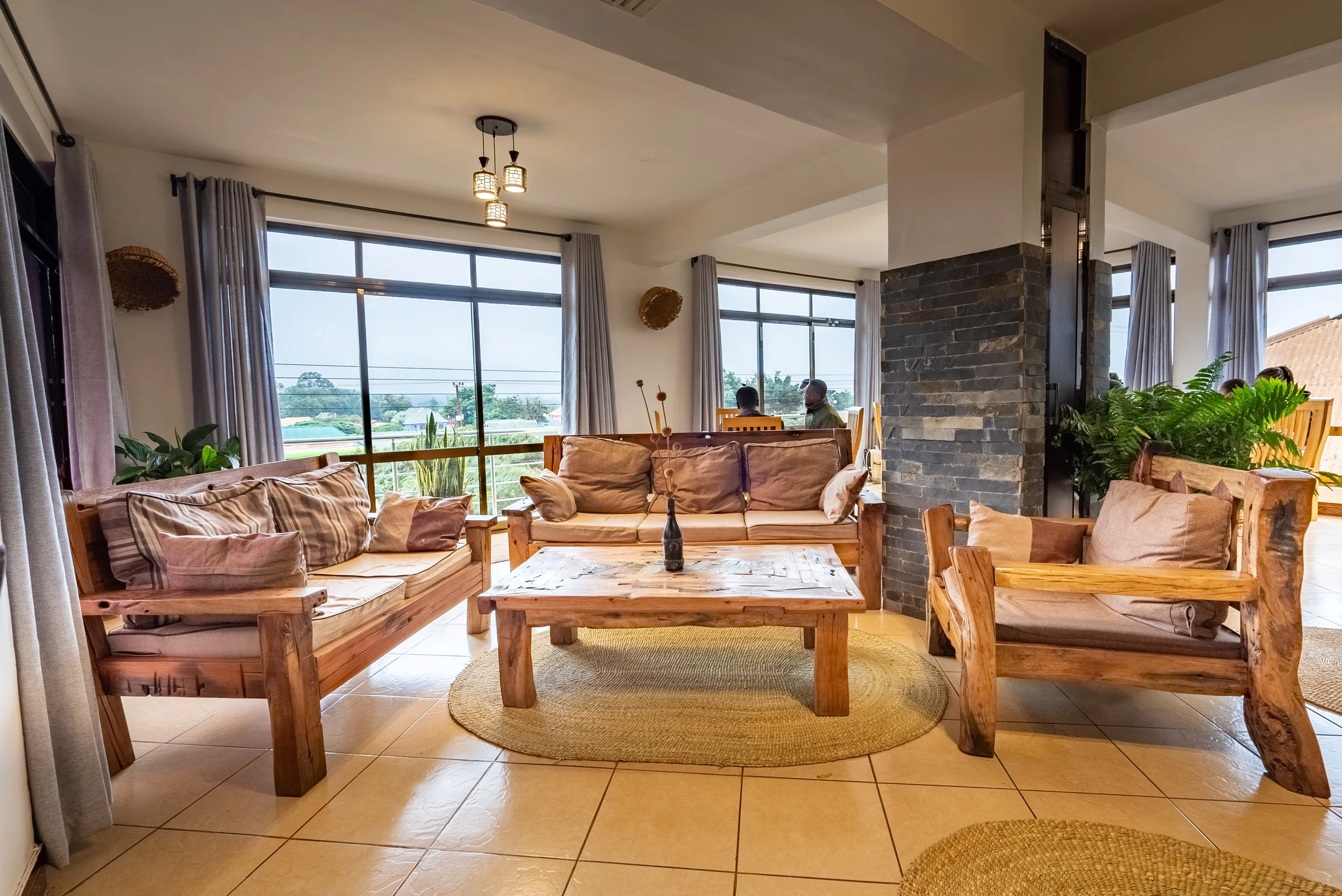
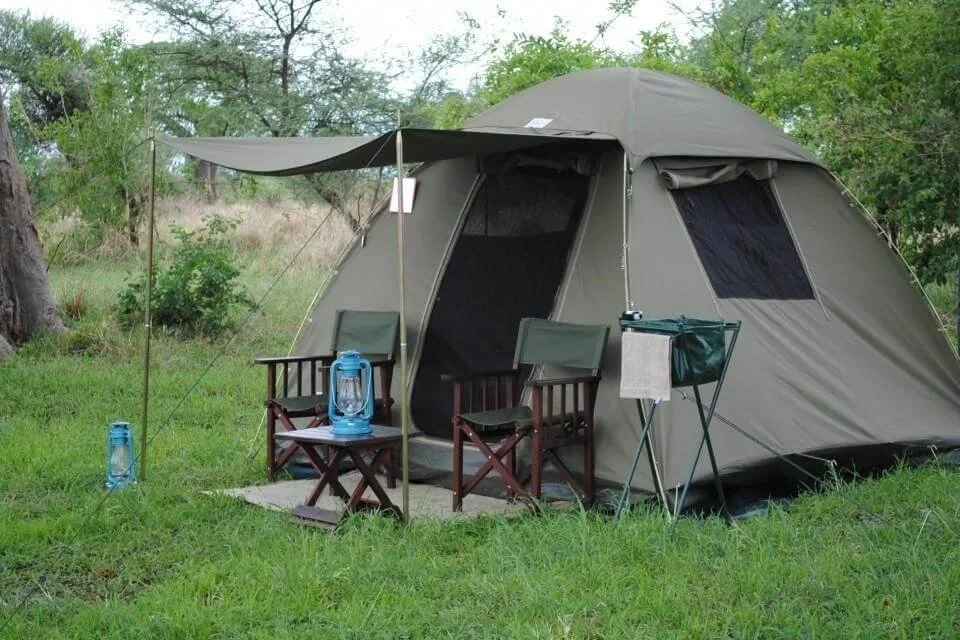
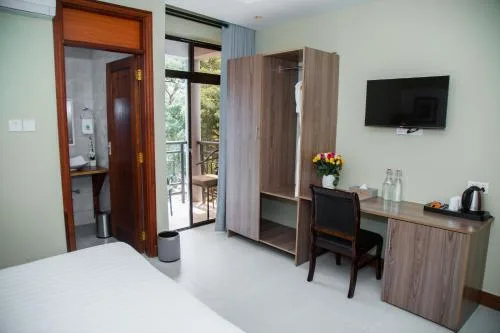
Een goed ingericht Hotel in Arusha met warme gastvrijheid, comfortabele kamers en een rustige tuinomgeving. Perfecte eerste nacht voordat de wildernis begint.
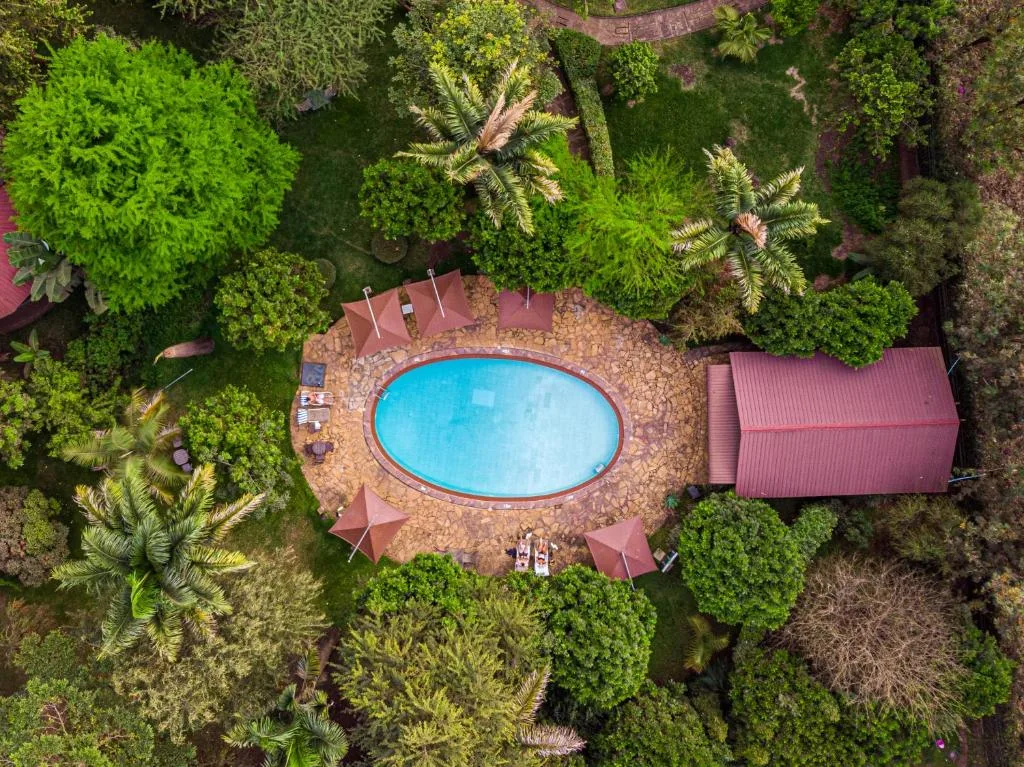
Charmante boetieklodge met aangelegde tuinen, ruime kamers en uitstekend ontbijt. Een ideale eerste nacht voordat je je in de wildernis van Tanzania waagt.
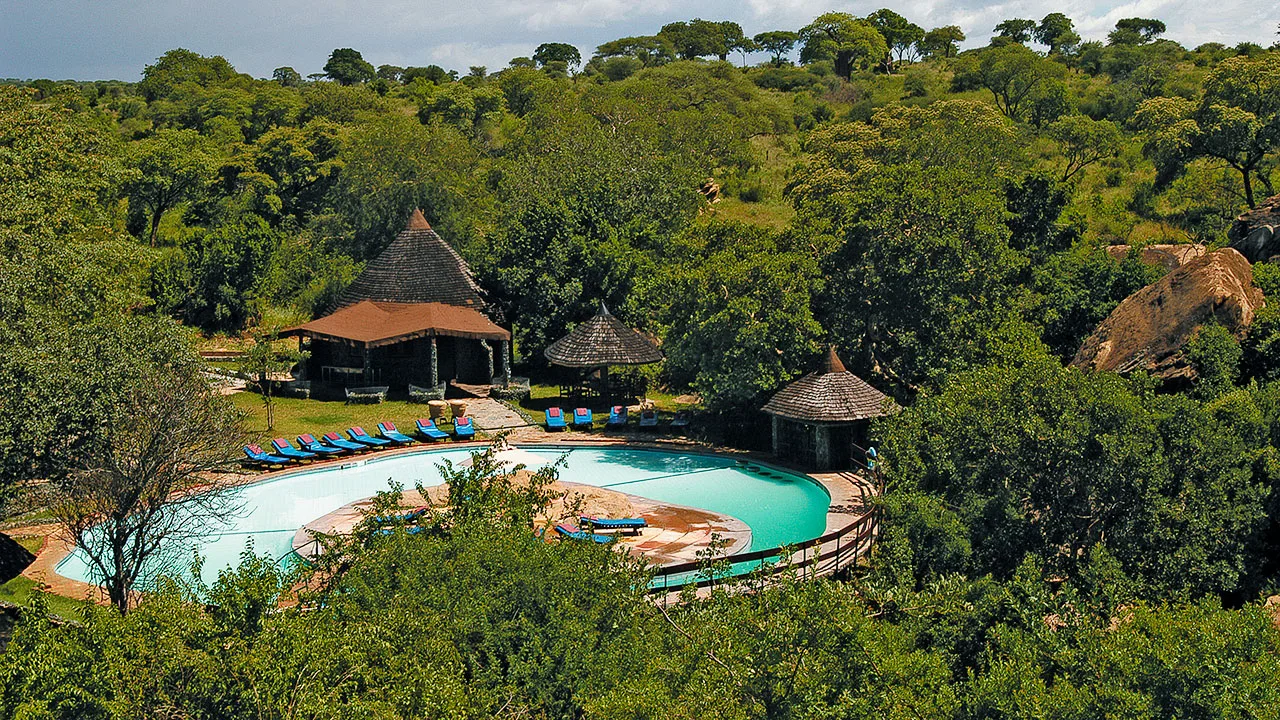
Ruime stenen huisjes in Tarangire met prachtig uitzicht op het park, een indrukwekkend overloopzwembad en directe toegang tot het olifantenrijke rivierecosysteem voor de deur.
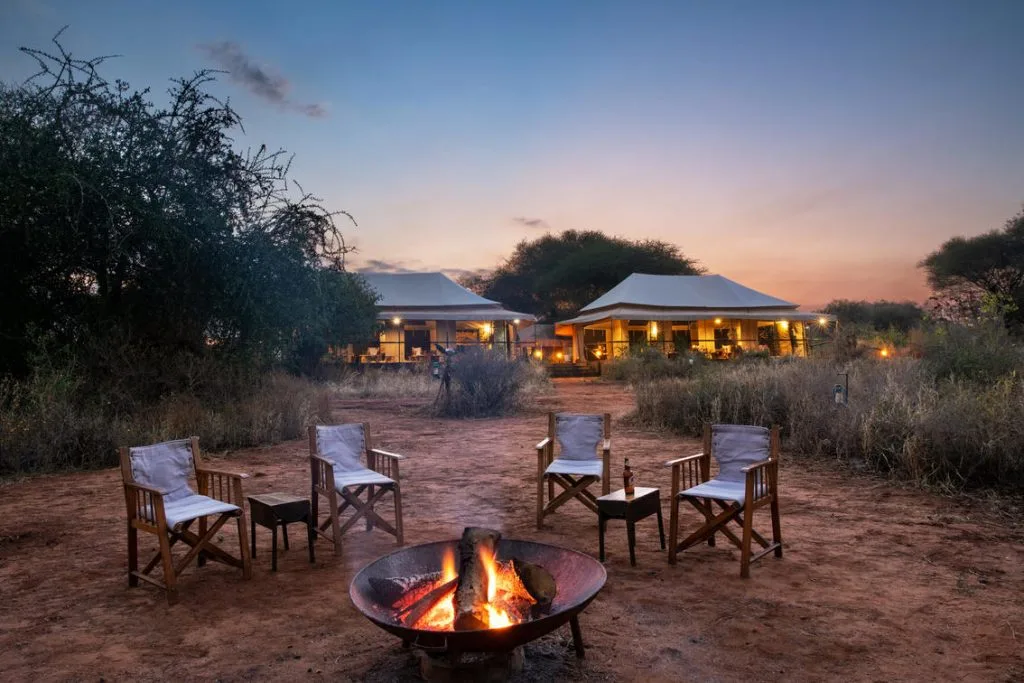
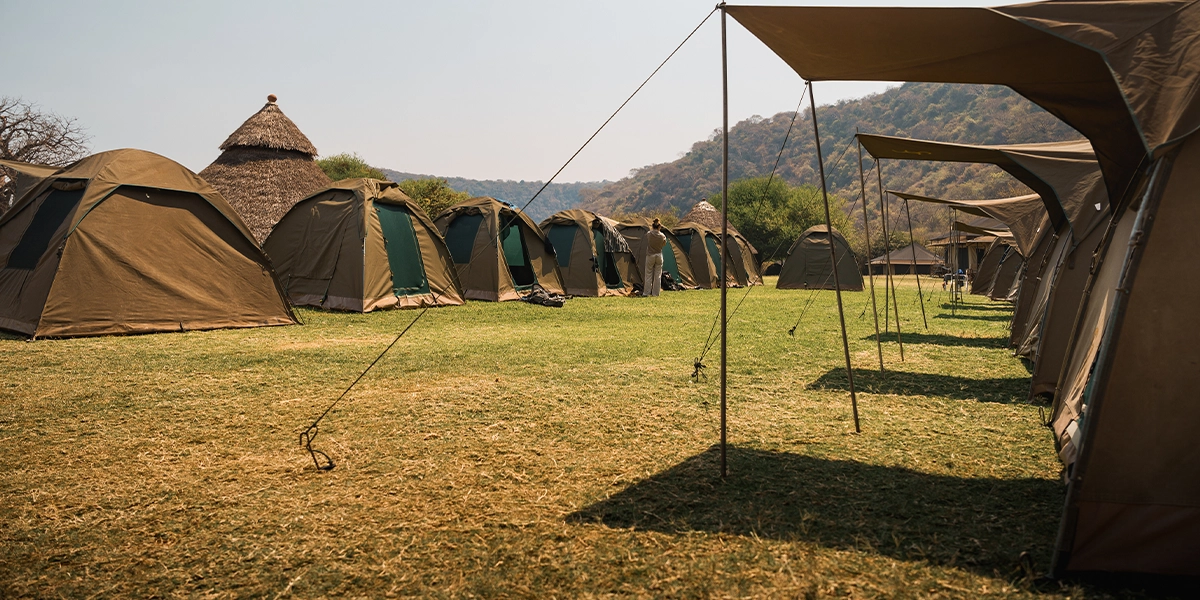
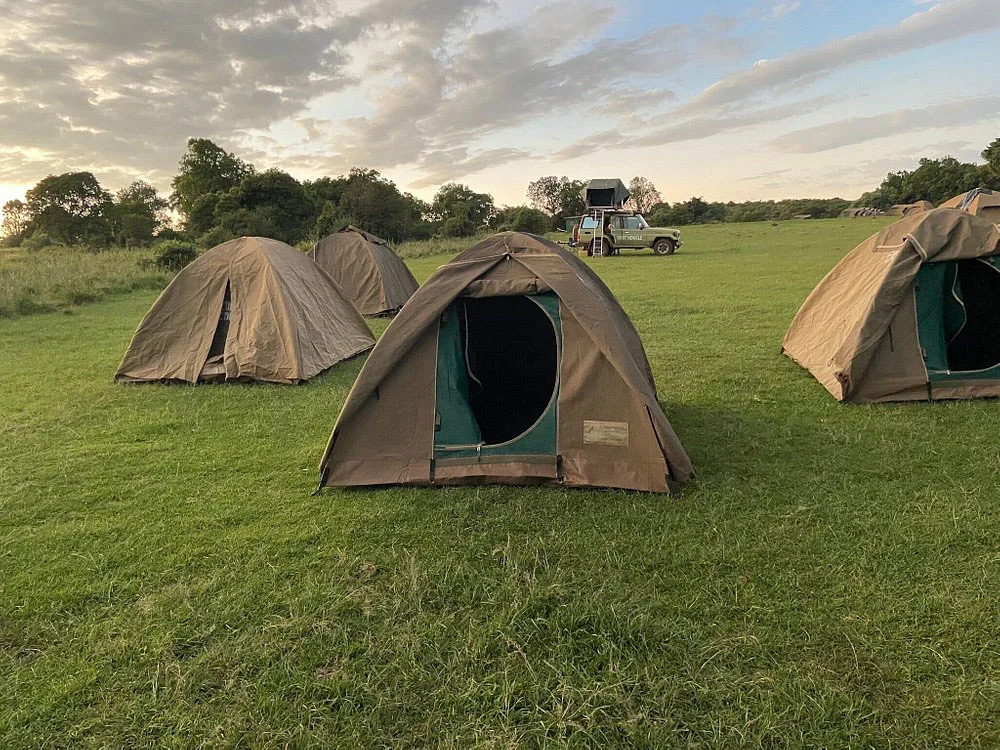
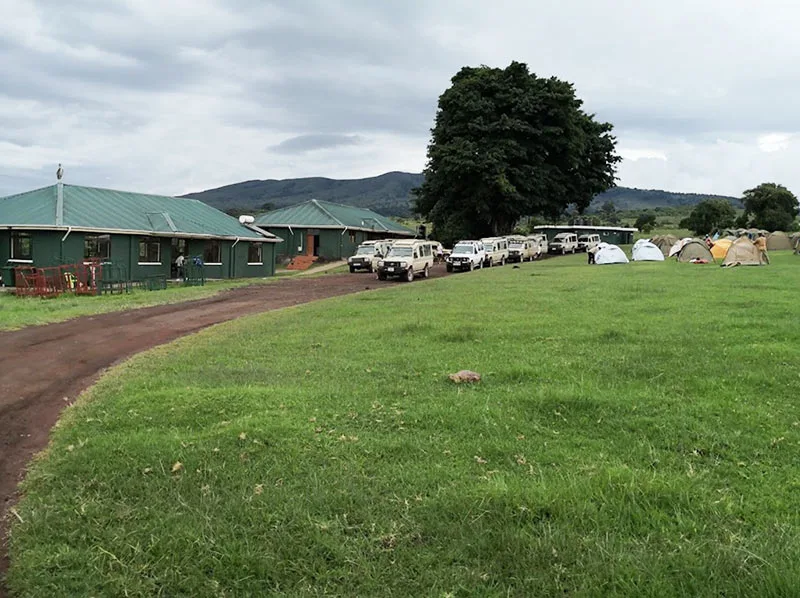
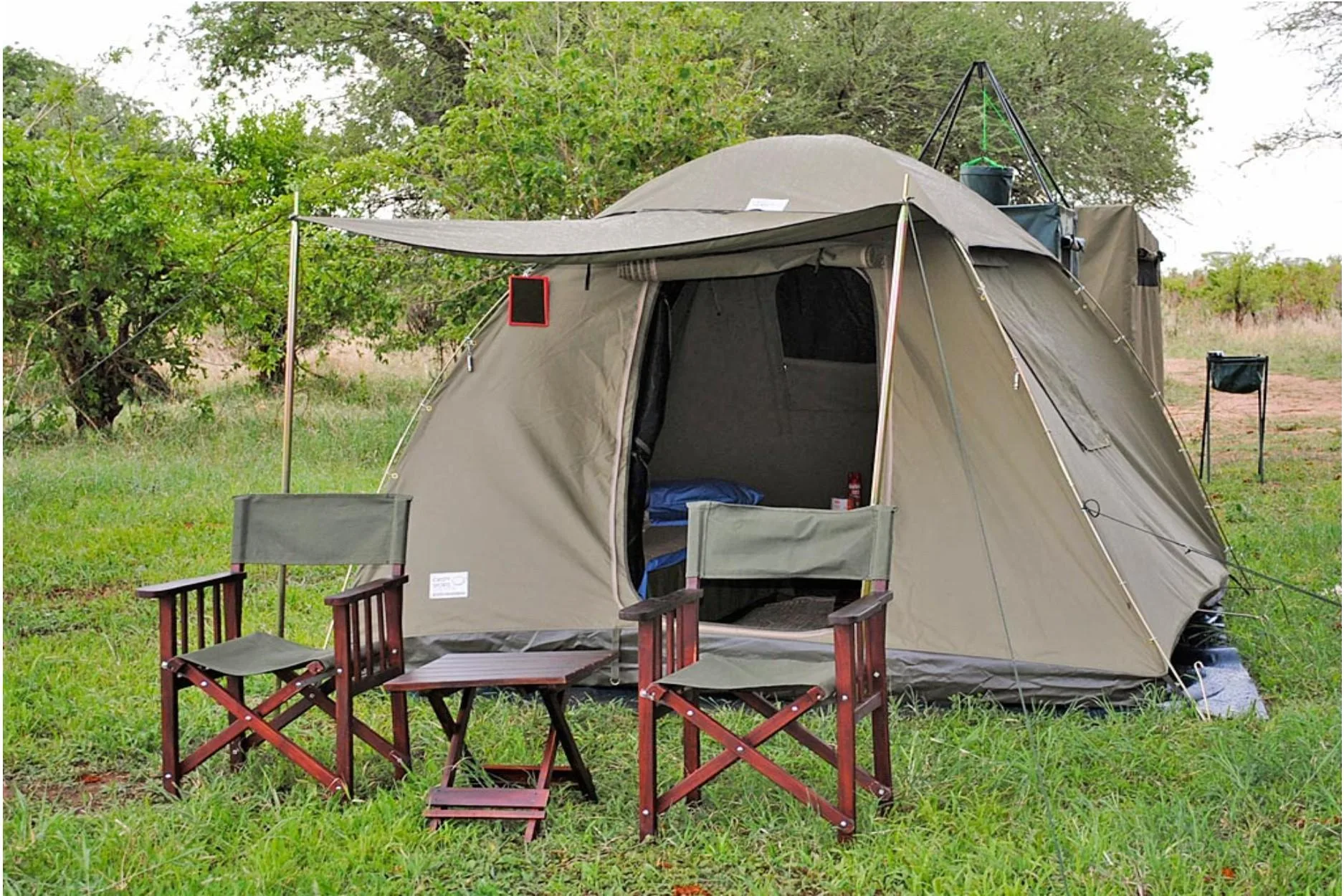
Authentieke ervaring onder een canvas in de buurt van Tarangire met tenten met eigen badkamer, uitstekende bushmaaltijden en toegang tot de vroege ochtend, waardoor je een voorsprong hebt op de drukte bij de parkpoorten.
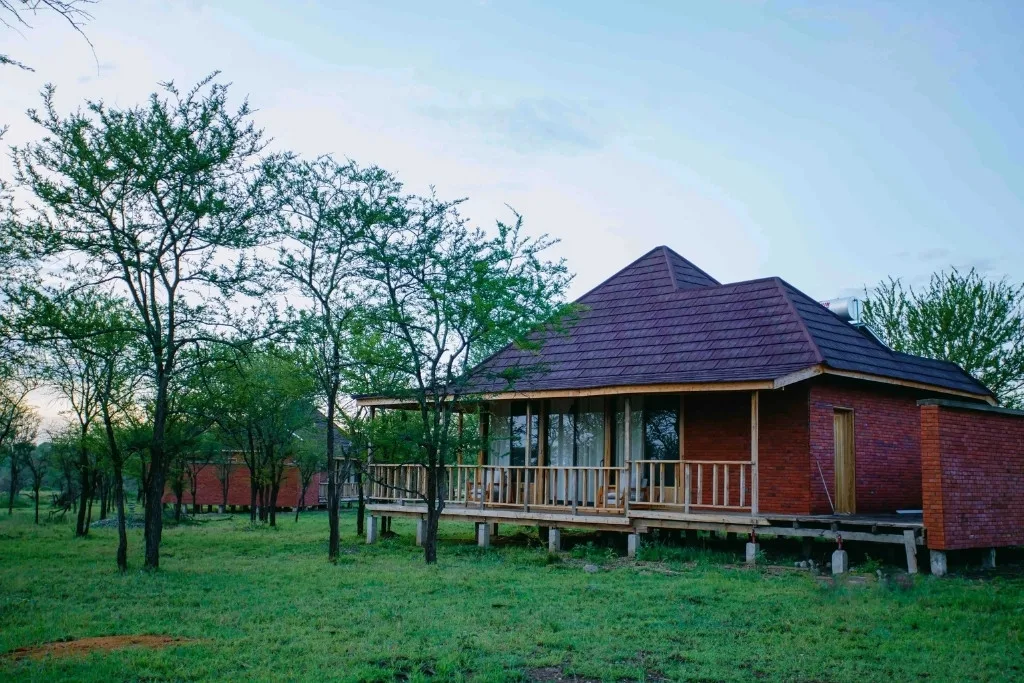
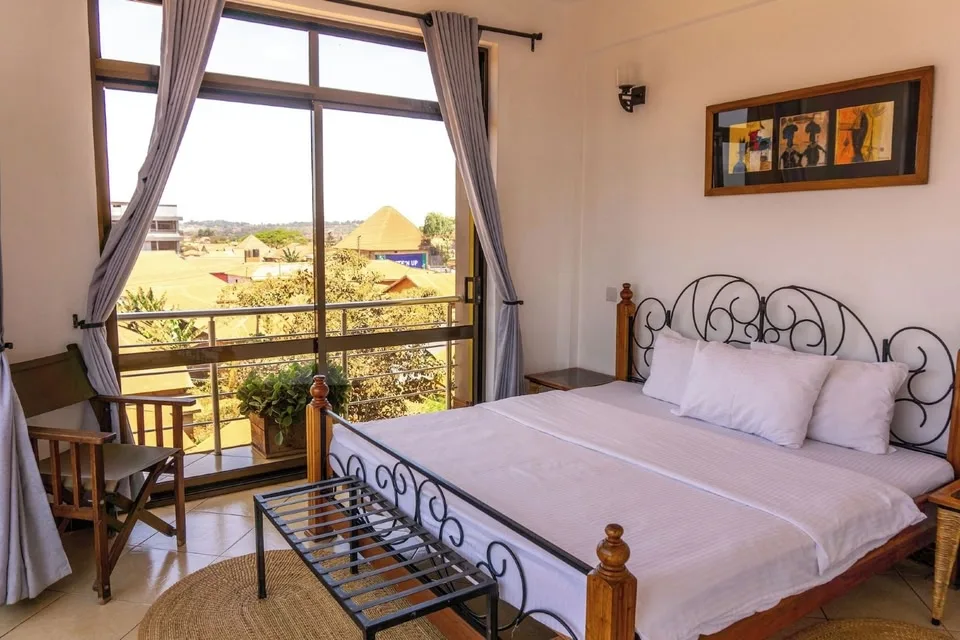
Warme Karatu-gastvrijheid in de koele hooglanden, comfortabele kamers, uitzicht op de tuin, lounge met open haard en gemakkelijke toegang tot Ngorongoro. Een rustige overnachting op het circuit.
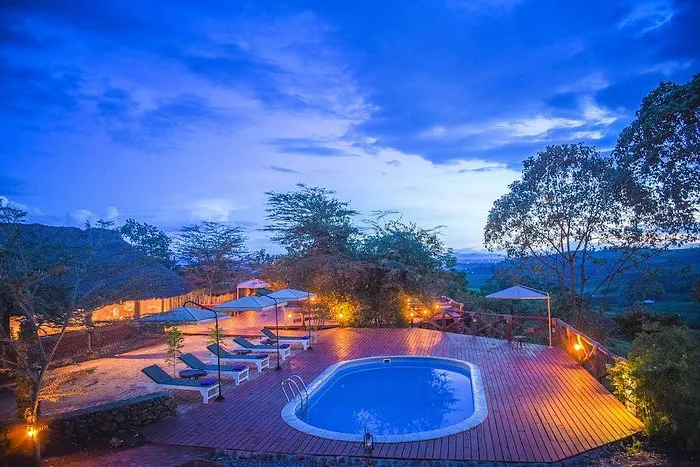
Populaire Loge in de koele groene hooglanden van Karatu met comfortabele huisjes, geweldige lokale gerechten, vogeltuinen en een vriendelijke sfeer die je oplaadt voordat je aan de Ngorongoro-afdaling begint.
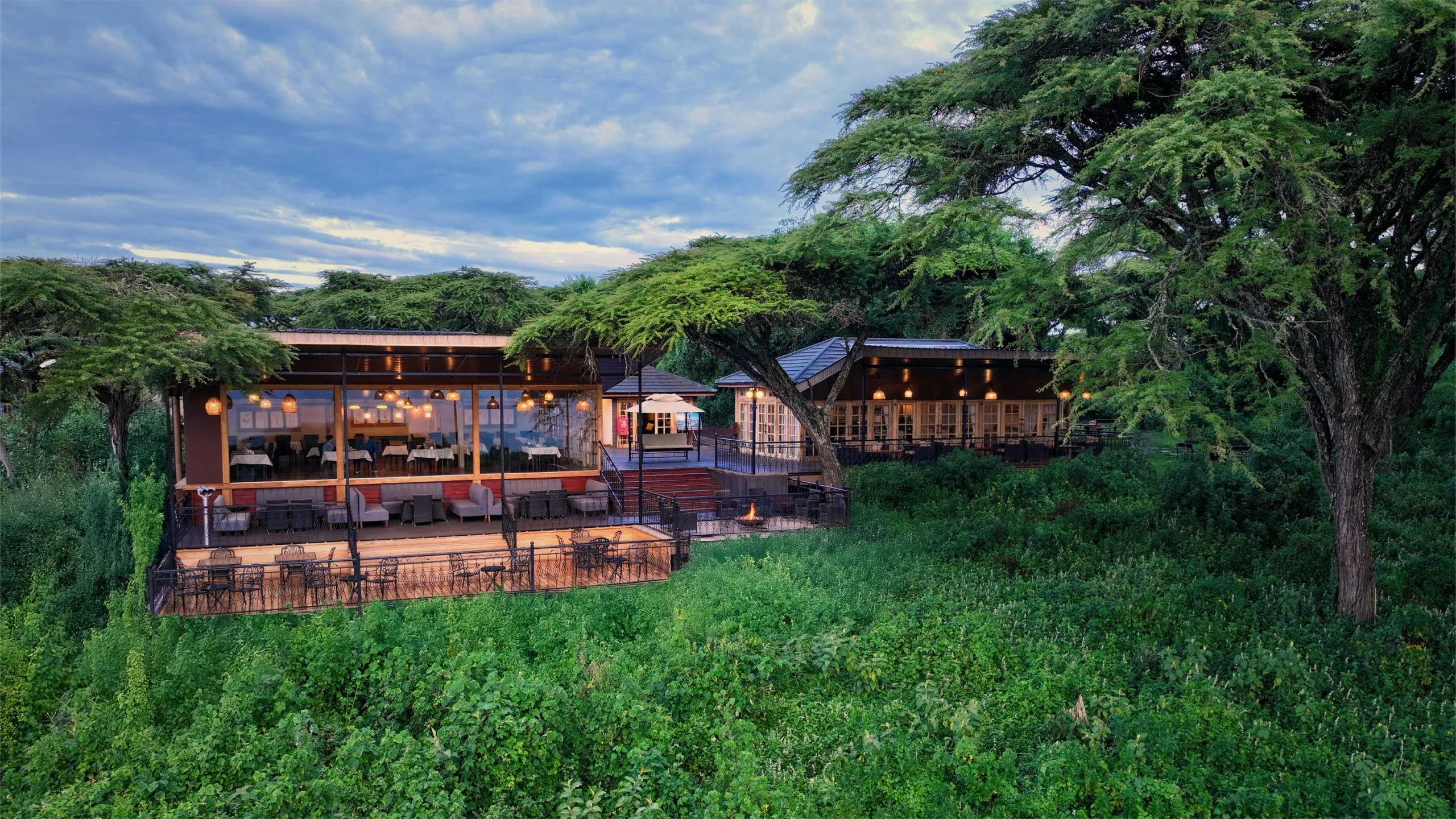
Comfortable Krater-rim Loge with direct views down into the ancient caldera. Wake to morning mist rolling across 25,000 animals below e then descend for one of Afrika's great Dieren in het wild Dagen.
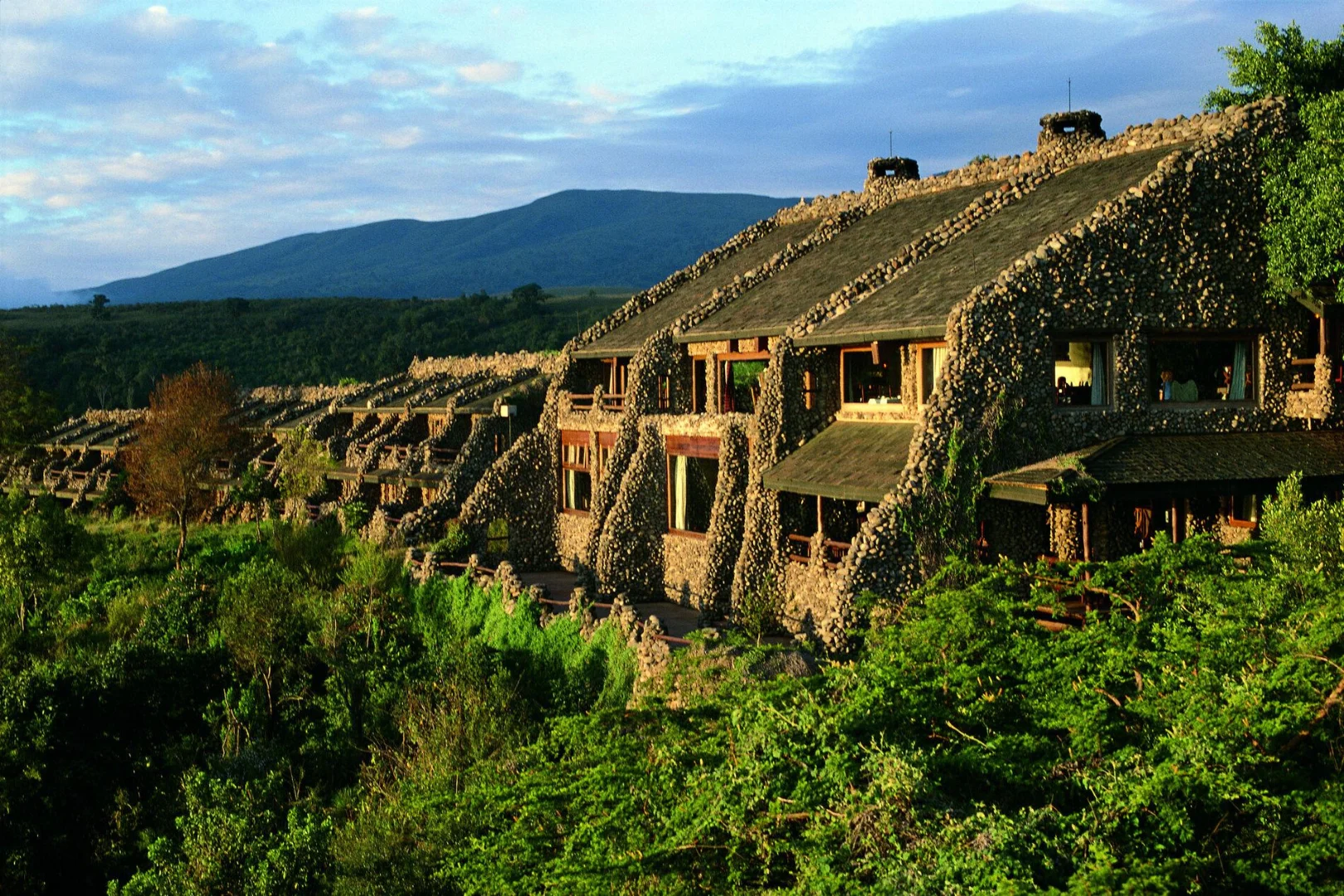
Stenen architectuur ingebouwd in de kraterrand, een panoramisch kraterrestaurant en een overloopzwembad hoog boven het grootste natuurlijke amfitheater van Afrika. Een geliefde Tanzania-klassieker.
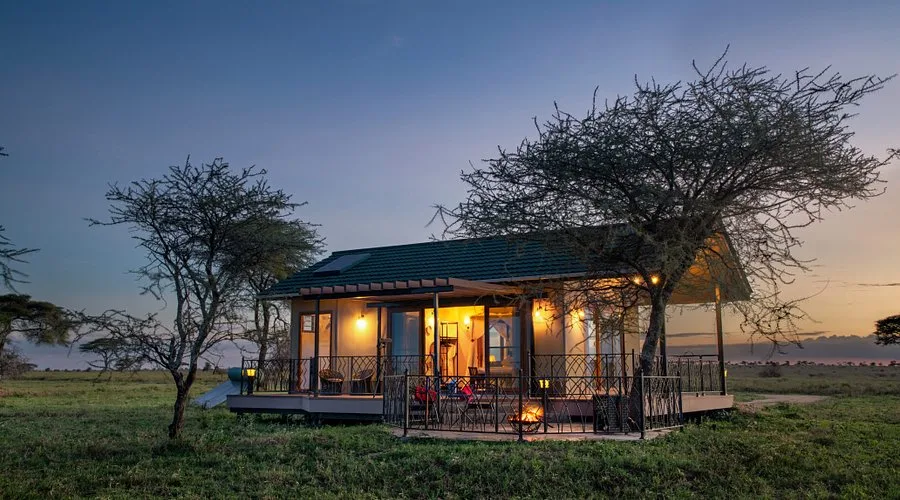
Intimate tented Kamp in the heart of the Serengeti, comfortable tents, Maaltijden Under thé Stárs, and a prime migration corridor location for dawn-to-dusk game drives.
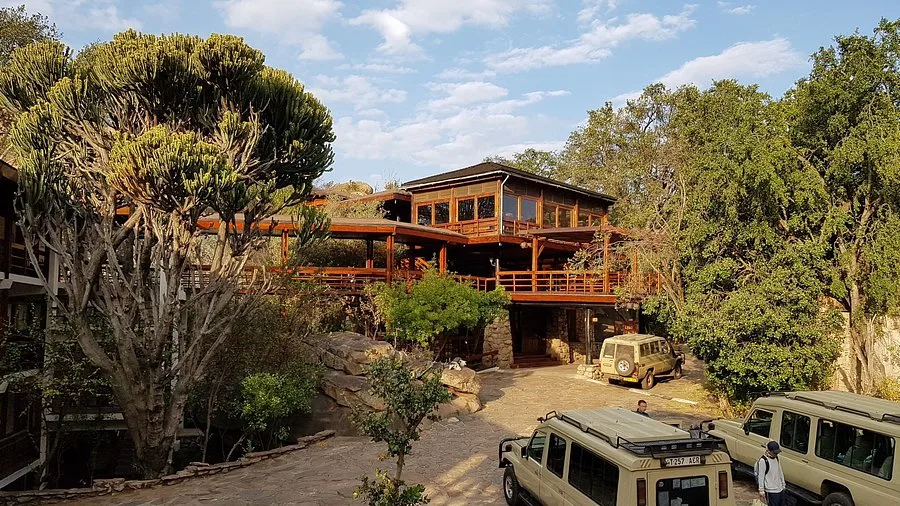
Dramatic rocky outcrop in the northern Serengeti e ideal for Geweldige migratie river crossings JulyeOctober. Spectacular panoramic plains views and excellent Dieren in het wild access all year.
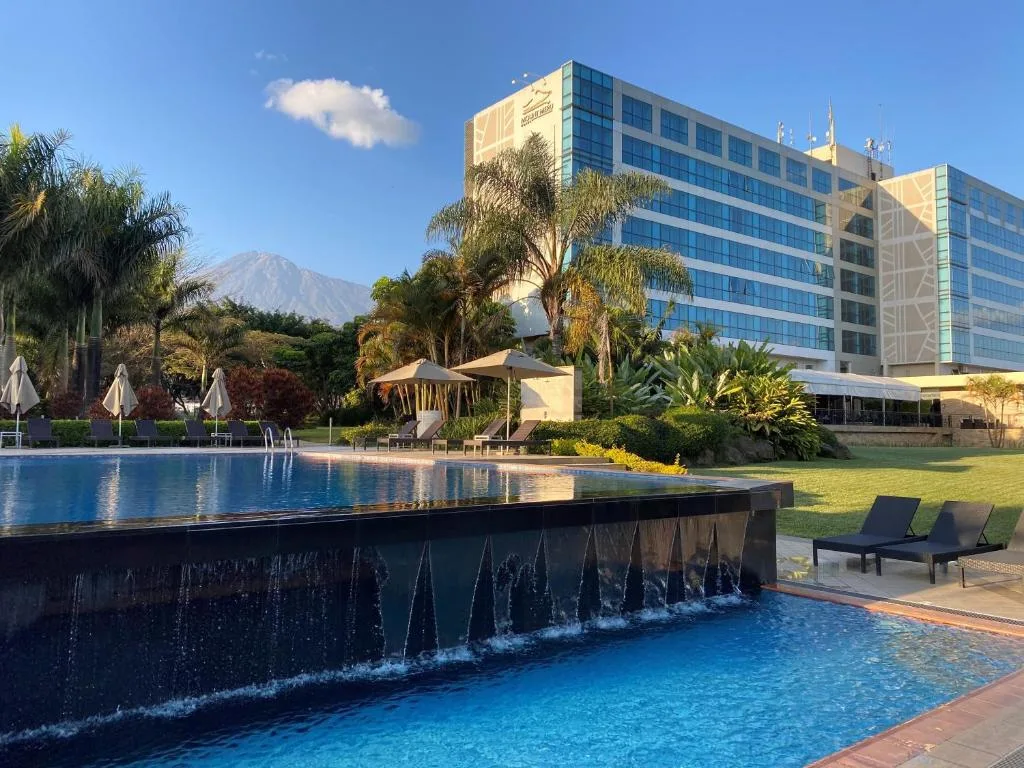
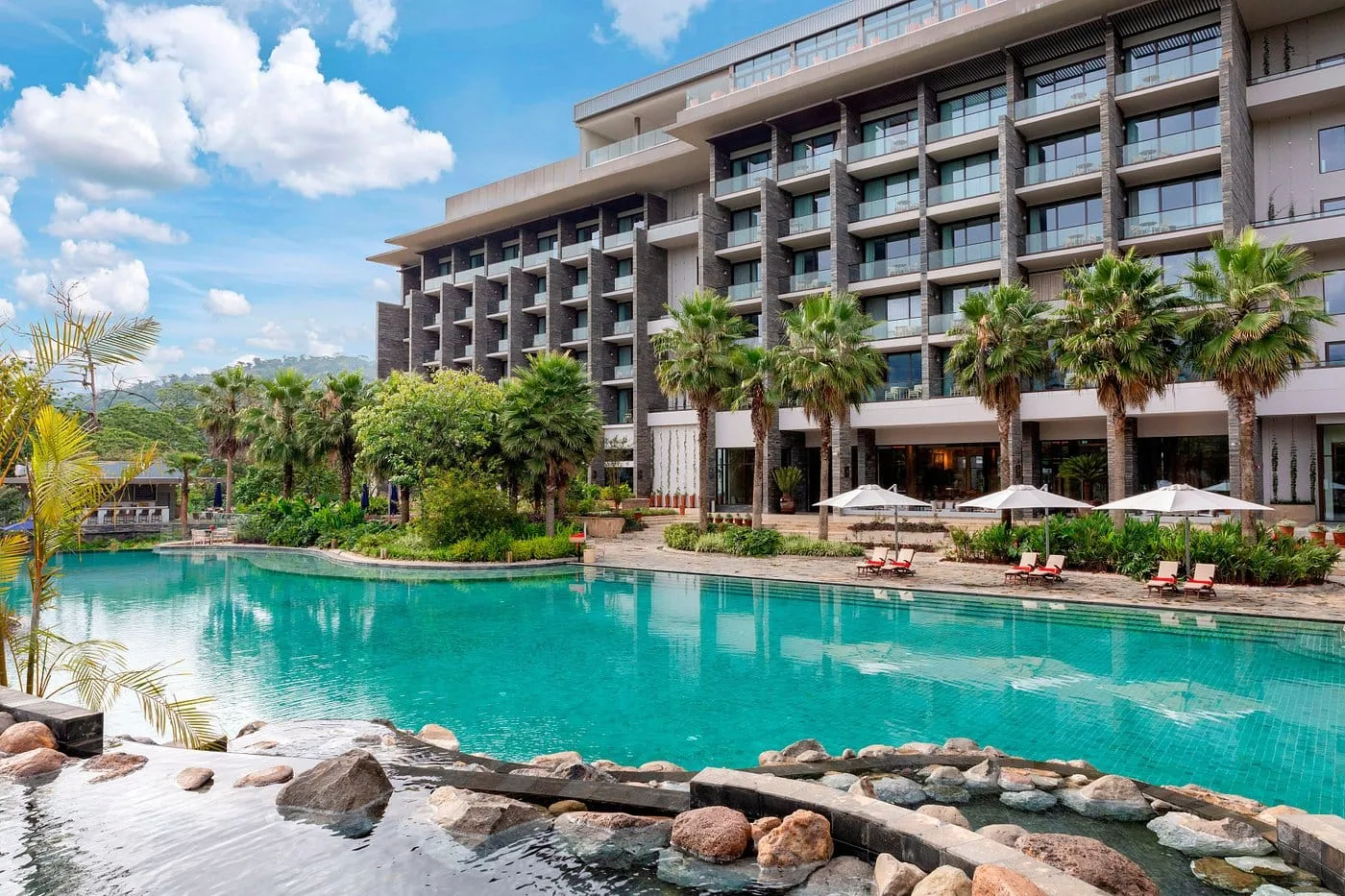
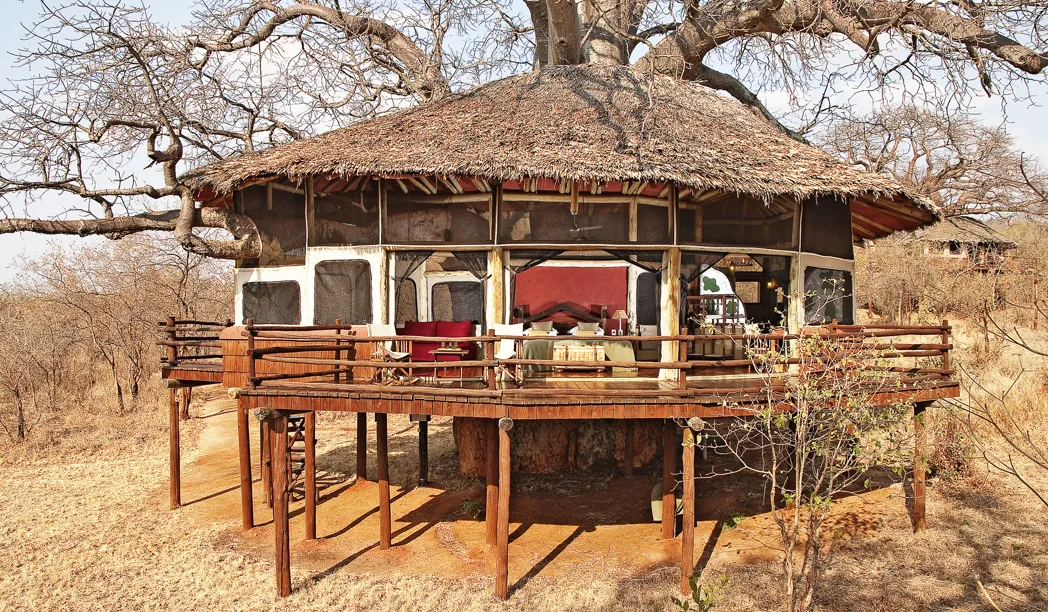
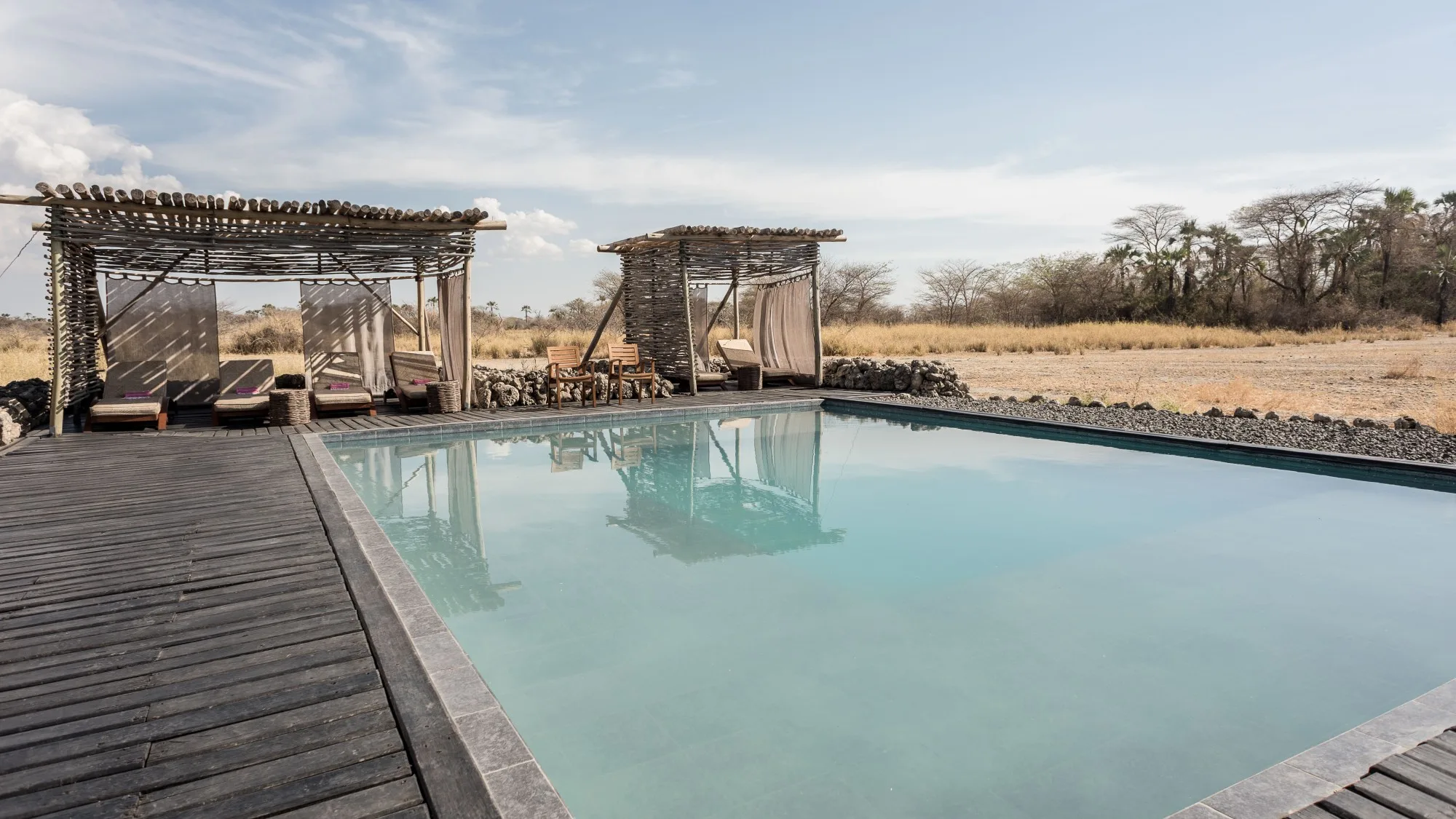
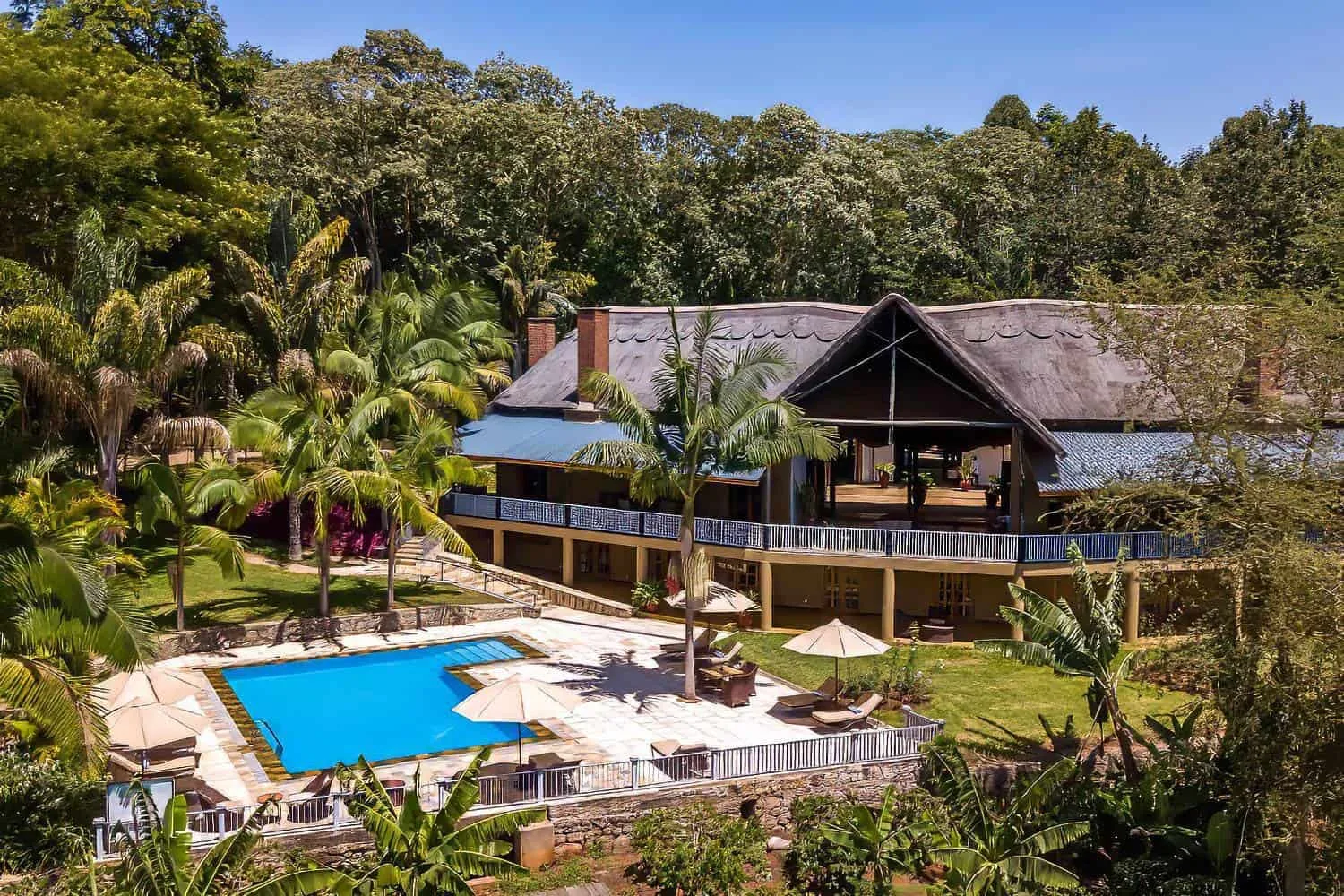
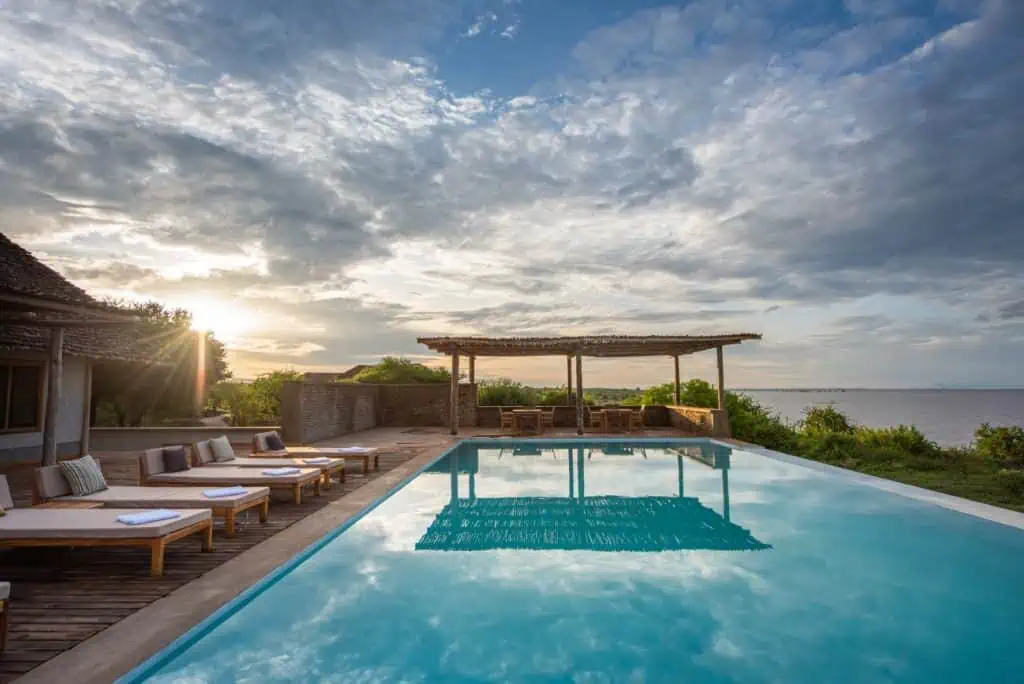
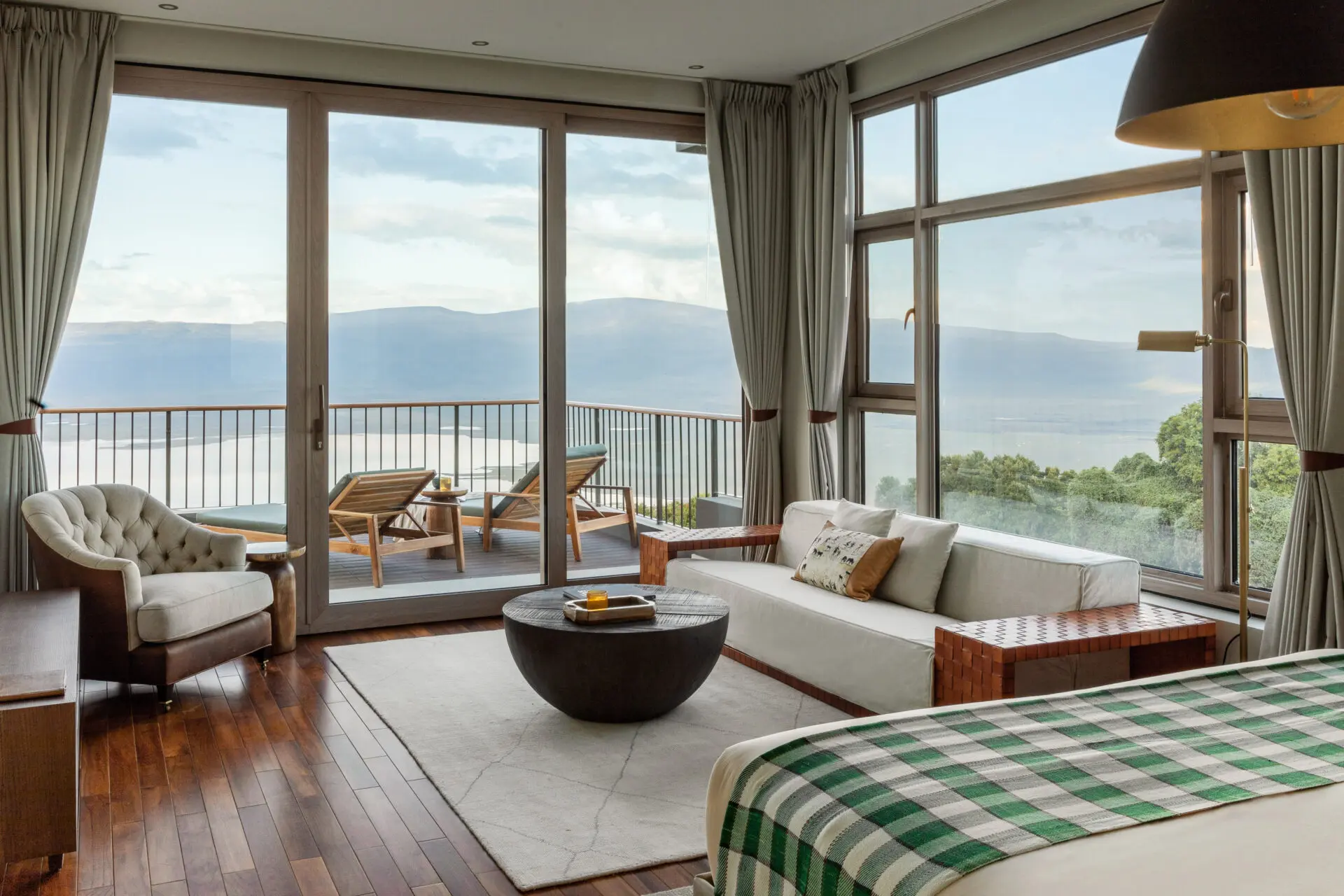
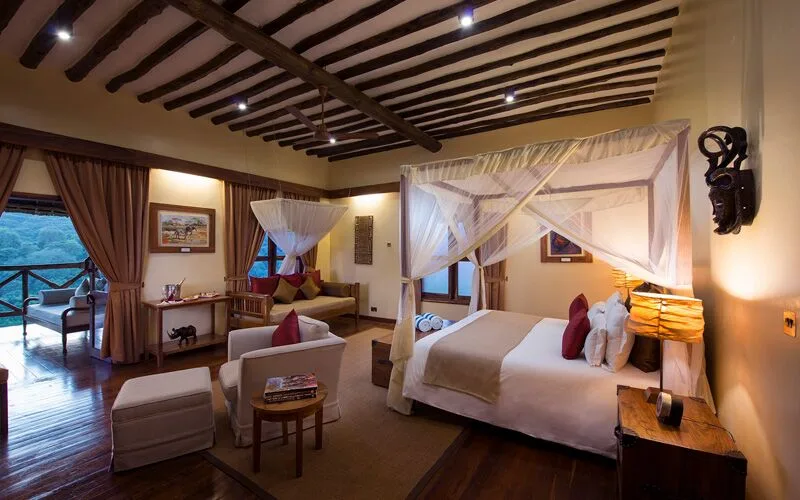
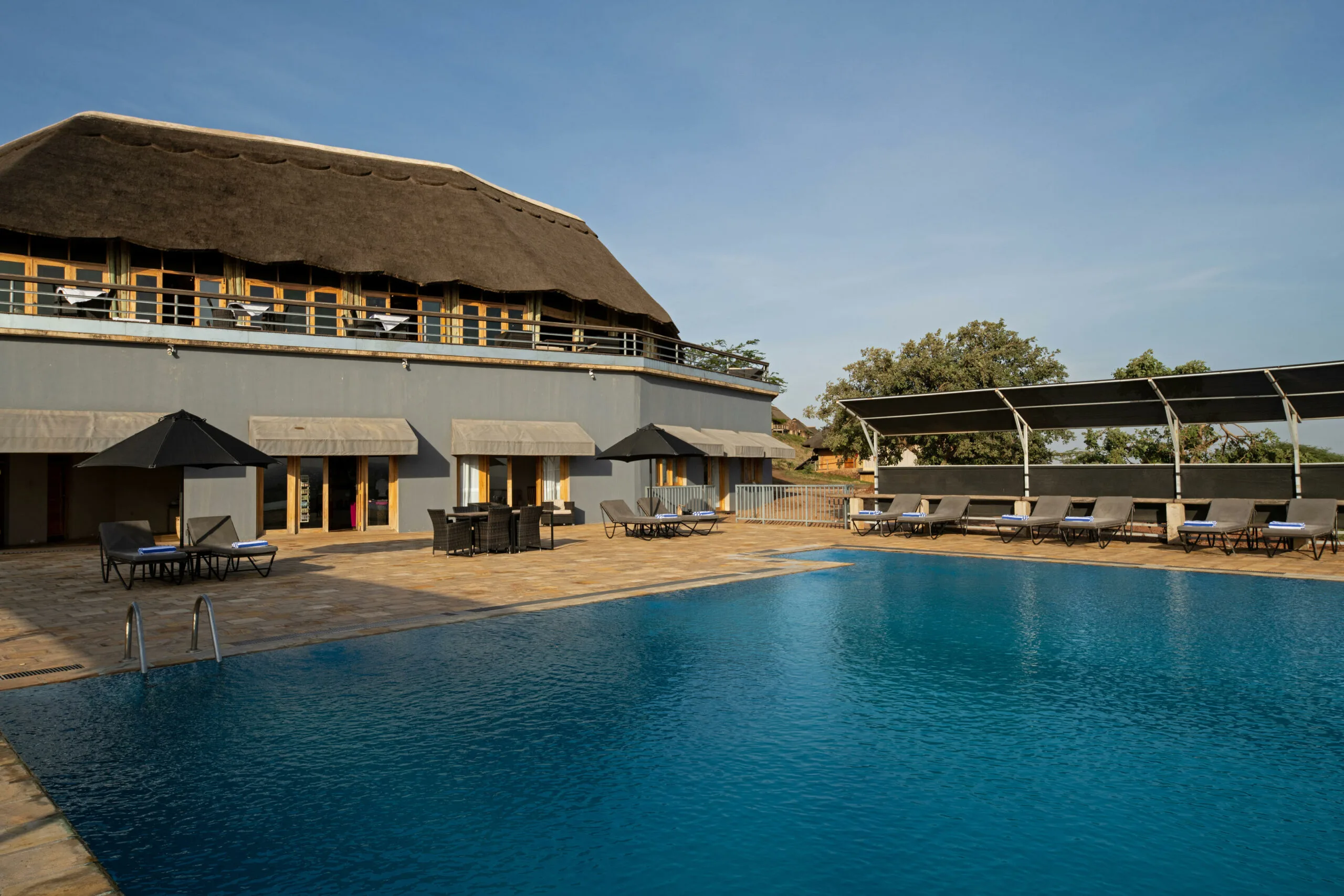
Alle accommodatie op deze wildreis is volledig aanpasbaar. Als u een specifieke accommodatie in gedachten heeft van Zilver-, Goud- of Platina-nachten wilt combineren, laat het ons dan weten. Havenpaden werkt samen met alle grote eigendommen en vele exclusieve privékampen. Neem contact op met ons op viainfo@haventrails.com or WhatsAppen +255 713 334154.
Waarom Havenpaden-avonturen
Every Havenpaden Guide holds a Professional Tourist Gids Certification and has completed a minimum of 1,000 guided field hours before leading any client. Our guides don't just drive you to animals e they read the land, interpret behaviour, share ecology, and make every sighting a story. Many guests describe their Guide as the highlight of the entire reis.
Elke wildreis vertrekt in een op maat gemaakte 4x4 Land Cruiser met een 360 graden uitklapbaar dak voor onbelemmerd fotograferen, naar voren gerichte zitplaatsen bij het raam, individuele USB-oplaadpoorten, een gevulde koelbox, een verrekijker, een EHBO-doos en een radio gekoppeld aan het gidsennetwerk. Maximaal 6 gasten per voertuig en nooit een overvolle bus.
We are based in Moshí, Tanzania e not a reservering platform in London or New York. Our team is in the field every week, tracking seasonal Dieren in het wild movements, building direct relationships with Loge managers, and repositioning itineraries in real time based on what the animals are doing. U profiteert van informatie die geen enkele internationale operator kan evenaren.
All Havenpaden guides carry satellite communication devices and emergency first aid supplies. In samenwerking met Flying Doctors Tanzania onderhouden wij evacuatieprotocollen voor elk park op het circuit. Every client is issued emergency contact cards, and our 24/7 Moshí operations centre monitors all active safaris throughout the reis.
De Grote Afrikaanse Symfonie is een raamwerk, geen formule. Elk detail wordt aangepast aan de reisdata van uw groep (voor seizoenspositionering van wilde dieren), accommodatieniveau, groepsgrootte, tempo, dieetwensen, speciale interesses (fotografie, vogels kijken, cultuur) en eventuele toevoegingen zoals stranduitbreidingen op Zanzibar of Kilimanjaro-trekkingcombinaties.
Haven Trails geeft voorrang aan lodges die door lokale gemeenschappen worden gerund, leveranciers in Tanzaniaans eigendom en accommodatiepartners die bewust met natuurbehoud omgaan. Een deel van elke boeking ondersteunt de opleiding van lokale rangers via het Kilimanjaro Conservation Fund.
Insluitsels &Uitsluitingen
- Aankomst- en vertrektransfers op de luchthaven
- Alle nationale park- en natuurbehoudskosten
- Fulltime deskundige Engelssprekende gids
- Aangepaste 4x4 Landcruiser met uitklapbaar dak
- All Accommodatie (per chosen tier)
- Alle maaltijden volgens reisschema (B, L, D)
- Bottled water & soft drinks in vehicle
- wildreis certificate of completion
- Emergency evacuation support
- Welcome Diner in Arusha (Dag 1)
- Picknicklunch in de krater (dag 7)
- Internationale vluchten van/naar Tanzania
- Toeristenvisum voor Tanzania ($50 USD e meeste nationaliteiten)
- Reisverzekering (sterk aanbevolen)
- Alcoholic beverages
- Fooien voor gids en bemanning (naar keuze)
- Optional hot air balloon ride (~$600/person)
- Optional Olduvai Gorge entry fee
- Laundry services
- Persoonlijke spullen en souvenirs
- Medische en tandheelkundige kosten