


Beste tijd voor safari in Tanzania: dieren in het wild, weer en migratie |…
Tanzania's Safari Seasons Explained
Tanzania ligt op de evenaar en wordt gevormd door de intertropische convergentiezone, die het hele jaar door twee regenseizoenen en twee droge seizoenen kent. This seasonal rhythm dictates animal behaviour, vegetation density, road conditions, and lodge prices e making an understanding of the seasons essential before you Reserveer.
De droog seizoen (JuneeOctober) is peak safari time: thin vegetation, animals concentrated around water, exceptional visibility, and the Mara River crossings of the Geweldige migratie in full swing. The groene seizoen (november maart, met uitzondering van de lange regenbuien) biedt het afkalfseizoen, een weelderig landschap, dramatisch minder bezoekers en lagere prijzen. De lange regenbuien (april-mei) zijn de periodes die de meeste bezoekers vermijden.
Tanzania heeft geen "slecht" seizoen; het heeft verschillende seizoenen voor verschillende prioriteiten. JulyeOctober is voor beginners die op zoek zijn naar de oversteek van wilde dieren en migratierivieren. JanuaryeFebruary is for those who want extraordinary predator action around the calving season with a fraction of the crowds. September is de persoonlijke favoriet van veel gidsen en alles wat het hoogseizoen te bieden heeft, met merkbaar minder voertuigen bij waarnemingen.
De grote migratie van wildebeesten: van maand tot maand
The Geweldige migratie is the largest overland migration of animals on earth e roughly 1.5 million wildebeest, 300,000 zebra, and 500,000 gazelle moving in a clockwise circuit through the Serengeti ecosystem and Kenia's Masai Mara. Het is een evenement dat het hele jaar door plaatsvindt; er is geen enkele maand waarin het begint of eindigt. What changes is where the herds are, and what spectacle they're providing.
The Migration does not run on a fixed timetable e it follows the rains. De bovenstaande timing vertegenwoordigt gemiddelden; Elk jaar kunnen de overtochten over de Mara-rivier eind juni beginnen of pas in september pieken. Een goede gids met realtime kennis van kuddebewegingen is van onschatbare waarde. Boek nooit een safari met rigide migratieverwachtingen die op één datum zijn vastgelegd.
Januari, februari en maart, afkalfseizoen en groenseizoen
De zuidelijke Serengeti rond Ndutu en het Masekmeer is the place to be in januari en februari. De kortgrasvlaktes hier zijn de plek waar de enorme kuddes wildebeesten zich verzamelen om te bevallen, waarbij ze de voedzame groene grassen exploiteren die volgen op de korte regenbuien. De dichtheid van roofdieren in dit gebied tijdens de piek van het afkalven is buitengewoon. Leeuwentrotsen, cheetah-coalities, hyena-clans en jakhalzen komen allemaal samen voor de premie. Het is in deze weken gebruikelijk om getuige te zijn van een jacht, of een troep leeuwen met welpen die tussen de pasgeboren kalveren rollen.
Vogels kijken piekt ook in januari en februari met de komst van Europese en Aziatische trekvogels, waaronder Europese rollers, ooievaars en zwaluwen. Het landschap is weelderig en groen van de voorafgaande korte regenbuien en biedt prachtige achtergronden voor fotografie die je in het stoffige, droge seizoen simpelweg niet tegenkomt.
Februari is het beste moment voor het afkalfseizoen. De kuddes zijn dicht rond Ndutu, de activiteit van roofdieren is op zijn jaarlijkse hoogtepunt, het weer is droog, het landschap is groen en de Serengeti is veel rustiger dan in juli of augustus. Voor natuurfotografen en degenen die de voorkeur geven aan rauwe roofdieractie boven het oversteken van rivieren, is februari onverslaanbaar en kost het vaak aanzienlijk minder dan het hoogseizoen.
April en mei De lange regens
Ruaha en Nyerere Selous worden nationale parken in het zuiden partially inaccessible in April and May e many camps close, and some tracks are impassable without specialist 4WD support. The northern circuit parks e Serengeti, Ngorongoro, Tarangire, and Lake Manyara e remain open and can still deliver extraordinary game viewing, especially in de Ngorongoro-krater waar dieren geconcentreerd zijn in een defined area regardless of the rains. De flamingopopulaties van Lake Manyara bereiken hun hoogtepunt in het natte seizoen.
Eind mei is een scharnierpunt. As rains ease, grass begins drying, and the first lodges start reopening ahead of the June high season. Arriving in the last week of May can deliver the magic of near-empty parks combined with improving conditions e and the wildebeest herds beginning to build at the Grumeti River in the western corridor.
Juni, juli, augustus, september en oktober en het droge hoogseizoen
June kicks off the high season as the Serengeti dries and the wildebeest herds begin massing at the Grumeti River in the western corridor e the first of the two great river crossings. De vegetatie is na de regen nog steeds vaag groen, waardoor het een van de meest fotogenieke maanden is. Crowds are building but haven't reached JulyeAugust intensity, making it a smart early-season choice.
Juli en augustus are when the Mara River crossings reach their crescendo. Honderdduizenden wildebeesten stormen naar de rivieroever en verzamelen de moed om over te steken naar het water vol wachtende Nijlkrokodillen die zich al maanden niet hebben gevoed. Het spektakel is gewelddadig, chaotisch en volkomen onvergetelijk. Be aware: concurrentie om de beste uitzichtplekken aan de rivier kan ertoe leiden dat er veel safarivoertuigen op één plek zijn. Een privégids die de minder gebruikte kruispunten kent, maakt het verschil.
September wordt door ervaren safari-ondernemers vaak genoemd als de beste maand voor een safari in Tanzania. The conditions are near-identical to August e dry, clear, with excellent visibility e but European school holidays have ended and the number of vehicles in the parks drops noticeably. De Mara-overtochten gaan door in de noordelijke Serengeti en duren vaak tot half september. Tarangire vult zich met enorme kuddes olifanten. En de stranden van Zanzibar blijven op hun best. Reserveer 6e8 months in advance for September.
October is underrated. The dry season is intact, wildlife viewing remains superb, and the herds are beginning their southward journey back through the central Serengeti. Tarangire is at its spectacular peak e some of the largest elephant concentrations anywhere on earth gather at the Tarangire River. Prices ease slightly from August highs, and the parks are noticeably quieter.
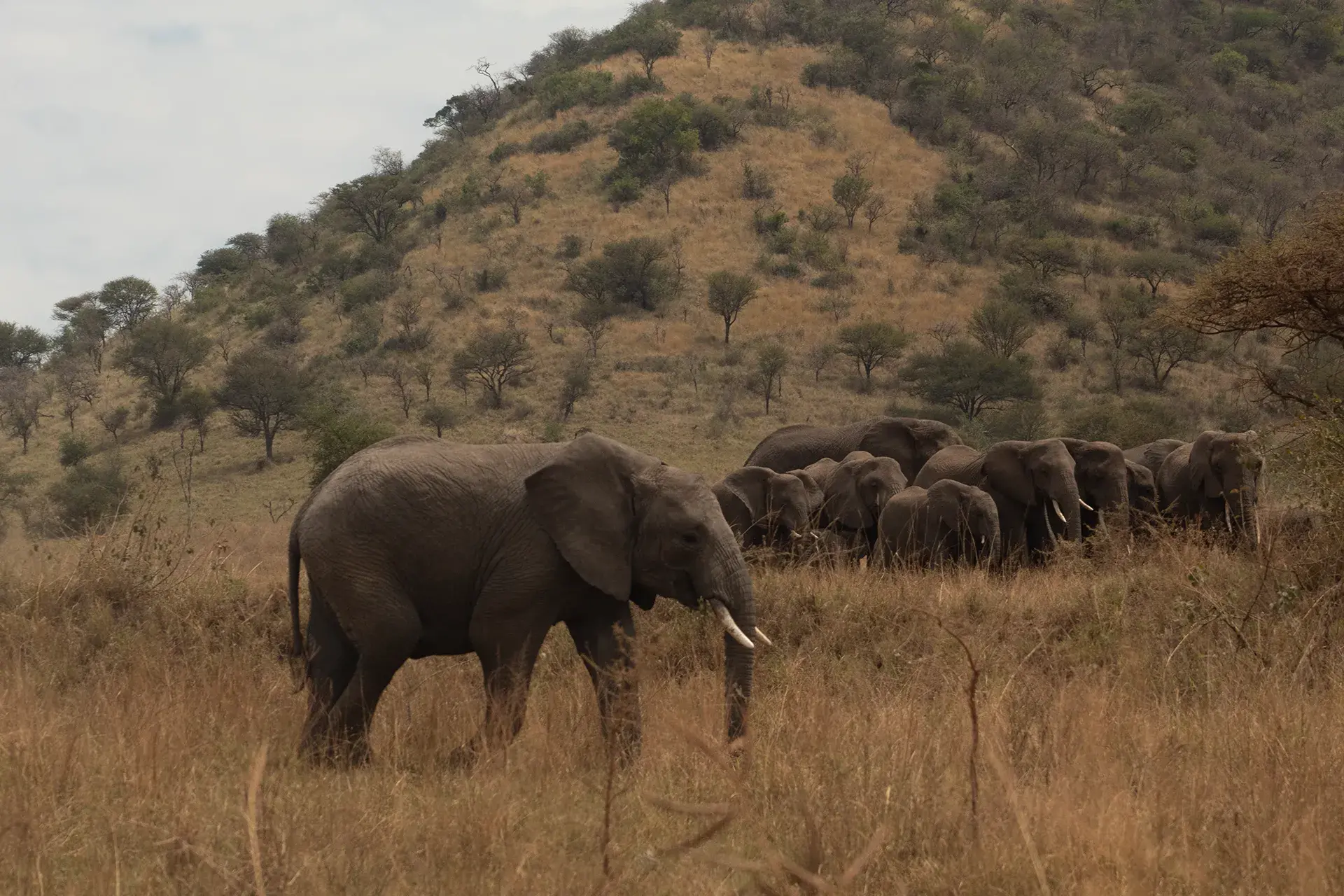
Tarangire Nationaal Park hosts one of Afrika's most dramatic annual events in the dry season: hundreds of elephants converge on the Tarangire River e Afrika's fourth-largest elephant population. In oktober piekt het aantal olifanten als de rivier de laatste betrouwbare waterbron voor honderden kilometers wordt. Gecombineerd met de Serengeti en Ngorongoro is Tarangire in oktober een van de grootste ondergewaardeerde safari-ervaringen op het continent.
November en december en korte regens en de feestdagen
De korte regenbuien in november brengen twee geschenken met zich mee: buitengewone vogelspotten als Europese trekvogels arriveren, en landschappen die bijna van de ene op de andere dag overgaan van stofdroog naar levendig groen. De eerste twee weken van december worden vaak beschouwd als de voordeligste maand voor een safari in Tanzania. De omstandigheden verbeteren dagelijks, de natuur is uitstekend in het noordelijke circuit en de prijzen liggen ver onder het hoogseizoen voordat de kerstperiode halverwege de maand begint.
Tanzania's belangrijkste safariparken en het beste seizoen per park
Tanzania's parks span the north, south, and west e and they don't all peak at the same time. Hier vindt u een korte handleiding voor het beste seizoen voor elk van de belangrijkste safaribestemmingen.

Uitstekend het hele jaar door. De piek van de oversteek van de Mara-rivier in juli-september (noordelijke Serengeti). De piek van het afkalfseizoen is januari-februari (Ndutu, zuidelijk Serengeti). Vermijd AprileMay vanwege de wegomstandigheden.
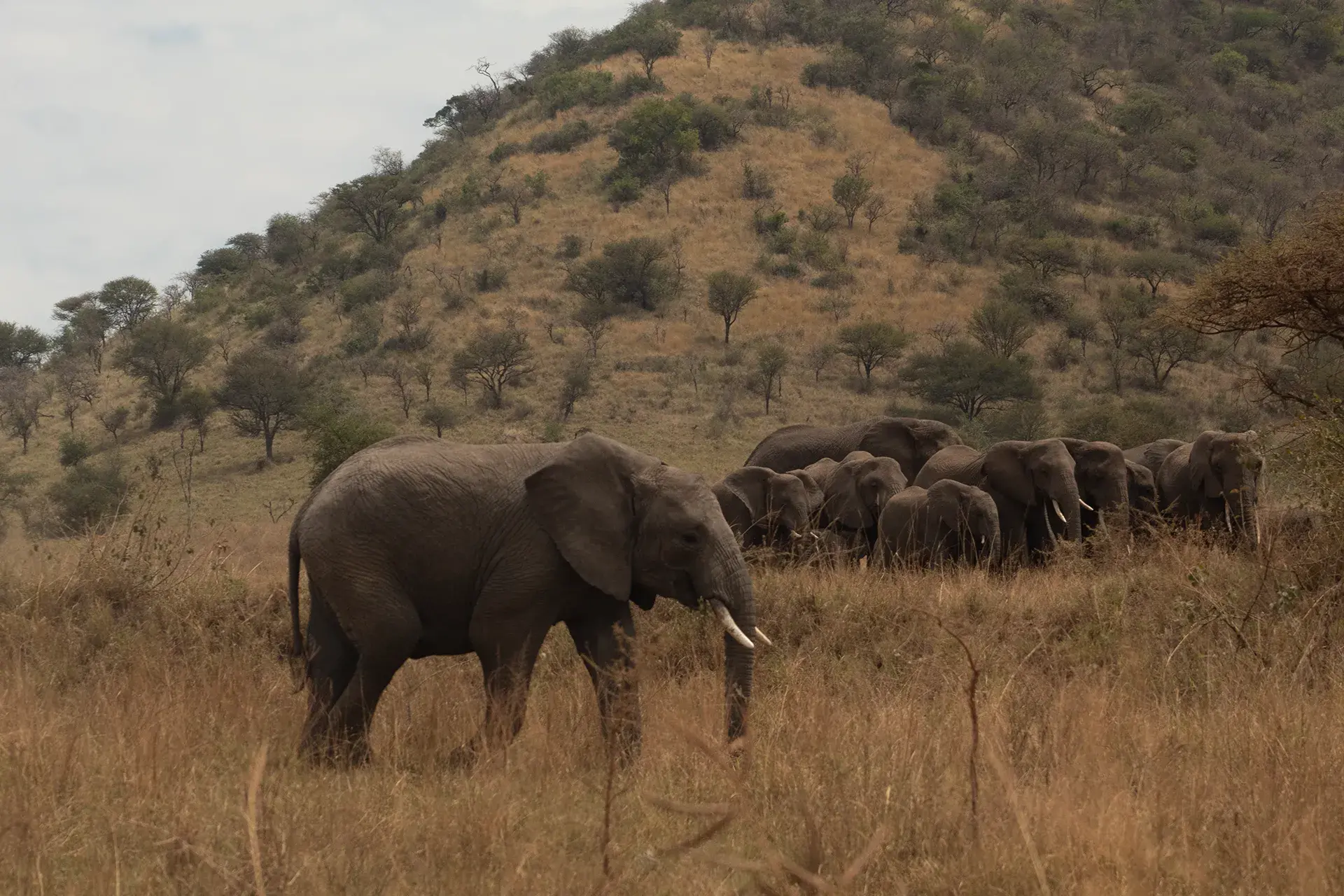
Het omsloten ecosysteem van de krater garandeert dieren in het wild, ongeacht het seizoen. Grote vijf including endangered black rhino. Wet season can bring mist to the crater rim e but the atmosphere is extraordinary. Het beste vermeden tijdens het hoogseizoen vanwege de drukte.
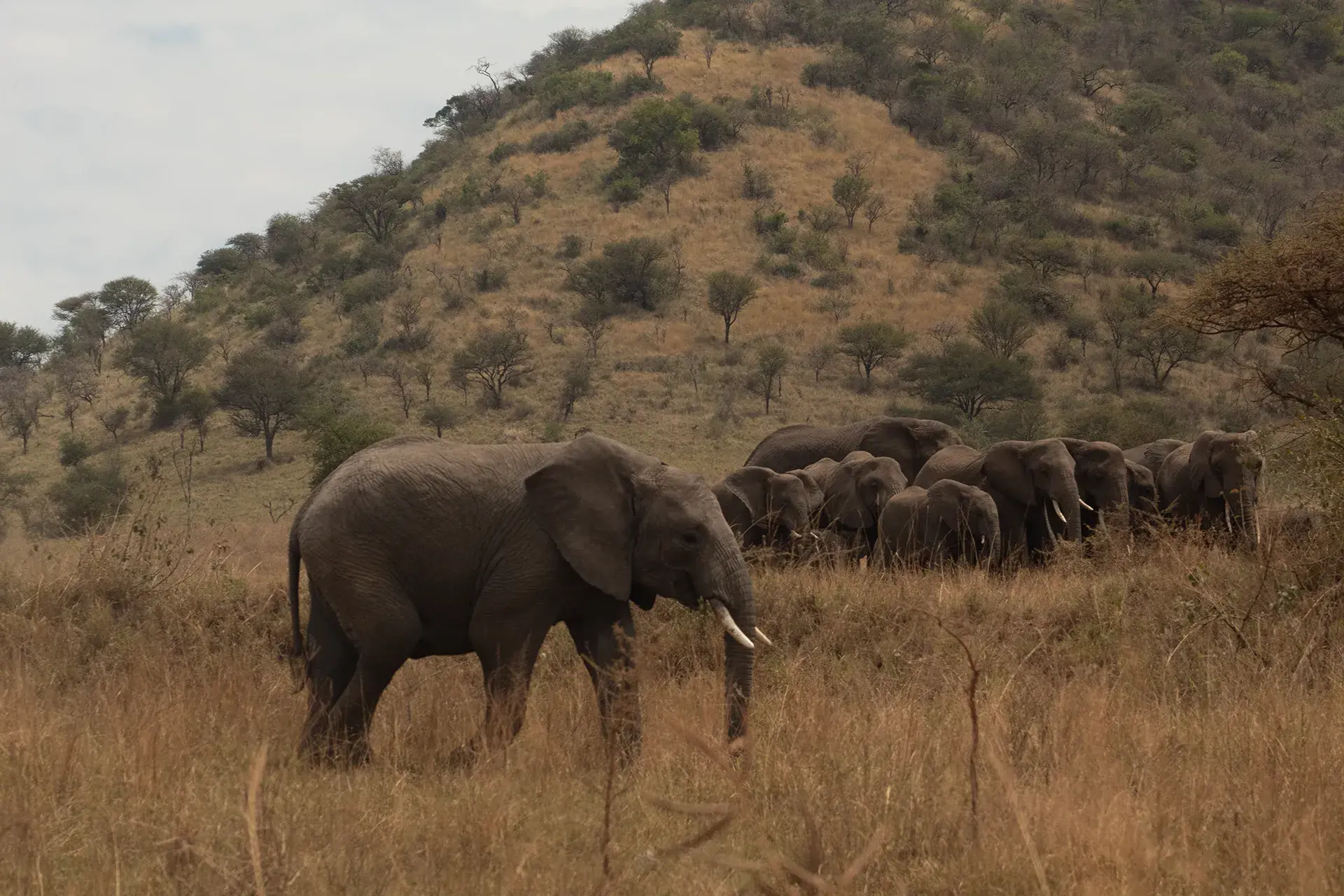
Thuis to Afrika's fourth-largest elephant population. Een dramatisch hoogtepunt in het droge seizoen, wanneer honderden olifanten samenkomen bij de Tarangire-rivier. Ook beroemd vanwege de gigantische baobabbomen en boomklimmende pythons. Quieter and less visited than the Serengeti e a rewarding addition to any northern circuit reis.
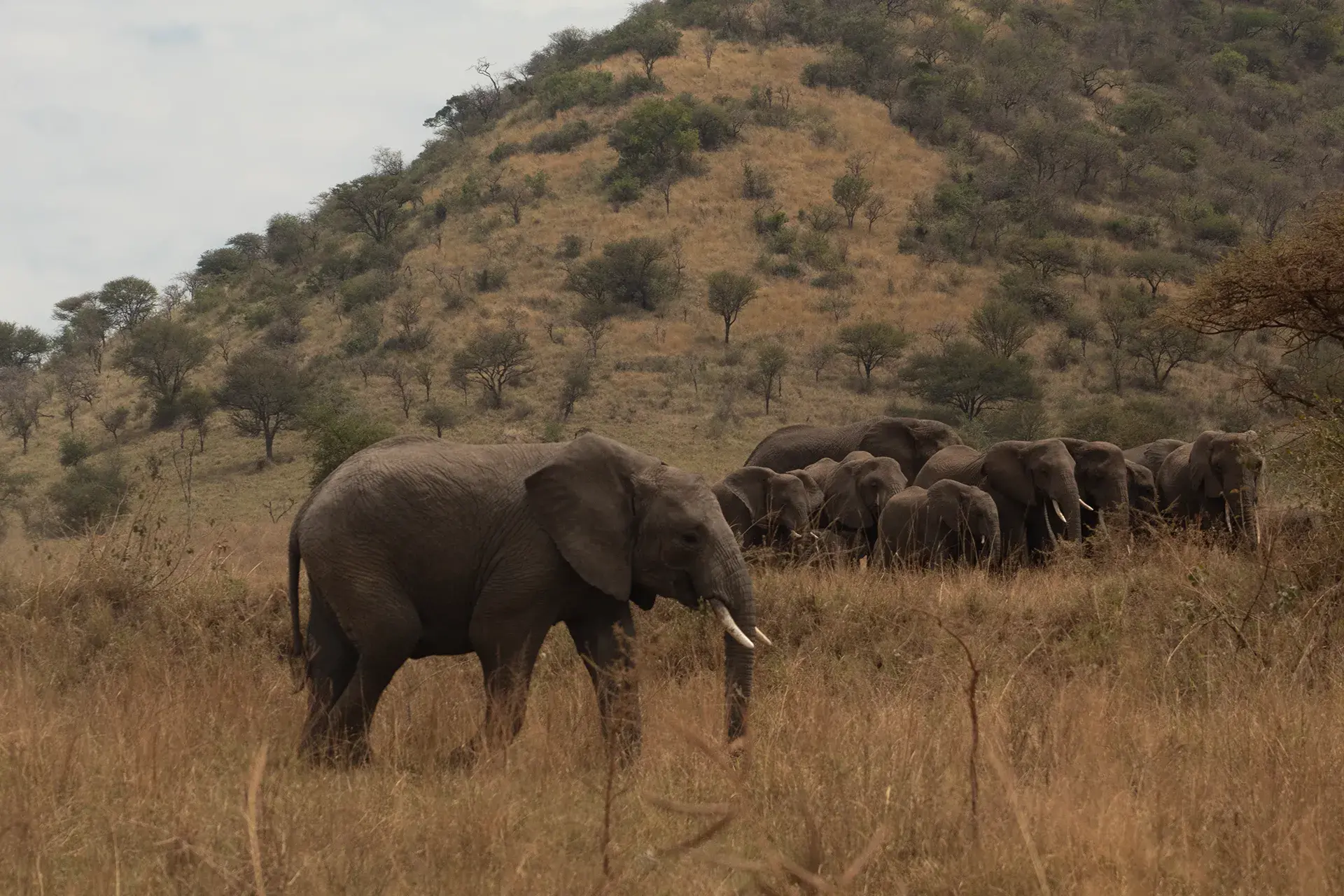
Beroemd om de in bomen klimmende leeuwen, flamingo's en een opvallend divers ecosysteem, samengedrukt tussen de Rift Valley-muur en het sodameer. Flamingo's en trekvogels arriveren in de grootste aantallen tijdens het natte seizoen. Inwonende dieren in het wild (olifant, nijlpaard, baviaan) zijn het hele jaar door uitstekend.
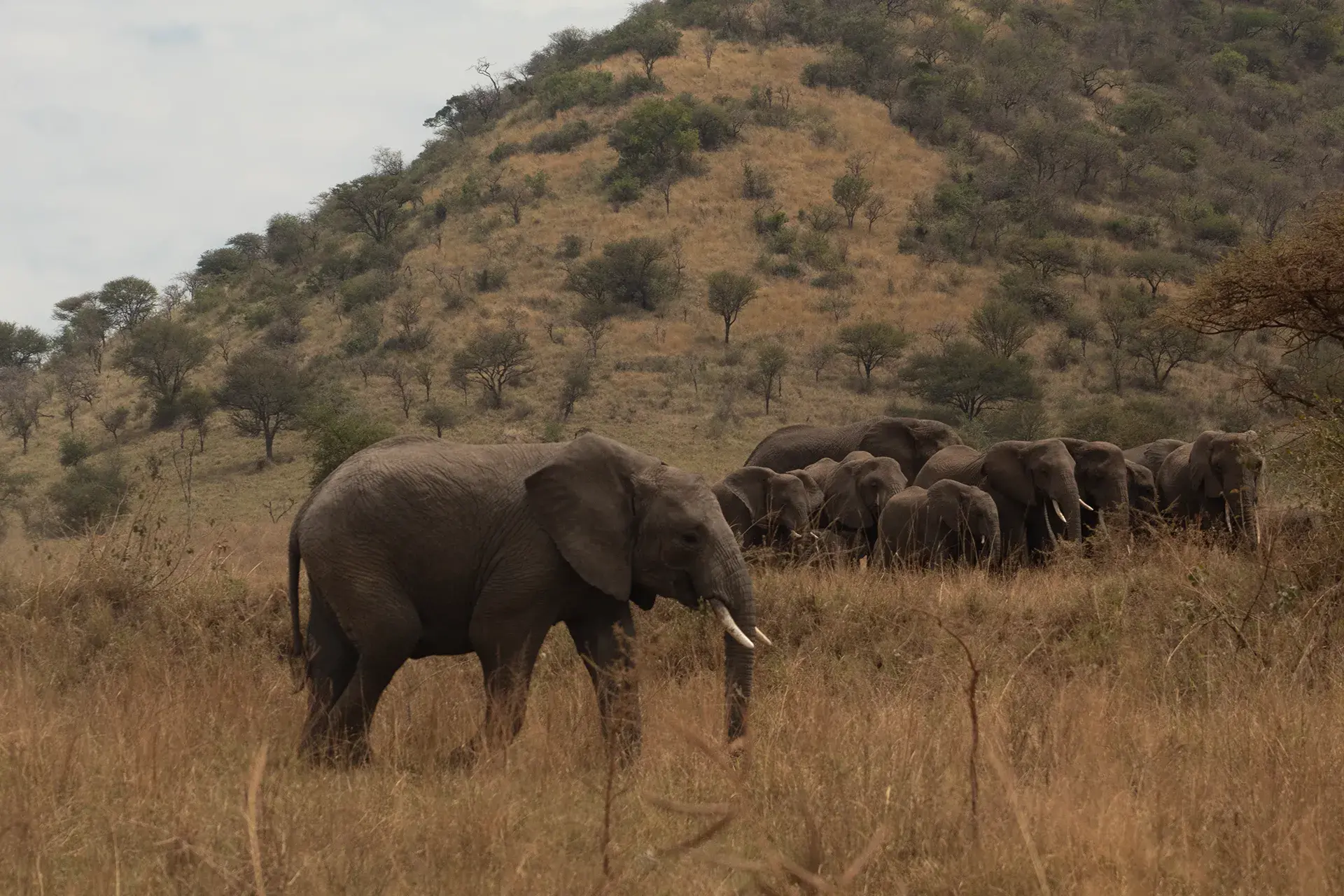
Tanzania's largest national park and one of Afrika's most underrated wilderness destinations. Superb lion prides e sometimes 20+ strong e hunt along the Great Ruaha River. Enorme kuddes olifanten en buffels. Zeer weinig andere bezoekers, zelfs in het hoogseizoen. Inaccessible in heavy rains.
Eén van de grootste wildreservaten van Afrika. Beroemd om bootsafari's op de Rufiji-rivier en buitengewone ontmoetingen met nijlpaarden, krokodillen en olifanten aan de waterkant. Pakketten voor wilde honden. Delen van het park zijn bij langdurige regenval niet toegankelijk. De bootsafari-ervaring is uniek in Tanzania.
Volledige Safari-vergelijking van maand tot maand
| Month | Dieren in het wild | Migration Highlight | Rainfall | Crowds | Prijs |
|---|---|---|---|---|---|
| January | Excellent | Het afkalfseizoen begint in Ndutu | Low | Moderate | Mid |
| February ? | Outstanding | Afkalfpiek e ~8.000 kalveren/dag | Zeer laag | Low | Mid |
| March (early) | Goed | Herds moving north-west | Rising | Zeer laag | LoweMid |
| April | Challenging | Dispersed e mid-Serengeti | Heavy | Minimal | Lowest |
| May | Challenging | Moving towards Grumeti | Easing | Zeer laag | Lowest |
| June | Zeer goed | Overgangen van de Grumeti-rivier | Low | Moderate | High |
| July ? | Outstanding | De oversteek van de Mara-rivier begint | Minimal | Zeer hoog | Highest |
| August ? | Outstanding | Mara-overtochten en piekdrama | Minimal | Zeer hoog | Highest |
| September ? | Outstanding | Mara-overtochten gaan door (N. Serengeti) | Zeer laag | Moderate | High |
| October ? | Excellent | Herds returning south; Tarangire peaks | Low | Low | MideHigh |
| November | Goed | Central Serengeti e moving south | Moderate | Low | LoweMid |
| December (mid+) | GoedZeer goed | Herds reaching southern plains | Tapering | ModeHigh | Mid |
| ? = Top recommended months for a Tanzania safari in 2026. Migration timing is approximate e herds follow the rains. | |||||
- Juli en augustus (piek): Reserveer 9e12 months in advance. Premiumkampen en concessieplaatsen voor rivierovergangen waren in oktober van het voorgaande jaar uitverkocht.
- Juni en september: Boek 6e8 maanden vooruit voor de beste kampselectie en tarieven.
- Januari en februari (afkalfseizoen): Reserveer 4e6 months ahead. Growing in popularity e the best Ndutu camps fill early.
- Oktober en november: Boek 3e5 maanden vooruit. Goede beschikbaarheid, maar de beste lodges zijn nog steeds gevuld tijdens het tussenseizoen.
- April en mei (lange regenbuien): Vaak boekbaar 4e8 weken vooruit. Veel kampen bieden last-minute groene seizoenstarieven.
Veelgestelde vragen
De beste algemene maanden zijn Juli, augustus, september en februari. July and August offer peak dry-season wildlife viewing and the Mara River crossings of the Geweldige migratie. September delivers identical conditions with notably fewer crowds e many guides name it their favourite month. Februari biedt een buitengewoon spektakel tijdens het afkalfseizoen, met intense roofdieractiviteit en een fractie van de bezoekers in het hoogseizoen. Oktober is een uitstekende, ondergewaardeerde keuze, met prachtige uitzichten op Tarangire-olifanten en lege parken.
De Grote Migratie is een circulaire beweging die het hele jaar door plaatsvindt. Belangrijke hoogtepunten zijn onder meer afkalfseizoen (januari-februari) op de zuidelijke Serengeti-vlaktes rond Ndutu; de Oversteek van de Grumeti-rivier (mei juni) in the western corridor; and the iconische oversteek van de Mara-rivier (julioktober) in the northern Serengeti near the Kenia border. Vanaf November, herds travel south back toward the short-grass plains. The exact timing of river crossings varies by year depending on rainfall patterns e a knowledgeable local guide is essential.
Ja, met de juiste verwachtingen. Het groene seizoen (november tot en met maart, met uitzondering van de lange regens van april en mei) biedt weelderige landschappen, uitzonderlijke vogelspotten met trekvogels, het spektakel rond het afkalfseizoen in januari en februari, veel minder drukte en lodgeprijzen die tot 40% lager zijn. Dichte vegetatie kan het spotten van sommige soorten moeilijker maken, en sommige zuidelijke en westelijke parkwegen worden in april en mei onbegaanbaar. Voor fotografen, vogelaars en reizigers die de voorkeur geven aan eenzaamheid, heeft het groene seizoen vaak de voorkeur boven het hoogseizoen.
De Serengeti en Ngorongoro-krater are excellent year-round. Tarangire pieken juli-oktober met enorme olifantenconcentraties. Ruaha en Nyerere (Selous) zijn het beste vanaf juni-oktober en worden tijdens de lange regenbuien gedeeltelijk ontoegankelijk. Lake Manyara biedt het hele jaar door geweldige flora en fauna, maar is vooral de moeite waard voor flamingo's en trekvogels in het natte seizoen. Voor nieuwe bezoekers is het noordelijke circuit (Serengeti + Ngorongoro + Tarangire) de meest betrouwbare optie in elk seizoen.
April en mei zijn de goedkoopste maanden, met veel lodgesaanbod 20e40% discounts tijdens de lange regenbuien. Begin november biedt ook lagere tarieven als tussenmaand. De beste waarde voor betrouwbaar goede omstandigheden is October or JanuaryeFebruary, wanneer de prijzen gematigd zijn, maar het spotten van dieren in het wild uitstekend blijft. Als budget uw voornaamste beperking is, biedt begin november goede omstandigheden tegen prijzen buiten de piekuren. De korte regenbuien verstoren de gamedrives in de ochtend zelden aanzienlijk.
Absolutely e this is one of Afrika's classic reis combinations. The ideal pairing window is JuneeOctober, wanneer de noordelijke Serengeti migratieactie biedt en het weer op Zanzibar het droogst en aangenaamst is. JanuaryeFebruary werkt ook goed tijdens een safari tijdens het afkalfseizoen gecombineerd met warm, helder strandweer op Zanzibar. Vermijd AprileMay voor Zanzibar als je van plan bent om te snorkelen of duiken, omdat de lange regenbuien zorgen voor minder zicht op het water rond de eilanden. De typische structuur is 5e7 nachten op safari gevolgd door 3e5 nachten op Zanzibar.
Plan uw Tanzania-safari
Whether you want to watch a river crossing from a private riverbank camp, witness the calving season in a near-empty Ndutu, or track lions across Ruaha's wild southern wilderness e we'll build the itinerary around your dates, interests, and budget.
Get a Free Safari Quote Add Kilimanjaro ?

