
The Great African Symphony
Seven days. Three legendary parks. One complete African wildlife story. From Tarangire's elephant kingdoms to the endless Serengeti plains and the living crater of Ngorongoro.
Seven Days. Three Movements. One Epic Story.
Some journeys stay with you forever. The Great African Symphony is one of them. In seven days across Tanzania's legendary Northern Circuit, you move through three of the most wildlife-rich ecosystems on the planet. Each one distinct, each one building on the last, each one impossible to forget. Like the movements of a great symphony, this safari unfolds from the intimate opening notes of Tarangire to the thunderous crescendo of the Serengeti and the awe-inspiring finale of Ngorongoro's ancient crater.
It begins in Tarangire National Park. A landscape unlike anywhere else on Earth. Ancient baobab trees, some over a thousand years old, rise from golden grasslands like the columns of a natural cathedral. The Tarangire River. The only permanent water source for hundreds of kilometres. Draws everything to its banks in the dry season: herds of hundreds of elephants, lion prides hunting in the riverine forest, enormous flocks of birds and rare species found nowhere else in northern Tanzania. Tarangire is Tanzania's best-kept secret and one of Africa's most intimate wildlife experiences.
From Tarangire you cross into the Serengeti National Park. Africa's most famous wilderness and one of the Seven Natural Wonders of the World. The name comes from the Maasai word "Siringet" meaning "the land that runs on forever". And standing on the open plains, watching the horizon in every direction, you understand immediately why. This is where the Great Migration plays out in real time: a constant, ancient cycle of 1.5 to 2 million wildebeest, 500,000 zebra and 250,000 Thomson's gazelle following the rains across 30,000 square kilometres of open savannah. This is also prime Big Five territory. Lions, leopards, elephants, buffalo and the elusive cheetah are encountered regularly in the Seronera Valley.
The symphony reaches its finale at the Ngorongoro Crater. A UNESCO World Heritage Site and one of the greatest wildlife spectacles on Earth. Formed when a massive ancient volcano collapsed in on itself three million years ago, the Ngorongoro Crater is the world's largest intact volcanic caldera: 600 metres deep, 19 kilometres wide and home to approximately 25,000 large mammals in a self-contained ecosystem. Lions roam the crater floor in large prides. Herds of elephant move through the forest. Buffalo gather in their thousands in the grasslands. And in Lake Magadi, pink flamingos gather in shimmering pink clouds. Most remarkably, this is one of the last places on Earth where you can reliably see the critically endangered black rhino in the wild.
The Itinerary
1
Arrive Arusha The Overture Begins
Your adventure begins the moment you step off the plane at Kilimanjaro International Airport (JRO). Nestled between two of Africa's greatest mountains, Kilimanjaro and Meru and one of the continent's most evocative arrivals. Your Haven Trails representative is waiting in the arrivals hall holding a board with your name. A warm handshake, a Swahili "Karibu Tanzania!" (Welcome to Tanzania!) and the adventure begins. The 45-minute drive to Arusha winds through Usa River, past red laterite roads, roadside banana stalls, Maasai herders in red shukas moving cattle with a calm that belongs to a different century and. On clear days. The snow-capped summit of Kilimanjaro rising impossibly above the clouds to the south-east.
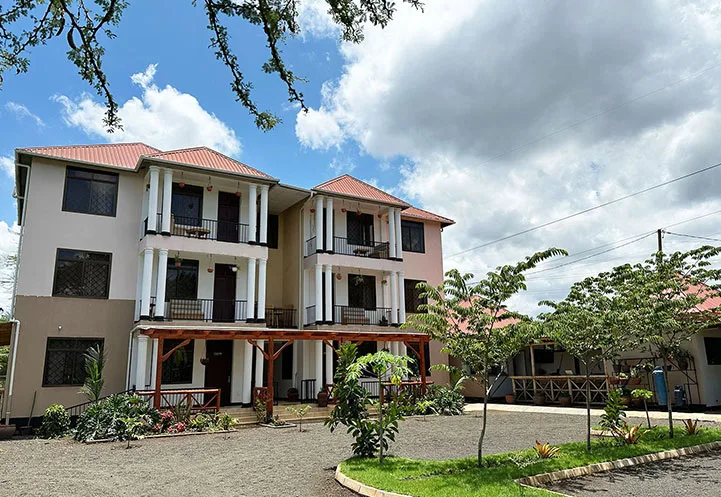
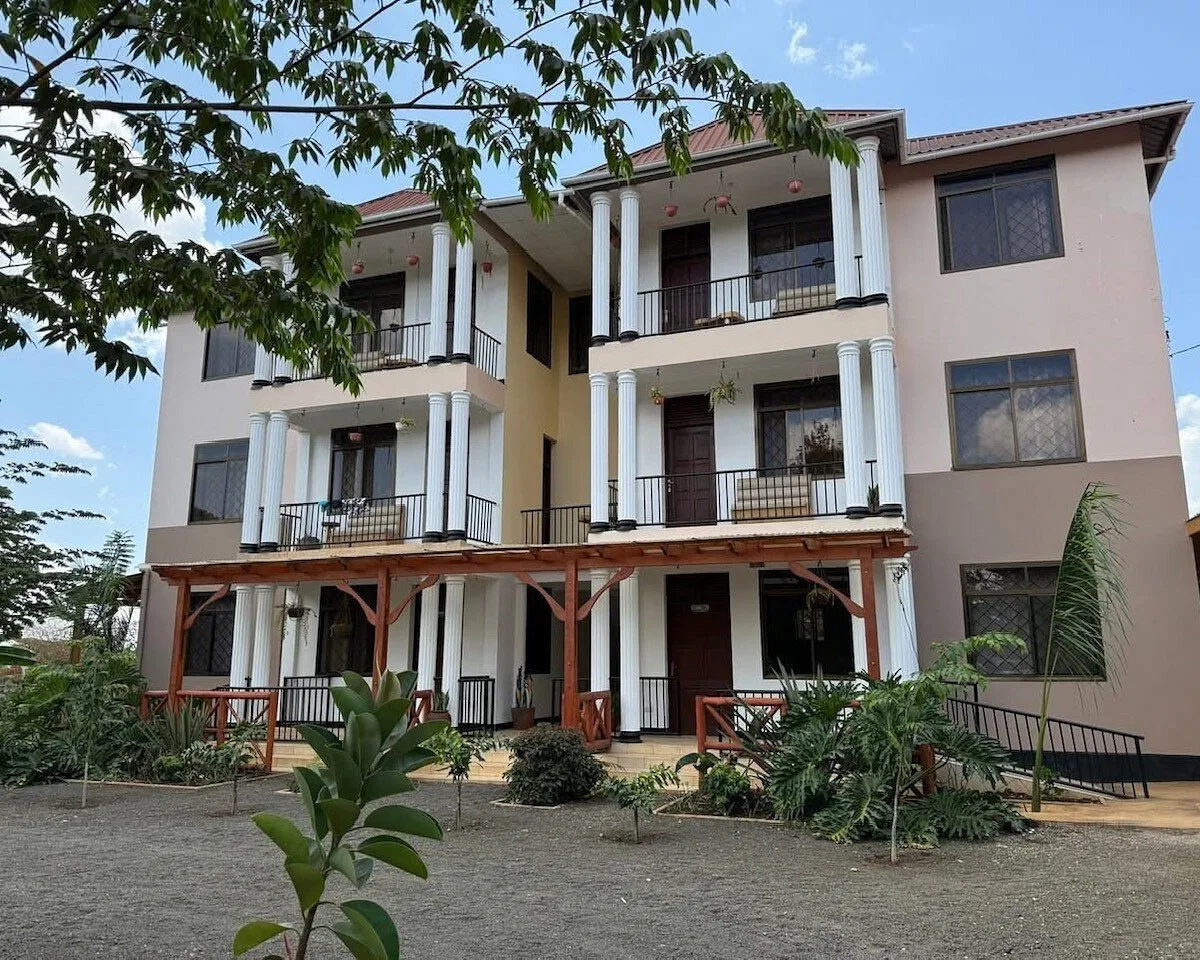
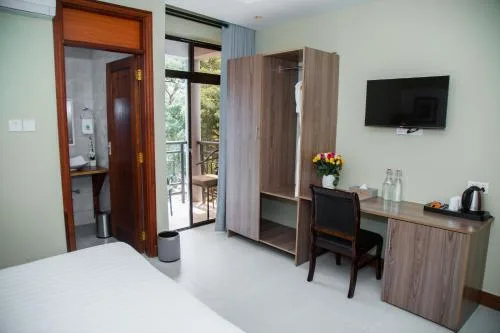
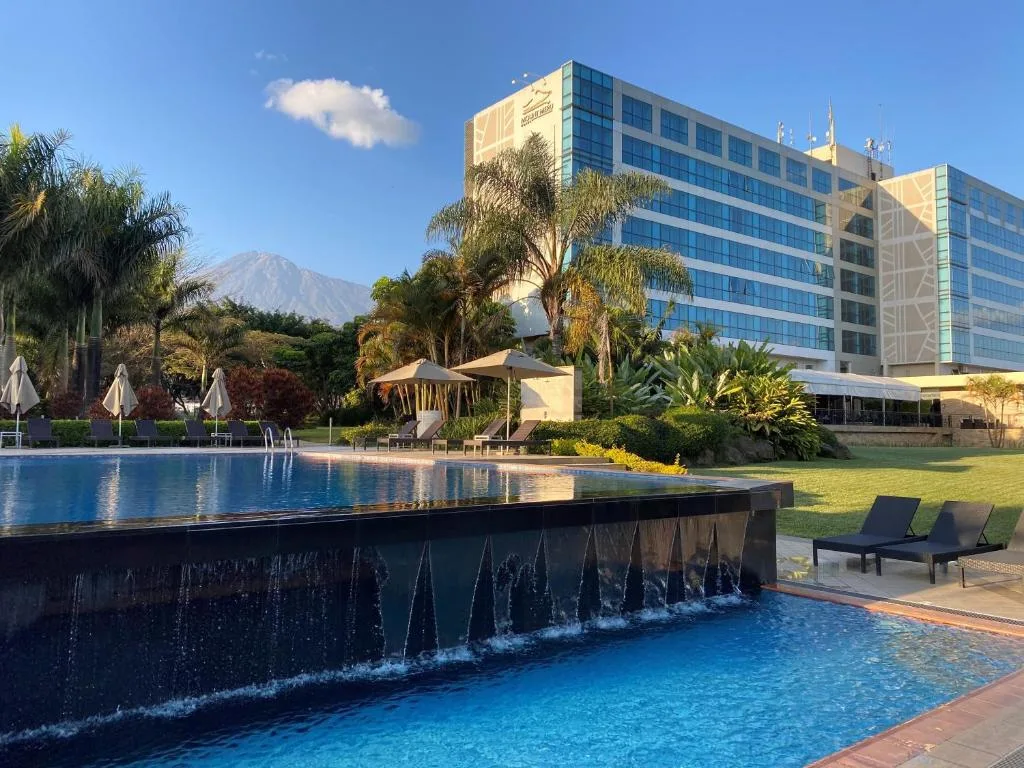
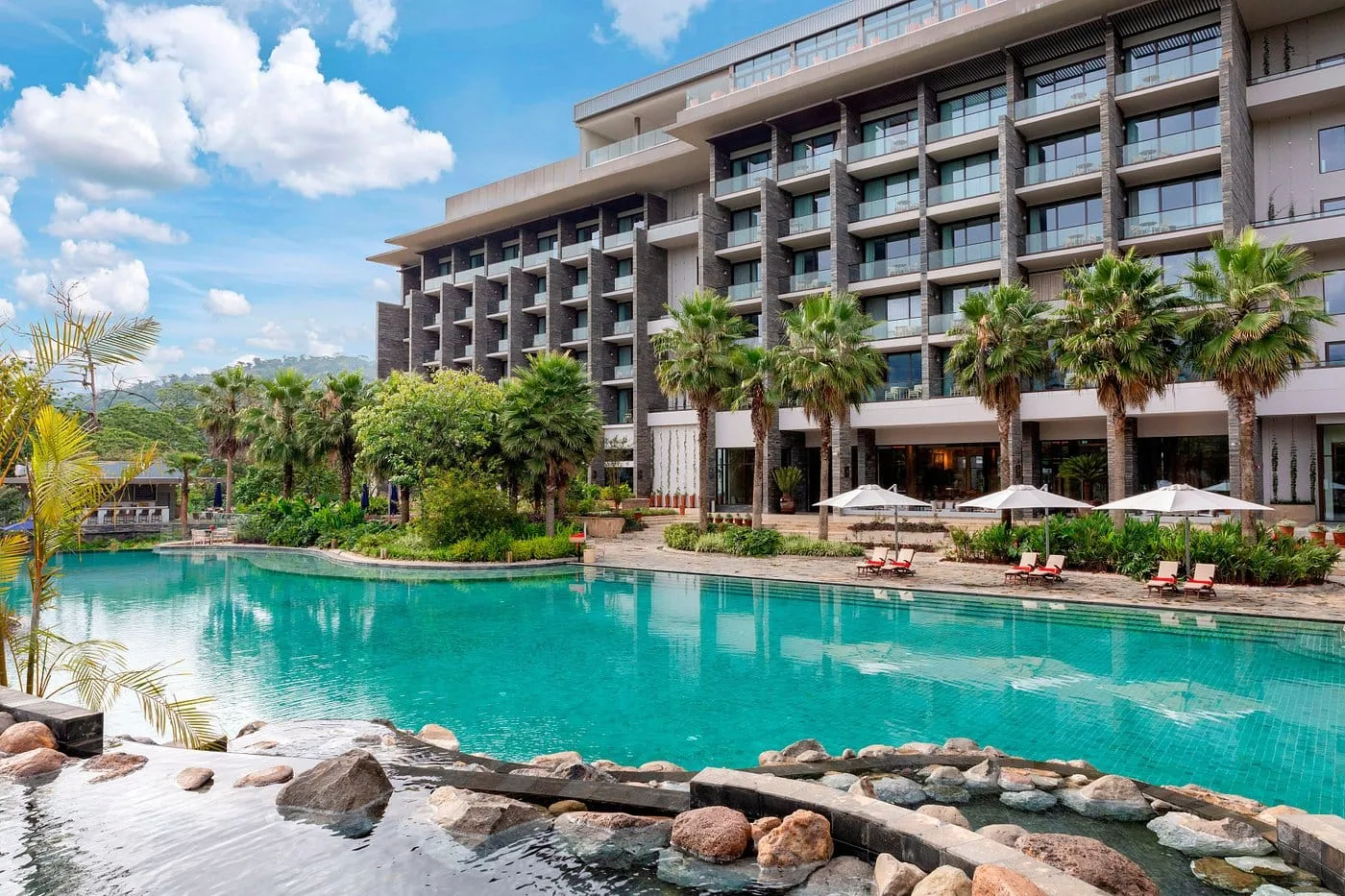
Arusha is the beating heart of Tanzania's safari industry. A vibrant city of 1.5 million that serves as the gateway to Africa's greatest wildlife destinations. After check-in, your expert safari guide sits with you for a comprehensive orientation briefing over tea or coffee. Your guide. A naturalist with thousands of hours in the field. Walks you through the full itinerary, explains predator behaviour and tracking techniques, describes what to watch for at each park and answers every question with the depth of someone who has dedicated their life to these places. You inspect your custom 4x4 Land Cruiser: pop-up roof for 360-degree unobstructed wildlife photography, USB charging points for cameras and phones, binoculars, a cooler stocked with drinks and first aid equipment. In the evening, Haven Trails hosts a welcome dinner. Tanzanian nyama choma, ugali and local beer alongside international options. The table conversation turns, inevitably, to what lies ahead.
2
Arusha ? Tarangire National Park ? Karatu The Elephant Kingdom
Before dawn, the alarm sounds and the real journey begins. Your Land Cruiser rolls out of Arusha heading south into the Great Rift Valley. One of the most geologically significant landscapes on Earth. A 6,000-kilometre crack in the planet's crust, running from the Middle East to Mozambique, it was the corridor along which our earliest human ancestors walked out of Africa. You descend the eastern escarpment as the sun rises, the valley floor opening dramatically below. Maasai settlements dot the plain; their distinctive round bomas enclosed by thorn-bush fences, cattle bells audible through the open windows.
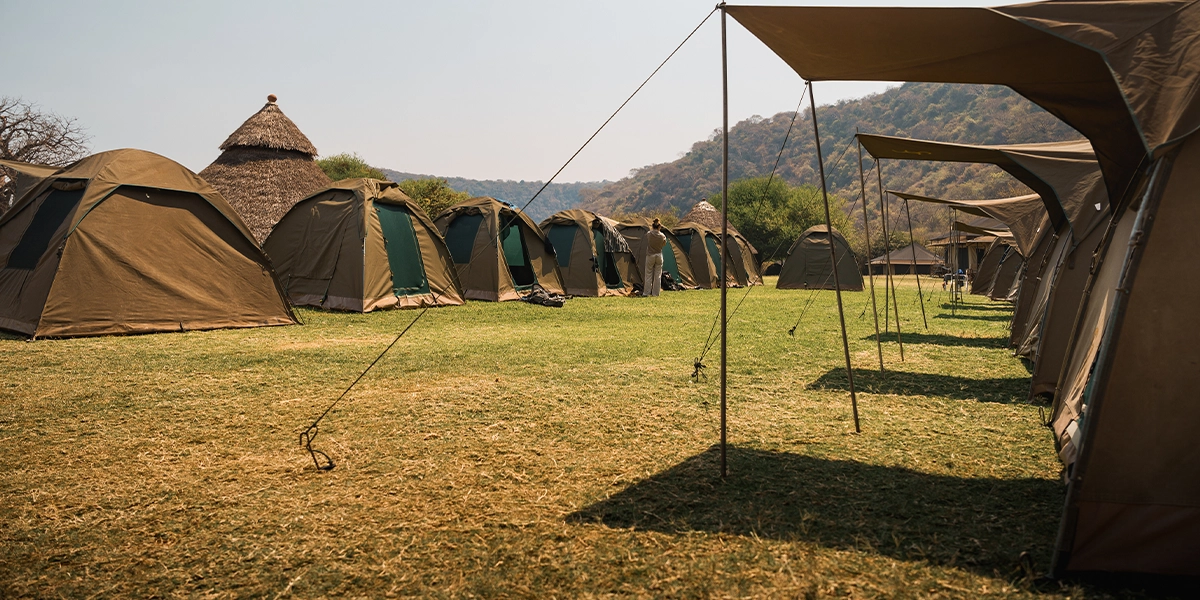
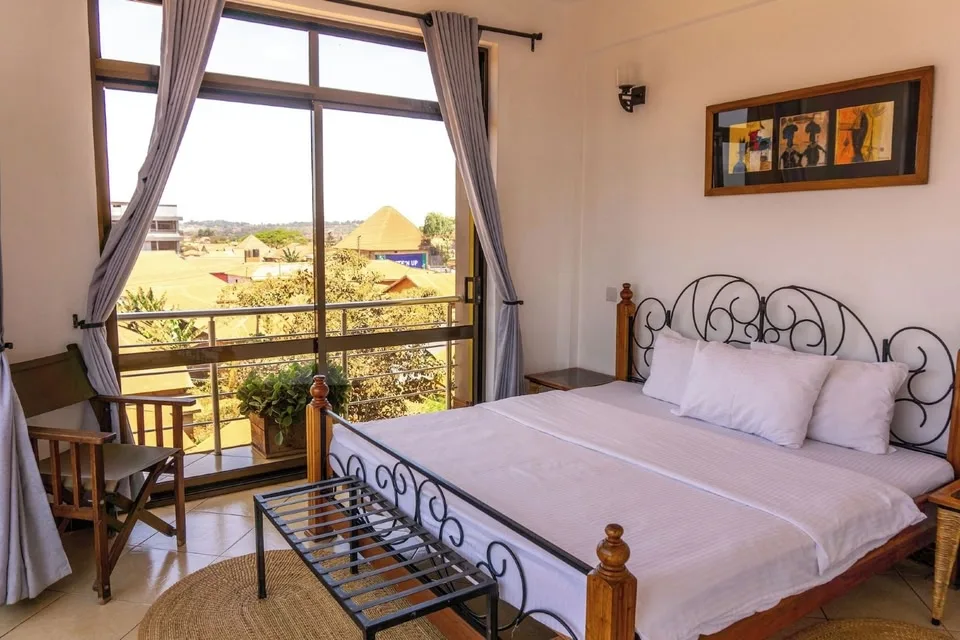
You enter Tarangire National Park as the morning light turns from gold to white. At 2,850 km², Tarangire is Tanzania's sixth-largest park and one of its most underappreciated. The Tarangire River. The only permanent water source in the entire region during the dry season. Drives one of Africa's most concentrated wildlife spectacles. Between June and November, elephant herds of 200 to 300+ individuals move to the river daily, their paths worn 50 centimetres deep into the red earth over millennia. The ancient baobabs surrounding them. Some over 1,000 years old, trunks up to 9 metres in circumference. Provide one of East Africa's most iconic safari landscapes. The full-day game drive covers the river circuit, the Lemiyon woodland (excellent for the rare fringe-eared oryx and gerenuk) and the Silale Swamp. Lion, leopard, buffalo and giraffe are regular sightings. As the shadows lengthen, you exit the park and drive to Karatu. A charming highland town at 1,450m nestled in the Crater Highlands. Cool, green and peaceful, it is the perfect overnight base before tomorrow's descent into the crater.

3
Karatu ? Ngorongoro Crater The Living Caldera
After an early breakfast in the cool Karatu highlands, the Land Cruiser winds up into the Crater Highlands through dense montane forest. Colobus monkeys moving through the canopy overhead. Then the forest ends abruptly and you are at the Ngorongoro Crater rim at 2,300m. The view that opens before you stops every conversation in the vehicle: a volcanic bowl 19 to 21 kilometres across, 600 metres deep, its floor packed with wildlife as far as you can see. It was formed three million years ago when a colossal volcano collapsed inward, creating the world's largest intact caldera. And the self-contained Eden that lives within its walls.
The descent road winds steeply through forest often filled with morning mist. Cape buffalo are regularly encountered on the descent road itself. On the crater floor, your guide drives the full circuit: the Lerai Forest where elephant matriarchs move silently beneath yellow fever trees; the Hippo Pool where 50+ hippos crowd the shallows; Lake Magadi where thousands of pink flamingos gather in shimmering clouds; the open short-grass plains where wildebeest, zebra and eland graze in their tens of thousands. The crater supports 60 to 70 resident lions. Sightings are near-inevitable. And then, if your guide positions you with patience and knowledge: a black rhinoceros. One of perhaps 26 that remain in this crater. One of the rarest large mammals on Earth. The silence after the sighting lasts a long time. A crater floor picnic lunch. Buffalo grazing 30 metres away, ancient walls rising all around. Is one of the great lunch experiences on Earth.
4
Ngorongoro Rim ? Serengeti National Park Into the Endless Plains
After breakfast on the crater rim with the caldera filling slowly with morning light below, you drive west through the Ngorongoro Conservation Area. Passing Maasai warriors herding cattle, their spears loose at their sides, utterly unintimidated by the wildlife around them. This coexistence. Ancient, unresolved and somehow perfect. Is one of Tanzania's most moving sights. An optional stop at Olduvai Gorge (Oldupai Gorge). Where Louis and Mary Leakey discovered 1.8-million-year-old human ancestors in the 1950s. Takes 45 minutes and changes how you see the landscape for the rest of the trip.
Then the Serengeti boundary. The world transforms the moment you cross it. Plains spread in every direction. Flat, golden, treeless, vast beyond comprehension. The sky doubles in size. The Maasai word "Siringet". "the land that runs on forever". Acquires its full literal meaning. Within minutes of entering: a cheetah on a termite mound scanning with yellow eyes; a family of elephants moving through acacias; zebra spreading to the horizon in their thousands. The Serengeti announces itself like a symphony reaching its first great crescendo. An afternoon game drive through the Seronera Valley brings your first Serengeti sightings in spectacular form. Tonight you sleep inside the park. Falling asleep to hyenas whooping and a lion thundering somewhere on the plain.
5
Full Day Serengeti I Predators, Plains & the Great Migration
4:45am. Your guide taps on the tent. The stars at 1,500m are so dense they cast faint shadows. You dress in layers, take a mug of hot coffee, and climb into the Land Cruiser as the roof opens with a hydraulic hiss. You drive into the darkness at walking pace through a wilderness that belongs entirely to the animals.
The Seronera Valley. The river system at the heart of the Serengeti. Is one of the most productive predator zones in Africa year-round. Permanent water, dense riparian forest ideal for leopards and the convergence of prey make it extraordinary. Your guide works the valley: checking sausage trees for leopards at dawn, reading lion pugmarks from last night's hunt, scanning the grass for cheetahs on termite mounds. The radio network of guides shares live sightings in real time. A lion kill from the night is still fresh; two females and five cubs feed as the light builds. You watch for 45 minutes. This is the oldest story on Earth, playing out in front of you.
The Great Migration positions your entire day. In July-October (northern Serengeti), the migration arrives at the Mara River. And the crossings are among the most dramatic events in nature: 10,000 wildebeest arrive at the bank, hesitate at the crocodile-filled water and then plunge in an explosion of chaos that no documentary prepares you for. In January-March (Ndutu, southern Serengeti), the calving season delivers thousands of calves born over concentrated weeks, with predators hunting at full intensity. Your guide knows exactly where to position you for the season.
6
Full Day Serengeti II Kopjes, Wild Dogs & the Plains at Depth
Your third consecutive Serengeti dawn. By now your eyes have adjusted to a different speed. You scan instinctively, your brain categorising shapes and movements it couldn't distinguish three days ago. Your guide notices the change and smiles. Today's drives venture deeper into the Serengeti, exploring areas that day-trippers never reach.
The Simba Kopjes. Ancient granite outcrops rising from the plains like surfacing whales. Are among the oldest exposed rock on Earth, weathered over 600 million years. Lions use them as elevated lookouts; leopards cache kills in their crevices; agama lizards blaze scarlet in the sun. Your guide parks below a kopje as a pride of eight lions lounges in the morning warmth, cubs wrestling while adults watch with the impassive patience of creatures who know they own the earth. Today also potentially brings one of Africa's rarest sightings: the African wild dog. Fewer than 6,000 left on the continent. Tracked occasionally through the western Serengeti. To watch a pack hunt at 50 km/h in perfect coordinated pursuit is an experience that reduces every veteran safari-goer to silence.
A bush picnic lunch under a broad acacia. A giraffe watching from 40 metres, a zebra herd grazing nearby. Is one of the great Serengeti pleasures. The afternoon photography drive focuses on golden-hour light transforming the landscape: tall grass backlit, silhouettes against burning sky, long acacia shadows across red earth. Tonight, your last dinner inside the Serengeti, under a sky so full of stars it seems impossible.
7
Serengeti ? Arusha The Final Movement
Your final Serengeti dawn. The alarm sounds one last time and you step outside with a strange mixture of anticipation and sadness. Aware this is the last morning, determined to meet it fully. The Land Cruiser moves through the just-lightening landscape. Perhaps a lion family is found at a zebra kill as the light turns gold. Perhaps a pair of bat-eared foxes stands in the grass, their enormous ears catching sounds no human can hear. Perhaps simply a thousand wildebeest running for no discernible reason across the plain, their collective thunder felt in your chest. Whatever it is, the Serengeti delivers. It always does.
After a final hot breakfast at camp, warm farewells with the camp crew and you begin the long drive east. You re-enter the Ngorongoro Conservation Area, climbing through the Crater Highlands. Perhaps pausing at the rim for a last view of the crater below, so different now that you have been inside it. You descend to the Rift Valley floor, heading north and east toward Arusha. The landscape of rural Tanzania unfolds: small farms, roadside markets, schoolchildren in uniforms, women carrying loads on their heads. A reminder that Tanzania is not only its wilderness but also its people and the extraordinary fact that a country of 65 million has chosen to protect 38% of its land for nature.
You arrive in Arusha in the late afternoon. In time for airport transfers to Kilimanjaro International Airport or an additional night if departing tomorrow. Your guide accompanies you to the end, asking already when you plan to return. The answer, more often than not, is "sooner than I expected."
Tanzania's wildlife is yours to carry from this point forward. The Great African Symphony doesn't end. It simply moves to a different stage.
Three Movements of the Symphony
Tarangire National Park The Elephant Kingdom
Tanzania's magnificent baobab wilderness, where elephant herds number in the thousands and ancient trees tell stories older than civilisation.
Established as a game reserve in 1957 and upgraded to a national park in 1970, Tarangire is Tanzania's sixth-largest park. And arguably its most underrated. While the Serengeti claims the glamour and Ngorongoro the grandeur, Tarangire offers something rarer: genuine intimacy with wildlife at a scale that still takes your breath away. This is elephant country above all else. During the dry season (June-November), herds of up to 300 elephants converge daily on the Tarangire River. The only permanent water source for hundreds of kilometres. You watch them drink, bathe and socialise beneath the shade of 1,000-year-old baobabs. The scene is elemental. Biblical. Unforgettable.
But Tarangire is far more than elephants. The Silale Swamp. A vast seasonal wetland in the park's southern sector. Concentrates extraordinary wildlife: lion prides, buffalo herds and occasional sightings of the rare African wild dog. The Lemiyon circuit in the north provides classic savannah game viewing with giraffes, zebras, impalas and Grant's gazelles moving through acacia woodland. The park is also home to Tanzania's rarest dry-country antelopes: the fringe-eared oryx and the long-necked gerenuk. Two species almost impossible to see elsewhere in northern Tanzania.
Serengeti National Park The Endless Plains
Africa's most iconic wilderness. Where the Great Migration plays out in real time and the Big Five roam across 14,763 square kilometres of endless open savannah.
Tanzania's oldest and largest national park, the Serengeti was designated a UNESCO World Heritage Site in 1981. Its name derives from the Maasai word "Siringet". Meaning "the land that runs on forever". And the vast, flat, treeless plains stretching to every horizon make the name feel like literal truth. The Serengeti is the site of the Great Wildebeest Migration: the largest overland migration of mammals on Earth, involving 1.5 to 2 million wildebeest, 500,000 zebra and 250,000 Thomson's gazelle in a continuous 800-kilometre loop driven by the rains. Depending on the time of year you visit, you witness different movements: the January-March calving season in the Ndutu area, the dramatic April-June migration northward or the spectacular July-October river crossings at the Mara River in the north.
But the Serengeti is magnificent year-round. The Seronera Valley in the central Serengeti is one of the best places in Africa to see predators: lions resting in sausage trees, cheetahs scanning the open plains from termite mounds, leopards draped over acacia branches with fresh kills. The Serengeti also supports the world's largest lion population. Estimated at over 3,000 individuals across the ecosystem. Walking the plains in your mind's eye, seeing zebra spread to the horizon and hearing a hyena clan whooping in the dusk, you understand why this is called one of the Seven Natural Wonders of the World.
Ngorongoro Crater The Living Caldera
The world's largest intact volcanic caldera. A self-contained ecosystem 600 metres deep and 19 kilometres wide, holding 25,000 animals within its ancient walls.
Three million years ago, a volcano larger than Kilimanjaro collapsed in on itself, creating the Ngorongoro Caldera. A natural enclosure of extraordinary proportions. The crater walls rise 600 metres from the floor, creating a self-contained ecosystem unlike anywhere else on Earth. Within these ancient volcanic walls, approximately 25,000 large mammals live in a balanced, year-round resident population. One of the highest densities of wildlife per square kilometre anywhere on the African continent. Because there is abundant water and year-round grass on the crater floor, most animals never leave. This creates a wildlife encounter of unparalleled intensity: on a single full-day crater drive, it is not unusual to see all Big Five, herds of elephant, thousands of wildebeest and zebra, multiple lion prides and hundreds of flamingos on Lake Magadi.
The Ngorongoro Crater is also one of the last reliable places on Earth to see the critically endangered black rhino in the wild. Tanzania's black rhino population was devastated by poaching in the 1970s and 1980s; today, the Ngorongoro Crater protects one of the country's last stable populations of approximately 26 individuals. Seeing one. Massively built, ancient-looking, impossibly rare. Is one of the most moving wildlife experiences in Africa. One notable absence from the crater is the giraffe, which never descended from the rim. Though Maasai cattle share the land with the wildlife, a reminder that the Ngorongoro Conservation Area is uniquely managed for both wildlife and its original human inhabitants.
When to Go
The Great African Symphony safari is exceptional year-round. Each season offers a distinct experience. Below is a guide to what each period delivers across the three parks.
Moments That Will Stay With You Forever
Watch 200-300 elephants converge on the Tarangire River beneath 1,000-year-old baobabs. One of Africa's most concentrated wildlife spectacles. A scene that stops time completely.
Ten thousand wildebeest arrive at the Mara River bank in silence. Then plunge in a deafening explosion of chaos, courage and crocodiles. Nothing on Earth prepares you for witnessing it live.
On the Ngorongoro Crater floor. 304 km² of self-contained Eden. Lion, leopard, elephant, buffalo and the critically endangered black rhino coexist at extraordinary density. All five in one unforgettable day.
The drive down the crater wall. 600 metres through forest, mist and buffalo. Then emerging suddenly onto the ancient floor. One of the great dramatic arrivals in all of travel.
Pre-dawn. The plains in absolute darkness. A lion pride at a kill as the sun rises gold over Mawenzi Peak on the horizon. The oldest story on Earth playing out in front of you at first light.
Thousands of lesser and greater flamingos turn the Ngorongoro's soda lake pink at both ends. Their reflections double in the still water. A colour and composition that looks almost too beautiful to be real.
Your guide parks under a broad acacia, unpacks the hamper, and lays the table in the shade. A giraffe watches from 40 metres. You eat lunch inside one of the world's greatest national parks. There is nothing else like it.
At 1,500m with zero light pollution, the Serengeti sky is one of the most astonishing on Earth. Stars dense enough to cast shadows, the Milky Way blazing overhead, hyenas calling in the darkness around camp.
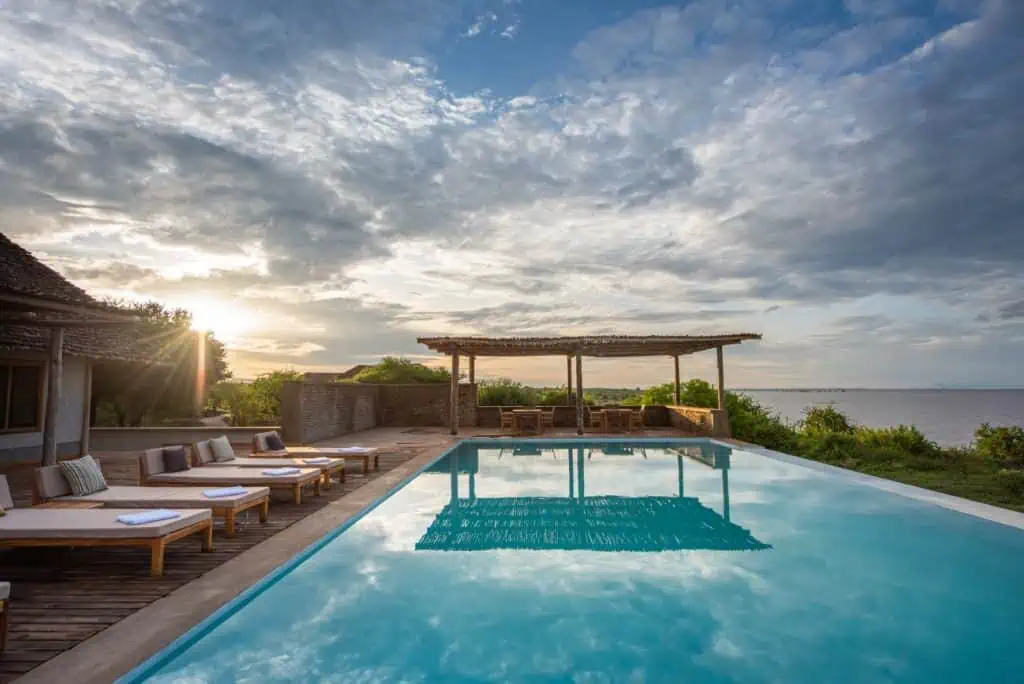
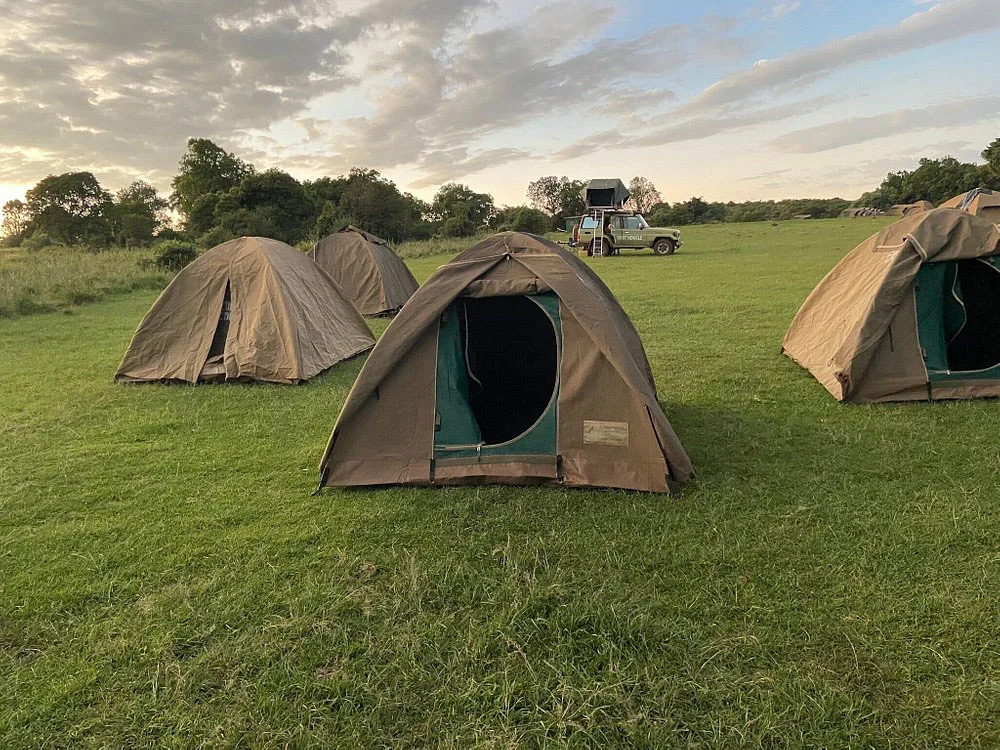
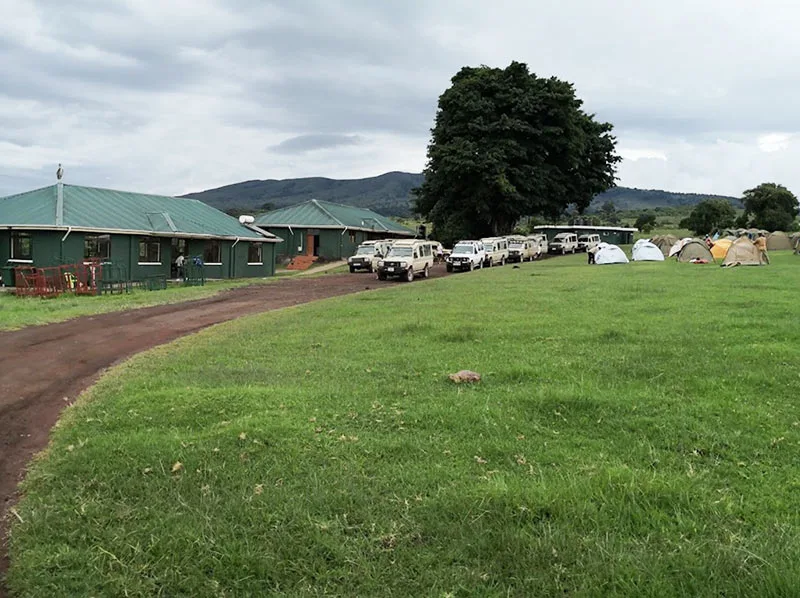
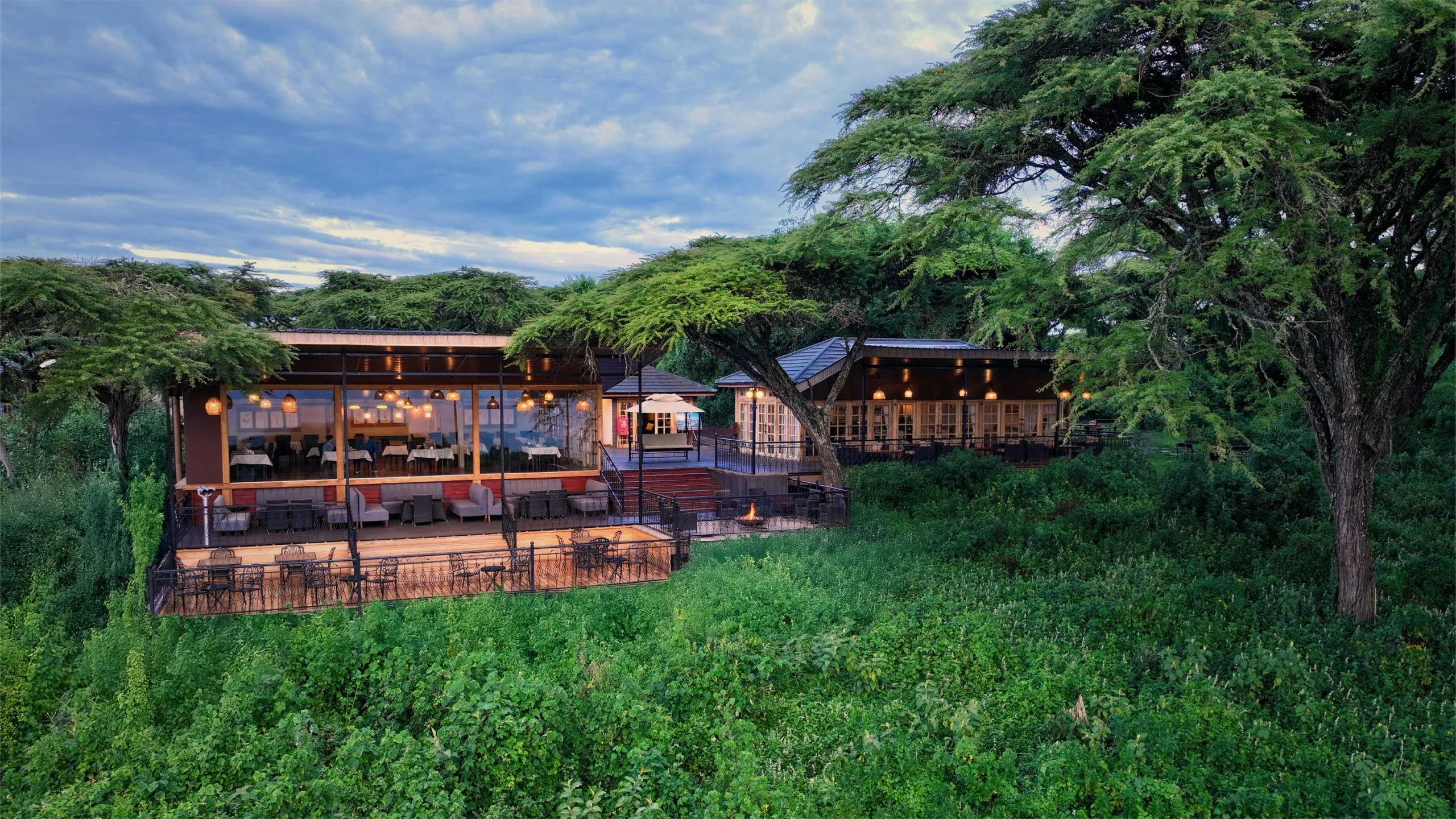
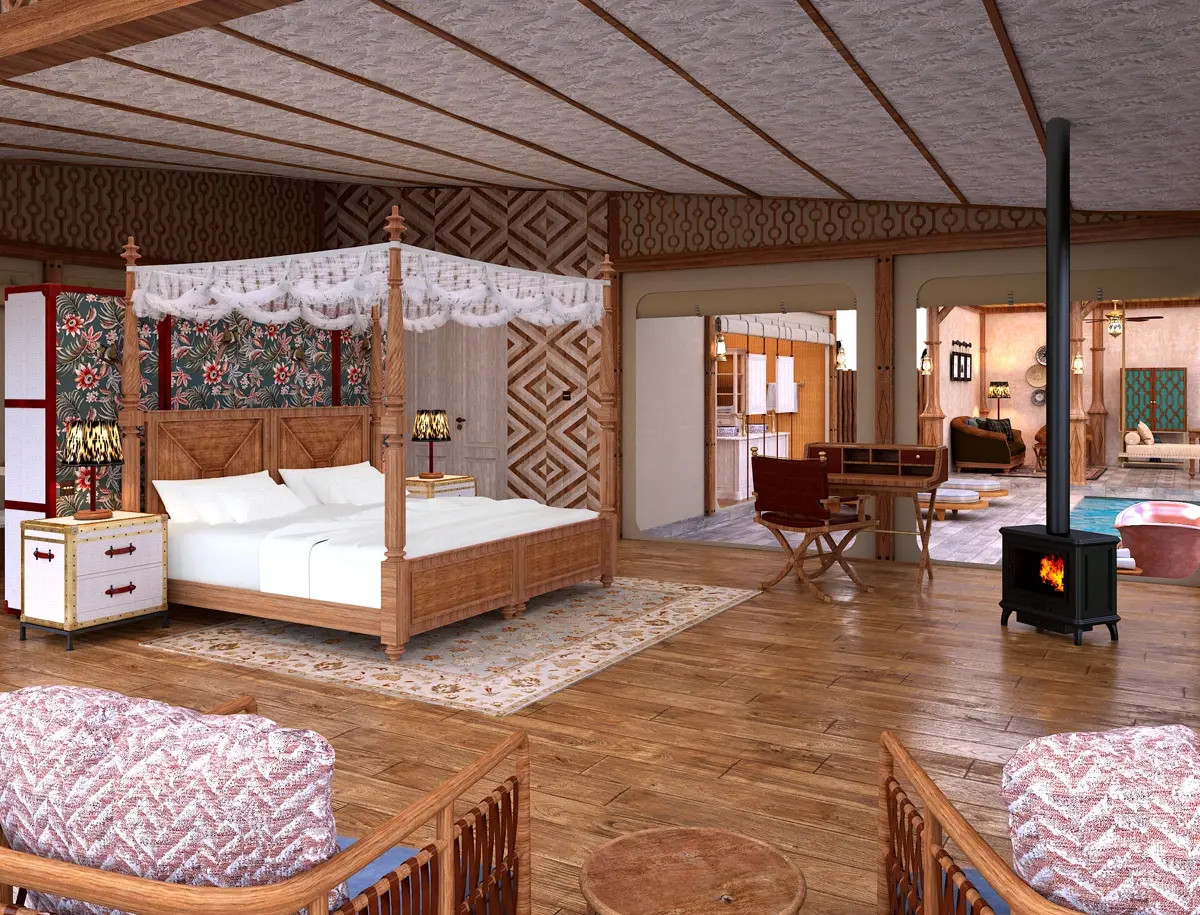
Accommodation Your Safari Home
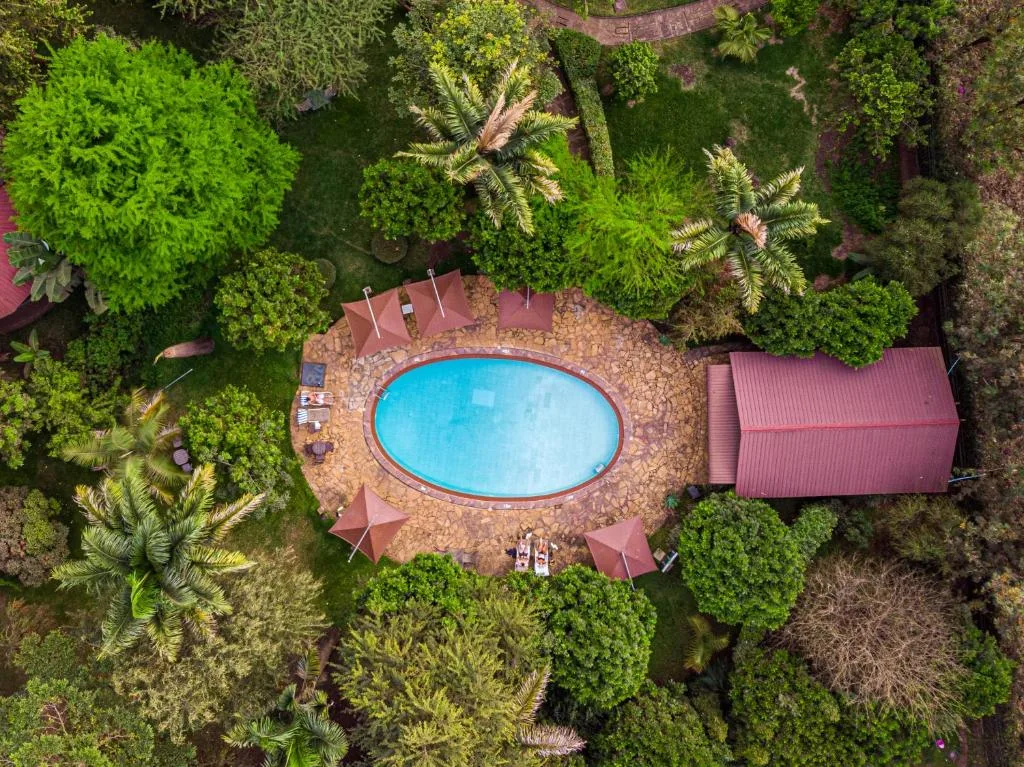
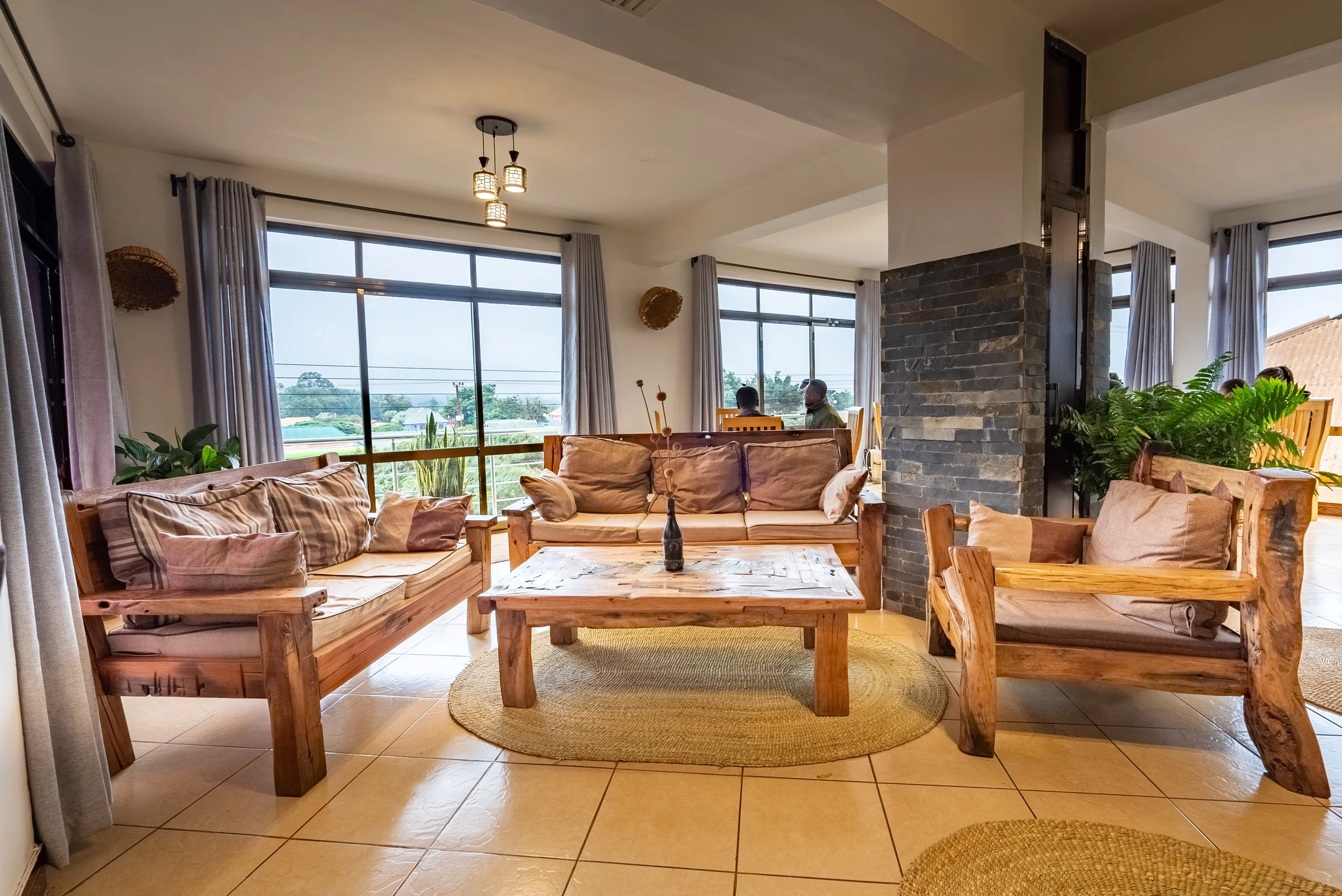
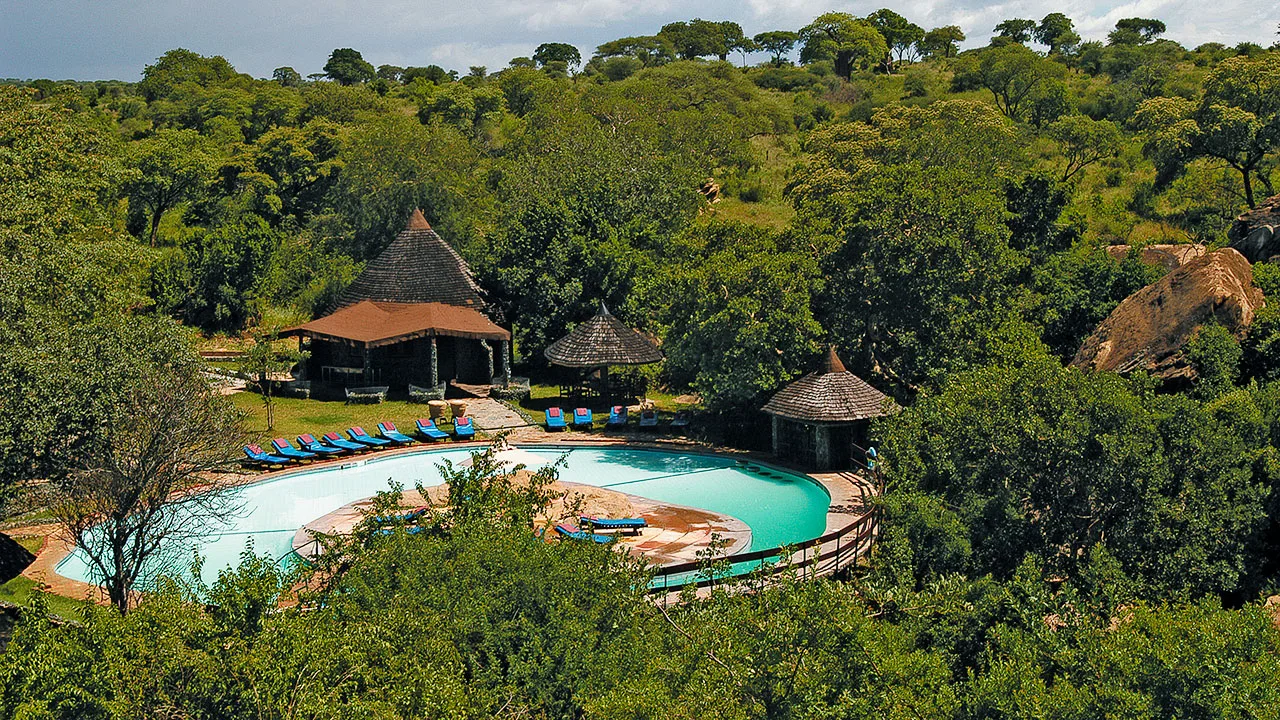
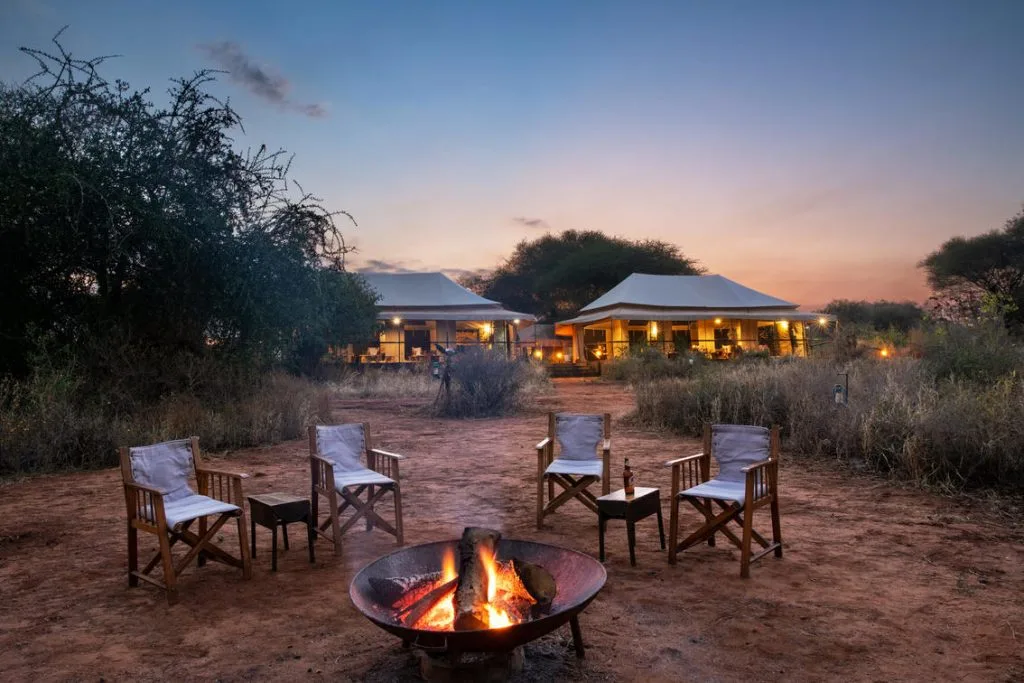
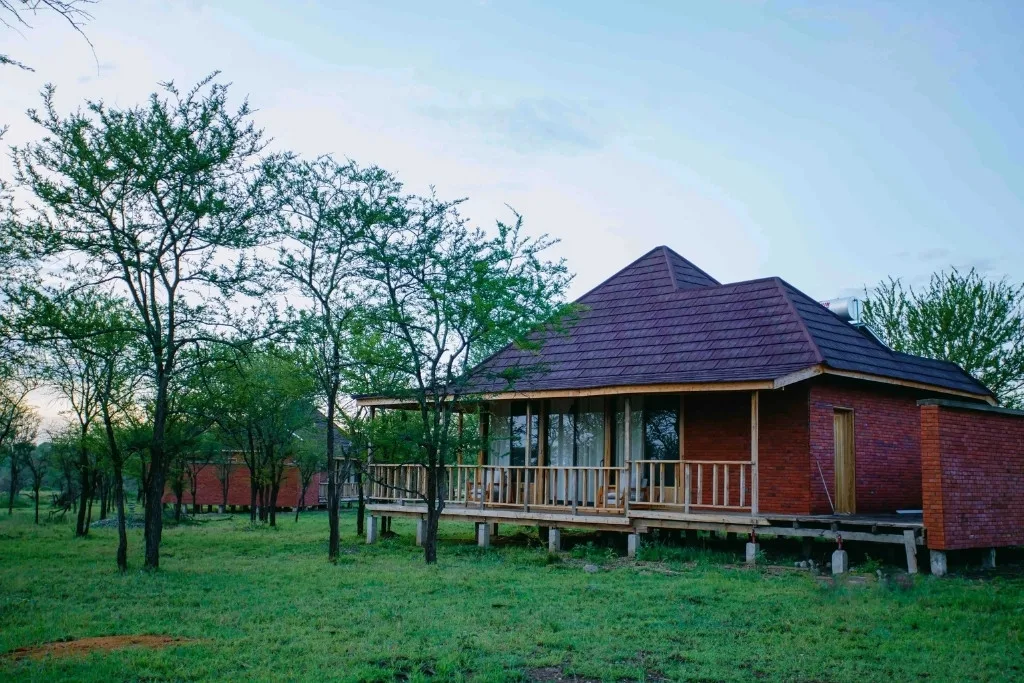
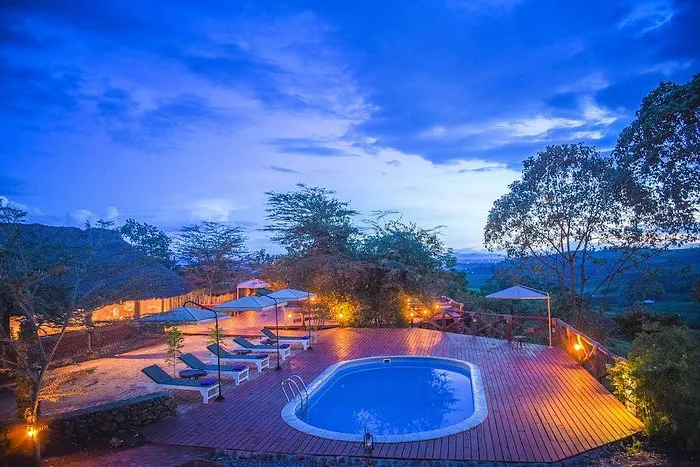
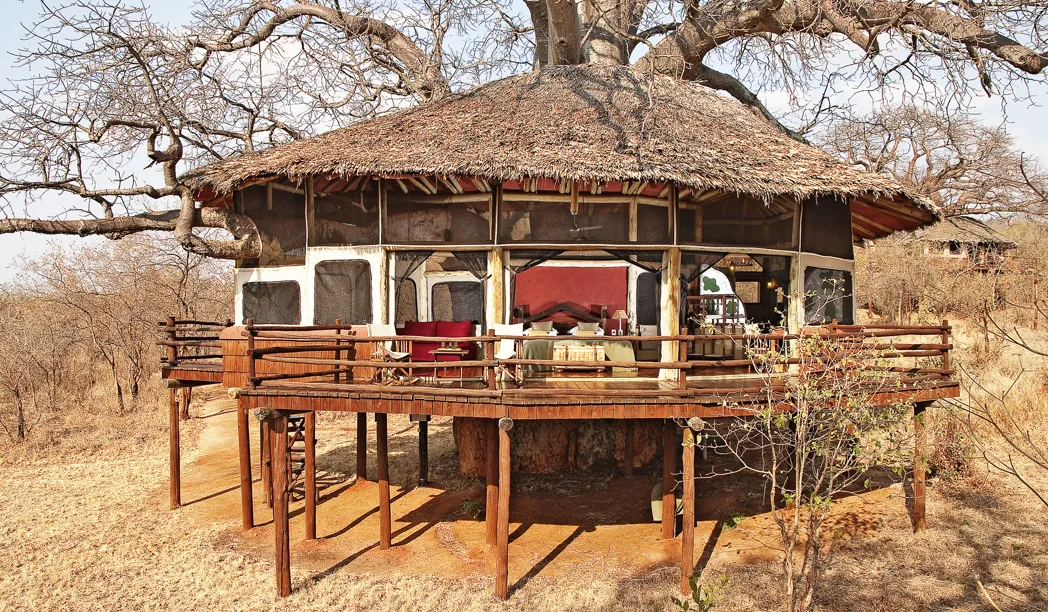
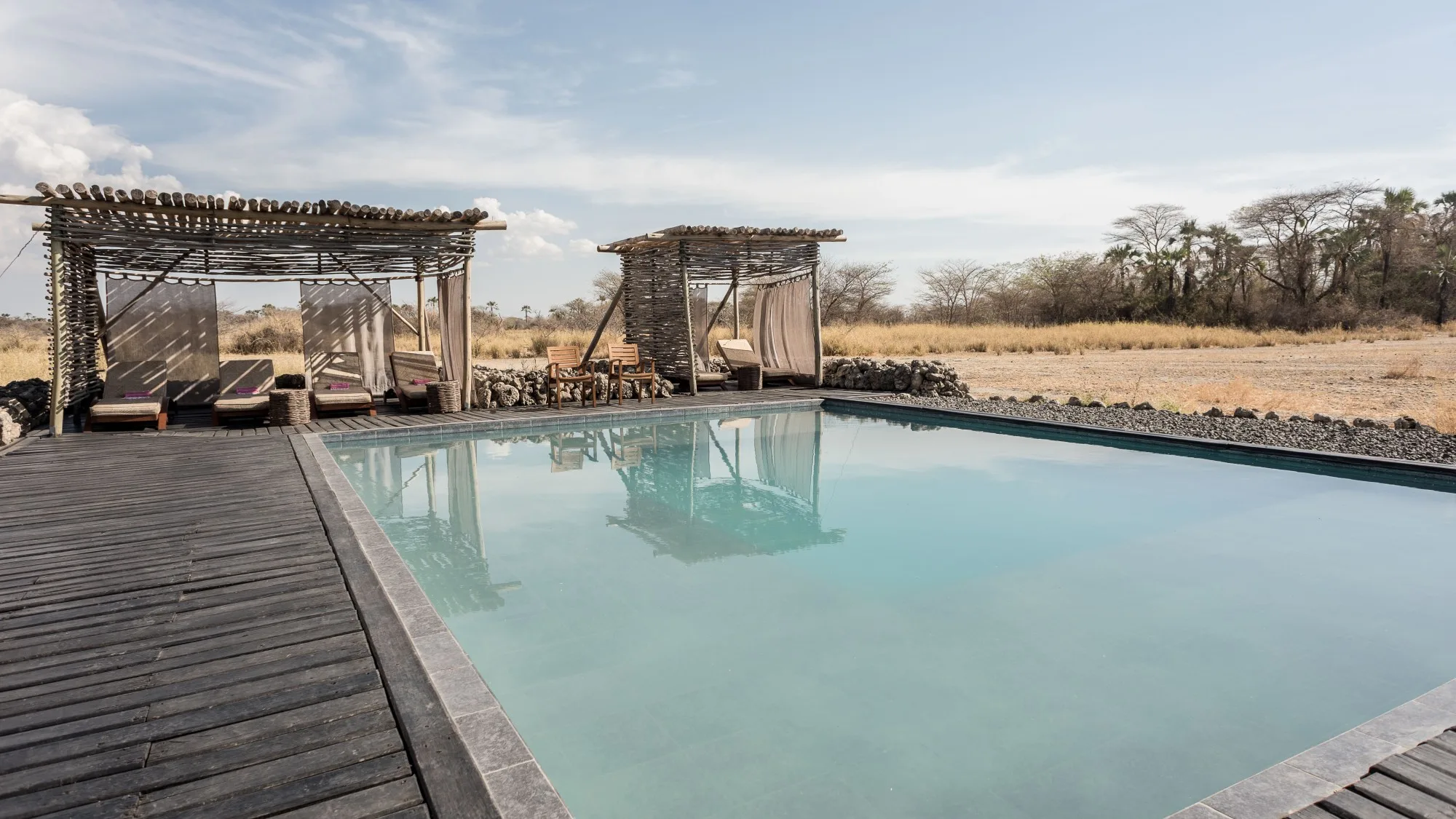
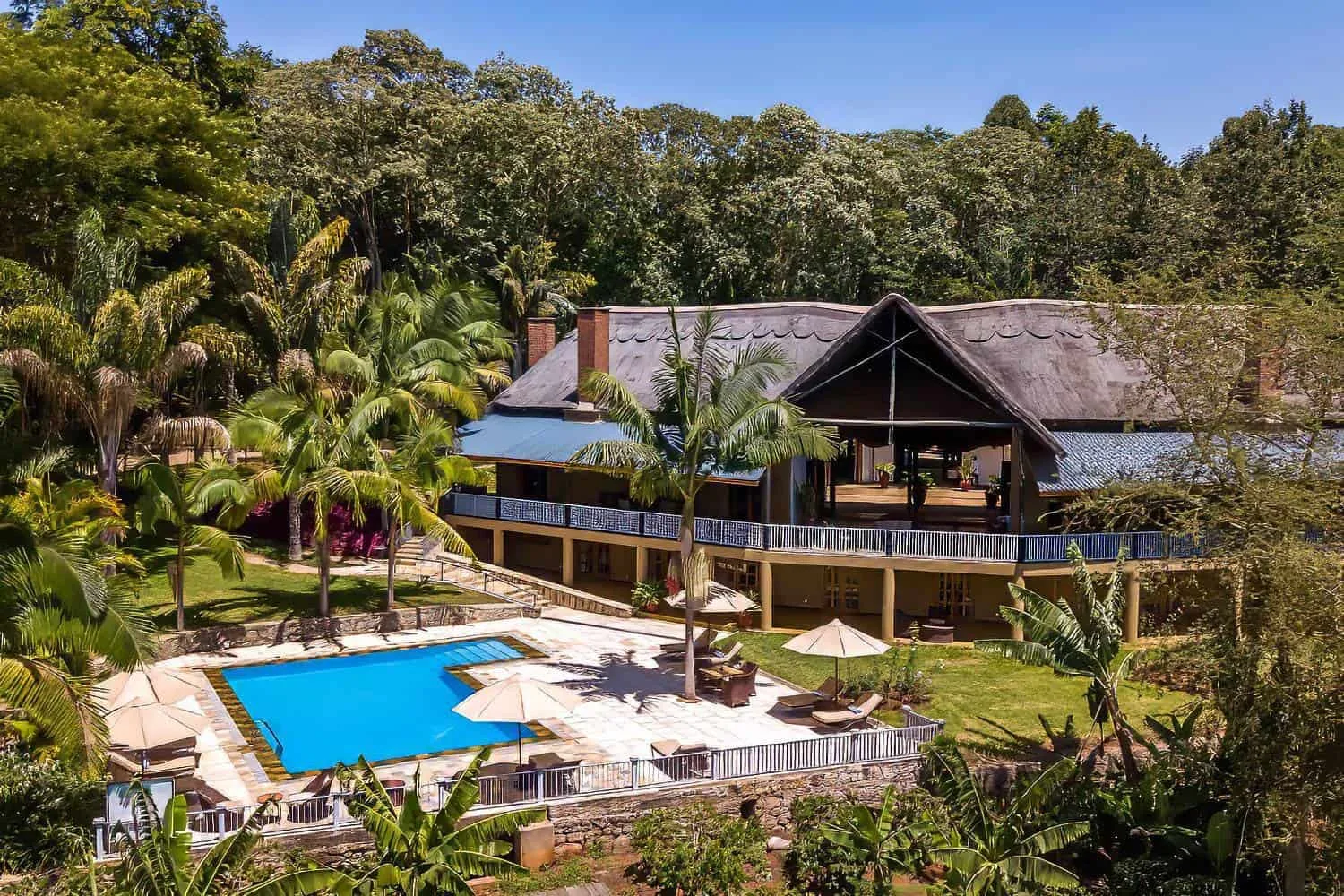
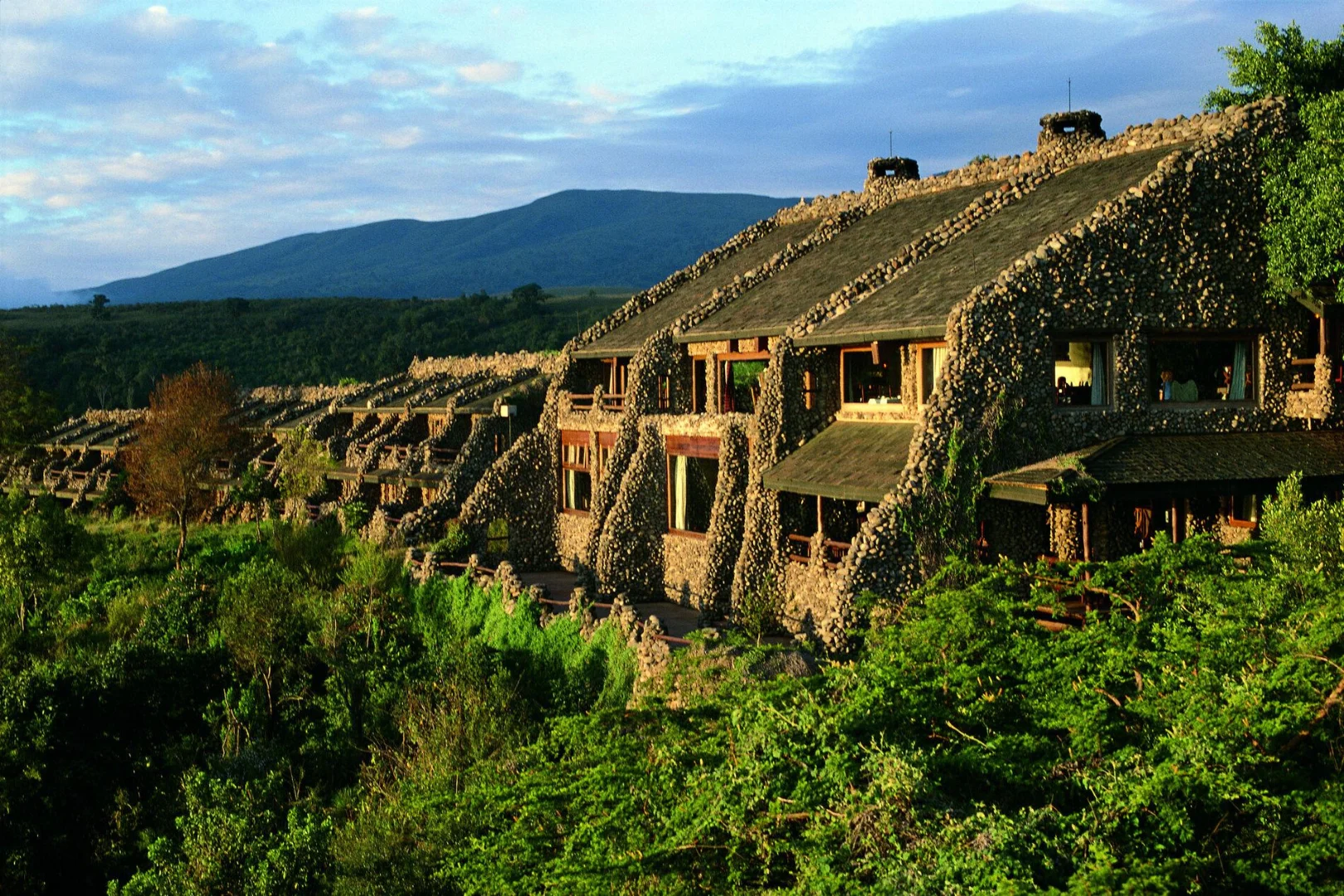
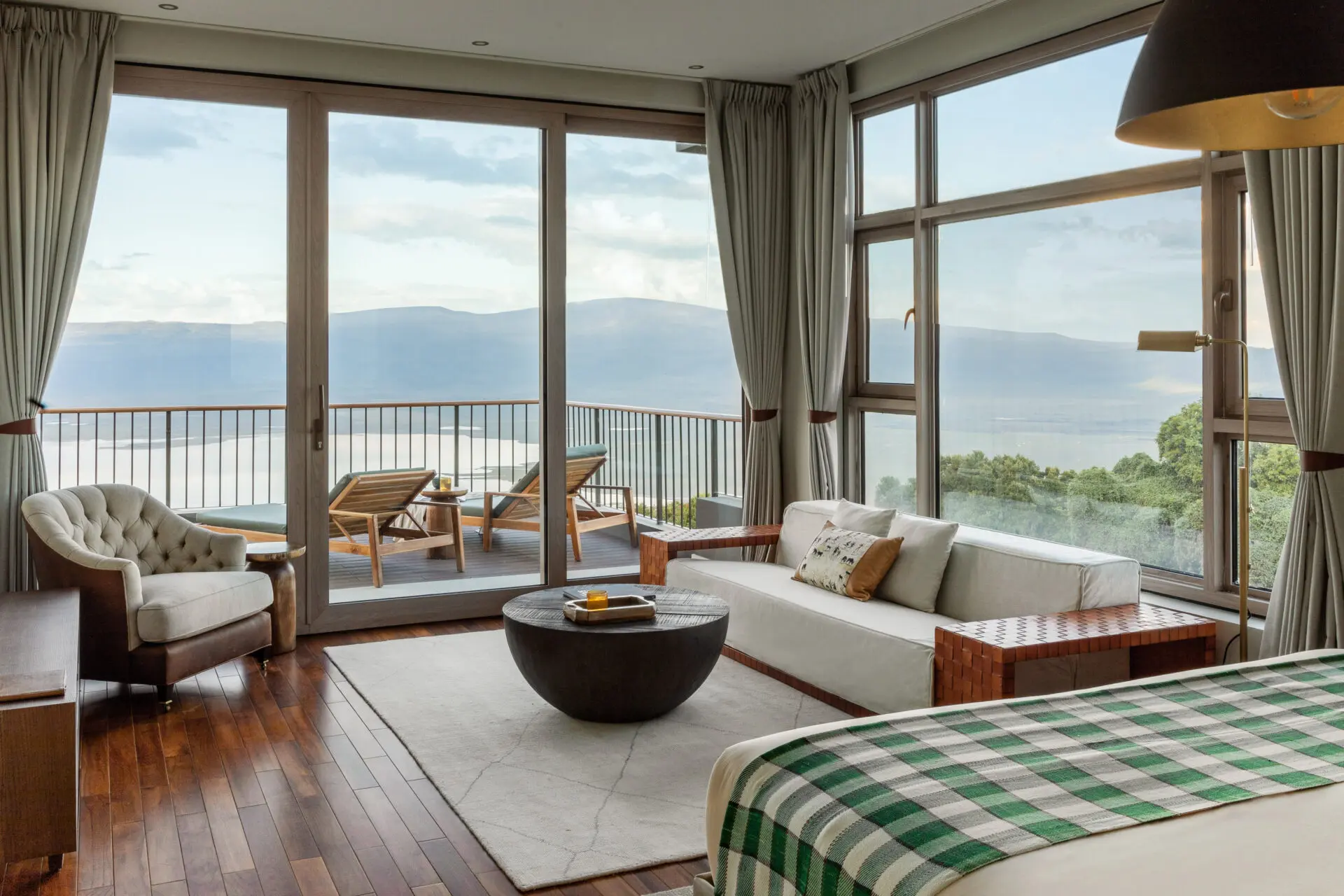
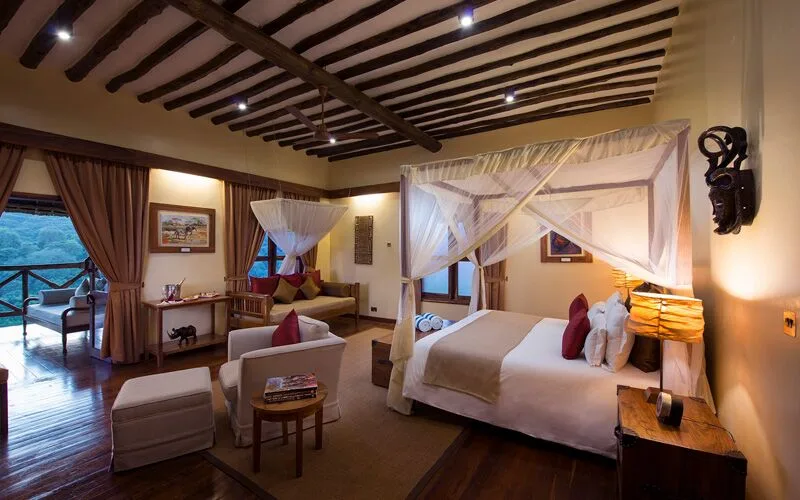
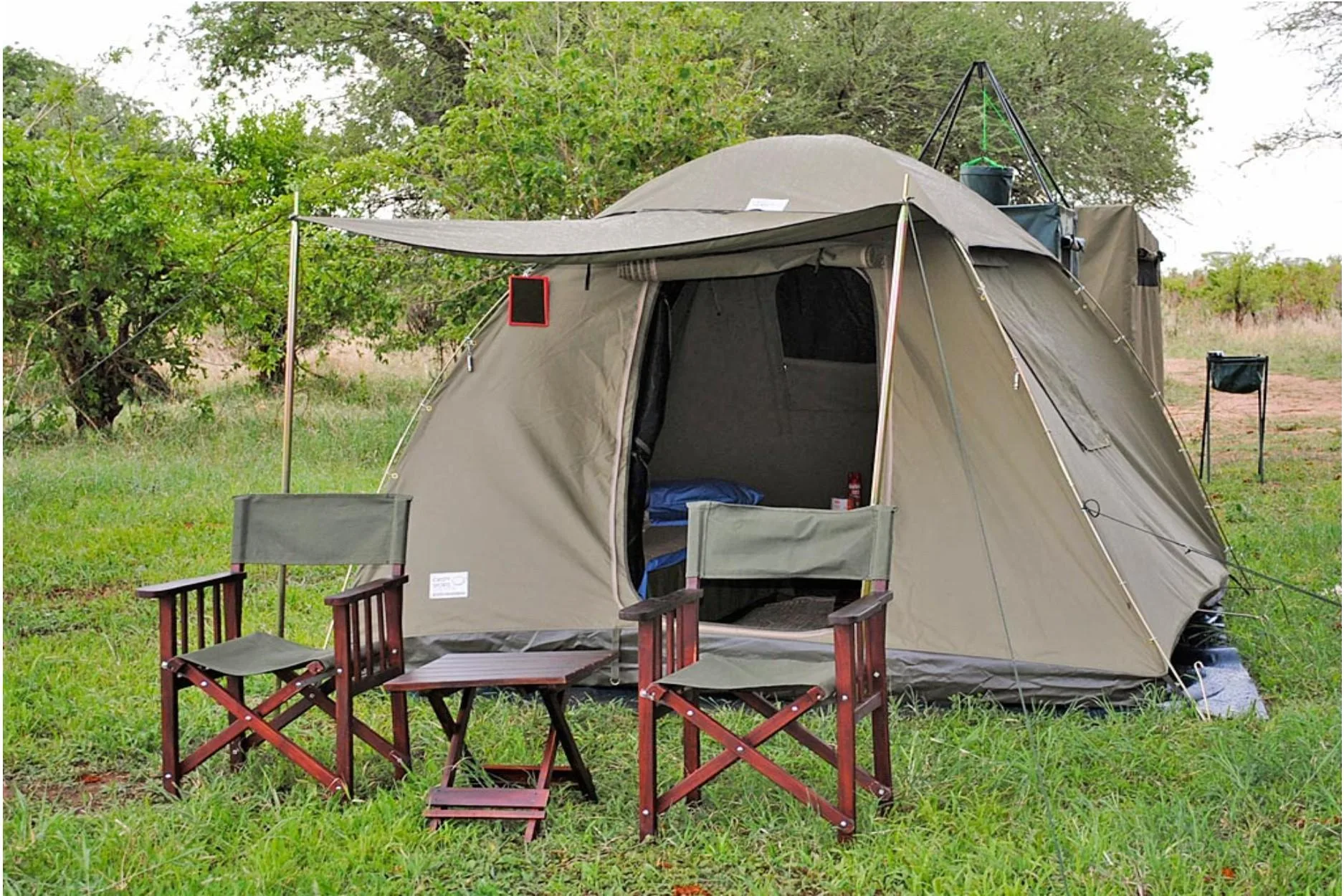
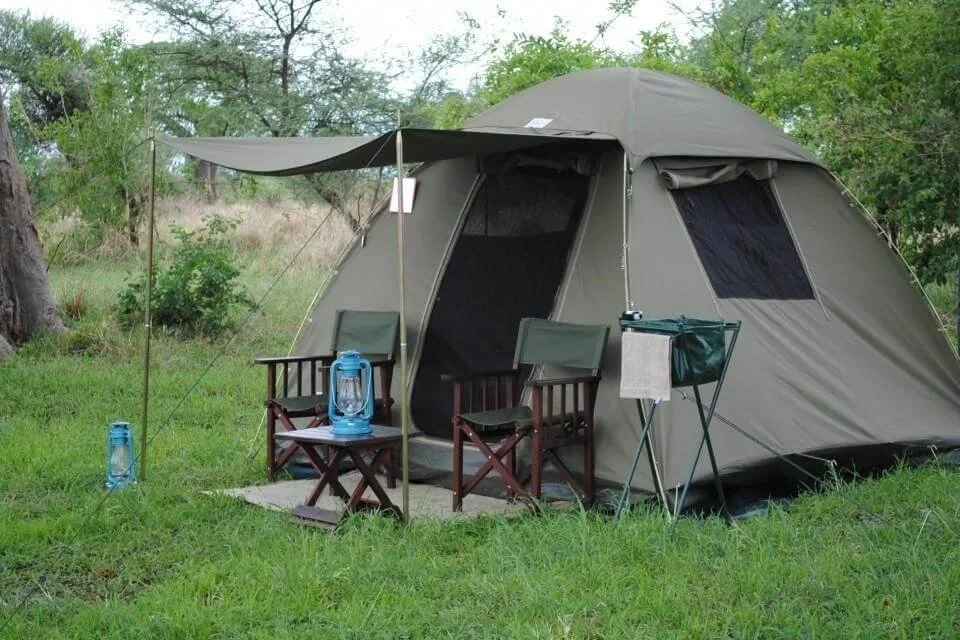
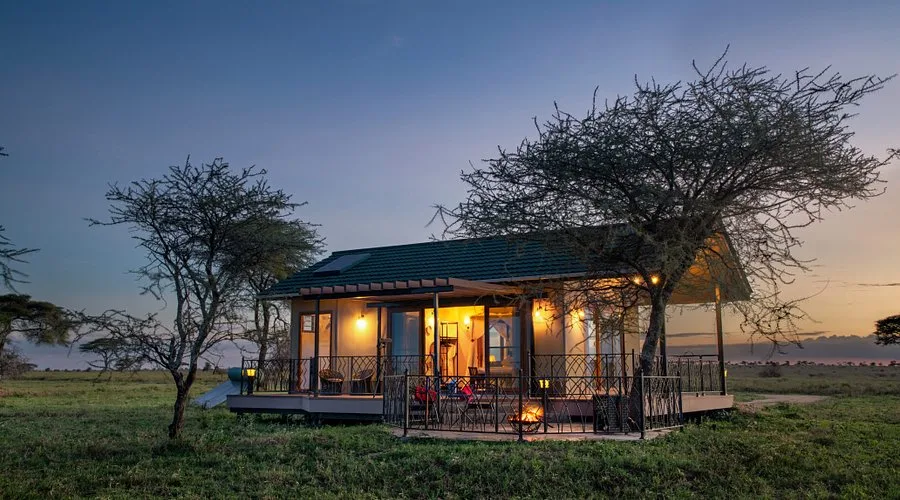
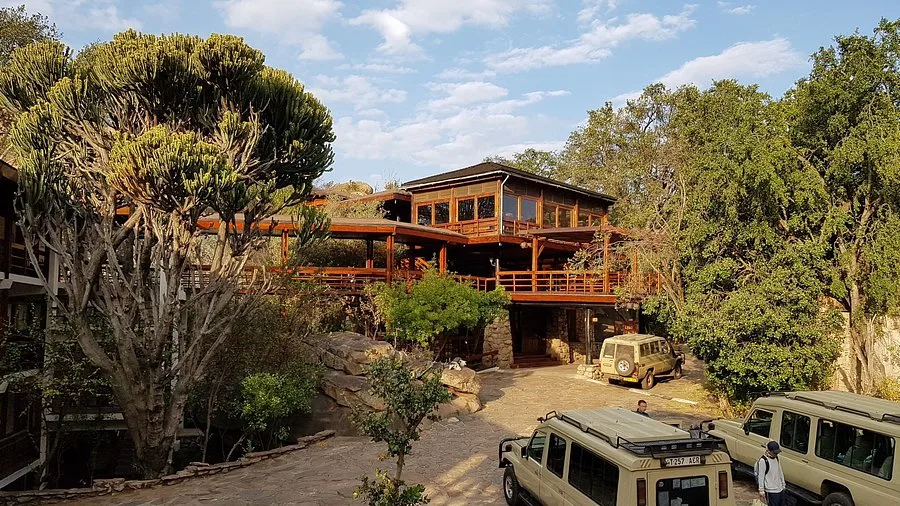
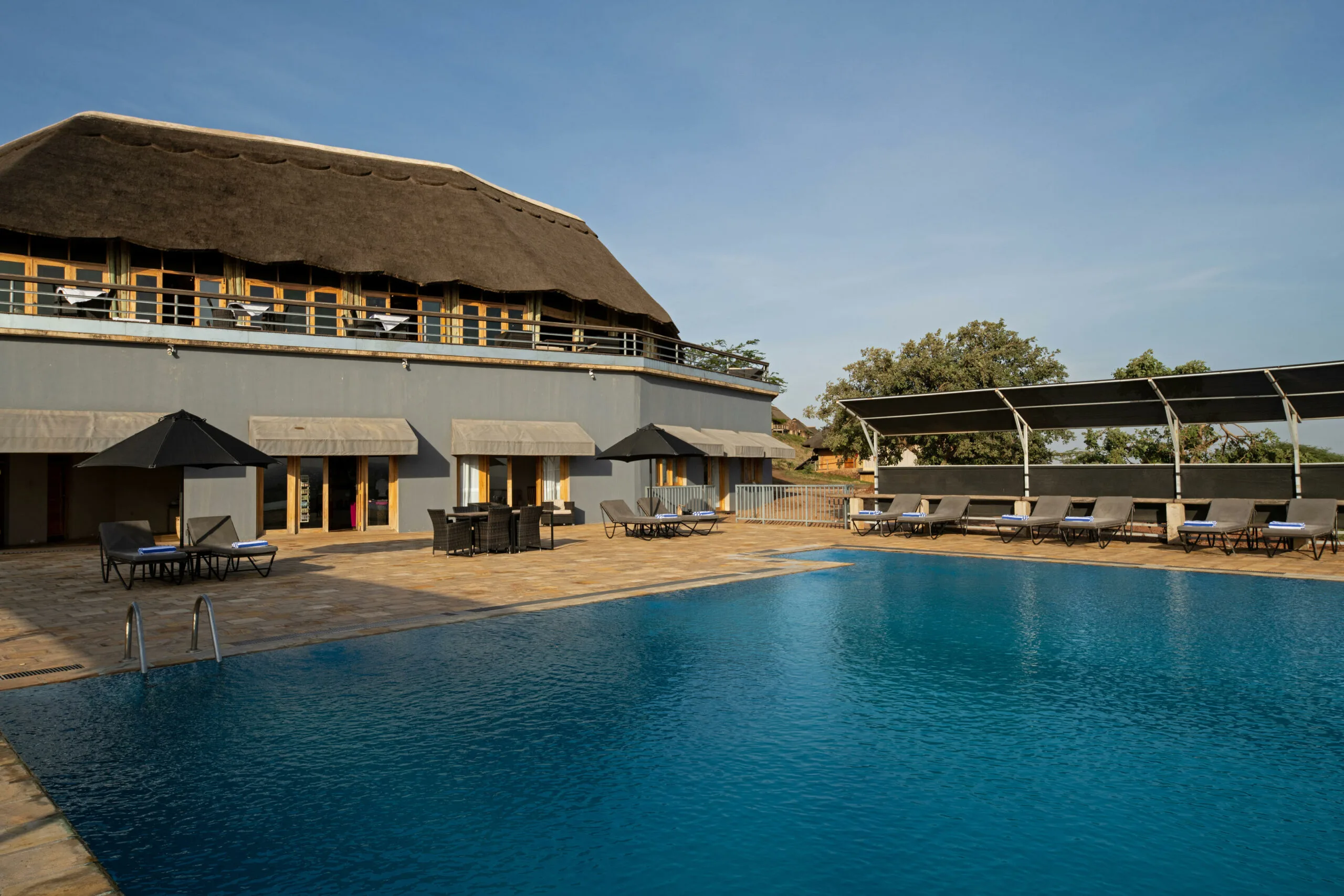
Every night of this safari is as carefully chosen as the game drives themselves. Silver, Gold and Platinum tiers are available for each stage of the journey. Use the tabs inside each day of the itinerary above to browse where you'll sleep, or scroll back up to compare tiers night by night.
All accommodation on this safari is fully customisable. If you have a specific property in mind. Or would like to mix Silver, Gold or Platinum nights. Simply let us know. Haven Trails works with all major properties and many exclusive private camps. Contact us at info@haventrails.com or WhatsApp +255 713 334154.
Why Haven Trails Adventures
Every Haven Trails guide holds a Professional Tourist Guide Certification and has completed a minimum of 1,000 guided field hours before leading any client. Our guides don't just drive you to animals. They read the land, interpret behaviour, share ecology and make every sighting a story. Many guests describe their guide as the highlight of the entire trip.
Every safari departs in a custom-fitted 4x4 Land Cruiser with a 360-degree pop-up roof for unobstructed photography, forward-facing window seats, individual USB charging ports, a stocked cooler, binoculars, a first aid kit and a radio linked to the guide network. Maximum 6 guests per vehicle. Never a crowded bus.
We are based in Moshi, Tanzania. Not a booking platform in London or New York. Our team is in the field every week, tracking seasonal wildlife movements, building direct relationships with lodge managers and repositioning itineraries in real time based on what the animals are doing. You benefit from intelligence that no international operator can match.
All Haven Trails guides carry satellite communication devices and emergency first aid supplies. We maintain evacuation protocols for every park on the circuit in partnership with Flying Doctors Tanzania. Every client is issued emergency contact cards, and our 24/7 Moshi operations centre monitors all active safaris throughout the trip.
The Great African Symphony is a framework, not a formula. Every detail is adjusted to your group. Travel dates (for seasonal wildlife positioning), accommodation tier, group size, pace, dietary requirements, special interests (photography, birding, culture) and any additions such as Zanzibar beach extensions or Kilimanjaro trekking combinations.
Haven Trails prioritises community-run lodges, Tanzanian-owned suppliers, and conservation-conscious accommodation partners. A portion of every booking supports local ranger training through the Kilimanjaro Conservation Fund.
Inclusions & Exclusions
- Airport arrival and departure transfers
- All national park and conservation fees
- Full-time expert English-speaking guide
- Custom 4x4 Land Cruiser with pop-up roof
- All accommodation (per chosen tier)
- All meals as per itinerary (B, L, D)
- Bottled water & soft drinks in vehicle
- Safari certificate of completion
- Emergency evacuation support
- Welcome dinner in Arusha (Day 1)
- Crater picnic lunch (Day 7)
- International flights to/from Tanzania
- Tanzania tourist visa ($50 USD most nationalities)
- Travel insurance (strongly recommended)
- Alcoholic beverages
- Guide and crew gratuities (discretionary)
- Optional hot air balloon ride (~$600/person)
- Optional Olduvai Gorge entry fee
- Laundry services
- Personal items and souvenirs
- Medical and dental expenses