Melhor época para safári na Tanzânia: vida selvagem, clima e migração |…
Tanzânia's Safari Seasons Explained
Tanzânia straddles the equator and is shaped by the inter-tropical convergence zone, which drives two rainy seasons and two dry seasons across the year. Este ritmo sazonal dita o comportamento dos animais, a densidade da vegetação, as condições das estradas e os preços dos alojamentos. É essencial compreender as estações do ano antes de reservar.
O estação seca (JuneãOctober) is peak safari time: thin vegetation, animals concentrated around water, exceptional visibility, and the Mara River crossings of the Ótima migração in full swing. The estação verde (novembro-março, excluindo as chuvas prolongadas) oferece a época de parto, uma paisagem exuberante, muito menos visitantes e preços mais baixos. O chuvas longas (AprilãMay) are the one period most visitors avoid.
Tanzânia doesn't have a "bad" season. Tem épocas diferentes para prioridades diferentes. JulyãOctober é para iniciantes que desejam travessias de rios de alta vida selvagem e migração. JanuaryãFebruary é para aqueles que desejam ação extraordinária de predadores durante a época de parto com uma fração das multidões. Setembro é o favorito de muitos guias. Tudo o que a alta temporada oferece, com visivelmente menos veículos avistados.
A grande migração dos gnus: mês a mês
The Ótima migração is the largest overland migration of animals on earth. Roughly 1.5 million wildebeest, 300,000 zebra and 500,000 gazelle moving in a clockwise circuit through the Serengeti ecosystem and Quênia's Masai Mara. É um evento que dura o ano todo; não há um único mês em que comece ou termine. O que muda é onde estão os rebanhos e que espetáculo eles estão proporcionando.
A migração não ocorre em horário fixo. Segue as chuvas. O tempo acima representa médias; em qualquer ano, as travessias do rio Mara podem começar no final de junho ou não atingir o pico até setembro. Um bom guia com conhecimento em tempo real dos movimentos do rebanho é inestimável. Nunca reserve um safári com expectativas rígidas de migração fixadas em uma única data.
January, February & March Calving Season & Green Season
O sul do Serengeti ao redor Ndutu e Lago Masek é o lugar para estar em janeiro e fevereiro. As planícies de grama curta aqui são onde os vastos rebanhos de gnus se reúnem para dar à luz, explorando as nutritivas gramíneas verdes que acompanham as chuvas curtas. A densidade de predadores nesta área durante o pico de parição é extraordinária: bandos de leões, coligações de chitas, clãs de hienas e chacais convergem todos para a recompensa. Assistir a uma caçada, ou a um bando de leões com filhotes rolando entre os bezerros recém-nascidos, é comum nessas semanas.
A observação de aves também atinge o seu pico em Janeiro e Fevereiro com a chegada de aves migratórias europeias e asiáticas. Entre elas, rolos europeus, cegonhas e andorinhas. A paisagem é exuberante e verde devido às chuvas curtas anteriores, proporcionando cenários deslumbrantes para fotografia que você simplesmente não consegue na estação seca e poeirenta.
Fevereiro é o ponto ideal da época de parto. Os rebanhos são densos em torno de Ndutu, a atividade dos predadores está no seu pico anual, o clima é seco, a paisagem é verde e o Serengeti é muito mais calmo do que julho ou agosto. Para fotógrafos de vida selvagem e aqueles que priorizam a ação bruta de predadores em vez de travessias de rios, fevereiro é imbatível. E muitas vezes custa significativamente menos do que na alta temporada.
Abril e Maio As Chuvas Longas
Os parques nacionais Ruaha e Nyerere (Selous) no sul tornam-se parcialmente inacessíveis em Abril e Maio. Muitos acampamentos fecham e algumas pistas ficam intransitáveis sem suporte especializado em veículos com tração nas quatro rodas. Os parques do circuito norte. Serengeti, Ngorongoro, Tarangire e Lago Manyara. Permanece aberto e ainda pode proporcionar uma extraordinária visualização de animais selvagens, especialmente na Cratera de Ngorongoro, onde os animais estão concentrados em uma área definida, independentemente das chuvas. As populações de flamingos do Lago Manyara atingem seu pico na estação chuvosa.
O final de maio é um ponto crucial. À medida que as chuvas diminuem, a grama começa a secar e os primeiros alojamentos começam a reabrir antes da alta temporada de junho. Chegar na última semana de maio pode trazer a magia dos parques quase vazios combinada com a melhoria das condições. E os rebanhos de gnus começando a se formar no rio Grumeti, no corredor oeste.
June, July, August, September & October Peak Dry Season
Junho dá início à alta temporada quando o Serengeti seca e os rebanhos de gnus começam a se concentrar no rio Grumeti, no corredor oeste. A primeira das duas grandes travessias de rios. A vegetação ainda está levemente verde depois das chuvas, tornando-o um dos meses mais fotogênicos. Crowds are building but haven't reached JulyãAugust intensity, making it a smart early-season choice.
Julho e agosto é quando as travessias do rio Mara atingem o seu auge. Centenas de milhares de gnus correm para a margem do rio, reunindo coragem para atravessar a água repleta de crocodilos do Nilo que não se alimentam há meses. O espetáculo é violento, caótico e totalmente inesquecível. Esteja ciente: a competição pelos melhores pontos de observação no rio pode significar muitos veículos de safári em um só lugar. Um guia privado que conhece os pontos de passagem menos utilizados faz toda a diferença.
September is often cited by experienced safari operators as the finest single month for a Tanzânia safari. As condições são quase idênticas às de agosto. Seco, límpido, com excelente visibilidade. Mas as férias escolares europeias terminaram e o número de veículos nos parques cai sensivelmente. As travessias de Mara continuam no norte do Serengeti, muitas vezes prolongando-se até meados de setembro. Tarangire está repleta de enormes manadas de elefantes. E as praias de Zanzibar continuam no seu melhor. Reserve com 6 a 8 meses de antecedência para setembro.
Outubro é subestimado. A estação seca está intacta, a observação da vida selvagem continua soberba e os rebanhos estão a iniciar a sua viagem para sul, através do Serengeti central. Tarangire está no seu auge espetacular. Algumas das maiores concentrações de elefantes do mundo reúnem-se no rio Tarangire. Os preços diminuem ligeiramente em relação às máximas de agosto e os parques estão visivelmente mais silenciosos.
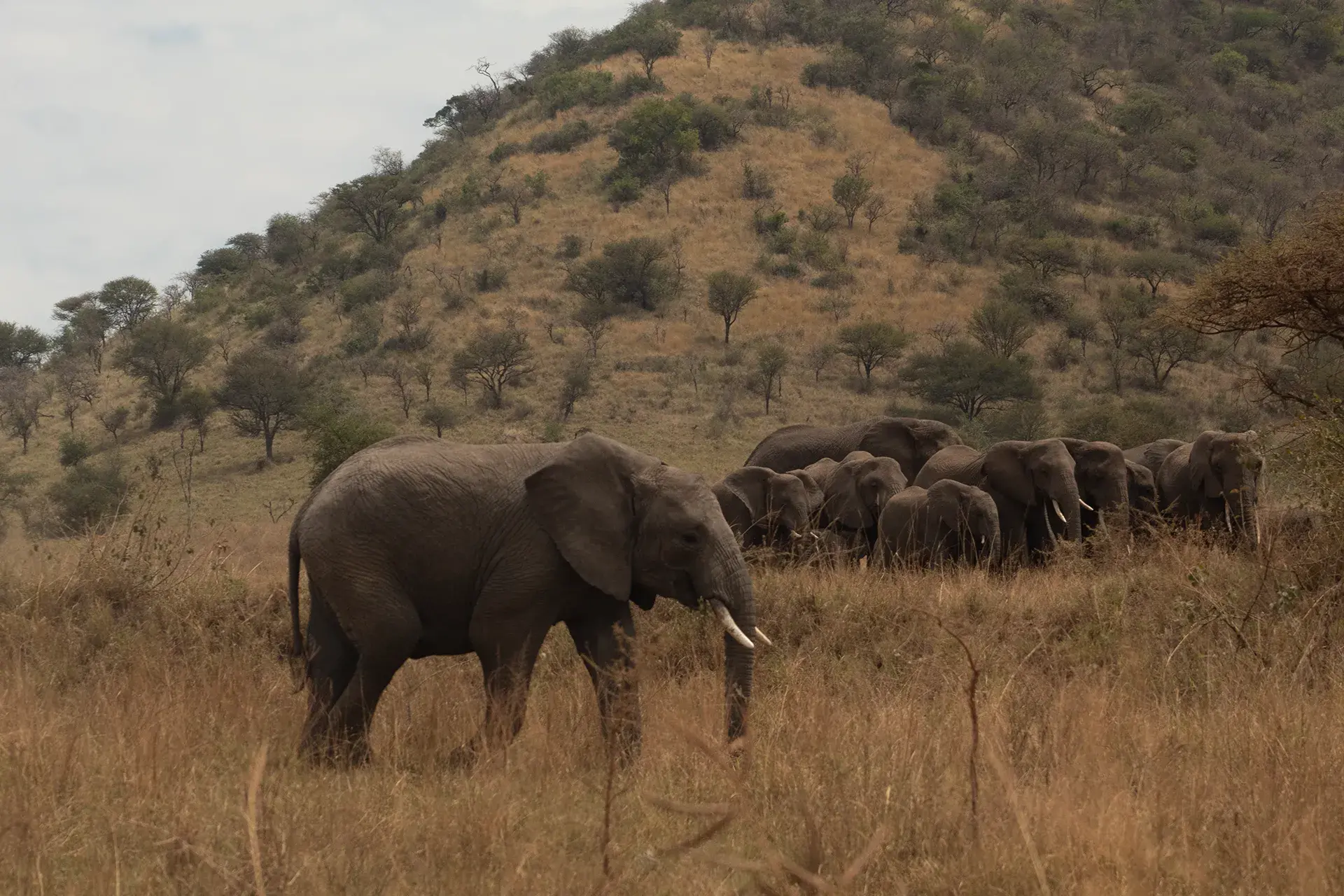
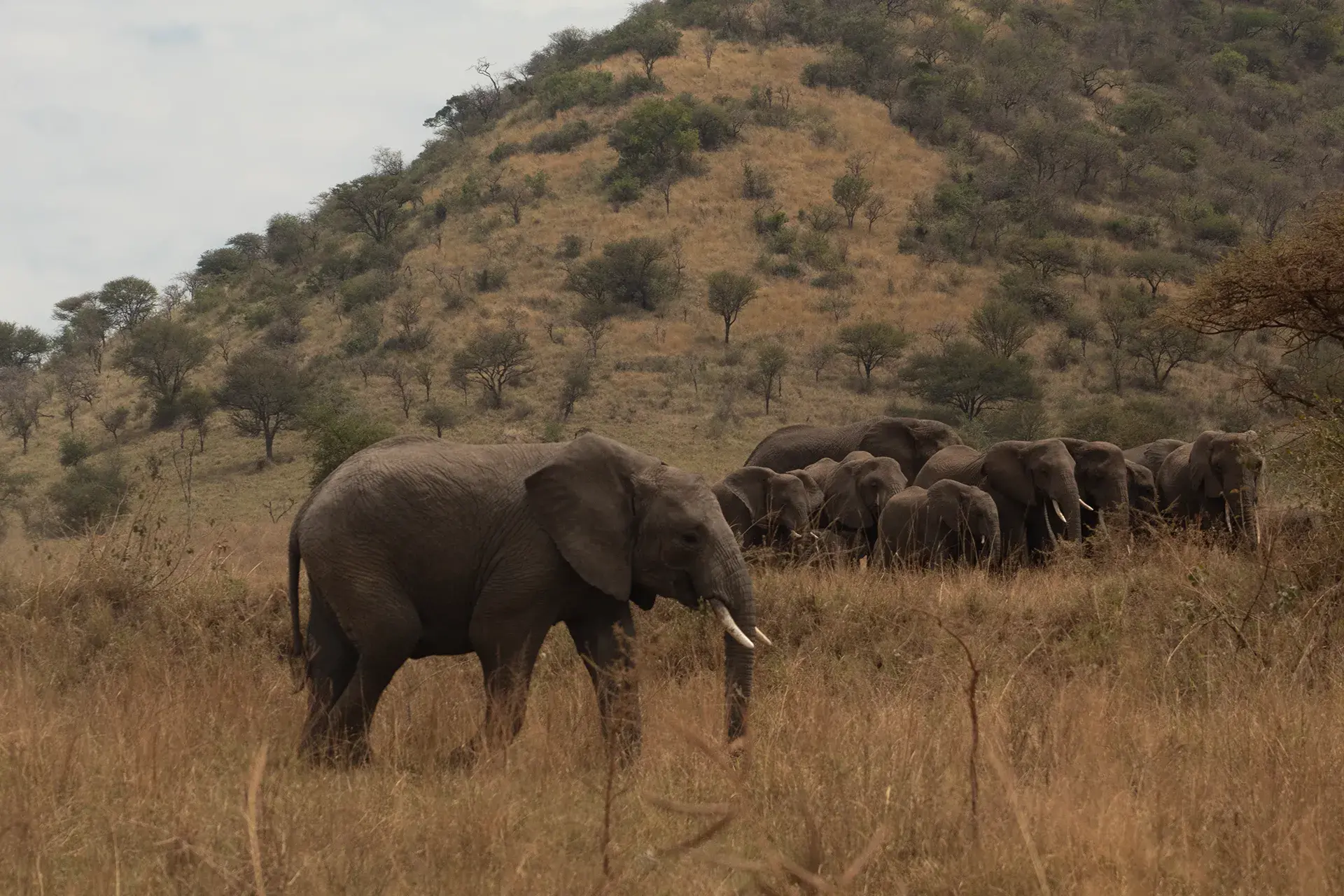
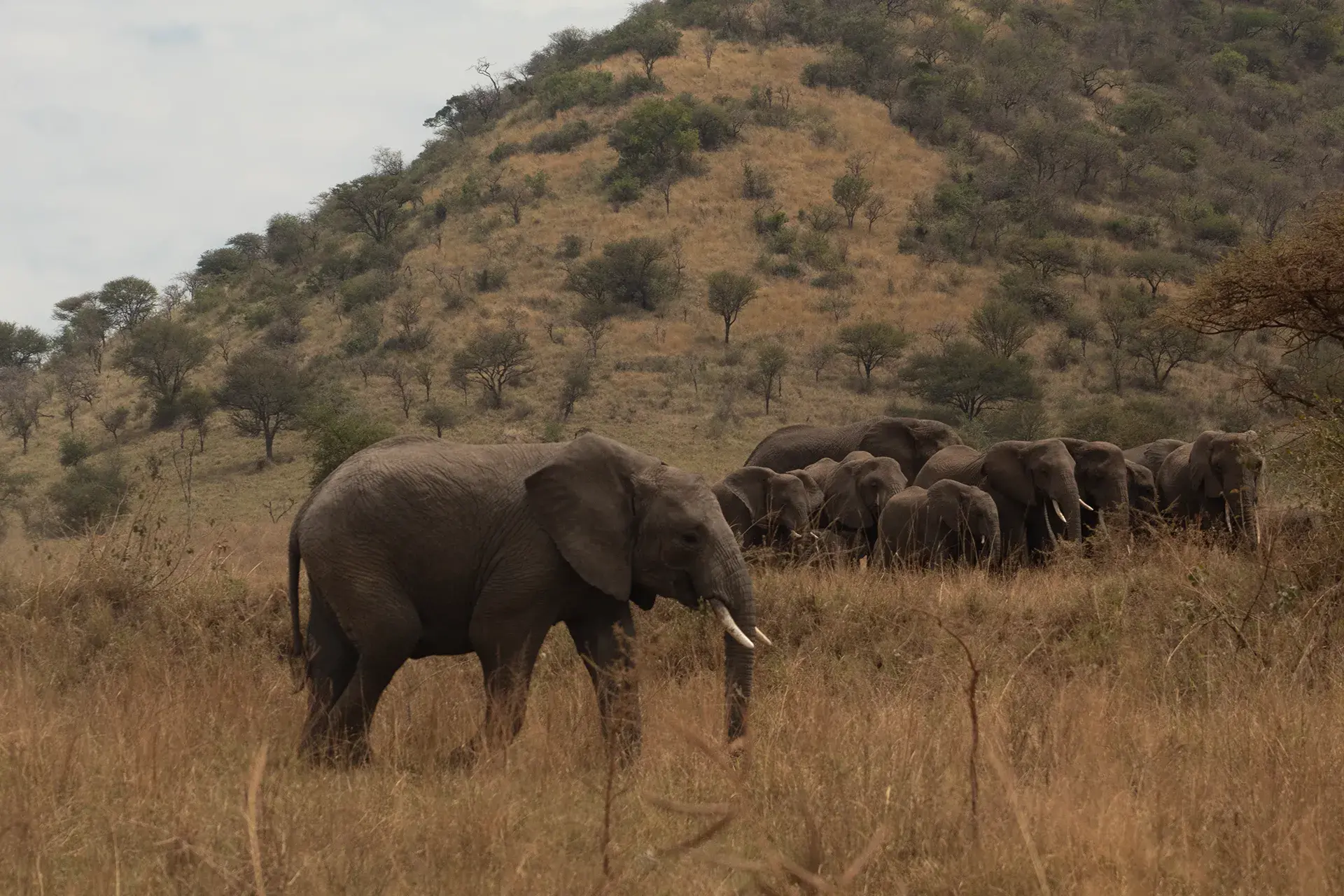
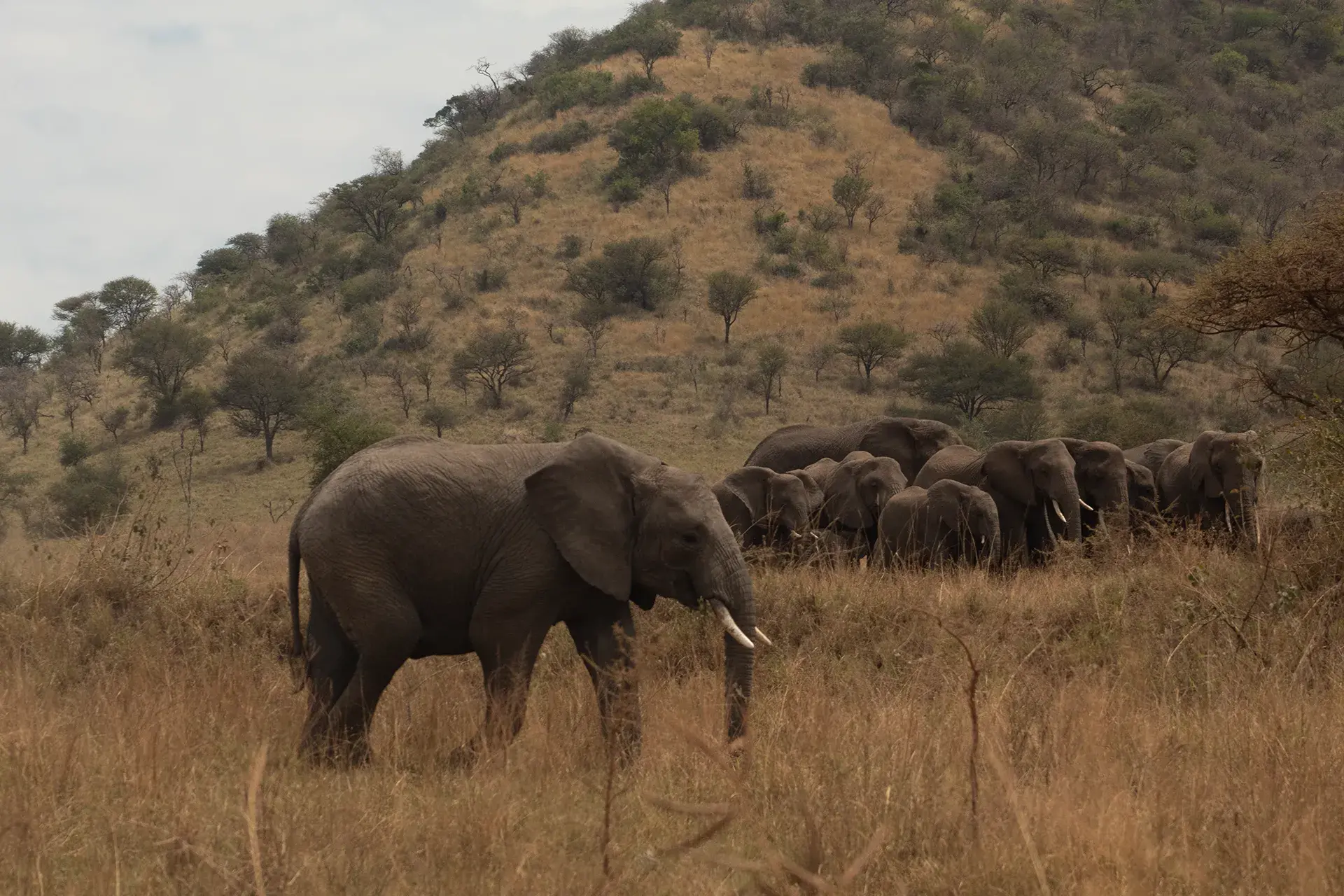
O Parque Nacional Tarangire acolhe um dos eventos anuais mais dramáticos de África na estação seca: centenas de elefantes convergem para o rio Tarangire. África's fourth-largest elephant population. Em Outubro, o número de elefantes atinge o seu pico quando o rio se torna a última fonte de água fiável num raio de centenas de quilómetros. Combinado com Serengeti e Ngorongoro, Tarangire em outubro é uma das experiências de safári subestimadas no continente.
Novembro e Dezembro Chuvas Curtas e Época Festiva
As chuvas curtas de Novembro trazem dois benefícios: a extraordinária observação de aves à medida que as espécies migratórias europeias chegam, e as paisagens que transitam do verde seco para o verde vivo quase da noite para o dia. As primeiras duas semanas de dezembro são frequentemente consideradas o mês com melhor valor para um safári na Tanzânia. As condições estão melhorando diariamente, a vida selvagem é excelente em todo o circuito norte e os preços ficam bem abaixo da alta temporada, antes do aumento do Natal começar no meio do mês.
Tanzânia's Key Safari Melhor Temporada dos Parques por Parque
Tanzânia's parks span the north, south and west. E nem todos atingem o pico ao mesmo tempo. Aqui está um guia rápido da melhor época para cada um dos principais destinos de safári.

Excellent year-round. Mara River crossings peak JulyãSeptember (northern Serengeti). Calving season peaks JanuaryãFebruary (Ndutu, southern Serengeti). Avoid AprilãMay for road conditions.
O ecossistema fechado da cratera garante a vida selvagem independentemente da estação. Cinco Grandes including endangered black rhino. A estação chuvosa pode trazer névoa para a borda da cratera. Mas a atmosfera é extraordinária. Melhor evitar na alta temporada devido às multidões.
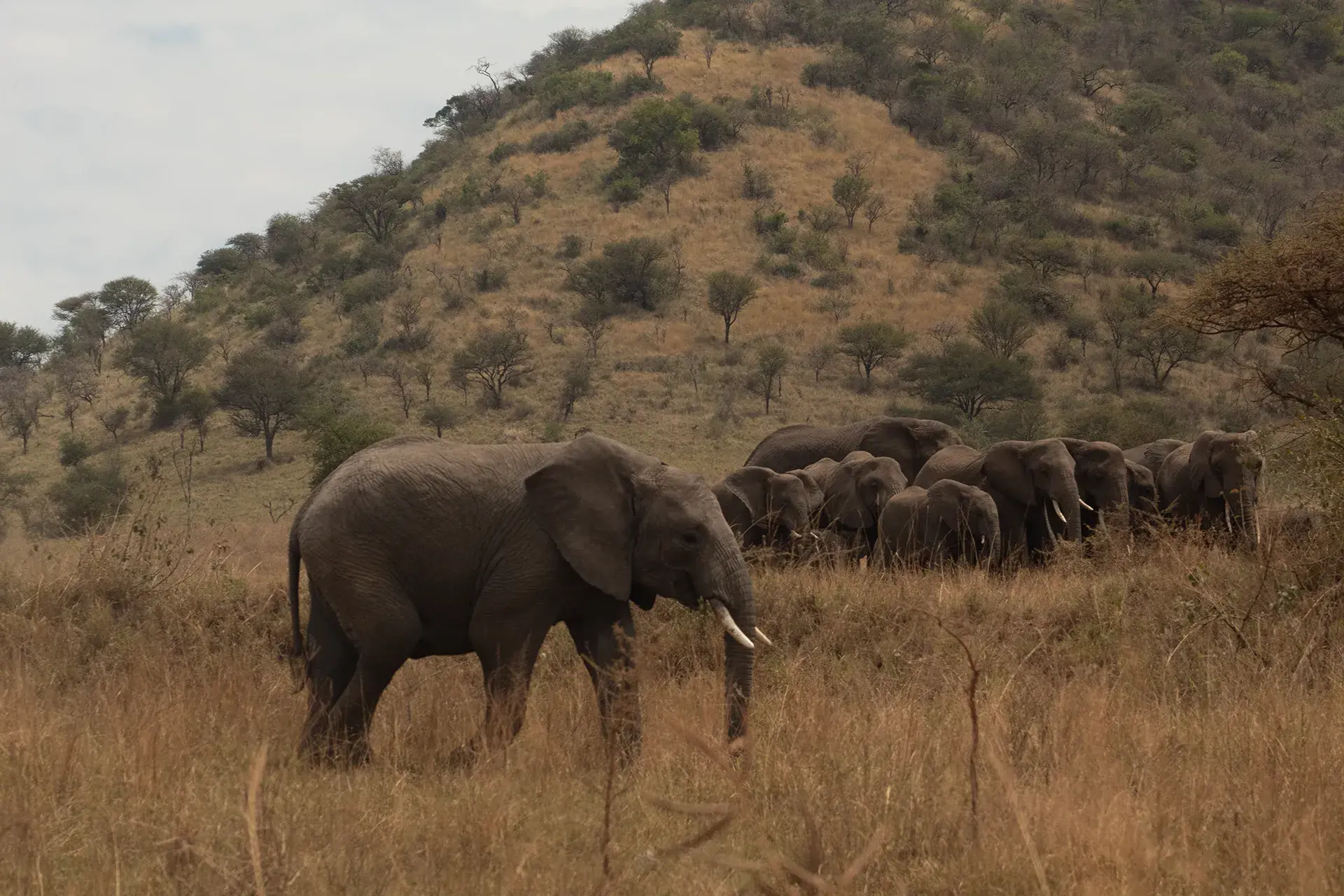
Página inicial to África's fourth-largest elephant population. Picos dramáticos na estação seca, quando centenas de elefantes se reúnem no rio Tarangire. Também famosa pelos baobás gigantes e pelas pítons trepadeiras. Mais silencioso e menos visitado que o Serengeti. Uma adição gratificante a qualquer viagem ao circuito norte.
Famosa pelos leões que escalam árvores, flamingos e por um ecossistema surpreendentemente diversificado, comprimido entre a parede do Vale do Rift e o lago Soda. Flamingos e aves migratórias chegam em maior número durante a estação chuvosa. A vida selvagem residente (elefante, hipopótamo, babuíno) é excelente durante todo o ano.
Tanzânia's largest national park and one of África's most underrated wilderness destinations. Superb lion prides. Sometimes 20+ strong. Cace ao longo do Grande Rio Ruaha. Enormes manadas de elefantes e búfalos. Muito poucos visitantes, mesmo na alta temporada. Inaccessible in heavy rains.
Uma das maiores reservas de caça da África. Famosa pelos safaris de barco no rio Rufiji, encontros extraordinários com hipopótamos, crocodilos e elefantes à beira da água. Matilhas de cães selvagens. Partes do parque ficam inacessíveis durante chuvas prolongadas. A experiência de safári de barco é única na Tanzânia.
Comparação completa do Safari mês a mês
| Month | Animais selvagens | Migration Highlight | Rainfall | Crowds | Preço |
|---|---|---|---|---|---|
| January | Excellent | Calving season begins Ndutu | Low | Moderate | Mid |
| February ? | Outstanding | Calving peak ~8,000 calves/day | Muito baixo | Low | Mid |
| March (early) | Bom | Herds moving north-west | Rising | Muito baixo | Low-Mid |
| April | Challenging | Dispersed mid-Serengeti | Heavy | Minimal | Lowest |
| May | Challenging | Moving towards Grumeti | Easing | Muito baixo | Lowest |
| June | Muito bom | Travessias do rio Grumeti | Low | Moderate | High |
| July ? | Outstanding | Começam as travessias do rio Mara | Minimal | Muito alto | Highest |
| August ? | Outstanding | Mara crossings peak drama | Minimal | Muito alto | Highest |
| September ? | Outstanding | As travessias de Mara continuam (N. Serengeti) | Muito baixo | Moderate | High |
| October ? | Excellent | Herds returning south; Tarangire peaks | Low | Low | MidãHigh |
| November | Bom | Central Serengeti moving south | Moderate | Low | Low-Mid |
| December (mid+) | GoodãVery Good | Herds reaching southern plains | Tapering | ModãHigh | Mid |
| ? = Top recommended months for a Tanzânia safari in 2026. Migration timing is approximate. Herds follow the rains. | |||||
- Julho e agosto (pico): Reserve com 9 a 12 meses de antecedência. Acampamentos premium e pontos de concessão para travessia de rios esgotaram em outubro do ano anterior.
- Junho e setembro: Reserve com 6 a 8 meses de antecedência para obter a melhor seleção e tarifas de acampamento.
- Janeiro e fevereiro (época de parto): Reserve com 4 a 6 meses de antecedência. Crescendo em popularidade. Os melhores acampamentos Ndutu lotam cedo.
- Outubro e novembro: Reserve com 3 a 5 meses de antecedência. Boa disponibilidade, mas os melhores alojamentos ainda ficam lotados na baixa temporada.
- Abril e maio (chuvas prolongadas): Often bookable 4-8 weeks ahead. Many camps offer last-minute green season rates.
Perguntas frequentes
Os melhores meses gerais são Julho, agosto, setembro e fevereiro. July and August offer peak dry-season wildlife viewing and the Mara River crossings of the Ótima migração. Setembro oferece condições idênticas com notavelmente menos multidões. Muitos guias consideram-no seu mês favorito. Fevereiro oferece o espetáculo extraordinário da temporada de partos, com intensa atividade de predadores e uma fração de visitantes na alta temporada. Outubro é uma escolha excelente e subestimada, com excelente observação de elefantes Tarangire e parques vazios.
A Grande Migração é um movimento circular que dura o ano todo. Os principais destaques incluem calving season (JanuaryãFebruary) nas planícies do sul do Serengeti, ao redor de Ndutu; o Grumeti River crossings (MayãJune) no corredor oeste; e o iconic Mara River crossings (JulyãOctober) in the northern Serengeti near the Quênia border. De November, herds travel south back toward the short-grass plains. O momento exato das travessias dos rios varia de ano para ano, dependendo dos padrões de precipitação. Um guia local experiente é essencial.
Sim, com as expectativas certas. A estação verde (novembro a março, excluindo as longas chuvas de abrilãmaio) oferece paisagens exuberantes, observação excepcional de aves com espécies migratórias, o espetáculo da época de parição em janeiroãfevereiro, muito menos multidões e preços de hospedagem até 40% mais baixos. A vegetação densa pode dificultar a observação de algumas espécies, e algumas estradas do parque sul e oeste tornam-se intransitáveis em abril e maio. Para fotógrafos, observadores de pássaros e viajantes que preferem a solidão, a estação verde costuma ser preferida à alta temporada.
O Cratera Serengeti e Ngorongoro are excellent year-round. Tarangire peaks JulyãOctober with massive elephant concentrations. Ruaha e Nyerere (Selous) são melhores a partir de junho e outubro e tornam-se parcialmente inacessíveis durante as chuvas prolongadas. Lake Manyara oferece grande vida selvagem durante todo o ano, mas é particularmente gratificante para flamingos e observação de aves migratórias na estação chuvosa. Para os visitantes de primeira viagem, o circuito norte (Serengeti + Ngorongoro + Tarangire) é a opção mais confiável em qualquer época do ano.
Abril e Maio são os meses mais baratos, com muitas pousadas oferecendo 20-40% discounts durante as longas chuvas. O início de novembro também oferece taxas mais baixas como mês intermediário. O melhor valor para boas condições confiáveis é October or JanuaryãFebruary, quando os preços são moderados, mas a observação da vida selvagem continua excelente. Se o orçamento for sua principal restrição, o início de novembro oferece condições decentes a preços fora dos horários de pico. As chuvas curtas raramente atrapalham significativamente os safáris matinais.
Absolutely. This is one of África's classic viagem combinations. The ideal pairing window is JuneãOctober, quando o norte do Serengeti oferece ação de migração e o clima de Zanzibar é mais seco e agradável. JanuaryãFebruary também funciona bem em um safári na época do parto combinado com o clima quente e claro da praia de Zanzibar. Evite AprilãMay para Zanzibar se você planeja praticar snorkel ou mergulho, pois as longas chuvas reduzem a visibilidade da água ao redor das ilhas. A estrutura típica é de 5 a 7 noites em safari seguidas de 3 a 5 noites em Zanzibar.
Planeje seu safari na Tanzânia
Se você deseja assistir a uma travessia de um rio a partir de um acampamento privado às margens do rio, testemunhar a temporada de partos em Ndutu quase vazio ou rastrear leões pela natureza selvagem do sul de Ruaha. Construiremos o itinerário de acordo com suas datas, interesses e orçamento.
Get a Free Safari Quote Add Kilimanjaro ?