



Stone Town Heritage Walking Tour
The Old City in Half a Day
Stone Town is the beating historic heart of Zanzibar, a UNESCO World Heritage Site since 2000 and one of the best-preserved Swahili trading towns anywhere on the East African coast. Its maze of narrow lanes, coral-stone buildings and elaborately carved wooden doors tell the story of centuries of Arab, Persian, Indian, African and European contact.
This half-day walking tour is led by a knowledgeable local guide who brings the old city's layered history to life, from the Sultan's palaces to the site of the former slave market, while also introducing the everyday rhythms of Stone Town today: its markets, mosques, courtyards and rooftop views over the Indian Ocean.

Stone Town's Layered History
For centuries Stone Town was the seat of the Omani Sultanate and one of the most important trading ports in the Indian Ocean world, a hub for cloves, ivory, spices and, for a dark period, enslaved people. Its architecture reflects every wave of contact: Omani Arab facades, ornate Indian balconies, Persian bathhouses and later British colonial buildings, all packed into roughly two square kilometres.
Your guide walks you through this history in context, pausing at the former slave market (now the site of the Anglican Cathedral), the House of Wonders, the Old Fort, the Sultan's Palace Museum area and the labyrinth of residential lanes where daily Zanzibari life continues much as it always has, alongside spice shops, tailors and coffee vendors.
reading the old city
What Your Guide Will Show You
doors that speak
How to read a Zanzibari door
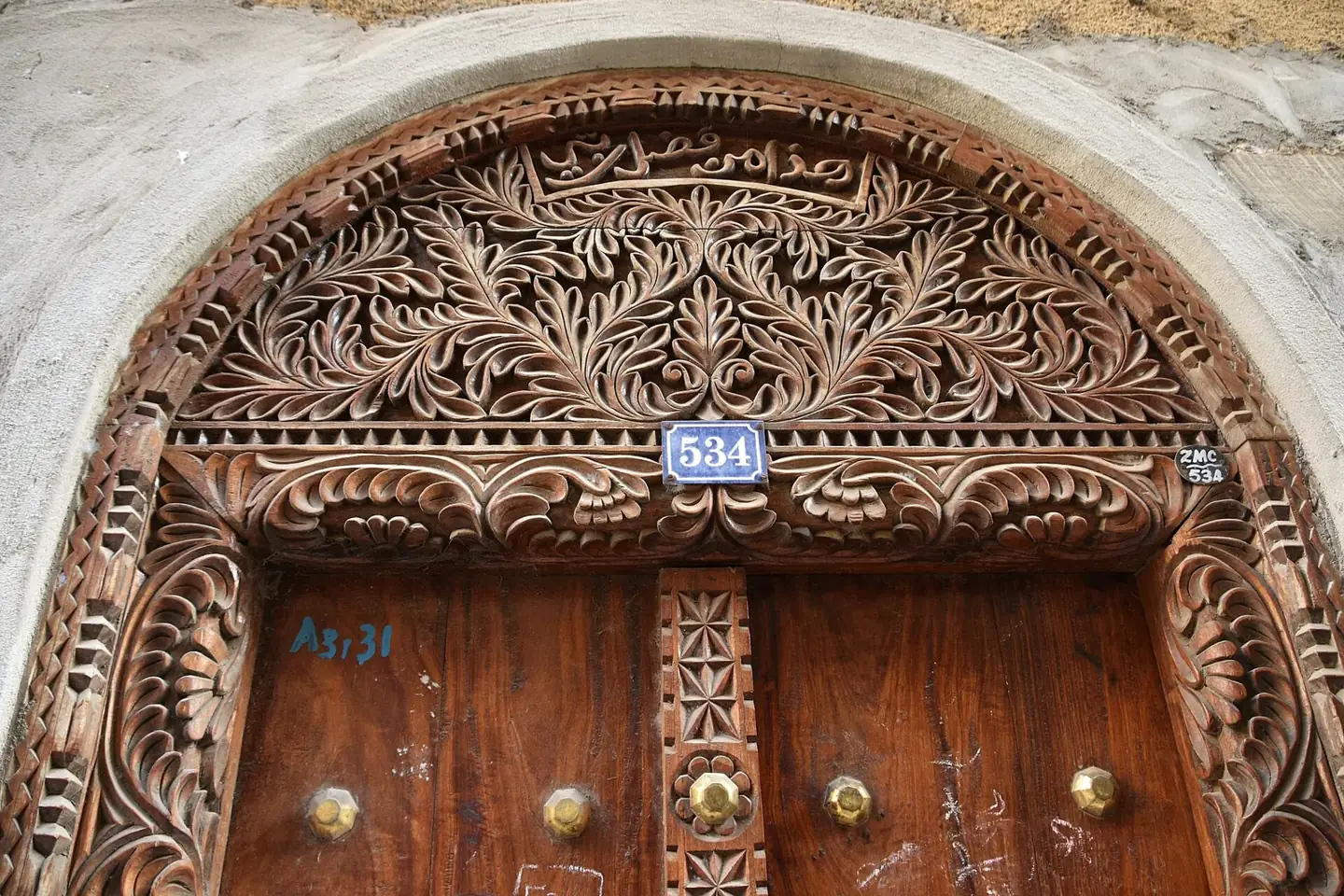
Stone Town's carved doors were statements of wealth, faith and identity. Older, rectangular doors with heavily carved frames and Arabic inscriptions are associated with the Omani period; arched doors decorated with brass studs show the influence of Indian craftsmen and merchants.
Look for carved motifs such as the lotus, the fish, chains and the frankincense tree, each carrying its own symbolism. Your guide will help you spot the differences, so that by the end of the walk you are reading the doors yourself.
palaces and forts
Sultans, merchants and the waterfront
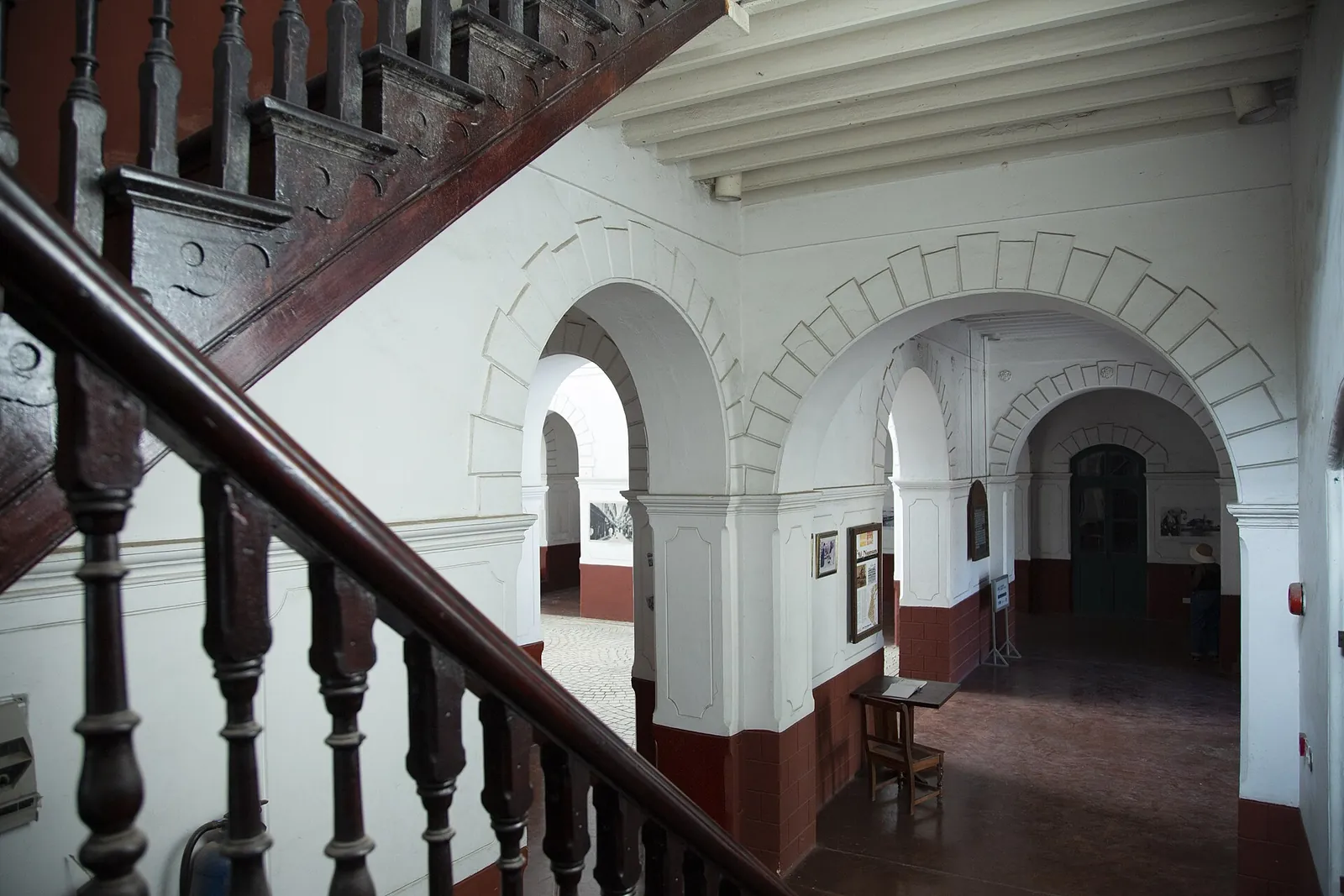
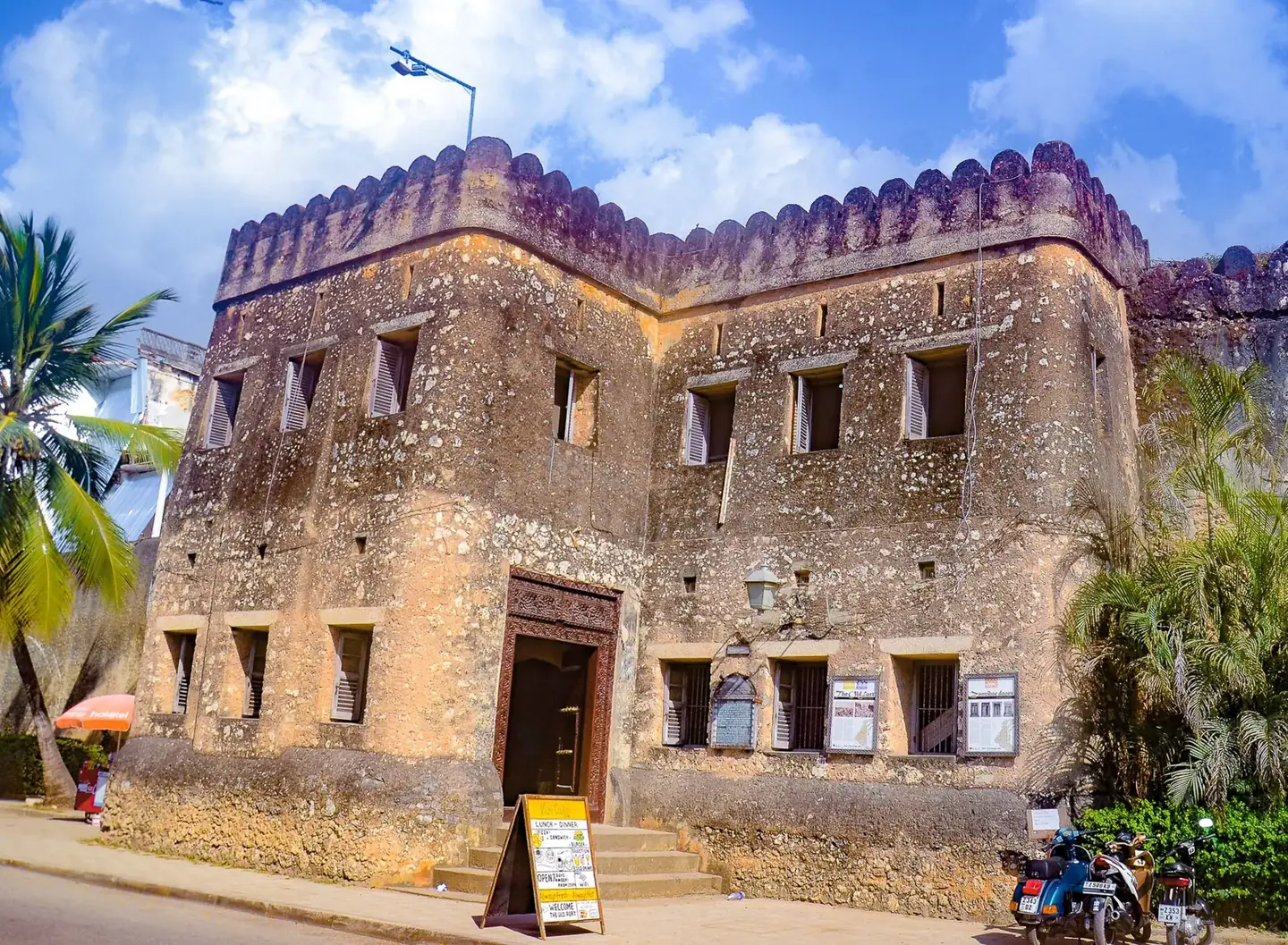
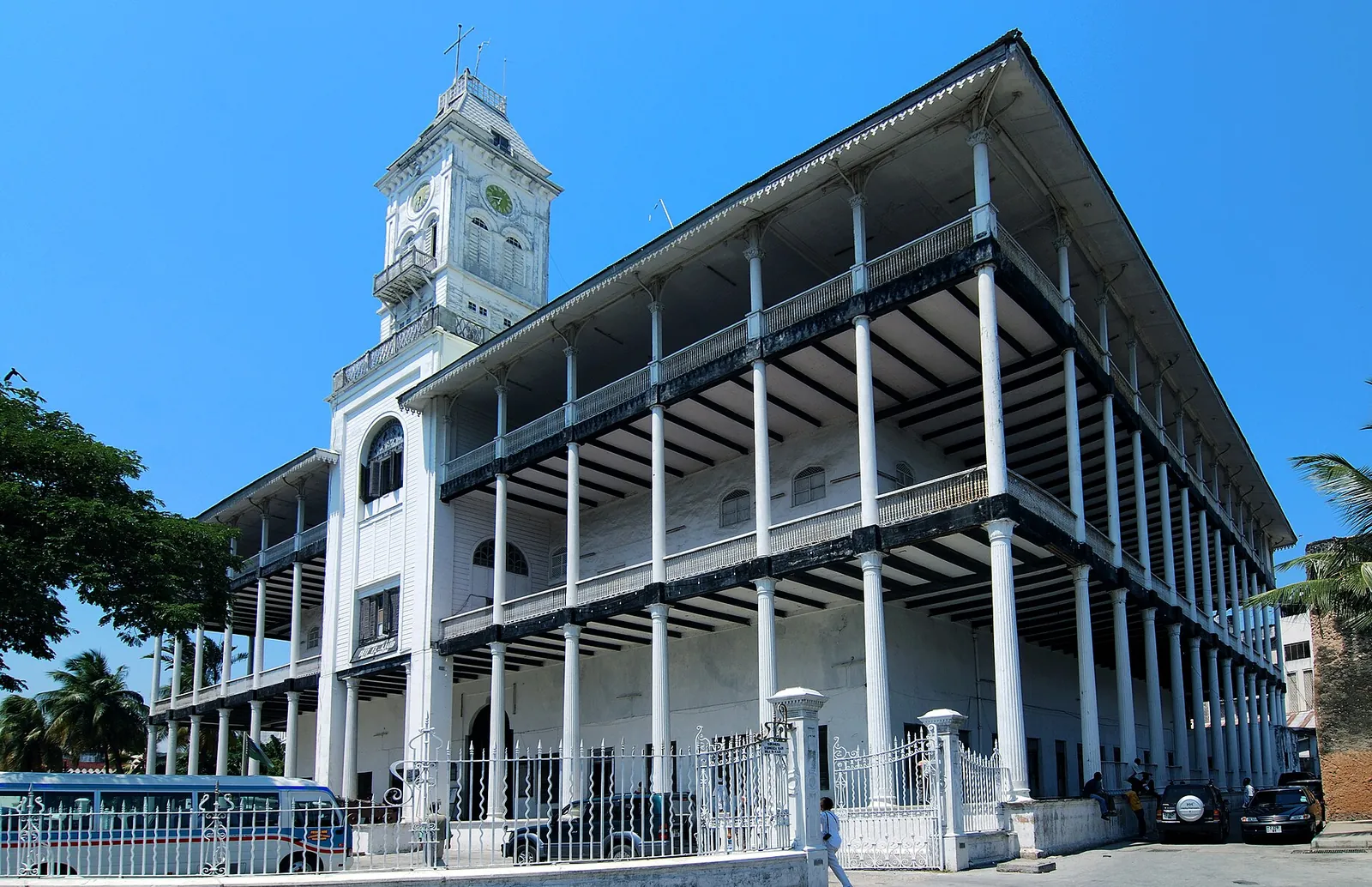
The waterfront tells the political story of Zanzibar. The Old Fort was built by the Omanis around the turn of the 18th century; the House of Wonders was built for Sultan Barghash in the 1880s and has been under restoration since a partial collapse in 2020; the Palace Museum nearby recalls the sultans' domestic life.
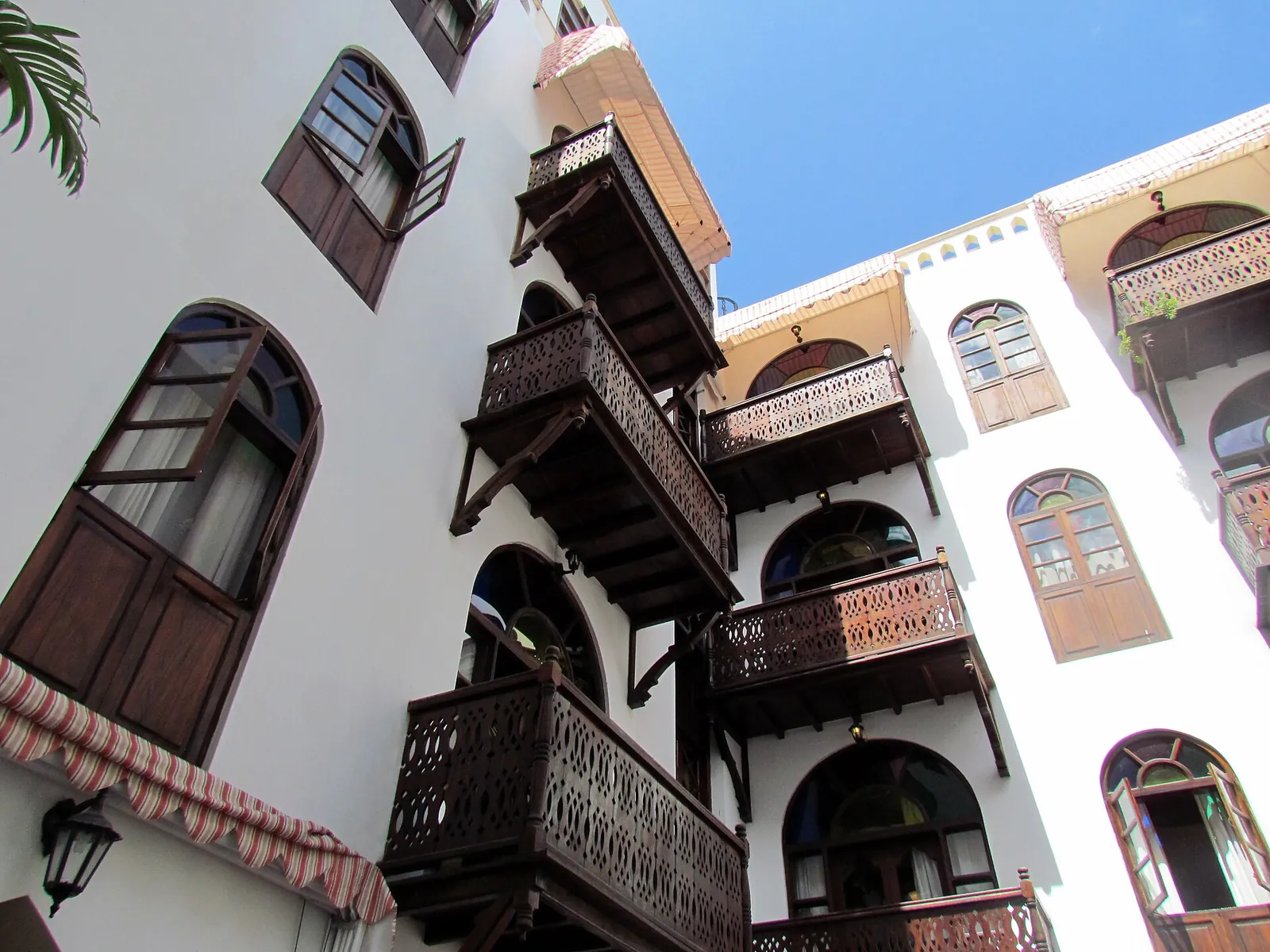
Behind the seafront, buildings such as the Old Dispensary, with its ornate wooden balconies, and the Hamamni Persian Baths show the wealth that the spice and trade routes brought to the town.
a difficult history
The slave market site and Christ Church
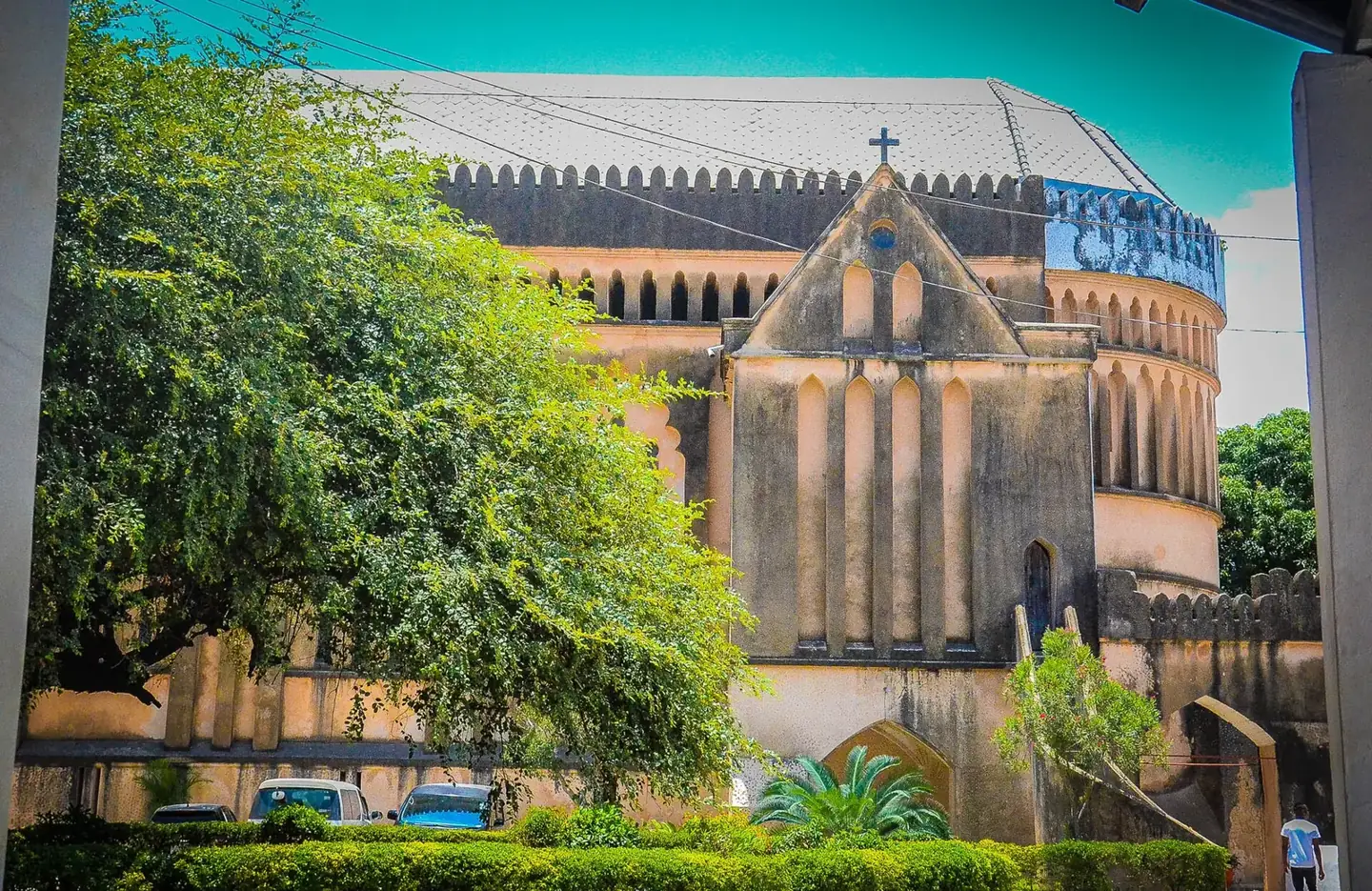
The tour includes the site of Zanzibar's last open slave market, closed in 1873, where Christ Church Anglican Cathedral was later built. An exhibition and memorial explain the scale and cruelty of the East African slave trade.
This part of the walk is presented with honesty and respect. Many guests find it the most important stop of the day.
life between the walls
More Than Monuments
Stone Town is a living city, not a museum. Between the landmarks you will pass barazas, the stone benches built along house walls where neighbours sit and talk in the evening, coffee sellers pouring small cups of strong coffee, tailors at work in tiny shops and children on their way to Koranic school.
The walk ends at Darajani Market, where fish, fruit, spices and household goods change hands in a lively, noisy, wonderfully real setting. It is a good place to ask your guide about local ingredients before a Swahili meal.
good to know
Walking Stone Town Comfortably
Half-Day Walking Schedule
1
Pickup & Old Fort
Your guide meets you at your hotel and begins at the Old Fort, the oldest surviving structure in Stone Town, before walking along the seafront through Forodhani Gardens, with its views back toward the House of Wonders and the harbour where dhows have anchored for centuries.
2
House of Wonders & Palace Area
A walk past the House of Wonders, once the tallest building in East Africa and the first in Zanzibar to have electricity and an elevator, and the nearby Sultan's Palace area, with commentary on the Omani Sultanate that ruled the island for over a century.
3
Slave Market & Anglican Cathedral
One of the most powerful stops on the tour: the site of Zanzibar's former slave market, now home to the Anglican Cathedral, built as a deliberate symbol of abolition. Your guide explains this difficult chapter of the island's history with care and context.
4
Lanes, Doors & Darajani Market
The tour winds through Stone Town's narrow residential lanes, pointing out the differences between Arab and Indian-style carved doors, before finishing at bustling Darajani Market, the island's main produce, spice and seafood market, alive with colour and activity.
Included & Excluded
- Licensed local Stone Town guide
- Hotel pickup and drop-off within Stone Town
- Entrance fee to House of Wonders exterior grounds
- Bottled water during the walk
- 24/7 Haven Trails ground support
- Anglican Cathedral interior entry fee (optional, paid on site)
- Lunch or additional refreshments
- Gratuities for your guide
- Personal shopping and souvenirs
- Hotel pickup outside central Stone Town (transfer fee applies)
Why Haven Trails Adventures
Based in Moshi, Tanzania, not a booking platform abroad. Our Zanzibar partners are deeply embedded in the island's hospitality and activity networks, with real-time knowledge of the best guides, boats and conditions throughout the year.
Every guide and boat operator working with Haven Trails is licensed by the Zanzibar Commission for Tourism and personally vetted for safety, professionalism and knowledge of the island's history, culture and marine environment.
Choose a small shared group departure or book the tour privately for your party alone. Either way, you get an unhurried, personal experience rather than being herded through a crowded, oversized tour bus itinerary.
A Haven Trails ground team is reachable throughout your Zanzibar stay for any change, question or unexpected situation. You are never navigating the island alone from pickup to drop-off.
Haven Trails prioritises locally-owned operators, community guides and marine conservation partners. A portion of every booking supports coral reef protection and community tourism initiatives on the island.
No hidden extras, no last-minute upsells at the dock. What you see at booking is what you pay, with clear notes on anything genuinely excluded, such as the Zanzibar marine park conservation fee.
Common Questions
walk with a local
Arrange Your Stone Town Walk
Tell us your dates, where you are staying and what fascinates you most. We will match you with a guide and a route to suit.