


Spice Farm Experience
Zanzibar's Fragrant Heartland
Long before tourism, Zanzibar's wealth was built on spice. At its peak in the 19th century the island was the world's largest producer of cloves, and its interior remains a lush patchwork of small farms growing cinnamon, nutmeg, black pepper, cardamom, vanilla, lemongrass and dozens of tropical fruits.
This half-day tour takes you off the beach and into that green interior, where a local farmer-guide walks you through the growing plants, picking, crushing and offering leaves, bark and pods for you to smell and taste as you go, followed by a simple tasting of tropical fruit and traditional spiced tea.
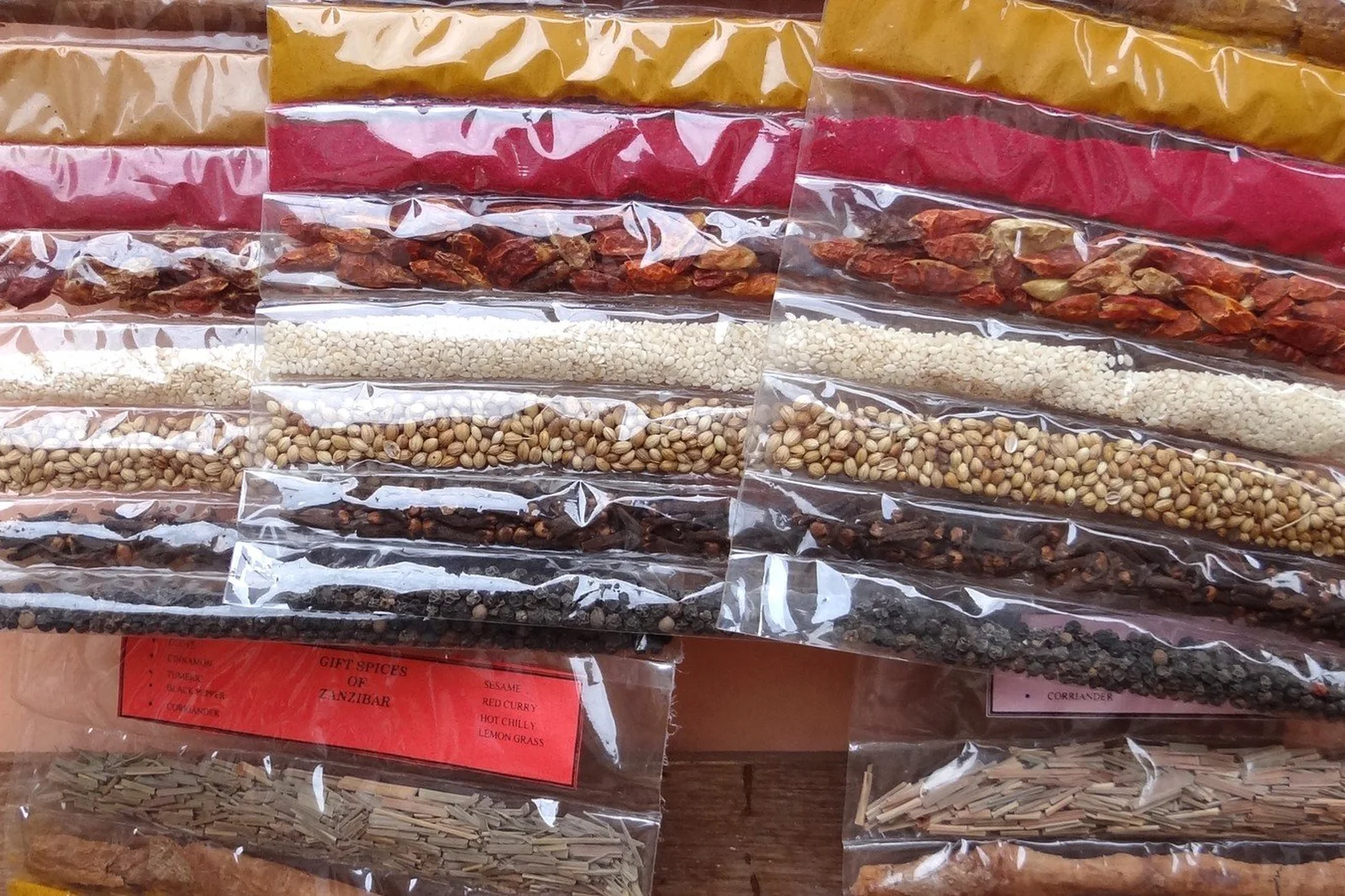
Zanzibar The Spice Island
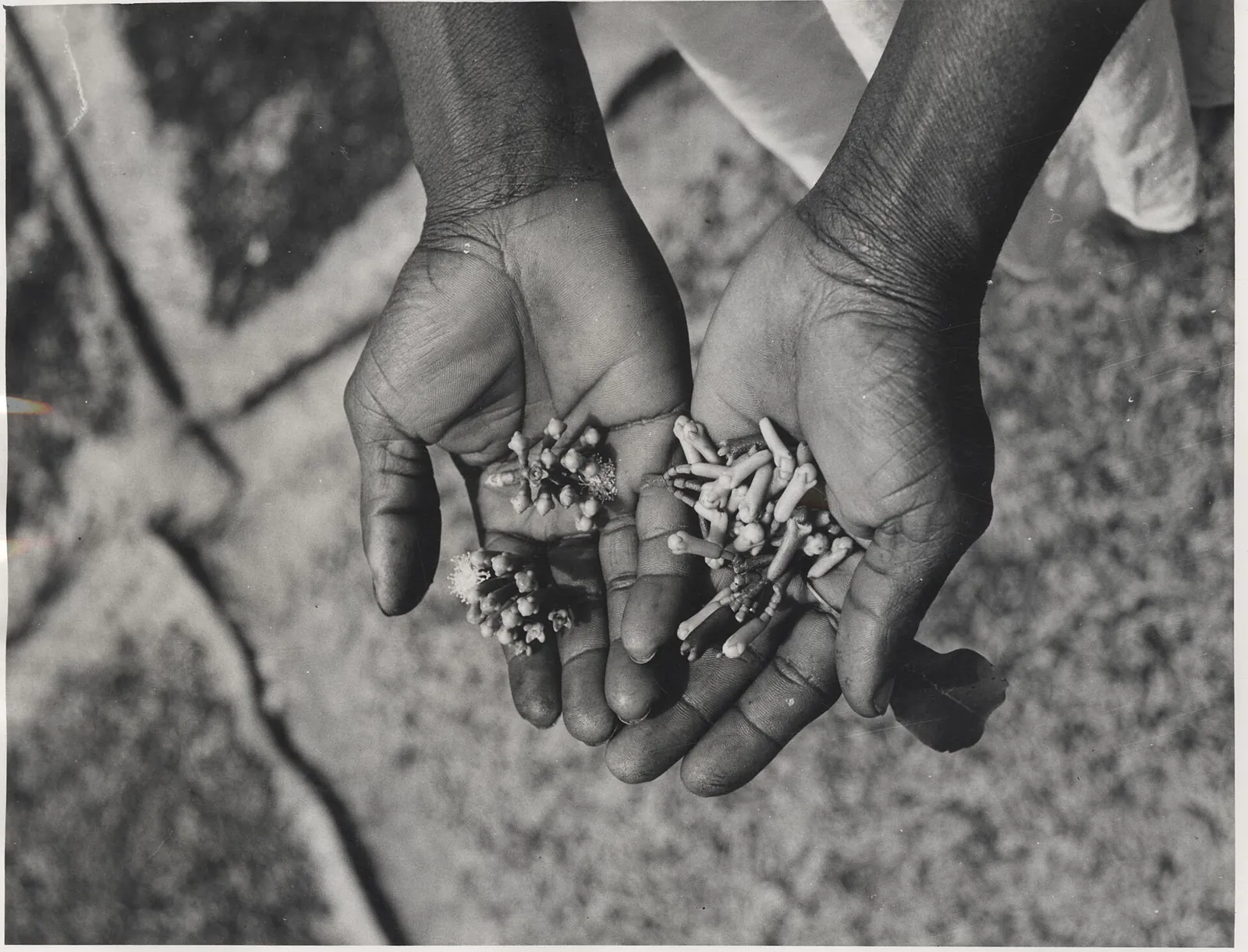
Cloves arrived in Zanzibar from the Maluku Islands in the early 19th century and transformed the island's economy almost overnight, with Sultan Said bin Sultan mandating clove cultivation across the fertile interior. By the mid-1800s Zanzibar supplied the majority of the world's cloves, and the trade shaped everything from the island's Omani ruling class to the enslaved labour forced to work the plantations.
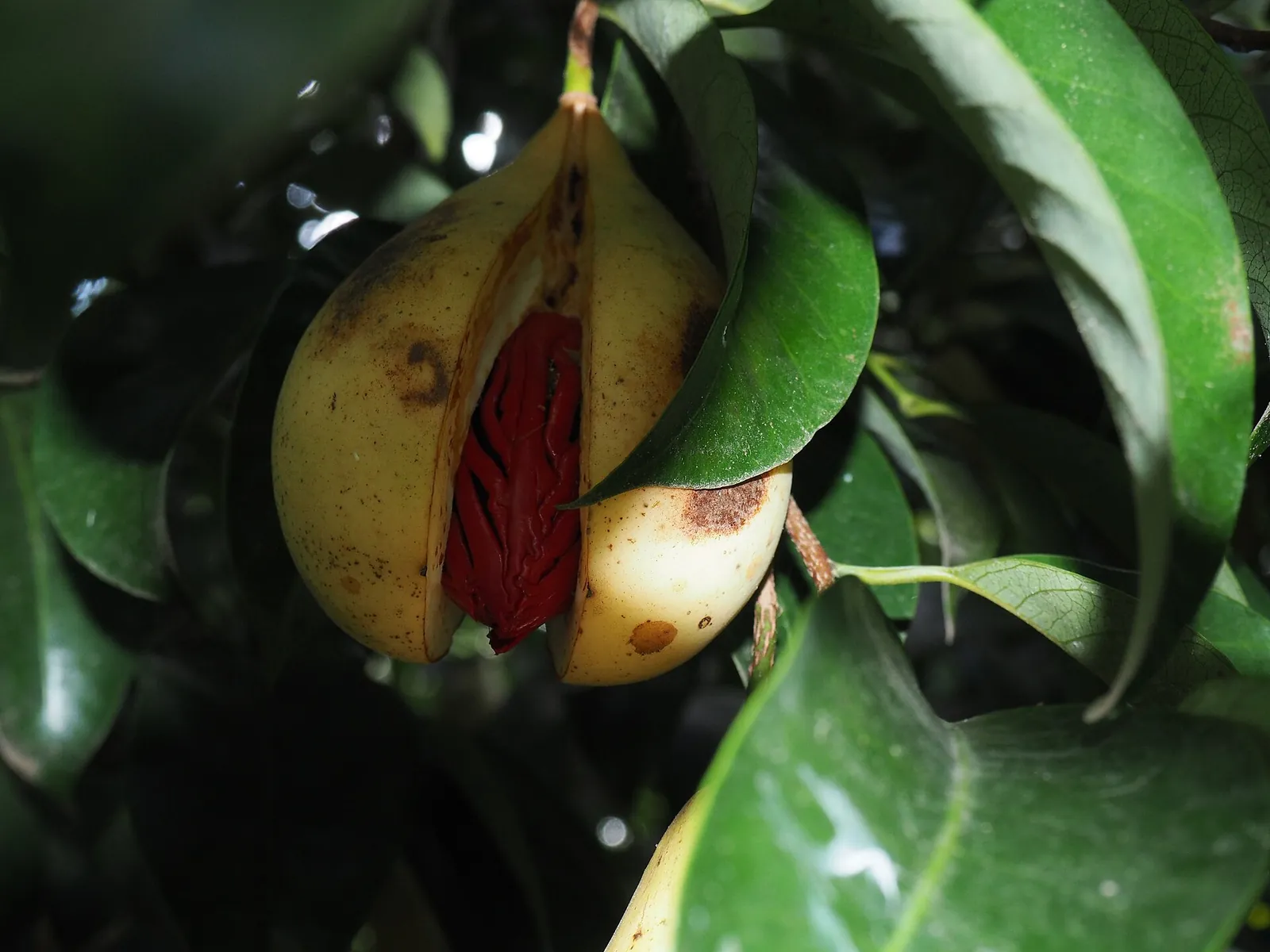
Today small family farms around Kizimbani and Bumbwisudi continue that agricultural tradition, growing cloves alongside nutmeg, cinnamon, black pepper, cardamom, turmeric, vanilla and lemongrass in mixed, shaded plots. Your guide, often from a farming family himself, demonstrates traditional harvesting and processing methods that have changed little in generations.
the spice island
How Spice Shaped Zanzibar
the clove boom
The island that supplied the world's cloves
Cloves were introduced to Zanzibar in the early 19th century and, under the Omani sultans, plantations spread across Unguja and Pemba. By the middle of the century the islands produced a large share of the world's cloves, and the trade brought great wealth to the ruling class.
That wealth had a terrible cost: the plantations depended on the labour of enslaved people. Good guides speak about both sides of the story, which is why a spice farm visit pairs so well with a Stone Town walk.
more than cloves
A garden of flavours
Today's small farms grow cloves alongside nutmeg, cinnamon, black pepper, cardamom, turmeric, ginger, lemongrass and vanilla, shaded by fruit trees such as jackfruit, breadfruit and mango. Many plants also have traditional medicinal or cosmetic uses that guides love to demonstrate.
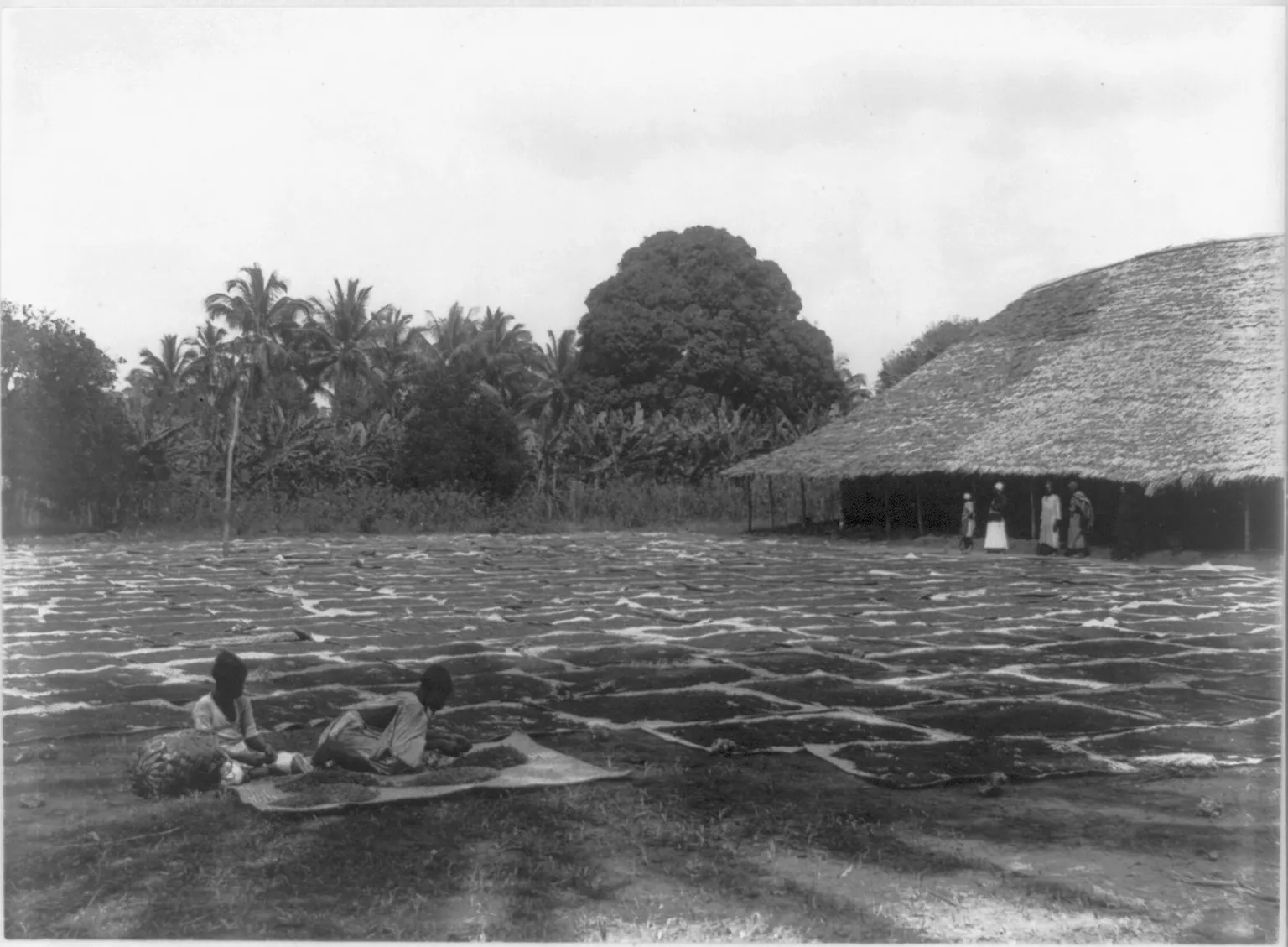
What you see depends on the season. During the clove harvest you may notice cloves spread on mats to dry beside village roads, turning from pink to deep brown.
good to know
Planning Your Farm Visit
Your Day-Trip Experience
- Into the green interior
You are collected from your hotel and driven inland, leaving the coast behind for the farmland and villages at the heart of the island.
- Welcome at the farm
A local guide, often from a farming family, welcomes you and explains how the farm is worked: mixed plantings, shade trees and crops grown together rather than in rows.
- Smell, touch and guess
Walking through the farm, the guide picks leaves, bark, seeds and pods for you to crush and smell. Part of the fun is guessing each spice before it is named.
- From plant to kitchen
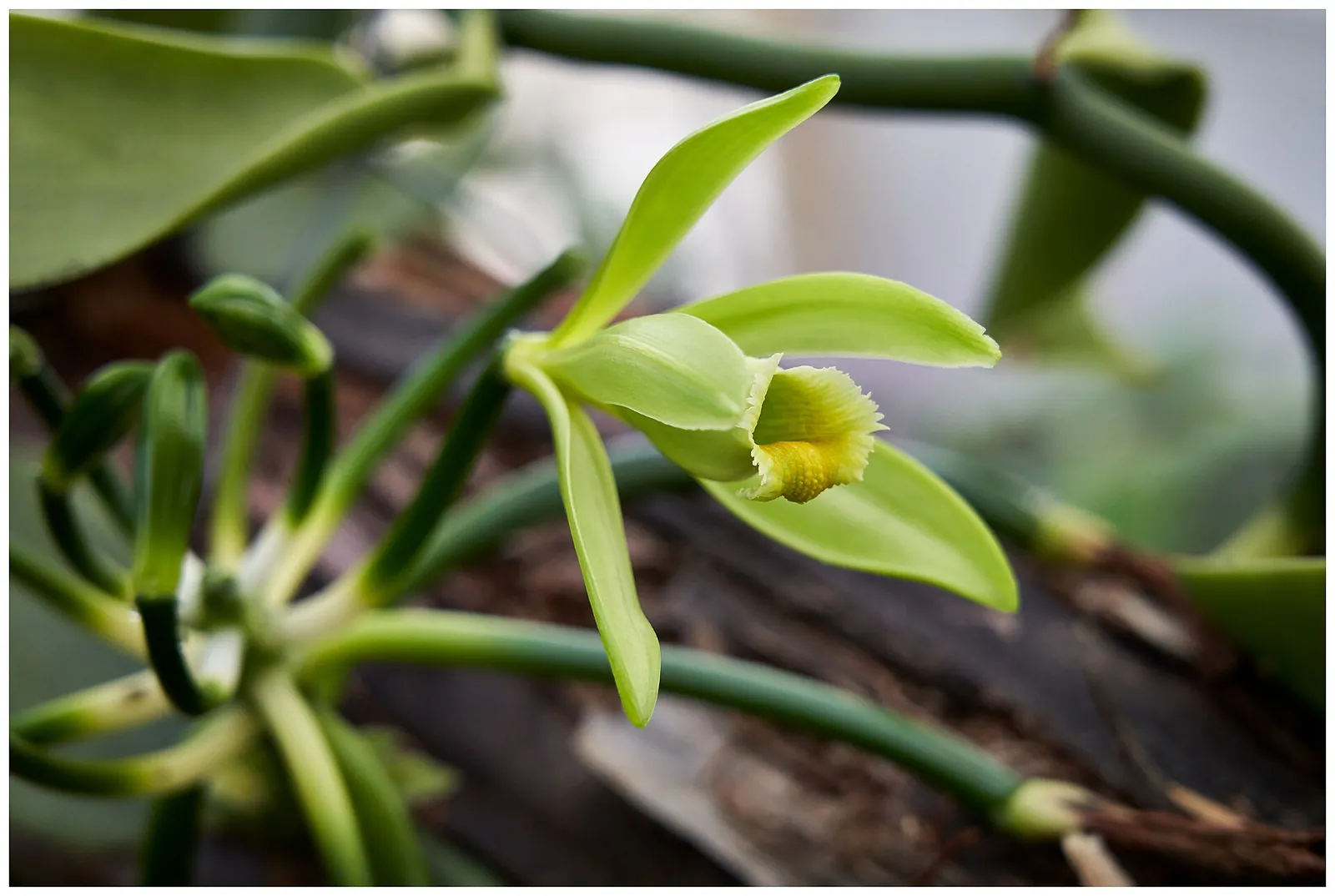
You learn how cloves are dried, how cinnamon bark is cut and curled, why vanilla must be pollinated by hand and how pepper turns from green to black, with demonstrations depending on the season.
- Fruit and spiced tea
The walk ends with seasonal tropical fruit and a cup of spiced tea. Tell the guide about any allergies before tasting.
- Optional purchases and return
Spices and oils are usually offered for sale; buying is entirely optional. Your driver then returns you to your hotel.
Included & Excluded
- Licensed local guide
- Hotel pickup and drop-off
- Guided spice farm walk and tastings
- Tropical fruit sampling
- Traditional spiced tea
- 24/7 Haven Trails ground support
- Lunch (available for purchase locally)
- Spice purchases and souvenirs
- Gratuities for your guide
- Alcoholic beverages
Why Haven Trails Adventures
Based in Moshi, Tanzania, not a booking platform abroad. Our Zanzibar partners are deeply embedded in the island's hospitality and activity networks, with real-time knowledge of the best guides, boats and conditions throughout the year.
Every guide and boat operator working with Haven Trails is licensed by the Zanzibar Commission for Tourism and personally vetted for safety, professionalism and knowledge of the island's history, culture and marine environment.
Choose a small shared group departure or book the tour privately for your party alone. Either way, you get an unhurried, personal experience rather than being herded through a crowded, oversized tour bus itinerary.
A Haven Trails ground team is reachable throughout your Zanzibar stay for any change, question or unexpected situation. You are never navigating the island alone from pickup to drop-off.
Haven Trails prioritises locally-owned operators, community guides and marine conservation partners. A portion of every booking supports coral reef protection and community tourism initiatives on the island.
No hidden extras, no last-minute upsells at the dock. What you see at booking is what you pay, with clear notes on anything genuinely excluded, such as the Zanzibar marine park conservation fee.
Common Questions
follow your senses
Plan Your Spice Farm Morning
Send us your date and hotel, and tell us if you would like to combine the farm with Stone Town or Jozani Forest.