
Northern Tanzania Grand Safari
Nine days. Three legendary parks. The most complete Northern Circuit safari available. Tarangire's elephant kingdoms, the living Ngorongoro Crater and four extraordinary days on the endless Serengeti plains.
Nine Days. The Complete Northern Circuit.
There is a version of the Tanzania safari that doesn't rush. Where you stay long enough in each park to go beyond the obvious circuits, to follow a pride of lions for half a day, to sit in silence at a waterhole and simply watch. The Northern Tanzania Grand Safari. Nine days across the full Northern Circuit. Is that safari. It is the most comprehensive, most immersive version of the East African wildlife experience available.
The journey begins with Tanzania's most underrated treasure: Tarangire National Park. Two full days here reveal a landscape of ancient baobab trees, some over a thousand years old, rising from golden grasslands along the permanent Tarangire River. In the dry season, the elephant herds converge here in their hundreds. 300 animals at the riverbank at once is not unusual. Rare species like the fringe-eared oryx and the long-necked gerenuk patrol the dry thornbush. Huge flocks of migratory birds fill the fever trees. Tarangire is Tanzania's best-kept safari secret and two full days barely scratches the surface.
The Ngorongoro Crater is next. One of the world's great natural wonders, formed when an ancient volcano the size of Kilimanjaro collapsed three million years ago. The full-day crater floor descent delivers an experience unlike any other in Africa: 25,000 large mammals in a self-contained ecosystem 600 metres below the rim. Lions in large prides, buffalo in their thousands, flamingos on the soda lake and. Most remarkably. The critically endangered black rhino, one of the most reliable sightings remaining on the planet.
The safari reaches its magnificent summit with four days in the Serengeti. No other standard itinerary gives you this much time on Africa's greatest stage. By the second day you stop reacting to lion sightings and start reading the landscape yourself. By the third, you understand why your guide says the Serengeti never shows you the same day twice. The fourth day is pure photography and deep exploration. The remote kopje circuits, the riverine forests of the western corridor and a sundowner on the plains as the Milky Way emerges overhead. Nine days. The complete story.
The Itinerary
1
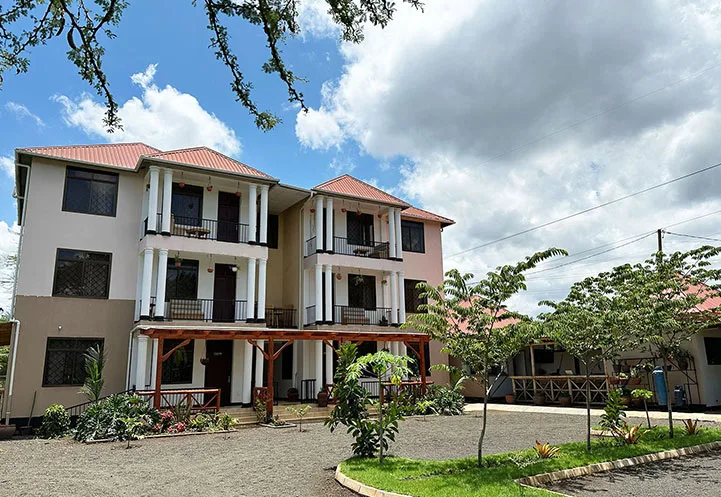
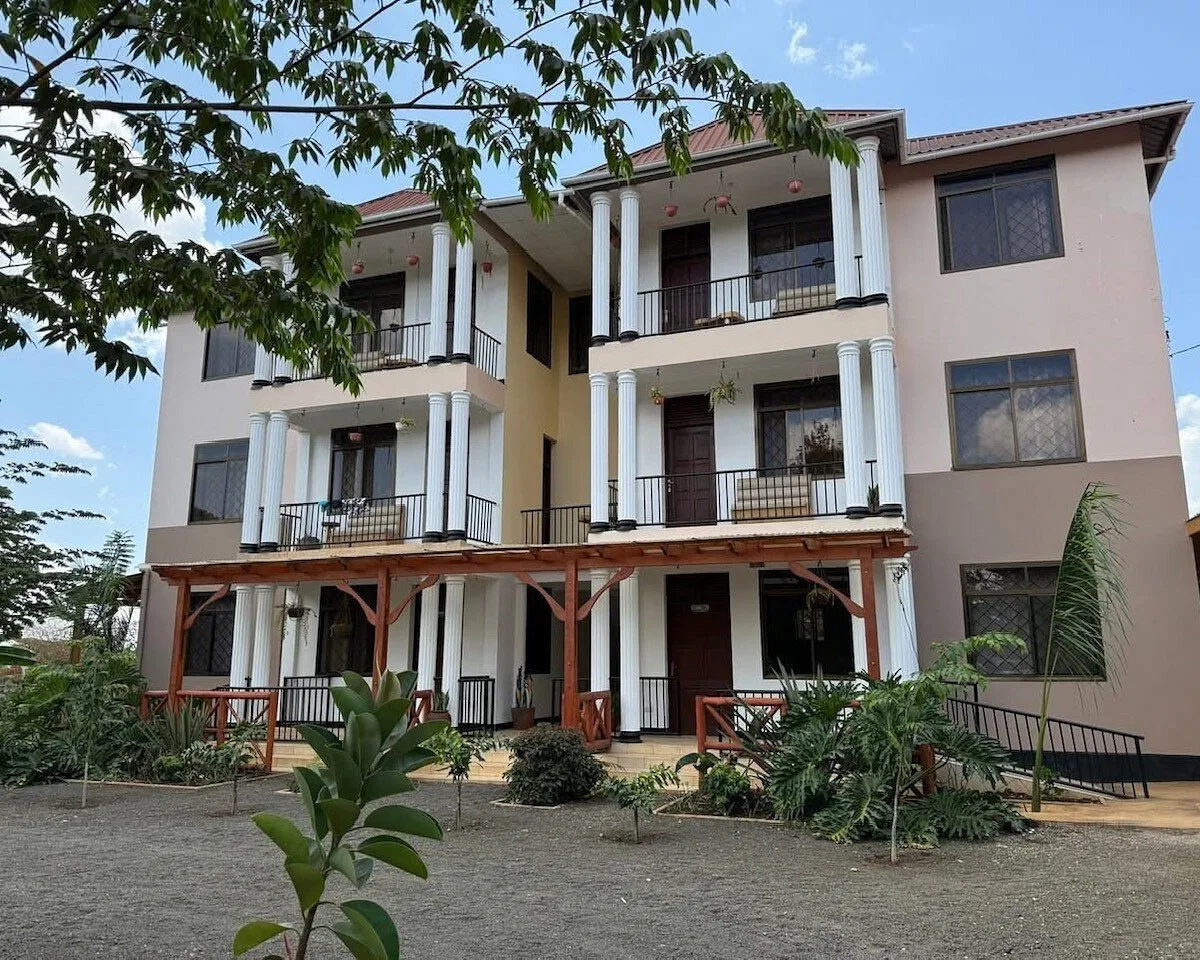
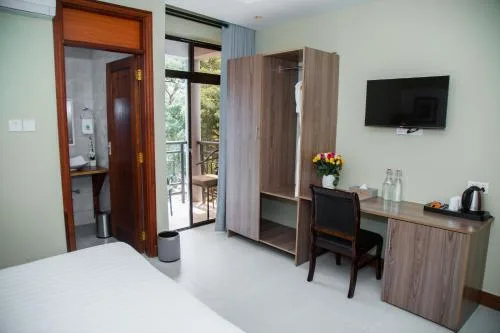
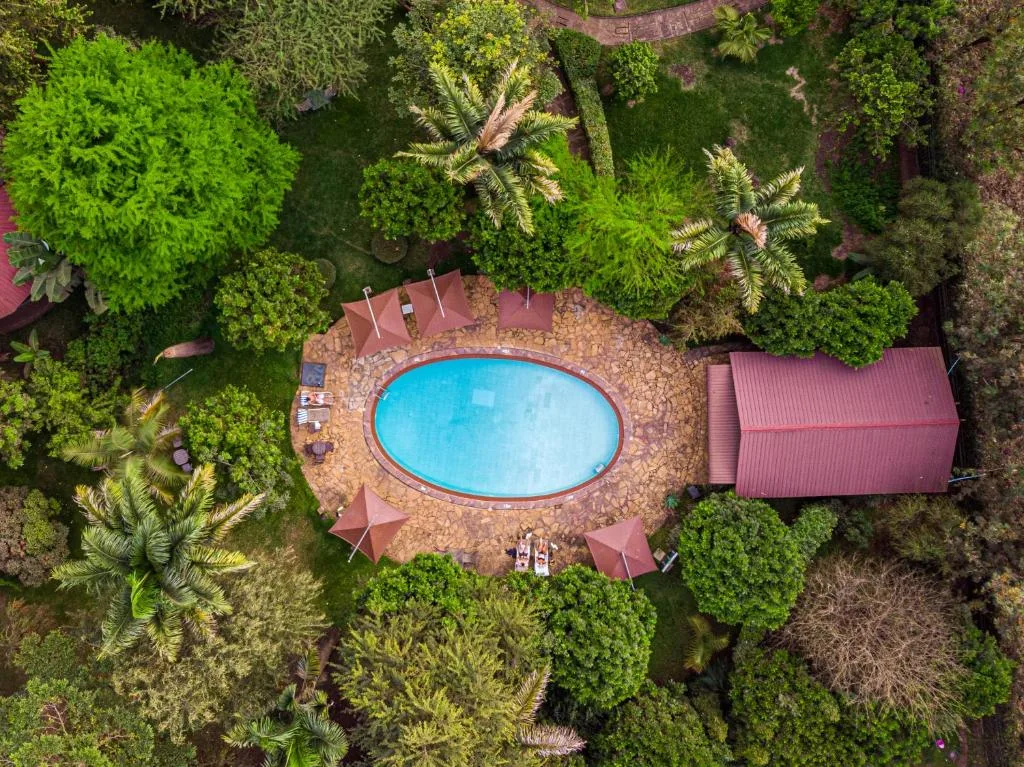
Arrive Arusha The Grand Safari Begins
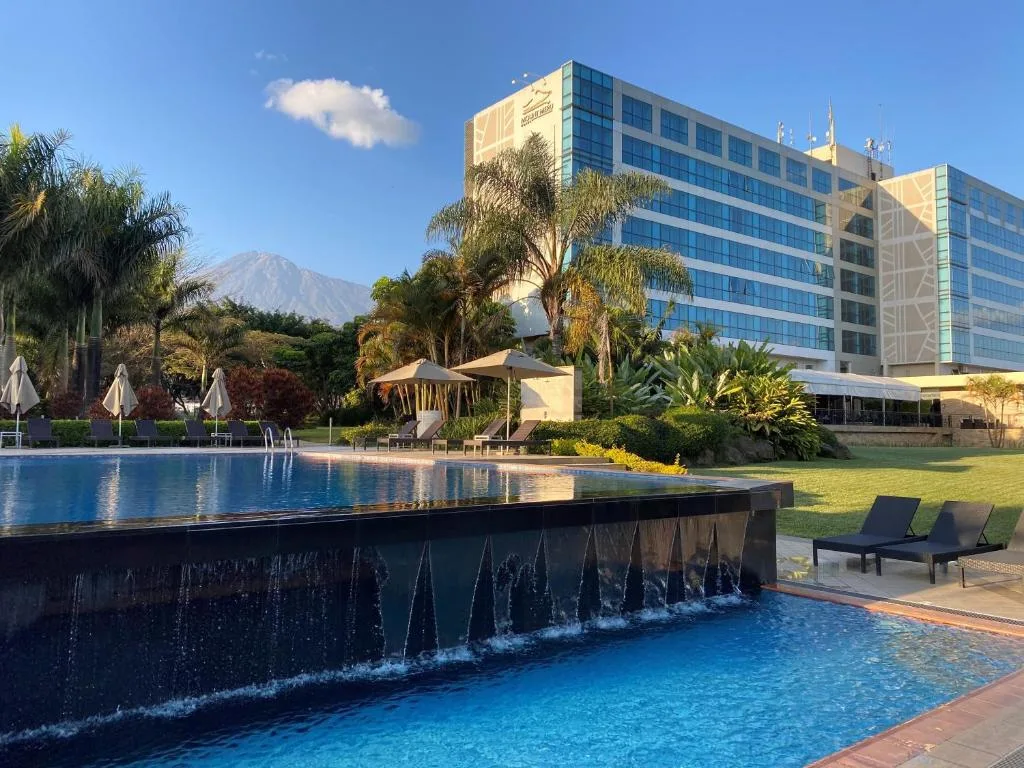
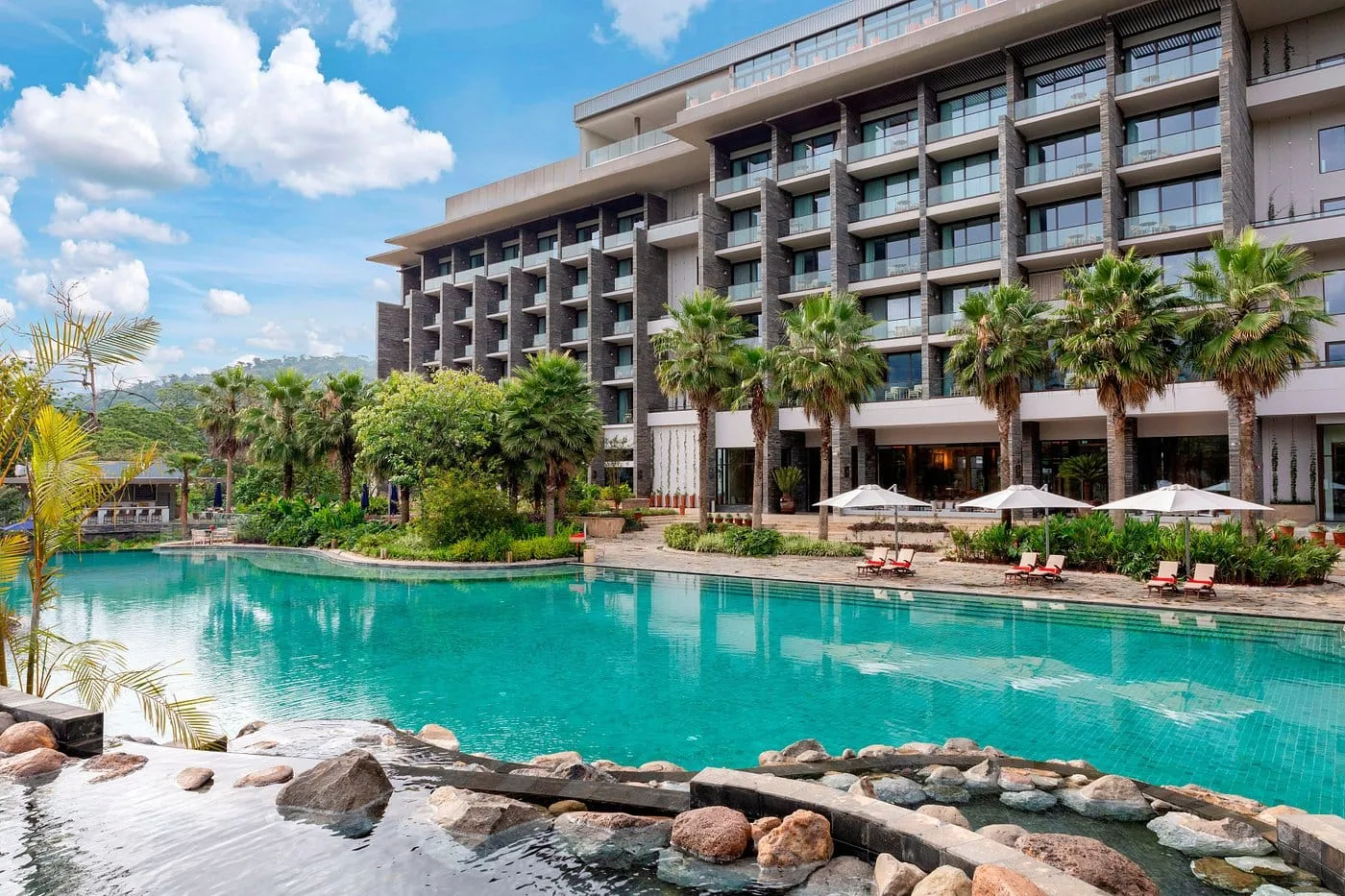
Your Haven Trails guide meets you at Kilimanjaro International Airport and transfers you to your Arusha hotel. A 45-minute drive through the foothills of Mount Meru that gives your first taste of Tanzania's extraordinary light and landscape. Arusha is Africa's safari capital: a city of colour and purpose, surrounded by coffee farms and Maasai cattle markets, the gateway to some of the greatest wildlife on Earth.
After checking in, the afternoon is yours. Time to settle, refresh and begin to absorb the fact that tomorrow you will be watching elephants at a river in one of Africa's most remarkable national parks. The evening begins with a full safari briefing over welcome drinks. Your guide walks through the nine-day route, the three parks, seasonal wildlife positioning, what to bring on the vehicle and how to make the most of every game drive. The night ends with a welcome dinner: your first proper taste of Tanzania's warmth and hospitality.
2
Arusha ? Tarangire First Encounter with the Elephant Kingdom
An early departure from Arusha, heading south and west through the Rift Valley as the city gives way to acacia savannah and red Maasai dust. Tarangire is Tanzania's sixth-largest national park. And arguably its most underrated. The drive takes approximately two hours, building anticipation as the landscape shifts and the first baobab trees begin to appear on the horizon. Ancient, twisted and unmistakably other.
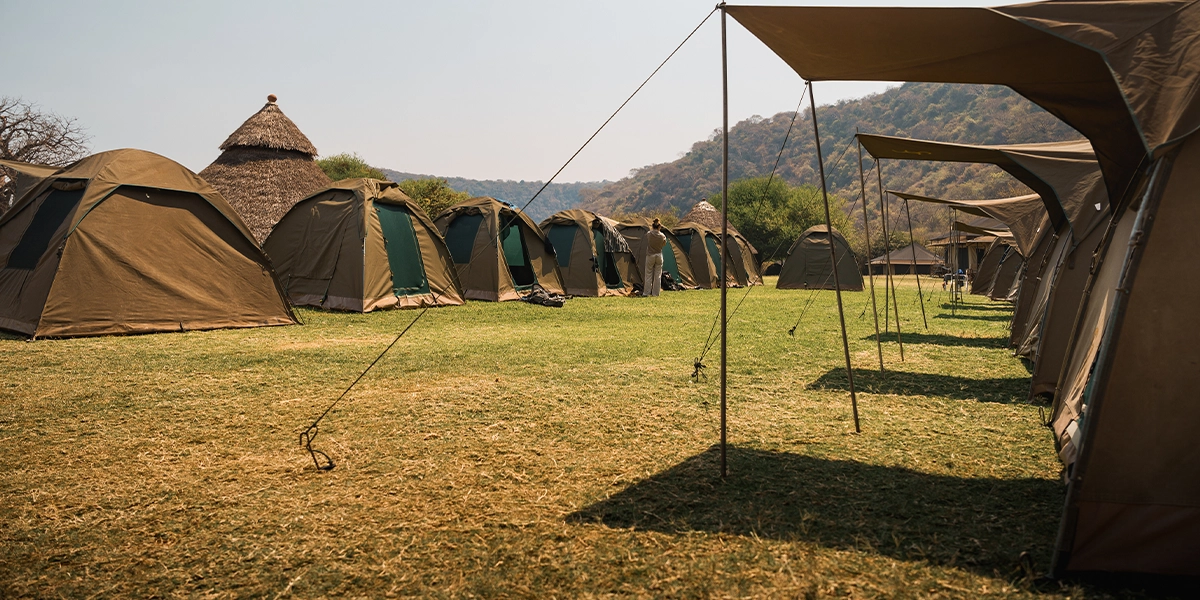
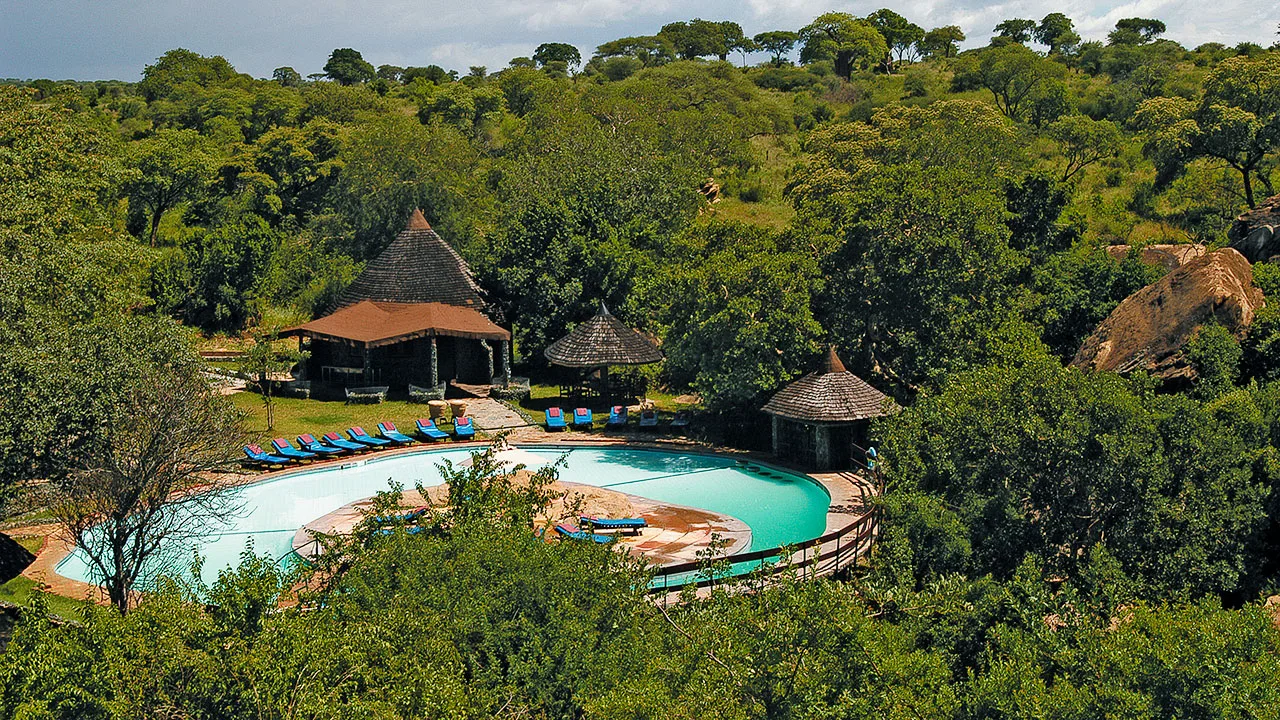
You enter the park by late morning and head straight for the Tarangire River. The only permanent water source for hundreds of kilometres in the dry season and the reason everything comes here. The afternoon game drive along the river circuit is one of the most rewarding first-day drives in Tanzania. Elephant herds gather at the water in extraordinary numbers. Lion prides patrol the riverine woodland. The acacias are alive with birds. You stop repeatedly, engine off, windows down, listening. This is the opening movement of nine days that will change how you see the world. You sleep in the park tonight. Inside the wilderness rather than outside it.

3
Full Day Tarangire ? Karatu The Elephant Kingdom, Fully Explored
The second and final full day in Tarangire. Enough time to go beyond the river circuit and explore the park's remote sectors that most safari guests never reach. The Silale Swamp in the park's southern sector is a seasonal wetland that concentrates extraordinary wildlife: lion prides, buffalo herds and occasional sightings of the rare African wild dog. The Lemiyon circuit in the north provides classic savannah game viewing with giraffes, zebras and gazelles moving through open acacia woodland.
Two days in Tarangire reveal what one day only hints at. You begin to recognise individual elephant families. Your guide starts pointing out things you would have missed yesterday. A well-camouflaged leopard resting in a tree, the tracks of a lion pride crossing the road at dawn, a martial eagle carrying prey to a distant baobab. A bush picnic lunch is served in the shade of an ancient fig tree. By mid-afternoon, you have covered the full park from north to south. In the early evening you drive to the cool highland town of Karatu, climbing through farmland and coffee estates as the temperature drops. Tomorrow: the crater.
4
Ngorongoro Crater Descent Into the Living Caldera
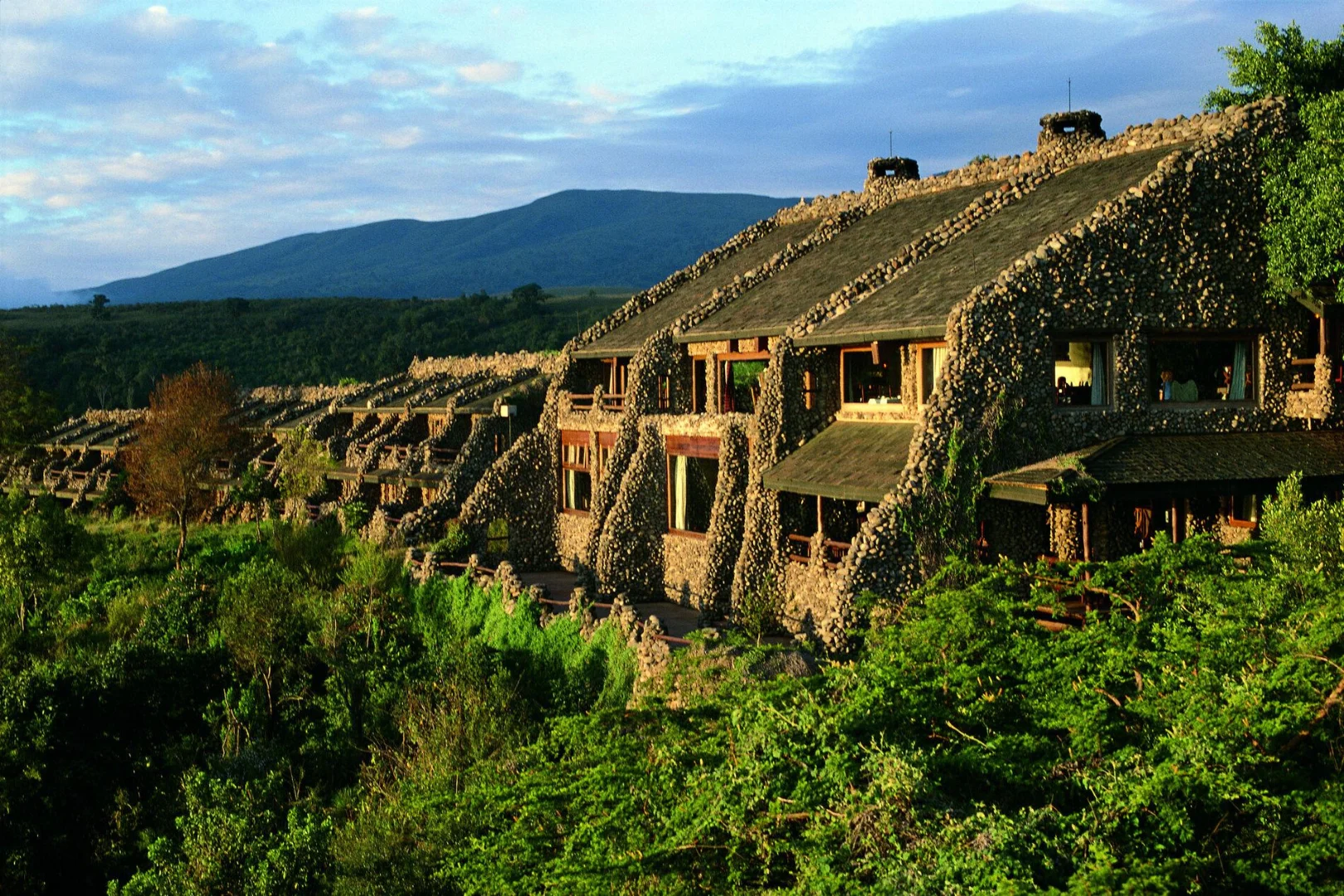
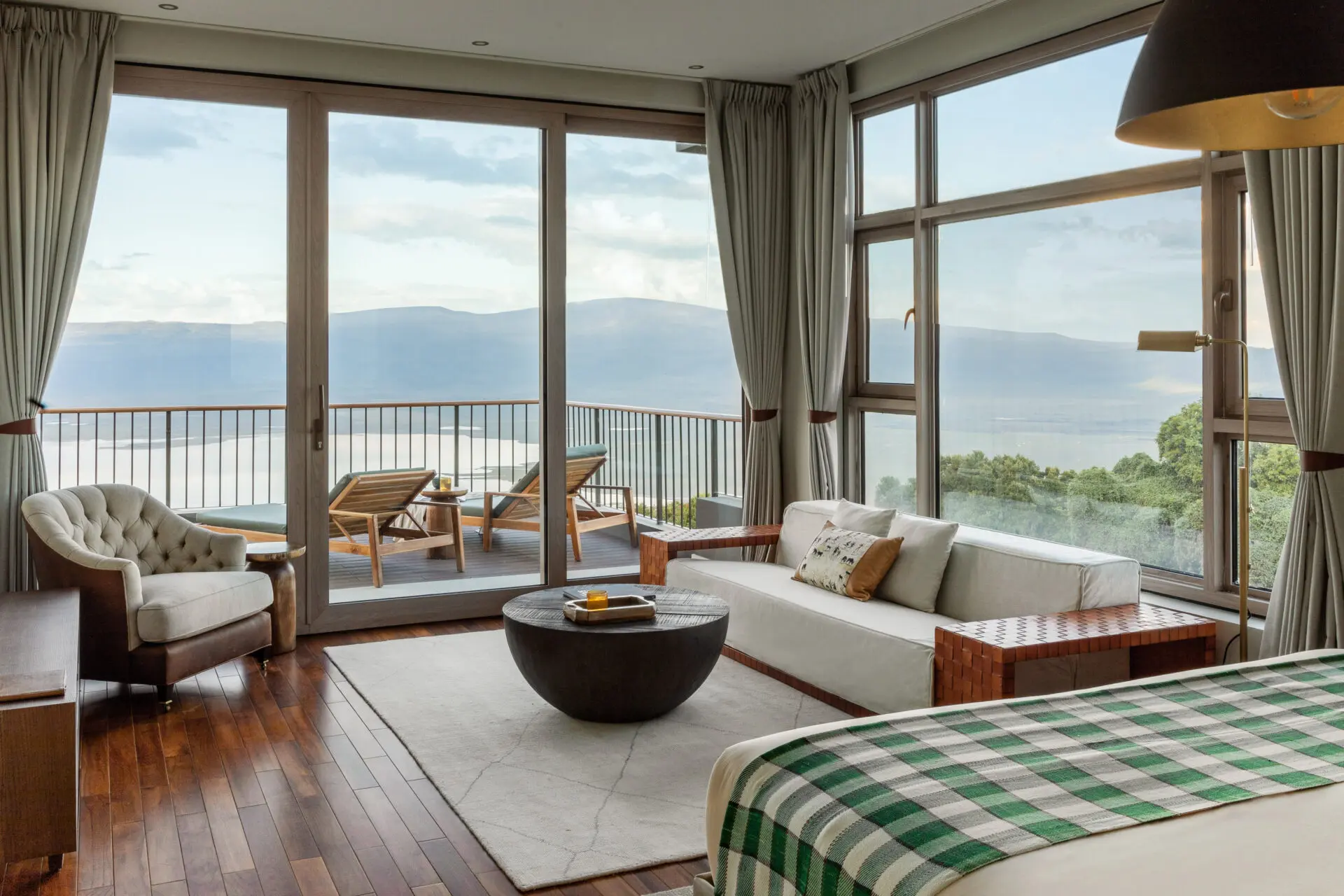
The crater day begins before dawn. An early departure from Karatu to reach the rim as first light is breaking. The view from the rim stops everything. Six hundred metres below you, a perfectly circular caldera 19 kilometres wide, mist rising from the floor in the cool of early morning, the dark pool of Lake Magadi glinting pink with flamingos. You descend on the winding track through montane forest, the temperature rising as you drop, Buffalo standing in the mist at the crater's edge. And then, emerging from the treeline onto the floor, the full scale of the spectacle becomes apparent.
Twenty-five thousand large mammals in a self-contained ecosystem. Wildebeest and zebra spread across the grassland as far as you can see. A pride of fifteen lions moves along the river. The buffalo herd. Several thousand strong. Raises a cloud of dust in the eastern corner. And somewhere on the short grass plains to the south, your guide picks up something through the binoculars: the unmistakable prehistoric silhouette of a black rhino. One of only 26 remaining in the crater. You spend the full day on the floor, covering every sector, before climbing back to the rim and an overnight in the cool highland air with crater views from your room.
5
Ngorongoro ? Serengeti Into the Endless Plains
An early morning departure from the crater rim, driving west through the Ngorongoro Conservation Area. Passing Maasai villages and Olduvai Gorge (optional stop) before the landscape opens into the first Serengeti plains. The moment you cross into the park, the transformation is immediate and total. The land runs to the horizon in every direction. The sky doubles in size. And the wildlife begins. Giraffe feeding from acacias by the roadside, lion tracks in the red dust, zebra herds grazing in the morning light.
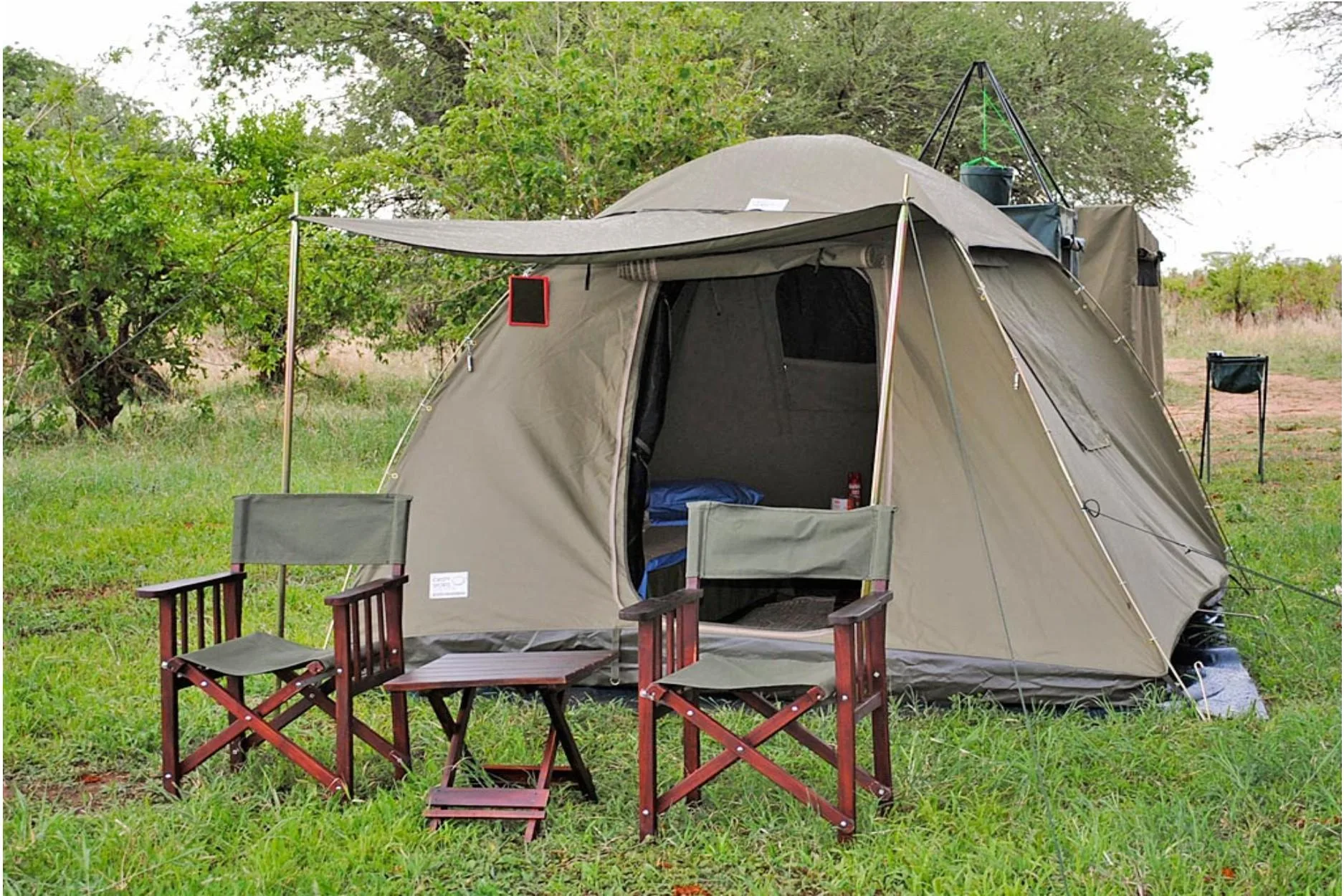
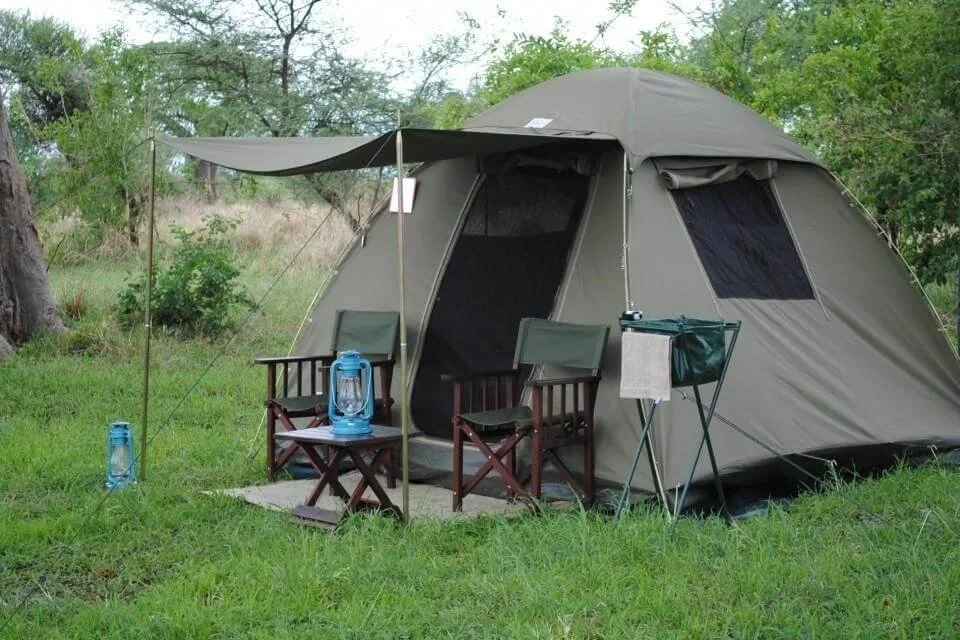
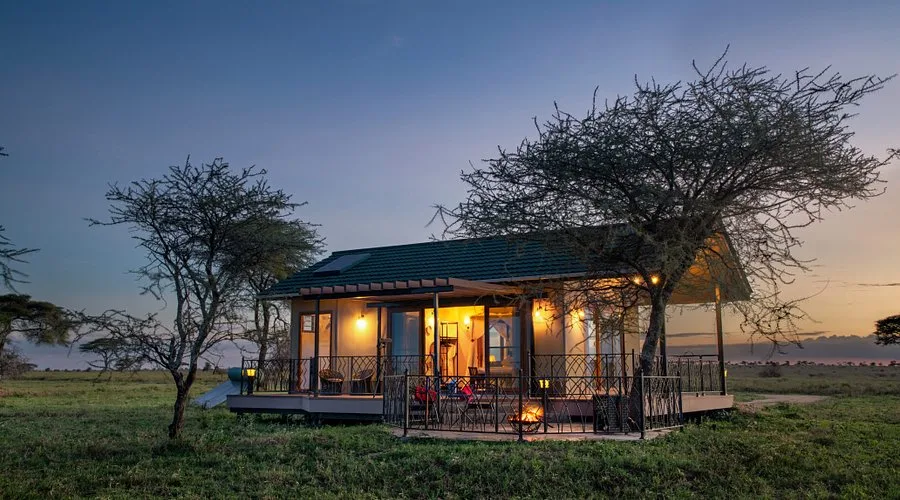
You have four days ahead of you in this place. The afternoon game drive is an introduction. The Seronera Valley predator circuit, first encounters with the plains, the initial sightings that will, over the coming days, become something far more intimate and deep. Camp that night under a sky so full of stars it seems impossible. The Milky Way blazes overhead. Lions call in the darkness. The first of four extraordinary nights.
6
Full Day Serengeti The Wild at Full Volume
The first full Serengeti day. The alarm sounds before sunrise, pre-dawn coffee in hand and you are on the move as the plains begin to lighten. This is when the Serengeti is at its most electric. Lion prides are often at kills in the early morning, cheetahs are scanning from termite mounds and leopards make their final movements before the heat forces them into the trees.
Your guide works the Seronera Valley with the knowledge of someone who has driven these roads hundreds of times. Reading animal behaviour, tracking movements reported by other guides over the radio network, positioning the vehicle for the optimal view at every sighting. A mid-morning find: a leopard draped across a sausage tree branch with a fresh Thomson's gazelle kill. You watch for forty minutes. A bush picnic lunch under an acacia and the afternoon extends through the golden hour. The Serengeti shows something new every hour of every day.
7
Full Day Serengeti The Kopjes, the Wild Dog & the Deep Plains
The third Serengeti day. And by now, something shifts. You stop reacting to individual sightings and start reading the landscape itself. Your eye picks up the shape of a lion resting in grass from 200 metres. You notice the way a herd of zebra is bunched at the edge. Something predatory in the vicinity. The Serengeti is teaching you its language.
Today ventures beyond the Seronera circuit to the Simba Kopjes. Ancient granite outcrops rising from the plains, weathered over 600 million years, used by lions as elevated lookouts and by leopards as kill caches. The oldest exposed rock on Earth, surrounded by the greatest concentration of wildlife. Your guide works the remote game tracks where most safari vehicles never go. This is also the best day to track African wild dog. Fewer than 6,000 remaining on Earth, occasionally moving through the western Serengeti in tightly coordinated packs. To watch a pack hunt at 50 km/h in perfect formation is an experience that silences every experienced safari guide. Tonight, your third night in the park, the stars feel like old friends.
8
Full Day Serengeti. The Migration, the Golden Light & the Sundowner
The fourth and final full Serengeti day. Four days is enough for the Serengeti to feel, if not known, then at least familiar. And that familiarity makes this day different from the first. You are no longer searching for the wildlife. You are simply being present with it. Your guide says it this way: after four days, the Serengeti starts driving you rather than the other way around.
Today is your photography day. Dedicated to maximising the extraordinary light this landscape produces. Dawn drives to the riverine forest for leopard in the golden light. Mid-morning pursuit of the Great Migration herds wherever the radio reports them concentrating. Afternoon at the Seronera hippo pools as the light turns amber. And as the sun drops toward the horizon, your guide pulls the vehicle to a halt in the middle of the open plains, pulls out a small table and pours sundowner drinks as the sky goes from gold to orange to deep crimson and the first stars appear. Your last evening in the Serengeti. Tomorrow, the long drive home.
9
Serengeti ? Arusha The Final Movement
Your final Serengeti dawn. The alarm sounds one last time and you step outside with a strange mixture of anticipation and sadness. Aware this is the last morning, determined to meet it fully. Perhaps a lion family is found at a zebra kill as the light turns gold. Perhaps a pair of bat-eared foxes stands in the grass, their enormous ears catching sounds no human can hear. Perhaps simply a thousand wildebeest running for no discernible reason across the plain, their collective thunder felt in your chest. Whatever it is, the Serengeti delivers. It always does.
After a final hot breakfast at camp and warm farewells with the crew, you begin the long drive east. You re-enter the Ngorongoro Conservation Area, climbing through the Crater Highlands. Perhaps pausing at the rim for a last view. Then descend to the Rift Valley floor and head northeast toward Arusha. Nine days. The complete story. Tanzania's most comprehensive safari circuit, fully explored, deeply experienced. Your guide accompanies you to Kilimanjaro International Airport or your Arusha overnight, already asking when you plan to return. The answer, more often than not, is: sooner than I expected.
Three Parks. Nine Days. Total Immersion.
Tarangire National Park The Elephant Kingdom
Tanzania's magnificent baobab wilderness, where elephant herds number in the hundreds and ancient trees tell stories older than civilisation.
Two full days in Tarangire. Enough to go beyond the river circuit and explore the remote southern sectors. The Silale Swamp concentrates wildlife in extraordinary ways during the dry season. The Lemiyon circuit in the north is classic open savannah. And throughout it all, the baobabs. Ancient, massive and impossibly beautiful against the late afternoon light. This is elephant country above all else: the herds converge daily on the Tarangire River, the only permanent water for hundreds of kilometres and the scene of hundreds of elephants drinking, bathing and socialising beneath 1,000-year-old trees is one of Africa's most elemental spectacles.
Ngorongoro Crater The Living Caldera
The world's largest intact volcanic caldera. A self-contained ecosystem 600 metres deep, holding 25,000 animals and one of Earth's last reliable black rhino sightings.
A full day inside the Ngorongoro Crater delivers an experience unlike any other in Africa. Within these ancient volcanic walls, 25,000 large mammals live in year-round residence. One of the highest wildlife densities per square kilometre anywhere on the continent. All Big Five in a single day is entirely possible. The critically endangered black rhino. One of approximately 26 remaining inside the crater. Is the most remarkable of all. A massively built, ancient-looking animal, impossibly rare, seen up close in a wild landscape: one of the most moving wildlife encounters on Earth.
Serengeti National Park Four Days on the Endless Plains
Africa's most iconic wilderness. Four full days gives you the deepest, most complete Serengeti experience available on any standard Tanzania safari circuit.
Four days in the Serengeti is a rare gift. Most safaris spend two or three. Enough to see the main sights but not enough to go truly deep. With four days you cover the Seronera Valley predator circuit twice (lions and leopards behave differently morning to morning), explore the remote Simba Kopje granite outcrops where Africa's oldest rock surfaces meet its greatest predators, track cheetah families hunting across the open plains and potentially encounter the African wild dog. Fewer than 6,000 remaining on the continent. The four-day Serengeti experience doesn't just show you Africa. It lets Africa show you who you are.
When to Go
The Northern Tanzania Grand Safari is outstanding year-round. Each season brings its own drama across the three parks. Below is a guide to what each period delivers.
Moments That Will Define You Forever
300 elephants converge on the Tarangire River beneath 1,000-year-old baobabs. One of Africa's most concentrated and overwhelming wildlife spectacles. Two full days here means you can follow a herd for hours.
The baobab trees of Tarangire at golden hour. Some over a thousand years old, silhouetted against a burning sky, with elephants moving silently between their massive trunks. A scene from the beginning of time.
The drive down the Ngorongoro crater wall. 600 metres through forest, mist and buffalo. Then emerging suddenly onto the ancient floor with 25,000 animals spread before you. One of the great dramatic arrivals in travel.
Massively built, ancient-looking, impossibly rare. One of approximately 26 black rhino remaining inside the crater. Seeing one up close, in the wild, is one of the most moving wildlife encounters on Earth.
Ten thousand wildebeest at the Mara River bank. Then the explosion. Chaos, courage and crocodiles. Four Serengeti days dramatically increases your chance of witnessing this greatest of all wildlife spectacles.
Four pre-dawn alarms. Four mornings of darkness giving way to gold. Four first sightings as the plains emerge from the night. Four days that, by the end, make the Serengeti feel like something you have always known.
Thousands of lesser and greater flamingos turn the Ngorongoro's soda lake pink. Their reflections double in the still water at dawn. A composition so beautiful it looks almost too beautiful to be real.
At 1,500m with zero light pollution, the Serengeti sky is one of the most astonishing on Earth. Four nights means the Milky Way is no longer a novelty. It is your ceiling, your backdrop, the context for everything.
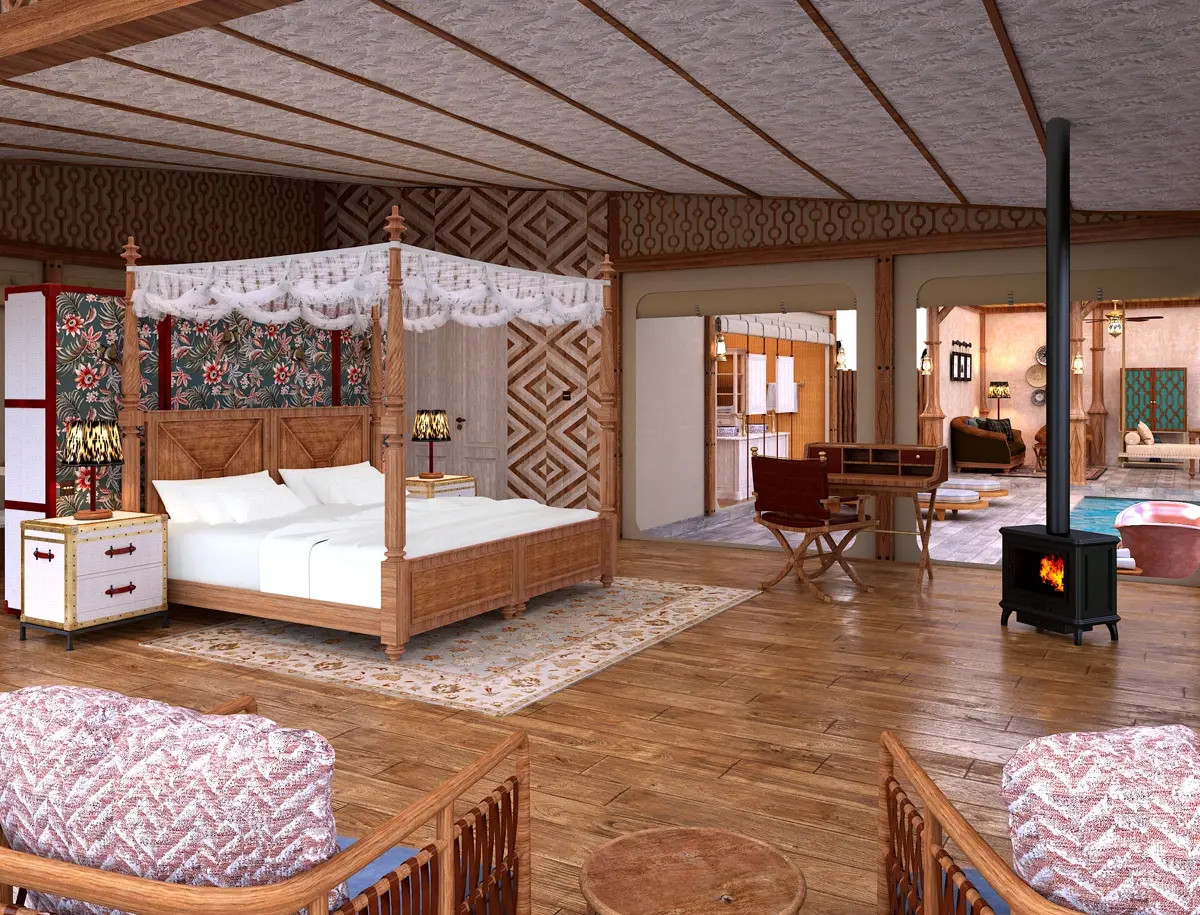
Accommodation Your Safari Home
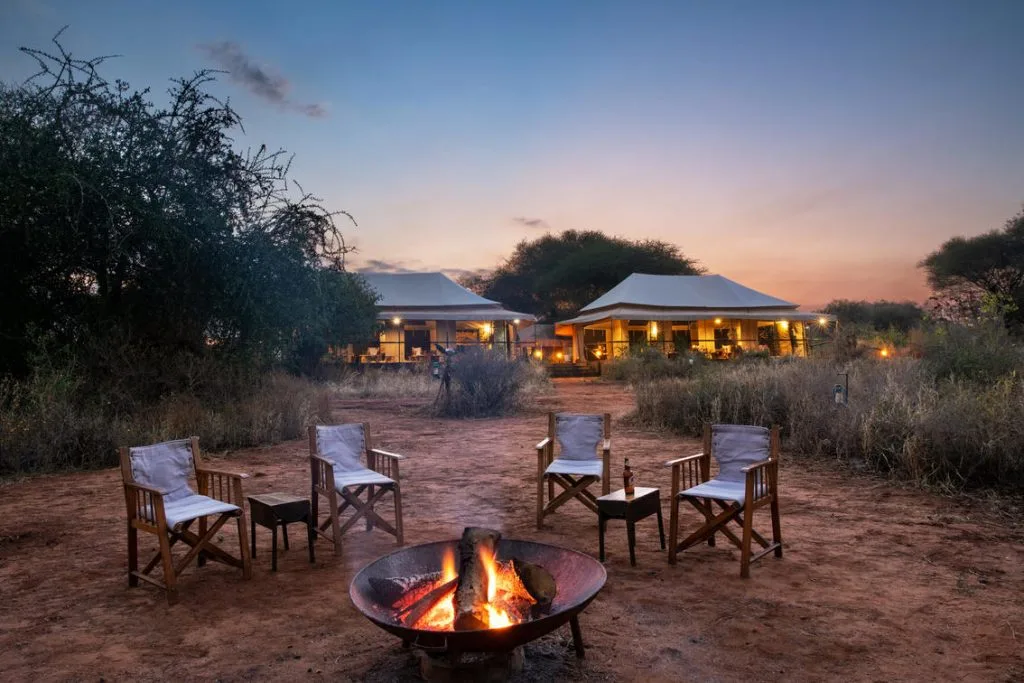
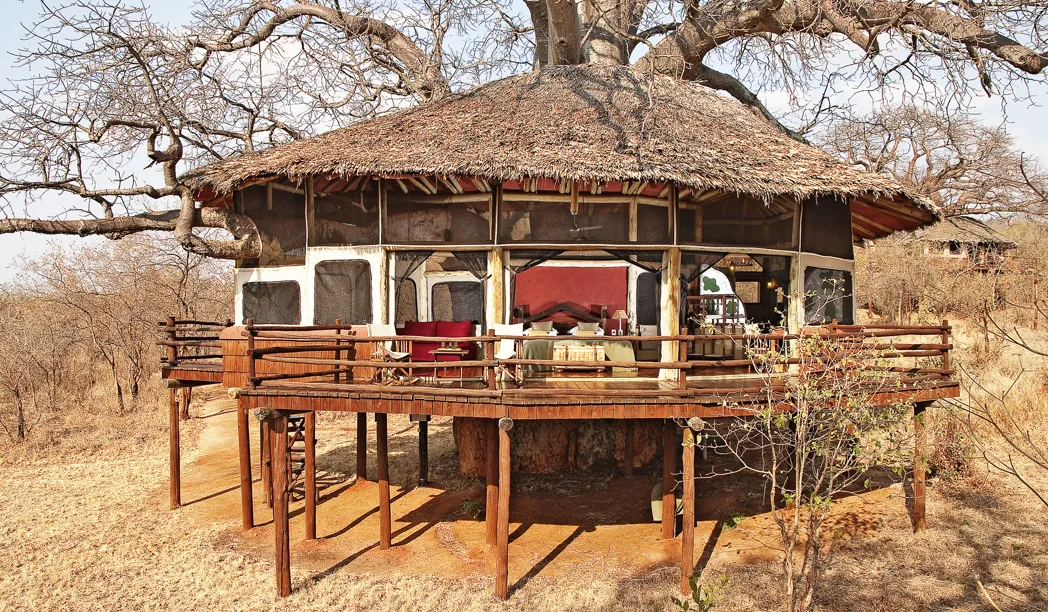
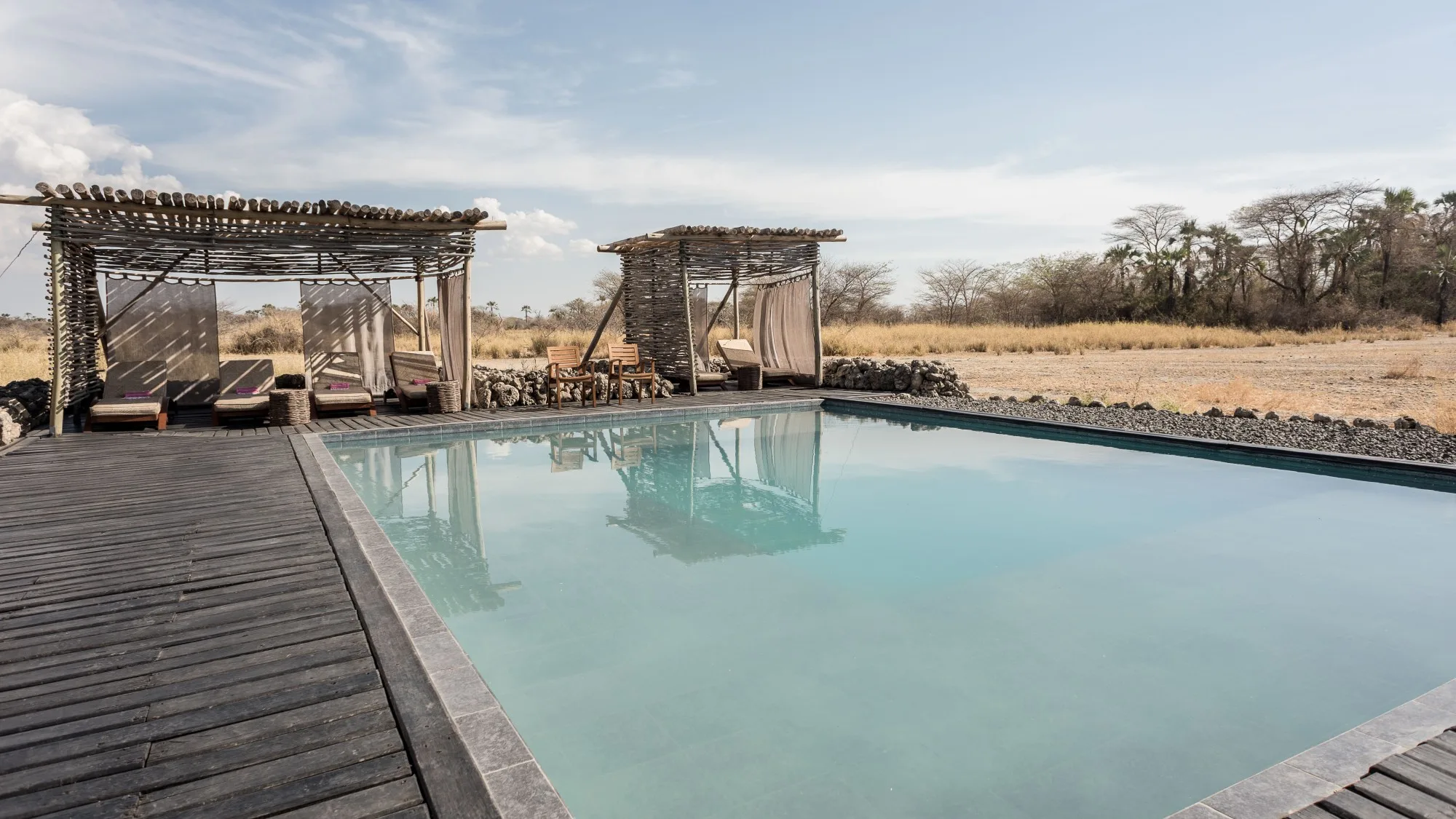
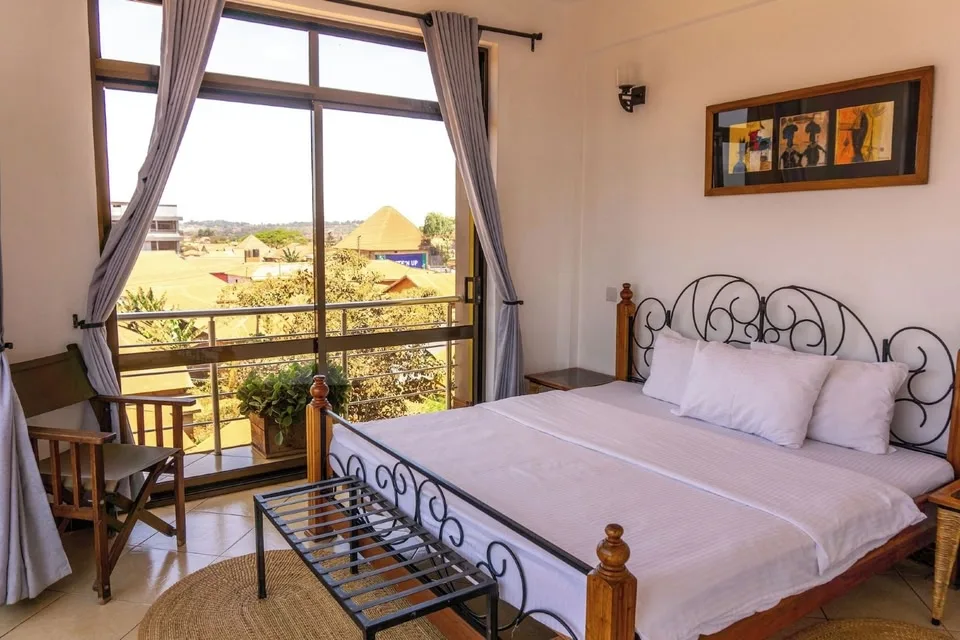
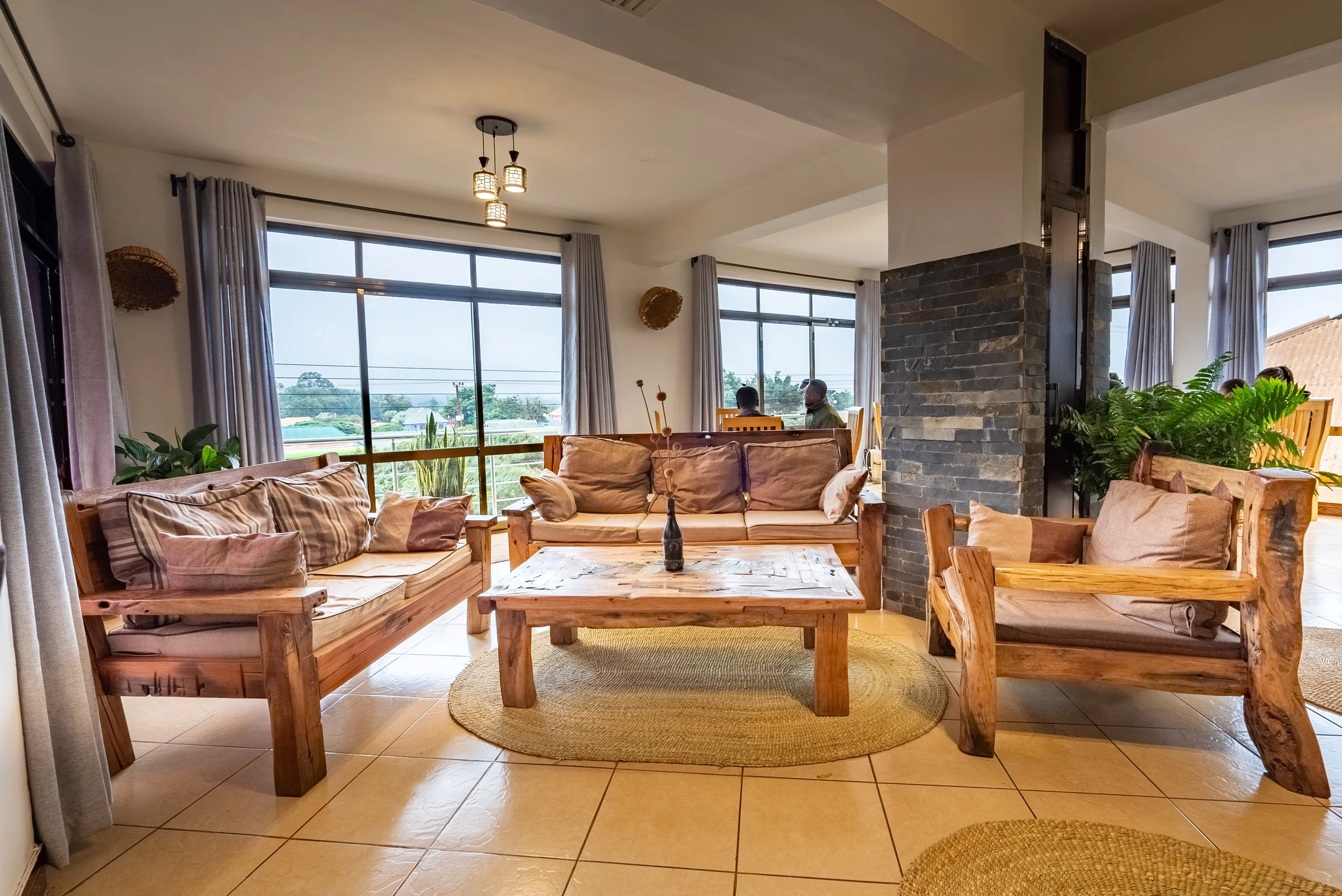
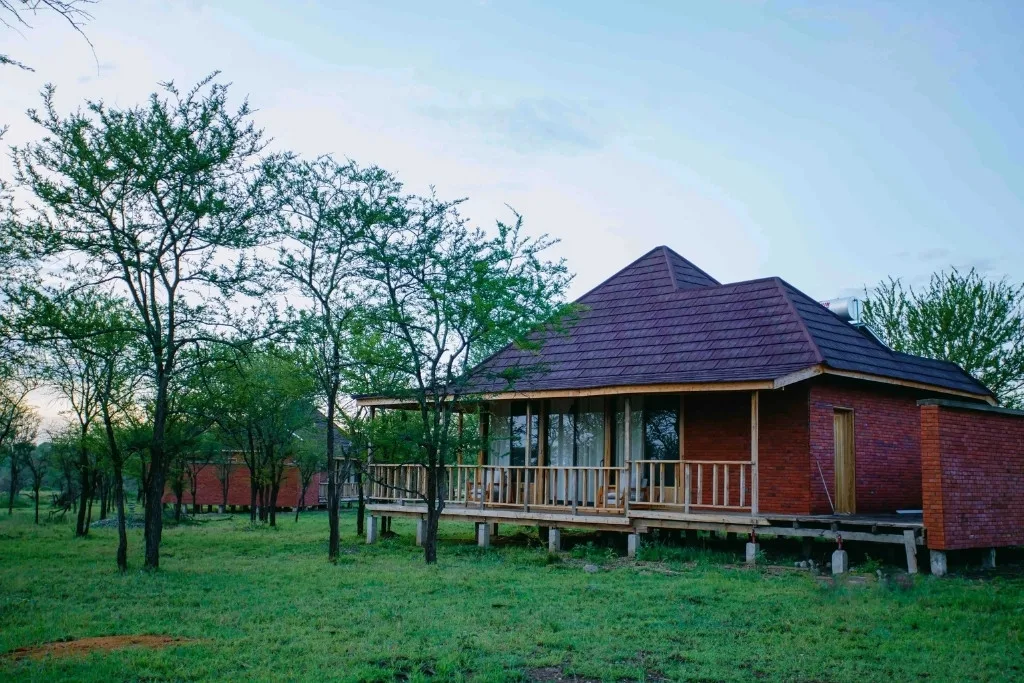
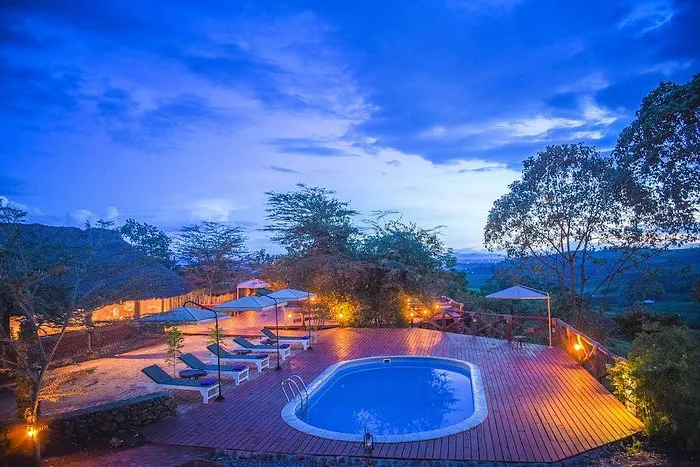
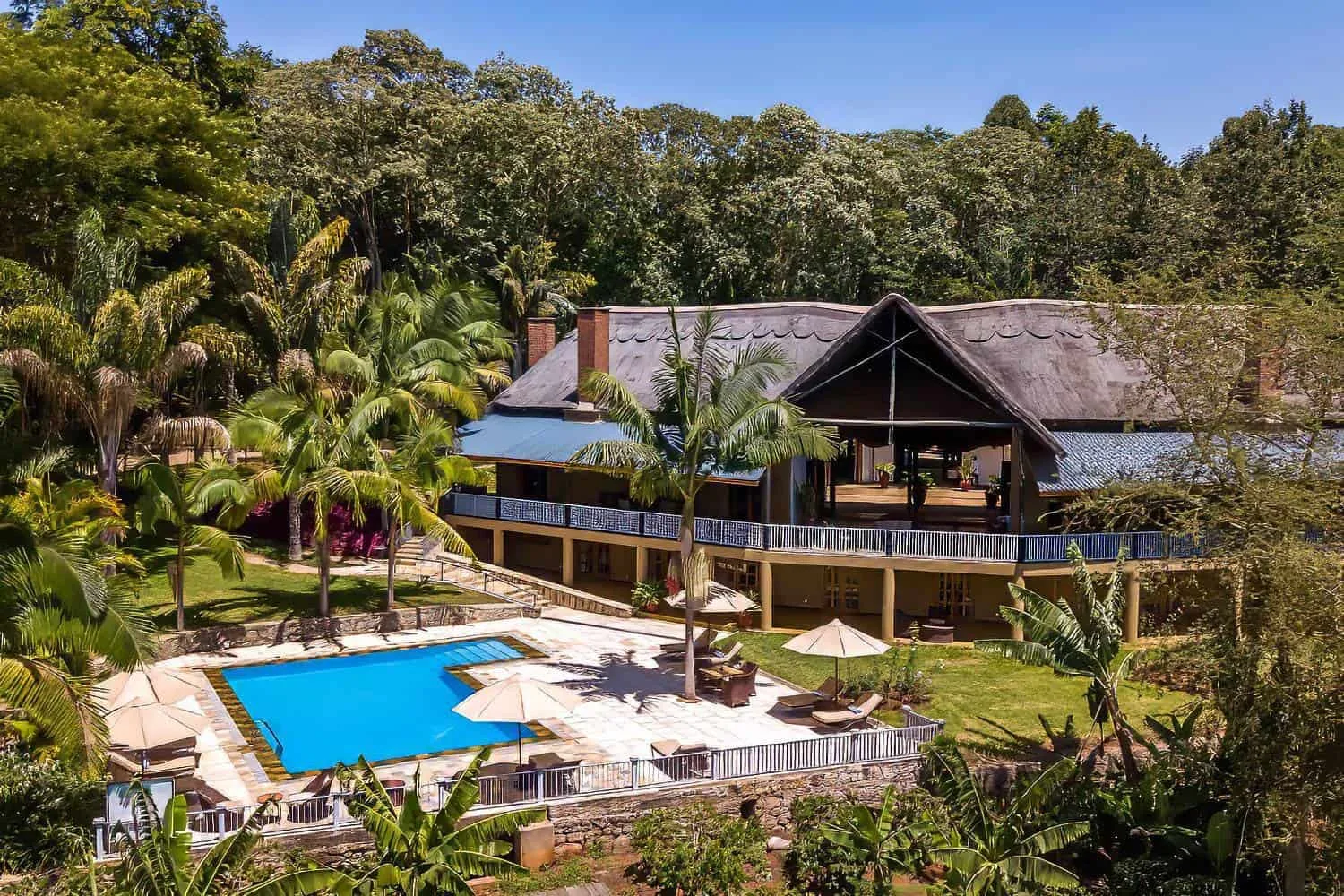
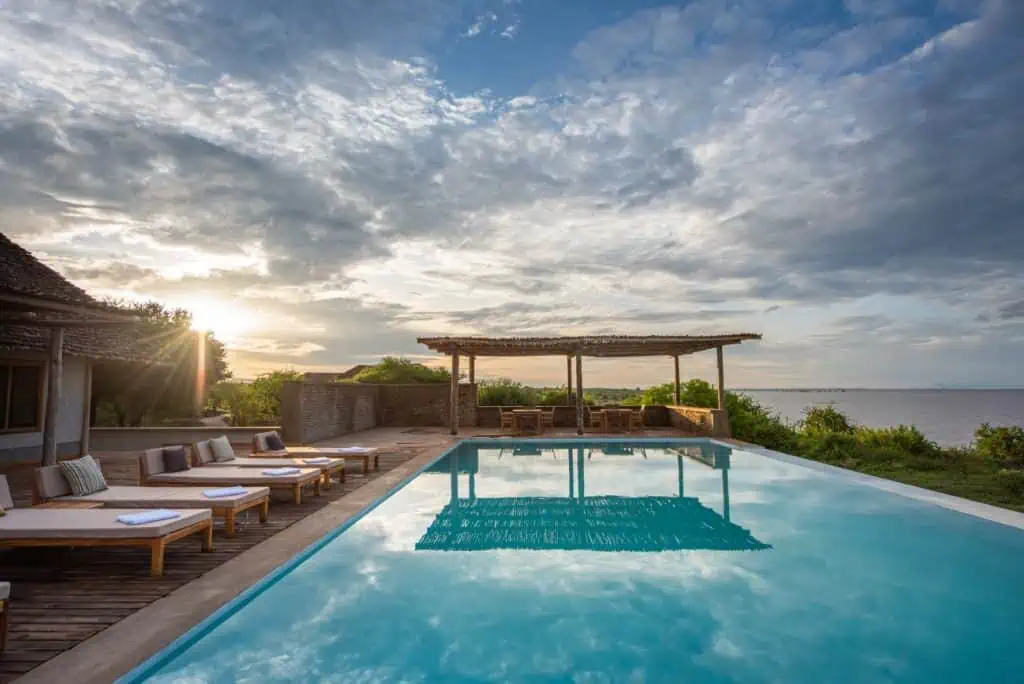
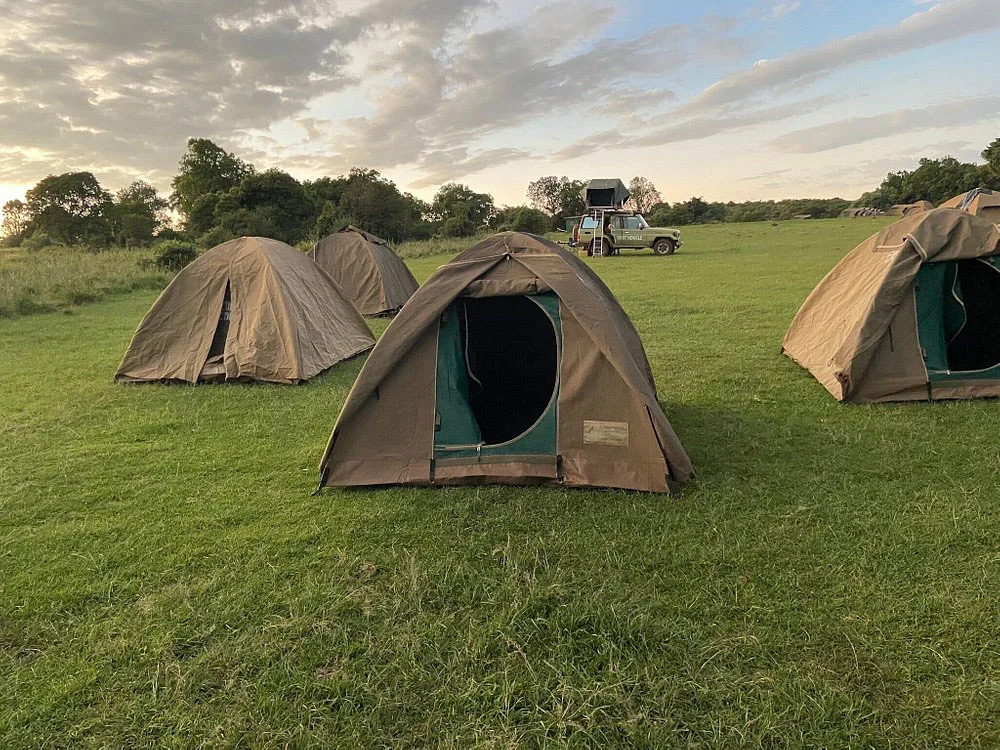
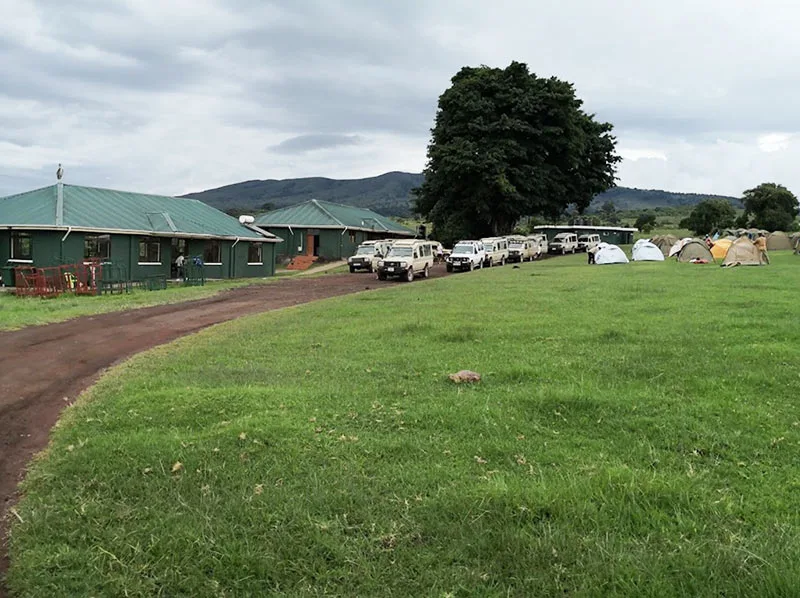
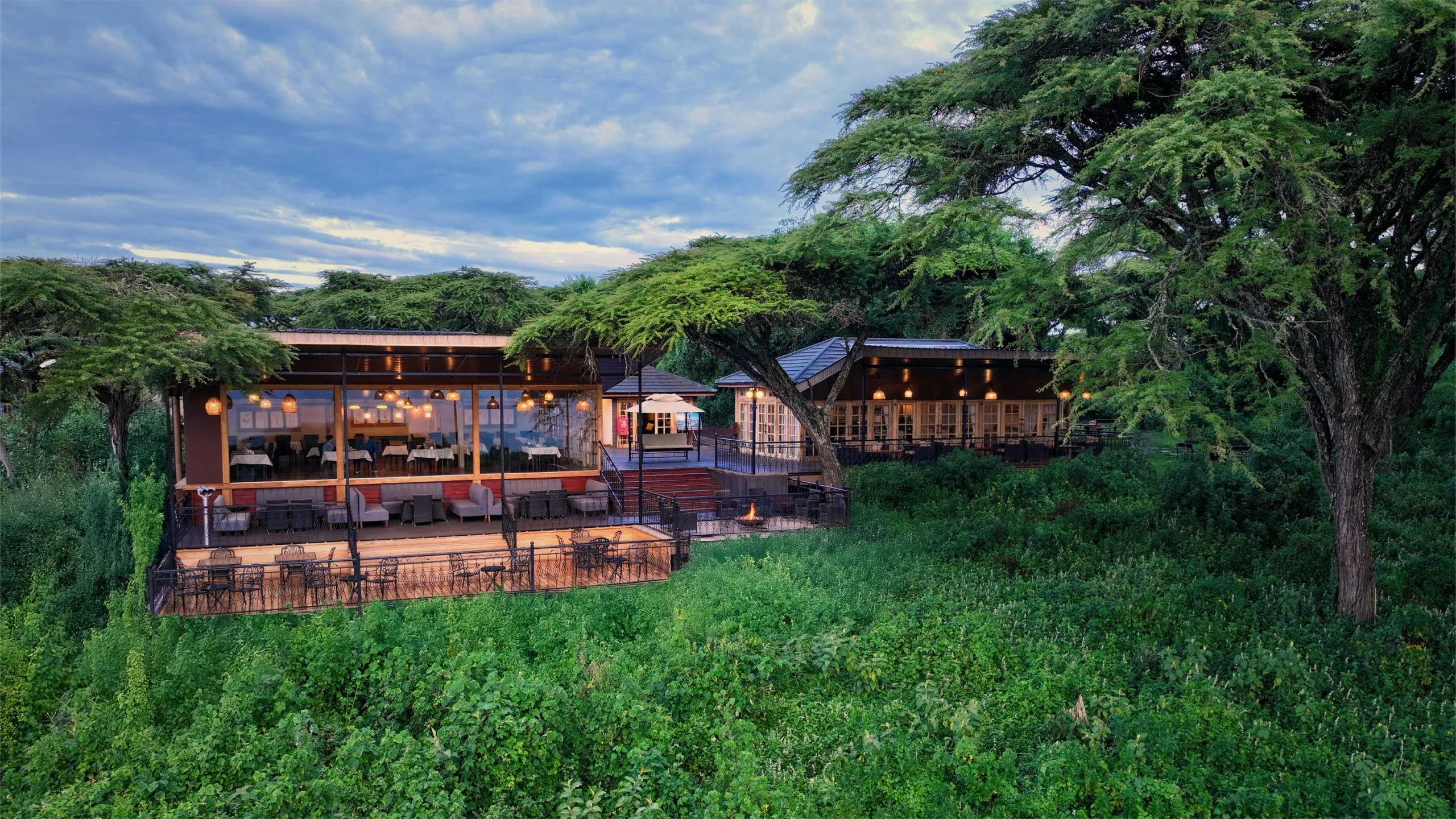
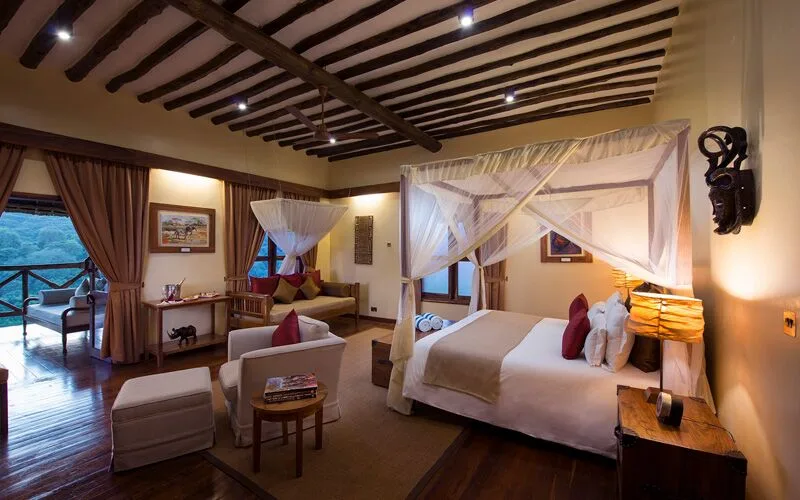
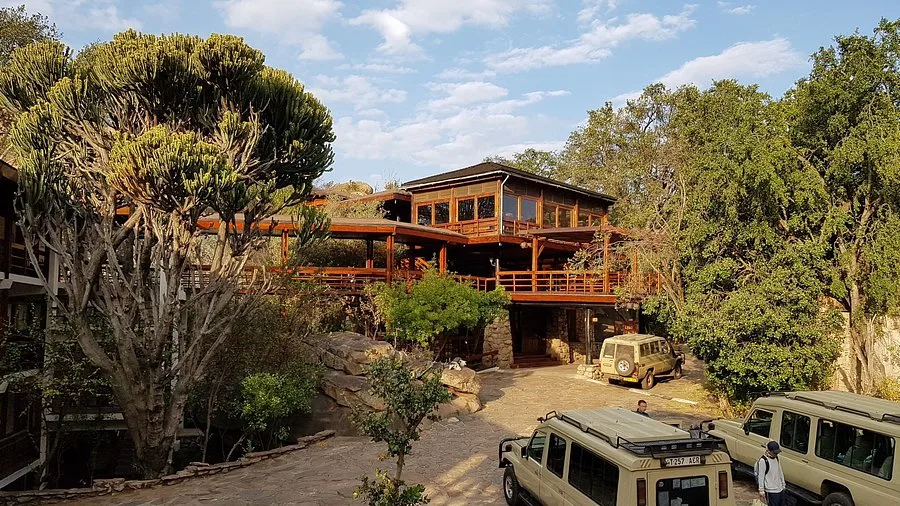
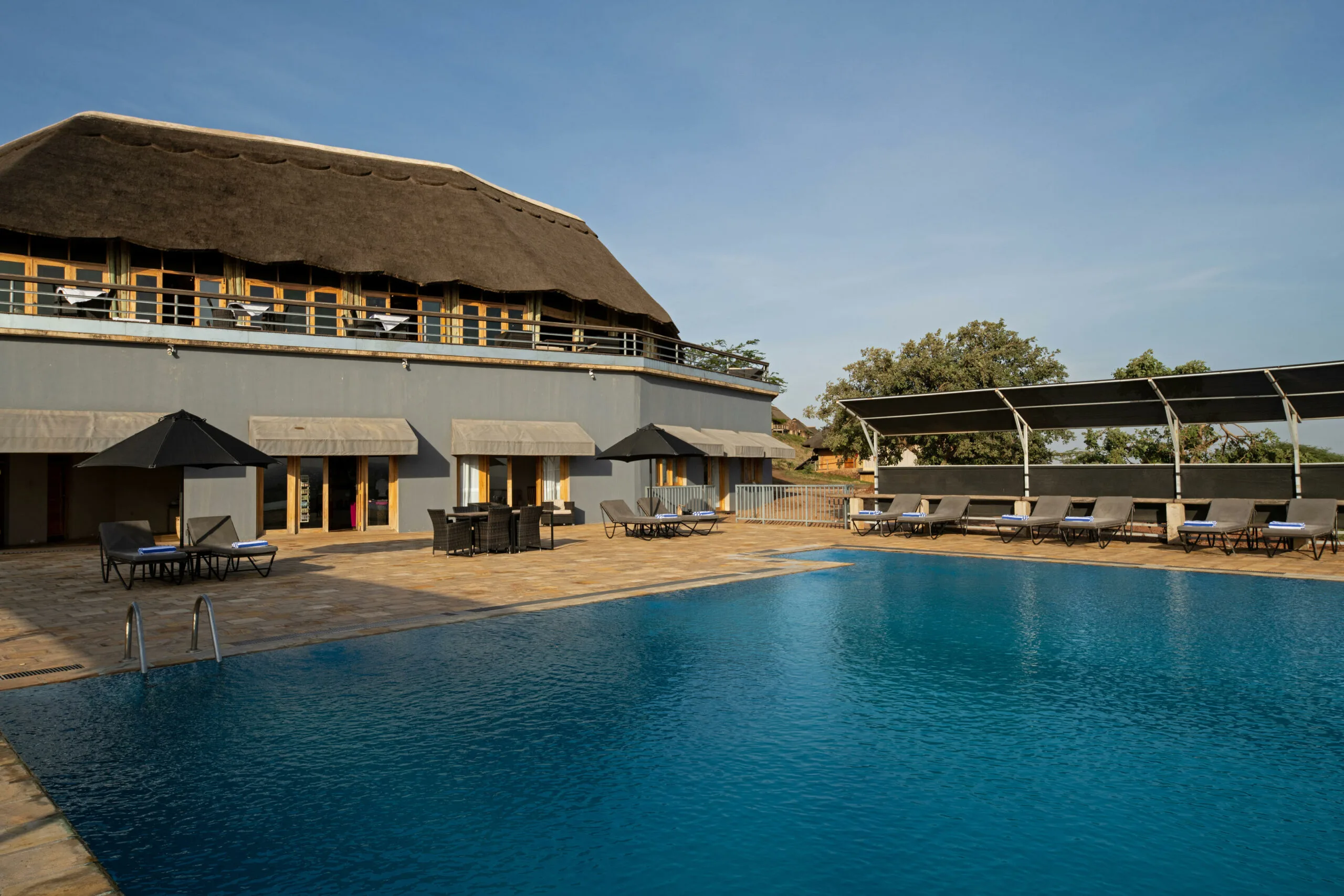
Every night of this safari is as carefully chosen as the game drives themselves. Silver, Gold and Platinum tiers are available for each stage of the journey. Use the tabs inside each day of the itinerary above to browse where you'll sleep, or scroll back up to compare tiers night by night.
Eight nights of carefully chosen accommodation across three parks and four distinct landscapes. We offer three fully curated tiers. Silver, Gold and Platinum. All properties are personally vetted by Haven Trails, positioned for optimal wildlife access and chosen for character, service and value.
All accommodation is fully customisable. Mix tiers, request specific properties or combine with a Zanzibar extension. Contact us at info@haventrails.com or WhatsApp +255 713 334154.
Why Haven Trails Adventures
Every Haven Trails guide holds a Professional Tourist Guide Certification and has completed 1,000+ guided field hours. Over nine days, your guide becomes a naturalist educator. Reading the land, interpreting behaviour, making every sighting a story worth telling.
Custom 4x4 Land Cruiser with 360° pop-up roof, forward-facing window seats, USB charging ports, stocked cooler, binoculars, and first aid kit. Maximum 6 guests per vehicle. Over nine days, the vehicle becomes your mobile base camp.
Based in Moshi, Tanzania. Not a platform in London or New York. Our team tracks seasonal wildlife movements in real time, builds direct relationships with lodge managers and repositions itineraries based on what the animals are actually doing today.
All guides carry satellite communication and emergency first aid. Evacuation protocols for every park in partnership with Flying Doctors Tanzania. Our 24/7 Moshi operations centre monitors all active safaris throughout each day of your nine-day journey.
The Northern Tanzania Grand Safari is a framework, not a formula. Every detail. Travel dates, accommodation tier, pace, dietary requirements, photography objectives. Is adjusted to your group. This is especially important on a nine-day circuit.
Haven Trails prioritises community-run lodges, Tanzanian-owned suppliers, and conservation-conscious partners. A portion of every booking supports local ranger training.
Inclusions & Exclusions
- Airport arrival and departure transfers
- All national park and conservation fees
- Full-time expert English-speaking guide
- Custom 4x4 Land Cruiser with pop-up roof
- All accommodation (per chosen tier)
- All meals as per itinerary (B, L, D)
- Bottled water & soft drinks in vehicle
- Safari certificate of completion
- Emergency evacuation support
- Welcome dinner in Arusha (Day 1)
- Bush picnic lunches throughout
- International flights to/from Tanzania
- Tanzania tourist visa ($50 USD most nationalities)
- Travel insurance (strongly recommended)
- Alcoholic beverages
- Guide and crew gratuities (discretionary)
- Optional hot air balloon ride (~$600/person)
- Optional Olduvai Gorge entry fee
- Laundry services
- Personal items and souvenirs
- Medical and dental expenses