Většina návštěvníků safari poprvé přijíždí se směsí vzrušení a úzkosti. Nervózní možná nevidí dost, nejistí si etiketou, přemoženi logistikou. Téměř každý z nich odchází s přáním, aby tam strávil více času. Tento průvodce se poctivě zabývá praktickými obavami a připraví vás na to, abyste dorazili jako připravení, sebevědomí a zvědaví cestovatelé. Nejlepší verze safari hosta.
Očekávání divoké zvěře: Co uvidíte a co neuvidíte
Nejdůležitější mentální příprava na první safari je tato: Tanzanské parky nejsou zoologické zahrady. Zvířata jsou divoká, neřízená a mohou být kdekoli na stovkách kilometrů čtverečních. Žádný operátor, bez ohledu na to, jak zkušený, vám nezaručí, že při vašem příjezdu bude na silnici sedět lev. Co může nabídnout dobře naplánované tanzanské safari. A čím se liší od jakékoli jiné destinace na Zemi. Je mimořádně vysoká pravděpodobnost mimořádných pozorování u velké rozmanitosti druhů.
Na řádně strukturovaném 5-7denním safari Northern Circuit (Serengeti, kráter Ngorongoro, Tarangire) vidí drtivá většina hostů lva, leoparda, slona, buvola, žirafu, zebru, pakoně, hyenu, hrocha, geparda a desítky druhů válečných krokodýlů. Pozorování černých nosorožců v kráteru Ngorongoro je možné. Jediná divoká populace ve východní Africe. Ale ne zaručeně. Kráter je velký a populace nosorožců je malá.
Každý zkušený host safari vám řekne to samé: okamžiky, na které nejvíce vzpomínají, nikdy nebyly ty, které plánoval. Není to leopard v itineráři. Je to medový jezevec, který v 7 hodin ráno táhne přes silnici mangustu, nebo zoborožec zemní, kolem kterého jste málem projeli, nebo ve chvíli, kdy se slon rozhodl, že vaše vozidlo je příliš blízko, a vy jste sledovali, jak mění názor. Safari odměňuje přítomnost, nikoli agendu. Přijďte zvědaví na všechno, nejen na hlavní druhy.
Řízení očekávání napříč různými parky
Ne všechny parky nabízejí stejný zážitek. Pochopení toho, co každý dělá nejlépe, vám pomůže ocenit to, co vidíte, spíše než přemýšlet o tom, co vám chybí.
| Park | Známý pro | Realistické očekávání prvního časovače |
|---|---|---|
| Serengeti | Velká migrace, hustota lvů a gepardů, rozlehlé otevřené pláně | Mnohonásobné lví pýchy, pravděpodobné pozorování gepardů, obrovská stáda pakoňů a zeber. Možná nejdrtivější zážitek z divoké přírody na planetě |
| Kráter Ngorongoro | Nejvyšší hustota divoké zvěře v jedné kompaktní oblasti Velká pětka za den | Prakticky zaručeně lev, slon, buvol, hroch, hyena; vynikající leopardí šance; možný černý nosorožec; plameňáci na sodovém jezeře |
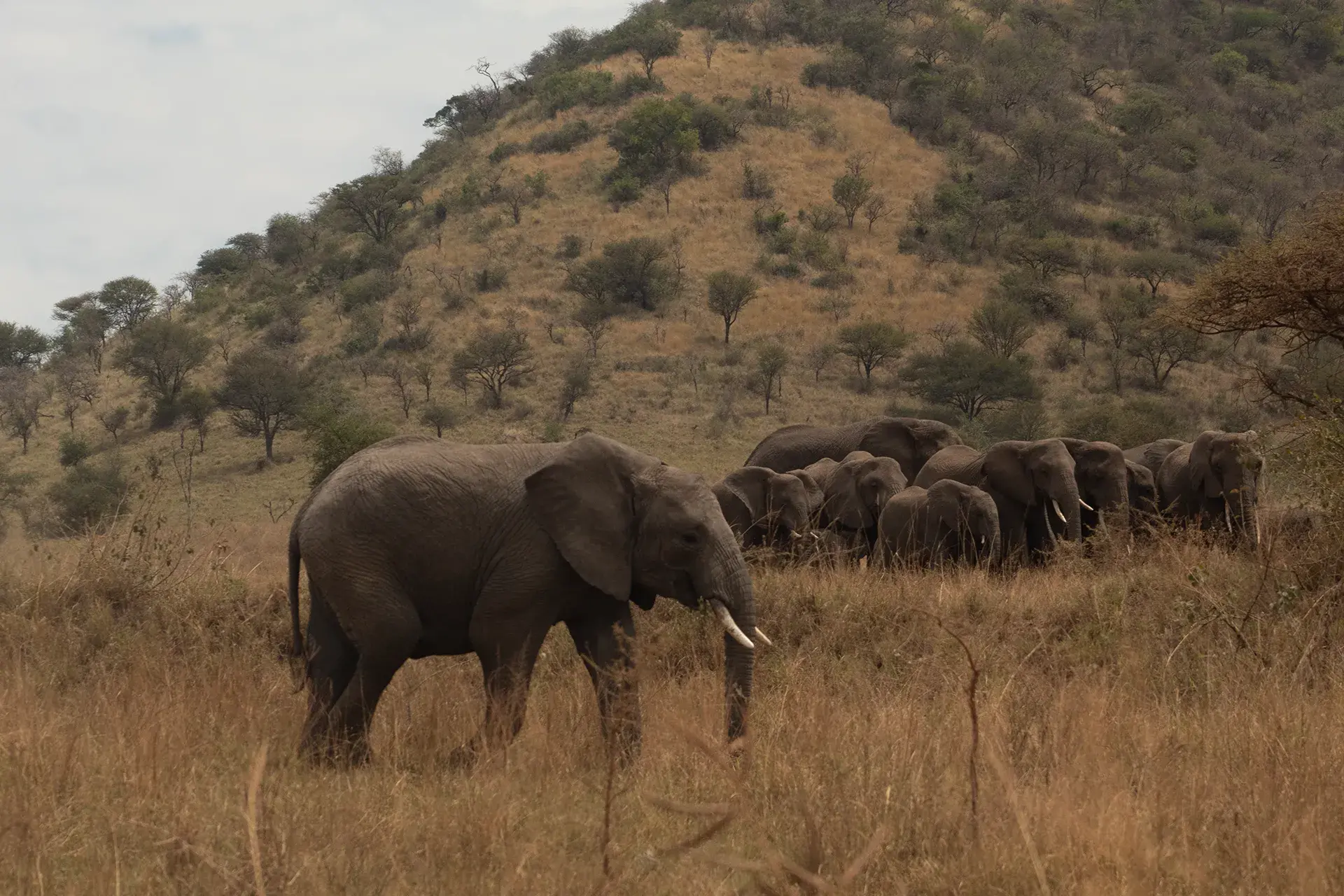
| Tarangire | Largest elephant herds in Afrika, ancient baobab trees | Běžná jsou stáda slonů o 50–200 zvířatech; vynikající celoroční divoká zvěř; výjimečný život ptactva; méně přeplněné než Serengeti |
| Jezero Manyara | Stromolezcí lvi, plameňáci, bujný les, kompaktní a malebné | Dobré ptactvo a obecná divoká zvěř; nejlépe jako intro park nebo doplněk spíše než primární cíl |
| Ruaha / Selous | Odlehlá divočina, divocí psi, méně turistů | Vynikající divoká zvěř a syrovější zážitek. Nejlepší pro návštěvníky safari podruhé nebo ty, kteří konkrétně hledají odlehlost a exkluzivitu |
| Haven Trails doporučuje Severní okruh (Serengeti + Ngorongoro + Tarangire) pro návštěvníky safari poprvé. Tato kombinace poskytuje nejširší spektrum druhů a nejvyšší pravděpodobnost pozorování v Africe. | ||
Velká pětka: Průvodce pro začátečníky
Termín „velká pětka“ nevymysleli ochránci přírody, ale lovci velké zvěře v 19. století. Odkazovalo na pět nejnebezpečnějších a nejobtížnějších zvířat lovit pěšky. Dnes popisuje pět nejznámějších safari zvířat v Africe. Zde je to, co byste o každém měli vědět, než se s nimi setkáte.
Lev
Nejlepší: Serengeti & Ngorongoro
Lvi spí 18-20 hodin denně. Nejaktivnější za svítání a za soumraku. Když najdete pýchu v klidu, váš průvodce může pomalu kroužit. Čekají na aktivitu. Trpělivost je odměněna. Noční řev z tábora je nezapomenutelný.
Leopard
Nejlepší: Serengeti (kopjes a říční stromy)
Nejnepolapitelnější z pěti. Rádiová síť vašeho průvodce je vaším největším aktivem. Pozorování leopardů jsou okamžitě sdílena. Hledejte ocas visící na větvích akácie. Svítání a soumrak jsou hlavní okna. V blízkosti leoparda nemluvte nahlas.
Slon
Nejlepší: Tarangire & Ngorongoro
Emočně nejsilnější zvíře na safari. Sledujte klapání uší (regulace teploty), dotýkání se trupu (sociální vazba) a pohyby matriarchy (ona vede). Nikdy nedělejte hluk v blízkosti stáda s telaty. Falešné nabíjení nastává, když se vozidla přiblíží příliš blízko.
Černý nosorožec
Pouze kráter Ngorongoro (ve východní Africe)
Nejvzácnější a nejkritičtěji ohrožený z pěti. V kráteru Ngorongoro se nachází jediná přežívající divoká populace nosorožců černých ve východní Africe. Jsou samotářští, slabozrací, ale s výborným nosem a často jsou spatřeni za svítání u vody. Pozorování nosorožců je opravdu výjimečné. Oslavte to.
Cape Buffalo
Všechny parky Northern Circuit
Nejpodceňovanější z pěti. A statisticky nejnebezpečnější v Africe. Buvoli jsou společenští, inteligentní a překvapivě impozantní. Výraz je to, co jim získává jejich pověst: buvol vždy vypadá, jako by zvažoval, zda zaútočit. Staří osamělí býci se nazývají „dagga boys“ a nikdy by se neměli podceňovat.
Některé z nejneobvyklejších okamžiků divokých zvířat v Tanzanii zahrnují zvířata, která nejsou na seznamu Velké pětky. Lov gepardů, pozorování smečky divokých psů, kočka sloužící ve vysoké trávě, zoborožci na přehlídce, čirá podívaná na tisíc plameňáků, kteří utíkají z jezera Manyara. To jsou zážitky, které hosté při zpětném pohledu často řadí nad jejich pozorování ve Velké pětce. Přijeďte otevřeni všemu a africká savana vás překvapí na každém kroku.
Etiketa hry: Pravidla, která chrání vás a zvířata
Etiketa herního pohonu se neřídí byrokratickými pravidly. Je to soubor chování, který udržuje zvířata v klidu, udržuje vás v bezpečí a chrání zážitek pro každého budoucího návštěvníka. Pochopení, proč tato pravidla existují, usnadňuje jejich instinktivní dodržování.
Africká divoká zvěř se z velké části naučila nevnímat zaparkované vozidlo jako hrozbu. Silueta a vůně vozidla jsou známé a neutrální. To je důvod, proč váš průvodce může zastavit pět metrů od pýchy lvů a lvi dál spí. Ve chvíli, kdy se člověk zvedne nad linii střechy. Odhalení nezaměnitelného vzpřímeného lidského tvaru. Počet se úplně změní. Zůstat nízko ve vozidle není omezení. Je to věc, která celou tu mimořádnou blízkost umožňuje.
Poznámka k táborové etiketě po setmění
Safari kempy a chaty leží uvnitř nebo v sousedství neoplocené divočiny. Zvířata se v noci pohybují táborem. Je to běžné, není to alarmující. Každý tábor má své protokoly: po večeři následujte doprovod do stanu, použijte dodanou baterku nebo vysílačku k přivolání doprovodu zaměstnanců, nikdy nechoďte sami ve tmě mezi budovami. Tohle není divadlo. Hroši, hyeny a sloni se v noci skutečně potulují po kempech. Zvuky, které slyšíte z postele, jsou skutečné. Jsou také jedním z nejhlubších zážitků, které keř může nabídnout.
Co nosit na Safari: Kompletní průvodce oblečením
Safari oblečení je jednou z oblastí, kde mnoho začátečníků přehání styl a podceňuje funkci. Cílem není vypadat jako filmová kulisa. Má být pohodlný v obrovském teplotním rozsahu, neviditelný pro hmyz a neohrožující divokou zvěř. Zde je poctivý návod.
- Khaki, béžová, opálená, olivově zelená, kamenně šedá
- Loose-fit, lightweight long-sleeved shirts
- Konvertibilní kalhoty na zip (šortky + kalhoty v jednom)
- Fleecová nebo lehká péřová bunda pro ranní jízdy
- Čepice se širokou krempou a páskem pod bradou (vítr je skutečný)
- Lehká vycházková nebo turistická obuv
- Wool or synthetic hiking socks (3-4 pairs)
- Návleky na krk (prach na suchých diskách)
- Bílá nebo krémováviditelné, okamžitě se zašpiní, přitahuje mouchy tse-tse
- Jasné barvy(červená, oranžová, žlutá, růžová) leká zvěř, přitahuje kousavý hmyz
- Dark navy or blackspecificky přitahují mouchy tse-tse
- Bavlněné oblečenítěžký za mokra, pomalý do sucha, studený, když je vlhký
- Těžké džíny (horké, omezující, pomalu schnoucí)
- Silný parfém nebo silně vonící produkty na pohonech
- Nadměrné šperky (opice kočkodanové budou vyšetřovat)
- Dlouhé kalhoty a vrstva s dlouhým rukávem za soumraku (hodiny proti komárům)
- Táborové večery s lehkými péřovými bundami mohou být překvapivě chladné
- Boty s uzavřenou špičkou v táboře (škorpióni a hmyz na zemi)
- Pohodlné táborové boty na cesty od stanu k večeři
- Opalovací krém SPF 50+ znovu nanášejte každé 2 hodiny na otevřené disky
- Balzám na rty SPF
- Sluneční brýle s ochranou proti UV záření (odražené odlesky od savany jsou intenzivní)
- Lehké sluneční rukavice, pokud jsou náchylné k popálení rukou
- Zakrytí je účinnější než opalovací krém na přímém slunci
Téměř každý zkušený host safari hlásí, že se výrazně přebalil. Většinu dne jste v autě. Na střídání budete nosit stejné 3-4 oblečení. Většina chat nabízí praní prádla ve stejný den za malý poplatek. Ideální safari šatník je 3-4 topy, 2 páry kalhot (jeden kabriolet), 1 fleece, 1 bunda, 3-4 ponožky, 3-4 spodní prádlo a 1 pár táborových bot. To se vejde do příruční tašky. Což je ideální, protože malé letecké safari transfery mají přísné váhové limity (typicky celkem 15 kg, pouze měkká taška).
Fotografie ze safari: Tipy, které ve skutečnosti dělají rozdíl
K tomu, abyste si domů přinesli mimořádné fotografie ze safari, nepotřebujete profesionální fotografické vybavení. Musíte pochopit několik principů světla, načasování a pohybu, které platí bez ohledu na to, zda fotíte na smartphone nebo teleobjektiv.
- Střílejte ve zlatých hodinách, ne v poledne.Nejlepší fotografie safari se odehrávají během prvních 90 minut po východu slunce a posledních 90 minut před západem slunce. Nízkoúhlé světlo dodává zvířatům rozměr a teplo, redukuje drsné stíny a zbarvuje savanu dozlatova. Polední světlo je ploché, drsné a nelichotivé. Použijte polední odpočinek k prohlížení snímků a nabíjení baterií, ne k pořizování nových.
- Režim Burst je váš přítel.Zvířata se pohybují nepředvídatelně a rychle. Nastavte fotoaparát nebo smartphone do režimu série a pořiďte několik snímků v okamžiku akce. Lev otáčí hlavou, gepard uprostřed kroku, slon stříkající vodu. Jeden snímek z deseti bude perfektní. Smazat volně; skladování je levné.
- Zaměřte se na oko, ne na tělo.Každá působivá fotografie divoké zvěře má zaostřené oko objektu. Pokud používáte automatické ostření, před fotografováním se ujistěte, že je zaostřovací bod zablokován na nejbližším viditelném oku. Rozmazané tělo s ostrým zrakem se čte jako záměr. Opačně to nikdy neplatí.
- Mějte fotoaparát připravený, ne v tašce.Možnosti divoké zvěře v posledních sekundách. Během každé jízdy mějte fotoaparát na klíně nebo na krku. Záběr, na který se balíte, je ten, kvůli kterému se leopard zhmotní.
- Stabilizace vůči vozidlu.Ke stabilizaci fotoaparátu na dlouhé ohniskové vzdálenosti použijte brašnu na fotoaparát, srolovanou bundu nebo sedací vak přitisknutý k rámu okna nebo k okraji střechy. Teleobjektiv s ohniskovou vzdáleností 300–500 mm zesiluje každý otřes. Dokonce i 100mm výstřely těží z podpory na hrbolatých cestách.
- Odolejte nutkání neustále prohlížet obrázky.Nejčastější chybou při fotografování na safari je trávit čas prohlížením posledního záběru, zatímco nastává další mimořádný okamžik. Zastřelte, krátce zkontrolujte a vraťte oči zpět na zvíře.
- Pořiďte si mnohem více úložiště a baterií, než očekáváte, že budete potřebovat.Chladné noci vybíjejí baterie rychleji, než se očekávalo. Většina nováčků zaplní více paměťových karet. Vezměte si s sebou dvojnásobek toho, co si myslíte, že potřebujete, a powerbanku pro nabíjení mezi disky.
Moderní vlajkové smartphony pořizují skutečně vynikající fotografie divoké přírody v dobrém světle na střední vzdálenosti. Omezením je dosah. 5× optický zoom pokrývá mnoho situací, ale bojuje s otevřenými pláněmi Serengeti na 300 m. Pokud používáte smartphone, na poloze záleží více než na čemkoli jiném. Požádejte svého průvodce, aby při každém pozorování umístil vozidlo co nejblíže. V kráteru Ngorongoro a Tarangire, kde se zvířata často přibližují do vzdálenosti 10–20 metrů od vozidel, mohou být výsledky chytrých telefonů ohromující.
Money, Connectivity & Practical Realities
Peníze na Safari
Základní pravidlo: přinést americké dolary v bankovkách po roce 2006. Starší bankovky a bankovky s vysokou nominální hodnotou z doby před rokem 2006 jsou v Tanzanii běžně odmítány. Menší nominální hodnoty (1 $, 5 $, 10 $, 20 $) jsou nezbytné pro spropitné a malé nákupy. Ne vždy dostanete drobné ze 100 dolarové bankovky. Většina chat přijímá hlavní kreditní karty (Visa a Mastercard), ale účtuje 3-5% poplatek za zpracování. Bankomaty jsou k dispozici v Arusha a Moshi, ale zcela chybí v národních parcích. Naplánujte si hotovost před vstupem do parků.
| Expense | Doporučeno Amount | Notes |
|---|---|---|
| Průvodce / driver tip | 15-25 USD na osobu a den | Platba na konci cesty nebo denní preference průvodce se liší. Pouze hotovost. |
| Tip zaměstnanců kempu / chaty | 5-10 USD na osobu a den | Vypláceno do společné schránky na spropitné na recepci chaty, distribuováno všem zaměstnancům. |
| Volitelné balonové safari | 500–650 USD na osobu | Pre-Rezervovat through útočiště stezky. Stojí za každý cent. Zahrnuje bušovou snídani. |
| Suvenýry a nákupy na trhu | rozpočet 50–200 USD | Preferuji hotovost. Smlouvání je na trzích očekávané a normální. Přátelské vyjednávání je součástí kultury. |
| Tanzanie e-visa | $50 USD (most nationalities) | Požádejte před cestou online na adrese immigration.go.tz. Američané platí 100 dolarů kvůli reciprocitě. |
| Vstup do parku (v ceně) | Zahrnuto v balíčcích útočiště stezky | Serengeti: 82 USD/den; Ngorongoro: $100-$150/day. Již zahrnuto ve vašem itineráři. |
| Rozpočet 200–400 USD na osobu v hotovosti navíc nad cenu balíčku, pokrývající spropitné, vedlejší výdaje a útratu dle vlastního uvážení. | ||
Konektivita: Dar být offline
Většina chat a kempů nabízí základní Wi-Fi ve společných prostorách, ale rychlost a spolehlivost se značně liší. Kempy Deep Serengeti nemusí mít vůbec žádné připojení. Mobilní data přes místní SIM karty (nejlepší pokrytí mají Vodacom a Airtel Tanzania) fungují v některých oblastech, ale ne uvnitř parků. Upřímná rada od každého zkušeného hosta safari: řekněte rodině svůj itinerář, naplánujte si nepřítomnost a připravte se na to, že budete několik dní v kuse nedostupní. Kvalita přítomnosti, která pochází ze skutečného odpojení, je jedním z nejvíce podceňovaných darů safari. Sloni také nemají Wi-Fi. A zdá se, že se jim daří dobře.
Zdraví, voda a jídlo na Safari
Pijte pouze balenou nebo filtrovanou vodu. Nikde v Tanzanii nepijte vodu z kohoutku, včetně čištění zubů. Všechny renomované chaty standardně poskytují filtrovanou nebo balenou vodu; váš průvodce bude vozit vodu ve vozidle během každé jízdy. Kvalita Safari potravin je trvale vyšší, než většina začátečníků očekává. Domky jsou na své kuchyně velmi hrdé a na základě předběžného upozornění se komplexně starají o dietní omezení. Užívejte profylaxi malárie důsledně ode dne, kdy vám lékař předepíše, až po celou dobu trvání po cestě.
Myšlení Safari: Šest směn, které vše změní
Rozdíl mezi dobrým safari a safari, které vám změní život, je často méně v tom, co vidíte, a více v tom, jak mentálně dorazíte. Těchto šest změn myšlení důsledně odděluje hosty, které Tanzanie proměnila, od těch, kteří si to jen užívali.
Uvolněte kontrolní seznam
Host, který přichází a snaží se odškrtnout Velkou pětku, postrádá medového jezevce, malovaného vlka, váleček s šeříkovými ňadry, který přistál tři stopy od okna. Přijeďte se zvědavostí, ne s výsledkovou kartou. Zvířata, která vás překvapí, jsou často ta, která si pamatujete nejdéle.
Přijměte pomalé okamžiky
Safari není souvislá zvýrazňovaná cívka. Jsou tu dlouhé cesty přes otevřené pláně, kde není nic vidět. To není ztracený čas. Jsou to krajina samotná, měřítko Afriky, ticho světa, který existoval předtím, než ho lidé pojmenovali. Ať přijde klid.
Zcela důvěřujte svému průvodci
Váš průvodce čte keř tak, jak čtete obličej. V jazyce vybudovaném za léta pozornosti. Když vozidlo náhle zastaví, má to svůj důvod. Když projedou kolem něčeho, co vypadá zajímavě, má to svůj důvod. Odkládejte, ptejte se a poslouchejte. Jejich znalost je skutečným produktem, který jste zakoupili.
Podívejte se všemi směry
Každý host zírá na lva, zatímco zoborožec zemní prochází kolem druhé strany vozidla. Pták, kterého nesledujete, je často výjimečný. Skenujte stejnou měrou zemi, oblohu, hranici stromů a vzdálený horizont. Savana se prezentuje ze všech směrů současně.
Chcete-li být přítomen, odpojte se
Host fotografující každý okamžik přes obrazovku a host, který se dívá na vlastní oči, mají ze stejného pozorování zásadně odlišné zážitky. Pořiďte si fotografie. Ale občas sklopte fotoaparát, položte telefon a nechte lva, aby naplnil vaši aktuální vizi. Některé momenty jsou pro obrazovku příliš velké.
Buďte včas a zůstaňte pozdě
Hosté, kteří odolají budíčku v 5:45, přicházejí o nejlepší hru dne. Ti, kteří požádají, aby zůstali na pozorování o něco déle, uvidí geparda zabíjet. Časná rána a trpělivé čekání jsou způsob, jakým se stávají výjimečné okamžiky. Téměř nikdy nedorazí podle plánu.
Chyby, které hosté na Safari poprvé dělají nejčastěji
- Rezervace trasy, která je příliš krátká.Čtyři dny nestačí. Pětka je hraniční. Šest až osm dní na Severním okruhu vám poskytne hloubku, rytmus a nashromážděné znalosti sledování stejné krajiny na několika cestách. První den je orientační. Kouzlo obvykle začíná druhý nebo třetí den, když se vaše oko naučí číst keř.
- Upřednostnění nákladů před kvalitou trasy.Levné safari ve správných parcích je mnohem lepší než safari střední třídy v těch špatných. Samotné parky. Serengeti, Ngorongoro, Tarangire. Jsou nesmlouvatelné proměnné. Ubytování lze upravit; výběr parku by neměl být.
- Neříkat operátorovi předem dietní potřeby.Kuchyně Safari mohou po předchozím upozornění vyhovět téměř jakýmkoli dietním omezením. V den příjezdu do vzdáleného kempu 200 km od nejbližšího města nedokážou dělat zázraky. Informujte útočiště stezky při rezervaci, ne v den příjezdu.
- Na sobě nesprávné barvy.Tmavě modré a černé oblečení specificky přitahuje mouchy tse-tse. Které poskytují bolestivě znatelné kousnutí. Kromě tse-tse, jasné barvy skutečně mění chování zvířat na blízko. Neutrální barvy nejsou estetické preference; jsou praktickým nástrojem.
- Dalekohled necháváme doma.Dvojice dalekohledů 8×42 mění zážitek ze safari tím, že zviditelní vzdálená zvířata a neobyčejná zvířata z blízkého okolí. Detail, který můžete vidět na lví tváři na 200 metrů s dobrým dalekohledem. Každý vous, každá jizva, barva očí. Je něco, co za vás fotoaparát v daném okamžiku nedokáže zachytit.
- Řítí kolem "obyčejných" zvířat.Když poprvé uvidíte zebru, budete ohromeni. Třetí den na ně mnoho hostů sotva pohlédlo. Ale hřebec zebry bojující u napajedla nebo hříbě přitisknuté na matčin bok za úsvitu jsou skutečně výjimečné. Musíte jen hledat dál. Obyčejná zvířata neustále dělají neobvyklé věci.
- Nepijete dostatek vody na herních jednotkách.Kombinace nadmořské výšky, suchého vzduchu, prašných silnic, vystavení slunci a vzrušení vytváří dehydrataci rychleji, než většina lidí očekává. Pijte důsledně během každé jízdy, i když necítíte žízeň. Dehydratace způsobuje bolesti hlavy, únavu a podrážděnost, které výrazně zhoršují zážitek.
Často kladené otázky
Jste připraveni na své první Safari? Pojďme to společně postavit.
Haven Trails Adventures se specializuje na první hosty safari. Udržujeme malé skupiny, zkušené průvodce a trasy v dobrém tempu. Přicházíte tedy informováni a odcházíte změnění. Oslovte nás a my na základě vašich termínů a zájmů vybudujeme něco mimořádného.
Plánovat své první Safari? whatsapp nás Now