
Tanzania Classic Safari
Six days. Three iconic parks. Tarangire's ancient elephant kingdom, the Big Five inside the Ngorongoro Crater and three extraordinary days on the Serengeti's endless plains. The complete Northern Tanzania story told in full.
Six Days. Three Parks. The Complete Story.
There is a reason Tanzania's Northern Circuit has been drawing wildlife travellers from every corner of the world for over a century. It contains, within a relatively compact area, three of the greatest national parks on the African continent. Each completely unlike the other, each extraordinary in a different way. The Tanzania Classic Safari visits all three, spending real time in each, giving you not just a glimpse but a genuine and lasting understanding of what makes this corner of the world so profoundly special.
The safari begins with Tarangire National Park, Tanzania's magnificent baobab wilderness and one of Africa's most overlooked great parks. In the dry season, 200-300 elephants converge daily on the Tarangire River. The only permanent water source for hundreds of kilometres. The spectacle of these vast herds drinking and socialising beneath 1,000-year-old baobab trees, while lions rest in the shade of the acacias and giraffe feed from the canopy, is unlike anything you will encounter anywhere else on Earth.
Day three delivers the Ngorongoro Crater. A full descent into the world's largest intact volcanic caldera, 600 metres deep and 19 kilometres wide, home to 25,000 animals in permanent residency. All Big Five in a single extraordinary day is entirely possible. Then, in the afternoon, you cross the Ngorongoro highlands and drop into the Serengeti. And the world opens to an almost incomprehensible scale.
Three full days in the Serengeti. Not a transit, not a rush. Three days to truly understand this landscape. The Seronera Valley predator circuit, where lions, leopards and cheetahs are encountered with remarkable regularity. The ancient granite kopjes (Simba, Gol) where lions rest on warm boulders above the plains. Remote western circuits seldom visited by other vehicles. And on Day 6, a final dawn game drive. The plains in golden early light, before the long drive back to Arusha. Six days that will be with you for the rest of your life.
The Itinerary
1
Arrive Arusha The Adventure Begins
Your Haven Trails guide meets you at Kilimanjaro International Airport and transfers you to your Arusha hotel. A 45-minute drive through the fertile foothills of Mount Meru. Arusha is Tanzania's safari capital, set at 1,400 metres in the shadow of two great mountains. In clear weather, Kilimanjaro's snowy summit is visible to the east at dawn. The first of many extraordinary sights over the coming six days.
After settling in, your guide holds a comprehensive safari briefing over welcome drinks. The three parks, daily rhythms, vehicle etiquette, photography tips and wildlife behaviours to look for. Six days of safari rewards preparation. The evening ends with a welcome dinner. Your first taste of Tanzania's famous warmth and cuisine.
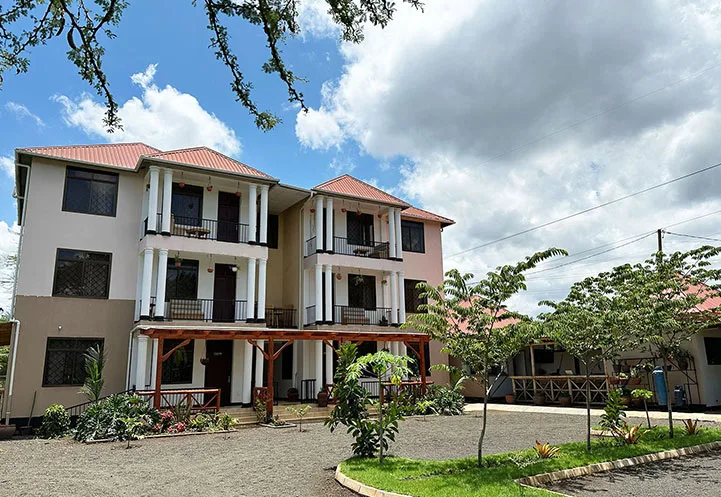
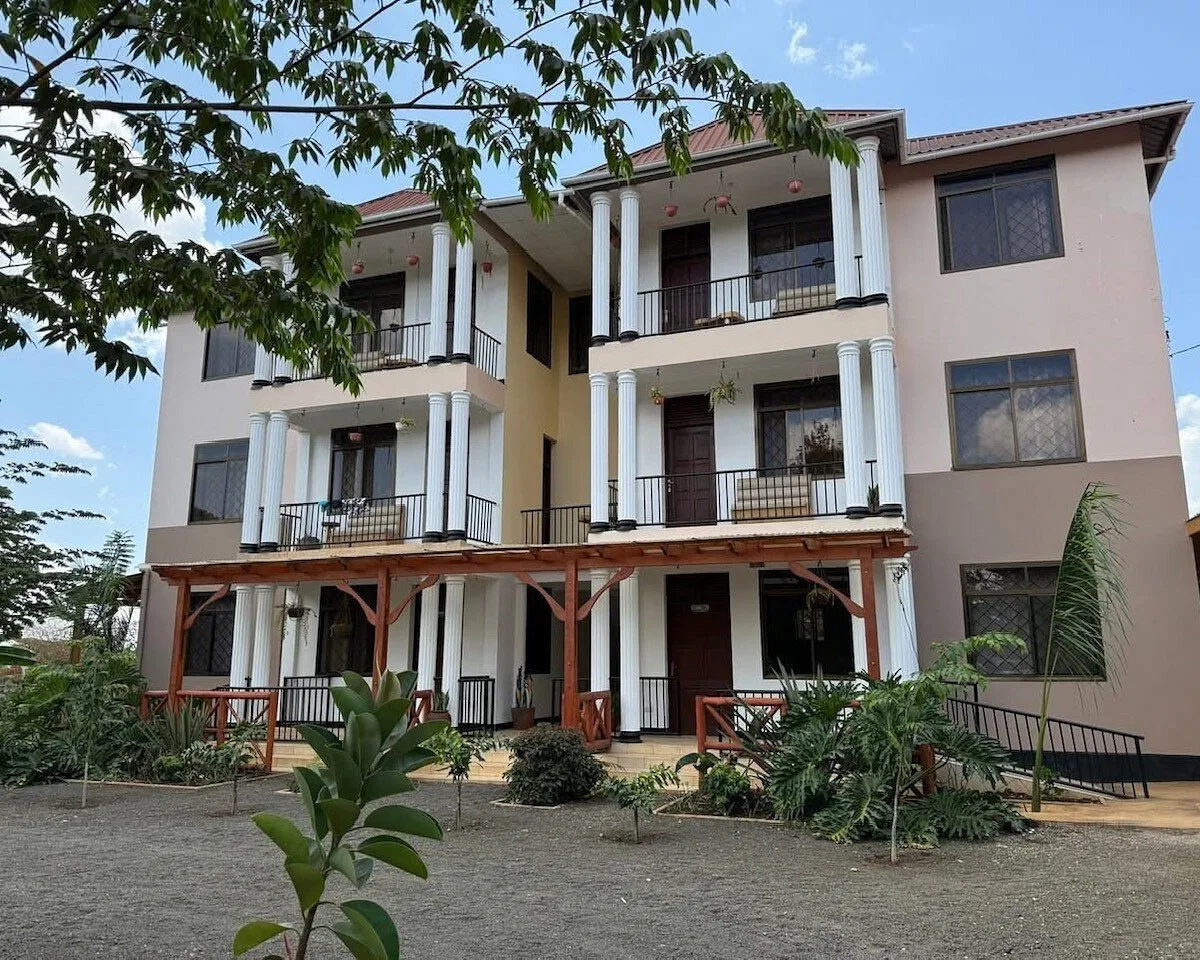
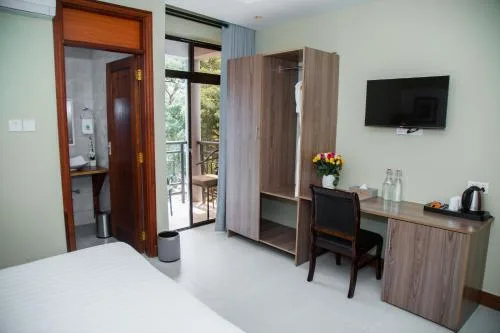
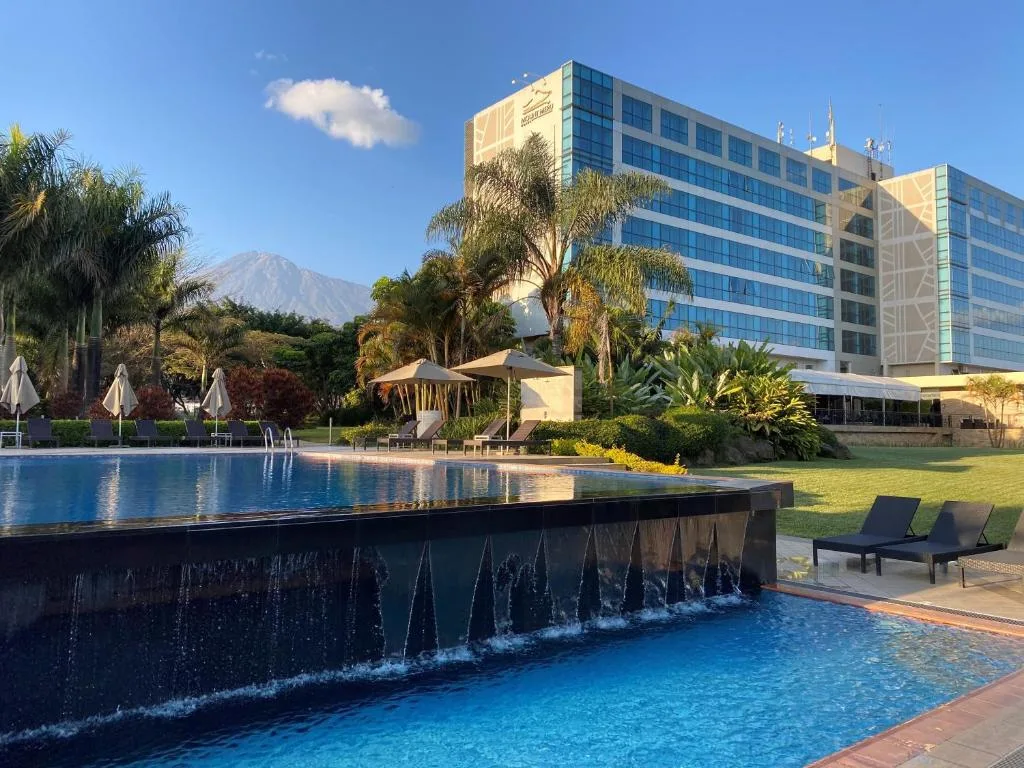
Well-appointed Arusha hotel with warm hospitality, lush garden surroundings, and excellent restaurant. A gracious first night before six days of extraordinary wildlife.
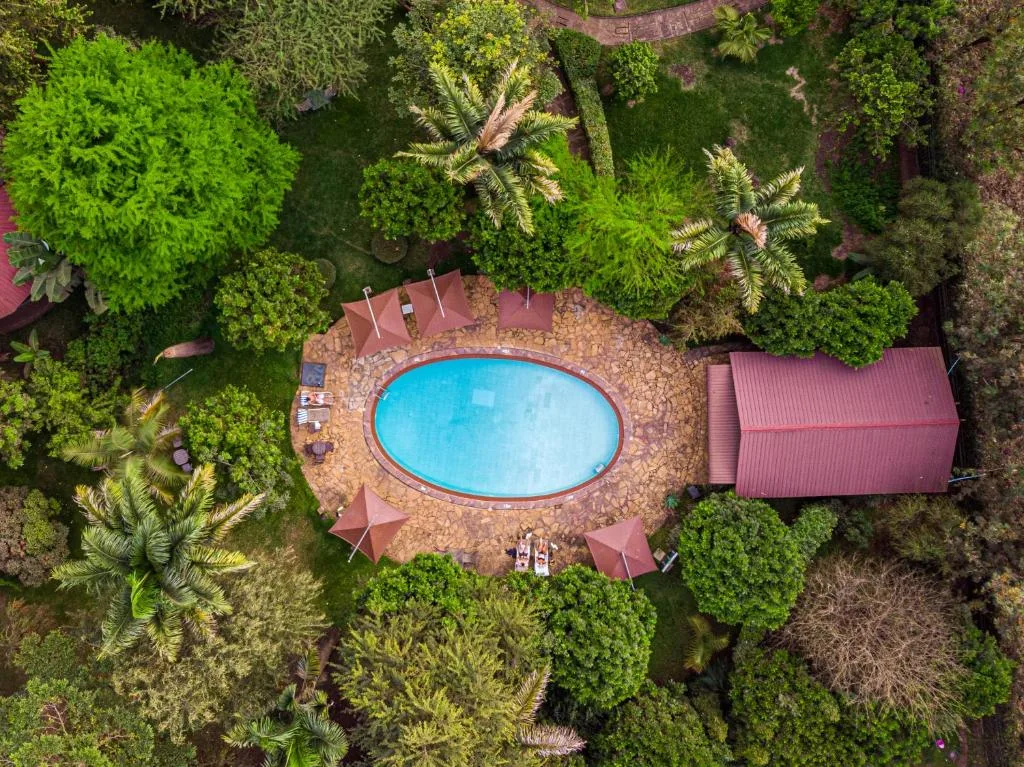
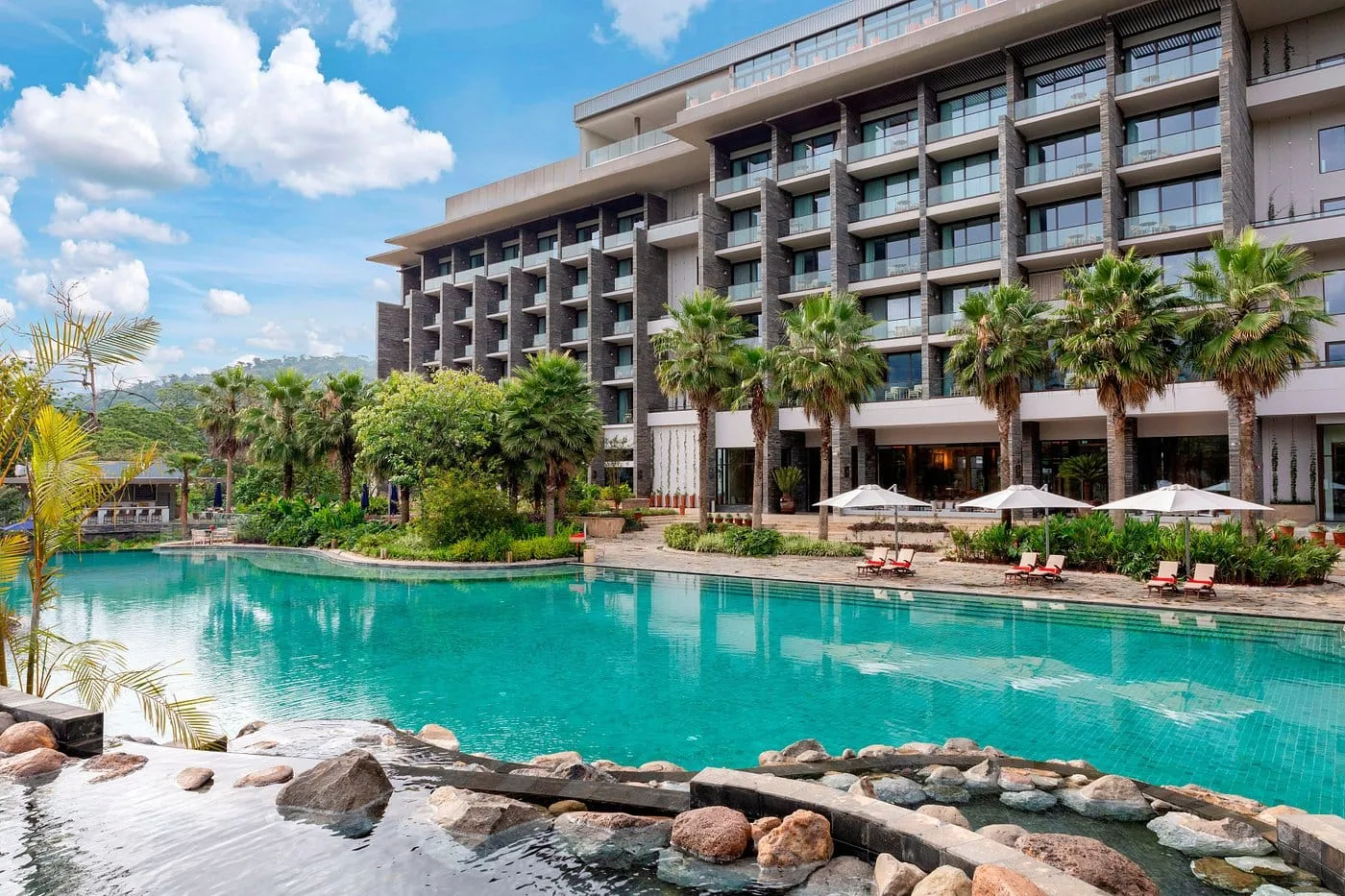
Charming boutique lodge with beautifully landscaped gardens, spacious rooms, and an outstanding breakfast. A peaceful and elegant base for your first night in Tanzania.
2
Arusha ? Tarangire Into the Baobab Wilderness
An early breakfast and departure from Arusha, driving south and west through the floor of the East African Rift Valley. As you approach Tarangire, the first ancient baobab trees appear on the horizon. Massive, gnarled, impossibly old. You enter the park through the main gate and the Tarangire River circuit begins immediately.
The river drives are among the finest game drives anywhere in Tanzania. Elephant herds. 200, 300 individuals. Move between the baobabs and the sandy riverbed, drinking, bathing and socialising in complex family dynamics that could absorb your attention for hours. Lions rest in the shade of the riverine acacias. Giraffe feed from the acacia canopy in slow, contemplative motion. Massive flocks of birds. Red-billed queleas like clouds of smoke, brilliant rollers, raucous hornbills. Fill the fever trees. A bush picnic lunch at the water's edge. More game driving through the baobab woodland in the long golden afternoon. Then the drive up to Karatu. A cool, lush highland town at the foot of the Ngorongoro Escarpment. Where you spend the night in preparation for tomorrow's early crater descent.
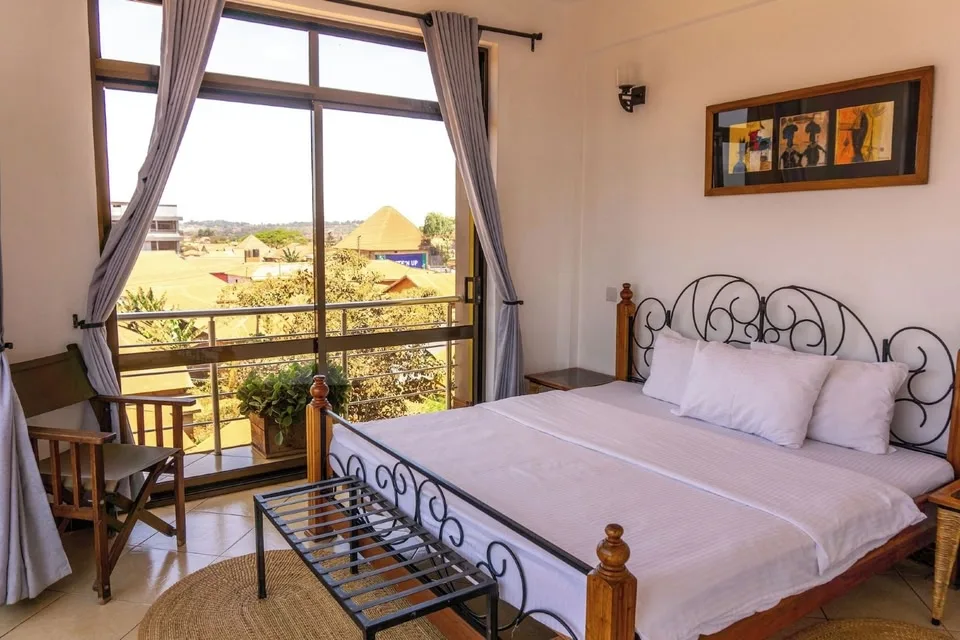
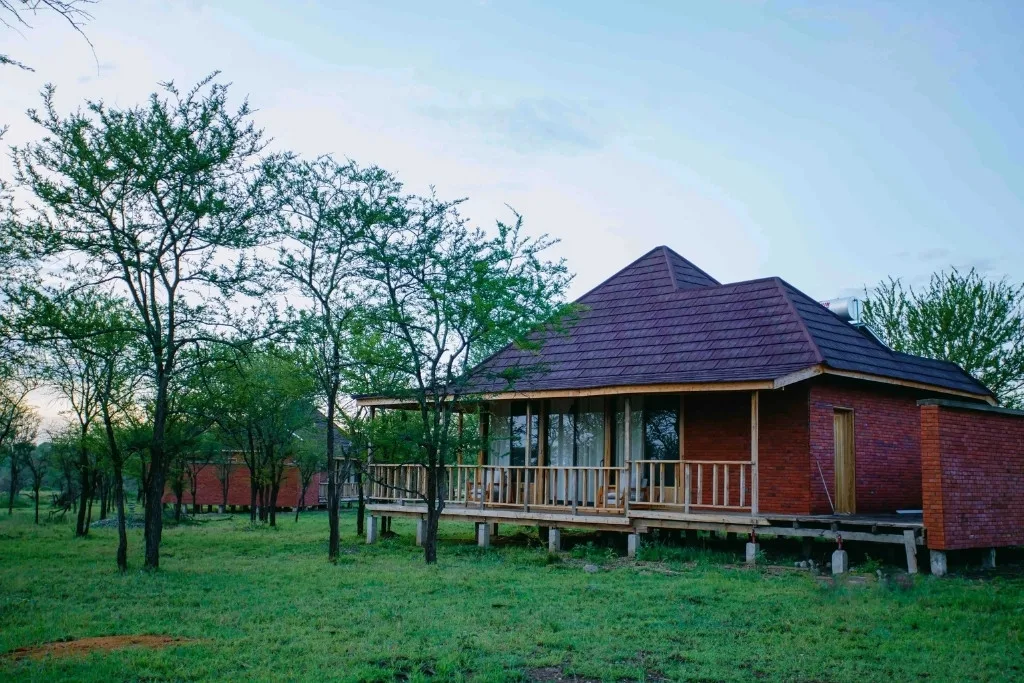
Warm Karatu hospitality in the cool highlands. Comfortable rooms, fireplace lounge and excellent positioning for the early crater departure and the afternoon drive into the Serengeti.
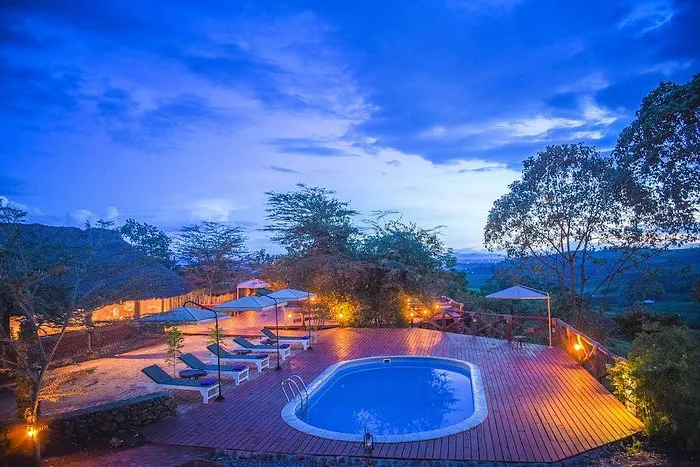
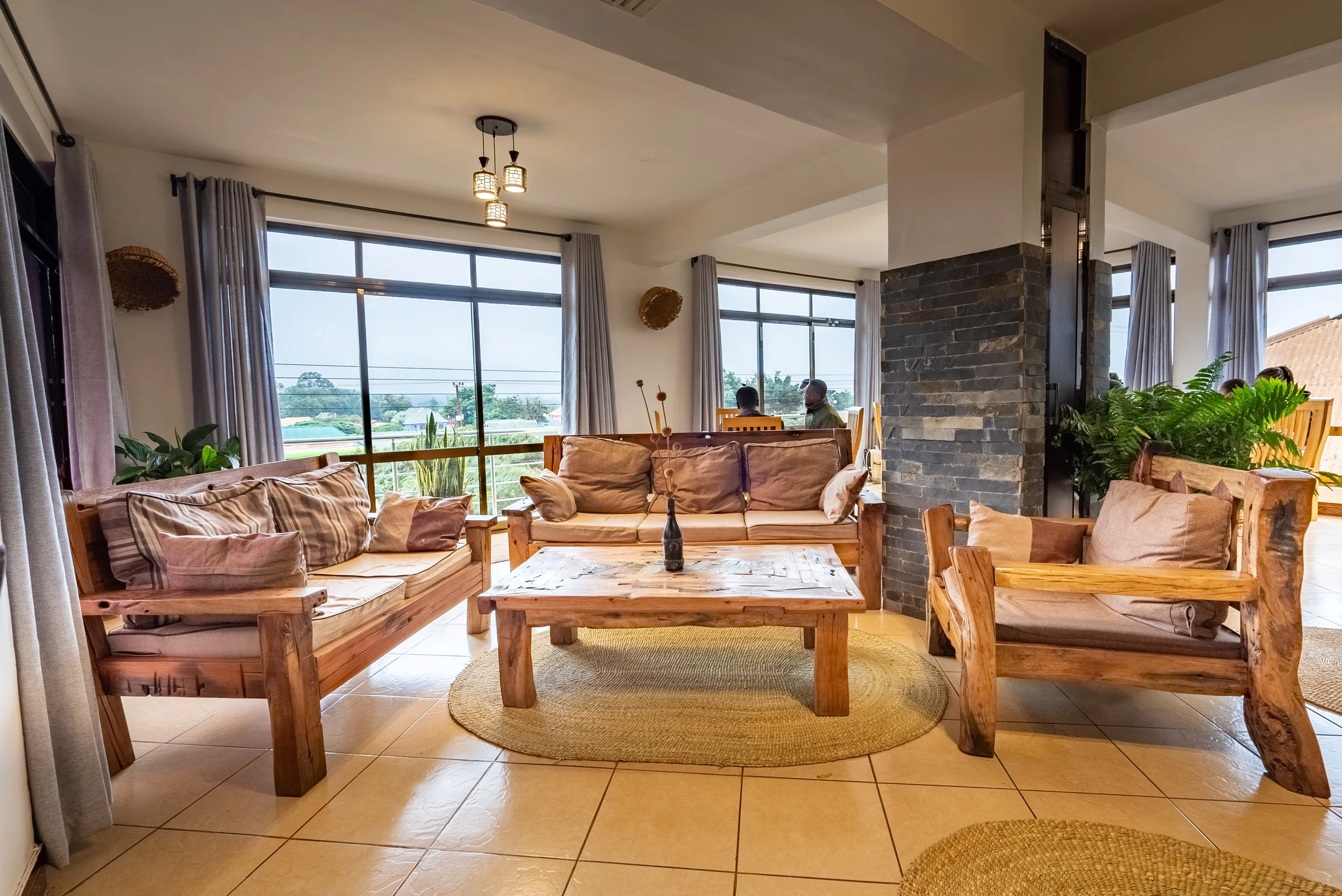
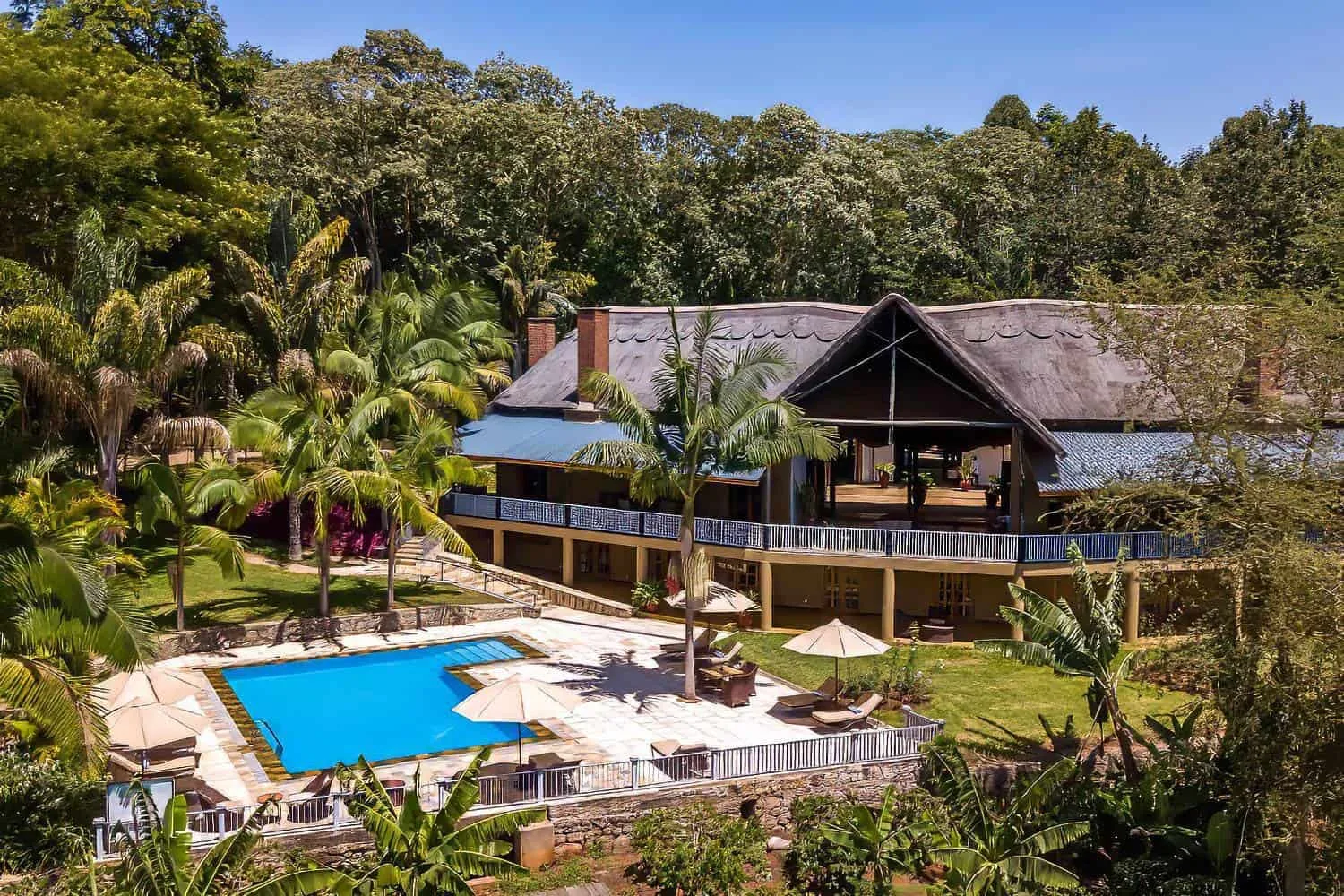
A popular lodge in the lush highlands with spacious cottages, excellent local cuisine, and birding gardens. A perfect single night of highland comfort between Tarangire and the Serengeti.
3
Ngorongoro Crater ? Into the Serengeti
Before dawn, you leave Karatu for the drive to the Ngorongoro rim. As the first light reveals the caldera below. 600 metres deep, 19 kilometres wide, mist rising from the ancient floor in the cool morning air. There is a collective intake of breath that happens every single time. You descend through montane forest where buffalo stand in the early mist and emerge onto the crater floor.
A full morning on the crater floor: lion prides hunting the open grasslands, the dark mass of the buffalo herd raising dust in the eastern sector, flamingos turning Lake Magadi pink, hippos wallowing in the Lerai Forest pools. And if fortune is with you. The prehistoric silhouette of a black rhino moving slowly across the short grass plains. The most moving wildlife encounter left in Africa. A crater picnic lunch, then the long climb back up the rim. In the afternoon, you cross the Ngorongoro highlands on a dramatic road through the conservation area, passing Maasai cattle herds and acacia woodlands, before the road crests a ridge and suddenly. Impossibly. The Serengeti spreads before you to the horizon. You descend into the world's greatest national park as the last light turns golden, arriving at your camp as the sounds of the African night begin.
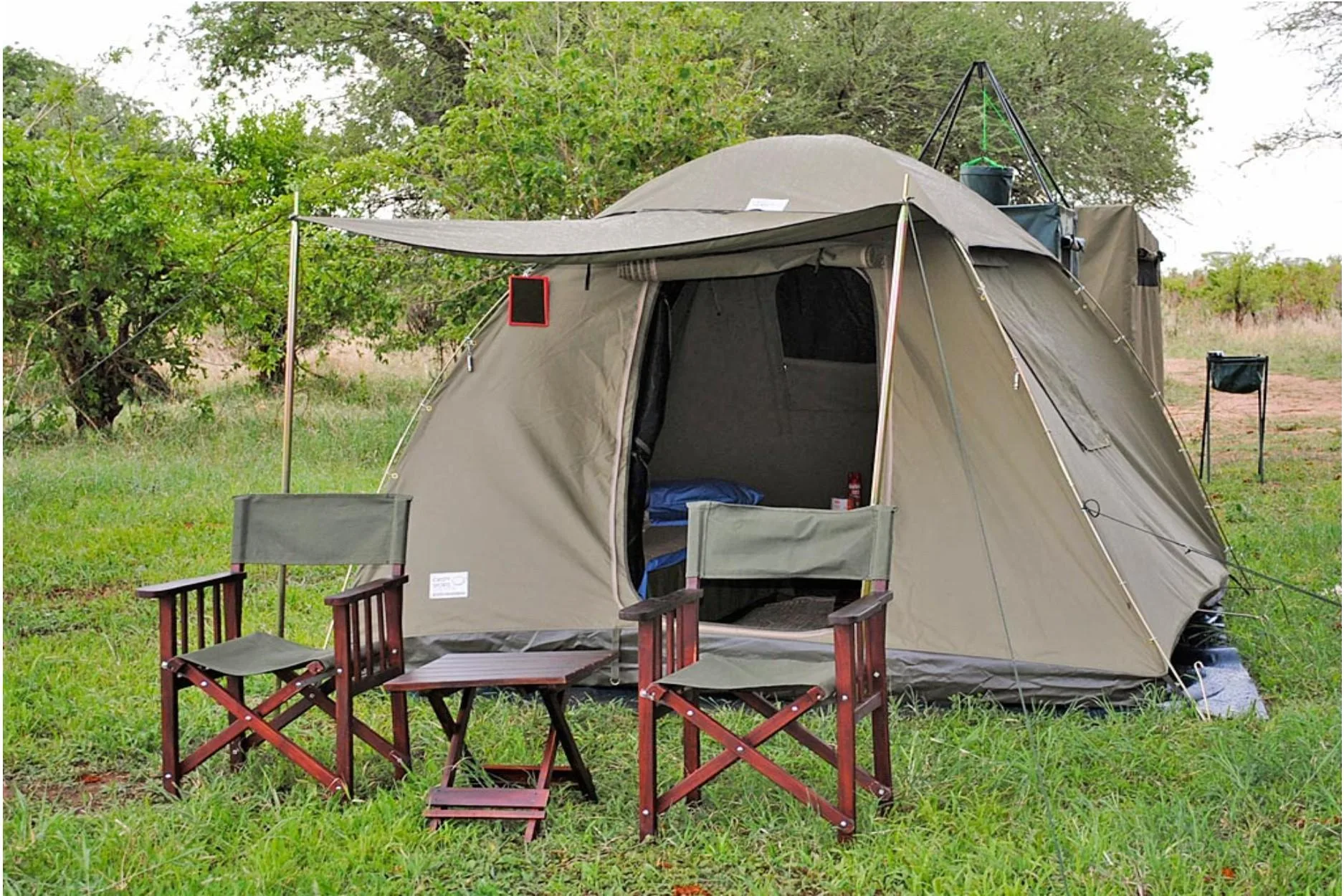
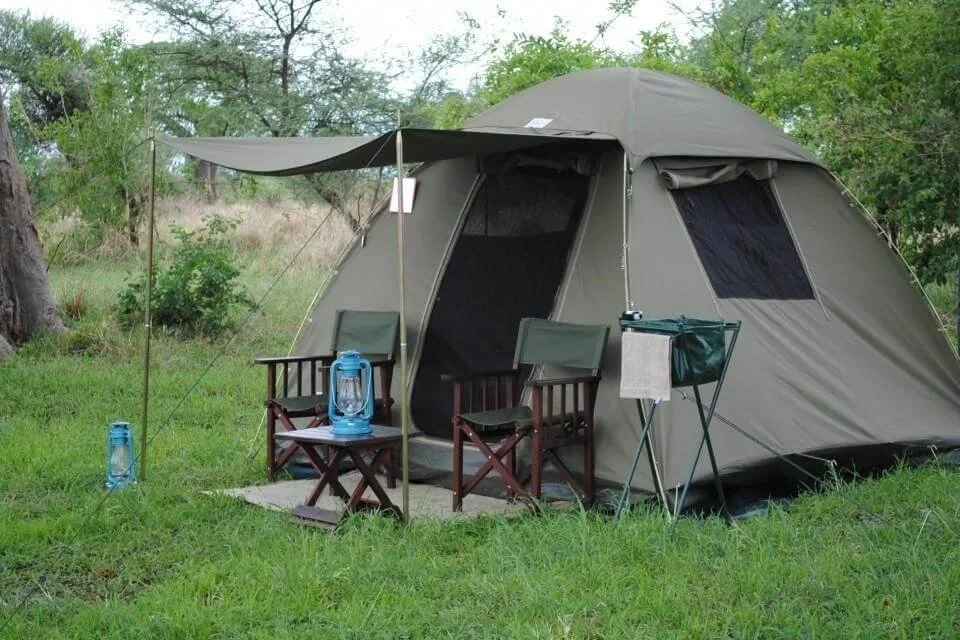
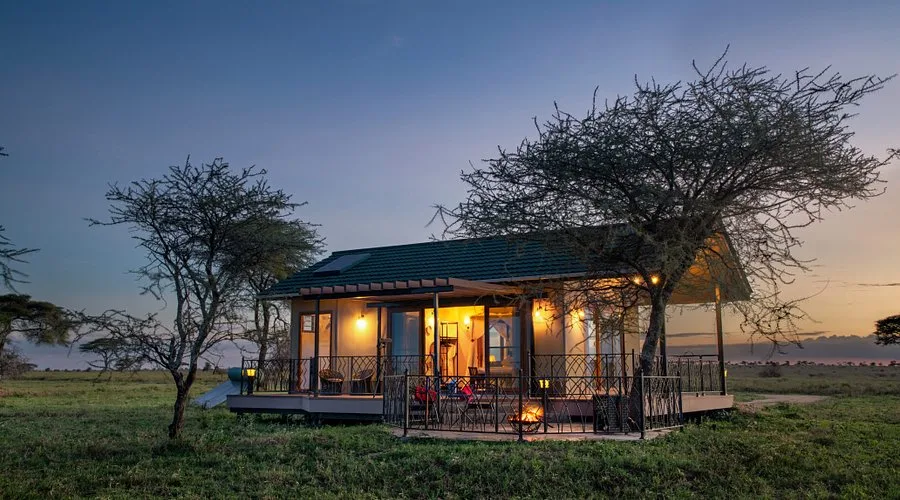
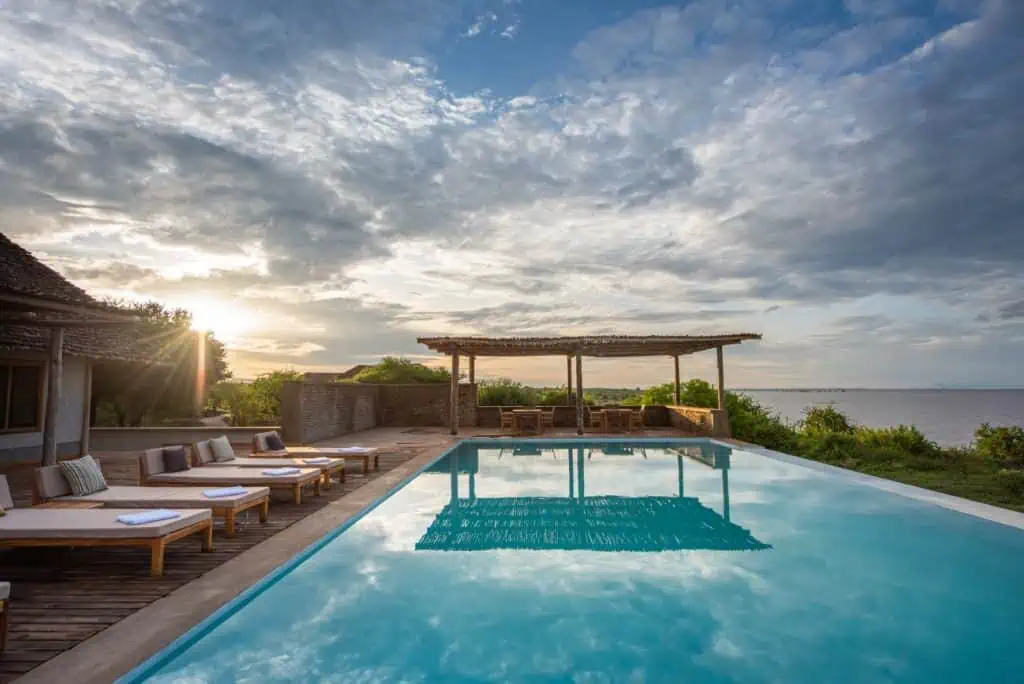
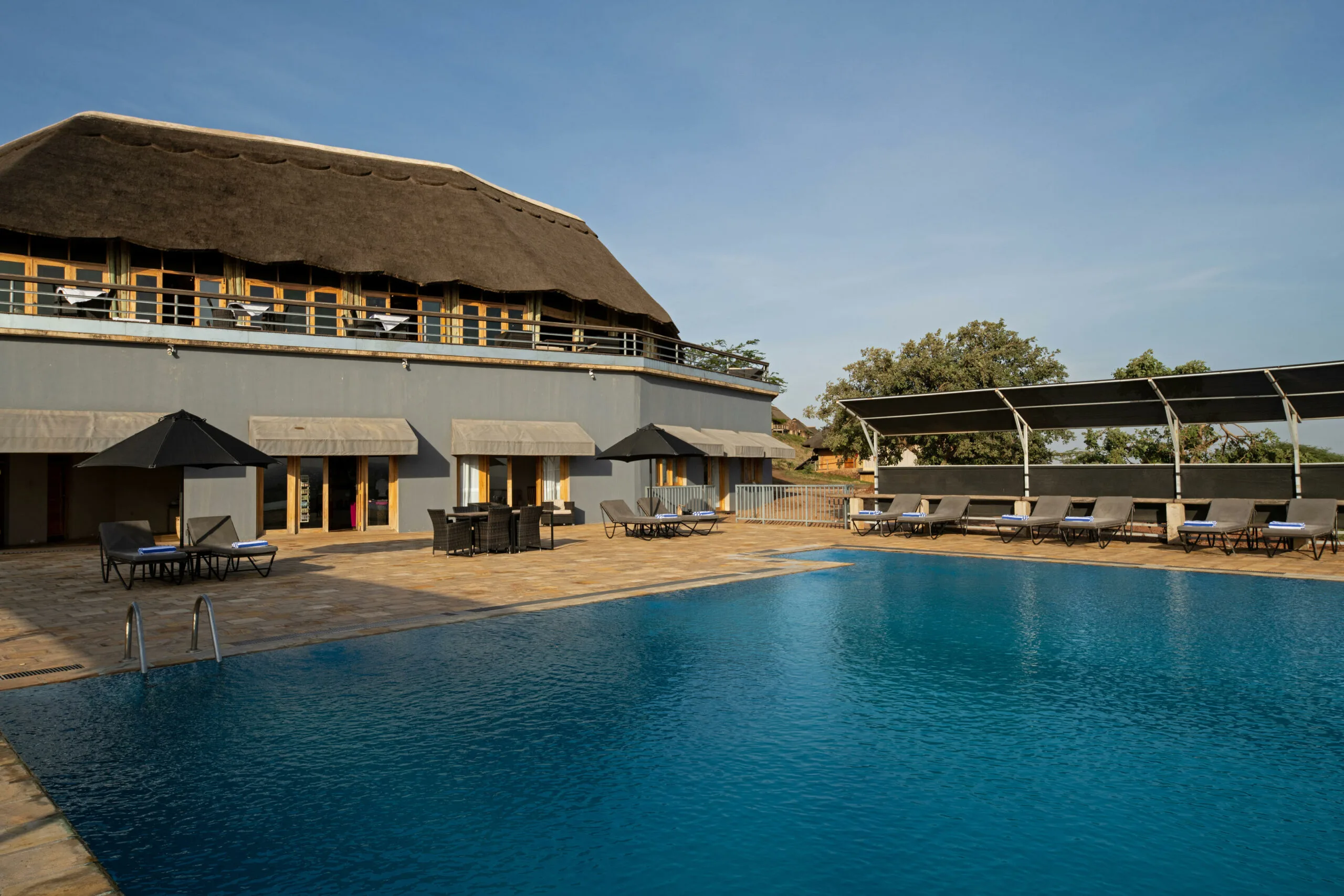
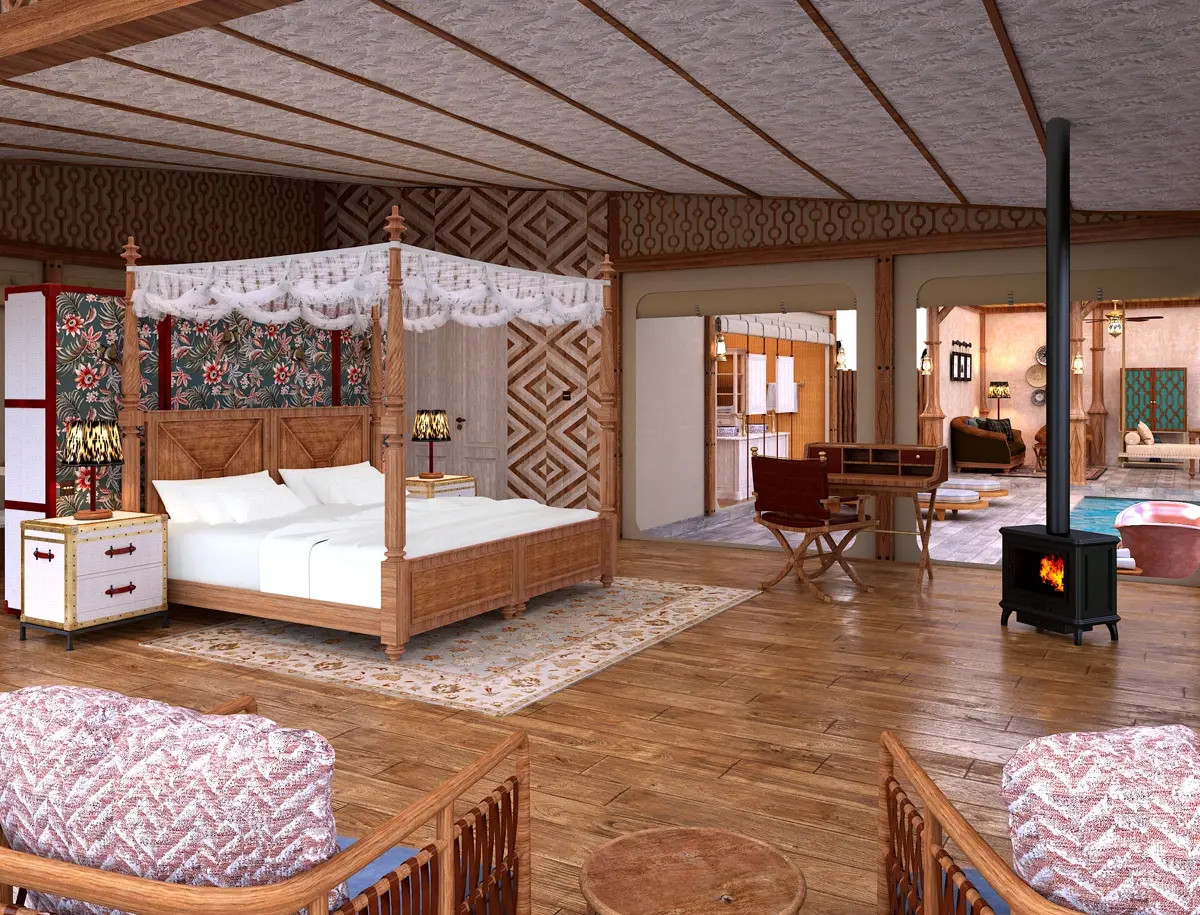
A beautifully positioned permanent tented camp in the central Serengeti, near the Seronera Valley. En-suite tents, excellent dining and superb wildlife access. Lions and hyenas are regular nocturnal visitors to the camp perimeter.
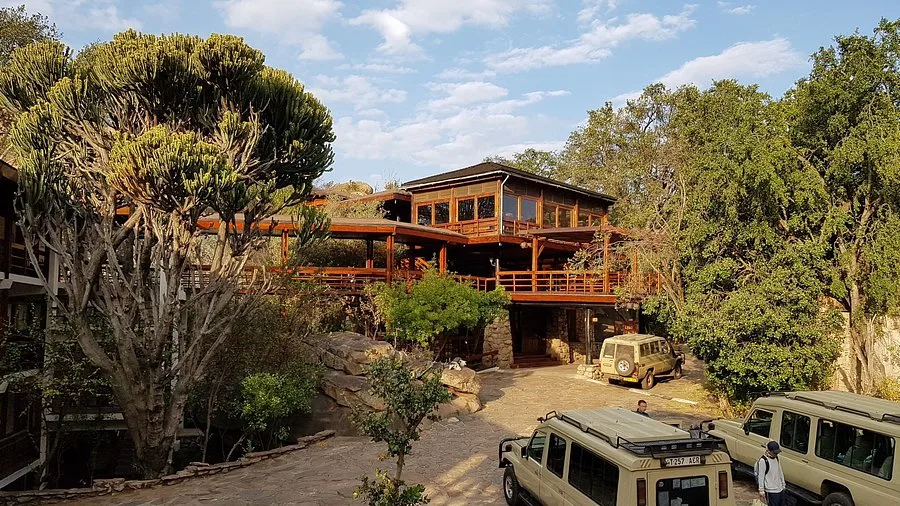
A dramatic lodge built into a massive kopje boulder formation in the northern Serengeti. Iconic architecture, sweeping plains views and excellent positioning for migration season. Rock hyrax and birds nest in the boulders surrounding the lodge.
4
Full Day Serengeti The Predator Circuit
The first full Serengeti day. Before dawn, you are out of camp and onto the plains. The sky still dark and full of stars, the air cool and sharp with the smell of dry grass. The Serengeti is at its most alive in these first hours. Lions are still on their feet after the night's activity, often feeding on a kill from the hours of darkness. Your guide picks up tracks, follows fresh spoor and positions the vehicle with the patience and skill born of years in the field.
The Seronera Valley is the heart of the central Serengeti's predator circuit: the Seronera River, lined with riverine fig trees where leopards drape themselves over horizontal branches in the early morning light, is one of the most productive stretches of wildlife road anywhere in Africa. Lion prides with cubs. Cheetah mothers teaching their sub-adults to hunt on the open plains. Enormous hippo pods in the river pools. And all the while, the great herds. Zebra, wildebeest, gazelle. Moving across the background of this extraordinary landscape. After a bush picnic lunch under an acacia tree, the afternoon circuit explores the Simba Kopjes. Ancient granite outcrops rising from the plains, each one a lion pride's permanent territory, the boulders warm from the sun, the view from the top stretching to the horizon in every direction.
A beautifully positioned permanent tented camp in the central Serengeti, near the Seronera Valley. En-suite tents, excellent dining and superb wildlife access. Lions and hyenas are regular nocturnal visitors to the camp perimeter.
A dramatic lodge built into a massive kopje boulder formation in the northern Serengeti. Iconic architecture, sweeping plains views and excellent positioning for migration season. Rock hyrax and birds nest in the boulders surrounding the lodge.
5
Full Day Serengeti Remote Plains & Migration
The second full Serengeti day. And by now, you know this landscape. You know the light and how it changes through the morning. You know your guide's instincts and how he reads the land. You know the difference between a herd moving purposefully and a herd simply grazing. This second day in the Serengeti is when the real intimacy begins.
Today's circuit takes you further. Into the less-visited regions of the central and western Serengeti where other vehicles are fewer and the sightings more private. Migration pursuit: wherever the vast wildebeest herds are during your visit, your guide positions the day to intercept them. In season, this may mean driving north toward the Mara River to witness the dramatic water crossing. Thousands of wildebeest plunging into the crocodile-filled river in a chaos of noise, dust and survival instinct. Or south, where the calving herds stretch for miles across the short grass plains with cheetahs and lions hunting the edges. Or through the remote western corridor where smaller herds move in quieter processions through the acacia woodland. A sundowner on the open plains. Your vehicle positioned on a small rise, glasses raised, the Serengeti turning orange and then red around you. Ends the day.
A beautifully positioned permanent tented camp in the central Serengeti, near the Seronera Valley. En-suite tents, excellent dining and superb wildlife access. Lions and hyenas are regular nocturnal visitors to the camp perimeter.
A dramatic lodge built into a massive kopje boulder formation in the northern Serengeti. Iconic architecture, sweeping plains views and excellent positioning for migration season. Rock hyrax and birds nest in the boulders surrounding the lodge.
6
Final Dawn in the Serengeti Departure
The final dawn. You rise before the sun and drive out onto the plains one last time. And it is different now. You are not discovering the Serengeti anymore. You are saying goodbye to it. The same plains that felt enormous and unfamiliar three days ago feel, this morning, like somewhere you belong. That is what three days in this landscape does.
The dawn game drive covers the circuits that have been most productive over the past days. The Seronera lugga where the lions may still be on a kill, the open plains where the cheetah family has been hunting in the mornings, the kopje where the resident pride rests in the warm early light. After breakfast at camp, you begin the drive back toward Arusha. A long and beautiful road that retraces the route through the Ngorongoro highlands, the roadside selling beaded Maasai jewellery, the escarpment of the Rift Valley rising to the north and then the familiar outskirts of Arusha and the final transfer to Kilimanjaro International Airport. Six days. Three parks. A lifetime of memories.
Three Parks. Three Worlds.
Tarangire National Park The Elephant Kingdom
Tanzania's magnificent baobab wilderness. Where ancient elephant herds rule a landscape of extraordinary character unlike anywhere else on the continent.
In the dry season, elephant herds numbering 200-300 converge daily on the Tarangire River beneath ancient baobab trees. Some over a thousand years old. The combination of this extraordinary elephant density, the baobab landscape and the rare dry-country species unique to this ecosystem (fringe-eared oryx, gerenuk) makes Tarangire an unforgettable introduction to Tanzania's wildlife.
Ngorongoro Crater The Living Caldera
The world's largest intact volcanic caldera. 600 metres deep, 19 kilometres wide, holding 25,000 animals in a self-contained Eden of unmatched density.
A full crater floor descent is a full day: lion prides on the open plains, the dark mass of buffalo herds, flamingos turning Lake Magadi pink and the critically endangered black rhino. One of the most profound wildlife encounters remaining in Africa. All Big Five in one day is entirely possible. In the afternoon, you cross the ancient highlands and drive westward into the Serengeti.
Serengeti National Park The Endless Plains
The world's most celebrated wildlife sanctuary. 14,763 km² of open savanna, acacia woodland and ancient kopjes, home to the greatest concentration of large mammals on Earth and the Great Migration.
Three days in the Serengeti is not a luxury. It is the minimum needed to truly understand this landscape. The Seronera Valley is the Serengeti's most productive predator circuit: lions resting in riverine fig trees, leopards draped over branches above the lugga, cheetahs hunting on the open plains in the golden morning light. The ancient granite kopjes. Simba, Gol, Moru. Rise from the grasslands like scattered monuments, each one a wildlife microhabitat. And the Great Migration moves through the Serengeti year-round. Wherever the herds are during your visit, Haven Trails positions your drives to intercept them.
Moments That Will Stay With You Forever
Hundreds of elephants converging on the river beneath 1,000-year-old baobabs. The most concentrated elephant spectacle in Tanzania and one of Africa's most elemental wildlife scenes.
The drive down 600 metres of crater wall through forest and morning mist. Then emerging onto the ancient floor with 25,000 animals spread before you in every direction.
Lions, leopards, elephants, buffalo and the critically endangered black rhino. All possible in a single morning on the crater floor. One of the most wildlife-dense days anywhere in Africa.
Dawn in the Serengeti. The plains turning gold as the sun rises, the distant rumble of wildebeest, a cheetah scanning the horizon from an anthill. Three mornings to experience this over and over.
Ancient granite outcrops rising from the endless plains. Lion prides draped over warm boulders, cubs playing on the rocks above, the Serengeti spreading to every horizon beneath them.
1.5 million wildebeest moving in a circular annual journey. A column of animals that stretches further than the eye can see. Three Serengeti days gives your guide time to find them, wherever they are.
The Best Time for Each Park
This safari is rewarding in every season. Each time of year brings a different character across the three parks. And a different chapter of the Great Migration in the Serengeti.
Accommodation Your Safari Home
Every night of this safari is as carefully chosen as the game drives themselves. Silver, Gold and Platinum tiers are available for each stage of the journey. Use the tabs inside each day of the itinerary above to browse where you'll sleep, or scroll back up to compare tiers night by night.
Five nights across three locations. Arusha (Night 1), Karatu (Night 2) and the Serengeti (Nights 3-5). All properties personally vetted by Haven Trails. The same expert guide and 4x4 serve all tiers. Only your accommodation changes.
All accommodation is fully customisable. Contact us at info@haventrails.com or WhatsApp +255 713 334154.
Inclusions & Exclusions
- Airport arrival and departure transfers (KIA)
- All national park and conservation area fees
- Full-time expert English-speaking naturalist guide
- Custom 4x4 Land Cruiser with 360° pop-up roof
- All accommodation 5 nights (per chosen tier)
- All meals as per itinerary (B, L, D Days 1-5)
- Bush picnic lunches in all parks
- Welcome dinner in Arusha (Day 1)
- Bottled water & soft drinks in vehicle daily
- Safari certificate of completion
- USB charging & binoculars in vehicle
- Emergency evacuation support (all parks)
- International flights to/from Tanzania
- Tanzania tourist visa ($50 USD most nationalities)
- Travel and medical insurance (strongly recommended)
- Alcoholic beverages
- Guide and crew gratuities (discretionary)
- Personal items, souvenirs, and laundry
- Day 6 lunch and dinner (departure day)
- Medical and dental expenses
Optional Add-Ons
Why Haven Trails Adventures
Every Haven Trails guide holds a Professional Tourist Guide Certification and 1,000+ guided field hours. Six days with an expert guide changes how you see and understand African wildlife. Not just what you see but why it matters.
Custom 4x4 Land Cruiser with 360° pop-up roof, forward-facing window seats, USB charging, stocked cooler, quality binoculars, and first aid kit. Maximum 6 guests per vehicle. Every seat is a window seat.
Based in Moshi, Tanzania. Our team tracks wildlife movements in real time. Particularly critical over three Serengeti days. And repositions game drives based on what the animals are doing today, not what they did last week.
All guides carry satellite communication and emergency first aid kits. Active evacuation protocols for every park in partnership with Flying Doctors Tanzania. Our 24/7 operations centre monitors all active safaris throughout every day.
This itinerary is a framework, not a formula. Every detail. Dates, accommodation tier, pace, dietary needs, interests (photography, birding, culture). Is adjusted personally for your group. Tell us who you are.
Haven Trails prioritises community-owned lodges, Tanzanian suppliers, and conservation partners. A portion of every booking supports local ranger training.