


Zanzibar: spiagge, cultura e tesori nascosti | Tanzania Viaggia con…
Perché Zanzibar è diversa da qualsiasi altra destinazione balneare
Spesso le persone arrivano a Zanzibar aspettandosi una vacanza al mare e se ne vanno dopo aver sperimentato qualcosa di molto più difficile da descrivere. The island's magic is not in any single feature à it is in the density. Within a 45-minute drive of your Spiaggia resort you can be walking the same alleys that Arab traders, Persian merchants, and Omani sultans walked for a thousand years. La barriera corallina a trecento metri dalla costa rivaleggia con le Maldive in termini di biodiversità. The food on the night market table in front of you is a centuries-old fusion of Swahili, Indian, and Arab cooking that you will not find anywhere else on Earth.
Zanzibar è una regione semi-autonoma della Tanzania, situata nell'Oceano Indiano a circa 25 miglia dalla costa continentale. L'isola principale, chiamata Unguja, è quella dove si recano quasi tutti i visitatori. La seconda isola, Pemba, è una destinazione subacquea remota per coloro che cercano una barriera corallina di qualità estrema senza folla. Together, they cover approximately 2,645 kmà à less than 0.3% of Tanzania's total area à yet they contribute nearly a billion US dollars annually to the Tanzanian economy through tourism alone.
A differenza dell'Atlantico e del Pacifico, l'Oceano Indiano che circonda Zanzibar lo è caldo, calmo e straordinariamente chiaro. La mancanza di deflusso industriale e i sistemi di barriera corallina intatti intorno alla costa settentrionale e all'atollo di Mnemba significano che stai facendo snorkeling in alcuni degli ultimi ambienti di barriera corallina veramente incontaminati del pianeta. Tartarughe verdi, stenelle, squali balena e centinaia di specie di pesci della barriera corallina rendono questo mondo sottomarino alla pari del Triangolo dei Coralli.
Come destinazione post-safari o post-Kilimangiaro, Zanzibar funziona come il perfetto capitolo finale del Triplice Tanzania. After days of game drives or summit nights, the transition to a Spiaggia bed, warm water, and the sound of the dhow sails catching the kusi wind is one of travel's great emotional releases. Sentieri del rifugio organises Zanzibar extensions from our base in Moshi à typically 4à7 nights is the sweet spot.
Stone Town: il cuore dell'isola
Nessuna visita a Zanzibar è completa senza almeno due notti a Stone Town. The historic quarter of Zanzibar City sits on the western edge of the island and covers barely one square kilometre à but that single kilometre is one of the most dense concentrations of living history in Africa. Stone Town earned its UNESCO World Heritage designation in 2000, and wandering its lanes makes the reason immediately obvious.
Il paese è una testimonianza tangibile dello straordinario passato dell'isola: a thousand years of Swahili coastal civilisation, Omani Arab rule from the 17th century onwards, Persian merchant influence, Indian trader communities, Portuguese fortifications, and British colonial administration have all left unmistakable marks on the architecture, the food, the language, and the culture. Narrow alleys too tight for cars lead you past four-storey Arab merchant houses with carved wooden doors that are themselves masterworks of craft à some with hundreds of brass studs, others with coral-carved frames that date back to the 1800s.
Stone Town ha oltre 560 porte in legno finemente intagliate e gli storici locali possono datare l'origine di un edificio in base allo stile della porta. Le porte indiane hanno cornici rettangolari e intagli geometrici dettagliati. Le porte arabe dell'Oman hanno archi a tutto sesto e borchie in ottone. The studs, borrowed from an Indian Ocean tradition, were originally intended to repel war elephants à a reminder that even a door in Zanzibar is a history lesson.
Essential Stone Town Experiences
- Forodhani Gardens Notte Market à The waterfront gardens come alive after dark with grills loaded with octopus, prawns, kingfish, samosas, and the famous Zanzibar "pizza" (a stuffed savoury crepe). Ordina un bicchiere di succo di canna da zucchero appena spremuto con zenzero e lime. This is the most atmospheric and delicious $5 you will spend in Africa.
- Il vecchio forte (Ngome Kongwe) à Costruito dagli Omaniti nel 1690 sul sito di una chiesa portoghese, il forte è l'edificio più antico ancora esistente a Stone Town. Ingresso gratuito, oggi ospita spettacoli culturali serali. Spend 30à60 minutes exploring the ramparts and interior courtyard.
- Il mercato degli schiavi e la cattedrale anglicana à Il sito che fa riflettere sull'ex mercato degli schiavi di Zanzibar, un tempo il più grande dell'Oceano Indiano. La cattedrale anglicana fu costruita nel 1879 dalla Missione universitaria in Africa Centrale appositamente sul sito per celebrare l'abolizione. Le camere sotterranee degli schiavi rimangono intatte. This is not a comfortable experience à it is an essential one.
- Rooftop Sunset Views à Diversi edifici storici di Stone Town dispongono di bar e ristoranti sul tetto con vista panoramica sul porto. Arrivare alle 17:30 per osservare i dhow stagliarsi contro il tramonto è il classico rituale serale di Stone Town.
- Darajani Market à The covered central market where locals shop for fish, spices, produce, and household goods. Go early morning (7à9 AM) when it is at its most vibrant. Il mercato del pesce accanto, dove il dhow catturato durante la notte viene smistato e messo all'asta all'alba, è uno dei luoghi più visceralmente vivi dell'isola.
- Emerson Spice Hotel Rooftop Tea House à Set in a beautifully restored 19th-century merchant's house, the rooftop tea house offers perhaps the best single visualizza in Stone Town à across the roofline of white coral-stone buildings to the Indian Ocean. La prenotazione per il tè serale e la cena è essenziale.
Le spiagge di Zanzibar: una guida completa
Not all of Zanzibar's beaches are created equal à and this is the most important thing to understand before you Prenota. Tide, wind direction, season, and your preferred activity all determine which part of the island is right for you. Ecco un'analisi onesta, località per località.
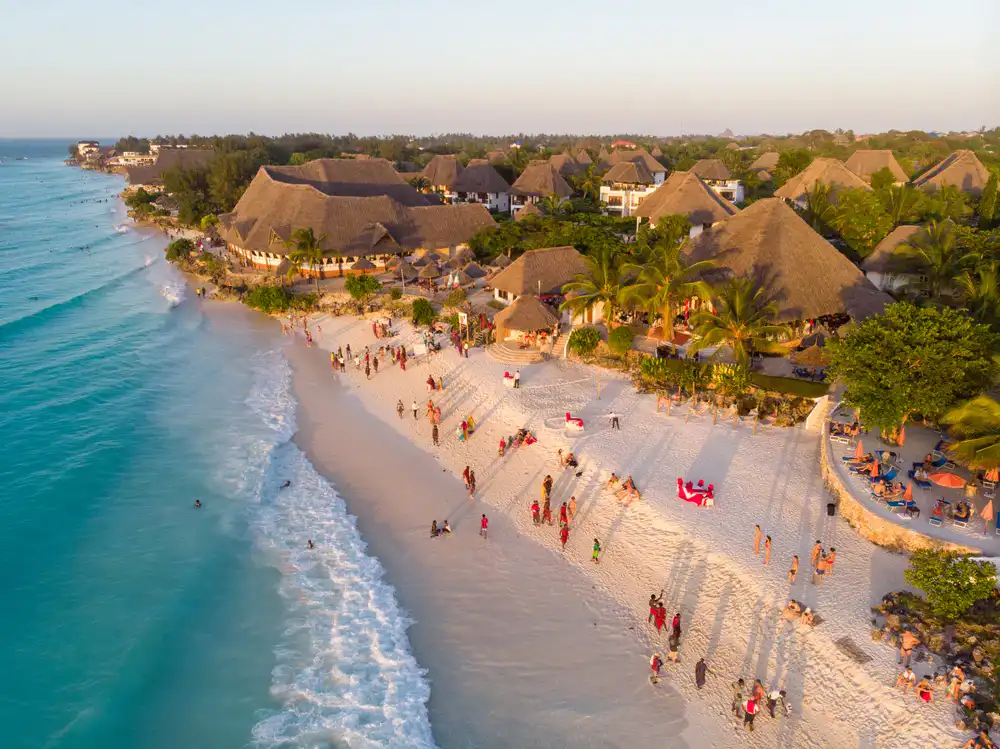
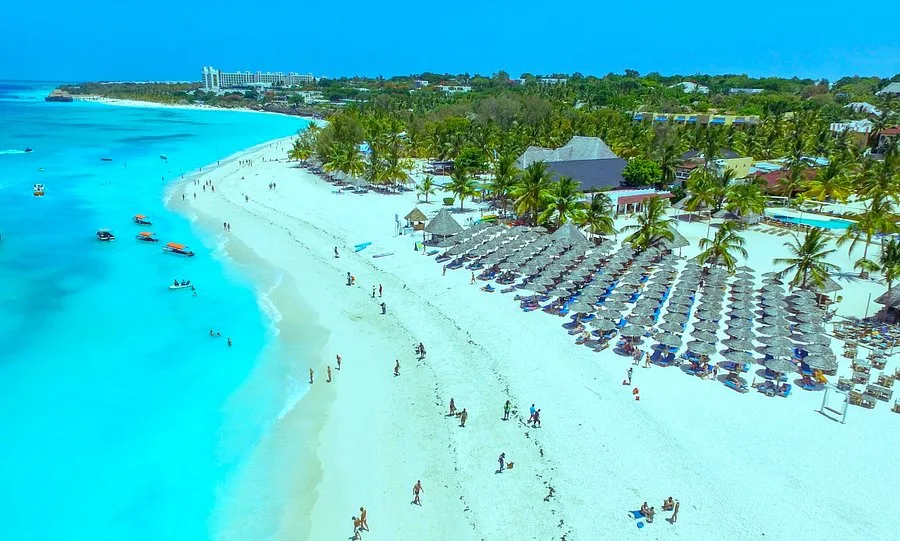
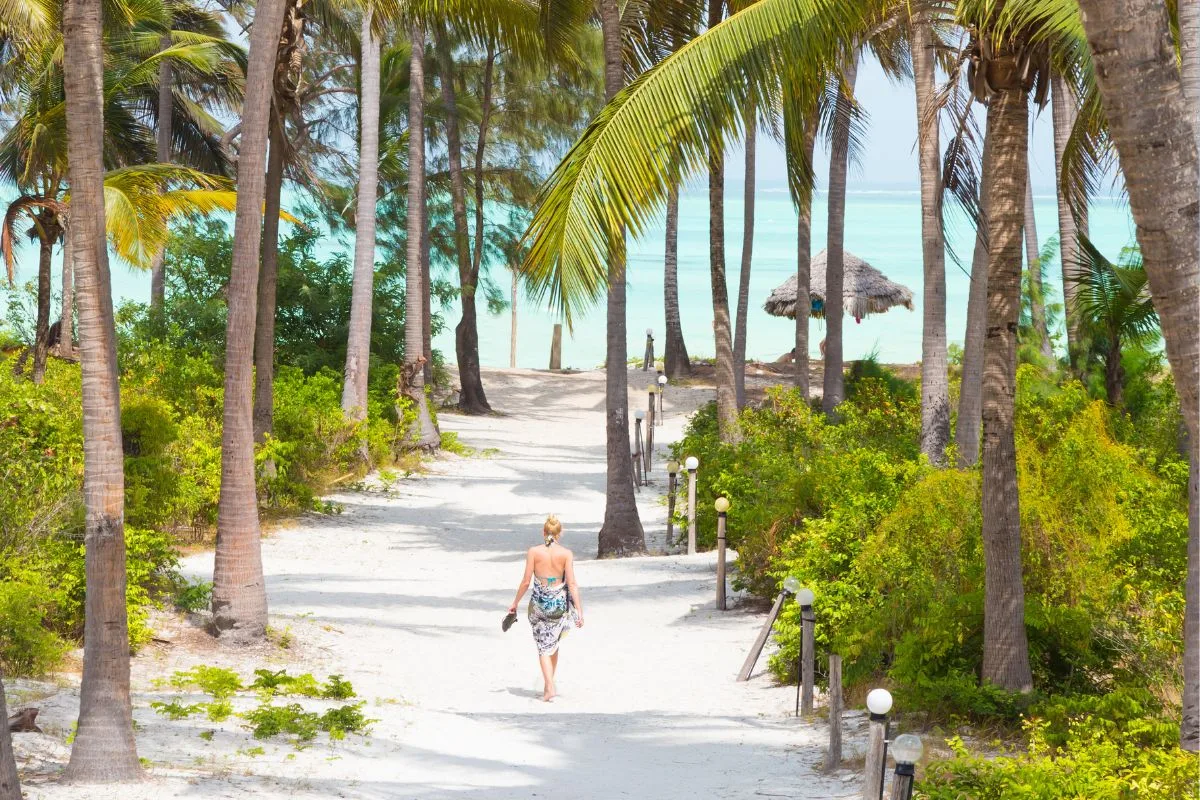
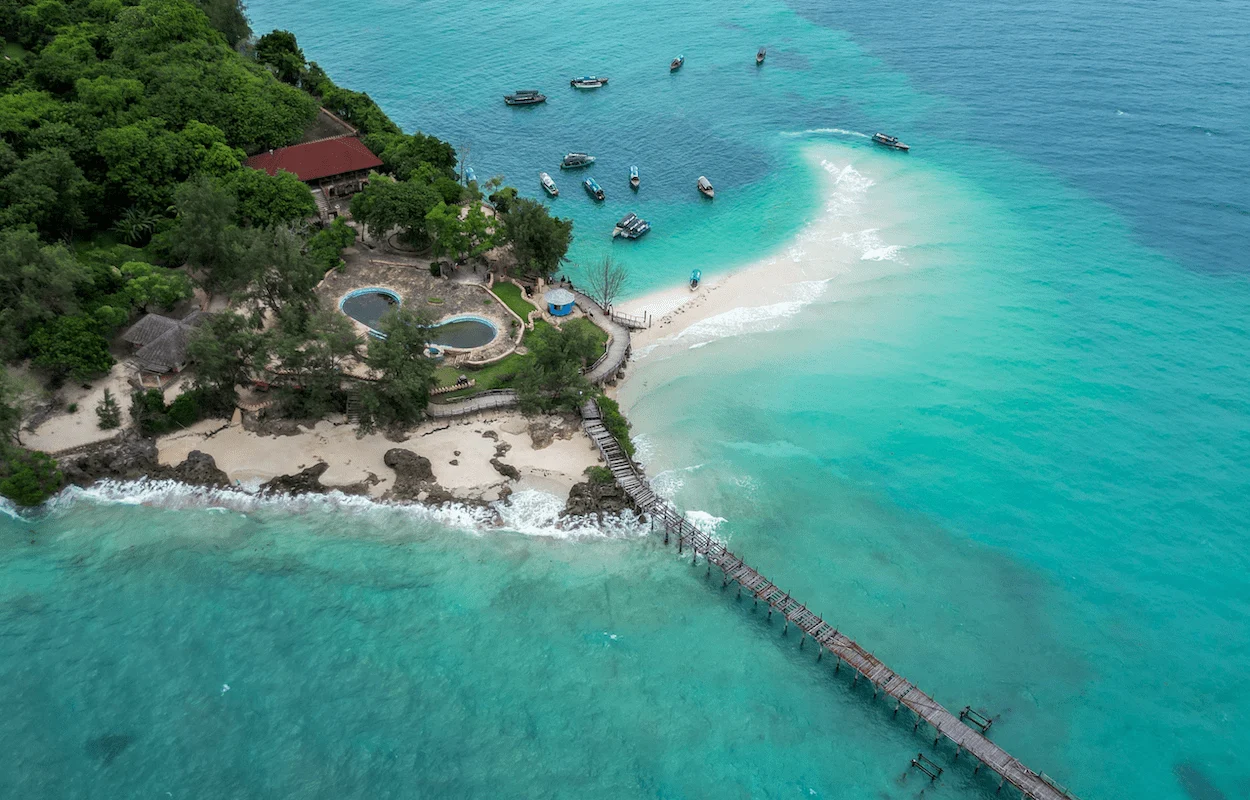
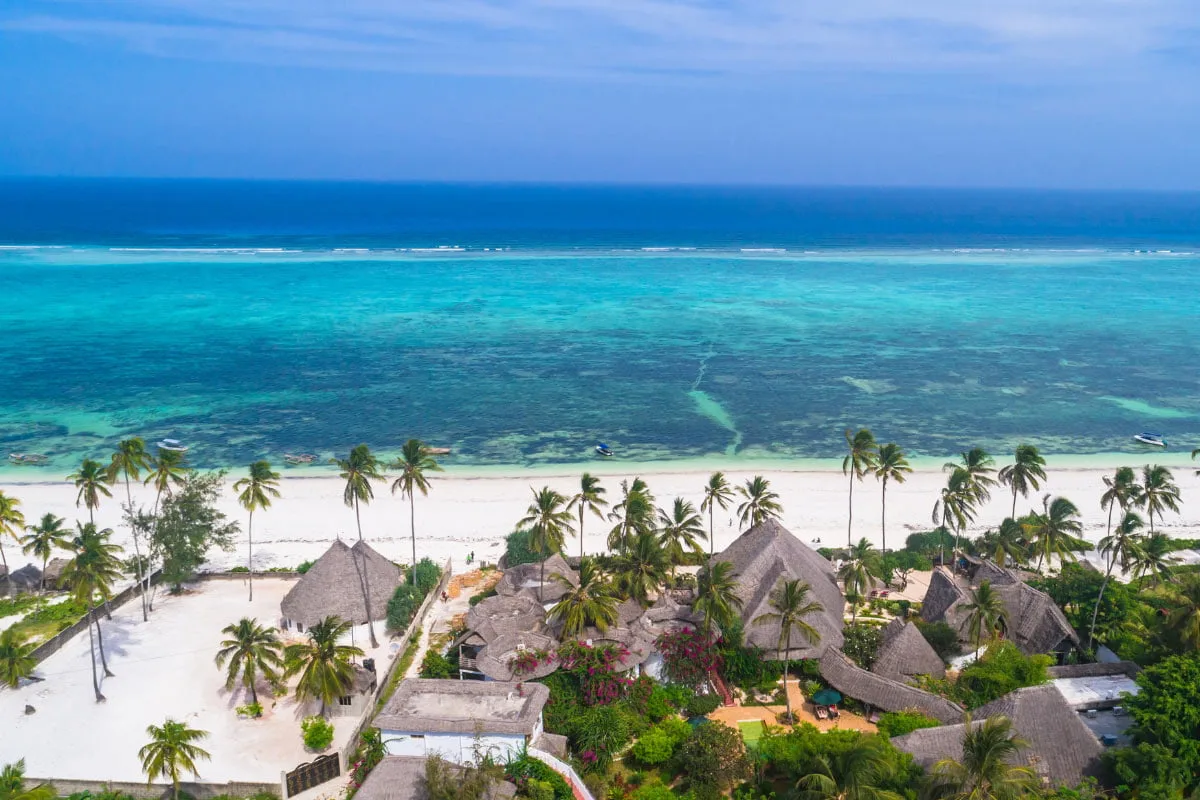
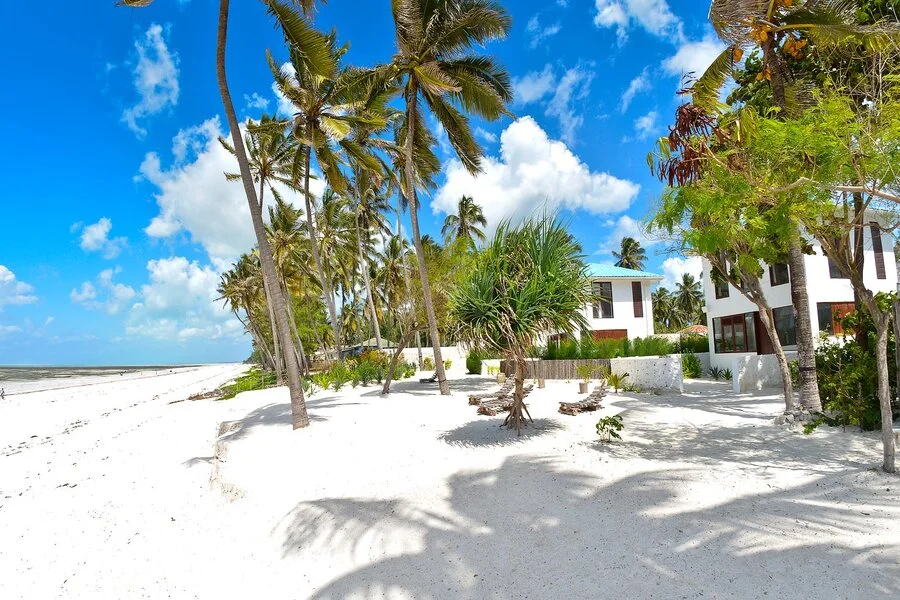
On Zanzibar's east coast (Paje, Jambiani, Matemwe), tidal variation can be extreme à the water withdraws hundreds of metres at low tide, leaving shallow mudflats. Controlla sempre la tavola delle maree locali prima di prenotare e chiedi al tuo alloggio informazioni sulla spiaggia durante la bassa marea. The north coast (Nungwi, Kendwa) is largely free of this issue à the bay's topography keeps water present at all tidal states, which is why it is the safest choice for casual swimming.
Cosa fare a Zanzibar: esperienze che valgono il tuo tempo
Mnemba Atoll Snorkelling
Un'area marina protetta al largo della costa nord-orientale con una straordinaria densità di tartarughe verdi, delfini, pesci di barriera e coralli. La migliore esperienza subacquea in Tanzania. Giorno trips depart from Matemwe and Nungwi. Best JuneàOctober for visibility.
escursione della fattoria delle spezie
Zanzibar si è guadagnata il nome di "Isola delle Spezie" grazie ai suoi secoli di coltivazione di chiodi di garofano, cannella, noce moscata, cardamomo e vaniglia. Un escursione di mezza giornata nella fattoria delle spezie nell'entroterra ti porta attraverso piantagioni attive dove le guide dimostrano ogni spezia. Solo il profumo vale la pena. After the rains (MayàJune) is the most aromatic time.
Jozani Forest & Red Colobus Monkeys
Jozani Chwaka Bay Parco Nazionale is Zanzibar's only national park. Its 50 kmà of indigenous forest is home to the Zanzibar red colobus monkey à found nowhere else on Earth. Easy 1à2 hour guided walks through mahogany, fig, and palm forest. Vai la mattina presto quando le scimmie sono più attive sulla tettoia.
Sunset Dhow Cruise
Un tradizionale dhow in legno che salpa dal porto di Nungwi o Stone Town mentre il cielo diventa dorato e rosa è uno dei piaceri più semplici del viaggio. Typically 2à2.5 hours, includes sundowners and snacks. L'esperienza più romantica di Zanzibar, in particolare per le coppie in luna di miele. Prenota private for couples.
Kitesurfing at Paje
Consistent kusi trade winds of 15à25 knots over a flat, shallow lagoon make Paje Spiaggia one of the world's premier kitesurfing spots. Molteplici scuole autorizzate offrono lezioni per principianti fino al coaching avanzato. JuneàSeptember is peak season. Windsurf e kayak condividono la laguna nelle giornate di vento più leggero.
Dolphin Watching at Kizimkazi
Kizimkazi, sulla costa meridionale, ospita branchi di delfini stenella e tursiopi. Una partenza privata da un dhow al mattino presto, prima dell'arrivo delle affollate barche turistiche, ti regalerà un'esperienza davvero diversa. OctoberàFebruary is calmest for seas. Se possibile, evitate i escursione standard affollati.
Isola della prigione (Changuu)
A short boat ride from Stone Town, Changuu Island was originally intended as a detention facility à never used as such. Oggi è famosa per la sua colonia di tartarughe giganti di Aldabra, alcune di oltre 200 anni. A pleasant half-gita di un giorno that pairs well with a Stone Town morning. Vai a metà settimana per meno folla.
Scuba Diving à Mnemba & Pemba
Le acque di Zanzibar contengono oltre 500 specie di pesci attraverso formazioni coralline intatte. Mnemba Atoll (day trips from the main island) is Africa orientale's finest dive site. Per i subacquei esperti, le pareti e i canali dell'isola di Pemba offrono immersioni profonde nella barriera corallina di livello mondiale che rivaleggiano con alcune delle migliori dell'Oceano Indiano. Peak visibility JulyàOctober.
Gemme nascoste: ciò che la maggior parte dei visitatori non trova mai
Zanzibar's tourist trail has become well-worn à Nungwi, Stone Town, Prison Island, Mnemba. These are all genuinely excellent, but the island has several experiences that most visitors never reach. Questi sono quelli per cui vale la pena pianificare.
Kuza Cave & Cultural Centre à Paje
Una grotta naturale sotterranea con una piscina d'acqua dolce, incorniciata da antiche pareti di pietra corallina e radici di mangrovie. Kuza combina l'esperienza della grotta con un vero programma culturale comunitario gestito da donne locali di Zanzibar. The cultural centre inside offers cooking demonstrations, traditional music, and craft workshops. It is not on most standard escursione itineraries à which is exactly why it is worth seeking out.
Mwaka Kogwa Festival à Makunduchi
Each July, the village of Makunduchi on Zanzibar's southeast coast hosts Mwaka Kogwa, the Shirazi New Year à a unique festival rooted in ancient Persian (Shirazi) tradition. Men engage in ritual banana-leaf fights, fires are lit to symbolise the burning of the past year, and women sing and parade through the village in elaborate dress. Non c'è quasi nessuna infrastruttura turistica nei suoi dintorni. If your dates align, this is one of the most authentic cultural events in Africa orientale.
Pongwe & Pingwe à The Quiet Southeast
Le spiagge di Pongwe e Pingwe, sulla penisola sud-orientale, sono decisamente meno visitate di quelle di Paje e Jambiani, pochi chilometri a nord. Una manciata di proprietà boutique qui offre soggiorni in spiaggia veramente isolati con accesso privato alla barriera corallina e quasi nessun altro visitatore. The famous Rock Restaurant à set on a coral outcrop that becomes an island at high tide à is nearby in Michamvi, and worth the pilgrimage for lunch or dinner.
Parco corallino dell'isola di Chumbe
La più straordinaria storia di successo di conservazione di Zanzibar, situata a soli 12 km a sud di Stone Town. Chumbe Island is a strictly protected reef sanctuary and forest reserve à one of the few truly pristine shallow-water reef environments remaining in the western Indian Ocean. Giorno visits are limited to preserve the ecosystem. Il giardino di corallo, visibile dalla superficie, è lo snorkeling più bello di tutta Zanzibar. Advance prenotazione is essential.
Zanzibar International Film Festival (ZIFF) à July
Africa orientale's largest film festival transforms Stone Town into a ten-day cultural event each July, featuring over 100 films from across Africa and the diaspora, alongside live music in the fort, dhow races in the harbour, and art exhibitions through the old quarter. La sovrapposizione con il picco della stagione secca lo rende un motivo eccezionale per programmare la tua visita a luglio.
I visitatori più esperti di Zanzibar consigliano un itinerario in tre zone: 1à2 nights in Stone Town (cultural foundation), 2à3 nights on the north coast (Nungwi/Kendwa per nuotate rilassanti e gita di un giorno a Mnemba), quindi 2à3 nights on the southeast coast (Paje/Jambiani for a quieter, more authentic final chapter). This arc gives you the full spectrum of what the island offers à history, marine life, and genuine Zanzibari pace.
Cibo, cultura e tavola a Zanzibar
Zanzibar's cuisine is one of the Indian Ocean's great culinary traditions à a layered fusion of Swahili coastal cooking, Omani Arab spicing, Indian subcontinental technique, and the island's extraordinary spice harvest. It is genuinely unlike anything on the mainland and unlike anything else in Africa orientale.
| Dish / Drink | Cos'è | Dove trovarlo |
|---|---|---|
| Zanzibar Pizza | A stuffed, pan-fried savory crepe à typically filled with egg, minced meat, vegetables, or seafood, folded envelope-style on a flat iron | Forodhani Notte Market, Stone Town |
| Urojo (Zanzibar Mix) | Una zuppa di cocco acida, giallo curcuma con patatine di manioca, bhajia di patate, uovo sodo e carne. Il piatto nazionale non ufficiale di Zanzibar | Area del mercato di Darajani, punti di ristoro locali |
| Grilled Octopus | Polpo appena pescato, marinato con tamarindo e peperoncino, grigliato sulla brace. Si trova in tutta l'isola ma è meglio nei mercati notturni | Mercato Forodhani, ristoranti sulla spiaggia di Paje |
| Pilau & Biryani | Deeply spiced rice dishes perfumed with Zanzibari cloves, cinnamon, and cardamom à the Arab and Indian influence at its most delicious | Ristoranti locali, punti di ristoro casalinghi |
| Sugarcane Juice | Canna da zucchero appena spremuta con zenzero e lime, servita con ghiaccio. The defining Zanzibar street drink à order it at every market | Forodhani Gardens, street vendors everywhere |
| Mkate wa Sinia | A traditional coconut bread baked in a wide clay dish over hot coals à sweet, caramelised, and served warm. Best eaten at sunrise | Panifici e bancarelle mattutine, Stone Town |
| Most Zanzibar restaurant meals cost $5à$20 USD. Beachfront resort dining typically runs $30à$60 a persona for dinner. The night market is always the best value à and often the best food. | ||
La popolazione di Zanzibar è per oltre il 99% musulmana e l'identità culturale dell'isola è profondamente connessa alla sua eredità islamica. Quando visiti Stone Town o qualsiasi villaggio, coprire spalle e ginocchia à flowing linen trousers, long shirts, kimonos, and maxi dresses are both appropriate and comfortable in the heat. Sulle spiagge e nelle zone turistiche è perfettamente accettabile l'abbigliamento da spiaggia standard. Questo piccolo atto di rispetto è profondamente apprezzato dalla gente del posto e trasforma il modo in cui vieni accolto.
Il periodo migliore per visitare Zanzibar: mese per mese
Zanzibar è caldo tutto l'anno, ma la stagione che scegli determina la qualità della spiaggia, la visibilità del mare, le condizioni del vento e il livello di folla in modi che influenzano in modo significativo l'esperienza complessiva. Ecco il quadro stagionale onesto.
Quando visitare e perché
Clear skies, calm seas, 25à30àC. Migliore visibilità per immersioni e snorkeling (30 m+ a Mnemba). Vento Kusi perfetto per il kitesurf a Paje. ZIFF festival in July. I colobi rossi più attivi a Jozani. Prenota 3à6 months ahead.
Slightly warmer (28à35àC), glassy flat seas with visibility 30m+. L'immersione più calma dell'anno. Festival musicale Sauti za Busara a febbraio. Meno affollato dell'alta stagione. Green turtles present year-round.
Short, sharp showers à mostly morning or evening. Molte giornate sono in parte soleggiate e del tutto funzionali. Lower accommodation rates, fewer crowds. Stone Town, spice tours, and Jozani Forest all largely unaffected.
Tanzania's heaviest rainfall à sustained downpours possible for days. Rough seas, poor visibility, many water tours suspended. Alloggio 30à50% cheaper. Se visiti, concentrati su Stone Town e sulle fattorie delle spezie. AprilàMay are the highest-risk months for a Spiaggia holiday.
Settembre e l'inizio di ottobre sono considerati dai visitatori esperti di Zanzibar le migliori settimane dell'anno. Le folle di turisti in alta stagione iniziano a diminuire, i prezzi diminuiscono leggermente, ma il tempo, la visibilità del mare e l'attività della vita marina rimangono ai loro massimi livelli. A Mnemba è attiva la stagione della schiusa delle tartarughe. Il vento kusi si sta trasformando in una brezza fresca e gentile. Se hai flessibilità, punta alla seconda metà di settembre.
Informazioni pratiche: come arrivare, spostarsi e cosa mettere in valigia
Getting to Zanzibar
By air (recommended): Precision Air, Coastal Aviation e Air Tanzania volano più volte al giorno da Kilimanjaro (JRO), Arusha (ARK) e Dar es Salaam (DAR) all'aeroporto Abeid Amani Karume di Zanzibar (ZNZ). La durata del volo da Arusha è di circa 1 ora. Sentieri del rifugio organizza tutti i voli nazionali come parte di itinerari combinati in Tanzania. L'aeroporto è a 20 minuti da Stone Town tramite trasferimento.
In traghetto: traghetti regolari collegano Dar es Salaam e Stone Town in circa 2 ore. Le condizioni del mare possono renderlo agitato e inaffidabile, in particolare durante le stagioni di transizione. L'aereo è fortemente consigliato alla maggior parte dei visitatori, in particolare alle famiglie e a coloro che soffrono di chinetosi.
Muoversi sull'isola
Between zones, taxis and private transfers are the most reliable option à agree on price before you get in. For getting around Stone Town, it is entirely walkable (the entire old city covers about 1 kmà). I Dala dalas (minibus condivisi) sono il modo più economico per viaggiare tra le città ma funzionano secondo l'orario dell'isola. Il noleggio di scooter e biciclette è ampiamente disponibile per gli esploratori indipendenti.
Cosa mettere in valigia per Zanzibar
- Protezione solare SPF 50+ sicura per la barriera corallina
- Rash guard o maglietta UV (per lo snorkeling)
- Sandali da spiaggia leggeri
- Maschera da snorkeling (base, buona per Mnemba)
- Borsa stagna per escursioni in barca
- Underwater camera or phone case
- Long linen trousers or maxi skirt
- Loose linen shirt or tunic (shoulders covered)
- Sciarpa leggera o stola per moschee/mercati
- Scarpe comode da passeggio o sandali
- Piccolo zaino per passeggiare a Stone Town
- USD cash (post-2006 notes preferred)
- Profilassi antimalarica (Zanzibar è zona malarica)
- Repellente per insetti DEET (zanzare al crepuscolo)
- Antihistamines (coral / sea creature grazes)
- Oral rehydration salts
- All personal prescription medications
- Documenti dell'assicurazione di viaggio
- Passport (6+ months validity)
- E-visa per la Tanzania (immigration.go.tz)
- Assicurazione ZIC Zanzibar (se richiesta)
- Yellow fever certificate (if applicable)
- Sentieri del rifugio prenotazione confirmation
- No plastic bags à banned in Tanzania since 2019
Domande frequenti
Aggiungi Zanzibar al tuo viaggio in Tanzania
Sentieri del rifugio builds seamless Safari ? Kilimanjaro ? Itinerari per Zanzibar dalla nostra base a Moshi. Let us handle the domestic flights, the lodge bookings, and every transfer à so you focus entirely on the experience.
Pianifica la tua estensione a Zanzibar? ?? Scrivici su WhatsApp Now