Few destinations in the world concentrate this much into one small island. Zanzibar is a thousand years of layered civilisation, the Indian Ocean's finest snorkelling, six distinct beaches each with a completely different character, a spice heritage that gave the island its name and a Stone Town that earns its UNESCO status every single day. This guide covers all of it. Including the places most visitors never reach.
Why Zanzibar Is Unlike Any Other Beach Destination
People often arrive in Zanzibar expecting a beach holiday and leave having experienced something far harder to describe. The island's magic is not in any single feature. It is in the density. Within a 45-minute drive of your beach resort you can be walking the same alleys that Arab traders, Persian merchants and Omani sultans walked for a thousand years. The reef three hundred metres offshore rivals the Maldives in biodiversity. The food on the night market table in front of you is a centuries-old fusion of Swahili, Indian and Arab cooking that you will not find anywhere else on Earth.
Zanzibar is a semi-autonomous region of Tanzania, located in the Indian Ocean roughly 25 miles off the mainland coast. The main island, called Unguja, is where almost all visitors go. The second island, Pemba, is a remote dive destination for those who seek extreme reef quality without crowds. Together, they cover approximately 2,645 km². Less than 0.3% of Tanzania's total area. Yet they contribute nearly a billion US dollars annually to the Tanzanian economy through tourism alone.
Unlike the Atlantic and Pacific, the Indian Ocean surrounding Zanzibar is warm, calm, and extraordinarily clear. The lack of industrial runoff and the intact coral reef systems around the northern coast and Mnemba Atoll mean you are snorkelling in some of the last genuinely pristine reef environments on the planet. Green turtles, spinner dolphins, whale sharks, and hundreds of reef fish species make this an underwater world on par with the Coral Triangle.
As a post-safari or post-Kilimanjaro destination, Zanzibar functions as the perfect final chapter of the Tanzania Triple. After days of game drives or summit nights, the transition to a beach bed, warm water and the sound of the dhow sails catching the kusi wind is one of travel's great emotional releases. Haven Trails organises Zanzibar extensions from our base in Moshi. Typically 4-7 nights is the sweet spot.
Stone Town: The Heart of the Island
No visit to Zanzibar is complete without at least two nights in Stone Town. The historic quarter of Zanzibar City sits on the western edge of the island and covers barely one square kilometre. But that single kilometre is one of the most dense concentrations of living history in Africa. Stone Town earned its UNESCO World Heritage designation in 2000 and wandering its lanes makes the reason immediately obvious.
The town is a tangible record of the island's extraordinary past: a thousand years of Swahili coastal civilisation, Omani Arab rule from the 17th century onwards, Persian merchant influence, Indian trader communities, Portuguese fortifications and British colonial administration have all left unmistakable marks on the architecture, the food, the language and the culture. Narrow alleys too tight for cars lead you past four-storey Arab merchant houses with carved wooden doors that are themselves masterworks of craft. Some with hundreds of brass studs, others with coral-carved frames that date back to the 1800s.
Stone Town has over 560 intricately carved wooden doors and local historians can date a building's origin by the door style. Indian doors have rectangular frames and detailed geometric carvings. Omani Arab doors have rounded arches and brass studs. The studs, borrowed from an Indian Ocean tradition, were originally intended to repel war elephants. A reminder that even a door in Zanzibar is a history lesson.
Essential Stone Town Experiences
- Forodhani Gardens Night Market. The waterfront gardens come alive after dark with grills loaded with octopus, prawns, kingfish, samosas and the famous Zanzibar "pizza" (a stuffed savoury crepe). Order a glass of freshly pressed sugarcane juice with ginger and lime. This is the most atmospheric and delicious $5 you will spend in Africa.
- The Old Fort (Ngome Kongwe). Built by the Omanis in the 1690s on the site of a Portuguese church, the fort is the oldest standing building in Stone Town. Free to enter, it now hosts evening cultural performances. Spend 30-60 minutes exploring the ramparts and interior courtyard.
- The Slave Market & Anglican Cathedral. The sobering site of Zanzibar's former slave market, once the largest in the Indian Ocean. The Anglican cathedral was built in 1879 by the Universities' Mission to Central Africa specifically on the site to mark abolition. The underground slave chambers remain intact. This is not a comfortable experience. It is an essential one.
- Rooftop Sunset Views. Several historic buildings in Stone Town have rooftop bars and restaurants with panoramic views over the harbour. Arriving at 5:30 PM to watch the dhows silhouetted against the sunset is the classic Stone Town evening ritual.
- Darajani Market. The covered central market where locals shop for fish, spices, produce and household goods. Go early morning (7-9 AM) when it is at its most vibrant. The fish market next door, where the overnight dhow catch is sorted and auctioned at dawn, is one of the most viscerally alive places on the island.
- Emerson Spice Hotel Rooftop Tea House. Set in a beautifully restored 19th-century merchant's house, the rooftop tea house offers perhaps the best single view in Stone Town. Across the roofline of white coral-stone buildings to the Indian Ocean. Booking for evening tea and dinner is essential.
The Beaches of Zanzibar: A Complete Guide
Not all of Zanzibar's beaches are created equal. And this is the most important thing to understand before you book. Tide, wind direction, season and your preferred activity all determine which part of the island is right for you. Here is an honest, location-by-location breakdown.
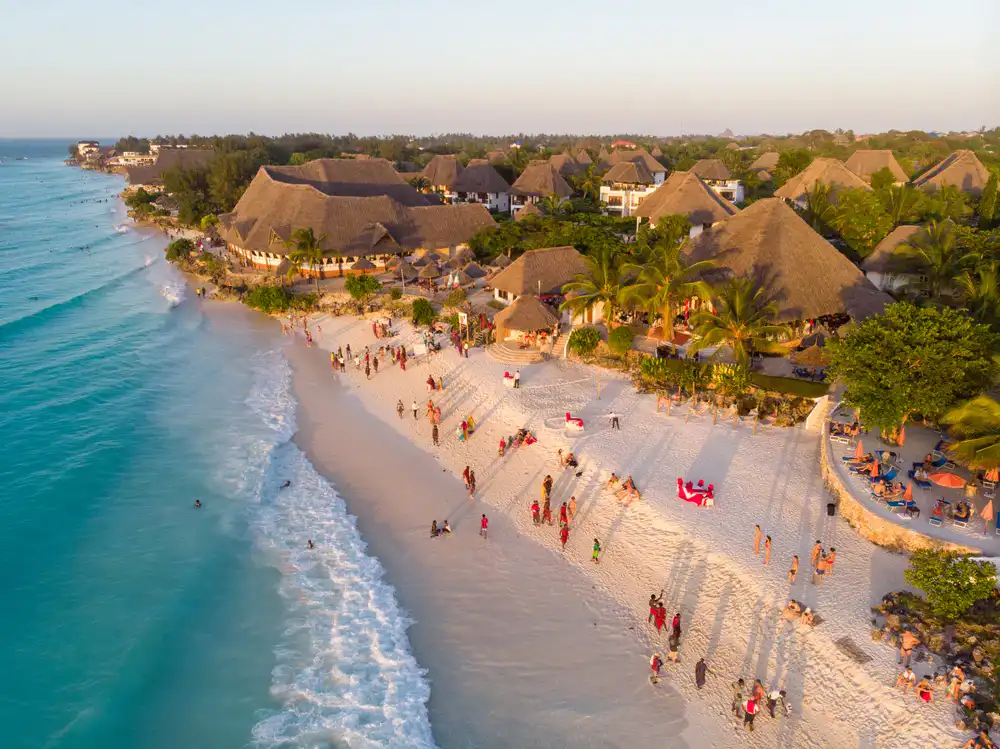
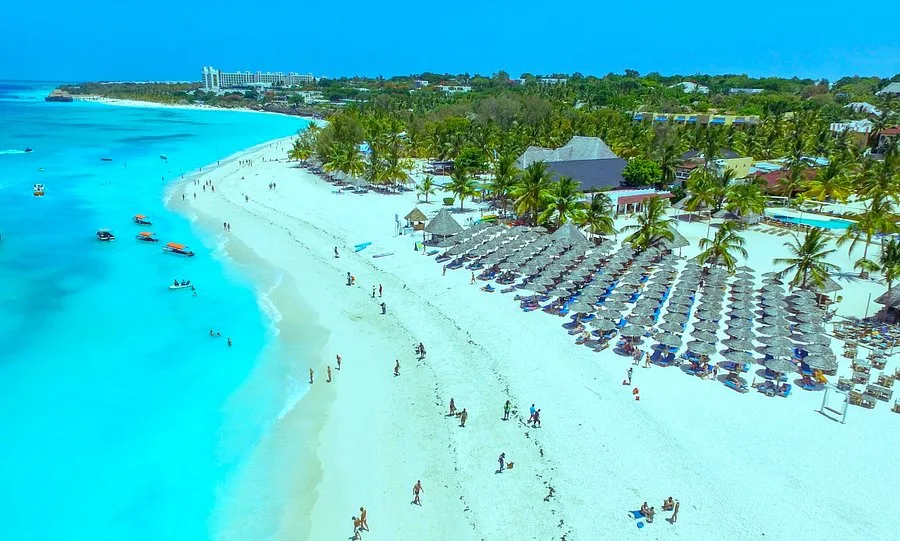
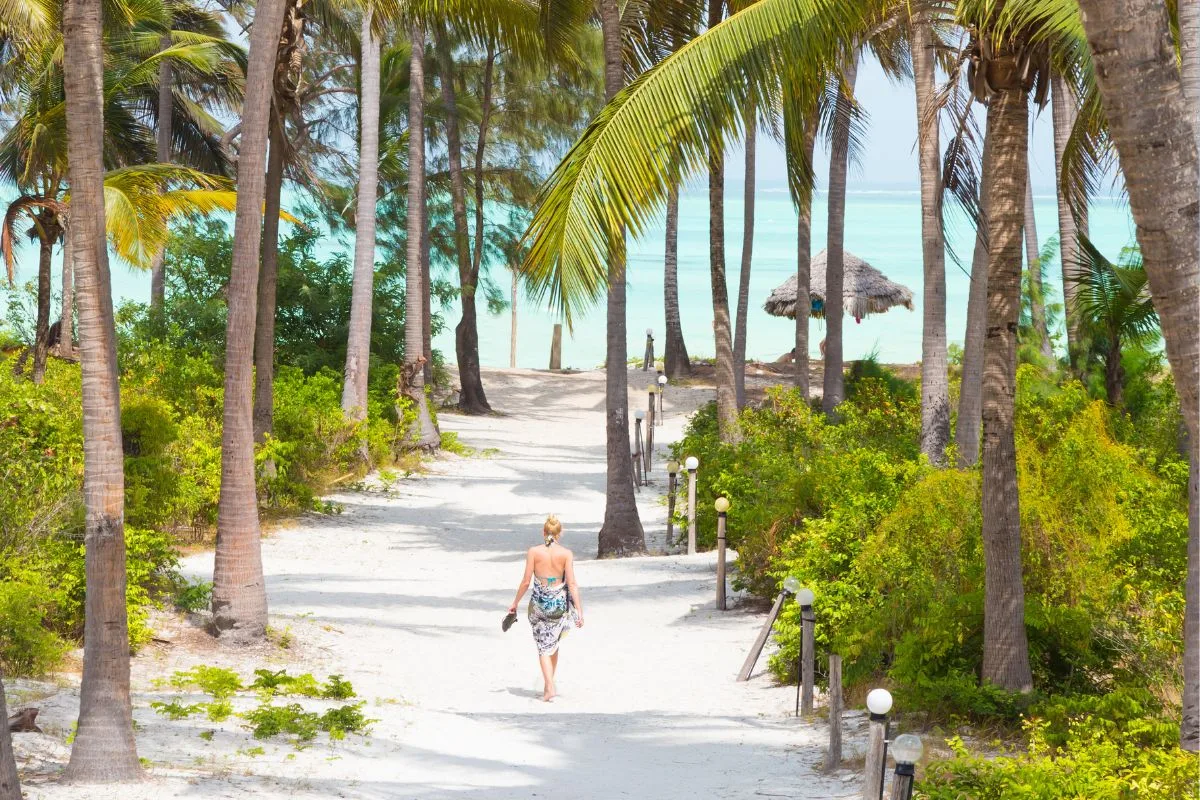
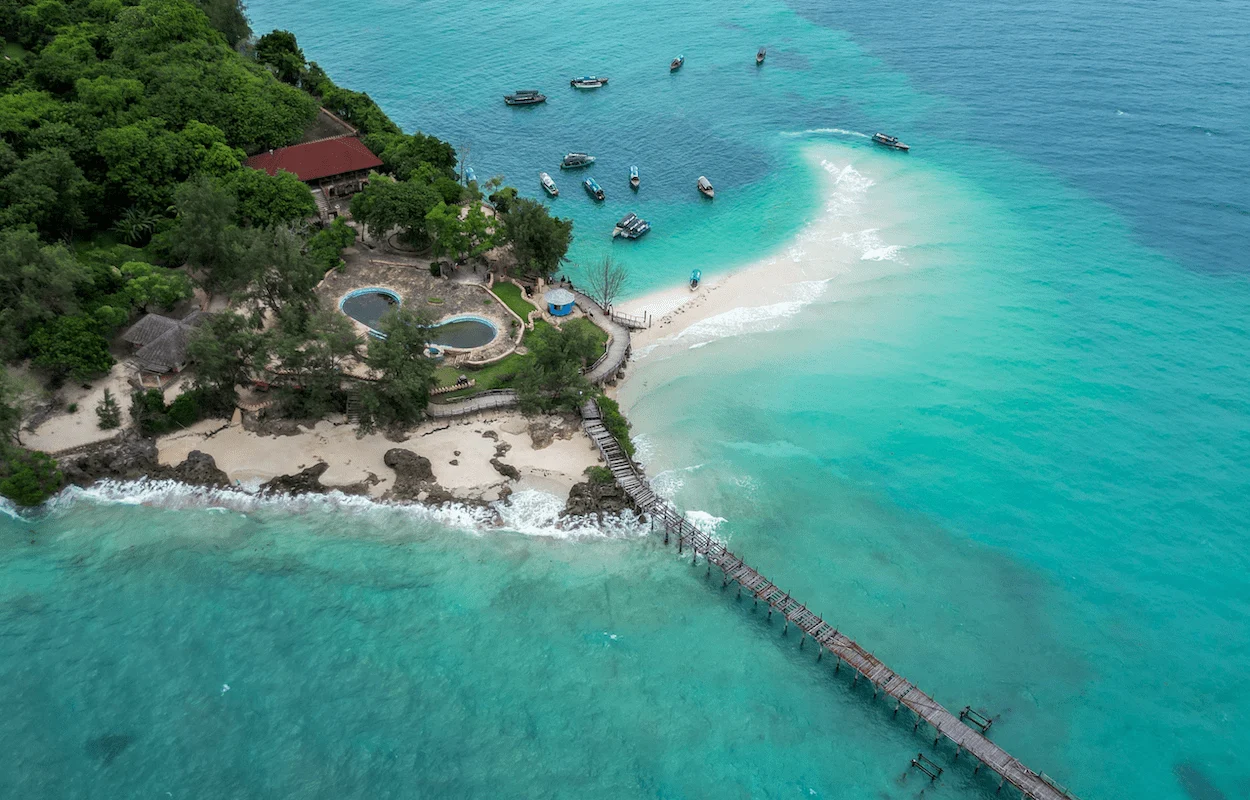
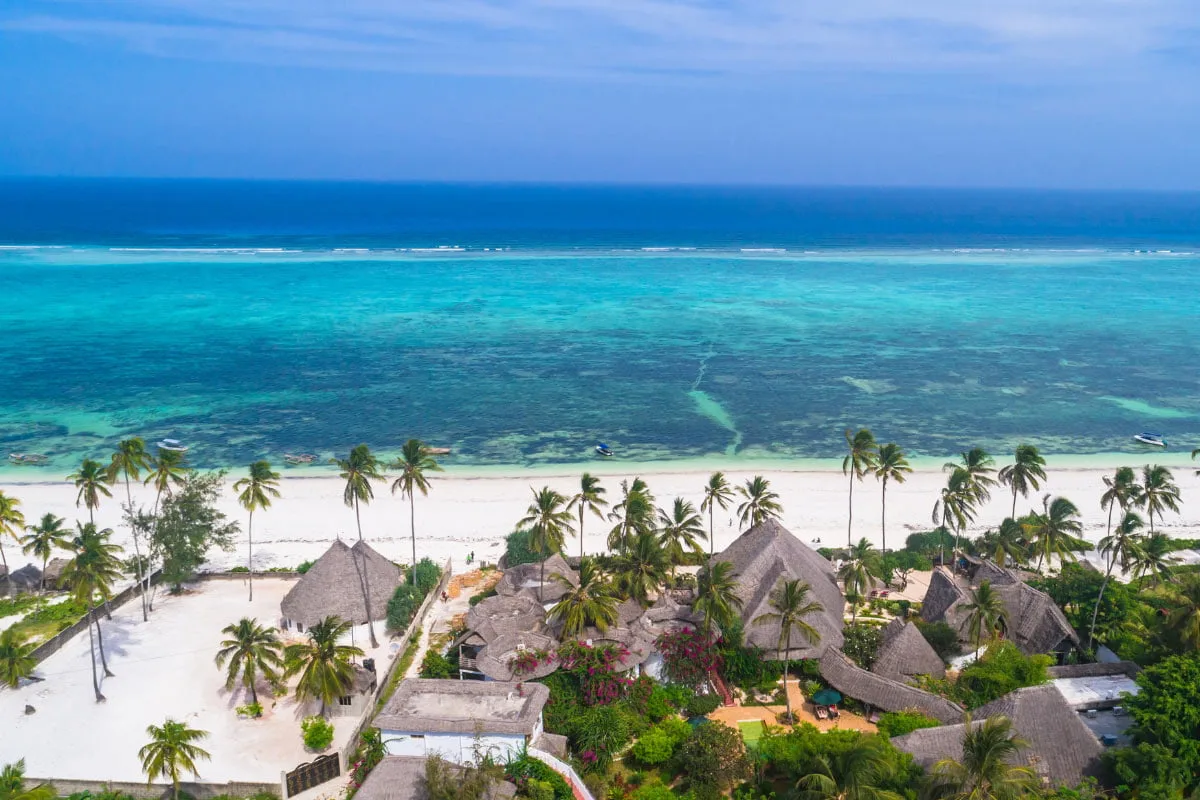
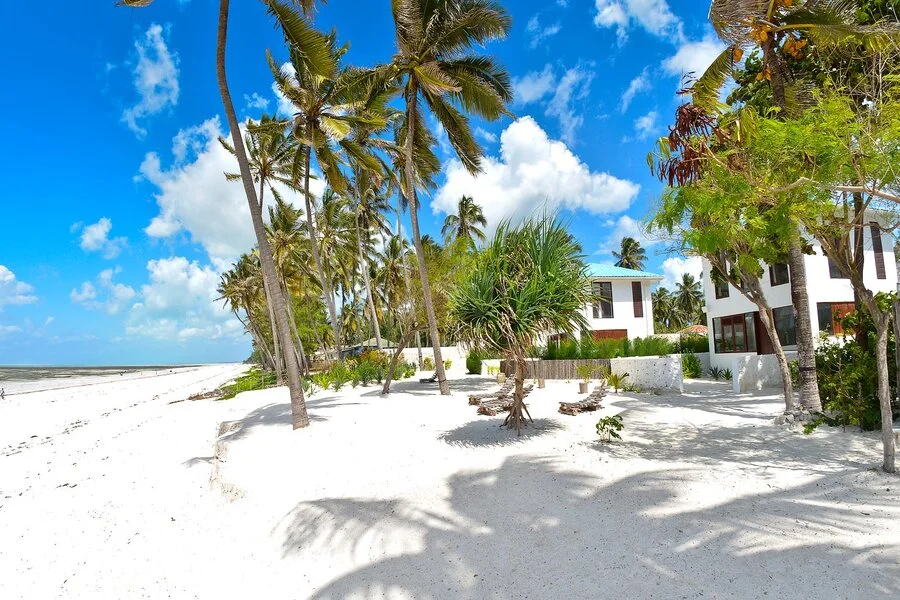
On Zanzibar's east coast (Paje, Jambiani, Matemwe), tidal variation can be extreme. The water withdraws hundreds of metres at low tide, leaving shallow mudflats. Always check the local tide table before booking and ask your accommodation about their beach at low tide. The north coast (Nungwi, Kendwa) is largely free of this issue. The bay's topography keeps water present at all tidal states, which is why it is the safest choice for casual swimming.
What to Do in Zanzibar: Experiences Worth Your Time
Mnemba Atoll Snorkelling
A protected marine area off the northeast coast with extraordinary density of green turtles, dolphins, reef fish, and coral. The single best underwater experience in Tanzania. Day trips depart from Matemwe and Nungwi. Best June-October for visibility.
Spice Farm Tour
Zanzibar earned the name "Spice Island" from its centuries of clove, cinnamon, nutmeg, cardamom, and vanilla cultivation. A half-day spice farm tour inland takes you through active plantations where guides demonstrate each spice. The fragrance alone is worth it. After the rains (May-June) is the most aromatic time.
Jozani Forest & Red Colobus Monkeys
Jozani Chwaka Bay National Park is Zanzibar's only national park. Its 50 km² of indigenous forest is home to the Zanzibar red colobus monkey. Found nowhere else on Earth. Easy 1-2 hour guided walks through mahogany, fig and palm forest. Go early morning when the monkeys are most active at the canopy.
Sunset Dhow Cruise
A traditional wooden dhow sailing out from Nungwi or Stone Town harbour as the sky turns gold and rose is one of travel's most uncomplicated pleasures. Typically 2-2.5 hours, includes sundowners and snacks. The most romantic Zanzibar experience, particularly for honeymooners. Book private for couples.
Kitesurfing at Paje
Consistent kusi trade winds of 15-25 knots over a flat, shallow lagoon make Paje Beach one of the world's premier kitesurfing spots. Multiple licensed schools offer beginner lessons through to advanced coaching. June-September is peak season. Windsurfers and kayakers share the lagoon on lighter wind days.
Dolphin Watching at Kizimkazi
Kizimkazi on the south coast is home to resident pods of spinner and bottlenose dolphins. A private early-morning dhow departure before the crowded tour boats arrive gives you a genuinely different experience. October-February is calmest for seas. Avoid the crowded standard tours if possible.
Prison Island (Changuu)
A short boat ride from Stone Town, Changuu Island was originally intended as a detention facility. Never used as such. Today it is famous for its colony of Aldabra giant tortoises, some over 200 years old. A pleasant half-day trip that pairs well with a Stone Town morning. Go midweek for fewer crowds.
Scuba Diving Mnemba & Pemba
Zanzibar's waters contain over 500 fish species across intact coral formations. Mnemba Atoll (day trips from the main island) is East Africa's finest dive site. For advanced divers, Pemba Island's walls and channels offer world-class deep reef diving that rivals some of the best in the Indian Ocean. Peak visibility July-October.
Hidden Gems: What Most Visitors Never Find
Zanzibar's tourist trail has become well-worn. Nungwi, Stone Town, Prison Island, Mnemba. These are all genuinely excellent but the island has several experiences that most visitors never reach. These are the ones worth planning for.
Kuza Cave & Cultural Centre Paje
A natural underground cave with a freshwater pool, framed by ancient coral stone walls and mangrove roots. Kuza combines the cave experience with a genuine community cultural programme run by local Zanzibari women. The cultural centre inside offers cooking demonstrations, traditional music and craft workshops. It is not on most standard tour itineraries. Which is exactly why it is worth seeking out.
Mwaka Kogwa Festival Makunduchi
Each July, the village of Makunduchi on Zanzibar's southeast coast hosts Mwaka Kogwa, the Shirazi New Year. A unique festival rooted in ancient Persian (Shirazi) tradition. Men engage in ritual banana-leaf fights, fires are lit to symbolise the burning of the past year and women sing and parade through the village in elaborate dress. There is almost no tourist infrastructure around it. If your dates align, this is one of the most authentic cultural events in East Africa.
Pongwe & Pingwe The Quiet Southeast
The beaches at Pongwe and Pingwe, on the southeast peninsula, are dramatically less visited than Paje and Jambiani a few kilometres north. A handful of boutique properties here offer genuinely isolated beach stays with private reef access and almost no other visitors. The famous Rock Restaurant. Set on a coral outcrop that becomes an island at high tide. Is nearby in Michamvi and worth the pilgrimage for lunch or dinner.
Chumbe Island Coral Park
Zanzibar's most extraordinary conservation success story, located just 12 km south of Stone Town. Chumbe Island is a strictly protected reef sanctuary and forest reserve. One of the few truly pristine shallow-water reef environments remaining in the western Indian Ocean. Day visits are limited to preserve the ecosystem. The coral garden, visible from the surface, is the finest snorkelling in all of Zanzibar. Advance booking is essential.
Zanzibar International Film Festival (ZIFF) July
East Africa's largest film festival transforms Stone Town into a ten-day cultural event each July, featuring over 100 films from across Africa and the diaspora, alongside live music in the fort, dhow races in the harbour, and art exhibitions through the old quarter. The overlap with peak dry season makes it an exceptional reason to time your visit to July.
Most experienced Zanzibar visitors recommend a three-zone itinerary: 1-2 nights in Stone Town (cultural foundation), 2-3 nights on the north coast (Nungwi/Kendwa for relaxed swimming and Mnemba day trip), then 2-3 nights on the southeast coast (Paje/Jambiani for a quieter, more authentic final chapter). This arc gives you the full spectrum of what the island offers. History, marine life and genuine Zanzibari pace.
Food, Culture & the Zanzibar Table
Zanzibar's cuisine is one of the Indian Ocean's great culinary traditions. A layered fusion of Swahili coastal cooking, Omani Arab spicing, Indian subcontinental technique and the island's extraordinary spice harvest. It is genuinely unlike anything on the mainland and unlike anything else in East Africa.
| Dish / Drink | What It Is | Where to Find It |
|---|---|---|
| Zanzibar Pizza | A stuffed, pan-fried savory crepe. Typically filled with egg, minced meat, vegetables or seafood, folded envelope-style on a flat iron | Forodhani Night Market, Stone Town |
| Urojo (Zanzibar Mix) | A sour, turmeric-yellow coconut soup with cassava chips, potato bhajia, boiled egg, and meat. The unofficial national dish of Zanzibar | Darajani Market area, local lunch spots |
| Grilled Octopus | Freshly caught octopus, marinated in tamarind and chili, grilled on open charcoal. Found across the island but best at night markets | Forodhani Market, Paje beach restaurants |
| Pilau & Biryani | Deeply spiced rice dishes perfumed with Zanzibari cloves, cinnamon and cardamom. The Arab and Indian influence at its most delicious | Local restaurants, home-style lunch spots |
| Sugarcane Juice | Freshly pressed sugarcane with ginger and lime, served over ice. The defining Zanzibar street drink. Order it at every market | Forodhani Gardens, street vendors everywhere |
| Mkate wa Sinia | A traditional coconut bread baked in a wide clay dish over hot coals. Sweet, caramelised and served warm. Best eaten at sunrise | Bakeries and morning street stalls, Stone Town |
| Most Zanzibar restaurant meals cost $5-$20 USD. Beachfront resort dining typically runs $30-$60 per person for dinner. The night market is always the best value. And often the best food. | ||
Zanzibar's population is over 99% Muslim and the island's cultural identity is deeply connected to its Islamic heritage. When visiting Stone Town or any village, cover shoulders and knees. Flowing linen trousers, long shirts, kimonos and maxi dresses are both appropriate and comfortable in the heat. On beaches and in tourist resort areas, standard beachwear is perfectly acceptable. This small act of respect is deeply appreciated by locals and transforms how you are received.
Best Time to Visit Zanzibar: Month by Month
Zanzibar is warm year-round, but the season you choose determines your beach quality, marine visibility, wind conditions, and crowd levels in ways that significantly affect the overall experience. Here is the honest seasonal picture.
When to Visit & Why
Clear skies, calm seas, 25-30°C. Best diving and snorkelling visibility (30m+ at Mnemba). Kusi wind perfect for kite surfing at Paje. ZIFF festival in July. Red colobus monkeys most active in Jozani. Book 3-6 months ahead.
Slightly warmer (28-35°C), glassy flat seas with visibility 30m+. Calmest diving of the year. Sauti za Busara music festival in February. Less crowded than peak season. Green turtles present year-round.
Short, sharp showers. Mostly morning or evening. Many days are partly sunny and entirely functional. Lower accommodation rates, fewer crowds. Stone Town, spice tours and Jozani Forest all largely unaffected.
Tanzania's heaviest rainfall. Sustained downpours possible for days. Rough seas, poor visibility, many water tours suspended. Accommodation 30-50% cheaper. Focus on Stone Town and spice farms if visiting. April-May are the highest-risk months for a beach holiday.
September and early October are considered by experienced Zanzibar visitors to be the very best weeks of the year. The peak-season crowds begin to thin, prices ease slightly, but the weather, sea visibility, and marine life activity remain at their absolute finest. Turtle hatching season is active at Mnemba. The kusi wind is fading into a cool gentle breeze. If you have flexibility, aim for the second half of September.
Practical Information: Getting There, Getting Around & What to Pack
Getting to Zanzibar
By air (recommended): Precision Air, Coastal Aviation, and Air Tanzania fly multiple times daily from Kilimanjaro (JRO), Arusha (ARK), and Dar es Salaam (DAR) to Zanzibar's Abeid Amani Karume Airport (ZNZ). Flight time from Arusha is approximately 1 hour. Haven Trails arranges all domestic flights as part of combined Tanzania itineraries. The airport is 20 minutes from Stone Town by transfer.
By ferry: Regular ferries operate between Dar es Salaam and Stone Town in approximately 2 hours. Sea conditions can make this rough and unreliable, particularly during transitional seasons. Flying is strongly recommended for most visitors, especially families and those prone to motion sickness.
Getting Around the Island
Between zones, taxis and private transfers are the most reliable option. Agree on price before you get in. For getting around Stone Town, it is entirely walkable (the entire old city covers about 1 km²). Dala dalas (shared minibuses) are the cheapest way to travel between towns but run on island time. Scooter and bicycle hire is widely available for independent explorers.
What to Pack for Zanzibar
- Reef-safe SPF 50+ sunscreen
- Rash guard or UV shirt (for snorkelling)
- Lightweight beach sandals
- Snorkel mask (basic, good for Mnemba)
- Dry bag for boat excursions
- Underwater camera or phone case
- Long linen trousers or maxi skirt
- Loose linen shirt or tunic (shoulders covered)
- Light scarf or wrap for mosques/markets
- Comfortable walking shoes or sandals
- Small daypack for Stone Town wandering
- USD cash (post-2006 notes preferred)
- Malaria prophylaxis (Zanzibar is malaria zone)
- DEET insect repellent (mosquitoes at dusk)
- Antihistamines (coral / sea creature grazes)
- Oral rehydration salts
- All personal prescription medications
- Travel insurance documents
- Passport (6+ months validity)
- Tanzania e-visa (immigration.go.tz)
- ZIC Zanzibar insurance (if required)
- Yellow fever certificate (if applicable)
- Haven Trails booking confirmation
- No plastic bags banned in Tanzania since 2019
Frequently Asked Questions
Add Zanzibar to Your Tanzania Journey
Haven Trails builds seamless Safari ? Kilimanjaro ? Zanzibar itineraries from our base in Moshi. Let us handle the domestic flights, the lodge bookings and every transfer. So you focus entirely on the experience.
Plan Your Zanzibar Extension WhatsApp Us Now