Il periodo migliore per un safari in Tanzania: fauna selvatica, meteo e migrazione |…
Tanzania's Safari Seasons Explained
La Tanzania si trova a cavallo dell'equatore ed è modellata dalla zona di convergenza intertropicale, che determina due stagioni piovose e due stagioni secche durante tutto l'anno. This seasonal rhythm dictates animal behaviour, vegetation density, road conditions, and lodge prices à making an understanding of the seasons essential before you Prenota.
Il stagione secca (JuneàOctober) is peak safari time: thin vegetation, animals concentrated around water, exceptional visibility, and the Mara River crossings of the Grande Migrazione in full swing. The stagione verde (NovemberàMarzo, escluse le lunghe piogge) offre la stagione del parto, un paesaggio lussureggiante, un numero drasticamente inferiore di visitatori e prezzi più bassi. Il lunghe piogge (AprilàMay) are the one period most visitors avoid.
Tanzania doesn't have a "bad" season à it has different seasons for different priorities. JulyàOctober è per i principianti che desiderano il massimo della fauna selvatica e gli attraversamenti fluviali migratori. JanuaryàFebruary è per coloro che desiderano un'azione straordinaria dei predatori durante la stagione del parto con una frazione della folla. September is many guides' personal favourite à everything peak season offers, with noticeably fewer vehicles at sightings.
La grande migrazione degli gnu: mese per mese
The Grande Migrazione is the largest overland migration of animals on earth à roughly 1.5 million wildebeest, 300,000 zebra, and 500,000 gazelle moving in a clockwise circuit through the Serengeti ecosystem and Kenia's Masai Mara. È un evento tutto l'anno; non esiste un solo mese in cui inizia o finisce. What changes is where the herds are, and what spectacle they're providing.
The Migration does not run on a fixed timetable à it follows the rains. I tempi riportati sopra rappresentano le medie; in un dato anno, gli attraversamenti del fiume Mara potrebbero iniziare a fine giugno o non raggiungere il picco fino a settembre. Una buona guida con conoscenza in tempo reale dei movimenti della mandria ha un valore inestimabile. Non prenotare mai un safari con rigide aspettative di migrazione fissate su un'unica data.
January, February & March à Calving Season & Green Season
Il Serengeti meridionale intorno Ndutu e il lago Masek è il posto dove stare a gennaio e febbraio. Le pianure di erba corta qui sono dove le vaste mandrie di gnu si riuniscono per partorire, sfruttando le nutrienti erbe verdi che seguono le brevi piogge. La densità dei predatori in quest'area durante il picco del parto è straordinaria: branchi di leoni, coalizioni di ghepardi, clan di iene e sciacalli convergono tutti verso la taglia. In queste settimane è comune assistere ad una caccia, o ad un branco di leoni con i cuccioli che rotolano tra i vitelli appena nati.
Anche il birdwatching raggiunge il suo picco nei mesi di gennaio e febbraio con l'arrivo degli uccelli migratori europei e asiatici, tra cui la ghiandaia marina, le cicogne e le rondini. Il paesaggio è lussureggiante e verdeggiante grazie alle brevi piogge precedenti, offrendo splendidi fondali per la fotografia che semplicemente non si ottengono nella polverosa stagione secca.
Febbraio è il momento ideale per la stagione del parto. The herds are dense around Ndutu, predator activity is at its annual peak, the weather is dry, the landscape is green, and the Serengeti is far quieter than July or August. For wildlife photographers and those who prioritise raw predator action over river crossings, February is unbeatable à and often costs significantly less than peak season.
Aprile e maggio alle lunghe piogge
Diventano i parchi nazionali Ruaha e Nyerere Selous nel sud partially inaccessible in April and May à many camps close, and some tracks are impassable without specialist 4WD support. The northern circuit parks à Serengeti, Ngorongoro, Tarangire, and Lake Manyara à remain open and can still deliver extraordinary game viewing, especially in the Cratere di Ngorongoro dove gli animali sono concentrati in un'area delimitata regardless of the rains. Le popolazioni di fenicotteri del Lago Manyara raggiungono il loro picco nella stagione delle piogge.
Fine maggio è un punto cardine. As rains ease, grass begins drying, and the first lodges start reopening ahead of the June high season. Arriving in the last week of May can deliver the magic of near-empty parks combined with improving conditions à and the wildebeest herds beginning to build at the Grumeti River in the western corridor.
June, July, August, September & October à Peak Dry Season
June kicks off the high season as the Serengeti dries and the wildebeest herds begin massing at the Grumeti River in the western corridor à the first of the two great river crossings. La vegetazione è ancora leggermente verde dopo le piogge, rendendolo uno dei mesi più fotogenici. Crowds are building but haven't reached JulyàAugust intensity, making it a smart early-season choice.
Luglio e agosto are when the Mara River crossings reach their crescendo. Centinaia di migliaia di gnu si precipitano verso la riva del fiume, raccogliendo il coraggio di attraversare l'acqua fiancheggiata da coccodrilli del Nilo in attesa che non si nutrono da mesi. Lo spettacolo è violento, caotico e assolutamente indimenticabile. Be aware: la competizione per i migliori punti panoramici sul fiume può significare molti veicoli da safari in un unico posto. Una guida privata che conosce i punti di passaggio meno utilizzati fa la differenza.
Settembre è spesso citato dagli operatori di safari esperti come il mese più bello per un safari in Tanzania. The conditions are near-identical to August à dry, clear, with excellent visibility à but European school holidays have ended and the number of vehicles in the parks drops noticeably. Le traversate del Mara continuano nel Serengeti settentrionale, spesso protraendosi fino a metà settembre. Il Tarangire si riempie di enormi branchi di elefanti. E le spiagge di Zanzibar rimangono al loro meglio. Prenota 6à8 months in advance for September.
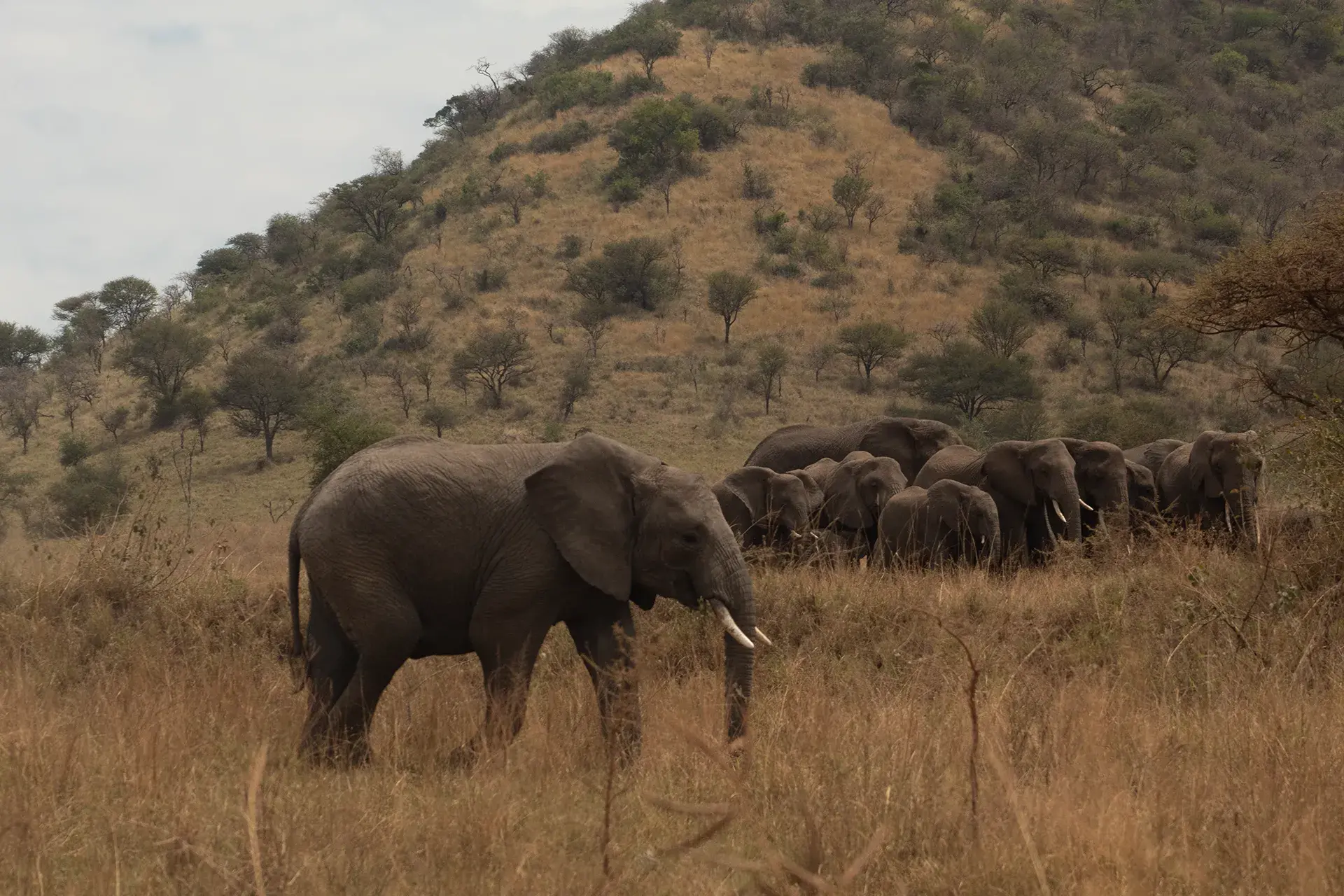
October is underrated. The dry season is intact, wildlife viewing remains superb, and the herds are beginning their southward journey back through the central Serengeti. Tarangire is at its spectacular peak à some of the largest elephant concentrations anywhere on earth gather at the Tarangire River. Prices ease slightly from August highs, and the parks are noticeably quieter.
Tarangire Parco Nazionale hosts one of Africa's most dramatic annual events in the dry season: hundreds of elephants converge on the Tarangire River à Africa's fourth-largest elephant population. Nel mese di ottobre, il numero degli elefanti raggiunge il picco poiché il fiume diventa l'ultima fonte d'acqua affidabile per centinaia di chilometri. Insieme al Serengeti e al Ngorongoro, il Tarangire in ottobre è una delle grandi esperienze di safari sottovalutate del continente.
Novembre e dicembre con le brevi piogge e le festività natalizie
Le brevi piogge di novembre portano due doni: uno straordinario birdwatching con l'arrivo delle specie migratorie europee e paesaggi che passano dal polveroso al verde vivido quasi da un giorno all'altro. Le prime due settimane di dicembre sono spesso considerate il mese con il miglior rapporto qualità-prezzo per un safari in Tanzania: le condizioni migliorano ogni giorno, la fauna selvatica è eccellente in tutto il circuito settentrionale e i prezzi sono ben al di sotto dell'alta stagione prima che il periodo natalizio inizi a metà mese.
Tanzania's Key Safari Parks à Best Season by Park
Tanzania's parks span the north, south, and west à and they don't all peak at the same time. Ecco una guida rapida alla stagione migliore per ciascuna delle principali destinazioni dei safari.

Excellent year-round. Mara River crossings peak JulyàSeptember (northern Serengeti). Calving season peaks JanuaryàFebruary (Ndutu, southern Serengeti). Avoid AprilàMay for road conditions.
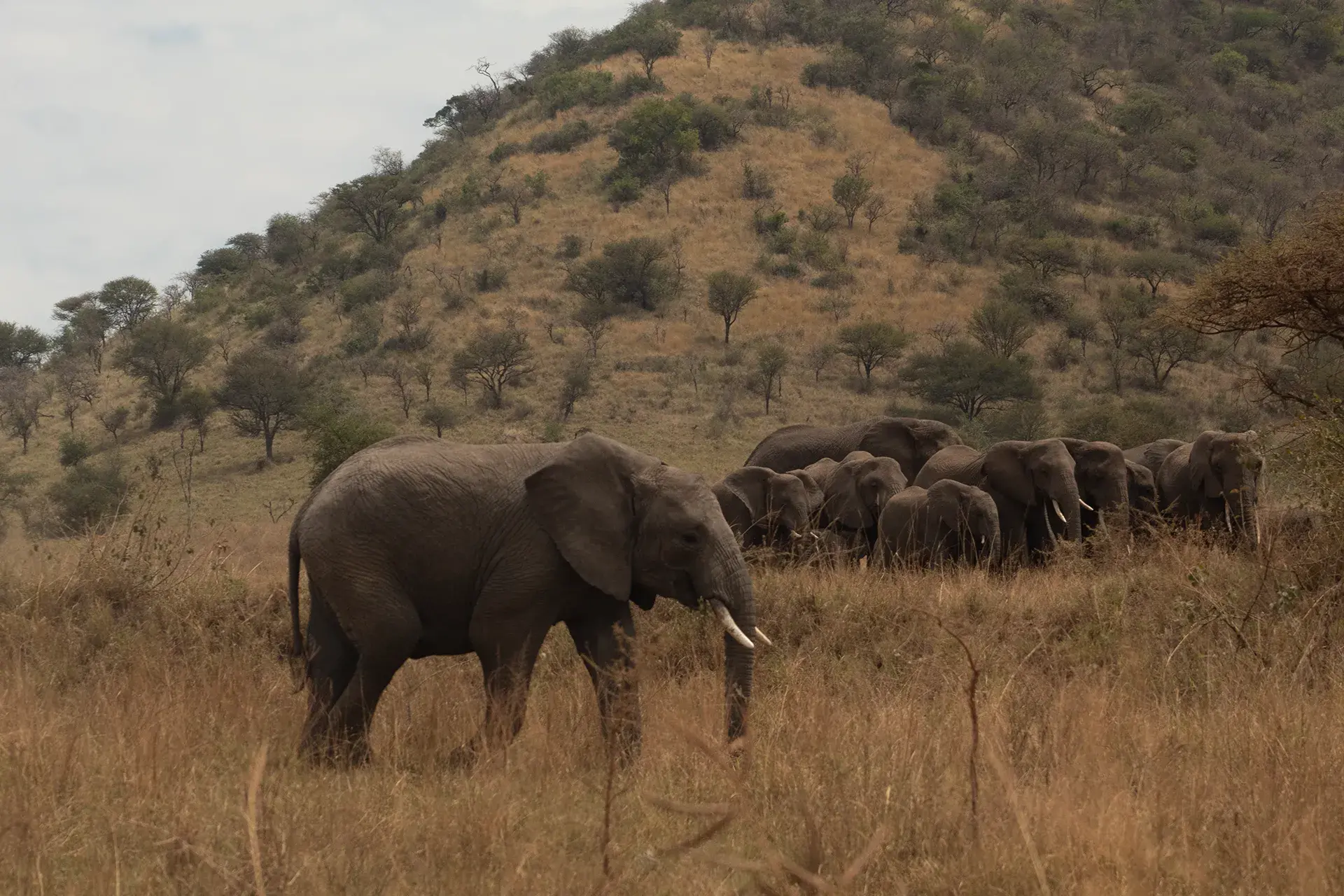
L'ecosistema chiuso del cratere garantisce la fauna selvatica indipendentemente dalla stagione. I Cinque Grandi including endangered black rhino. Wet season can bring mist to the crater rim à but the atmosphere is extraordinary. Meglio evitare in alta stagione per la folla.
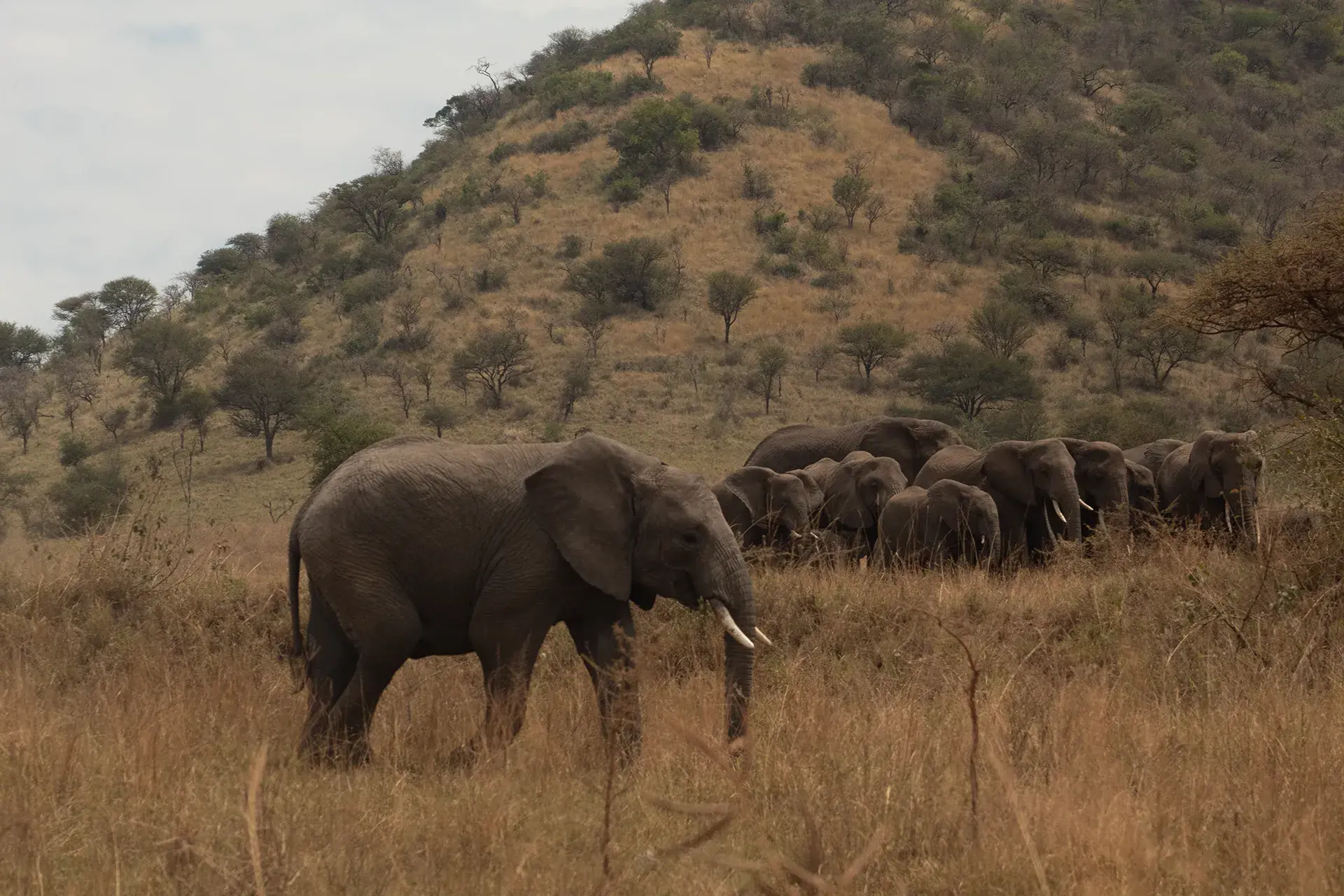
Casa to Africa's fourth-largest elephant population. Il picco è drammatico nella stagione secca, quando centinaia di elefanti si riuniscono presso il fiume Tarangire. Famoso anche per i giganteschi baobab e i pitoni che si arrampicano sugli alberi. Quieter and less visited than the Serengeti à a rewarding addition to any northern circuit viaggio.
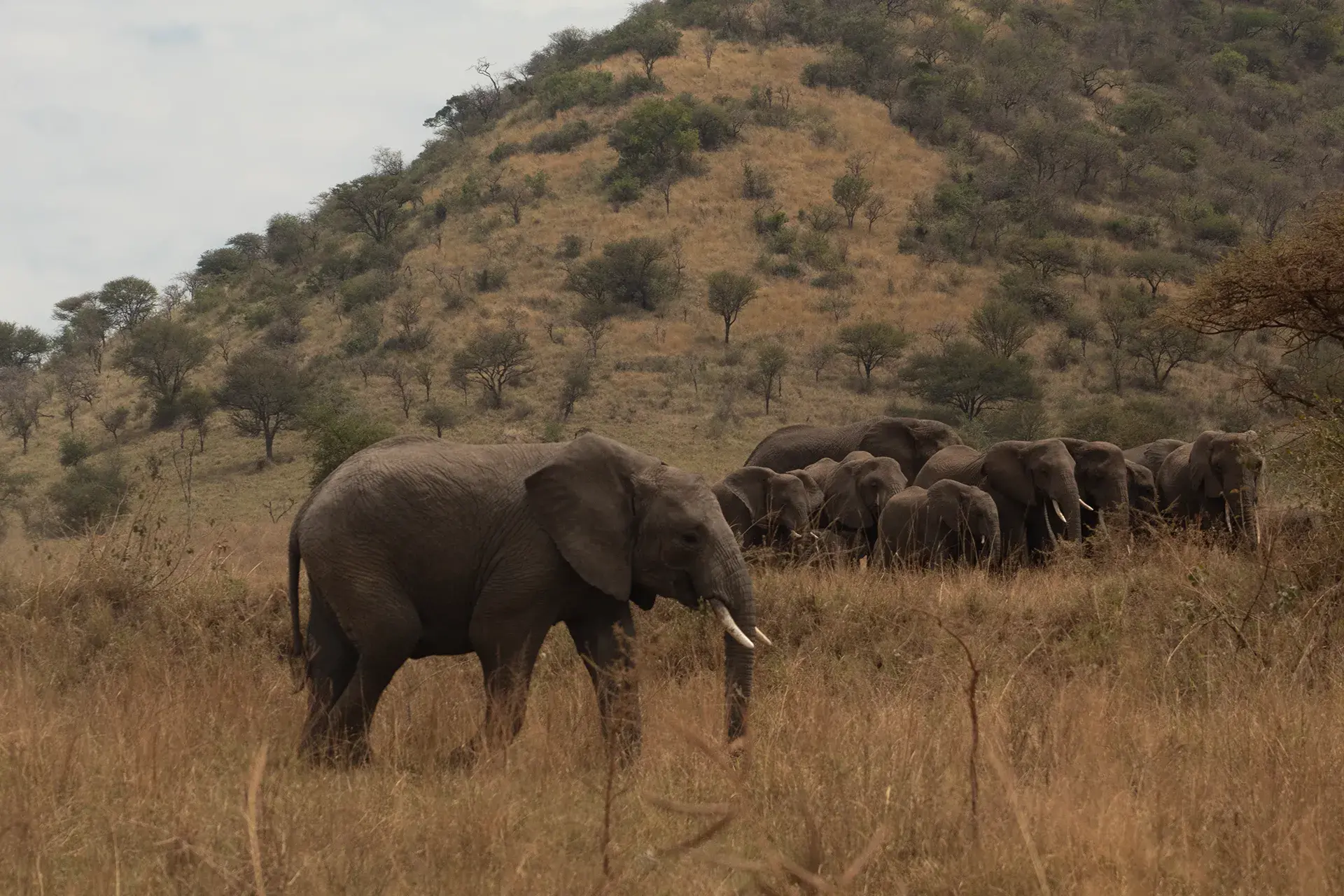
Famoso per i leoni che si arrampicano sugli alberi, i fenicotteri e un ecosistema straordinariamente diversificato compresso tra la parete della Rift Valley e il lago di soda. I fenicotteri e gli uccelli migratori arrivano in gran numero durante la stagione delle piogge. Fauna selvatica residente (elefante, ippopotamo, babbuino) eccellente tutto l'anno.
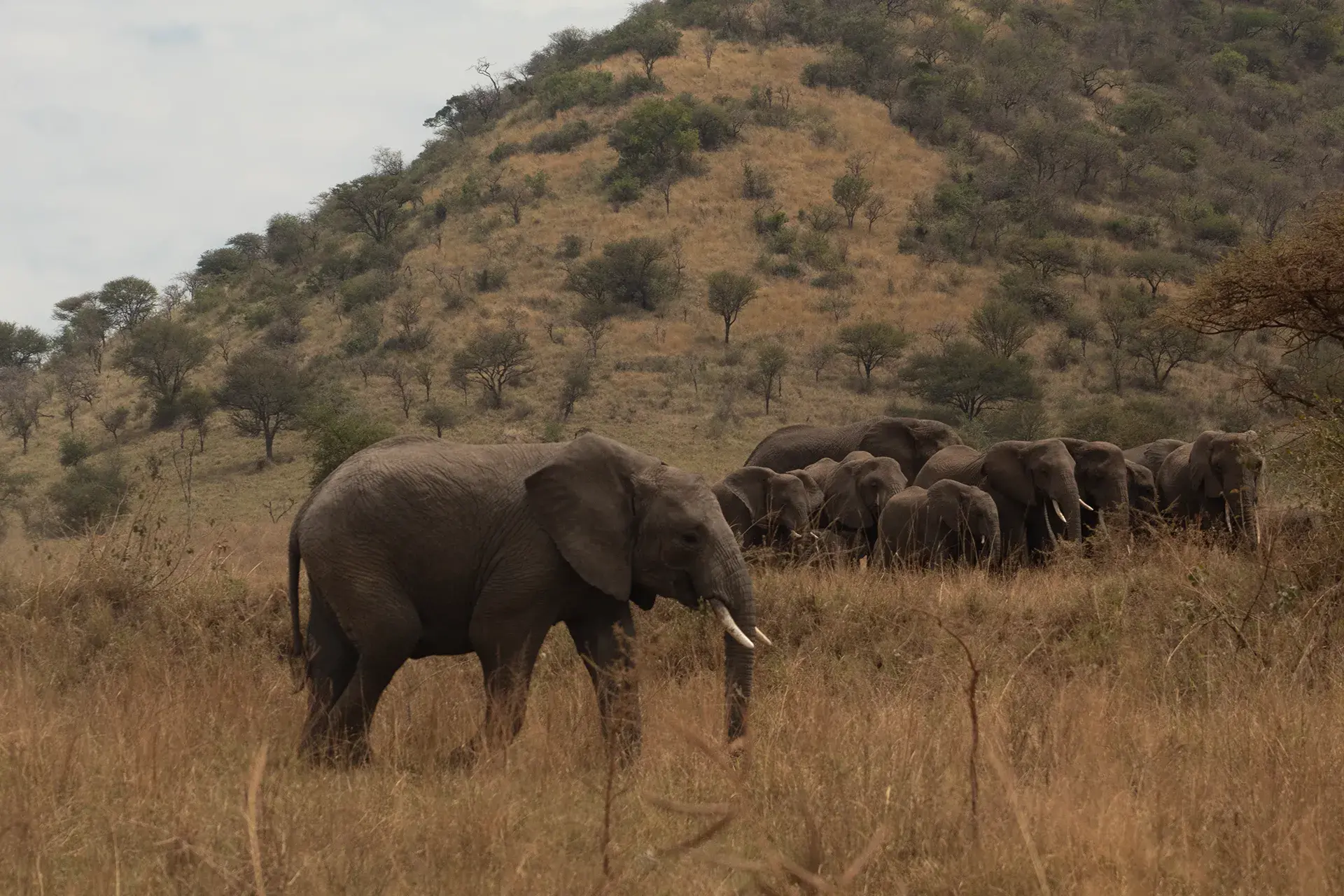
Il più grande parco nazionale della Tanzania e una delle destinazioni selvagge più sottovalutate dell'Africa. Superb lion prides à sometimes 20+ strong à hunt along the Great Ruaha River. Enormi mandrie di elefanti e bufali. Pochissimi altri visitatori anche in alta stagione. Inaccessible in heavy rains.
Una delle riserve di caccia più grandi dell'Africa. Famoso per i safari in barca sul fiume Rufiji e gli straordinari incontri ravvicinati con ippopotami, coccodrilli ed elefanti in riva al mare. Branchi di cani selvatici. Parti del parco sono inaccessibili durante le lunghe piogge. L'esperienza del safari in barca è unica in Tanzania.
Confronto Safari completo mese per mese
| Month | Fauna selvatica | Migration Highlight | Rainfall | Crowds | Prezzo |
|---|---|---|---|---|---|
| January | Excellent | Calving season begins à Ndutu | Low | Moderate | Mid |
| February ? | Outstanding | Calving peak à ~8,000 calves/day | Molto basso | Low | Mid |
| March (early) | Bene | Herds moving north-west | Rising | Molto basso | LowàMid |
| April | Challenging | Dispersed à mid-Serengeti | Heavy | Minimal | Lowest |
| May | Challenging | Moving towards Grumeti | Easing | Molto basso | Lowest |
| June | Molto buono | Attraversamenti del fiume Grumeti | Low | Moderate | High |
| July ? | Outstanding | Iniziano gli attraversamenti del fiume Mara | Minimal | Molto alto | Highest |
| August ? | Outstanding | Mara crossings à peak drama | Minimal | Molto alto | Highest |
| September ? | Outstanding | Continuano le traversate del Mara (N. Serengeti) | Molto basso | Moderate | High |
| October ? | Excellent | Herds returning south; Tarangire peaks | Low | Low | MidàHigh |
| November | Bene | Central Serengeti à moving south | Moderate | Low | LowàMid |
| December (mid+) | GoodàVery Good | Herds reaching southern plains | Tapering | ModàHigh | Mid |
| ? = Top recommended months for a Tanzania safari in 2026. Migration timing is approximate à herds follow the rains. | |||||
- Luglio e agosto (picco): Prenota 9à12 months in advance. I campi premium e i punti in concessione per l'attraversamento del fiume si esauriscono entro ottobre dell'anno precedente.
- Giugno e settembre: Prenota 6à8 months ahead for best camp selection and rates.
- Gennaio e febbraio (stagione del parto): Prenota 4à6 months ahead. Growing in popularity à the best Ndutu camps fill early.
- Ottobre e novembre: Prenota 3à5 months ahead. Buona disponibilità ma i migliori lodge sono ancora pieni per la bassa stagione.
- Aprile e maggio (lunghe piogge): Often bookable 4à8 weeks ahead. Many camps offer last-minute green season rates.
Domande frequenti
I migliori mesi in assoluto sono Luglio, agosto, settembre e febbraio. July and August offer peak dry-season wildlife viewing and the Mara River crossings of the Grande Migrazione. September delivers identical conditions with notably fewer crowds à many guides name it their favourite month. Febbraio offre lo straordinario spettacolo della stagione del parto con un'intensa attività di predatori e una frazione di visitatori in alta stagione. Ottobre è una scelta eccellente e sottovalutata con una superba osservazione degli elefanti del Tarangire e parchi vuoti.
La Grande Migrazione è un movimento circolare che dura tutto l’anno. I punti salienti includono calving season (JanuaryàFebruary) nelle pianure meridionali del Serengeti intorno a Ndutu; il Grumeti River crossings (MayàJune) in the western corridor; and the iconic Mara River crossings (JulyàOctober) in the northern Serengeti near the Kenia border. Da November, herds travel south back toward the short-grass plains. The exact timing of river crossings varies by year depending on rainfall patterns à a knowledgeable local guide is essential.
Sì, con le giuste aspettative. La stagione verde (da novembre a marzo, escluse le lunghe piogge di aprile-maggio) offre paesaggi lussureggianti, eccezionale birdwatching con specie migratorie, lo spettacolo della stagione del parto in gennaio-febbraio, molte meno folle e prezzi dei lodge inferiori fino al 40%. La fitta vegetazione può rendere più difficile l'avvistamento di alcune specie, e alcune strade del parco meridionale e occidentale diventano impraticabili da aprile a maggio. Per fotografi, birdwatcher e viaggiatori che preferiscono la solitudine, la stagione verde è spesso preferita all'alta stagione.
Il Serengeti e cratere di Ngorongoro are excellent year-round. Tarangire peaks JulyàOctober with massive elephant concentrations. Ruaha e Nyerere (Selous) sono migliori da giugno a ottobre e diventano parzialmente inaccessibili durante le lunghe piogge. Il Lago Manyara offre una grande fauna selvatica tutto l'anno, ma è particolarmente gratificante per i fenicotteri e il birdwatching migratorio nella stagione delle piogge. Per chi visita per la prima volta, il circuito settentrionale (Serengeti + Ngorongoro + Tarangire) è l'opzione più affidabile in ogni stagione.
Aprile e maggio sono i mesi più economici, con molti lodge in offerta 20à40% discounts durante le lunghe piogge. L'inizio di novembre offre anche tariffe più basse come mese di spalla. Il miglior valore per condizioni affidabili e buone è October or JanuaryàFebruary, quando i prezzi sono moderati ma l'osservazione della fauna selvatica rimane eccellente. Se il budget è il tuo vincolo principale, l'inizio di novembre offre condizioni decenti a prezzi non di punta, mentre le brevi piogge raramente interrompono in modo significativo i safari mattutini.
Absolutely à this is one of Africa's classic viaggio combinations. The ideal pairing window is JuneàOctober, quando il Serengeti settentrionale offre attività di migrazione e il clima di Zanzibar è più secco e piacevole. JanuaryàFebruary Funziona bene anche con un safari nella stagione del parto abbinato al clima caldo e limpido della spiaggia di Zanzibar. Evita AprilàMaggio per Zanzibar se hai intenzione di fare snorkeling o immersioni, poiché le lunghe piogge riducono la visibilità dell'acqua attorno alle isole. La struttura tipica è di 5-7 notti in safari seguite da 3-5 notti a Zanzibar.
Organizza il tuo safari in Tanzania
Whether you want to watch a river crossing from a private riverbank camp, witness the calving season in a near-empty Ndutu, or track lions across Ruaha's wild southern wilderness à we'll build the itinerary around your dates, interests, and budget.
Get a Free Safari Quote Add Kilimanjaro ?