Seaweed lines stretching across Zanzibar's shallow flats are a working landscape first and a postcard second. A Jambiani visit can reveal how the crop is grown and how families earn a living from it, so long as willing hosts have invited you. Treat it as someone's profession, never as a ready-made backdrop for portraits.
Book a programme agreed with local hosts and interpreted by someone from the area, time any permitted farm access around the tide, and honour workers' boundaries. Ask how your fee and participation benefit the people involved. Low tide reveals the scene, but it never grants free run of the lines, the tools or the people.
A respectful visit to a place of work
| Detail | What it means for your trip |
|---|---|
| Host | A willing participant and a programme everyone has agreed to. |
| Timing | Local tide times and safe, authorised access. |
| Learning | Cultivation, processing and the livelihoods built on them. |
| Boundaries | Equipment, private work and consent for any image. |
Learn the process before you raise the camera
Invite a willing host to walk you through how seedlings are tied on, tended, harvested and dried, and where the crop goes afterwards. Methods and products differ from farm to farm. Seaweed is not simply scooped from any stray patch that washes up on the sand, so ask your guide to separate cultivated crops from natural habitat and beach wrack, and resist lumping every strand of green or red into one thing.
The tide sets the rhythm for work and for visitors
A retreating sea can lay the farm lines bare, yet the right route and the right conditions need local confirmation. Never wade through working lines or nudge the equipment. A good visit lets the host show where the group may stand and what it can watch. Reef shoes are not a licence to roam every corner of the flat.
Honour women's work without flattening it into a story
Many accounts rightly highlight the role of women in Zanzibar's seaweed livelihoods. Ask your hosts about their own work, challenges and choices instead of pressing for a single tale of tradition or empowerment. New products, businesses and changing methods belong in the conversation too. And never treat one person as the voice of every household along the coast.
Settle consent, payment and participation up front
Find out who arranged the encounter, what the fee covers and whether handling materials is welcome. Portraits and recordings call for their own, separate consent. Buying an agreed product can support a willing business, as long as it never becomes pressure in either direction. Keep children out of any gift-giving or photography expectations.
What a respectful hosted experience should make clear
A hosted village, food or cultural programme should tell you who agreed to the visit, what the price includes and how the fee reaches the people involved. Arriving in a residential area with a driver is not the same as being invited. Ask which places and activities your hosts choose to share, and accept private limits gracefully, without bargaining for a photo.
Photography deserves its own yes. An entry fee or a guide's payment does not automatically cover recording every face, home or conversation. If you want a keepsake, buy from willing makers at agreed prices, and skip scattered handouts, especially to children. Ask thoughtful questions about work, change and daily life instead of checking whether a community matches a brochure. Modern clothes, phones and tourism jobs take nothing away from anyone's identity. The best visits leave hosts in charge and let visitors learn through an agreed encounter.
Give the conversation a purpose beyond the photograph
Ask your host which topics feel comfortable and let the exchange breathe. Questions about work, shifting livelihoods, land or family routines should stay voluntary and never become a checklist applied to every meeting. A guide can translate and add context, and can also signal when a subject is private or a question rests on a mistaken assumption.
Listening counts as much as asking. Never cut off an answer to grab a portrait, and never draw children into an exchange they did not choose. Let modern life appear in the conversation without reading phones, schools or tourism work as lost identity. If you wish to support a local project, ask about an established, community-led channel and how its funds are reported. A good encounter can be simple: a sincere welcome, an agreed activity and a clearer grasp of a host's point of view mean far more than a show staged to fit a visitor's expectations.
Plan around a shifting shoreline, not a fixed swimming hour
What the tide actually does depends on the shape of the local shore. A broad, shallow reef flat can lay bare a huge stretch at low water, while another frontage reaches deeper water sooner. Ask about your exact hotel beach and its entry point, not merely the name of the coast. A pool can keep a tide-aware holiday easy without replacing the pull of the sea.
Use tide information for your own dates and place. A swimming hour recommended by someone who visited in another week is no permanent daily rule, and tidal ranges swell and shrink across the lunar cycle; "spring tide" has nothing to do with the spring season. Treat exposed reef habitat gently and follow local advice on walking routes. Even at a beach famed for easy swimming, currents and weather can make a given hour unwise, because convenience and safety are separate questions.
Make the question about the work
Rather than asking someone to pose beside a line, ask which stage of the crop they are tending and what they would like visitors to understand. Let your guide translate where needed, and accept a short answer or a polite no. A small, agreed conversation can teach you more than a dramatic portrait, and it leaves the worker in command of the encounter.
- Find a programme led by an agreed host.
- Confirm tide and access conditions.
- Ask about the work and how the community benefits.
- Respect equipment and photography boundaries.
Which approach fits your priorities?
| Option | Who it suits | The main consideration |
|---|---|---|
| Host-led farm programme | Visitors who want meaningful explanation | Keep to the agreed route and timing. |
| Workshop or product visit | Travellers curious about processing | Confirm the host and what participation involves. |
| Beach observation | Guests who prefer to take in the setting on their own | Stay clear of working areas. |
Costs and practical details
Ask for transport, guiding, the host fee and any optional workshop or product purchase as separate lines. A "village visit" label says nothing about how money is shared. Find out how the people offering their work are paid, and choose a clear arrangement over assuming that a low ticket price reaches them.
An exposed farm at low tide is a workplace, not a free pass for visitors to walk in or shift equipment.
How to use this guide to plan a better trip
The details behind Seaweed Farming in Zanzibar: Discover the Traditional Villages of Jambiani become more useful when they are translated into real decisions: where time is spent, what must be confirmed before travel, and which details can remain flexible. Use the following field guide alongside the destination information above.


Choose a beach for your daily routine
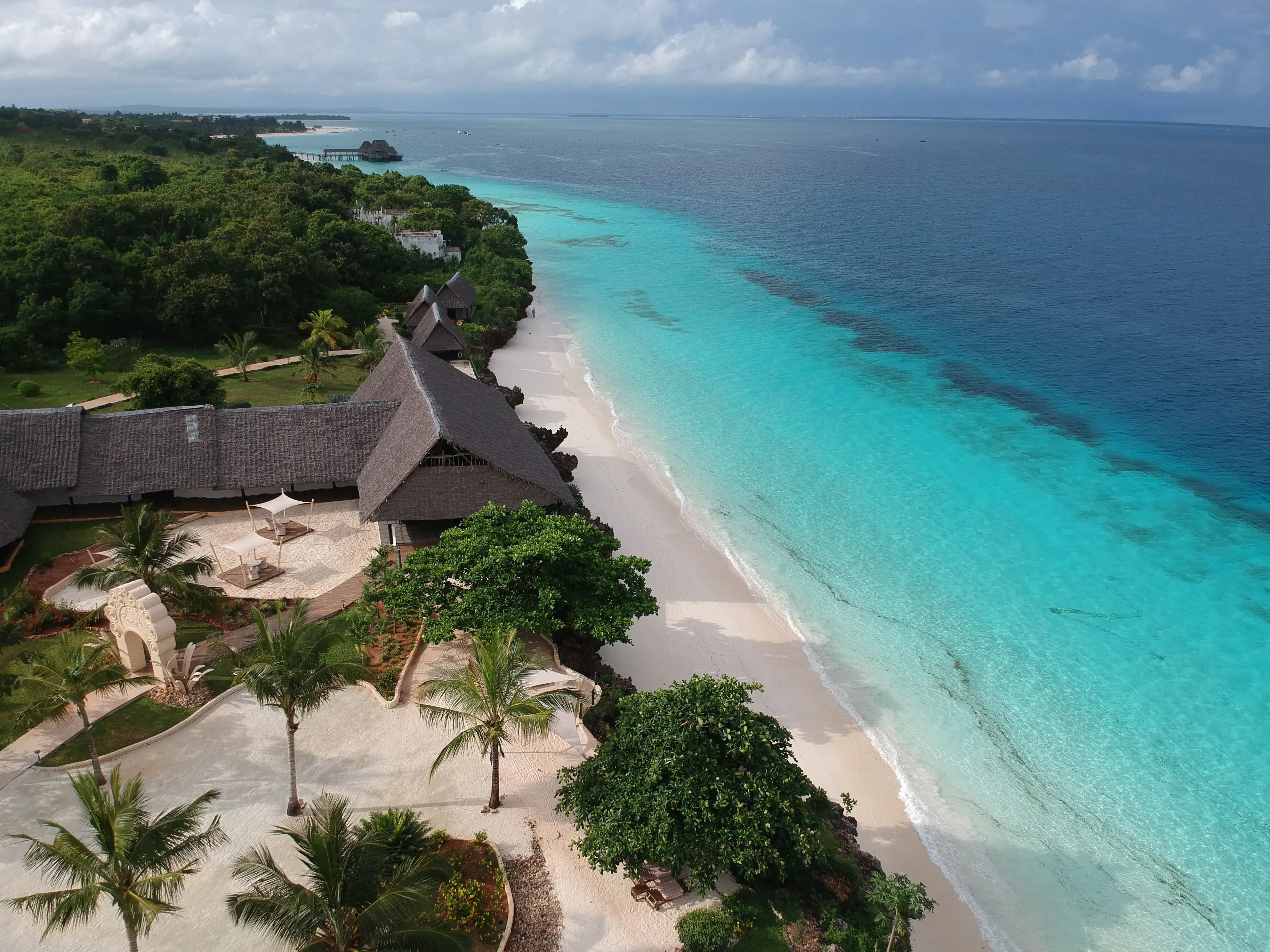
Zanzibar is not a single beach experience. The north, east and southeast coastlines differ in tide exposure, village atmosphere, restaurant choice and the ease of swimming throughout the day. Ask for practical information about the specific stretch of shore, not only the resort name: where can you enter the water, what happens at low tide, and how far away are groceries, cafés or evening activities? A beautiful aerial photograph does not reveal an exposed reef flat, a long transfer or the noise of a lively beachfront. Those details matter more after five days than they do during five minutes of searching hotels.
Plan sea activities around conditions and ethics
Snorkelling, diving, boat trips and wildlife encounters are affected by sea state, tides, visibility and operator standards. Ask how guides choose the departure time, what happens when the water is unsuitable and which equipment and safety briefing are included. Do not assume marine wildlife will appear on demand or that getting closer makes an experience better. Avoid tours that chase dolphins or encourage contact with turtles and other wildlife. If you are not a confident swimmer, tell the operator in advance and ask about buoyancy aids, boat access and alternative viewpoints.
Allow room for culture beyond the resort
Stone Town, local food, markets, farming communities and village life give context to a beach holiday. Schedule cultural activities at a pace that lets you listen and participate respectfully rather than treating every stop as a photo opportunity. In public areas away from beaches, dress considerately and ask before photographing people. Opening hours and visitor access can be affected by local holidays or religious observances. A knowledgeable local guide can make the difference between simply seeing a door, spice plant or fishing boat and understanding what it means within the island’s history and everyday life.
Calculate the complete island day
For any excursion, account for hotel pickup, driving time, boat boarding if relevant, time at the attraction and the journey back. A route that seems short on a map may take longer during busy periods. Compare what a quoted price includes: transfer, entrance fees, equipment, guide, food, drinks and cancellation conditions. Keep a little open time between major activities. A rainy afternoon can become an opportunity to explore an indoor attraction or rest, while an unusually calm morning may be better spent on the water. Flexibility usually improves a Zanzibar holiday.
Ask about tide and current conditions, visibility, boat safety, conservation practices and the guide-to-guest ratio. Avoid operators who touch, feed or chase marine wildlife. When an excursion is not safe, choose a rescheduled departure or an alternative experience rather than forcing the original plan.
Four decisions that change the experience
Use these prompts as a quick decision worksheet. Each one is linked to a detailed section in this guide, so you can revisit the evidence instead of making a choice from a short sales description.
A respectful visit to a place of work
Invite a willing host to walk you through how seedlings are tied on, tended, harvested and dried, and where the crop goes afterwards. Methods and products differ from farm to farm.
Explore this considerationLearn the process before you raise the camera
Invite a willing host to walk you through how seedlings are tied on, tended, harvested and dried, and where the crop goes afterwards. Methods and products differ from farm to farm.
Explore this considerationThe tide sets the rhythm for work and for visitors
A retreating sea can lay the farm lines bare, yet the right route and the right conditions need local confirmation. Never wade through working lines or nudge the equipment.
Explore this considerationHonour women's work without flattening it into a story
Many accounts rightly highlight the role of women in Zanzibar's seaweed livelihoods. Ask your hosts about their own work, challenges and choices instead of pressing for a single tale of tradition or empowerment.
Explore this considerationQuestions worth sending before you book
Good planning emails are specific. You do not need a complicated spreadsheet; you need written answers to the points that could change your comfort, budget or available time. These questions help you turn the advice in this article into an itinerary or booking that is genuinely suitable for you.
- How does your suggested plan handle a respectful visit to a place of work for my exact travel dates?
- What would change if learn the process before you raise the camera became difficult because of weather, availability or my preferred pace?
- Could you explain how you approach the tide sets the rhythm for work and for visitors and what is included in the price?
- Which alternative would you recommend if the main experience is unavailable, and what would that mean for transfers or costs?
- Can you list the total price, the important exclusions, deposit and cancellation rules, and any permits or fees that might change?
- What information do you need from me about mobility, ages, dietary requirements, interests and onward travel to make the plan more suitable?
Ask for a thoughtfully paced itinerary.
Send your travel month, number of guests, approximate budget and two experiences you care about most. You can use the questions above as a starting point.
Bring the details together before you decide
Your ideal version of Seaweed Farming in Zanzibar: Discover the Traditional Villages of Jambiani depends on your time, priorities and the conditions you will actually encounter. Start with the three questions below, then use the checklist to spot details that are often missing from a short description.
A respectful visit to a place of work
Invite a willing host to walk you through how seedlings are tied on, tended, harvested and dried, and where the crop goes afterwards. Methods and products differ from farm to farm.
Read this section ↗Learn the process before you raise the camera
Invite a willing host to walk you through how seedlings are tied on, tended, harvested and dried, and where the crop goes afterwards. Methods and products differ from farm to farm.
Read this section ↗The tide sets the rhythm for work and for visitors
A retreating sea can lay the farm lines bare, yet the right route and the right conditions need local confirmation. Never wade through working lines or nudge the equipment.
Read this section ↗Practical checks for this type of journey
- Confirm how tide and sea conditions change the attraction on your chosen dates.
- Ask how long the round-trip transfer takes and what the excursion price includes.
- Choose water activities with strong safety standards and respectful wildlife practices.
- Leave time for local culture and unscheduled beach hours rather than stacking activities.
Ask about tide and current conditions, visibility, boat safety, conservation practices and the guide-to-guest ratio. Avoid operators who touch, feed or chase marine wildlife. When an excursion is not safe, choose a rescheduled departure or an alternative experience rather than forcing the original plan.
Questions travellers actually ask
Can I walk through any visible seaweed lines?
No. Stay on the route your host has agreed and treat the cultivation equipment with care.
Does a programme fee allow portraits?
Not automatically. Ask each person for separate consent.
Are all visible seaweeds farmed?
No. Ask your guide to point out the difference between cultivated crops and naturally occurring or washed-up material.
Choose with the whole trip in mind
Let the visit tell the story of coastal work through the people who choose to share it. Consent, good interpretation and a fair scope make the experience far richer than a staged picture of village life.
Sources and further reading
Official and specialist references are linked below. Sample schedules and worked budgets are planning illustrations, not provider guarantees, so check date-sensitive requirements and operating arrangements directly with the relevant authority or supplier.
- FAO: seaweed cultivation in Tanzania, historical background
- Tanzania Tourist Board: cultural tourism programme
- Zanzibar Commission for Tourism
- NOAA: spring and neap tides
- FAO: seaweed farming and value-chain work in 2026
Research reviewed on .
Meet the coast through the people who live and work on it
Tell Haven Trails your dates and what you hope to learn, and we will arrange a considerate, host-led visit with a written breakdown of inclusions.
Discuss your itinerary Read more guides