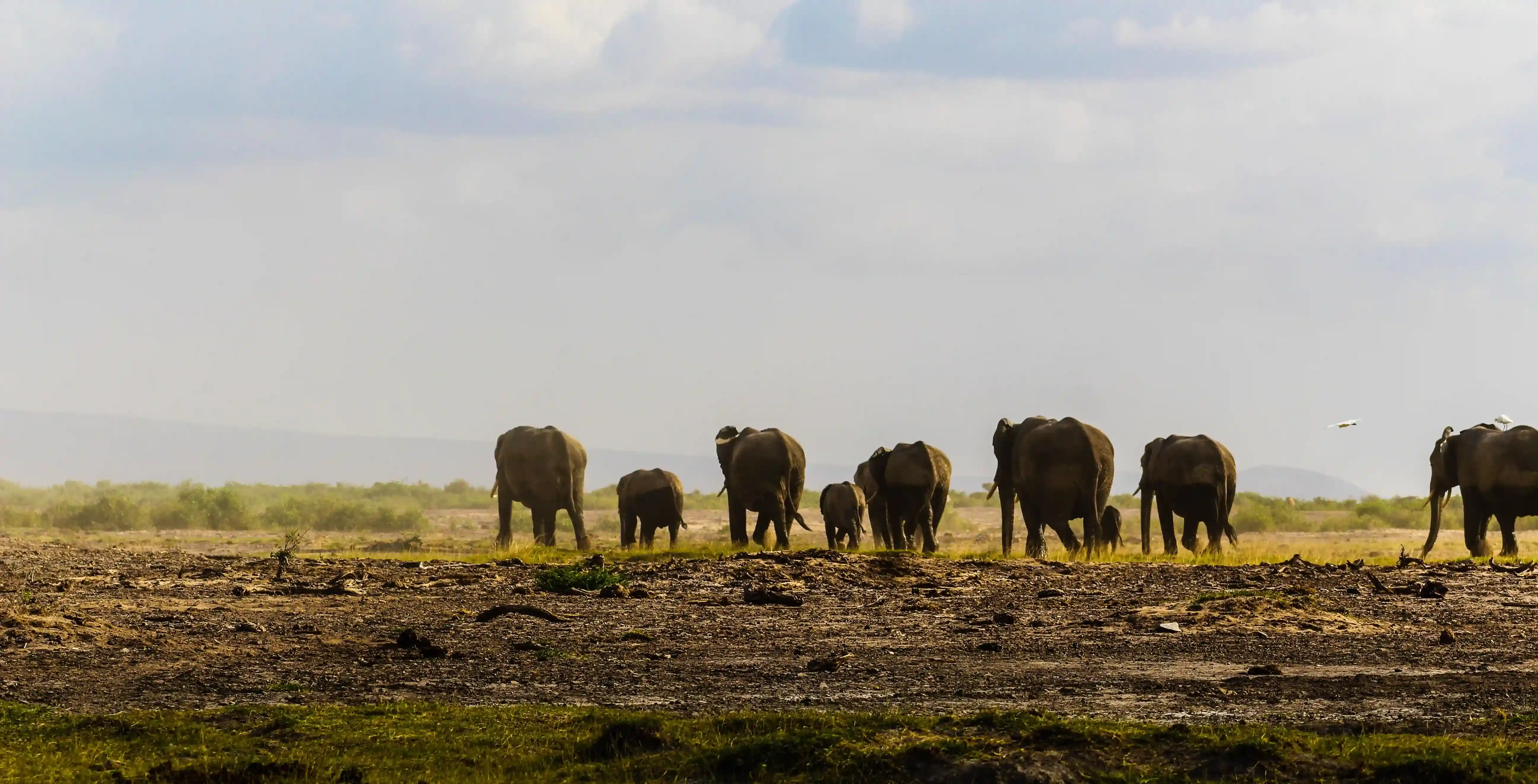
A boat safari in Nyerere changes the way you read the landscape. Instead of searching from a vehicle, you follow the river environment, watching shorelines, birdlife and the relationship between water and animals. The experience needs safe operating conditions and a realistic itinerary.
Book a boat safari for a different perspective on the Rufiji system, usually alongside game drives rather than as their replacement. Confirm the operating waterway, boat, safety equipment and weather policy; a river outing should never depend on approaching wildlife too closely.
Watch the relationship between the bank and the water
The boat changes your angle of observation. Watch birds using perches, animals approaching banks and the shape of channels rather than expecting a vehicle-drive species list from the water. The most informative outing may cover a modest distance with time to notice details.
| Detail | What it means for your trip |
|---|---|
| Operating waterway | Ask whether the route uses a river channel or a connected lake. |
| Wildlife context | Hippos and crocodiles require controlled distance and professional decisions. |
| Personal kit | Sun protection, accessible water and spray protection for equipment. |
| Weather plan | A clear change, rescheduling or cancellation arrangement. |
What you are actually booking
Ask whether the trip uses the main river, a channel or a lake connected with the wider system. Water level and the camp's location can change the operating area. The phrase Rufiji boat safari does not guarantee the exact same route on every date, and an alternative can be sensible when conditions require it.
Water levels and access from the accommodation can alter the route. Ask which section is practical on the day instead of assuming every Rufiji-labelled trip follows an identical channel.
Reading the banks from the water
A guide can help you identify birds, crocodiles and signs of animals using the shoreline. Keep expectations broad: elephants at the water are a possibility, not an appointment. Slow observation often adds more than a long distance travelled, especially when birds and habitat details interest you.
A river bird can reveal feeding behaviour or habitat use even when no large animal approaches. Let the guide explain those observations instead of using the whole outing to chase an elephant photograph.
Safety starts before boarding
Check lifejackets suitable for every passenger, loading limits, a capable operator and clear boarding instructions. Keep arms and equipment inside the boat and follow the guide's direction around hippos and crocodiles. Swimming is not part of a wildlife boat safari; ask where the permitted stops are instead.
Lifejackets should fit, and boarding assistance should match the party. Ask where the boat can stop; swimming around wildlife is not a routine add-on to a safari outing.
Fit the outing around the rest of the stay
Combine a morning drive and an afternoon boat outing only if there is enough time for a meal and rest. Confirm what happens if wind or water conditions cancel the departure. A multi-night stay provides more flexibility to reschedule than a brief excursion built around one fixed return flight.
A morning drive and a later boat activity work best with time for lunch and rest. If the return flight leaves early, the boat may belong on the arrival day or a longer stay.
Read the river outing as a separate safari activity
A boat creates a different viewing position from a vehicle. Banks, pools and shore birds become part of the scene, while access and behaviour determine what can be observed. Ask where the outing operates, how long it lasts and whether the programme changes with water conditions. A boat booking should not be treated as an automatic extra attached to every park admission or camp stay.
Check the vessel, passenger arrangement, fitting lifejackets, shade and supervision. Keep cameras protected from spray and follow the crew's boarding instructions. Wildlife viewing remains observation, not a request to approach every animal closely. Respect the crew's judgement around other vessels, banks and animals. Discuss how the boat fits between drives, meals and fixed transfers so it receives a worthwhile period rather than a rushed slot before a flight. If water conditions prevent the planned programme, the operator should explain the alternative and booking terms. The activity's value lies in a different habitat perspective, not a guaranteed encounter.
Read the southern landscape as part of the safari
Southern Tanzania is easier to understand through its habitats than through a list of park rankings. Open grassland favours broad scanning; woodland rewards searching shaded edges and listening; river environments invite attention to banks, pools and bird movement. A guide may spend a productive period in one habitat instead of driving constantly to cover an impressive distance.
For your own observations, compare three things: where water is accessible, where animals find shade, and where they can move between feeding areas. Watch behaviour before asking to move closer. An elephant drinking, a giraffe browsing or birds changing position around a pool can explain more than a quick photograph beside a species name. Nyerere, Mikumi and Ruaha should still have separate access and activity plans. Their shared southern-circuit label does not turn the journey between them into a short commute, or make a drive in one park equivalent to a boat outing in another.
An afternoon that complements a game drive
After a vehicle outing, a boat can introduce a quieter observation period with a different view of the landscape. That contrast is strongest when the group has rested and the crew can select a suitable route. Do not rush boarding merely to claim both experiences before a flight; a second night may give the activity the time it deserves.
- Confirm the waterway and duration with your camp.
- Check lifejacket fit, boarding assistance and passenger limits.
- Pack sun protection and protect camera equipment from spray.
- Agree on the weather cancellation or rescheduling arrangement.
Which option fits your priorities?
| Option | Who it suits | The main compromise |
|---|---|---|
| Boat plus game drive | Visitors seeking two ways to experience the landscape | Activities need separate confirmation and sufficient time. |
| Bird-focused outing | Patient travellers interested in river ecology | Choose a guide who can explain species and habitat. |
| Private boat arrangement | Families wanting suitable pacing and space | Confirm passenger limits and availability rather than assuming exclusivity. |
What to ask about the boat price
Confirm the boat, guide, activity-related permissions, duration, transfers from camp and refreshments. A private departure differs from sharing the regular outing. Ask whether the activity is included in the overnight package or optional, and how the provider handles a weather cancellation after other components have been paid.
A close wildlife photograph is never a reason to compromise boat distance or the operator's safety decision.
How to use this guide to plan a better trip
The details behind Nyerere Boat Safari: What to Expect on the Rufiji River become more useful when they are translated into real decisions: where time is spent, what must be confirmed before travel, and which details can remain flexible. Use the following field guide alongside the destination information above.


Make the route work before choosing the lodges
Begin with the actual journey, not the number of park names on a brochure. The route should show where you sleep each night, how long the principal transfers are likely to take, which gates or airstrips are involved and how much daylight remains for an unhurried drive. A scenic drive can be part of the experience, but it should not be sold as a flexible wildlife-viewing session. Ask which days are primarily travel days. If you have a short holiday, two nights in one promising wildlife area can be more memorable than checking off several distant parks while looking at the clock. Accommodations should support the route rather than dictate detours.
Ask what the safari day actually feels like
A good itinerary leaves space for patient wildlife watching, meals, washroom stops and a change of plan when something interesting happens. Discuss the start and finish of drives, whether they are private or shared, where lunch is taken, how many people share a viewing row and what the guide can adapt in response to weather, road conditions or seasonal movements. Early mornings can be rewarding, but a trip consisting only of very early starts and late arrivals can be exhausting. Children, photographers and travellers with limited mobility may each need a different pace. A thoughtful guide should explain those choices before the deposit is paid.
Understand the quotation, not only the headline price
Ask for a written, date-specific breakdown including accommodation level, meals, park and conservation fees, vehicle, driver-guide, domestic flights where relevant, airport transfers, luggage limitations and exclusions. Rates and government charges can change, and the final cost can also depend on nationality, residency, age and travel dates. Compare like with like: one itinerary may include more nights inside a reserve, better-positioned accommodation or a private vehicle, while another looks cheaper because important items are extras. Put cancellation rules, deposits, room types and the process for last-minute route changes in writing.
Pack with the rhythm of a game drive in mind
Carry a light fleece for dawn, breathable layers for the afternoon, a hat, sun protection, personal medication and a reusable water bottle where practical. Neutral, comfortable clothing works well for vehicle-based viewing; expensive specialty outfits are rarely necessary. Keep binoculars and a camera within reach, and bring a way to protect equipment from dust. Wildlife photography benefits from patience more than constant movement. Follow park guidance and your guide’s instructions at every sighting; animals determine their own movements and no ethical operator can guarantee a particular encounter.
Ask about tide and current conditions, visibility, boat safety, conservation practices and the guide-to-guest ratio. Avoid operators who touch, feed or chase marine wildlife. When an excursion is not safe, choose a rescheduled departure or an alternative experience rather than forcing the original plan.
Four decisions that change the experience
Use these prompts as a quick decision worksheet. Each one is linked to a detailed section in this guide, so you can revisit the evidence instead of making a choice from a short sales description.
Watch the relationship between the bank and the water
The boat changes your angle of observation. Watch birds using perches, animals approaching banks and the shape of channels rather than expecting a vehicle-drive species list from the water.
Explore this considerationWhat you are actually booking
Ask whether the trip uses the main river, a channel or a lake connected with the wider system. Water level and the camp's location can change the operating area.
Explore this considerationReading the banks from the water
A guide can help you identify birds, crocodiles and signs of animals using the shoreline. Keep expectations broad: elephants at the water are a possibility, not an appointment.
Explore this considerationSafety starts before boarding
Check lifejackets suitable for every passenger, loading limits, a capable operator and clear boarding instructions. Keep arms and equipment inside the boat and follow the guide's direction around hippos and crocodiles.
Explore this considerationQuestions worth sending before you book
Good planning emails are specific. You do not need a complicated spreadsheet; you need written answers to the points that could change your comfort, budget or available time. These questions help you turn the advice in this article into an itinerary or booking that is genuinely suitable for you.
- How does your suggested plan handle watch the relationship between the bank and the water for my exact travel dates?
- What would change if what you are actually booking became difficult because of weather, availability or my preferred pace?
- Could you explain how you approach reading the banks from the water and what is included in the price?
- Which alternative would you recommend if the main experience is unavailable, and what would that mean for transfers or costs?
- Can you list the total price, the important exclusions, deposit and cancellation rules, and any permits or fees that might change?
- What information do you need from me about mobility, ages, dietary requirements, interests and onward travel to make the plan more suitable?
Ask for a thoughtfully paced itinerary.
Send your travel month, number of guests, approximate budget and two experiences you care about most. You can use the questions above as a starting point.
Bring the details together before you decide
Your ideal version of Nyerere Boat Safari: What to Expect on the Rufiji River depends on your time, priorities and the conditions you will actually encounter. Start with the three questions below, then use the checklist to spot details that are often missing from a short description.
Watch the relationship between the bank and the water
The boat changes your angle of observation. Watch birds using perches, animals approaching banks and the shape of channels rather than expecting a vehicle-drive species list from the water.
Read this section ↗What you are actually booking
Ask whether the trip uses the main river, a channel or a lake connected with the wider system. Water level and the camp's location can change the operating area.
Read this section ↗Reading the banks from the water
A guide can help you identify birds, crocodiles and signs of animals using the shoreline. Keep expectations broad: elephants at the water are a possibility, not an appointment.
Read this section ↗Practical checks for this type of journey
- Confirm the real hours available for game drives, not only the number of days in the package.
- Check each overnight location against the next morning’s activity and transfer.
- Ask exactly what is included in park fees, meals, vehicle use and flight or road transfers.
- Leave a sensible buffer before onward travel and build in rest where needed.
Ask about tide and current conditions, visibility, boat safety, conservation practices and the guide-to-guest ratio. Avoid operators who touch, feed or chase marine wildlife. When an excursion is not safe, choose a rescheduled departure or an alternative experience rather than forcing the original plan.
Questions travellers actually ask
Does a river safari include swimming?
Not in wildlife waters as a routine activity. Follow the operator's rules and do not enter water around hippos or crocodiles.
Will I definitely see elephants from the boat?
No. Shoreline wildlife depends on movement and timing. Appreciate the river habitat and birds as part of the experience.
Can children join the boat?
Confirm the operator's age policy, correctly fitting lifejackets and boarding arrangements for the actual children.
Make the decision with the whole trip in mind
Choose the river outing for its different perspective, then give the crew suitable conditions and time. A successful boat safari reveals how the waterways work as wildlife habitat; it does not depend on the closest possible approach or completing a fixed photograph checklist.
Sources and further reading
TANAPA highlights the Rufiji's channels and lakes as settings for Nyerere boat safaris.
TANAPA: Nyerere National Park.Official and specialist references are linked below. Suggested schedules and worked budgets are clearly identified as planning examples; confirm date-sensitive operating conditions with the relevant provider.
Research reviewed on .
Turn the guide into a trip that fits you
Share your dates and priorities with Haven Trails for a suitable itinerary and a written breakdown of inclusions.
Discuss your itinerary Read more guides