
One day in Stone Town is best spent on a compact walking route with time for stories, food and shaded pauses. Its lanes remain part of a living town, so a thoughtful visit balances heritage sites with ordinary daily activity and realistic heat and transfer limits.
Begin with a guided historical walk, take a proper lunch break, spend the afternoon selectively and finish near the waterfront if the conditions and your return arrangement suit. Check which buildings are accessible on the day instead of promising entry to every famous landmark.
Follow a story instead of chasing every landmark
Stone Town's heritage reflects connections across the Indian Ocean, expressed through its lanes, buildings and waterfront. A useful day links places through interpretation and leaves room for ordinary town life. Select a few meaningful stops, check current access and plan shade. The perfect itinerary is adaptable, not a claim that every building is open and every hour must be filled.
| Detail | What it means for your trip |
|---|---|
| Morning | A manageable guided lane and market circuit. |
| History | One or two currently accessible sites with enough interpretation time. |
| Midday | A seated meal and a shaded pause. |
| Later | Selected waterfront or neighbourhood time and a confirmed return. |
Morning: streets, doors and context
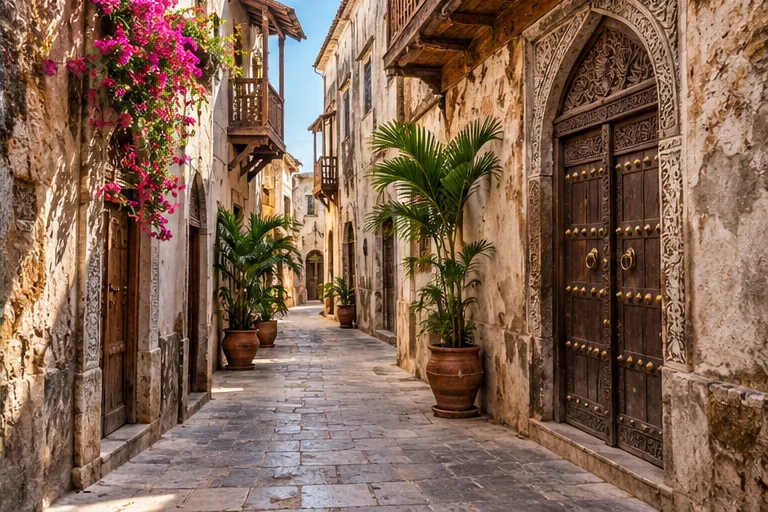
Start early enough to walk comfortably and let a guide connect architecture with the town's trading history. Observe carved doors, lanes and public spaces without blocking residents' access. Choose a manageable circuit rather than crisscrossing the town to tick off every name from a list.
Use the market area, carved doors and streets to ask how people worked and lived, rather than photographing every surface. Keep a compact route and let residents pass. A guide can connect architectural details to broader history while explaining where entry or photography is inappropriate.
Historical sites need current access checks
The Old Fort, former slave-market area and other landmarks can anchor a visit, but opening and restoration arrangements vary. Ask what is currently visitable and what is seen from outside. A respectful discussion of slavery and trade should allow time to understand the history rather than use it as a quick photo stop.
Landmarks such as the Old Fort, former palace area and House of Wonders can have changing access or restoration conditions. Ask which are entered and which are interpreted from outside. If visiting slavery-related history or a memorial, allow a thoughtful explanation rather than treating it as a hurried photo stop.
Midday: food and a shaded reset
Plan lunch and a rest away from the hottest walking period. Confirm dietary needs and choose a venue you can reach without another long transfer. Markets can be interesting but busy; ask before photographing vendors and separate a cultural visit from an assumption that every person must participate in your tour.
A shaded meal break is part of the itinerary, not wasted time. Choose food according to appetite and dietary needs, and keep drinking water available. Narrow lanes and warm conditions can make a short map distance feel more demanding than expected, especially with children or after a long arrival.
Afternoon and evening: choose selectively
Use the remaining time for a museum, shopping or another short guided section that genuinely interests you. A waterfront finish can be pleasant, but arrange the hotel return and avoid an unfamiliar late walk. If you are based on a distant beach, include the road journey before committing to a long evening programme.
Later, choose a waterfront pause or another short interest-led walk rather than returning to a list of everything missed. Agree the final pickup point and evening return if you stay for dinner. A crowded waterfront and an isolated walk back create different practical conditions.
Read Stone Town as a living town
A useful walk connects the narrow lanes, carved doors, waterfront and public buildings with the people who still use them. Avoid reducing the visit to a collection of door photographs. Ask the guide how trade, household life and changing uses of buildings shaped the area, and leave room for residents to pass through their own streets.
Choose a manageable circuit with a shaded break and one or two historical sites that are actually open. A restoration project or closure can change the plan, so ask what you will enter and what you will see from outside. In markets, ask before photographing vendors and do not assume everyone wants to explain their work to a tour group. When discussing slavery and other difficult history, give the subject time rather than turning a memorial into a hurried stop. Comfortable footwear and an organised return transfer improve the visit more than trying to cover every landmark in one hot afternoon.
What a respectful hosted experience should explain
A hosted village, food or cultural programme should tell you who agreed to the visit, what is included and how the fee benefits the people involved. Entering a residential place with a driver does not automatically establish an invitation. Ask which spaces and activities hosts choose to share, and accept private boundaries without negotiating for a photograph.
Photography needs its own consent. An entry fee or guide payment does not necessarily grant permission to record every person, home or conversation. Buy from willing makers at agreed prices if you want a souvenir, and avoid distributing gifts unpredictably, particularly to children. Ask thoughtful questions about work, change and daily life rather than testing whether a community looks like a travel brochure. Modern clothing, phones and tourism work do not invalidate people's identity. A worthwhile visit is one in which hosts retain control and visitors learn through an agreed encounter.
A one-day circuit with room to learn
As an illustrative order, begin with a guide-led market and lane walk, visit a currently open historical site, take lunch, then spend a shorter period around the Old Fort and waterfront. The guide should adjust for opening times and your interests. You may see fewer named places than a maximal itinerary, but understand more of what you do see.
- Morning: take a compact guided heritage walk.
- Midday: lunch and a shaded break.
- Afternoon: choose one further site or shopping interest.
- Evening: finish near the waterfront only with a reliable return plan.
Which option fits your priorities?
| Option | Who it suits | The main compromise |
|---|---|---|
| Guided heritage day | First-time visitors wanting history and navigation help | Choose current accessible sites and shaded breaks. |
| Short walk plus independent lunch | Travellers preferring a relaxed introduction | Save a clear meeting point and return plan. |
| Town overnight | Visitors wanting more unhurried time | Choose accommodation and evening transport carefully. |
Separate guide time, tickets and the meal
Ask whether the walking fee covers admissions or only guiding. Add hotel transport, food and any evening return. If a landmark is closed, clarify how the programme changes; an outside explanation should not be sold as an interior visit. Confirm the actual scope before comparing prices.
Historic building names do not guarantee entry. Ask about current closures, restoration and opening arrangements before fixing the route.
How to use this guide to plan a better trip
The details behind One Day in Stone Town: The Perfect Walking Itinerary become more useful when they are translated into real decisions: where time is spent, what must be confirmed before travel, and which details can remain flexible. Use the following field guide alongside the destination information above.

Choose a beach for your daily routine
Zanzibar is not a single beach experience. The north, east and southeast coastlines differ in tide exposure, village atmosphere, restaurant choice and the ease of swimming throughout the day. Ask for practical information about the specific stretch of shore, not only the resort name: where can you enter the water, what happens at low tide, and how far away are groceries, cafés or evening activities? A beautiful aerial photograph does not reveal an exposed reef flat, a long transfer or the noise of a lively beachfront. Those details matter more after five days than they do during five minutes of searching hotels.
Plan sea activities around conditions and ethics
Snorkelling, diving, boat trips and wildlife encounters are affected by sea state, tides, visibility and operator standards. Ask how guides choose the departure time, what happens when the water is unsuitable and which equipment and safety briefing are included. Do not assume marine wildlife will appear on demand or that getting closer makes an experience better. Avoid tours that chase dolphins or encourage contact with turtles and other wildlife. If you are not a confident swimmer, tell the operator in advance and ask about buoyancy aids, boat access and alternative viewpoints.
Allow room for culture beyond the resort
Stone Town, local food, markets, farming communities and village life give context to a beach holiday. Schedule cultural activities at a pace that lets you listen and participate respectfully rather than treating every stop as a photo opportunity. In public areas away from beaches, dress considerately and ask before photographing people. Opening hours and visitor access can be affected by local holidays or religious observances. A knowledgeable local guide can make the difference between simply seeing a door, spice plant or fishing boat and understanding what it means within the island’s history and everyday life.
Calculate the complete island day
For any excursion, account for hotel pickup, driving time, boat boarding if relevant, time at the attraction and the journey back. A route that seems short on a map may take longer during busy periods. Compare what a quoted price includes: transfer, entrance fees, equipment, guide, food, drinks and cancellation conditions. Keep a little open time between major activities. A rainy afternoon can become an opportunity to explore an indoor attraction or rest, while an unusually calm morning may be better spent on the water. Flexibility usually improves a Zanzibar holiday.
Leave space to learn about the people behind the place. Ask for locally led interpretation, agree before taking photos, and dress respectfully outside dedicated beach areas. Confirm observance-related opening hours and consider where your visit supports local guides, producers and communities.
Four decisions that change the experience
Use these prompts as a quick decision worksheet. Each one is linked to a detailed section in this guide, so you can revisit the evidence instead of making a choice from a short sales description.
Follow a story instead of chasing every landmark
Stone Town's heritage reflects connections across the Indian Ocean, expressed through its lanes, buildings and waterfront. A useful day links places through interpretation and leaves room for ordinary town life.
Explore this considerationMorning: streets, doors and context
Start early enough to walk comfortably and let a guide connect architecture with the town's trading history. Observe carved doors, lanes and public spaces without blocking residents' access.
Explore this considerationHistorical sites need current access checks
The Old Fort, former slave-market area and other landmarks can anchor a visit, but opening and restoration arrangements vary. Ask what is currently visitable and what is seen from outside.
Explore this considerationMidday: food and a shaded reset
Plan lunch and a rest away from the hottest walking period. Confirm dietary needs and choose a venue you can reach without another long transfer.
Explore this considerationQuestions worth sending before you book
Good planning emails are specific. You do not need a complicated spreadsheet; you need written answers to the points that could change your comfort, budget or available time. These questions help you turn the advice in this article into an itinerary or booking that is genuinely suitable for you.
- How does your suggested plan handle follow a story instead of chasing every landmark for my exact travel dates?
- What would change if morning: streets, doors and context became difficult because of weather, availability or my preferred pace?
- Could you explain how you approach historical sites need current access checks and what is included in the price?
- Which alternative would you recommend if the main experience is unavailable, and what would that mean for transfers or costs?
- Can you list the total price, the important exclusions, deposit and cancellation rules, and any permits or fees that might change?
- What information do you need from me about mobility, ages, dietary requirements, interests and onward travel to make the plan more suitable?
Ask for a thoughtfully paced itinerary.
Send your travel month, number of guests, approximate budget and two experiences you care about most. You can use the questions above as a starting point.
Bring the details together before you decide
Your ideal version of One Day in Stone Town: The Perfect Walking Itinerary depends on your time, priorities and the conditions you will actually encounter. Start with the three questions below, then use the checklist to spot details that are often missing from a short description.
Follow a story instead of chasing every landmark
Stone Town's heritage reflects connections across the Indian Ocean, expressed through its lanes, buildings and waterfront. A useful day links places through interpretation and leaves room for ordinary town life.
Read this section ↗Morning: streets, doors and context
Start early enough to walk comfortably and let a guide connect architecture with the town's trading history. Observe carved doors, lanes and public spaces without blocking residents' access.
Read this section ↗Historical sites need current access checks
The Old Fort, former slave-market area and other landmarks can anchor a visit, but opening and restoration arrangements vary. Ask what is currently visitable and what is seen from outside.
Read this section ↗Practical checks for this type of journey
- Confirm how tide and sea conditions change the attraction on your chosen dates.
- Ask how long the round-trip transfer takes and what the excursion price includes.
- Choose water activities with strong safety standards and respectful wildlife practices.
- Leave time for local culture and unscheduled beach hours rather than stacking activities.
Leave space to learn about the people behind the place. Ask for locally led interpretation, agree before taking photos, and dress respectfully outside dedicated beach areas. Confirm observance-related opening hours and consider where your visit supports local guides, producers and communities.
Questions travellers actually ask
Can I assume every landmark is open?
No. Restoration, opening hours and local arrangements can change.
Is a guide necessary for a worthwhile day?
A guide can add interpretation and route coordination; choose according to your interests and comfort.
Should I attempt every museum in one day?
Select a few meaningful stops with shade and breaks rather than rushing the whole town.
Make the decision with the whole trip in mind
Let the day have a coherent story and a comfortable pace. Stone Town is more informative when you give places and people attention rather than turning its heritage into a race.
Sources and further reading
UNESCO recognises Stone Town as a Swahili coastal trading town with intertwined cultural and architectural influences.
UNESCO: Stone Town of Zanzibar.Official and specialist references are linked below. Suggested schedules and worked budgets are clearly identified as planning examples; confirm date-sensitive operating conditions with the relevant provider.
Research reviewed on .
Turn the guide into a trip that fits you
Share your dates and priorities with Haven Trails for a suitable itinerary and a written breakdown of inclusions.
Discuss your itinerary Read more guides