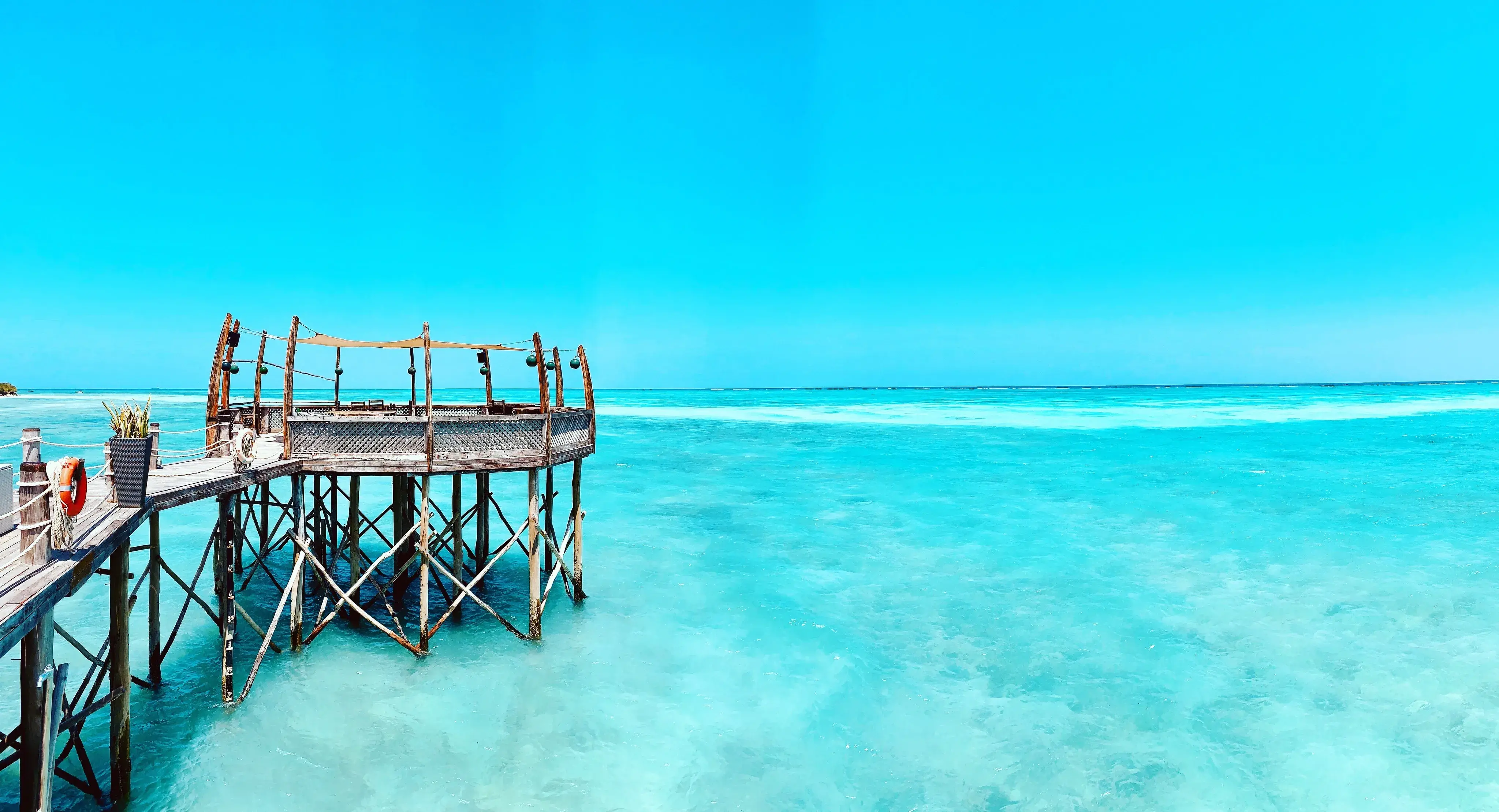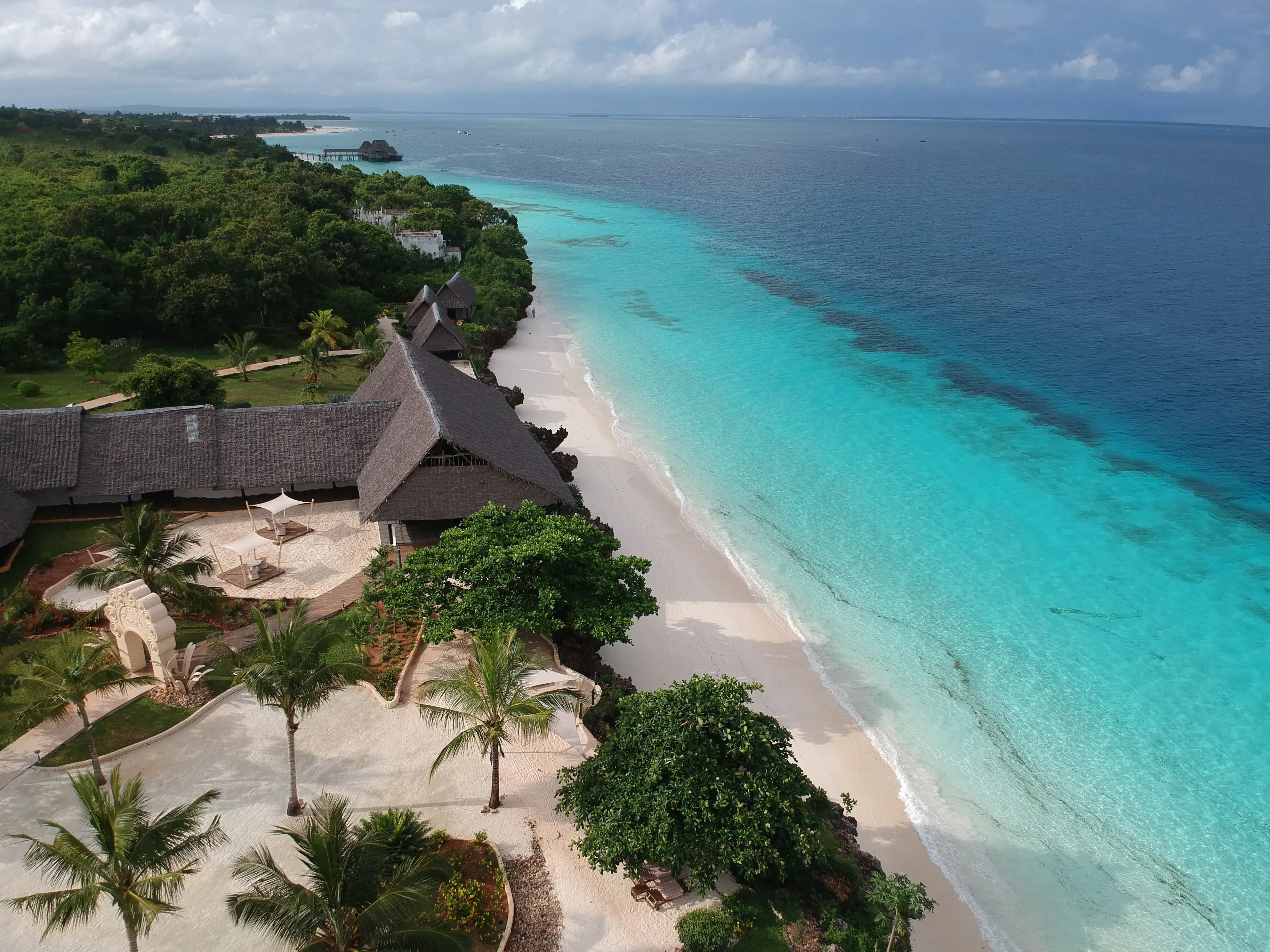
Pemba and Unguja, commonly called Zanzibar, can offer different diving holidays. The decision should begin with experience, preferred sites, boat conditions and the dive centre's actual programme rather than an assumption that one island is universally better underwater.
Consider Unguja for a broad choice of holiday bases and accessible dive or snorkel arrangements. Consider Pemba when its quieter setting and suitable dive programme match your experience. Ask the dive centre to recommend sites for your ability and the actual conditions, especially where currents are involved.
A diving destination is not one difficulty level
Pemba is associated with rewarding reefs, walls and more specialised travel logistics, while Unguja offers a wider range of holiday bases and water programmes. Neither island has one universal underwater experience. Compare actual sites and centre support for your qualification and confidence. Snorkelling requires its own suitability discussion rather than inheriting a diver's recommendation.
| Detail | What it means for your trip |
|---|---|
| Experience | Certification, recent practice and water confidence. |
| Site | Depth, current and the intended programme. |
| Support | Briefing, supervision, equipment and response arrangements. |
| Travel | Boat access, accommodation and time before flying or altitude exposure. |
Diving and snorkelling need different comparisons
A dramatic wall dive is not necessarily the best place for a novice snorkeller. Ask about entry, depth, current and supervision for the activity you actually want. Compare the centre's guided programme rather than choosing an island because a skilled diver praised a site that would not suit your party.
Ask the centre which sites suit your experience on the planned dates. A wall or current-driven dive attractive to one person may be inappropriate for another. PADI describes varied archipelago sites and notes currents; do not translate a general destination description into permission to dive a particular location.
Centre quality and site selection
Check staff qualifications, equipment condition, group size and procedures for assessing experience. Explain how recently you last dived and any need for a refresher. A responsible centre can change sites with weather and ability; that flexibility matters more than promising the same location on every departure.
Check equipment sizing, rental condition and the actual supervision arrangement. If you have not dived recently, discuss a suitable refresher or assessment. A partner who snorkels needs a separate programme and comfortable boat option; a dive departure does not automatically include a supervised snorkelling experience.
Accommodation and transfer logistics
Some Pemba stays require a more detailed airport and boat transfer arrangement, while Unguja offers a different range of bases. Ask the property and dive centre to coordinate pickup, gear storage and departure times. An excellent underwater programme loses value if the daily access journey is unnecessarily awkward.
Pemba's airport-to-accommodation and boat access can add distinct handovers. Ask who meets each service and whether your bags comply with the booked flight. A dedicated dive-focused stay may fit well, while a short general beach holiday can lose valuable time through extra connections.
Flying and altitude after diving
Plan the post-dive interval for flights or high-altitude activities using qualified guidance appropriate to the dive profile. Do not treat a Zanzibar-to-mainland hop as exempt because it is short. If Kilimanjaro or another mountain follows, explain the whole itinerary to the relevant professionals before finalising the sequence.
Discuss flying and later mountain travel with the centre and appropriate medical guidance. Required intervals depend on the diving and exposure, so do not invent one universal holiday rule. Report any concerning post-dive symptoms and obtain assessment rather than boarding simply because the next ticket is booked.
Assess the boat day before assessing the photograph
A useful booking specifies the vessel, boarding point, passenger capacity, appropriately fitting lifejackets, shade, water and the return arrangement. Ask who supervises snorkelling and whether a non-swimmer can remain comfortably aboard. If a child travels, provide the age and size so safety equipment can be checked rather than assumed from a discounted ticket.
Tide, wind and visibility can change the route or the practical time at a sandbank or reef. Agree what happens when the original site is unsuitable: an alternative, a reschedule or a cancellation under the provider's terms. Keep equipment protected from spray and board according to the crew's instructions. Dolphins, turtles and other wildlife are possibilities rather than scheduled attractions. Avoid an operator whose central promise depends on chasing animals or encouraging visitors to enter the water in a way that overwhelms wildlife or exceeds their swimming confidence.
Plan for a changing shoreline rather than a fixed swimming hour
The practical effect of the tide depends on the shape of the local shore. A broad shallow reef flat can expose a large area at low water, while a different frontage gives access to deeper water sooner. Ask about the exact hotel beach and its entry point, not just the name of the coast. A pool can make a tide-aware holiday easier without replacing the interest of the sea.
Use the tide information for your dates and location. A swimming hour suggested by someone who visited another week is not a permanent daily rule. Wider and smaller tidal ranges also occur over the lunar cycle; spring tide does not refer to the spring season. Treat exposed reef habitat respectfully and follow local advice on walking routes. Even at a beach known for convenient swimming, currents and weather can make a particular time unsuitable. Convenience and safety remain separate questions.
Two travellers may need two different programmes
A qualified diver looking for challenging sites and a partner wanting relaxed snorkelling can stay together while booking different suitable activities. Ask whether the accommodation supports both and how boat departures work. The island should fit the whole party, not only the person with the most ambitious underwater objective.
- Describe dive experience and snorkelling ability.
- Choose a centre with clear assessment and equipment procedures.
- Coordinate accommodation and daily boat access.
- Plan flight and altitude intervals after diving.
Which option fits your priorities?
| Option | Who it suits | The main compromise |
|---|---|---|
| Unguja dive holiday | Visitors combining diving with a wider Zanzibar programme | Choose the centre and sites for your experience. |
| Pemba-focused stay | Travellers wanting its quieter setting and suitable dive plan | Transfer and current-related site selection need attention. |
| Guided snorkelling | Visitors enjoying reefs without a scuba itinerary | Confirm appropriate sites and in-water supervision. |
Count the complete dive holiday
Include flights, transfers, accommodation, actual dive package, rentals and any refresher. Ask about weather-related site changes and cancelled departures. A lower per-dive rate can be offset by additional travel, while a specialist centre may provide value through suitable support rather than the largest number of dives advertised.
A dive site's reputation does not prove it suits a beginner or a snorkeller. Currents and conditions need a qualified local assessment.
How to use this guide to plan a better trip
The details behind Pemba vs Zanzibar for Diving and Snorkeling become more useful when they are translated into real decisions: where time is spent, what must be confirmed before travel, and which details can remain flexible. Use the following field guide alongside the destination information above.

Choose a beach for your daily routine
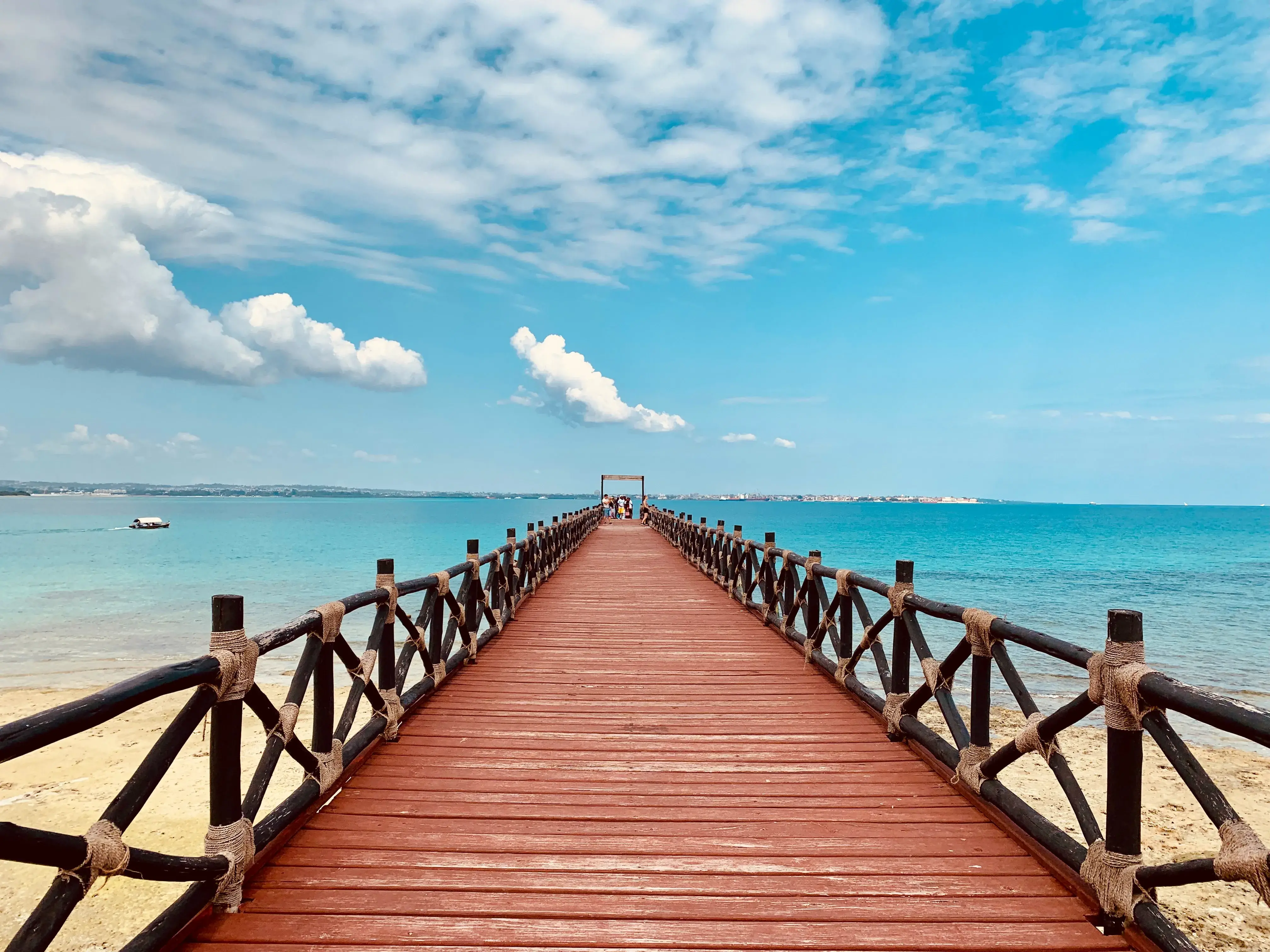
Zanzibar is not a single beach experience. The north, east and southeast coastlines differ in tide exposure, village atmosphere, restaurant choice and the ease of swimming throughout the day. Ask for practical information about the specific stretch of shore, not only the resort name: where can you enter the water, what happens at low tide, and how far away are groceries, cafés or evening activities? A beautiful aerial photograph does not reveal an exposed reef flat, a long transfer or the noise of a lively beachfront. Those details matter more after five days than they do during five minutes of searching hotels.
Plan sea activities around conditions and ethics
Snorkelling, diving, boat trips and wildlife encounters are affected by sea state, tides, visibility and operator standards. Ask how guides choose the departure time, what happens when the water is unsuitable and which equipment and safety briefing are included. Do not assume marine wildlife will appear on demand or that getting closer makes an experience better. Avoid tours that chase dolphins or encourage contact with turtles and other wildlife. If you are not a confident swimmer, tell the operator in advance and ask about buoyancy aids, boat access and alternative viewpoints.
Allow room for culture beyond the resort
Stone Town, local food, markets, farming communities and village life give context to a beach holiday. Schedule cultural activities at a pace that lets you listen and participate respectfully rather than treating every stop as a photo opportunity. In public areas away from beaches, dress considerately and ask before photographing people. Opening hours and visitor access can be affected by local holidays or religious observances. A knowledgeable local guide can make the difference between simply seeing a door, spice plant or fishing boat and understanding what it means within the island’s history and everyday life.
Calculate the complete island day
For any excursion, account for hotel pickup, driving time, boat boarding if relevant, time at the attraction and the journey back. A route that seems short on a map may take longer during busy periods. Compare what a quoted price includes: transfer, entrance fees, equipment, guide, food, drinks and cancellation conditions. Keep a little open time between major activities. A rainy afternoon can become an opportunity to explore an indoor attraction or rest, while an unusually calm morning may be better spent on the water. Flexibility usually improves a Zanzibar holiday.
Ask about tide and current conditions, visibility, boat safety, conservation practices and the guide-to-guest ratio. Avoid operators who touch, feed or chase marine wildlife. When an excursion is not safe, choose a rescheduled departure or an alternative experience rather than forcing the original plan.
Four decisions that change the experience
Use these prompts as a quick decision worksheet. Each one is linked to a detailed section in this guide, so you can revisit the evidence instead of making a choice from a short sales description.
A diving destination is not one difficulty level
Pemba is associated with rewarding reefs, walls and more specialised travel logistics, while Unguja offers a wider range of holiday bases and water programmes. Neither island has one universal underwater experience.
Explore this considerationDiving and snorkelling need different comparisons
A dramatic wall dive is not necessarily the best place for a novice snorkeller. Ask about entry, depth, current and supervision for the activity you actually want.
Explore this considerationCentre quality and site selection
Check staff qualifications, equipment condition, group size and procedures for assessing experience. Explain how recently you last dived and any need for a refresher.
Explore this considerationAccommodation and transfer logistics
Some Pemba stays require a more detailed airport and boat transfer arrangement, while Unguja offers a different range of bases. Ask the property and dive centre to coordinate pickup, gear storage and departure times.
Explore this considerationQuestions worth sending before you book
Good planning emails are specific. You do not need a complicated spreadsheet; you need written answers to the points that could change your comfort, budget or available time. These questions help you turn the advice in this article into an itinerary or booking that is genuinely suitable for you.
- How does your suggested plan handle a diving destination is not one difficulty level for my exact travel dates?
- What would change if diving and snorkelling need different comparisons became difficult because of weather, availability or my preferred pace?
- Could you explain how you approach centre quality and site selection and what is included in the price?
- Which alternative would you recommend if the main experience is unavailable, and what would that mean for transfers or costs?
- Can you list the total price, the important exclusions, deposit and cancellation rules, and any permits or fees that might change?
- What information do you need from me about mobility, ages, dietary requirements, interests and onward travel to make the plan more suitable?
Ask for a thoughtfully paced itinerary.
Send your travel month, number of guests, approximate budget and two experiences you care about most. You can use the questions above as a starting point.
Bring the details together before you decide
Your ideal version of Pemba vs Zanzibar for Diving and Snorkeling depends on your time, priorities and the conditions you will actually encounter. Start with the three questions below, then use the checklist to spot details that are often missing from a short description.
A diving destination is not one difficulty level
Pemba is associated with rewarding reefs, walls and more specialised travel logistics, while Unguja offers a wider range of holiday bases and water programmes. Neither island has one universal underwater experience.
Read this section ↗Diving and snorkelling need different comparisons
A dramatic wall dive is not necessarily the best place for a novice snorkeller. Ask about entry, depth, current and supervision for the activity you actually want.
Read this section ↗Centre quality and site selection
Check staff qualifications, equipment condition, group size and procedures for assessing experience. Explain how recently you last dived and any need for a refresher.
Read this section ↗Practical checks for this type of journey
- Confirm how tide and sea conditions change the attraction on your chosen dates.
- Ask how long the round-trip transfer takes and what the excursion price includes.
- Choose water activities with strong safety standards and respectful wildlife practices.
- Leave time for local culture and unscheduled beach hours rather than stacking activities.
Ask about tide and current conditions, visibility, boat safety, conservation practices and the guide-to-guest ratio. Avoid operators who touch, feed or chase marine wildlife. When an excursion is not safe, choose a rescheduled departure or an alternative experience rather than forcing the original plan.
Questions travellers actually ask
Is every Pemba site suitable for beginners?
No. Assess the actual depth, current and supervision with the centre.
Can snorkellers simply join any dive boat?
Do not assume so. Confirm a suitable separate arrangement.
Can I fly immediately after diving?
Plan the appropriate interval with the centre and relevant medical guidance; do not treat the flight timetable as clearance.
Make the decision with the whole trip in mind
Choose a centre and programme before choosing an underwater reputation. Suitable sites, practical support and coherent onward travel create the rewarding water holiday.
Sources and further reading
Official and specialist references are linked below. Suggested schedules and worked budgets are clearly identified as planning examples; confirm date-sensitive operating conditions with the relevant provider.
- PADI: diving the Zanzibar archipelago
- CDC Yellow Book: air travel and diving intervals
- andBeyond: Mnemba Island
- CDC Yellow Book: scuba diving and decompression
Research reviewed on .
Turn the guide into a trip that fits you
Share your dates and priorities with Haven Trails for a suitable itinerary and a written breakdown of inclusions.
Discuss your itinerary Read more guides