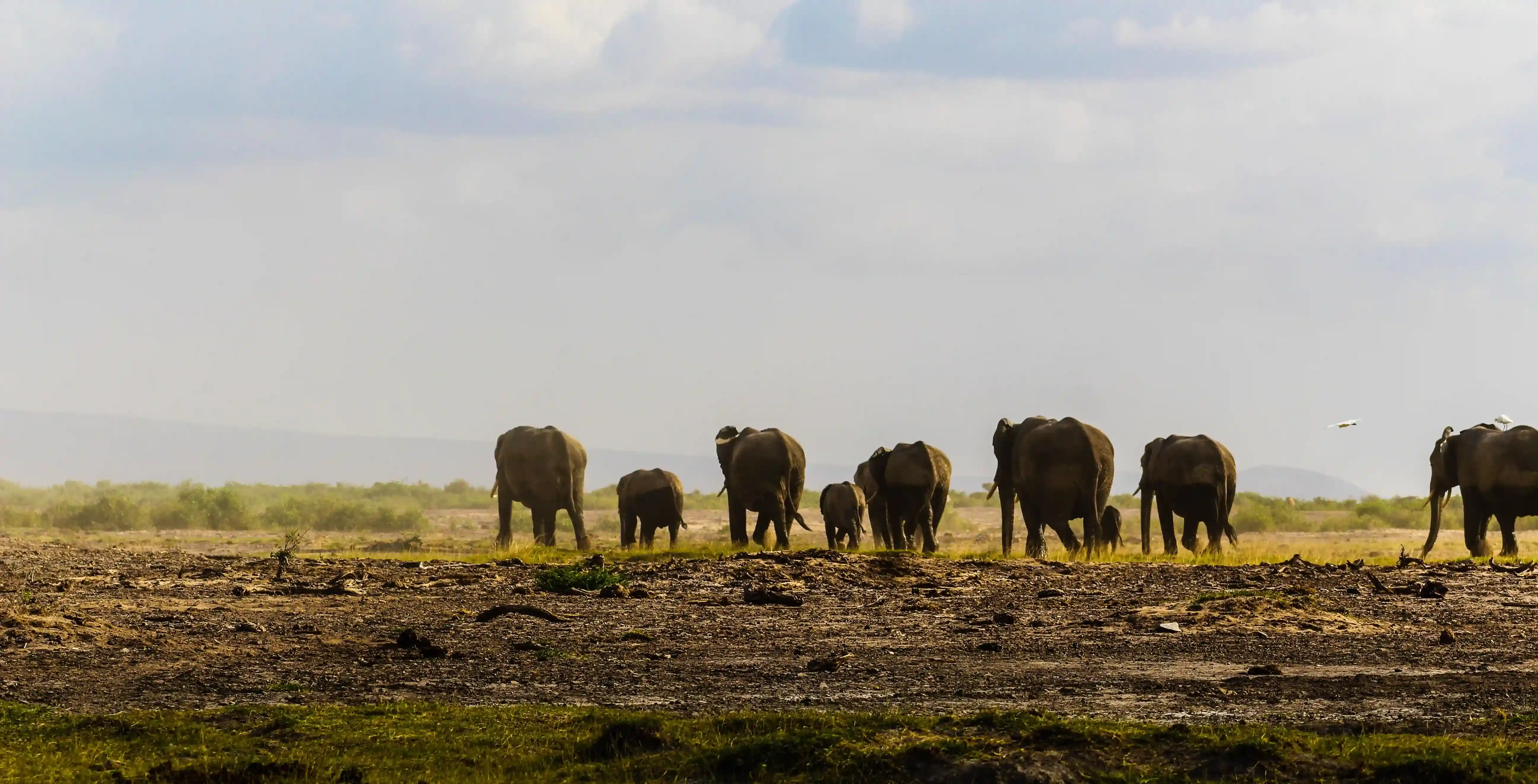
Lion, leopard, elephant, buffalo and rhinoceros make up the familiar Big Five list. Seeing all five can be an exciting possibility on a suitable Tanzania itinerary, but the label is not a guarantee or a complete measure of safari quality. Design the route for good habitat and repeat observation rather than a compulsory five-item result.
A well-chosen northern itinerary can offer opportunities for all five, while some destinations do not provide equivalent chances for every species. Rhino and leopard expectations need particular care. No operator can guarantee wild sightings, even when the planned parks support the animals.
Keep the expectations specific
| Detail | What it means for your trip |
|---|---|
| Species | Lion, leopard, elephant, buffalo and rhinoceros. |
| Route | Destinations must fit the actual species objectives. |
| Time | Repeat viewing offers opportunities, not guarantees. |
| Ethics | Observation must remain within access and wildlife rules. |
Meet the five, and what each one asks of you
Each animal on the list behaves differently and favours different habitat. Understanding that is more useful than a checklist, because it tells you where and when to look.
| Animal | Where and how it lives | How to approach the search |
|---|---|---|
| Lion | Lives in prides on open plains and woodland edges. Often rests through the heat of the day. | Early and late drives; scan shade, kopjes and the edges of waterholes. |
| Leopard | Solitary, nocturnal and skilled at hiding. Uses trees, rocky outcrops and riverine woodland. | Allow several drives; look up into branches and along river lines with a guide who knows the area. |
| Elephant | Gathers in family herds near water and food. Easy to find in good elephant country. | Choose parks known for elephants and enjoy extended observation of behaviour. |
| Buffalo | Forms large herds and solitary old bulls. Found in many habitats near water. | Usually straightforward; watch for the lone bulls and for predator interest. |
| Rhinoceros | Black rhino survive in a small number of places and are naturally wary. | Choose a destination that supports them and accept that sightings can be distant. |
This is a planning aid, not a statistic. Sightings depend on the season, the area and plain luck, and no guide can promise any species.
The list should not replace understanding wildlife
The Big Five label comes from historical hunting terminology, not a modern ecological ranking of the most important animals. Giraffes, wild dogs, cheetahs, birds and smaller species remain worthwhile. A safari that teaches behaviour and habitat can be exceptional even without a complete checklist, while a rushed five-species count can miss much of the experience.
Match species expectations to the actual destinations
Serengeti and Ngorongoro can contribute to a northern plan, while other parks create different species opportunities. Ask the guide how the route supports your priorities without demanding certainty. Do not sell a destination as equivalent for all five simply because it is excellent for elephants, plains wildlife or river activities.
Give rare or elusive sightings room without pressure
A distant rhino observation may remain distant for good conservation and safety reasons. A leopard may be concealed while the party passes nearby. Ask about appropriate viewing areas and allow repeated periods, but do not request off-road access, crowding or interference to complete the list. Quality observation can be brief, quiet and respectful.
Evaluate the whole programme if one species remains unseen
Choose worthwhile camps and varied habitats so the trip still succeeds when luck differs. Additional days can add opportunities, not certainty. If comparing a managed rhino experience with wild viewing, describe that distinction honestly; both may have interest, but they are different programmes and should not be counted as identical encounters without explanation.
Where each region fits the list
No single park suits all five equally. This table shows how common northern-circuit areas contribute, so you can decide which combination matches your priorities.
| Area | Usually rewarding for | Harder to promise |
|---|---|---|
| Central Serengeti | Lion, buffalo, elephant, and a strong reputation for leopard in suitable habitat. | Rhino; sightings depend on a small, protected population. |
| Ngorongoro Crater | Lion, buffalo, elephant and the best-known chance of a wild black rhino, often at a distance. | Leopard; the crater floor is open and the time limit is fixed. |
| Tarangire | Elephant above all, plus lion, buffalo and dry-season concentrations along the river. | Rhino, which is not part of the park’s normal wildlife. |
| Lake Manyara | Elephant, buffalo and woodland scenery, with a reputation for lions that rest in trees. | Rhino and, usually, a reliable leopard sighting. |
Why repeated chances matter more than a guarantee
A wildlife guide works with an open environment. Tracks, habitat, calls and recent information can improve a search, but they do not fix an animal in one place for your arrival. A long checklist is therefore less useful than choosing an appropriate region and giving the guide more than one opportunity to explore it.
Decide which encounters are essential interests and which are welcome possibilities. If finding a rare predator is central to the holiday, concentrate nights instead of adding distant destinations. Agree what makes a quiet day worthwhile: birds, animal behaviour, a different habitat or landscape interpretation. Never ask for sensitive den coordinates, a departure from authorised roads or an unsafe approach. Conservation restrictions can limit access precisely because an animal is vulnerable. Respecting that limit is part of observing wildlife responsibly, rather than a sign that your guide has failed to provide the promised product.
A better wildlife encounter is usually a quieter one
When the guide stops, watch the animal before changing camera settings or asking to reposition. Which way is it facing? Is it feeding, resting, guarding young or deciding where to move? A vehicle placed across that route can change behaviour and diminish the encounter for everyone. Leave the guide room to choose a respectful position and to move away when an animal appears unsettled.
A shared vehicle also works better with simple agreements. Rotate good viewing positions fairly where practicable, keep bags out of other passengers' space, and explain if a long camera lens or mobility requirement affects your seat. Listen when the guide asks for quiet: a call or movement can reveal an animal you have not seen. Do not measure the day by how close the vehicle gets. A calm, extended observation often provides more understanding—and more useful photographs—than a crowded encounter that ends as soon as the animal leaves.
Three location questions that prevent a misplaced booking
Ask where the accommodation is physically located, which airstrip or gate serves it, and which viewing area the guide can practically reach each day. These are different questions. A camp described as Serengeti may be in the wider ecosystem or an adjacent protected area; a camp inside the national park can still be far from the seasonal area you have in mind.
Use a regional plan rather than a single park-wide promise. Central Seronera is a useful reference point for central accommodation; Kogatende helps orient a northern plan; the southern plains require careful checking of seasonal camp positions and protected-area boundaries. When a camp moves seasonally, confirm its position for your dates, not the location in an old brochure. The ordinary wildlife around the camp matters too. A stay should provide rewarding drives if the herd, crossing or predator encounter you hoped for does not appear on schedule.
A five-day route designed around the list
If the Big Five is a genuine priority, build the route to improve the odds without making promises. This sample shows how the focus of each day could change. It is an illustration, not a quote.
Elephants and buffalo
A relaxed start in elephant country, with time to watch behaviour and look for lion near the river.
Towards the crater rim
A travel day with a short, sensible wildlife stop and an early night before the descent.
The crater morning
The best-known chance of black rhino, plus lion and buffalo in the open caldera. The time on the floor is limited, so start early.
Leopard country
Slow drives along rivers and rocky outcrops, with patient scanning of trees and shaded ground.
A flexible final drive
Return to the best habitat you found, with the guide free to repeat a productive area.
At the end of each drive, discuss one observation in detail: what the animal was doing, why it was there and what you noticed. This makes the trip richer even on a day when a name is missing.
A checklist becomes a better observation notebook
Write the five names, then add a place for behaviour, habitat and distance. Also record memorable species outside the list. At the end of each drive, discuss one observation in detail rather than only the missing animal. This keeps the original excitement while preventing the final day from becoming a pressured chase for a sighting the guide cannot manufacture.
- State the wildlife interests beyond the label.
- Select complementary habitats and enough time.
- Keep rare-species expectations flexible.
- Respect viewing and conservation rules.
Beyond the Big Five: other lists worth knowing
The Big Five is only one way to organise a safari, and it was not designed for visitors who want to understand wildlife. These alternatives widen the lens and remind you that the quieter animals are often the most interesting.
| List | What it includes | Why it helps |
|---|---|---|
| The Little Five | Elephant shrew, buffalo weaver, leopard tortoise, rhinoceros beetle and ant lion. | Encourages you to slow down and notice small details close to the vehicle or camp. |
| The “Ugly Five” | Wildebeest, warthog, marabou stork, spotted hyena and vulture. | A good-humoured reminder that every animal has a role in the ecosystem. |
| Your own list | Any species, behaviour or habitat you personally want to understand. | Turns the safari into an observation project rather than a race. |
Timing: when the odds improve
General viewing conditions are easiest in the dry months, when animals gather near water and the vegetation is thinner. The migration and the calving period add another layer in the Serengeti, but they do not change which animals you can find. Use this strip for overall viewing conditions, then check the region you plan to visit.
A checklist tells you what you wanted to see. A good guide shows you what you didn’t know to look for.Haven Trails planning principle
Two assumptions to put down
Seeing all five is the mark of a successful safari.
The label comes from an older hunting tradition. A trip is successful when the habitat, behaviour and time spent leave you understanding more than when you arrived.
A longer safari will certainly deliver the rhino.
More time brings more opportunities, but rhinos are rare, wary and protected. A distant sighting is a normal and responsible outcome.
Which approach fits your priorities?
| Option | Who it suits | The main consideration |
|---|---|---|
| Northern multi-night route | Travellers wanting varied Big Five opportunities | Keep rhino and leopard expectations realistic. |
| Focused single-park stay | Visitors prioritising depth in one habitat | May not address every species equally. |
| Managed specialist visit | Travellers considering a particular animal programme | Distinguish it clearly from wild viewing. |
Costs and practical details
Compare duration, camp region, guide and vehicle scope rather than paying for a guaranteed Big Five claim. Specialist visits need their own permissions and charges. A longer itinerary may be worthwhile for depth, but the additional price should describe actual services, not a promised wild outcome.
The presence of a species in a protected area does not establish a sighting on your particular safari.
How to use this guide to plan a better trip
The details behind Can You See Africa's Big Five in One Tanzania Safari? become more useful when they are translated into real decisions: where time is spent, what must be confirmed before travel, and which details can remain flexible. Use the following field guide alongside the destination information above.


Think in habitats rather than guarantees
The most interesting sighting begins with understanding where an animal lives, feeds and rests. Open plains, rocky outcrops, river systems, wetlands and woodlands reward different search strategies. Ask what habitats the day’s route will cover and why the guide recommends them for your season. Animals move freely; a famous park or a popular photograph cannot promise an encounter. When the expected species is absent, attentive viewing may reveal tracks, birds, smaller mammals or behaviours that are just as memorable. A good guide interprets what you see rather than chasing the same headline animal for hours.
Leave time to watch natural behaviour
Wildlife viewing becomes richer when the vehicle can stop, engines can be switched off where permitted, and people observe quietly. Notice how animals respond to wind, shade, water, other species and changing light. Binoculars allow a closer look without approaching physically; an attentive guide can explain warning calls, feeding patterns or the importance of a particular habitat. Photography is rewarding, but viewing through a lens for an entire sighting can make it harder to absorb the experience. Agree with other travellers on a comfortable balance between photographs and uninterrupted observation.
Understand seasons without reducing them to one calendar
Dry periods often make water sources and shorter vegetation important, while greener months may offer bird activity, fresh landscapes and different movement patterns. These are tendencies, not fixed dates or assured locations. Migration is especially mobile: herds follow conditions rather than an itinerary printed months ahead. Ask about recent local reports and how an operator could adjust a route if wildlife has shifted. A seasonal recommendation should also account for crowding, available accommodation, road access and your tolerance for rain or dust. The best month is the one that fits what you want to observe.
Let conservation rules shape the safari
Do not request off-road driving where it is not allowed, blocking an animal’s path or crowding a sighting. Remain in the vehicle where required and follow your guide’s advice about distance and noise. Responsible experiences support protected areas and leave animals able to behave normally. For specialised wildlife activities, ask about guide expertise, permitted zones and what happens if the conditions are not suitable. Travelling with these expectations in mind improves both safety and the quality of the encounter. Your photographs should document the wild moment, not an encounter manufactured for the camera.
Compare each suggestion with your dates, interests, physical comfort, budget and appetite for busy days. Ask a local specialist which assumptions they would change for your group, and why. The best advice explains trade-offs instead of pretending one plan suits every traveller.
Four decisions that change the experience
Use these prompts as a quick decision worksheet. Each one is linked to a detailed section in this guide, so you can revisit the evidence instead of making a choice from a short sales description.
Keep the expectations specific
Each animal on the list behaves differently and favours different habitat. Understanding that is more useful than a checklist, because it tells you where and when to look.
Explore this considerationMeet the five, and what each one asks of you
Each animal on the list behaves differently and favours different habitat. Understanding that is more useful than a checklist, because it tells you where and when to look.
Explore this considerationThe list should not replace understanding wildlife
The Big Five label comes from historical hunting terminology, not a modern ecological ranking of the most important animals. Giraffes, wild dogs, cheetahs, birds and smaller species remain worthwhile.
Explore this considerationMatch species expectations to the actual destinations
Serengeti and Ngorongoro can contribute to a northern plan, while other parks create different species opportunities. Ask the guide how the route supports your priorities without demanding certainty.
Explore this considerationQuestions worth sending before you book
Good planning emails are specific. You do not need a complicated spreadsheet; you need written answers to the points that could change your comfort, budget or available time. These questions help you turn the advice in this article into an itinerary or booking that is genuinely suitable for you.
- How does your suggested plan handle keep the expectations specific for my exact travel dates?
- What would change if meet the five, and what each one asks of you became difficult because of weather, availability or my preferred pace?
- Could you explain how you approach the list should not replace understanding wildlife and what is included in the price?
- Which alternative would you recommend if the main experience is unavailable, and what would that mean for transfers or costs?
- Can you list the total price, the important exclusions, deposit and cancellation rules, and any permits or fees that might change?
- What information do you need from me about mobility, ages, dietary requirements, interests and onward travel to make the plan more suitable?
Ask for a thoughtfully paced itinerary.
Send your travel month, number of guests, approximate budget and two experiences you care about most. You can use the questions above as a starting point.
Bring the details together before you decide
Your ideal version of Can You See Africa's Big Five in One Tanzania Safari? depends on your time, priorities and the conditions you will actually encounter. Start with the three questions below, then use the checklist to spot details that are often missing from a short description.
Keep the expectations specific
Each animal on the list behaves differently and favours different habitat. Understanding that is more useful than a checklist, because it tells you where and when to look.
Read this section ↗Meet the five, and what each one asks of you
Each animal on the list behaves differently and favours different habitat. Understanding that is more useful than a checklist, because it tells you where and when to look.
Read this section ↗The list should not replace understanding wildlife
The Big Five label comes from historical hunting terminology, not a modern ecological ranking of the most important animals. Giraffes, wild dogs, cheetahs, birds and smaller species remain worthwhile.
Read this section ↗Practical checks for this type of journey
- Confirm the real hours available for game drives, not only the number of days in the package.
- Check each overnight location against the next morning’s activity and transfer.
- Ask exactly what is included in park fees, meals, vehicle use and flight or road transfers.
- Leave a sensible buffer before onward travel and build in rest where needed.
Compare each suggestion with your dates, interests, physical comfort, budget and appetite for busy days. Ask a local specialist which assumptions they would change for your group, and why. The best advice explains trade-offs instead of pretending one plan suits every traveller.
Questions travellers actually ask
Can all five be guaranteed?
No. Wild sightings depend on conditions, animal behaviour and luck.
Does every Tanzania park offer equal chances?
No. Match the route to the species rather than treating safari destinations as interchangeable.
Is the safari unsuccessful if one is missing?
Not inherently. Habitat, behaviour and encounters beyond the list can make the trip deeply rewarding.
Which Tanzania park is best for the Big Five?
There is no single answer, since each park contributes differently. A northern route that includes the Serengeti and Ngorongoro offers the widest range of opportunities, while Tarangire adds elephants and the dry-season river concentrations.
Can I see a wild rhino in Tanzania?
Black rhino survive in a small number of protected areas, and the Ngorongoro Crater is the best-known place to look. Sightings are often distant, and a managed sanctuary visit is a different experience that should be described honestly.
How many days do I need for a realistic Big Five attempt?
Four or five days with consecutive nights in suitable habitat gives a reasonable range of opportunities. More days add chances for the harder animals, but never a guarantee.
Why is leopard so hard to find?
Leopards are solitary, mostly nocturnal and expert at hiding in trees and thick cover. Patience, repeat drives and a guide who knows the area matter more than speed.
Make the decision with the whole trip in mind
Keep the Big Five as an interest, not a demand. A thoughtfully chosen route and patient observation create a richer safari than measuring every day by a missing name.
If you leave Tanzania with notes about behaviour, habitat and a handful of quiet encounters, you have done something better than complete a list. The five names are a good reason to go; they are not a good reason to be disappointed.
Sources and further reading
Official and specialist references are linked below. Suggested schedules and worked budgets are planning examples, not provider guarantees. Check date-sensitive requirements and operating arrangements directly with the relevant authority or supplier.
- TANAPA: Serengeti National Park
- Ngorongoro Conservation Area Authority
- TANAPA: Mkomazi rhino and wild dog brochure
Research reviewed on .
Turn the guide into a trip that fits you
Share your dates and priorities with Haven Trails for a suitable itinerary and a written breakdown of inclusions.
Discuss your itinerary Read more guides