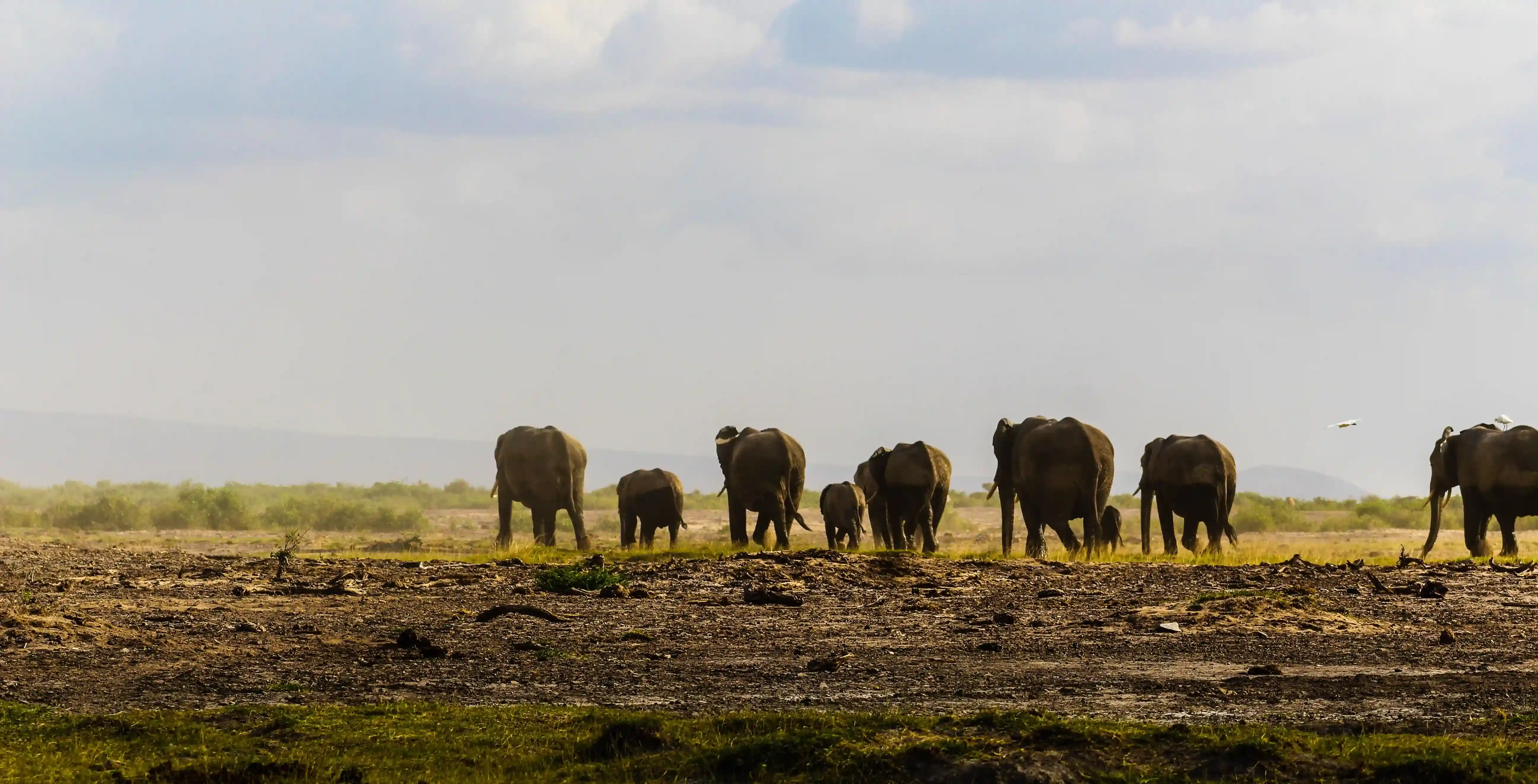
An elephant safari is richest when you watch behaviour, not just tally sightings. Tanzania offers elephants in very different habitats, so choose by season, by how far you are willing to travel and by how much time you can give to patient observation.
Consider Tarangire on a northern circuit, Ruaha for a longer southern wilderness stay, and other suitable parks where they fit your route. Aim for several unhurried drives with a knowledgeable guide, rather than demanding a guaranteed big herd at a fixed hour.
Watch a family group, not only a head count
The magic of elephants lies in how they feed, interact, care for their young and move through the landscape. Tarangire is a natural choice on a northern circuit, while Ruaha can anchor a dedicated southern stay. Pick the destination you can explore properly, rather than travelling far for a single presumed herd encounter.
| Detail | What it means for your trip |
|---|---|
| Northern option | Tarangire fits many northern safari routes. |
| Southern option | Ruaha needs its own transport and a multi-night calculation. |
| Habitat question | Ask how water availability shapes the current viewing areas. |
| Observation goal | Behaviour and respectful distance beat a promise of close-ups. |
Look for behaviour, not only size
Calves learning, adults feeding and social exchanges can make even a modest group fascinating. Ask your guide to explain what you are seeing, and allow time to watch without crowding. A drive that respects an elephant’s comfort distance is often more memorable than hopping between vehicles in pursuit of the biggest herd.
Notice which animals lead movement and how the group keeps its calves close. Ask the guide to read the visible behaviour, while remembering that no one can be certain about every relationship from a short encounter.
See how the herd arranges itself when it moves. Often the youngest are tucked between adults, and the pace is set by the slowest walker.
Northern and southern routes need different plans
Tarangire can slot into a northern itinerary without adding a far-flung circuit. Ruaha usually deserves a dedicated stay and its own transport planning. Choose the destination you can give time to, instead of crossing the country for one short drive built around a species wish list.
A park that fits your route can offer better value than a distant specialist detour. The extra nights and guiding hours often matter more than comparing two destinations’ reputations in isolation.
The most rewarding elephant sightings tend to come on the third unhurried drive, not the first hurried one.
How water and habitat affect viewing
Seasonal water can influence where animals gather, while lush vegetation can make them harder to spot in some habitats. Ask about current conditions and the camp’s usual viewing areas. General dry-season expectations should never be treated as a guarantee for a particular lodge or date.
When water draws animals together, vehicles can pile up too. Let your guide choose a position that keeps routes open, so that a productive spot does not turn into a traffic jam.
Give elephants room
A calm sighting can become stressful if vehicles block a route or crowd a group with young. Stay inside the vehicle unless told otherwise in an authorised place. Avoid asking for noise, movement or a closer position to get a picture; a long lens and patience are better tools.
A group with calves, or an animal heading toward your route, deserves space. Never ask the vehicle to block its path for a neatly framed photograph.
A better wildlife encounter is usually a quieter one
When the guide stops, watch the animal before you adjust camera settings or ask to reposition. Which way is it facing? Is it feeding, resting, guarding young or deciding where to go next? A vehicle parked across its route can change its behaviour and spoil the encounter for everyone. Give your guide room to choose a respectful position and to move away when an animal seems unsettled.
A shared vehicle also works best with simple agreements. Rotate the best viewing spots fairly where practicable, keep bags out of other passengers’ space, and explain if a long lens or a mobility need affects your seat. Listen when the guide asks for quiet: a call or a movement can reveal an animal you had not noticed. Do not measure the day by how close the vehicle gets. A calm, extended observation often brings more understanding, and better photographs, than a crowded encounter that ends the moment the animal walks away.
Photograph the story, not only the species
Plan for three kinds of image: a wide scene that shows the habitat, a medium view of the animal or its activity, and a detail that captures behaviour. That sequence tells a richer story than repeatedly filling the frame with a face. A clean background and patient watching can matter more than a bigger lens.
Before the outing, practise changing focus and exposure without staring down for long. Carry spare power and storage, protect equipment from dust or spray, and keep a smaller camera or phone ready for wide scenes. Ask the guide before standing or changing position; everyone must stay within the operating rules. If an animal is far away, use binoculars and enjoy the watching rather than pressing the driver to close the gap. On water outings, organise your equipment before boarding so you are not opening bags and handling loose accessories while the boat moves.
An elephant-focused afternoon
Instead of leaving as soon as everyone has a photograph, spend time with one calm group when the guide judges it appropriate. Notice the feeding, the dust, the shade and the communication. Later, compare those observations with animals in another habitat during your stay. Repeated patient viewing can reveal more than racing between reports of larger groups.
- Choose the circuit that suits your overall holiday.
- Tell the guide that behaviour matters more than closeness.
- Book repeated drives rather than one rushed visit.
- Check seasonal conditions before selecting the camp.
Which option fits your priorities?
| Option | Who it suits | The main compromise |
|---|---|---|
| Tarangire in a northern itinerary | Travellers wanting elephants alongside nearby parks | Protect enough time for a meaningful circuit. |
| Ruaha multi-night stay | Visitors wanting elephant habitat within a southern safari | Transport and camp selection need a separate budget. |
| Route-compatible park | Travellers who value a balanced safari over one species | Treat elephants as part of varied wildlife viewing. |
Spend on useful time and guiding
For an elephant-focused trip, compare accommodation access, guide quality, private-versus-shared vehicles and the number of repeat drives. A distant flight adds a cost that should buy a meaningful stay. Do not pay a premium for a provider’s promise of a specific herd size or an unusually close encounter.
An elephant’s path and comfort distance take priority over the position of your vehicle or camera.
How to use this guide to plan a better trip
The details behind Best Places to See Elephants in Tanzania become more useful when they are translated into real decisions: where time is spent, what must be confirmed before travel, and which details can remain flexible. Use the following field guide alongside the destination information above.


Think in habitats rather than guarantees
The most interesting sighting begins with understanding where an animal lives, feeds and rests. Open plains, rocky outcrops, river systems, wetlands and woodlands reward different search strategies. Ask what habitats the day’s route will cover and why the guide recommends them for your season. Animals move freely; a famous park or a popular photograph cannot promise an encounter. When the expected species is absent, attentive viewing may reveal tracks, birds, smaller mammals or behaviours that are just as memorable. A good guide interprets what you see rather than chasing the same headline animal for hours.
Leave time to watch natural behaviour
Wildlife viewing becomes richer when the vehicle can stop, engines can be switched off where permitted, and people observe quietly. Notice how animals respond to wind, shade, water, other species and changing light. Binoculars allow a closer look without approaching physically; an attentive guide can explain warning calls, feeding patterns or the importance of a particular habitat. Photography is rewarding, but viewing through a lens for an entire sighting can make it harder to absorb the experience. Agree with other travellers on a comfortable balance between photographs and uninterrupted observation.
Understand seasons without reducing them to one calendar
Dry periods often make water sources and shorter vegetation important, while greener months may offer bird activity, fresh landscapes and different movement patterns. These are tendencies, not fixed dates or assured locations. Migration is especially mobile: herds follow conditions rather than an itinerary printed months ahead. Ask about recent local reports and how an operator could adjust a route if wildlife has shifted. A seasonal recommendation should also account for crowding, available accommodation, road access and your tolerance for rain or dust. The best month is the one that fits what you want to observe.
Let conservation rules shape the safari
Do not request off-road driving where it is not allowed, blocking an animal’s path or crowding a sighting. Remain in the vehicle where required and follow your guide’s advice about distance and noise. Responsible experiences support protected areas and leave animals able to behave normally. For specialised wildlife activities, ask about guide expertise, permitted zones and what happens if the conditions are not suitable. Travelling with these expectations in mind improves both safety and the quality of the encounter. Your photographs should document the wild moment, not an encounter manufactured for the camera.
Treat seasonal patterns as useful clues, never promises. Ask where the relevant habitats are, how much viewing time is available and what alternatives are rewarding when the headline animal is not visible. Responsible operators maintain viewing distances and do not drive off permitted tracks in pursuit of a photograph.
Four decisions that change the experience
Use these prompts as a quick decision worksheet. Each one is linked to a detailed section in this guide, so you can revisit the evidence instead of making a choice from a short sales description.
Watch a family group, not only a head count
The magic of elephants lies in how they feed, interact, care for their young and move through the landscape. Tarangire is a natural choice on a northern circuit, while Ruaha can anchor a dedicated southern stay.
Explore this considerationLook for behaviour, not only size
Calves learning, adults feeding and social exchanges can make even a modest group fascinating. Ask your guide to explain what you are seeing, and allow time to watch without crowding.
Explore this considerationNorthern and southern routes need different plans
Tarangire can slot into a northern itinerary without adding a far-flung circuit. Ruaha usually deserves a dedicated stay and its own transport planning.
Explore this considerationHow water and habitat affect viewing
Seasonal water can influence where animals gather, while lush vegetation can make them harder to spot in some habitats. Ask about current conditions and the camp’s usual viewing areas.
Explore this considerationQuestions worth sending before you book
Good planning emails are specific. You do not need a complicated spreadsheet; you need written answers to the points that could change your comfort, budget or available time. These questions help you turn the advice in this article into an itinerary or booking that is genuinely suitable for you.
- How does your suggested plan handle watch a family group, not only a head count for my exact travel dates?
- What would change if look for behaviour, not only size became difficult because of weather, availability or my preferred pace?
- Could you explain how you approach northern and southern routes need different plans and what is included in the price?
- Which alternative would you recommend if the main experience is unavailable, and what would that mean for transfers or costs?
- Can you list the total price, the important exclusions, deposit and cancellation rules, and any permits or fees that might change?
- What information do you need from me about mobility, ages, dietary requirements, interests and onward travel to make the plan more suitable?
Ask for a thoughtfully paced itinerary.
Send your travel month, number of guests, approximate budget and two experiences you care about most. You can use the questions above as a starting point.
Bring the details together before you decide
Your ideal version of Best Places to See Elephants in Tanzania depends on your time, priorities and the conditions you will actually encounter. Start with the three questions below, then use the checklist to spot details that are often missing from a short description.
Watch a family group, not only a head count
The magic of elephants lies in how they feed, interact, care for their young and move through the landscape. Tarangire is a natural choice on a northern circuit, while Ruaha can anchor a dedicated southern stay.
Read this section ↗Look for behaviour, not only size
Calves learning, adults feeding and social exchanges can make even a modest group fascinating. Ask your guide to explain what you are seeing, and allow time to watch without crowding.
Read this section ↗Northern and southern routes need different plans
Tarangire can slot into a northern itinerary without adding a far-flung circuit. Ruaha usually deserves a dedicated stay and its own transport planning.
Read this section ↗Practical checks for this type of journey
- Confirm the real hours available for game drives, not only the number of days in the package.
- Check each overnight location against the next morning’s activity and transfer.
- Ask exactly what is included in park fees, meals, vehicle use and flight or road transfers.
- Leave a sensible buffer before onward travel and build in rest where needed.
Treat seasonal patterns as useful clues, never promises. Ask where the relevant habitats are, how much viewing time is available and what alternatives are rewarding when the headline animal is not visible. Responsible operators maintain viewing distances and do not drive off permitted tracks in pursuit of a photograph.
Questions travellers actually ask
Is Tarangire a good first elephant destination?
It is well worth considering on a northern circuit. Allow enough drive time and check conditions for your dates, rather than relying on a herd guarantee.
Must I visit Ruaha to see elephants?
No. Choose Ruaha for a broader southern stay if its landscape and access suit your holiday, not because elephants are exclusive to it.
How close should the vehicle go?
Follow your guide’s judgement and the animals’ behaviour. Their movement and comfort come before the photograph.
Make the decision with the whole trip in mind
Leave room on your safari to watch elephants as animals living in a landscape. Tarangire, Ruaha or another suitable destination can serve that interest when route and time are right. Patient observation with a respectful guide is a better investment than an impressive but unverifiable viewing promise.
Sources and further reading
TANAPA describes dry-season elephant gatherings around Ruaha's river systems.
TANAPA: Ruaha wildlife and habitats.Official and specialist references are linked below. Suggested schedules and worked budgets are clearly identified as planning examples; confirm date-sensitive operating conditions with the relevant provider.
- TANAPA: Ruaha wildlife and habitats
- TANAPA: tourism activities
- TANAPA: Lake Manyara activities
- TANAPA: Tarangire habitats
Research reviewed on .
Turn the guide into a trip that fits you
Share your dates and priorities with Haven Trails for a suitable itinerary and a written breakdown of inclusions.
Discuss your itinerary Read more guides