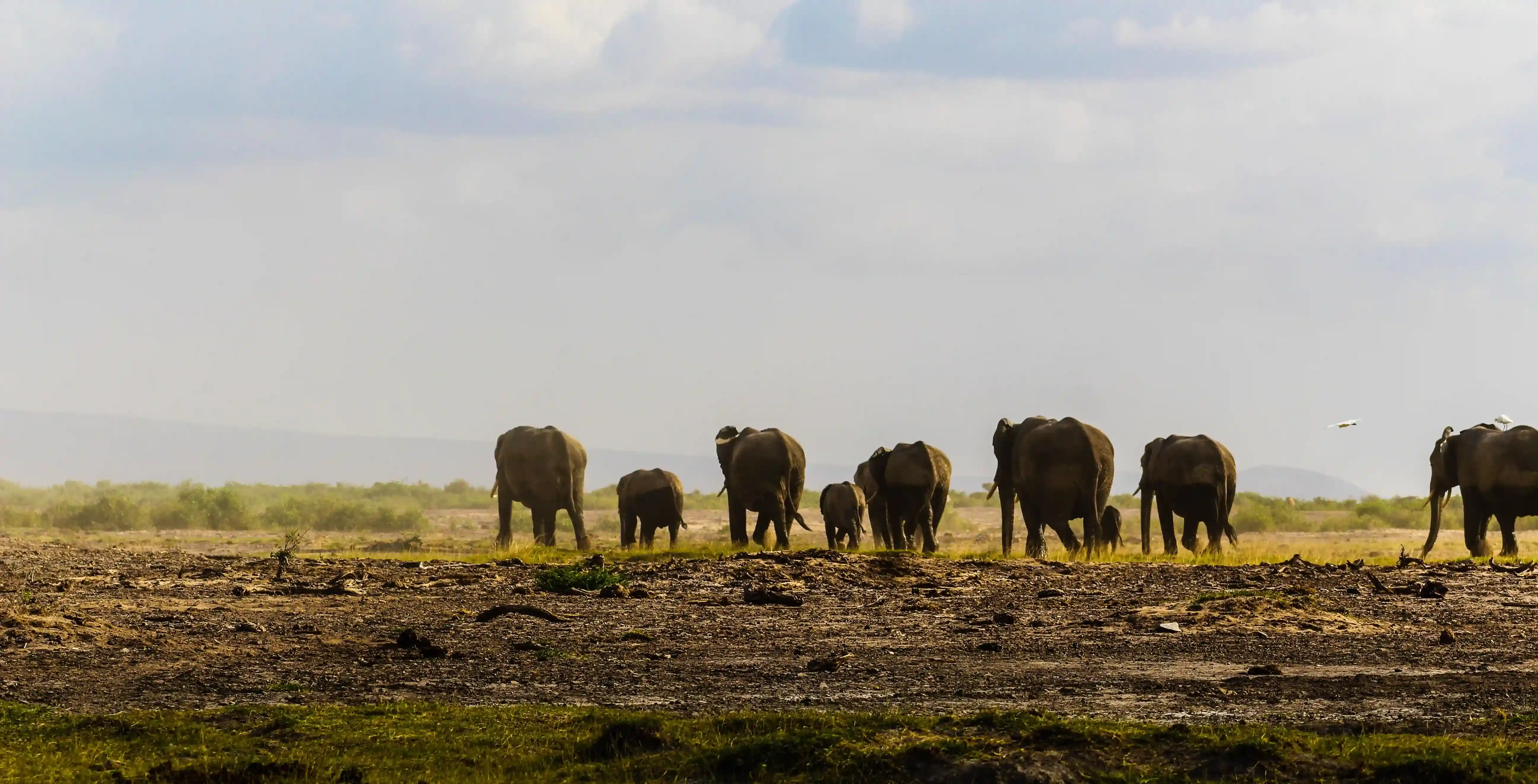
Tarangire and Lake Manyara are often placed in the same northern safari, yet each can justify a different kind of day. Choose between the river-and-baobab setting and a compact mix of groundwater forest, lake scenery and Rift Valley views.
Tarangire is a strong choice when elephants and a classic savanna drive lead your wish list. Manyara suits travellers interested in forest, birds and a varied short visit. Seasonal access and your next overnight stop can make the decision clearer.
Use the comparison to add a different habitat
Tarangire's river, baobabs and savanna create a different day from Manyara's groundwater forest, wetland and escarpment setting. If your itinerary already contains several open-country drives, the forest-and-lake contrast may matter more than another opportunity to repeat similar scenery.
| Detail | What it means for your trip |
|---|---|
| Tarangire focus | River areas, baobab scenery and elephant interest. |
| Manyara focus | Groundwater forest, lake habitats, primates and birds. |
| Seasonal question | Which viewing areas are productive and accessible on your dates? |
| Routing question | How does the park connect to your hotel and next overnight? |
Start with habitat rather than famous slogans
Manyara's tree-climbing lion reputation is not a promise that lions will be visible in a tree on your visit. Tarangire's appeal also extends beyond elephants. Ask the guide which habitats are productive at the time of travel and choose the day that adds something different to the rest of your safari.
Manyara's groundwater forest invites attention to canopy movement and bird calls. Tarangire often encourages wider scanning and time watching larger groups; those are different pleasures rather than interchangeable drives.
Manyara's strengths on a short itinerary
Forest, primates and lake-edge viewpoints can create an engaging change of scenery. The park's location makes it convenient alongside Mto wa Mbu and the route toward Karatu. If a non-driving activity is important, confirm whether the specific walkway, guided walk or evening activity is operating and included.
A canopy or walking experience can make Manyara more than a drive, but confirm access and the separate activity arrangements. The brochure's activity list does not guarantee availability.
Allow Tarangire time to unfold
A hurried drive only around an accessible entrance area may underrepresent the park. Ask whether your available time permits a broader circuit or whether an overnight nearby would create a more useful morning. Travellers who enjoy lingering with an elephant group should favour a schedule with flexibility over several fixed stops.
For Tarangire, ask whether the route reaches useful river or swamp habitat rather than circling only the easiest gate area. A full day needs a sensible meal and rest arrangement.
The route can break the tie
Place the visit beside the accommodation you are already using. Backtracking between parks and hotels reduces both comfort and value. In wet weather, ask about the precise areas accessible to vehicles; the theoretical park itinerary may differ from what a guide can responsibly operate that week.
If the next overnight is Karatu, assess how either park fits that onward journey. A convenient lodge should reduce backtracking rather than become a reason to hurry away from a productive drive.
A better wildlife encounter is usually a quieter one
When the guide stops, watch the animal before changing camera settings or asking to reposition. Which way is it facing? Is it feeding, resting, guarding young or deciding where to move? A vehicle placed across that route can change behaviour and diminish the encounter for everyone. Leave the guide room to choose a respectful position and to move away when an animal appears unsettled.
A shared vehicle also works better with simple agreements. Rotate good viewing positions fairly where practicable, keep bags out of other passengers' space, and explain if a long camera lens or mobility requirement affects your seat. Listen when the guide asks for quiet: a call or movement can reveal an animal you have not seen. Do not measure the day by how close the vehicle gets. A calm, extended observation often provides more understanding—and more useful photographs—than a crowded encounter that ends as soon as the animal leaves.
The boundary matters as much as the accommodation label
Place the hotel or camp on a map beside the actual gate, airstrip and planned viewing region. A property can use a destination name while sitting outside its protected boundary, and a camp inside a large park can still require a long drive to your main area of interest. Neither position is inherently wrong; it becomes wrong when the transfer or fee implications are hidden.
Ask which admissions, overnight charges and activity permissions the itinerary needs. A special experience advertised by an outside lodge may operate on adjacent land rather than inside the national park. That distinction belongs in the description. Compare the morning departure and evening return as well as the room photographs. Families may value an easier hotel routine; photographers may value an early start close to useful habitat. The best location is the one that serves the daily experience you are paying for.
A first safari with one spare park day
Choose Tarangire if the party is excited by elephants and wants time for a traditional savanna drive. Choose Manyara if forest, birds and a compact change of scenery would enrich the holiday. If you choose both, separate their main viewing periods; attempting two park entries, a long transfer and a distant hotel in one day can turn variety into fatigue.
- Identify the habitat missing from the rest of your safari.
- Check your hotel position and the next day's route.
- Confirm any walking, canopy or evening activity separately.
- Let current access conditions refine the final driving plan.
Which option fits your priorities?
| Option | Who it suits | The main compromise |
|---|---|---|
| Tarangire | Elephant-focused travellers and savanna photographers | Give the drive sufficient time beyond the gate. |
| Lake Manyara | Visitors wanting forest, birds and varied scenery | Do not book on the assumption of tree-climbing lion sightings. |
| Both parks | Families or enthusiasts who enjoy contrasting habitats | Avoid fitting both into one rushed driving day. |
Count optional experiences and the onward journey
Compare the park visit, vehicle and guide, lunch, any specialist activity and the final hotel transfer. A canopy walk or authorised evening outing may change the total and timing. Do not assume a room advertised near Manyara includes admission, or a Tarangire camp includes every activity available in the park.
An optional activity advertised for a park may require a separate reservation, permit and fee.
How to use this guide to plan a better trip
The details behind Tarangire vs Lake Manyara: Which Park Should You Visit? become more useful when they are translated into real decisions: where time is spent, what must be confirmed before travel, and which details can remain flexible. Use the following field guide alongside the destination information above.


Make the route work before choosing the lodges
Begin with the actual journey, not the number of park names on a brochure. The route should show where you sleep each night, how long the principal transfers are likely to take, which gates or airstrips are involved and how much daylight remains for an unhurried drive. A scenic drive can be part of the experience, but it should not be sold as a flexible wildlife-viewing session. Ask which days are primarily travel days. If you have a short holiday, two nights in one promising wildlife area can be more memorable than checking off several distant parks while looking at the clock. Accommodations should support the route rather than dictate detours.
Ask what the safari day actually feels like
A good itinerary leaves space for patient wildlife watching, meals, washroom stops and a change of plan when something interesting happens. Discuss the start and finish of drives, whether they are private or shared, where lunch is taken, how many people share a viewing row and what the guide can adapt in response to weather, road conditions or seasonal movements. Early mornings can be rewarding, but a trip consisting only of very early starts and late arrivals can be exhausting. Children, photographers and travellers with limited mobility may each need a different pace. A thoughtful guide should explain those choices before the deposit is paid.
Understand the quotation, not only the headline price
Ask for a written, date-specific breakdown including accommodation level, meals, park and conservation fees, vehicle, driver-guide, domestic flights where relevant, airport transfers, luggage limitations and exclusions. Rates and government charges can change, and the final cost can also depend on nationality, residency, age and travel dates. Compare like with like: one itinerary may include more nights inside a reserve, better-positioned accommodation or a private vehicle, while another looks cheaper because important items are extras. Put cancellation rules, deposits, room types and the process for last-minute route changes in writing.
Pack with the rhythm of a game drive in mind
Carry a light fleece for dawn, breathable layers for the afternoon, a hat, sun protection, personal medication and a reusable water bottle where practical. Neutral, comfortable clothing works well for vehicle-based viewing; expensive specialty outfits are rarely necessary. Keep binoculars and a camera within reach, and bring a way to protect equipment from dust. Wildlife photography benefits from patience more than constant movement. Follow park guidance and your guide’s instructions at every sighting; animals determine their own movements and no ethical operator can guarantee a particular encounter.
Score the choices using the same criteria: total travel hours, experience quality, comfort, real cost, safety provisions and how well each suits your available days. A comparison is only useful when both options are described on the same basis. If possible, get two quotations with matching assumptions.
Four decisions that change the experience
Use these prompts as a quick decision worksheet. Each one is linked to a detailed section in this guide, so you can revisit the evidence instead of making a choice from a short sales description.
Use the comparison to add a different habitat
Tarangire's river, baobabs and savanna create a different day from Manyara's groundwater forest, wetland and escarpment setting.
Explore this considerationStart with habitat rather than famous slogans
Manyara's tree-climbing lion reputation is not a promise that lions will be visible in a tree on your visit. Tarangire's appeal also extends beyond elephants.
Explore this considerationManyara's strengths on a short itinerary
Forest, primates and lake-edge viewpoints can create an engaging change of scenery. The park's location makes it convenient alongside Mto wa Mbu and the route toward Karatu.
Explore this considerationAllow Tarangire time to unfold
A hurried drive only around an accessible entrance area may underrepresent the park. Ask whether your available time permits a broader circuit or whether an overnight nearby would create a more useful morning.
Explore this considerationQuestions worth sending before you book
Good planning emails are specific. You do not need a complicated spreadsheet; you need written answers to the points that could change your comfort, budget or available time. These questions help you turn the advice in this article into an itinerary or booking that is genuinely suitable for you.
- How does your suggested plan handle use the comparison to add a different habitat for my exact travel dates?
- What would change if start with habitat rather than famous slogans became difficult because of weather, availability or my preferred pace?
- Could you explain how you approach manyara's strengths on a short itinerary and what is included in the price?
- Which alternative would you recommend if the main experience is unavailable, and what would that mean for transfers or costs?
- Can you list the total price, the important exclusions, deposit and cancellation rules, and any permits or fees that might change?
- What information do you need from me about mobility, ages, dietary requirements, interests and onward travel to make the plan more suitable?
Ask for a thoughtfully paced itinerary.
Send your travel month, number of guests, approximate budget and two experiences you care about most. You can use the questions above as a starting point.
Bring the details together before you decide
Your ideal version of Tarangire vs Lake Manyara: Which Park Should You Visit? depends on your time, priorities and the conditions you will actually encounter. Start with the three questions below, then use the checklist to spot details that are often missing from a short description.
Use the comparison to add a different habitat
Tarangire's river, baobabs and savanna create a different day from Manyara's groundwater forest, wetland and escarpment setting.
Read this section ↗Start with habitat rather than famous slogans
Manyara's tree-climbing lion reputation is not a promise that lions will be visible in a tree on your visit. Tarangire's appeal also extends beyond elephants.
Read this section ↗Manyara's strengths on a short itinerary
Forest, primates and lake-edge viewpoints can create an engaging change of scenery. The park's location makes it convenient alongside Mto wa Mbu and the route toward Karatu.
Read this section ↗Practical checks for this type of journey
- Confirm the real hours available for game drives, not only the number of days in the package.
- Check each overnight location against the next morning’s activity and transfer.
- Ask exactly what is included in park fees, meals, vehicle use and flight or road transfers.
- Leave a sensible buffer before onward travel and build in rest where needed.
Score the choices using the same criteria: total travel hours, experience quality, comfort, real cost, safety provisions and how well each suits your available days. A comparison is only useful when both options are described on the same basis. If possible, get two quotations with matching assumptions.
Questions travellers actually ask
Will I see tree-climbing lions at Manyara?
They are a possibility associated with the park, not a guaranteed daily sighting. Choose the visit for its broader habitat interest too.
Is Tarangire only worthwhile in the dry season?
It offers different seasonal experiences. Ask about current habitat conditions rather than reducing the whole park to one universal yes-or-no month rule.
Is visiting both repetitive?
Not when you appreciate different habitats and give each time. It can feel rushed when both are squeezed around extensive transfers.
Make the decision with the whole trip in mind
Let the missing experience in your safari decide the choice. Tarangire can add a river-and-savanna day; Manyara can add forest and lake interpretation. A guide with time to explain those habitats provides more value than a promise built around one famous animal photograph.
Sources and further reading
Official and specialist references are linked below. Suggested schedules and worked budgets are clearly identified as planning examples; confirm date-sensitive operating conditions with the relevant provider.
- TANAPA: Lake Manyara visitor guide
- TANAPA: Lake Manyara activities
- TANAPA: tourism activities
- TANAPA: Tarangire habitats
- TANAPA: Manyara wildlife and habitats
Research reviewed on .
Turn the guide into a trip that fits you
Share your dates and priorities with Haven Trails for a suitable itinerary and a written breakdown of inclusions.
Discuss your itinerary Read more guides