A Zanzibar holiday budget becomes easier to manage when accommodation, food, transfers and activities are calculated separately. Your hotel board basis, beach location and appetite for private excursions affect the total more than a single island-wide daily average.
Start with a seven-night calculation using your actual room quote, meals not included, return transfers and selected activities. Keep an additional contingency. Budget examples can help you compare styles, but they are planning assumptions rather than live hotel rates or a price promise.
Start with the party and the nights, not a daily slogan
A couple sharing one room has a different calculation from two travellers taking separate rooms. Likewise, breakfast-only and full-board rates distribute spending differently. Write the holiday as actual accommodation nights, uncovered meals, transfers and chosen activities. Then calculate a per-person total if needed. This keeps one expensive excursion from being mistaken for an everyday expense.
| Detail | What it means for your trip |
|---|---|
| Room | Nightly rate multiplied by nights, divided only among actual sharers. |
| Food | Meals and drinks excluded from the board basis. |
| Movement | Airport or port transfers and selected outings. |
| Outside the local subtotal | Flights, entry requirements, insurance and contingency. |
Build a room-based accommodation total
Most hotel prices describe a room rather than each traveller's complete holiday. Multiply the quoted nightly room rate by the nights, then divide only if you are sharing. Check taxes, breakfast, meal plans and mandatory supplements. A room that looks cheaper can cost more once those differences are included.
Count arrival and departure dates carefully. Seven calendar days do not necessarily create seven hotel nights. Ask about taxes, mandatory supplements and late checkout, particularly if the final flight leaves long after the room must be vacated. The payable room total is the useful starting point.
Food depends on the board arrangement
A breakfast-only stay leaves lunch, dinner and drinks to fund separately. Full-board or all-inclusive arrangements can simplify some costs, but confirm what drinks and outside excursions remain excluded. Ask whether the location offers practical independent eating options so your food plan matches the hotel you actually choose.
Breakfast included can leave lunch, dinner, snacks and drinks outside the price. Half board may cover dinner but not everything consumed with it. Compare the meal terms and where you actually want to eat; paying for meals you regularly miss on excursions can undermine an apparently economical upgrade.
Transfers and tours are not daily costs
Airport transfers, a private boat and a guided town visit may be charged per vehicle or party. Keep them separate from daily spending and check what can be shared. A distant beach base can increase excursion transport costs even when the activity price itself is unchanged.
Put each activity on its own line with the complete transport and entry scope. Two private travellers may share a vehicle but still pay individual tickets. If a sea excursion includes lunch, avoid counting another full restaurant lunch on that same day in the worksheet.
A worked planning example
For two adults sharing seven nights, suppose a room costs US$120 nightly: accommodation is US$840. Add an assumed US$50 per couple per day for uncovered meals, US$120 for transfers and US$300 for selected activities: US$1,610 before flights, insurance and any other exclusions. These illustrative inputs must be replaced with actual quotes.
A contingency is not permission to leave known costs unidentified. Add confirmed essentials first and reserve the contingency for genuine changes. Keep payment fees, local cash needs and any compulsory entry-related purchase visible rather than blending them into an unexplained round daily number.
Build the week from actual components
Start with the room cost for the number of nights and the party sharing it. Add meals and drinks not covered by the board basis, then the return airport or port transfers. Activities sit on a separate line because a boat excursion, private dinner or guided walk is usually not an identical daily expense. Divide only the items that are genuinely shared.
This makes it easier to compare a breakfast-only room with a fuller meal package. Check taxes and compulsory supplements before calculating an apparent saving. A hotel farther from your preferred outings can add repeated transport costs, while a useful pool or dining arrangement may reduce the need to spend elsewhere. Keep international flights, entry-related requirements, insurance and the contingency visible rather than squeezing them into an unexplained daily average. Illustrative dollar figures can explain the arithmetic; the actual price and payable currency must come from a dated supplier confirmation.
Read the quote by its charging units
Imagine two adults sharing one vehicle and one room. A room price for the couple is divided once; two individual admissions are not divided again; a vehicle-related charge may be shared; an optional activity may be priced for the whole party or each participant. Writing those units beside each line avoids both undercounting and double-counting.
Separate the official charges from the operator's transport, staff and accommodation services. Then identify extras such as a private activity, equipment rental, an additional transfer or an overnight caused by the flight sequence. An illustrative budget is useful for understanding the arithmetic, but it should never be presented as the applicable tariff unless the date and visitor category are verified. Ask for the final amount and the payable currency in the written confirmation. A cheaper headline is a poor comparison when one supplier quotes per person and another quotes for the complete group.
A seven-night example with room sharing made explicit
For arithmetic only, imagine two adults sharing a US$100 room for seven nights: US$700 together. Add US$50 daily combined food spending across seven days, US$100 return transfers and US$200 activities. The local subtotal is US$1,350 for two, or US$675 each. These invented inputs exclude flights, requirements, insurance and contingency; they illustrate structure, not current Zanzibar prices.
- Obtain the room rate and board basis for your dates.
- List uncovered meals, transfers and desired activities.
- Calculate shared costs at the correct party size.
- Add flights, insurance and a contingency outside the example.
Which option fits your priorities?
| Option | Who it suits | The main compromise |
|---|---|---|
| Simple beach holiday | Travellers prioritising accommodation and relaxed days | Fewer paid excursions can keep the total manageable. |
| Beach plus several activities | Visitors wanting town, sea and food experiences | Track shared tour and transfer costs separately. |
| Private celebration stay | Couples prioritising upgrades and exclusive arrangements | Confirm supplements and event inclusions before paying. |
Replace each assumption with a dated price
Use the example as a worksheet, then insert your room, board, transfer and excursion confirmations. Ask about payable currency and compulsory charges. A higher room price with suitable meals and useful location may reduce total spending, while an isolated low-price room can add repeated vehicle costs.
A daily spending estimate can double-count included meals or overlook a room supplement. Start from the actual booking's inclusions.
How to use this guide to plan a better trip
The details behind How Much Money Do You Need for a Zanzibar Holiday? become more useful when they are translated into real decisions: where time is spent, what must be confirmed before travel, and which details can remain flexible. Use the following field guide alongside the destination information above.

Choose a beach for your daily routine
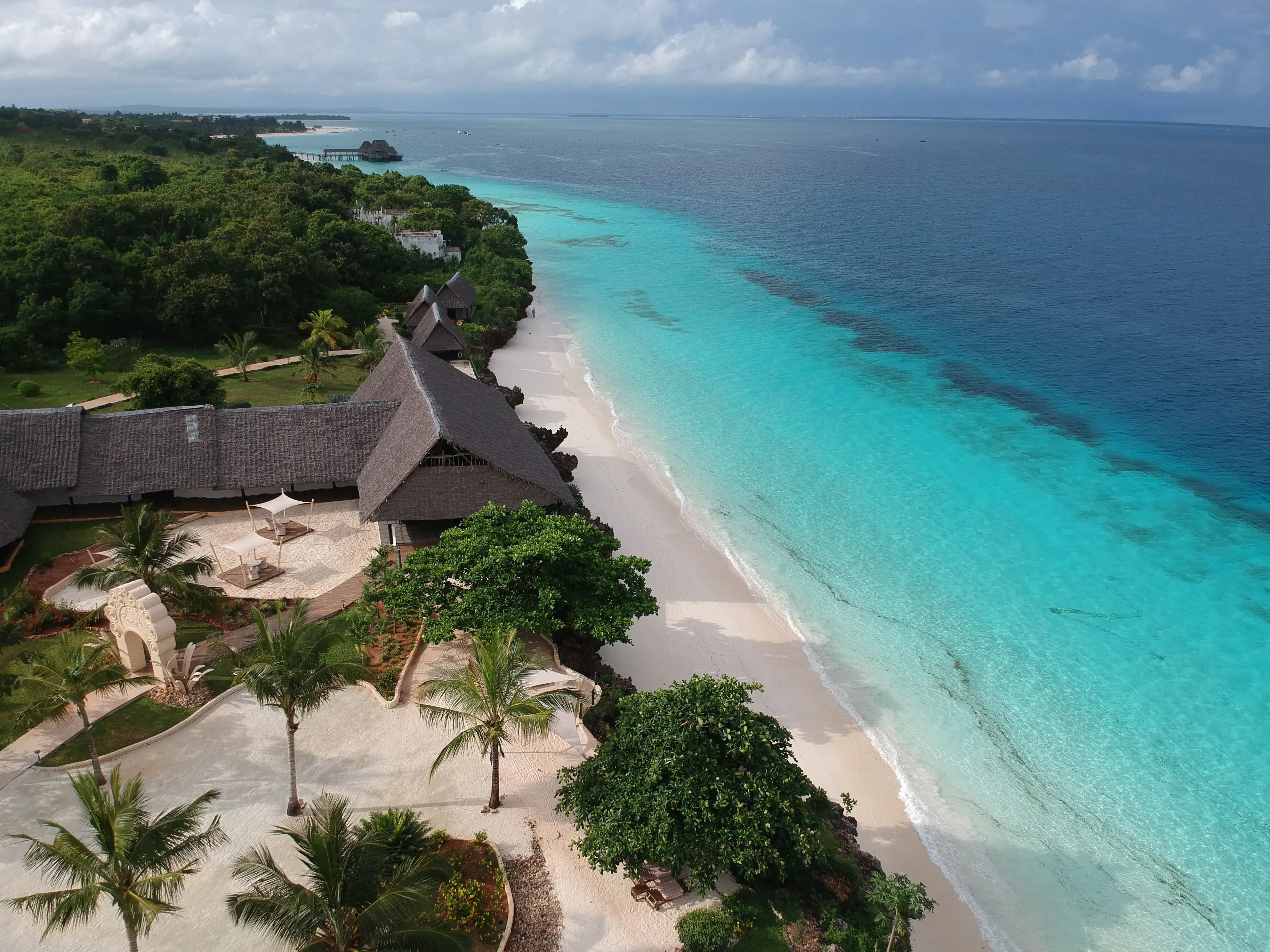
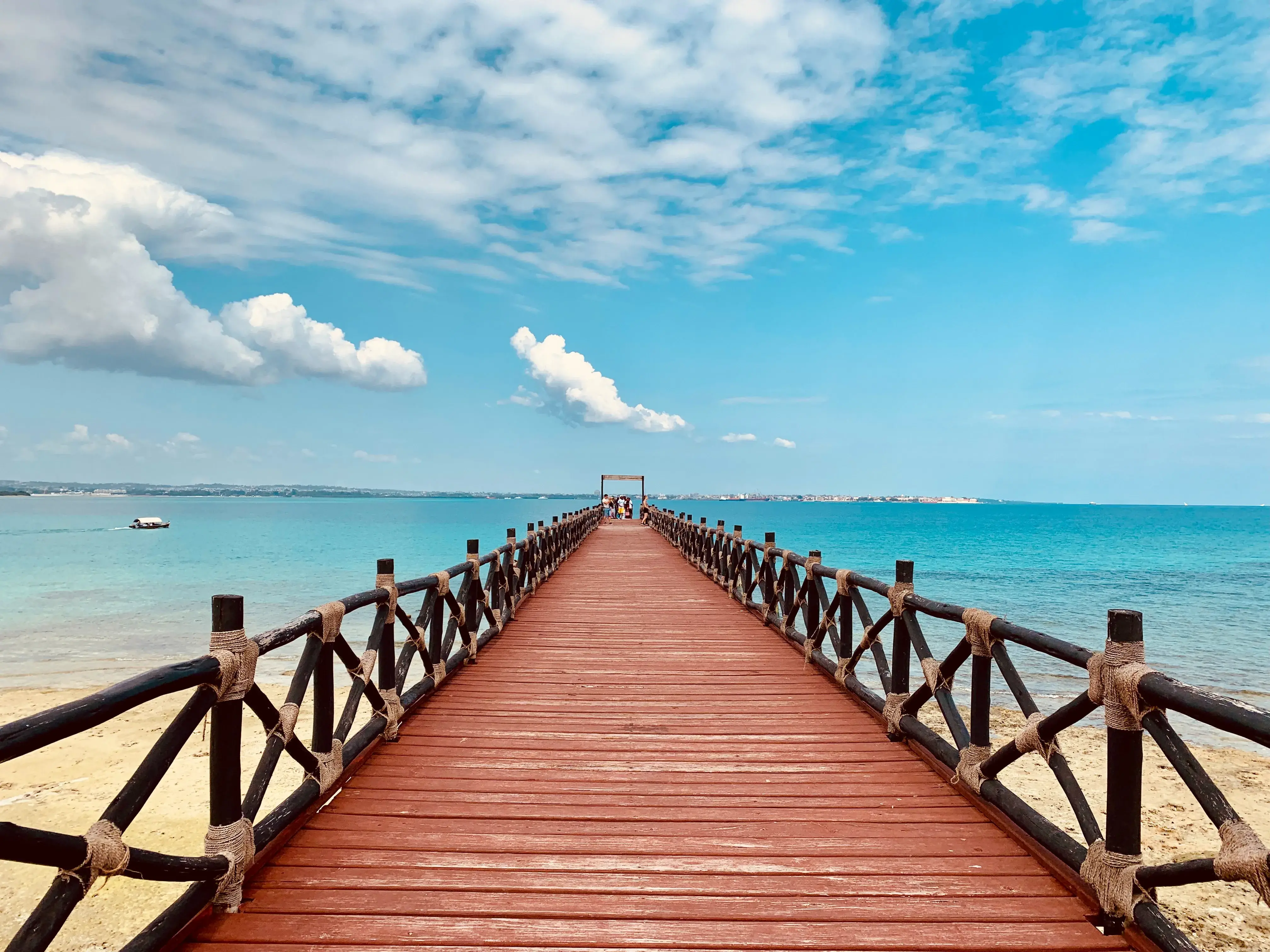
Zanzibar is not a single beach experience. The north, east and southeast coastlines differ in tide exposure, village atmosphere, restaurant choice and the ease of swimming throughout the day. Ask for practical information about the specific stretch of shore, not only the resort name: where can you enter the water, what happens at low tide, and how far away are groceries, cafés or evening activities? A beautiful aerial photograph does not reveal an exposed reef flat, a long transfer or the noise of a lively beachfront. Those details matter more after five days than they do during five minutes of searching hotels.
Plan sea activities around conditions and ethics
Snorkelling, diving, boat trips and wildlife encounters are affected by sea state, tides, visibility and operator standards. Ask how guides choose the departure time, what happens when the water is unsuitable and which equipment and safety briefing are included. Do not assume marine wildlife will appear on demand or that getting closer makes an experience better. Avoid tours that chase dolphins or encourage contact with turtles and other wildlife. If you are not a confident swimmer, tell the operator in advance and ask about buoyancy aids, boat access and alternative viewpoints.
Allow room for culture beyond the resort
Stone Town, local food, markets, farming communities and village life give context to a beach holiday. Schedule cultural activities at a pace that lets you listen and participate respectfully rather than treating every stop as a photo opportunity. In public areas away from beaches, dress considerately and ask before photographing people. Opening hours and visitor access can be affected by local holidays or religious observances. A knowledgeable local guide can make the difference between simply seeing a door, spice plant or fishing boat and understanding what it means within the island’s history and everyday life.
Calculate the complete island day
For any excursion, account for hotel pickup, driving time, boat boarding if relevant, time at the attraction and the journey back. A route that seems short on a map may take longer during busy periods. Compare what a quoted price includes: transfer, entrance fees, equipment, guide, food, drinks and cancellation conditions. Keep a little open time between major activities. A rainy afternoon can become an opportunity to explore an indoor attraction or rest, while an unusually calm morning may be better spent on the water. Flexibility usually improves a Zanzibar holiday.
Obtain a written price valid for your exact travel dates, number of people and service level. Identify any fees or insurance items charged separately. Ask which payments are refundable, how currency conversions are handled and who bears costs when the plan must change. Compare the value of time, safety, location and service—not price alone.
Four decisions that change the experience
Use these prompts as a quick decision worksheet. Each one is linked to a detailed section in this guide, so you can revisit the evidence instead of making a choice from a short sales description.
Start with the party and the nights, not a daily slogan
A couple sharing one room has a different calculation from two travellers taking separate rooms. Likewise, breakfast-only and full-board rates distribute spending differently.
Explore this considerationBuild a room-based accommodation total
Most hotel prices describe a room rather than each traveller's complete holiday. Multiply the quoted nightly room rate by the nights, then divide only if you are sharing. Check taxes, breakfast, meal plans and mandatory supplements.
Explore this considerationFood depends on the board arrangement
A breakfast-only stay leaves lunch, dinner and drinks to fund separately. Full-board or all-inclusive arrangements can simplify some costs, but confirm what drinks and outside excursions remain excluded.
Explore this considerationTransfers and tours are not daily costs
Airport transfers, a private boat and a guided town visit may be charged per vehicle or party. Keep them separate from daily spending and check what can be shared.
Explore this considerationQuestions worth sending before you book
Good planning emails are specific. You do not need a complicated spreadsheet; you need written answers to the points that could change your comfort, budget or available time. These questions help you turn the advice in this article into an itinerary or booking that is genuinely suitable for you.
- How does your suggested plan handle start with the party and the nights, not a daily slogan for my exact travel dates?
- What would change if build a room-based accommodation total became difficult because of weather, availability or my preferred pace?
- Could you explain how you approach food depends on the board arrangement and what is included in the price?
- Which alternative would you recommend if the main experience is unavailable, and what would that mean for transfers or costs?
- Can you list the total price, the important exclusions, deposit and cancellation rules, and any permits or fees that might change?
- What information do you need from me about mobility, ages, dietary requirements, interests and onward travel to make the plan more suitable?
Ask for a thoughtfully paced itinerary.
Send your travel month, number of guests, approximate budget and two experiences you care about most. You can use the questions above as a starting point.
Bring the details together before you decide
Your ideal version of How Much Money Do You Need for a Zanzibar Holiday? depends on your time, priorities and the conditions you will actually encounter. Start with the three questions below, then use the checklist to spot details that are often missing from a short description.
Start with the party and the nights, not a daily slogan
A couple sharing one room has a different calculation from two travellers taking separate rooms. Likewise, breakfast-only and full-board rates distribute spending differently.
Read this section ↗Build a room-based accommodation total
Most hotel prices describe a room rather than each traveller's complete holiday. Multiply the quoted nightly room rate by the nights, then divide only if you are sharing. Check taxes, breakfast, meal plans and mandatory supplements.
Read this section ↗Food depends on the board arrangement
A breakfast-only stay leaves lunch, dinner and drinks to fund separately. Full-board or all-inclusive arrangements can simplify some costs, but confirm what drinks and outside excursions remain excluded.
Read this section ↗Practical checks for this type of journey
- Confirm how tide and sea conditions change the attraction on your chosen dates.
- Ask how long the round-trip transfer takes and what the excursion price includes.
- Choose water activities with strong safety standards and respectful wildlife practices.
- Leave time for local culture and unscheduled beach hours rather than stacking activities.
Obtain a written price valid for your exact travel dates, number of people and service level. Identify any fees or insurance items charged separately. Ask which payments are refundable, how currency conversions are handled and who bears costs when the plan must change. Compare the value of time, safety, location and service—not price alone.
Questions travellers actually ask
Should I divide the room price by two?
Only when two people actually share the room and the quoted rate covers both.
Are boat trips daily expenses?
Usually they belong as chosen activities on specific days, with their own transport and inclusions.
Does this example include flights and entry costs?
No. Those remain separate lines, along with appropriate insurance and contingency.
Make the decision with the whole trip in mind
A realistic budget describes the holiday you intend to take. Once the units and inclusions are clear, spending money becomes a practical calculation rather than a guess based on someone else's daily average.
Sources and further reading
Official and specialist references are linked below. Suggested schedules and worked budgets are clearly identified as planning examples; confirm date-sensitive operating conditions with the relevant provider.
- Zanzibar Commission for Tourism
- Bank of Tanzania: clarification on tourist currency payments
- Safari Blue: official tour FAQs
Research reviewed on .
Turn the guide into a trip that fits you
Share your dates and priorities with Haven Trails for a suitable itinerary and a written breakdown of inclusions.
Discuss your itinerary Read more guides