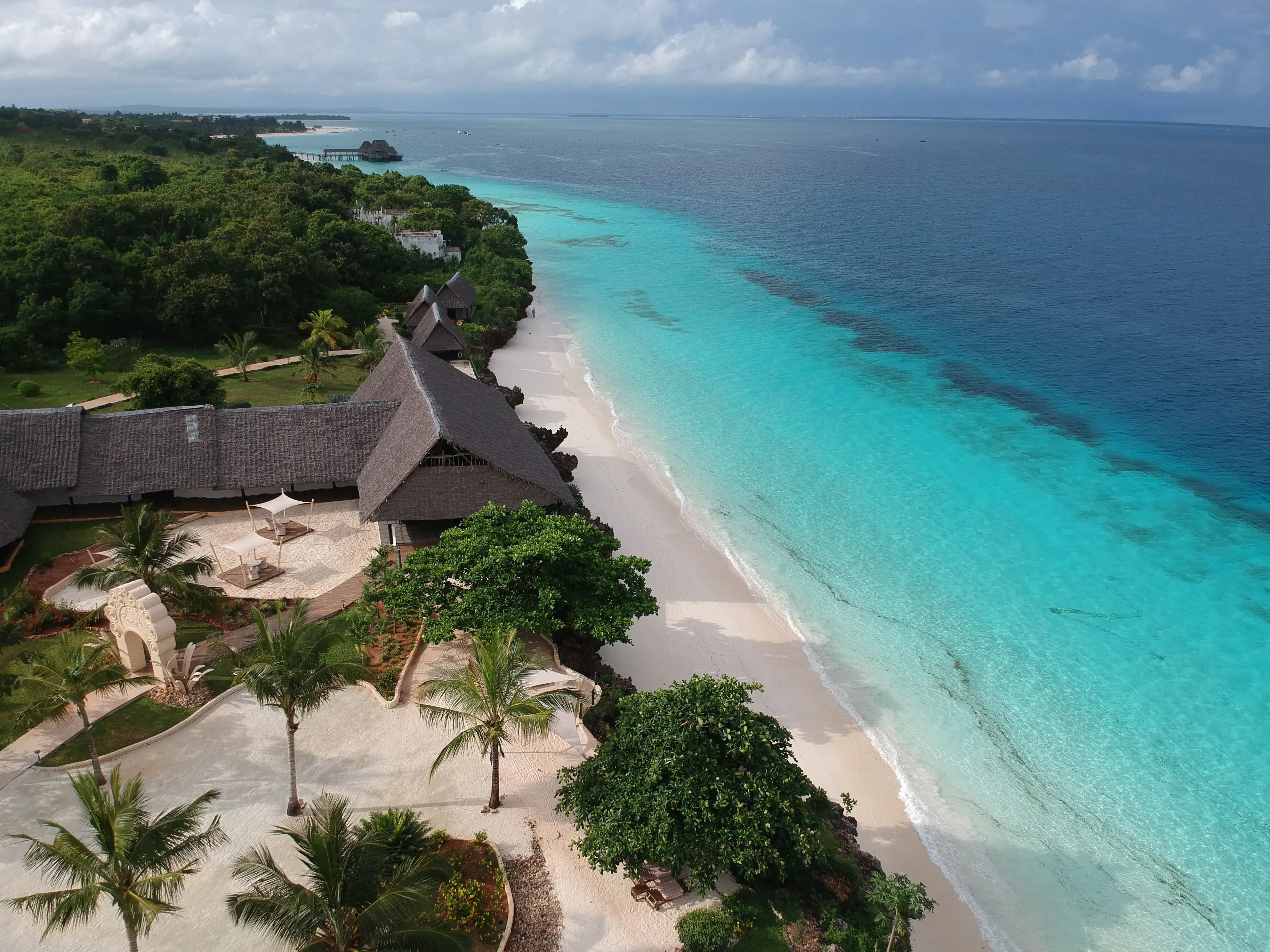
Turtle encounters in Zanzibar can describe reef wildlife, a managed lagoon or another visitor programme. Those experiences should not be presented as interchangeable conservation. Ask what the site actually does, how animals are cared for and what participation involves before allowing a photograph or rescue label to decide the booking.
Prefer respectful observation and verify claims important to you. Distinguish wild encounters from managed settings, ask about handling and release practices, and do not assume every attraction using conservation language has independent endorsement. No facility is certified by this guide.
Questions before booking
| Detail | What it means for your trip |
|---|---|
| Setting | Wild observation or managed programme. |
| Purpose | Verifiable care or conservation work. |
| Participation | Observation, feeding or contact, with clear rules. |
| Evidence | Current information rather than a borrowed logo. |
Identify the setting before judging the experience
A turtle seen while snorkelling is a wild observation; one in a visitor lagoon belongs to a managed programme. Ask whether animals are permanently kept, temporarily cared for or handled under another arrangement. Those facts influence the ethical questions. An attractive natural-looking pool does not by itself explain origin, care standards or purpose.
A conservation claim needs evidence beyond the ticket
Ask what conservation work is done, who oversees it and whether any partner claim can be verified. Sea Sense publishes information about marine turtle conservation and ecotourism in Tanzania, but that does not establish endorsement of every Zanzibar attraction. Keep an organisation's general work distinct from a particular site's marketing.
Decide your boundary around touching and feeding
Physical participation may be offered, but it need not be the reason for visiting. Ask whether a viewing-only option is available and how visitors are supervised. Do not encourage a child to chase, hold or block an animal for an image. A calm-looking encounter in a short video cannot establish the wider welfare of the programme.
Wild viewing should also respect the animal
On a suitable marine outing, keep the provider's responsible distance and avoid pursuing a turtle through the water. Choose a programme that remains worthwhile without a turtle sighting. No operator should guarantee an encounter by disturbing wildlife. Your swimming confidence and the current conditions need their own suitability check, separate from the animal interest.
Separate visitor enjoyment from conservation evidence
A managed wildlife attraction can offer convenient viewing without being equivalent to a wild park safari. Ask how animals are housed, what visitors may do and which interactions the staff actively supervise. Friendly behaviour or attractive photographs do not by themselves establish welfare standards. Likewise, calling a property a sanctuary does not tell you its licensing, breeding policy or conservation contribution.
For claims that matter to you, request verifiable information rather than guessing from appearance. Choose observation over contact where appropriate, follow staff rules and do not provoke an animal to improve a photograph. Children need close supervision and clear boundaries. If the experience depends on a particular interaction, ask whether it is optional and what happens if it is unavailable. The ethical decision belongs in the booking discussion, not after arriving under pressure to participate because you have already paid. Keep expectations precise: this is a managed visit with its own programme, not a guaranteed substitute for observing wildlife behaving in its natural habitat.
Assess the boat day before assessing the photograph
A useful booking specifies the vessel, boarding point, passenger capacity, appropriately fitting lifejackets, shade, water and the return arrangement. Ask who supervises snorkelling and whether a non-swimmer can remain comfortably aboard. If a child travels, provide the age and size so safety equipment can be checked rather than assumed from a discounted ticket.
Tide, wind and visibility can change the route or the practical time at a sandbank or reef. Agree what happens when the original site is unsuitable: an alternative, a reschedule or a cancellation under the provider's terms. Keep equipment protected from spray and board according to the crew's instructions. Dolphins, turtles and other wildlife are possibilities rather than scheduled attractions. Avoid an operator whose central promise depends on chasing animals or encouraging visitors to enter the water in a way that overwhelms wildlife or exceeds their swimming confidence.
What a respectful hosted experience should explain
A hosted village, food or cultural programme should tell you who agreed to the visit, what is included and how the fee benefits the people involved. Entering a residential place with a driver does not automatically establish an invitation. Ask which spaces and activities hosts choose to share, and accept private boundaries without negotiating for a photograph.
Photography needs its own consent. An entry fee or guide payment does not necessarily grant permission to record every person, home or conversation. Buy from willing makers at agreed prices if you want a souvenir, and avoid distributing gifts unpredictably, particularly to children. Ask thoughtful questions about work, change and daily life rather than testing whether a community looks like a travel brochure. Modern clothing, phones and tourism work do not invalidate people's identity. A worthwhile visit is one in which hosts retain control and visitors learn through an agreed encounter.
Separate the three questions in one enquiry
Ask the site what it does for turtles, what you will do as a visitor and what evidence supports its claims. A useful answer addresses each separately. If the main product is contact you do not want, choose another experience before paying. This avoids feeling obliged to participate after travelling there and prevents a ticket purchase from being mistaken for a verified conservation donation.
- Identify the actual setting and provider.
- Request evidence for important claims.
- Choose the participation boundary beforehand.
- Respect wildlife and current activity rules.
Which approach fits your priorities?
| Option | Who it suits | The main consideration |
|---|---|---|
| Wild observation | Visitors wanting natural behaviour | Sightings are uncertain. |
| Managed viewing-only visit | Travellers considering a facility | Evaluate evidence and actual programme. |
| Contact-led attraction | Guests being offered physical interaction | Consider whether participation fits your ethical boundaries. |
Costs and practical details
Ask whether admission, guiding, transport and any donation are separate. If a conservation contribution is claimed, request how it is used rather than assuming the entire ticket supports protection. Current prices should come from the actual provider; popularity and a high price do not establish welfare standards.
The words sanctuary, rescue or conservation are claims to investigate, not automatic independent certification.
How to use this guide to plan a better trip
The details behind Zanzibar Turtle Experiences: Conservation, Ethics and What Visitors Should Know become more useful when they are translated into real decisions: where time is spent, what must be confirmed before travel, and which details can remain flexible. Use the following field guide alongside the destination information above.
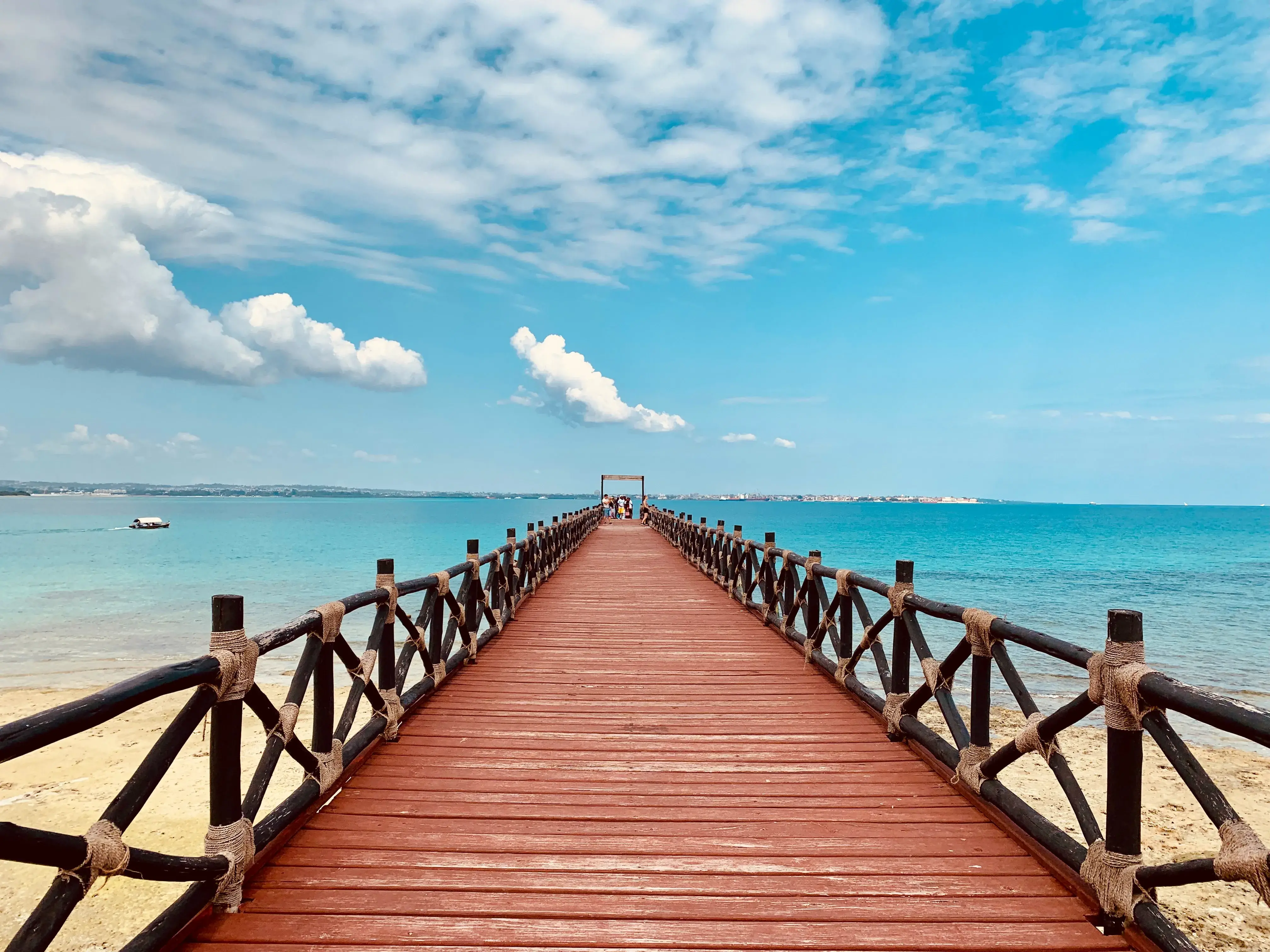

Choose a beach for your daily routine
Zanzibar is not a single beach experience. The north, east and southeast coastlines differ in tide exposure, village atmosphere, restaurant choice and the ease of swimming throughout the day. Ask for practical information about the specific stretch of shore, not only the resort name: where can you enter the water, what happens at low tide, and how far away are groceries, cafés or evening activities? A beautiful aerial photograph does not reveal an exposed reef flat, a long transfer or the noise of a lively beachfront. Those details matter more after five days than they do during five minutes of searching hotels.
Plan sea activities around conditions and ethics
Snorkelling, diving, boat trips and wildlife encounters are affected by sea state, tides, visibility and operator standards. Ask how guides choose the departure time, what happens when the water is unsuitable and which equipment and safety briefing are included. Do not assume marine wildlife will appear on demand or that getting closer makes an experience better. Avoid tours that chase dolphins or encourage contact with turtles and other wildlife. If you are not a confident swimmer, tell the operator in advance and ask about buoyancy aids, boat access and alternative viewpoints.
Allow room for culture beyond the resort
Stone Town, local food, markets, farming communities and village life give context to a beach holiday. Schedule cultural activities at a pace that lets you listen and participate respectfully rather than treating every stop as a photo opportunity. In public areas away from beaches, dress considerately and ask before photographing people. Opening hours and visitor access can be affected by local holidays or religious observances. A knowledgeable local guide can make the difference between simply seeing a door, spice plant or fishing boat and understanding what it means within the island’s history and everyday life.
Calculate the complete island day
For any excursion, account for hotel pickup, driving time, boat boarding if relevant, time at the attraction and the journey back. A route that seems short on a map may take longer during busy periods. Compare what a quoted price includes: transfer, entrance fees, equipment, guide, food, drinks and cancellation conditions. Keep a little open time between major activities. A rainy afternoon can become an opportunity to explore an indoor attraction or rest, while an unusually calm morning may be better spent on the water. Flexibility usually improves a Zanzibar holiday.
Ask about tide and current conditions, visibility, boat safety, conservation practices and the guide-to-guest ratio. Avoid operators who touch, feed or chase marine wildlife. When an excursion is not safe, choose a rescheduled departure or an alternative experience rather than forcing the original plan.
Four decisions that change the experience
Use these prompts as a quick decision worksheet. Each one is linked to a detailed section in this guide, so you can revisit the evidence instead of making a choice from a short sales description.
Questions before booking
A turtle seen while snorkelling is a wild observation; one in a visitor lagoon belongs to a managed programme. Ask whether animals are permanently kept, temporarily cared for or handled under another arrangement.
Explore this considerationIdentify the setting before judging the experience
A turtle seen while snorkelling is a wild observation; one in a visitor lagoon belongs to a managed programme. Ask whether animals are permanently kept, temporarily cared for or handled under another arrangement.
Explore this considerationA conservation claim needs evidence beyond the ticket
Ask what conservation work is done, who oversees it and whether any partner claim can be verified.
Explore this considerationDecide your boundary around touching and feeding
Physical participation may be offered, but it need not be the reason for visiting. Ask whether a viewing-only option is available and how visitors are supervised.
Explore this considerationQuestions worth sending before you book
Good planning emails are specific. You do not need a complicated spreadsheet; you need written answers to the points that could change your comfort, budget or available time. These questions help you turn the advice in this article into an itinerary or booking that is genuinely suitable for you.
- How does your suggested plan handle questions before booking for my exact travel dates?
- What would change if identify the setting before judging the experience became difficult because of weather, availability or my preferred pace?
- Could you explain how you approach a conservation claim needs evidence beyond the ticket and what is included in the price?
- Which alternative would you recommend if the main experience is unavailable, and what would that mean for transfers or costs?
- Can you list the total price, the important exclusions, deposit and cancellation rules, and any permits or fees that might change?
- What information do you need from me about mobility, ages, dietary requirements, interests and onward travel to make the plan more suitable?
Ask for a thoughtfully paced itinerary.
Send your travel month, number of guests, approximate budget and two experiences you care about most. You can use the questions above as a starting point.
Bring the details together before you decide
Your ideal version of Zanzibar Turtle Experiences: Conservation, Ethics and What Visitors Should Know depends on your time, priorities and the conditions you will actually encounter. Start with the three questions below, then use the checklist to spot details that are often missing from a short description.
Questions before booking
A turtle seen while snorkelling is a wild observation; one in a visitor lagoon belongs to a managed programme. Ask whether animals are permanently kept, temporarily cared for or handled under another arrangement.
Read this section ↗Identify the setting before judging the experience
A turtle seen while snorkelling is a wild observation; one in a visitor lagoon belongs to a managed programme. Ask whether animals are permanently kept, temporarily cared for or handled under another arrangement.
Read this section ↗A conservation claim needs evidence beyond the ticket
Ask what conservation work is done, who oversees it and whether any partner claim can be verified.
Read this section ↗Practical checks for this type of journey
- Confirm how tide and sea conditions change the attraction on your chosen dates.
- Ask how long the round-trip transfer takes and what the excursion price includes.
- Choose water activities with strong safety standards and respectful wildlife practices.
- Leave time for local culture and unscheduled beach hours rather than stacking activities.
Ask about tide and current conditions, visibility, boat safety, conservation practices and the guide-to-guest ratio. Avoid operators who touch, feed or chase marine wildlife. When an excursion is not safe, choose a rescheduled departure or an alternative experience rather than forcing the original plan.
Questions travellers actually ask
Does this guide endorse every turtle attraction?
No. Evaluate the specific facility and evidence.
Must I touch a turtle to enjoy the visit?
No. Ask for appropriate observation without physical contact.
Can a reef operator guarantee a turtle?
Wild sightings cannot be guaranteed responsibly.
Make the decision with the whole trip in mind
Choose an encounter you can understand and support on its actual merits. Respectful observation and verifiable information are stronger foundations than an irresistible contact photograph.
Sources and further reading
Official and specialist references are linked below. Suggested schedules and worked budgets are planning examples, not provider guarantees. Check date-sensitive requirements and operating arrangements directly with the relevant authority or supplier.
- Sea Sense: marine turtle research and conservation
- PADI: diving the Zanzibar archipelago
- Zanzibar Commission for Tourism
Research reviewed on .
Turn the guide into a trip that fits you
Share your dates and priorities with Haven Trails for a suitable itinerary and a written breakdown of inclusions.
Discuss your itinerary Read more guides