Zanzibar with children works best when you balance short outings with shade, meals and rest. A child-friendly itinerary considers swimming confidence, boat equipment, wildlife rules and the distance from your hotel before booking the island's most advertised excursions.
Choose a small set of suitable experiences: a manageable Stone Town walk, a child-appropriate nature visit, beach play and a carefully assessed boat outing. Confirm each provider's age rules and safety arrangements, then keep enough unstructured time for the family.
A family day needs a rhythm, not more stops
Children can enjoy lanes, boats, wildlife and the beach, but the best sequence respects heat, hunger and concentration. Alternate a main activity with food, shade and downtime. Ask what an experience actually involves for the child's age and confidence. A discounted ticket does not establish suitable equipment, short transfers or an enjoyable whole day.
| Detail | What it means for your trip |
|---|---|
| Stone Town | Short guided circuit with shaded breaks. |
| Boat outing | Fitting safety equipment and realistic water supervision. |
| Nature visit | Observation, paths and wildlife rules explained. |
| Beach day | Suitable conditions, shade and a comfortable rest base. |
Stone Town at a child's pace
Keep the walking circuit short, use shaded breaks and choose stories or buildings that fit the child's interests. Busy markets and unfamiliar traffic can be tiring. Arrange a guide and meeting point clearly, and avoid scheduling a long historical tour directly after a substantial beach transfer.
Choose a small Stone Town circuit with a clear theme such as doors, markets or waterfront life rather than attempting every museum. Give children time to ask questions and stop before interest disappears. Arrange a shaded lunch and a reliable return; heat and narrow lanes can make a theoretically short walk feel long.
Sea outings need more than a child price
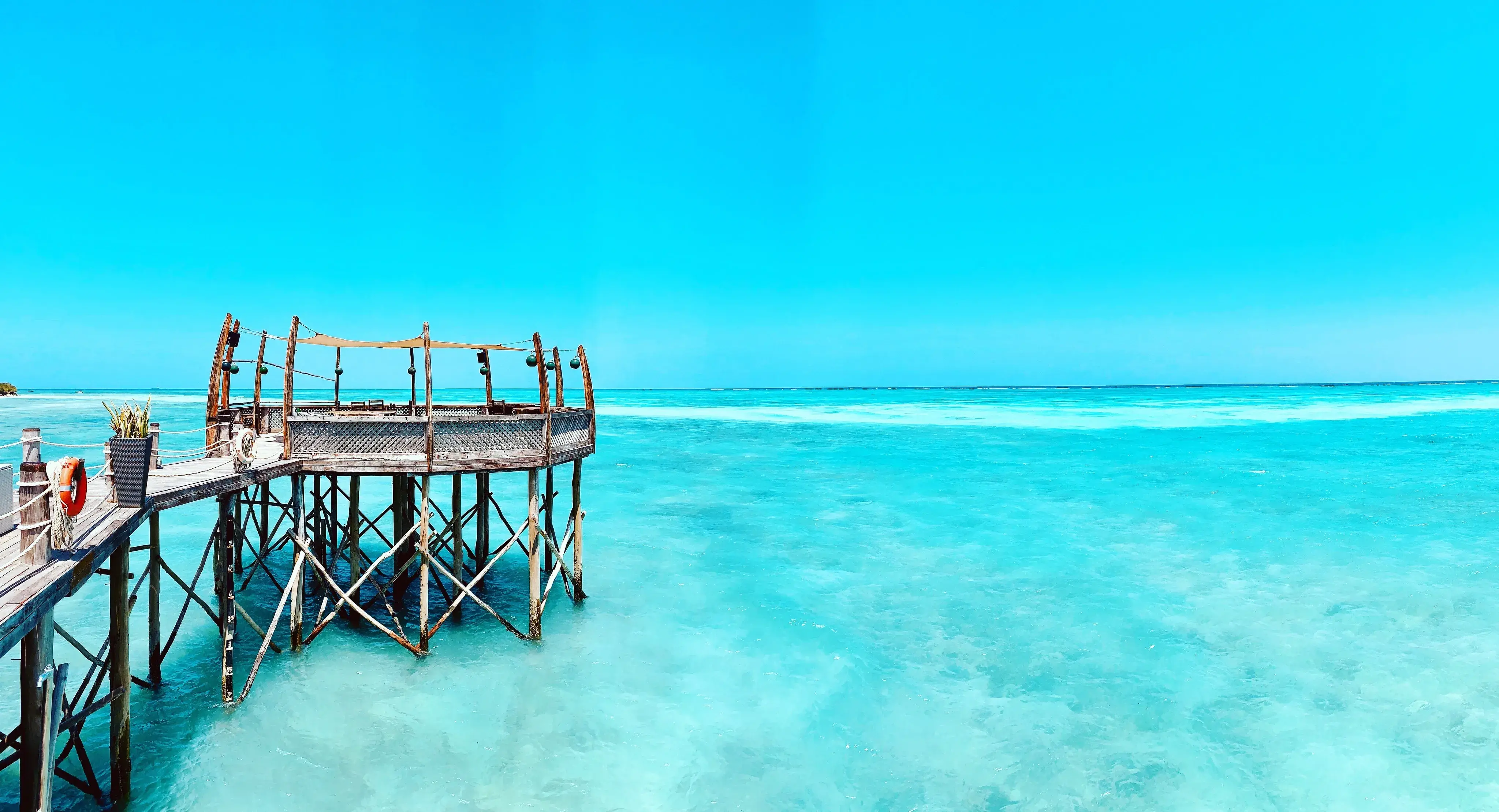
Check correctly fitting lifejackets, boat boarding, shade and whether snorkelling can be adapted to ability. Ask who supervises in the water and whether a non-swimming participant can remain comfortable aboard. A discounted ticket does not establish that the activity suits a toddler or nervous swimmer.
Tell the boat provider each child's age, size, swimming confidence and any needs. Ask whether remaining aboard is comfortable and who supervises water activity. A shallow-looking sandbank is still part of a changing marine setting, not a substitute for an explained safety arrangement.
Nature experiences and wildlife care
Choose programmes with clear rules on distance, feeding and touching. Do not assume close animal contact is educational or necessary. Ask what the visit teaches and how animals are managed, then prepare children to watch respectfully and follow staff instructions even when a photograph would look more exciting up close.
For forest or wildlife programmes, ask about walking surfaces, toilets and the planned observation style. Avoid interactions that depend on chasing or handling animals. A guide who explains what the child is seeing can make a modest encounter more memorable than a staged contact photograph.
A beach day is an activity too
Shade, hydration, safe swimming advice and a usable pool can create an enjoyable day without another excursion. Account for tides at the hotel's frontage. Families often enjoy the holiday more when one outing is followed by a quiet period instead of filling every day with transfers and early starts.
Allow some days without paid excursions. A usable pool, suitable beach time and familiar meals can be meaningful activities in their own right. Keep the evening quiet after a demanding outing instead of adding another transfer because the family is already away from the hotel.
Give a family day a meal plan, shade plan and rest plan
Choose one main outing and decide when the party eats, where it can rest and how it returns. A younger child may enjoy a short nature encounter while a teenager prefers photography or more detailed interpretation. Tell the provider actual ages and practical needs rather than simply describing the booking as a family. Check vehicle arrangements, room layout and activity policies before payment.
Keep a compact accessible bag with familiar suitable snacks, a change of clothes, sun protection and quiet activities for waiting periods. On a walk, give children a simple observation task rather than a promise that a particular animal will appear. On the beach or boat, supervision and fitting equipment belong in the plan independently of the ticket price. Leave the next day lighter after a demanding outing where useful. The aim is a sequence that lets everyone participate comfortably, not the greatest number of activities the party can complete before becoming tired.
Assess the boat day before assessing the photograph
A useful booking specifies the vessel, boarding point, passenger capacity, appropriately fitting lifejackets, shade, water and the return arrangement. Ask who supervises snorkelling and whether a non-swimmer can remain comfortably aboard. If a child travels, provide the age and size so safety equipment can be checked rather than assumed from a discounted ticket.
Tide, wind and visibility can change the route or the practical time at a sandbank or reef. Agree what happens when the original site is unsuitable: an alternative, a reschedule or a cancellation under the provider's terms. Keep equipment protected from spray and board according to the crew's instructions. Dolphins, turtles and other wildlife are possibilities rather than scheduled attractions. Avoid an operator whose central promise depends on chasing animals or encouraging visitors to enter the water in a way that overwhelms wildlife or exceeds their swimming confidence.
One main activity with a soft landing
An illustrative family day has a short morning guided visit, lunch in a comfortable setting and an afternoon at the accommodation. Another day can hold the appropriate sea excursion. Separating them gives each experience space and avoids judging the holiday by how many stops a child tolerated. Adapt the timing to age, sleep and current conditions rather than copying a fixed adult itinerary.
- Give providers the children's ages and swimming ability.
- Confirm lifejackets, boarding and activity restrictions.
- Keep transfer and walking periods manageable.
- Alternate excursions with relaxed beach or pool time.
Which option fits your priorities?
| Option | Who it suits | The main compromise |
|---|---|---|
| Short town or nature outing | Families wanting variety without a long day | Choose shaded breaks and age-appropriate content. |
| Assessed family boat excursion | Children comfortable with the confirmed safety arrangements | Lifejackets, supervision and weather must be checked. |
| Relaxed hotel-and-beach day | Families needing rest between outings | Check tide, shade, pool and local swimming advice. |
Check child categories and practical extras
Ask about age rules, room occupancy, meals, transfers, child seats where relevant and activity equipment. Different providers can use different child categories. Calculate the full family bill, including any private transport needed to manage the day comfortably, rather than multiplying one advertised child price across the entire trip.
Child admission is not the same as an activity being suitable for every child's age, ability or attention span.
How to use this guide to plan a better trip
The details behind Best Things to Do in Zanzibar with Kids become more useful when they are translated into real decisions: where time is spent, what must be confirmed before travel, and which details can remain flexible. Use the following field guide alongside the destination information above.

Choose a beach for your daily routine
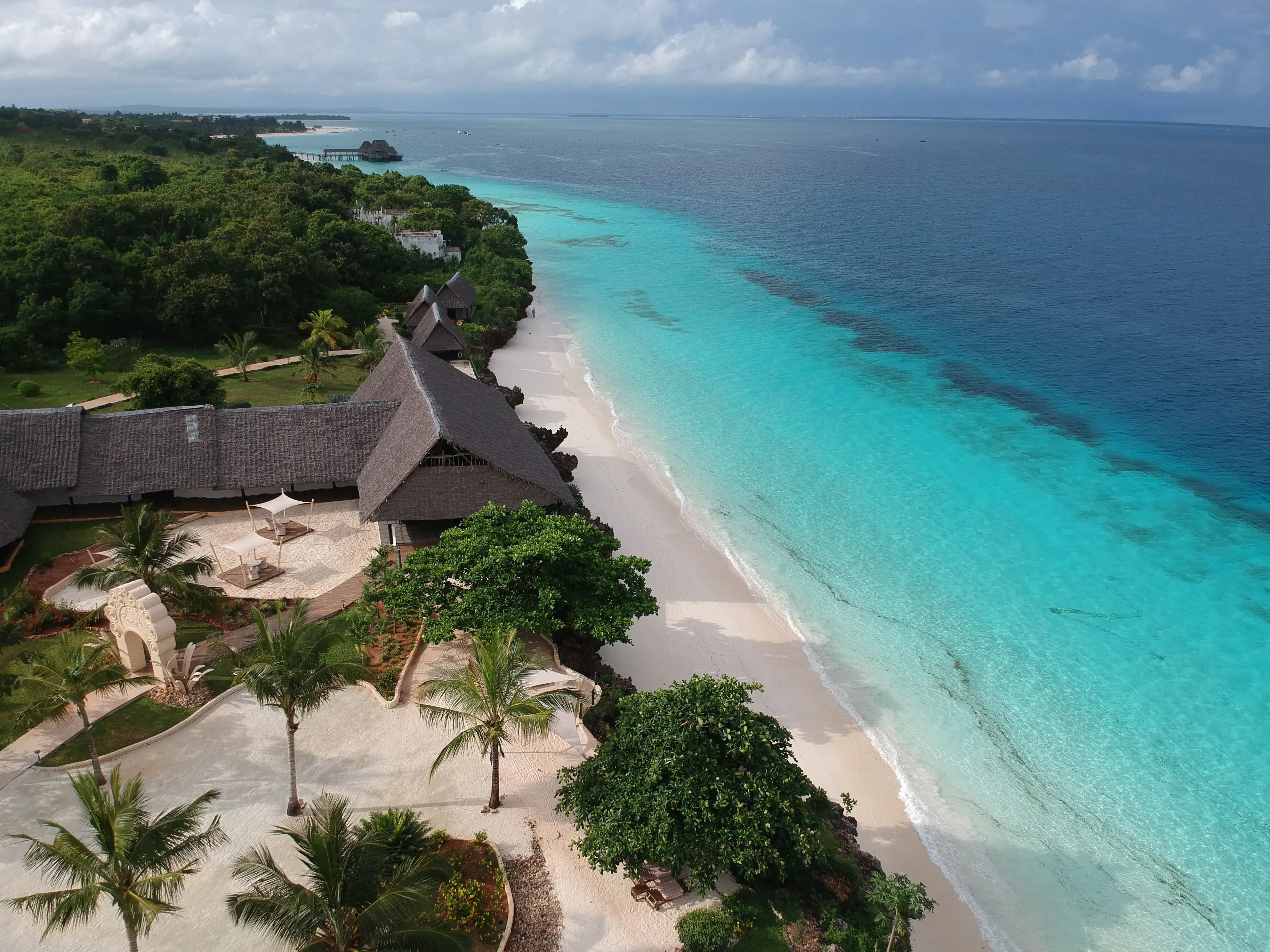
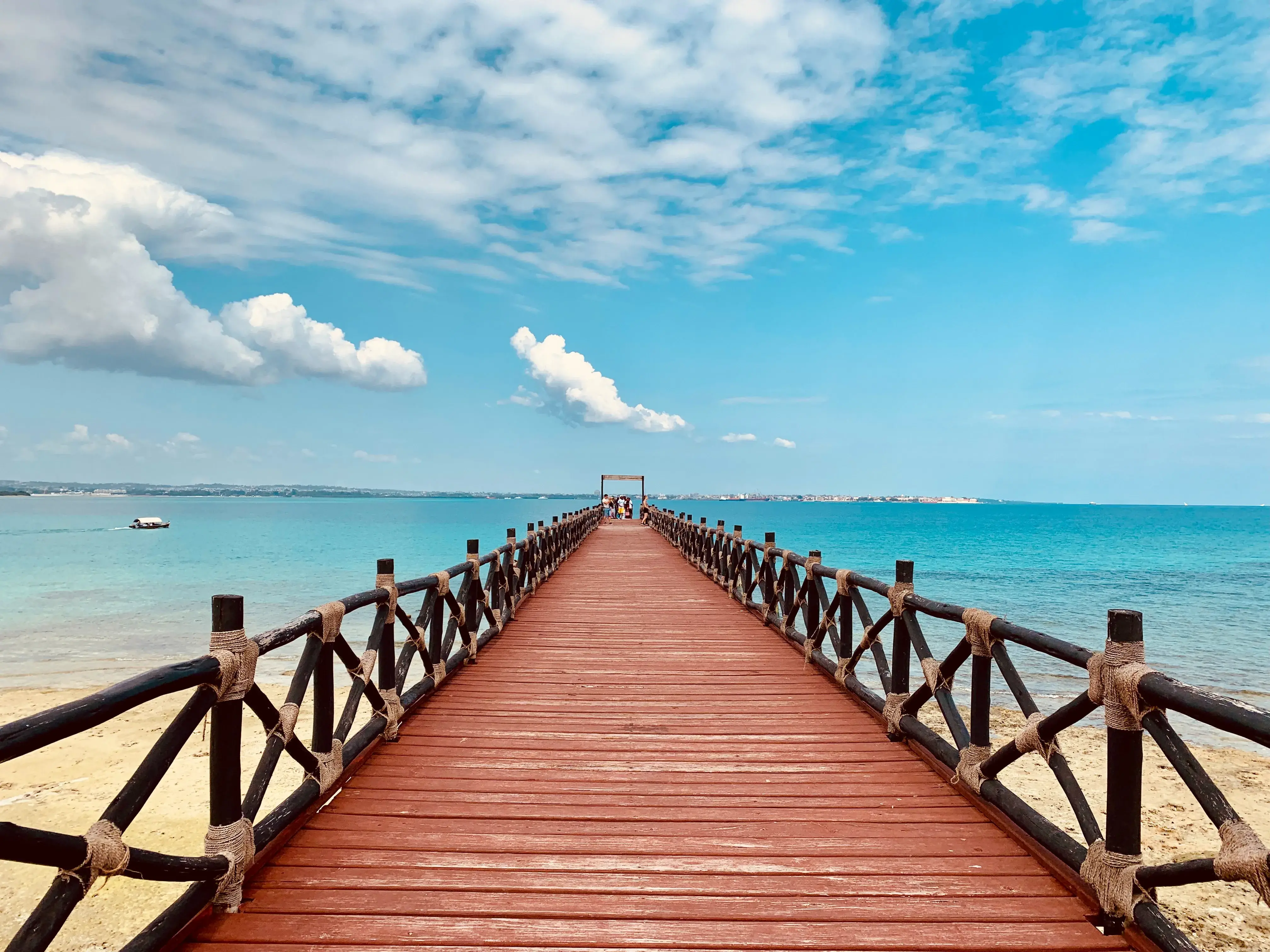
Zanzibar is not a single beach experience. The north, east and southeast coastlines differ in tide exposure, village atmosphere, restaurant choice and the ease of swimming throughout the day. Ask for practical information about the specific stretch of shore, not only the resort name: where can you enter the water, what happens at low tide, and how far away are groceries, cafés or evening activities? A beautiful aerial photograph does not reveal an exposed reef flat, a long transfer or the noise of a lively beachfront. Those details matter more after five days than they do during five minutes of searching hotels.
Plan sea activities around conditions and ethics
Snorkelling, diving, boat trips and wildlife encounters are affected by sea state, tides, visibility and operator standards. Ask how guides choose the departure time, what happens when the water is unsuitable and which equipment and safety briefing are included. Do not assume marine wildlife will appear on demand or that getting closer makes an experience better. Avoid tours that chase dolphins or encourage contact with turtles and other wildlife. If you are not a confident swimmer, tell the operator in advance and ask about buoyancy aids, boat access and alternative viewpoints.
Allow room for culture beyond the resort
Stone Town, local food, markets, farming communities and village life give context to a beach holiday. Schedule cultural activities at a pace that lets you listen and participate respectfully rather than treating every stop as a photo opportunity. In public areas away from beaches, dress considerately and ask before photographing people. Opening hours and visitor access can be affected by local holidays or religious observances. A knowledgeable local guide can make the difference between simply seeing a door, spice plant or fishing boat and understanding what it means within the island’s history and everyday life.
Calculate the complete island day
For any excursion, account for hotel pickup, driving time, boat boarding if relevant, time at the attraction and the journey back. A route that seems short on a map may take longer during busy periods. Compare what a quoted price includes: transfer, entrance fees, equipment, guide, food, drinks and cancellation conditions. Keep a little open time between major activities. A rainy afternoon can become an opportunity to explore an indoor attraction or rest, while an unusually calm morning may be better spent on the water. Flexibility usually improves a Zanzibar holiday.
Compare each suggestion with your dates, interests, physical comfort, budget and appetite for busy days. Ask a local specialist which assumptions they would change for your group, and why. The best advice explains trade-offs instead of pretending one plan suits every traveller.
Four decisions that change the experience
Use these prompts as a quick decision worksheet. Each one is linked to a detailed section in this guide, so you can revisit the evidence instead of making a choice from a short sales description.
A family day needs a rhythm, not more stops
Children can enjoy lanes, boats, wildlife and the beach, but the best sequence respects heat, hunger and concentration. Alternate a main activity with food, shade and downtime.
Explore this considerationStone Town at a child's pace
Keep the walking circuit short, use shaded breaks and choose stories or buildings that fit the child's interests. Busy markets and unfamiliar traffic can be tiring.
Explore this considerationSea outings need more than a child price
Check correctly fitting lifejackets, boat boarding, shade and whether snorkelling can be adapted to ability. Ask who supervises in the water and whether a non-swimming participant can remain comfortable aboard.
Explore this considerationNature experiences and wildlife care
Choose programmes with clear rules on distance, feeding and touching. Do not assume close animal contact is educational or necessary.
Explore this considerationQuestions worth sending before you book
Good planning emails are specific. You do not need a complicated spreadsheet; you need written answers to the points that could change your comfort, budget or available time. These questions help you turn the advice in this article into an itinerary or booking that is genuinely suitable for you.
- How does your suggested plan handle a family day needs a rhythm, not more stops for my exact travel dates?
- What would change if stone town at a child's pace became difficult because of weather, availability or my preferred pace?
- Could you explain how you approach sea outings need more than a child price and what is included in the price?
- Which alternative would you recommend if the main experience is unavailable, and what would that mean for transfers or costs?
- Can you list the total price, the important exclusions, deposit and cancellation rules, and any permits or fees that might change?
- What information do you need from me about mobility, ages, dietary requirements, interests and onward travel to make the plan more suitable?
Ask for a thoughtfully paced itinerary.
Send your travel month, number of guests, approximate budget and two experiences you care about most. You can use the questions above as a starting point.
Bring the details together before you decide
Your ideal version of Best Things to Do in Zanzibar with Kids depends on your time, priorities and the conditions you will actually encounter. Start with the three questions below, then use the checklist to spot details that are often missing from a short description.
A family day needs a rhythm, not more stops
Children can enjoy lanes, boats, wildlife and the beach, but the best sequence respects heat, hunger and concentration. Alternate a main activity with food, shade and downtime.
Read this section ↗Stone Town at a child's pace
Keep the walking circuit short, use shaded breaks and choose stories or buildings that fit the child's interests. Busy markets and unfamiliar traffic can be tiring.
Read this section ↗Sea outings need more than a child price
Check correctly fitting lifejackets, boat boarding, shade and whether snorkelling can be adapted to ability. Ask who supervises in the water and whether a non-swimming participant can remain comfortable aboard.
Read this section ↗Practical checks for this type of journey
- Confirm how tide and sea conditions change the attraction on your chosen dates.
- Ask how long the round-trip transfer takes and what the excursion price includes.
- Choose water activities with strong safety standards and respectful wildlife practices.
- Leave time for local culture and unscheduled beach hours rather than stacking activities.
Compare each suggestion with your dates, interests, physical comfort, budget and appetite for busy days. Ask a local specialist which assumptions they would change for your group, and why. The best advice explains trade-offs instead of pretending one plan suits every traveller.
Questions travellers actually ask
Is a child ticket proof that a boat suits my child?
No. Confirm equipment, supervision, boarding and the child's water confidence.
Do children need an excursion every day?
No. Restful beach or pool time can be a valuable part of the holiday.
Can we follow a full adult Stone Town itinerary?
Adapt it with shorter sections, shade, meals and a clear return plan.
Make the decision with the whole trip in mind
A good family itinerary leaves children curious rather than exhausted. Protect the routine around each main experience and let simpler days carry part of the holiday.
Sources and further reading
Official and specialist references are linked below. Suggested schedules and worked budgets are clearly identified as planning examples; confirm date-sensitive operating conditions with the relevant provider.
Research reviewed on .
Turn the guide into a trip that fits you
Share your dates and priorities with Haven Trails for a suitable itinerary and a written breakdown of inclusions.
Discuss your itinerary Read more guides