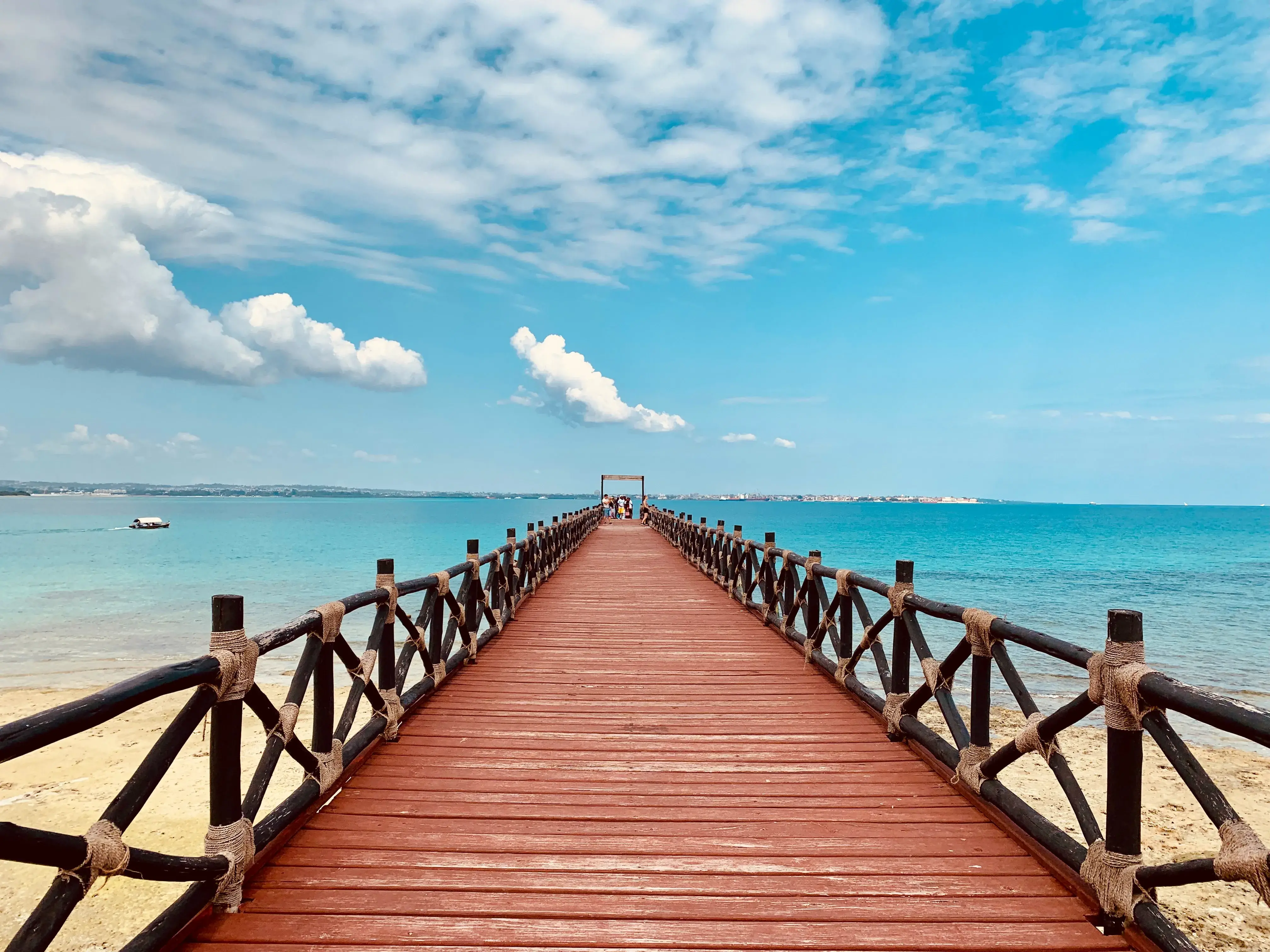
Lake Chala, also spelled Challa, offers a crater-lake landscape and walking interest near the Tanzania-Kenya border. A visit should be planned around current access and the actual descent, not around old descriptions that assume swimming or boating is always available.
Choose Lake Chala for its scenery and a guided walking plan suited to your fitness. Confirm entry, trails and any water activity directly for the day. Do not assume that swimming, kayaking or access to the shoreline is permitted simply because an older itinerary mentions it.
The rim and the water are two different objectives
Lake Chala lies in a crater on the Tanzania–Kenya border and is described by the tourist board as a distinctive lake landscape. A viewpoint visit and a descent toward the shore create different walking demands. Choose the objective first. The appealing colour of the water does not establish current access, swimming permission or the effort required to return.
| Detail | What it means for your trip |
|---|---|
| Viewpoint | Current access and the intended rim area. |
| Shore path | Gradient, footing and the uphill return. |
| Water programme | Actual permission, conditions and appropriate supervision. |
| Day logistics | Transport, food, facilities and a confirmed return. |
The rim and shore are different experiences
Ask whether the programme stays on viewpoints, descends to the lake or includes both. The return ascent can make a shoreline visit more demanding than it first appears. Explain mobility and fitness needs before choosing the route, and allow time to walk steadily rather than rush back for a transfer.
Ask whether the programme remains near the rim or descends closer to the lake. A short downhill approach can make the advertised time look modest, while the return takes more effort. If mobility or height confidence matters, discuss the path before paying.
Current access governs the visit
Site management, trail condition and weather can change what is possible. Ask the provider to confirm the entry point and available facilities before the journey. A booking description should identify the actual route and permissions, especially if it advertises a water activity as part of the price.
Visitor facilities and access arrangements can change. Confirm who manages the current entrance and which areas are open. The international-border setting does not give visitors permission to move freely across jurisdictions or use an informal route not included in the agreed programme.
Swimming is a separate decision
An attractive lake view does not establish safe swimming or approved access. Follow current site rules and qualified local advice about depth, wildlife and water conditions. A visitor should not enter the water merely because a previous traveller posted a swimming photograph or an old guide called it an included activity.
Treat swimming or boating as a separate decision requiring current local authorisation and conditions. An old tourism description listing an activity is not a present safety clearance. Do not enter the water merely because another visitor's image shows somebody swimming there.
Keep the day geographically sensible
Choose the outing from your actual base and account for the approach road, walking and lunch. A Moshi-area holiday may combine it with other interests, but adding several distant stops can remove the relaxed time that makes a lake visit enjoyable. Confirm the return before an early next-day departure.
Combine the lake with the actual hotel and onward plan. If a mountain briefing or airport transfer follows, a rim-focused visit may fit better than a longer descent and water programme. Keep a comfortable meal and return buffer instead of adding another distant site automatically.
Forest walking has a different rhythm from savanna driving
A forest trail can feel demanding because of humidity, roots, mud and repeated changes in gradient even when the distance sounds modest. Ask about the return climb, not only the downhill approach to a waterfall or viewpoint. Wear footwear suited to the actual footing and keep rain protection available before the weather turns.
Pause with the guide to listen and look into the canopy. Birds and primates are not always visible immediately, and pushing continuously to the headline viewpoint can miss much of the habitat's interest. Carry the agreed water and allow time for rest in suitable places. Access rules still apply: a stream or pool mentioned in an old itinerary is not automatically open for swimming today. A lower mountain or forest outing should be judged by its actual terrain and conditions rather than assumed easy because it does not end at a famous summit.
Fit the outing into the day before and the day after
A day trip often sits between a long arrival, a safari departure or a mountain briefing. Ask what energy and time you actually have, then select the main experience accordingly. The shortest drive is not always the easiest walk, and a gentle-looking waterfall approach may have a substantial climb on the return.
Draw a schedule that includes transport, entry or registration, the activity, lunch and the final return. Keep time for equipment checks or luggage collection if another journey follows. A combination of two attractions is worthwhile only when the transfers leave enough time at both. Otherwise one unhurried outing can be more informative and enjoyable than two rushed stops. Weather can change paths and road conditions, so choose a guide with a practical alternative. The holiday improves when an optional outing supports the rest of the trip rather than consuming the rest or preparation period it depends on.
A viewpoint visit can be a complete outing
An illustrative day uses an agreed rim walk, time to observe the lake and landscape, lunch and a clear return. A fitter party wanting the shore can add that objective after reviewing the route. Neither version needs water participation to be worthwhile. Select the experience that matches the party instead of treating swimming as the measure of a successful lake visit.
- Confirm the actual entry point and available route.
- Ask about walking effort and the return ascent.
- Verify water-activity permissions separately.
- Protect enough time for the lake rather than adding rushed stops.
Which option fits your priorities?
| Option | Who it suits | The main compromise |
|---|---|---|
| Rim and viewpoint visit | Travellers seeking scenery with manageable walking | Confirm the accessible path and viewpoint. |
| Guided shoreline hike | Active visitors interested in a fuller crater experience | Account for the descent and return ascent. |
| Water activity if permitted | Travellers considering a separately confirmed programme | Current permission and conditions are essential. |
Specify which access and activities are priced
Ask for transport, current entry arrangement, guiding, lunch and any separate water service. A viewpoint quote may not cover a longer guided path or equipment. Use a current confirmation rather than assuming every item in a destination description is available under one admission.
Historical mentions of swimming or kayaking do not prove those activities are permitted or available during your visit.
How to use this guide to plan a better trip
The details behind Lake Chala Tanzania: Swimming, Hiking, Access and Visitor Tips become more useful when they are translated into real decisions: where time is spent, what must be confirmed before travel, and which details can remain flexible. Use the following field guide alongside the destination information above.

Turn a list of attractions into a realistic day
Check your starting town, road conditions, estimated travel time and the natural time of day for the main experience. A place that looks close on a map can require a substantial round trip; add time for parking, walking, local entry procedures and an unrushed lunch. Prioritise the experience you care about most and treat the second stop as optional when the day is already full. If you are continuing to a mountain trek or safari, protect the rest you need before an early departure. Well-paced days allow conversations with guides and residents that a tightly scheduled itinerary often misses.
Understand access, safety and local customs
Ask whether you need a local guide, which paths or viewpoints are open, what footwear suits the terrain and whether swimming or a water-based activity is permitted. Conditions can change with rain, heat or local operations; a published photograph is not a current safety assessment. When you visit a community, seek consent for portraits, use agreed local guides where appropriate and make any community payment or contribution transparent. A respectful interaction should benefit residents and leave you with more than a quick stop for souvenirs.
Solve the small logistics before departure
Find out if you need cash, the form of payment accepted, mobile coverage at the destination, drinking-water availability and a convenient place to use the restroom. Confirm who will meet you and whether a transfer is included in the price. For intercity travel, allow buffers around airport check-in or onward buses; for small-group excursions, ask when the operator expects to return to town. Save offline directions and a local contact number, and communicate dietary requirements or mobility needs before you depart rather than at the trailhead or vehicle.
Make space for local knowledge
A good travel day is not simply the greatest number of sights completed. Leave room to learn why a landscape, food, craft or tradition matters to the people who live nearby. Ask your guide what changes between seasons and which activities have the greatest community value. Where an activity touches wildlife, forests or water sources, favour providers who follow protective rules and keep visitors at a respectful distance. When the timetable allows, a spontaneous extra conversation or a quiet viewpoint can become the moment you remember most.
Ask about tide and current conditions, visibility, boat safety, conservation practices and the guide-to-guest ratio. Avoid operators who touch, feed or chase marine wildlife. When an excursion is not safe, choose a rescheduled departure or an alternative experience rather than forcing the original plan.
Four decisions that change the experience
Use these prompts as a quick decision worksheet. Each one is linked to a detailed section in this guide, so you can revisit the evidence instead of making a choice from a short sales description.
The rim and the water are two different objectives
Lake Chala lies in a crater on the Tanzania–Kenya border and is described by the tourist board as a distinctive lake landscape. A viewpoint visit and a descent toward the shore create different walking demands.
Explore this considerationThe rim and shore are different experiences
Ask whether the programme stays on viewpoints, descends to the lake or includes both. The return ascent can make a shoreline visit more demanding than it first appears.
Explore this considerationCurrent access governs the visit
Site management, trail condition and weather can change what is possible. Ask the provider to confirm the entry point and available facilities before the journey.
Explore this considerationSwimming is a separate decision
An attractive lake view does not establish safe swimming or approved access. Follow current site rules and qualified local advice about depth, wildlife and water conditions.
Explore this considerationQuestions worth sending before you book
Good planning emails are specific. You do not need a complicated spreadsheet; you need written answers to the points that could change your comfort, budget or available time. These questions help you turn the advice in this article into an itinerary or booking that is genuinely suitable for you.
- How does your suggested plan handle the rim and the water are two different objectives for my exact travel dates?
- What would change if the rim and shore are different experiences became difficult because of weather, availability or my preferred pace?
- Could you explain how you approach current access governs the visit and what is included in the price?
- Which alternative would you recommend if the main experience is unavailable, and what would that mean for transfers or costs?
- Can you list the total price, the important exclusions, deposit and cancellation rules, and any permits or fees that might change?
- What information do you need from me about mobility, ages, dietary requirements, interests and onward travel to make the plan more suitable?
Ask for a thoughtfully paced itinerary.
Send your travel month, number of guests, approximate budget and two experiences you care about most. You can use the questions above as a starting point.
Bring the details together before you decide
Your ideal version of Lake Chala Tanzania: Swimming, Hiking, Access and Visitor Tips depends on your time, priorities and the conditions you will actually encounter. Start with the three questions below, then use the checklist to spot details that are often missing from a short description.
The rim and the water are two different objectives
Lake Chala lies in a crater on the Tanzania–Kenya border and is described by the tourist board as a distinctive lake landscape. A viewpoint visit and a descent toward the shore create different walking demands.
Read this section ↗The rim and shore are different experiences
Ask whether the programme stays on viewpoints, descends to the lake or includes both. The return ascent can make a shoreline visit more demanding than it first appears.
Read this section ↗Current access governs the visit
Site management, trail condition and weather can change what is possible. Ask the provider to confirm the entry point and available facilities before the journey.
Read this section ↗Practical checks for this type of journey
- Check opening hours, access rules and whether a knowledgeable guide is needed.
- Allow for the full road and walking time, not only the distance on a map.
- Ask about footwear, weather alternatives, payment methods and local permissions.
- Support respectful, locally led experiences and ask permission before taking portraits.
Ask about tide and current conditions, visibility, boat safety, conservation practices and the guide-to-guest ratio. Avoid operators who touch, feed or chase marine wildlife. When an excursion is not safe, choose a rescheduled departure or an alternative experience rather than forcing the original plan.
Questions travellers actually ask
Can I see the lake without swimming?
Yes, where current authorised viewpoint access allows an appropriate visit.
Is reaching the shore the same as a rim walk?
No. The descent and return can add different effort and footing.
Does an old activity listing prove access today?
No. Confirm current permissions and conditions with the responsible provider.
Make the decision with the whole trip in mind
Let the lake landscape be the attraction and choose the level of activity deliberately. Clear access and an honest return-path discussion make a better visit than assumptions drawn from blue-water photographs.
Sources and further reading
The Tanzania Tourist Board describes Lake Chala as a crater lake straddling the Tanzania-Kenya border.
Tanzania Tourist Board: Lake Chala.Official and specialist references are linked below. Suggested schedules and worked budgets are clearly identified as planning examples; confirm date-sensitive operating conditions with the relevant provider.
- Tanzania Tourist Board: Lake Chala
- Tanzania Tourist Board: Kilimanjaro regional travel programme
- FCDO: Tanzania safety and security
Research reviewed on .
Turn the guide into a trip that fits you
Share your dates and priorities with Haven Trails for a suitable itinerary and a written breakdown of inclusions.
Discuss your itinerary Read more guides